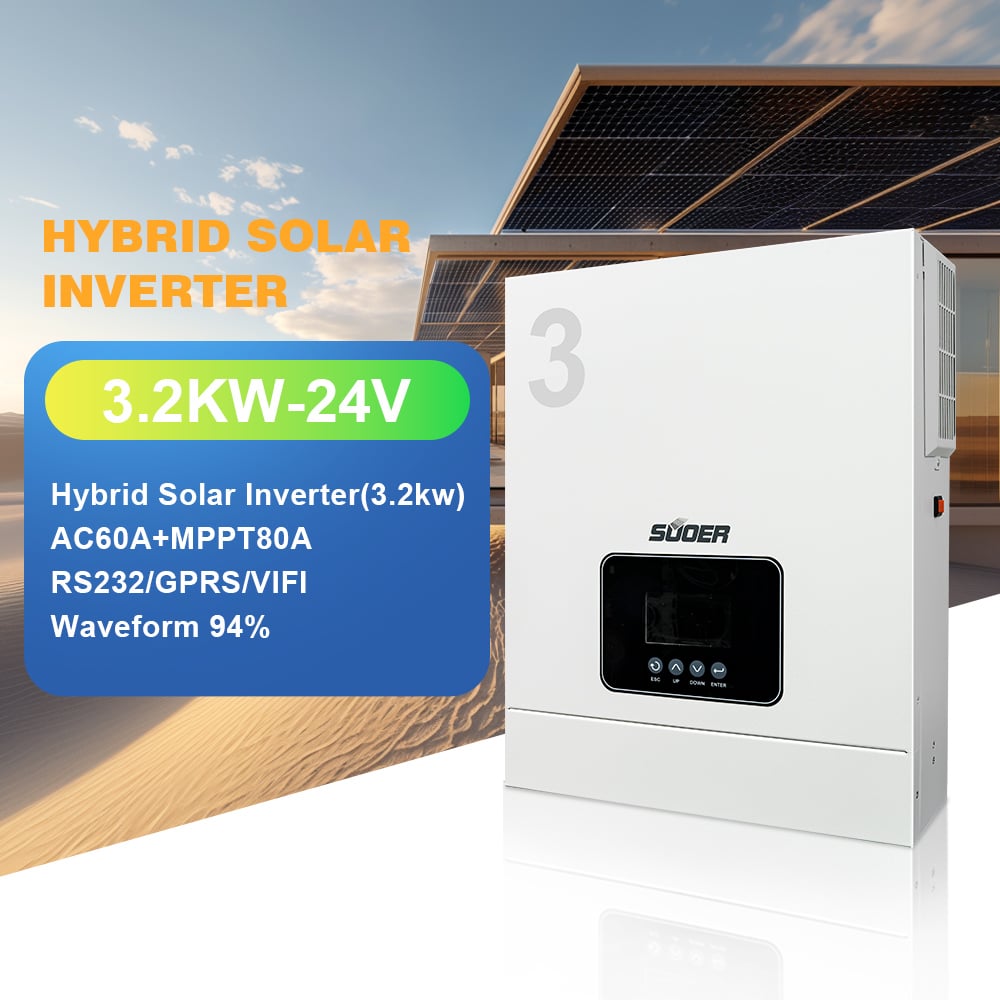
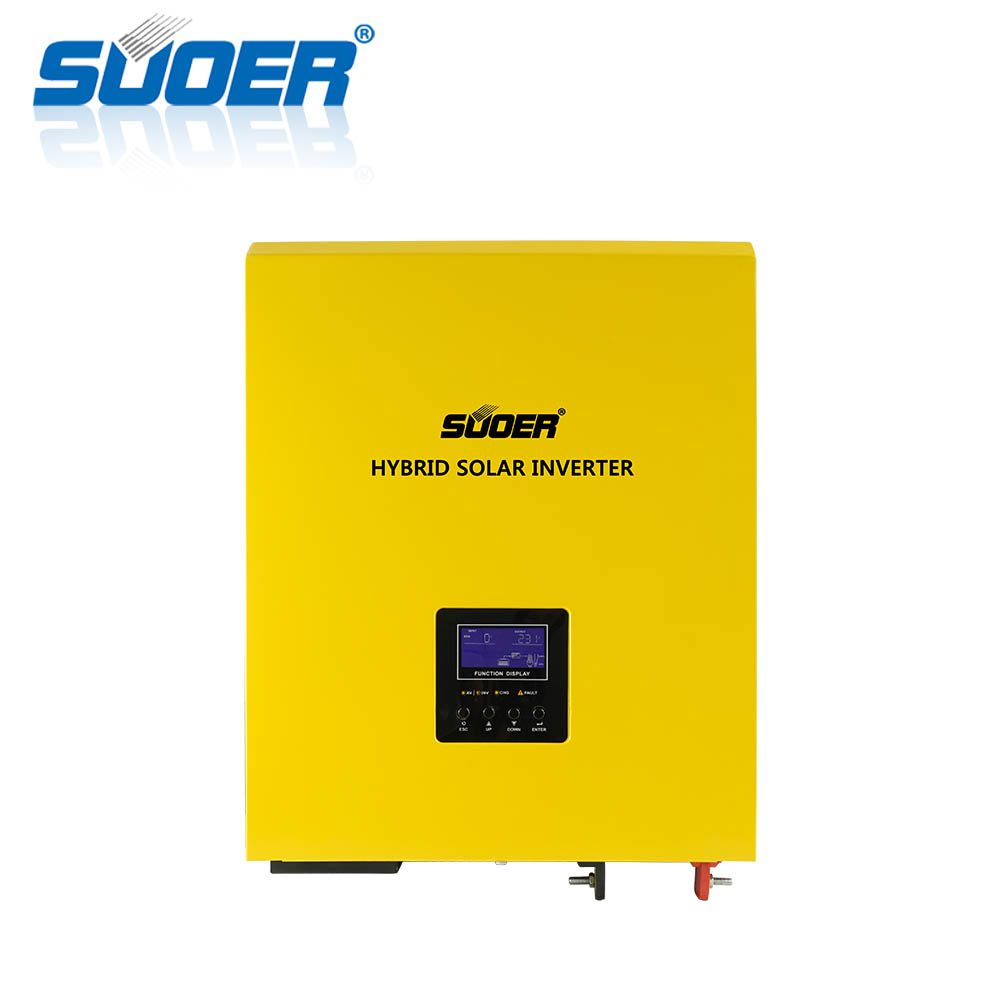
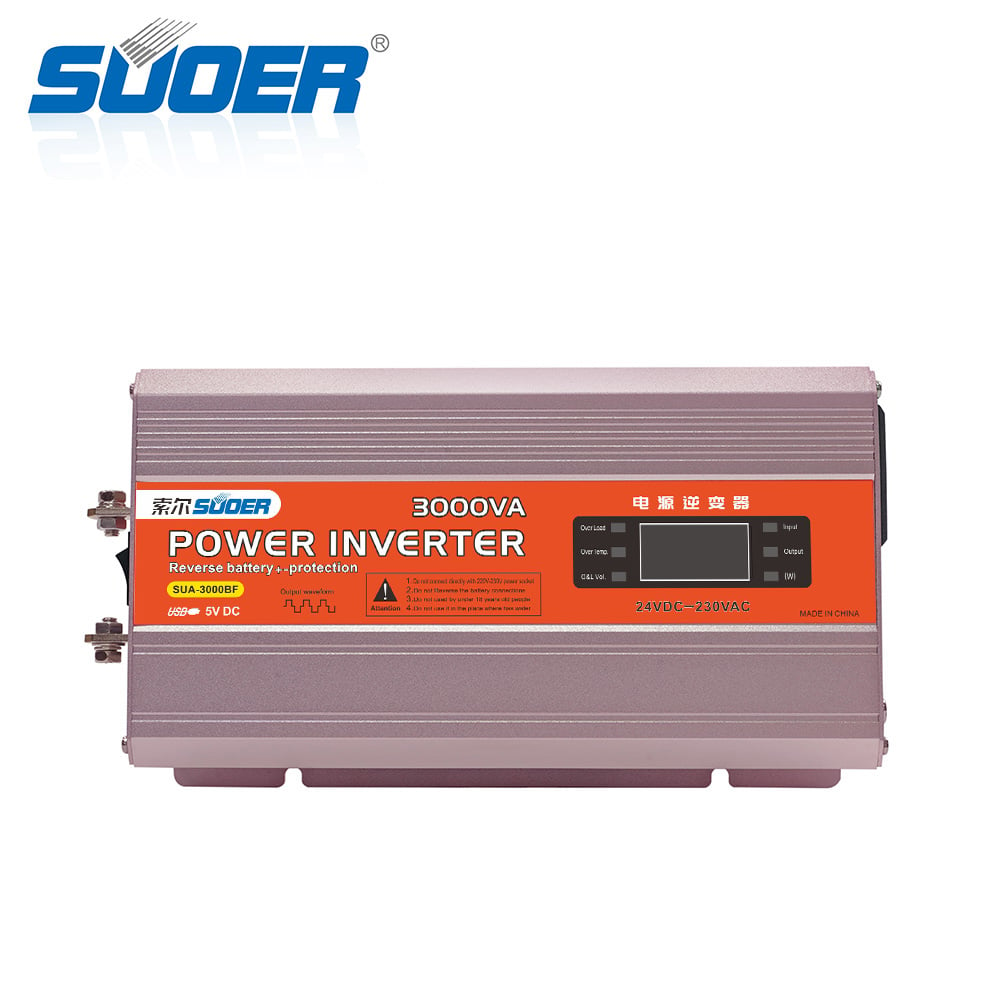
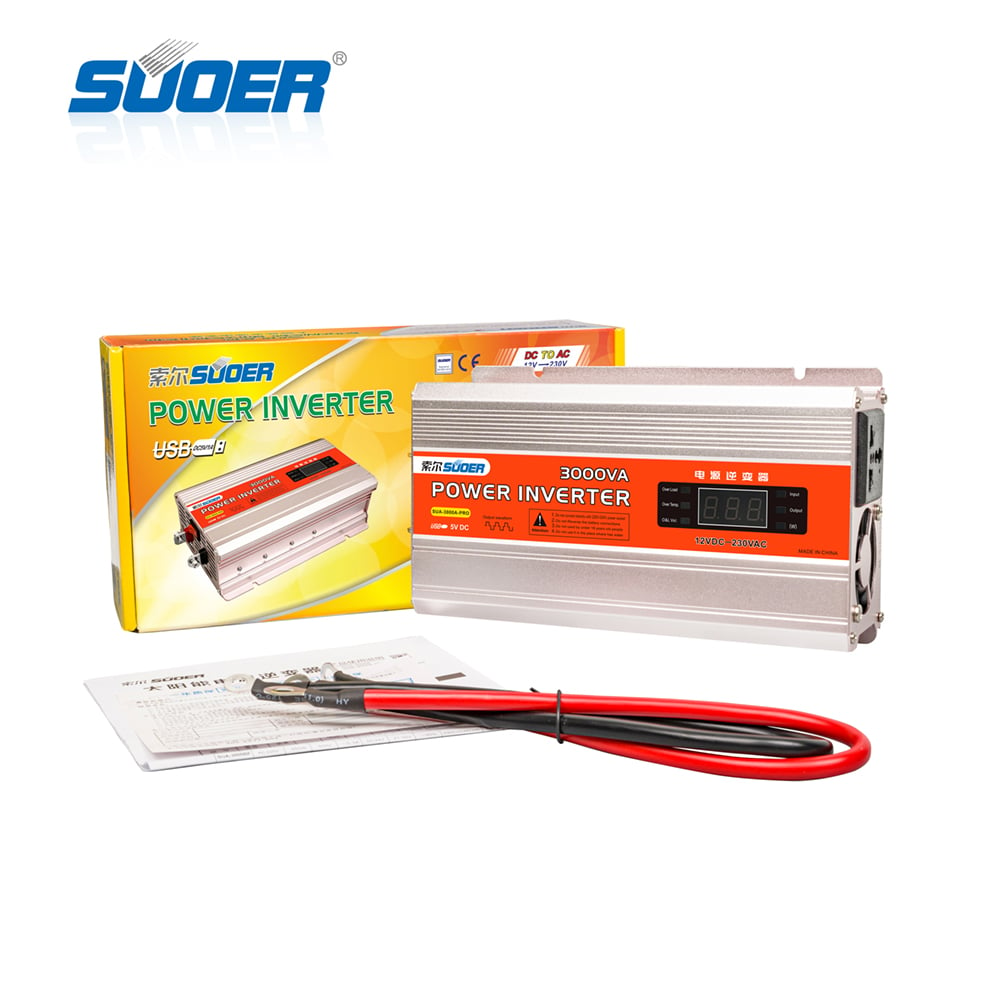
Understanding the intricacies of solar hybrid inverters is crucial for businesses looking to harness renewable energy effectively. This article focuses on the solar hybrid inverter 3kW, a versatile solution for various applications, especially in the commercial and industrial sectors. B2B buyers often seek information regarding specifications, sourcing options, and cost factors before making a purchase. Here, we aim to clarify these aspects, helping you make informed decisions about integrating solar hybrid inverters into your energy strategy.
When evaluating 3kW solar hybrid inverters, several key specifications should be prioritized:
Input Voltage Range: This determines the operational flexibility of the inverter. Ensure the input voltage range aligns with your solar panel output to maximize efficiency.
Output Waveform: Most inverters produce either pure sine wave or modified sine wave output. Pure sine wave inverters are preferable for sensitive electronics, while modified sine wave may suffice for less critical applications.
Efficiency Ratings: Look for inverters with higher efficiency ratings (typically above 90%). This metric indicates how well the inverter converts solar energy into usable electricity, affecting overall energy costs.
Battery Compatibility: If you plan to integrate battery storage, ensure the inverter is compatible with the type and capacity of your batteries. This ensures smooth energy management between solar generation and storage. For instance, the New 10.2kw Hybrid Solar Off-Grid Inverter System 10kwh 200ah Lithium Iron Lifepo4 Battery Split Stackable CAN Communication Port is a great option for battery compatibility.
Dimensions and Weight: These factors are essential when space is constrained. Knowing the physical size of the inverter helps in planning installation.
Cooling Mechanism: Inverters may use passive or active cooling systems. Active cooling tends to offer better performance under high load conditions.
By carefully comparing these specifications, you can select an inverter that not only meets your current needs but is also adaptable for future requirements.
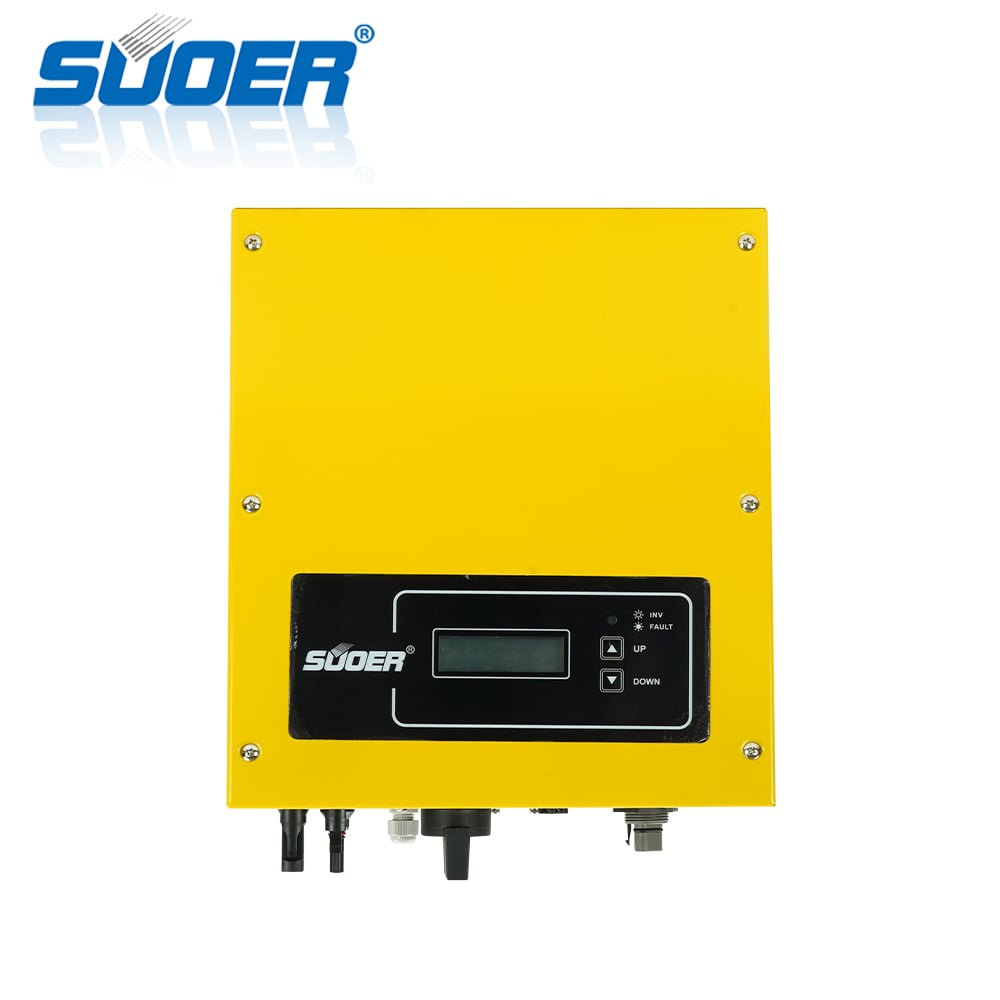
In addition to specifications, consider the following factors when selecting a solar hybrid inverter 3kW:
Certifications: Ensure the inverter meets relevant standards such as ROHS, CE, and ISO9001. These certifications indicate compliance with quality and safety regulations, which are critical for long-term reliability.
Warranty and Support: Check for a warranty period that reflects the manufacturer’s confidence in their product. A robust support system is also essential for troubleshooting and maintenance.
User Interface: A clear, user-friendly interface helps in monitoring performance and diagnosing issues. Look for inverters with display screens or smartphone connectivity features.
Installation Requirements: Understand the installation process and any special requirements. Some inverters may need specific mounting arrangements or environmental conditions to operate effectively.
Scalability: If your energy needs might increase, consider inverters that allow for easy scalability or integration with additional units.
Focusing on these aspects will help ensure that your investment in a solar hybrid inverter aligns with your operational goals and energy strategies.
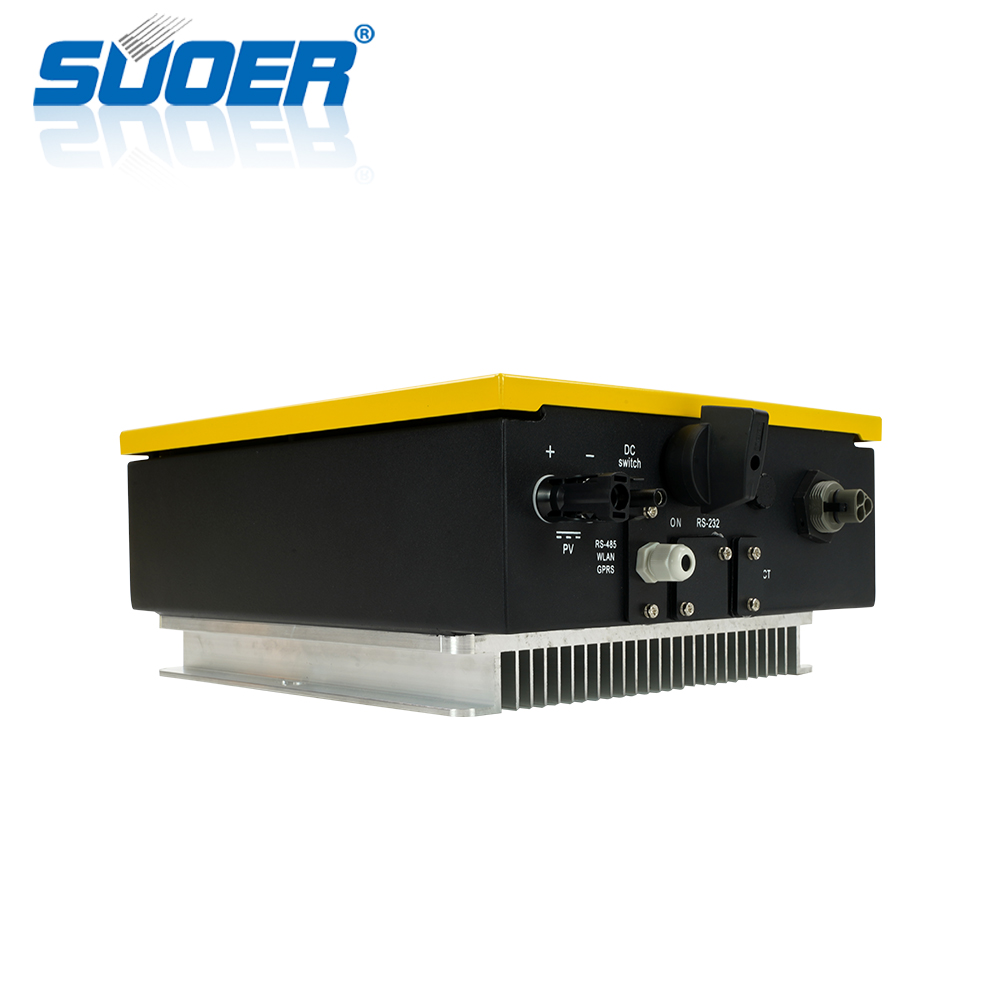
Sourcing quality 3kW solar hybrid inverters is critical for ensuring reliability and performance. Here are steps to find trustworthy suppliers:
Industry Research: Start by researching manufacturers known for their expertise in solar technologies. Look for companies with a strong reputation in the renewable energy sector.
Trade Shows and Expos: Participating in industry trade shows provides opportunities to meet manufacturers, view products firsthand, and discuss potential partnerships.
Online Marketplaces: Platforms such as Alibaba or industry-specific portals can help locate wholesalers. However, due diligence is crucial—check reviews and ratings before engaging.
Local Distributors: Partnering with local suppliers can reduce shipping costs and lead times. They may also provide additional support during the installation process.
Networking: Engage with industry peers and join forums. Personal recommendations can lead to reliable suppliers that meet your quality and service expectations.
By leveraging these avenues, you can establish a robust supply chain for your solar hybrid inverters, ensuring timely access to quality products.
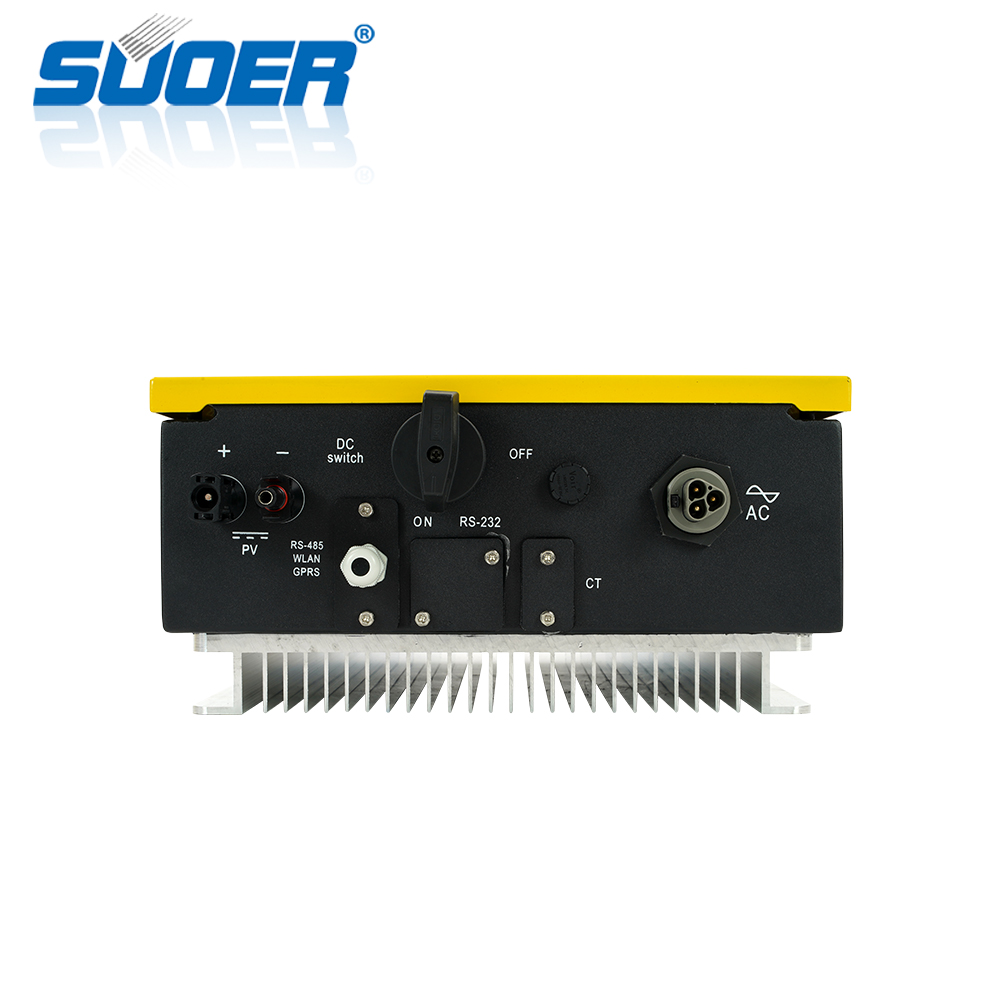
Understanding the cost structure of 3kW solar hybrid inverters is essential for effective budgeting:
Base Price: The initial purchase price is a starting point, but it should be evaluated in the context of the inverter's specifications and warranty.
Installation Costs: Factor in installation fees, which can vary based on the complexity of the setup and the local market rates for electricians.
Shipping and Handling: If sourcing from overseas, consider shipping costs, customs duties, and potential delays. Local suppliers may offer advantages in this regard.
Maintenance and Operation Costs: Inverters require regular maintenance to optimize performance. Estimate costs for potential repairs or parts replacements over the product's lifespan.
Energy Savings: Ultimately, the inverter's efficiency will impact your energy bills. Calculate potential savings based on expected solar generation versus traditional energy costs.
By grasping these cost factors, you can make a more informed financial decision regarding your solar hybrid inverter investment.
3kW solar hybrid inverters are versatile and have applications across multiple sectors:
Commercial Buildings: Businesses can utilize these inverters to reduce energy costs and enhance sustainability. They can be integrated into building management systems for optimal energy use.
Telecommunications: In remote areas where grid access is limited, 3kW inverters can support communication towers, ensuring continuous power supply for operations. A model like the New 12kw Hybrid Solar Off-Grid Inverter System 15kwh 300ah Lithium Iron Lifepo4 Battery can be particularly effective in such scenarios.
Electric Vehicle Charging Stations: As the electric vehicle market grows, these inverters can power charging stations, providing a renewable energy source that aligns with environmental goals.
Agriculture: Farmers can use solar hybrid inverters to power irrigation systems, greenhouses, and other energy-intensive operations, reducing reliance on fossil fuels.
Residential Applications: Homeowners looking to lower energy bills can benefit from these inverters, supporting solar panel systems and battery storage solutions.
Considering these applications illustrates the broad utility of 3kW solar hybrid inverters, making them a valuable asset across various industries. By aligning your choice with specific applications, you can enhance both performance and return on investment.

Discover Suoer’s premium range of solar inverters and power inverters designed for reliable renewable energy solutions.Trusted by customers worldwide for exceptional performance and durability.
Suoer Industrial Zone, Ercun Road Section, Yanfeng Avenue, Shishan Town,Foshan city,Guangdong Province,China
Copyright © 2024 Foshan Suoer Electronic Industry Co., Ltd. Privacy Policy - Blog

 EN
 AR
 NL
 FR
 DE
 EL
 IT
 JA
 KO
 PT
 RU
 ES
 VI
 TH
 TR
 BG
 HR
 CS
 NO
 PL
 TL
 ID
 SR
 UK
 SQ
 HU
 MT
 AF
 MS
 IS
 HY
 AZ
 BN
 BS
 GU
 LO
 LA
 MN
 NE
 TA