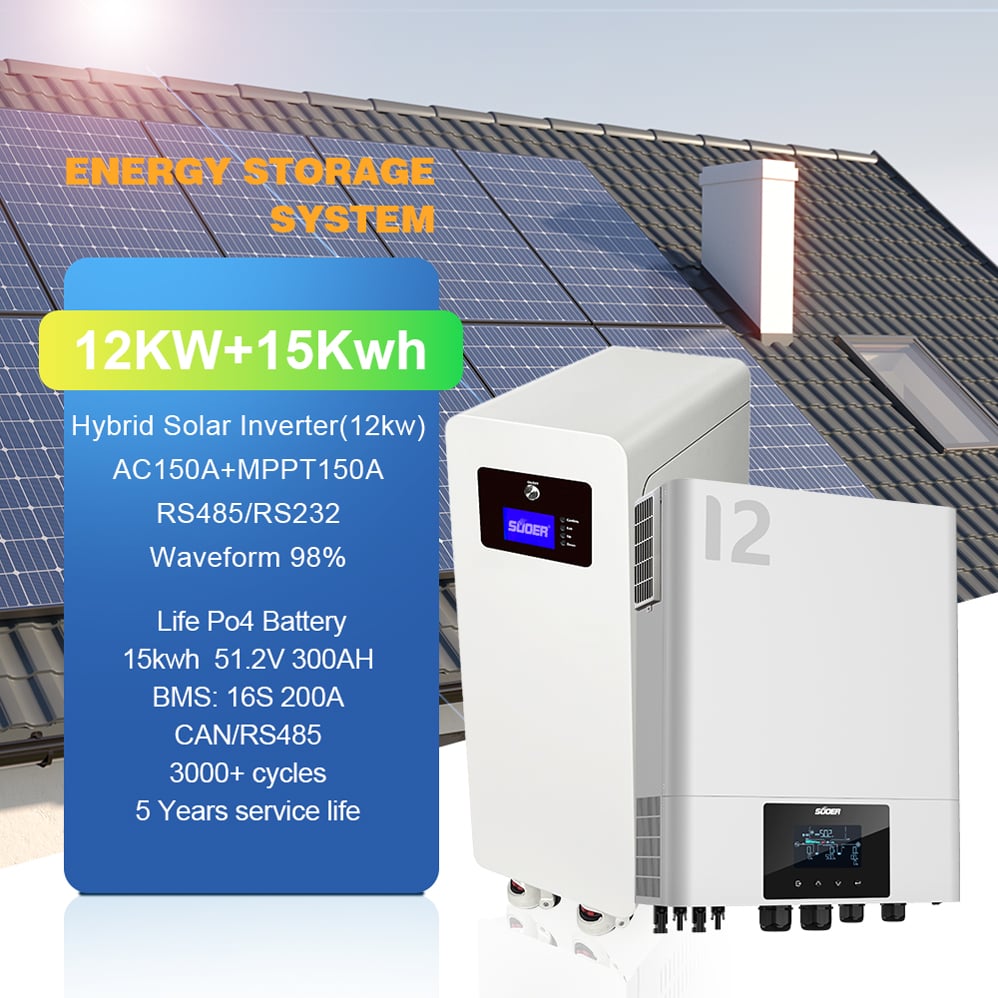
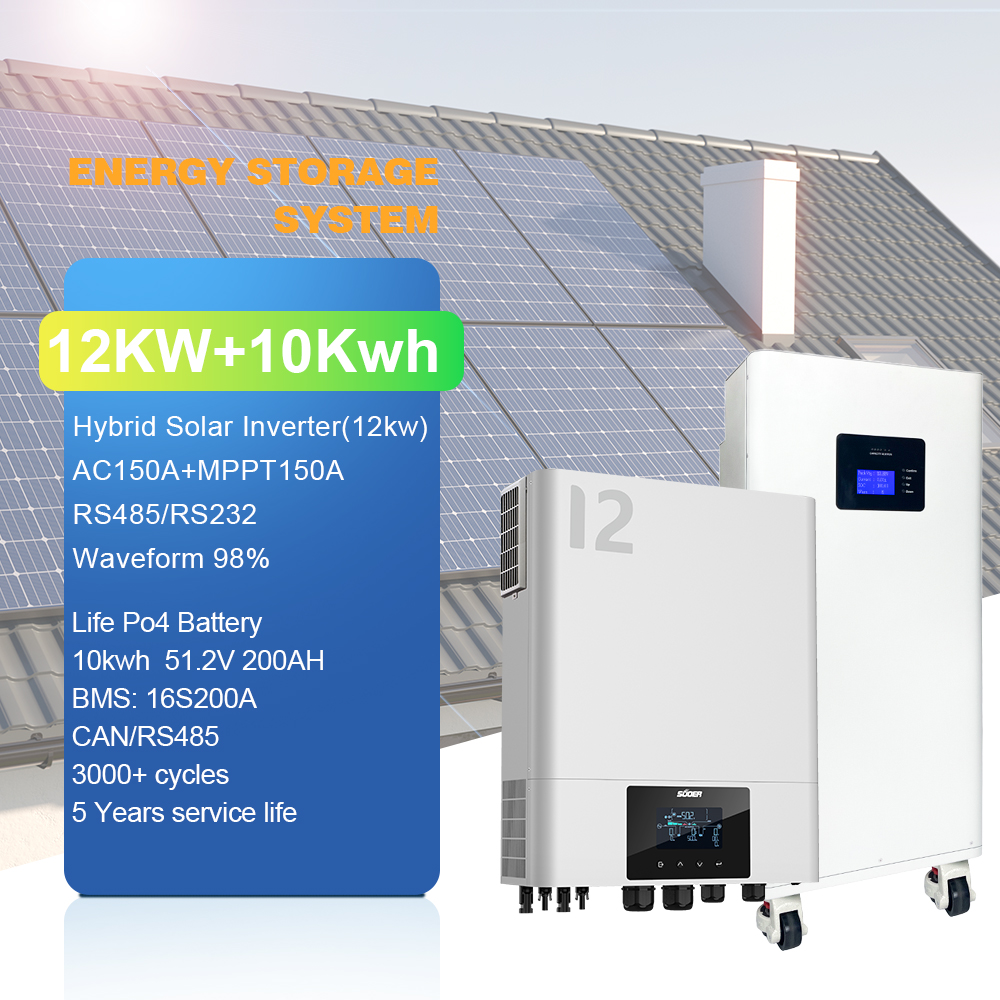
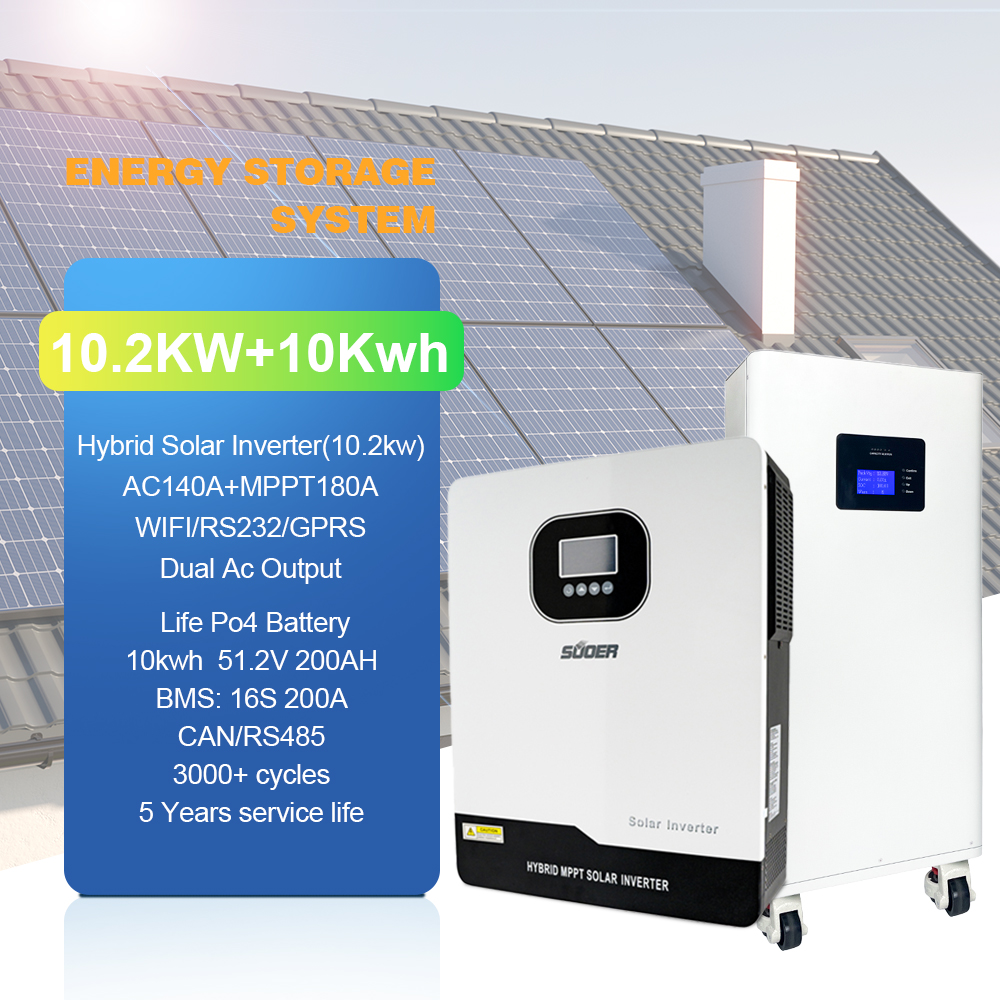
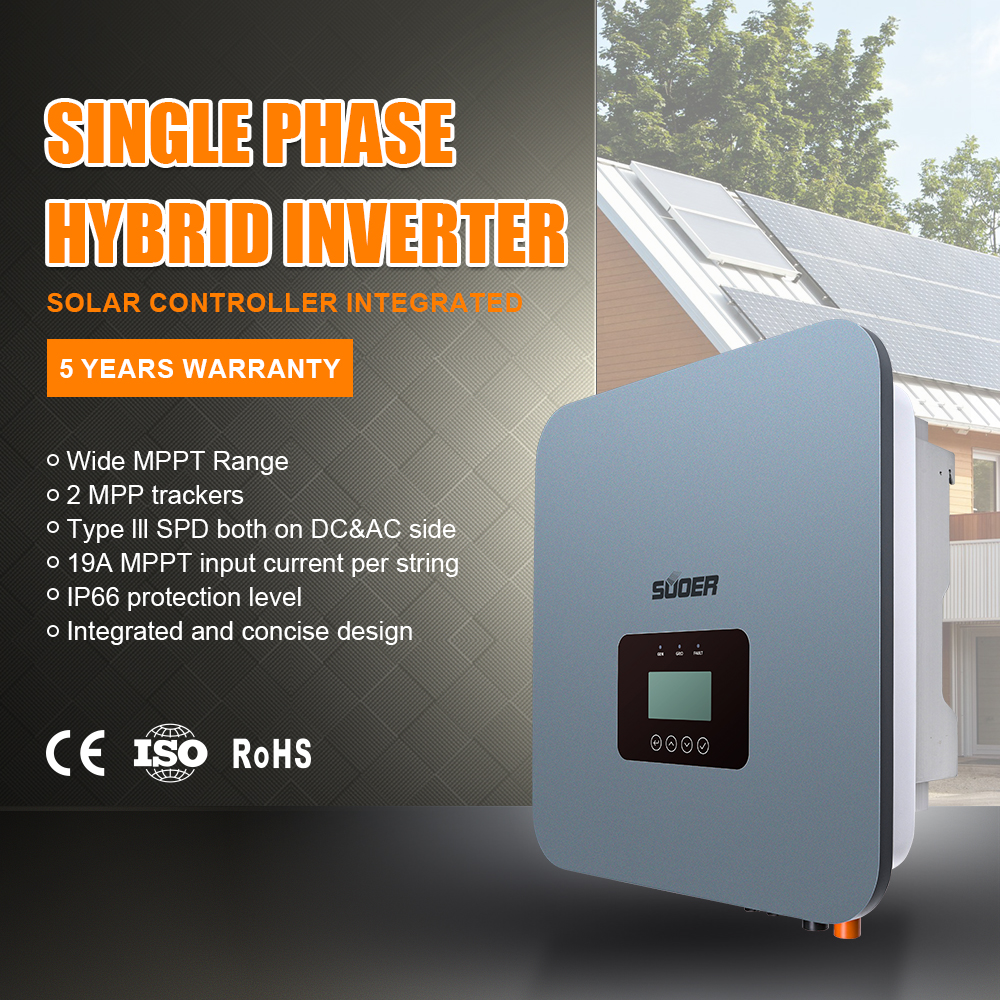
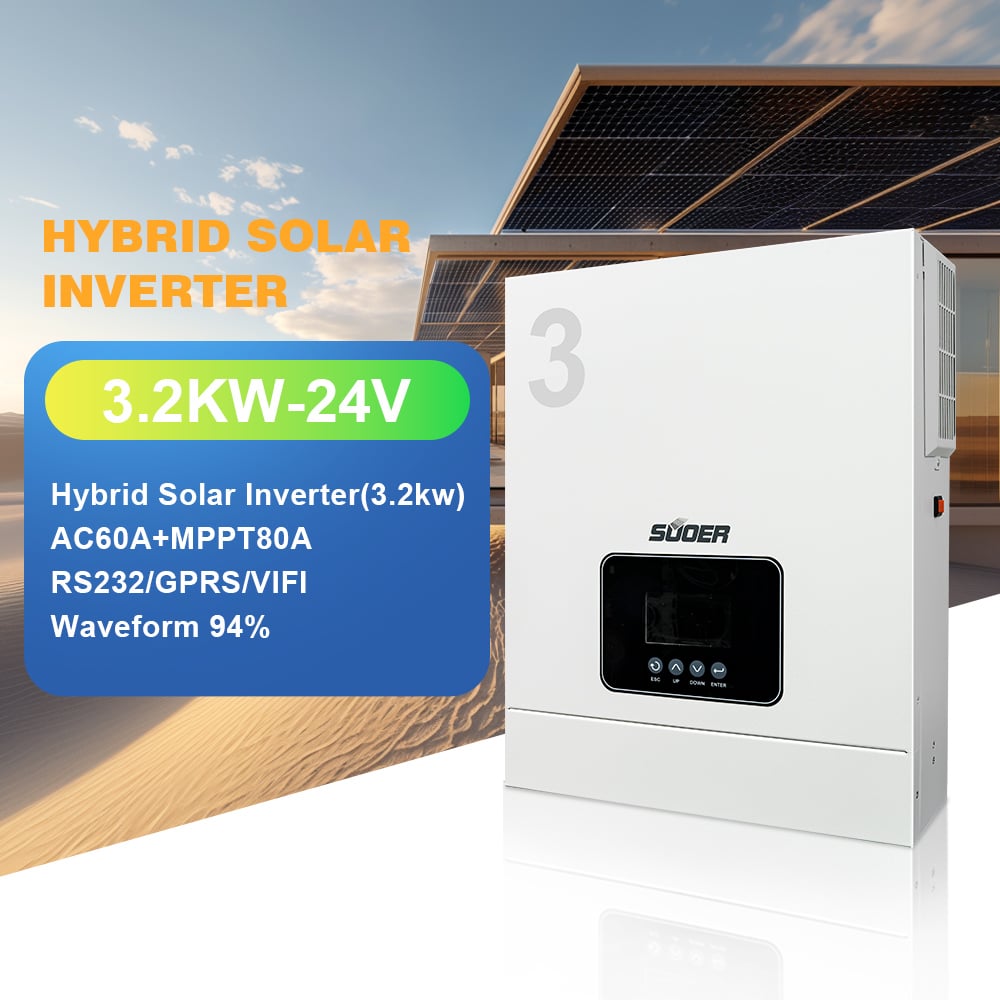
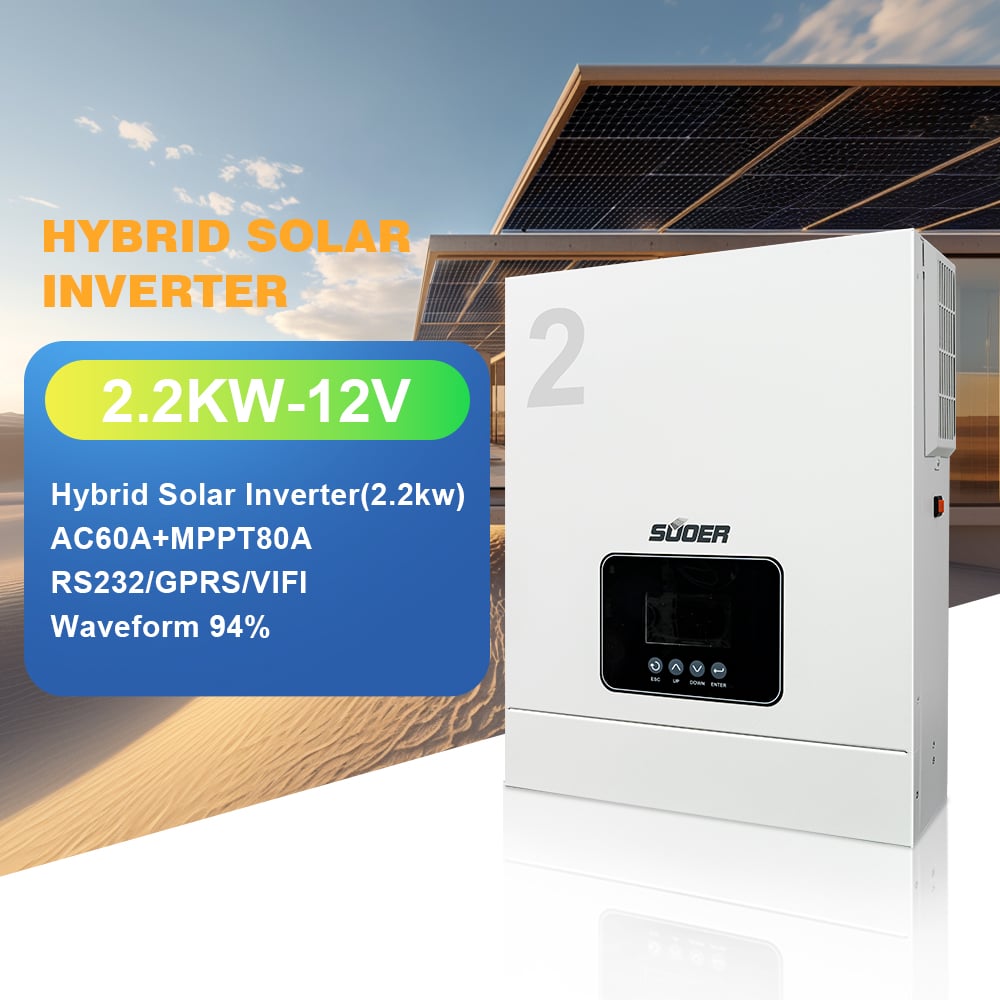
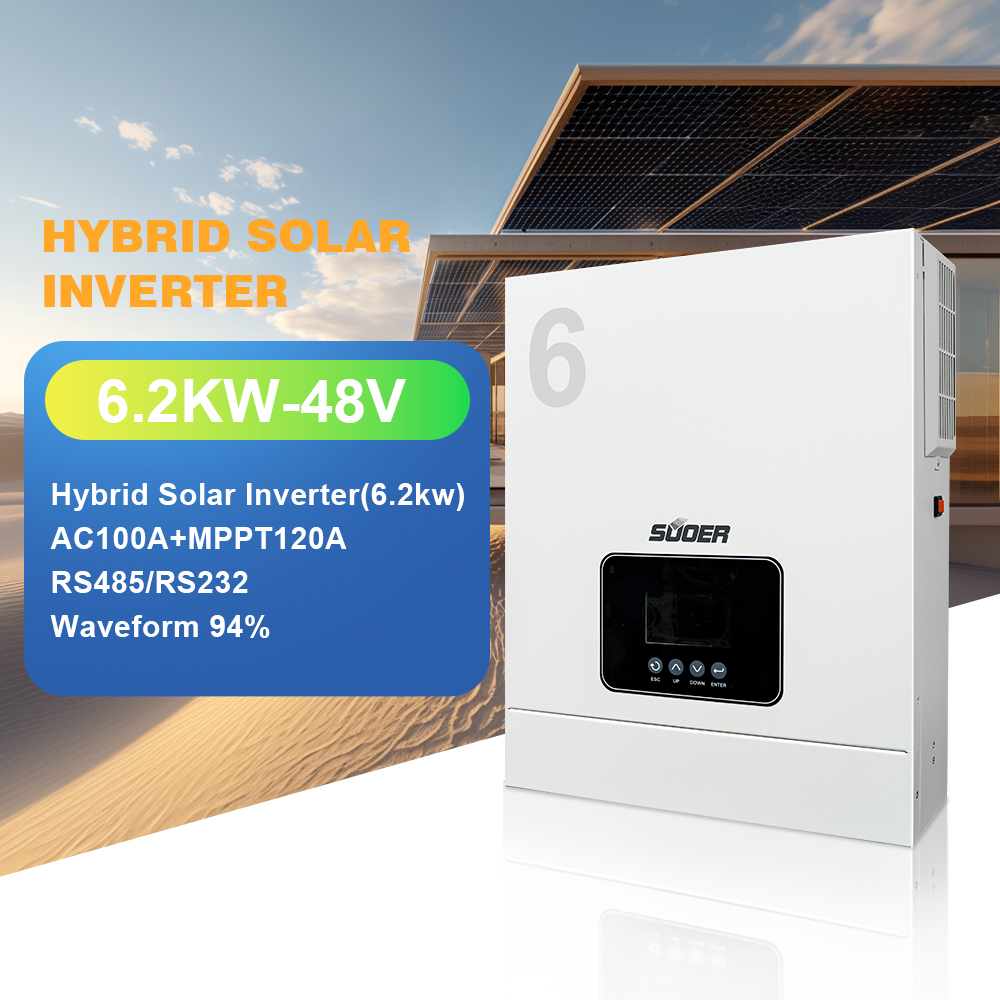
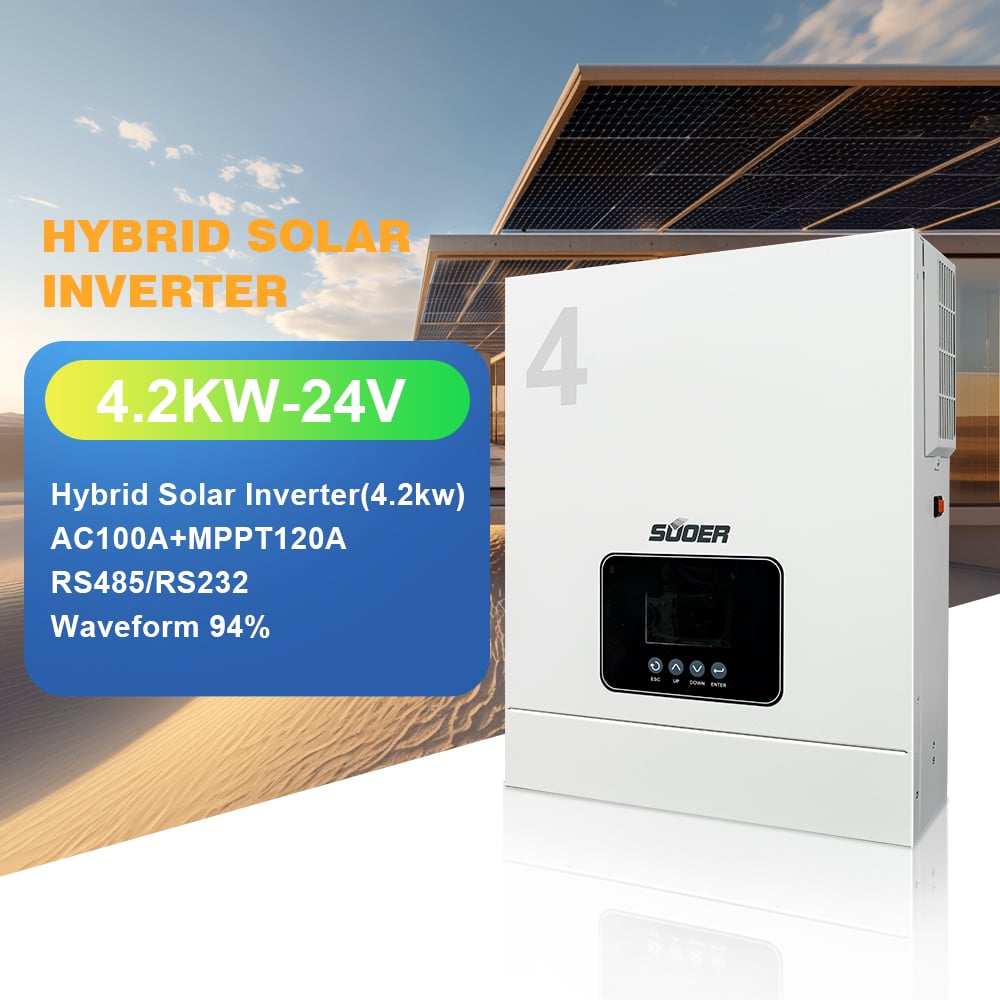
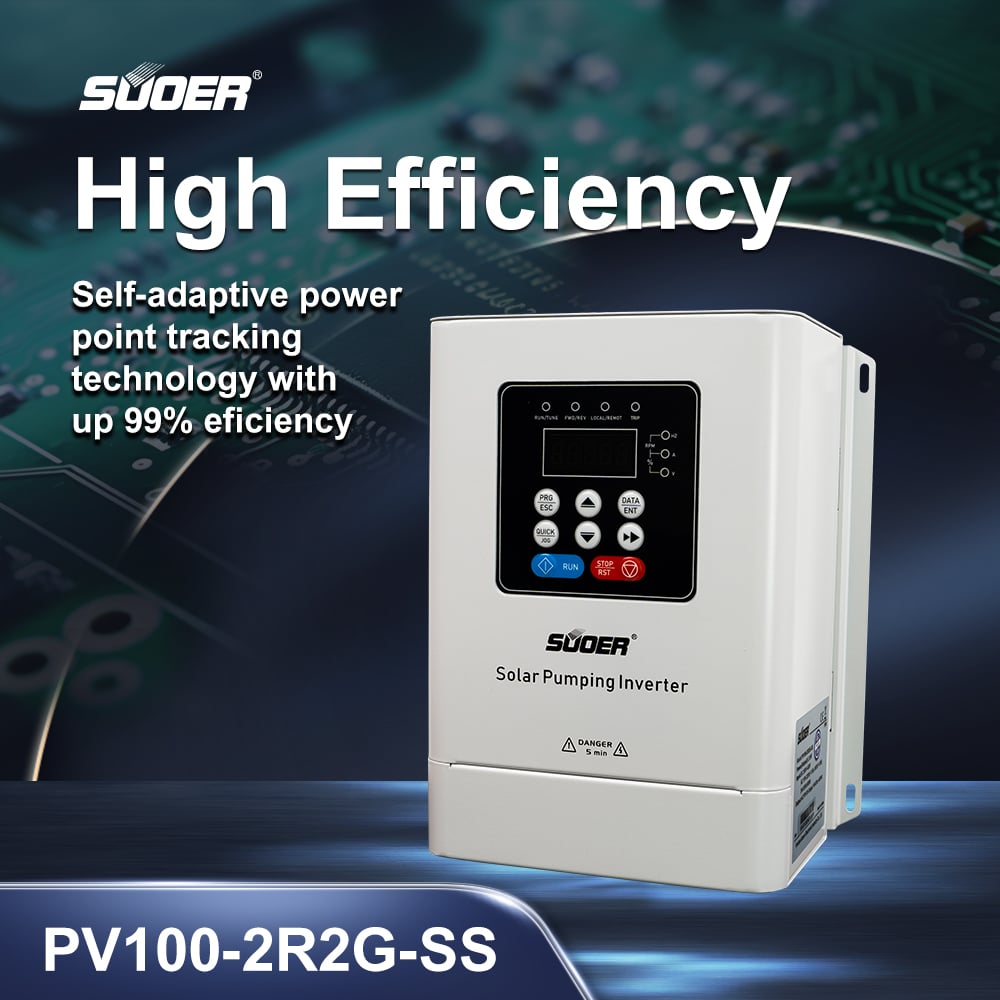
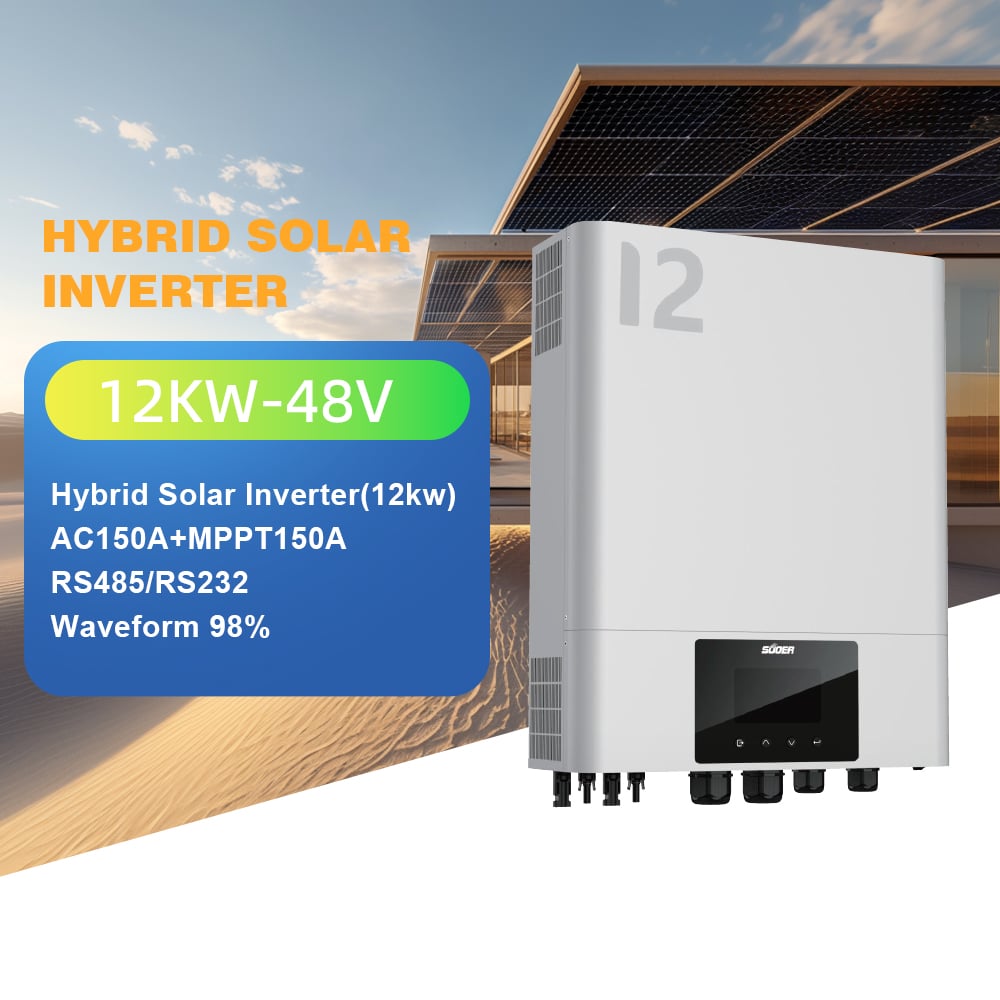
A 3000W pure sine wave inverter is an essential power supply component, particularly for applications in electric vehicles, industrial equipment, and renewable energy systems. This device converts DC (direct current) power into AC (alternating current) power, which is critical for running sensitive electronics and equipment. Buyers often seek reliable performance, compatibility with their systems, and robust support from manufacturers. This article will help you understand the key considerations when selecting a 3000W pure sine wave inverter, its specifications, bulk order advantages, cost factors, and its applications across various industries.
When selecting a 3000W pure sine wave inverter, it's vital to consider several factors that can affect performance and compatibility with your specific application. First, assess the inverter's input and output voltage specifications. Ensure they match your power source and the equipment you intend to power. The inverter’s efficiency rating is another crucial consideration; a higher efficiency means less energy loss during conversion, which can lead to cost savings over time.
Next, consider the inverter's surge capacity, which refers to its ability to handle temporary spikes in power demand. This is particularly important for devices with motors or compressors that may require higher initial power when starting up. Additionally, look for features such as built-in safety protections (like overload, short circuit, and thermal shutdown) to ensure reliable operation in various conditions.
Finally, evaluate the manufacturer's support and warranty. Since 1500 watt power inverter are critical components, choosing a supplier with a robust support system can make a significant difference in maintenance and troubleshooting.
Our 3000W pure sine wave inverter is designed with several specifications to meet the diverse needs of B2B applications. It features an input voltage range typically of 12V or 24V DC, making it compatible with common battery systems. The output voltage is a standard 230V AC, ideal for most industrial and commercial applications.
This inverter operates with an efficiency rating of over 90%, minimizing energy loss and maximizing performance. The surge capacity is rated at 6000W, accommodating devices with higher power demands during startup. Additionally, the dc power inverter is equipped with multiple safety features, including overload protection, short-circuit protection, and thermal shutdown, ensuring safe operation.
The compact design facilitates easy installation in various settings, whether in vehicles, remote power systems, or industrial environments. Our commitment to quality ensures that this inverter passes rigorous testing and adheres to certifications such as ROHS, CE, and ISO9001, providing peace of mind regarding reliability and compliance.
Purchasing 3000W pure sine wave inverters in bulk can offer significant advantages for businesses. One of the primary benefits is cost savings; manufacturers often provide discounts on larger orders, which can reduce the overall expenditure for procurement. This is particularly beneficial for companies looking to integrate these inverters into multiple projects or product lines.
Additionally, bulk orders can ensure consistency in product specifications and performance, making it easier for companies to maintain quality control across their operations. When ordering in larger quantities, buyers may also have the opportunity to negotiate custom specifications or features tailored to their specific needs, enhancing the product's applicability to their operations.
Lastly, securing a bulk order can improve lead times. Suppliers may prioritize large orders, ensuring that businesses receive their products promptly to meet project deadlines.
When evaluating the cost of a 3000W pure sine wave inverter, several factors come into play. The base price of the inverter is influenced by its specifications, such as input/output voltage, efficiency, and additional features like remote control capabilities or monitoring systems. Higher efficiency inverters, while more expensive upfront, can lead to lower operational costs in the long run due to reduced energy wastage.
Another important cost factor is the potential need for customization. If your application requires specific features or configurations, this may raise the initial price. Buyers should also consider shipping and handling costs, especially if ordering from manufacturers located overseas.
Finally, don’t overlook the importance of warranty and after-sales support. A slightly higher initial investment in a reputable brand that offers extensive support and service can save costs associated with replacements or repairs over the product's lifecycle.
The versatility of a 3000W pure sine wave inverter makes it suitable for a wide range of applications across various industries. In the renewable energy sector, these inverters are vital for converting solar energy stored in batteries into usable AC power for homes and businesses. They ensure that sensitive electronic devices operate smoothly without the risk of damage from irregular power sources.
In the telecommunications industry, these inverters provide reliable backup power during outages, maintaining crucial communication systems. Their ability to offer clean and stable power is essential for sensitive equipment used in this sector.
Another significant application is in the rail transit industry, where they are used to power onboard systems such as lighting, heating, and air conditioning. The robustness and reliability of our 3000W pure sine wave modified sine wave power inverter make it an ideal choice for demanding environments where downtime is not an option.
In addition, electric vehicles rely on high-quality inverters to convert DC power from batteries to AC power for propulsion and auxiliary systems, making this product essential for the automotive industry as well.
By understanding these applications and how our 3000W pure sine wave inverter can meet the needs of your industry, you can make informed purchasing decisions that drive operational efficiency.

Discover Suoer’s premium range of solar inverters and power inverters designed for reliable renewable energy solutions.Trusted by customers worldwide for exceptional performance and durability.
Suoer Industrial Zone, Ercun Road Section, Yanfeng Avenue, Shishan Town,Foshan city,Guangdong Province,China
Copyright © 2024 Foshan Suoer Electronic Industry Co., Ltd. Privacy Policy - Blog

 EN
 AR
 NL
 FR
 DE
 EL
 IT
 JA
 KO
 PT
 RU
 ES
 VI
 TH
 TR
 BG
 HR
 CS
 NO
 PL
 TL
 ID
 SR
 UK
 SQ
 HU
 MT
 AF
 MS
 IS
 HY
 AZ
 BN
 BS
 GU
 LO
 LA
 MN
 NE
 TA