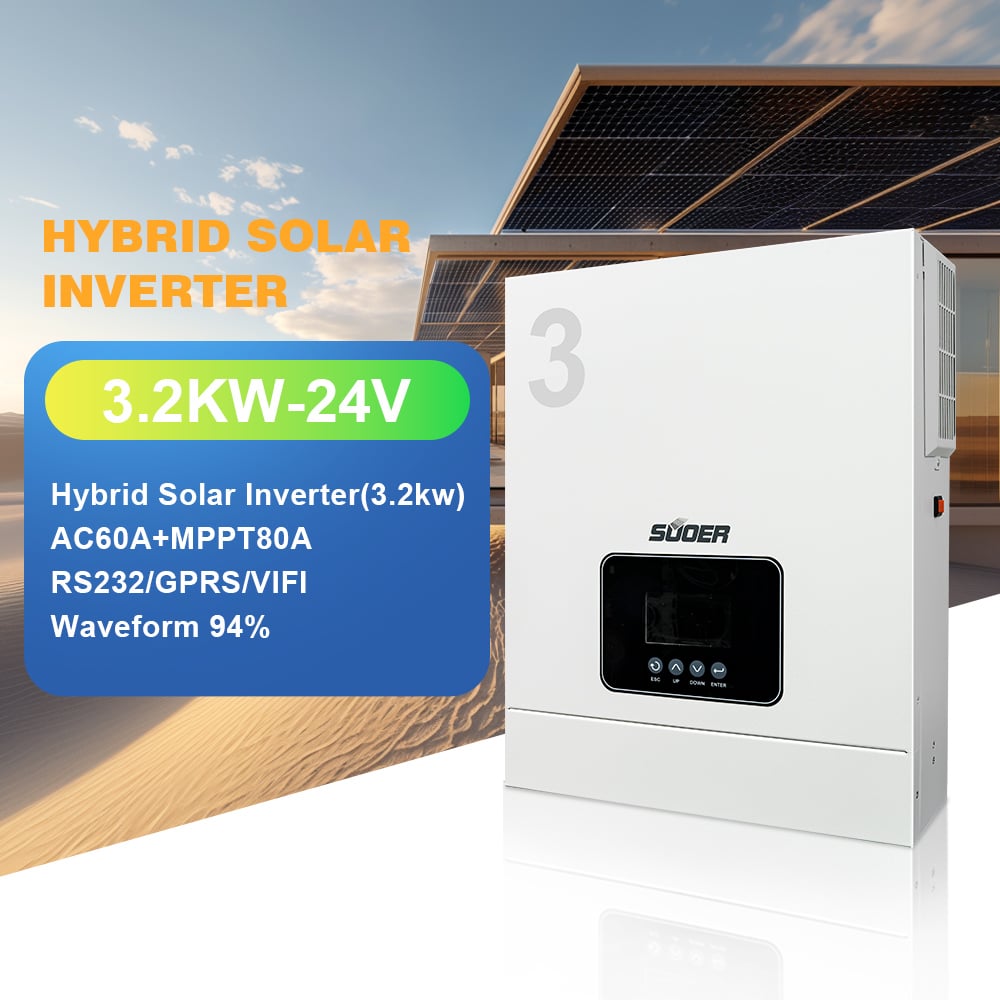
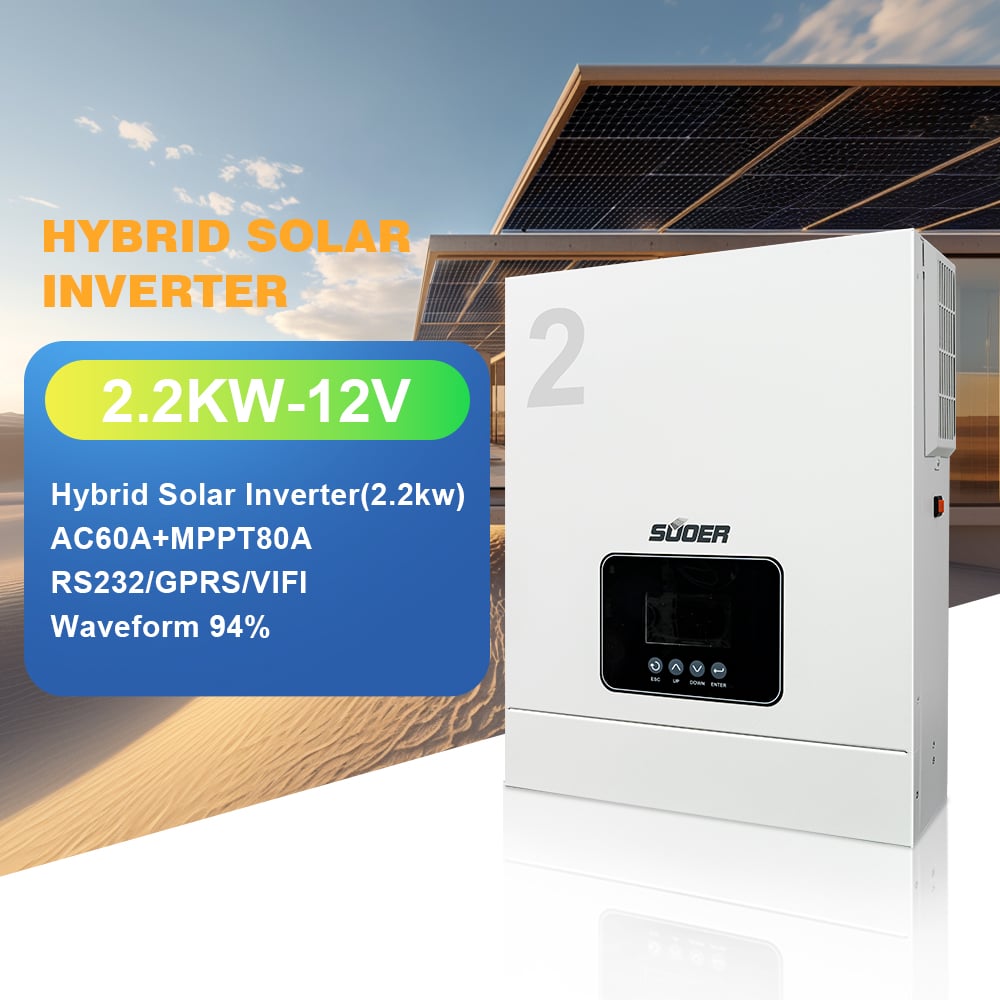
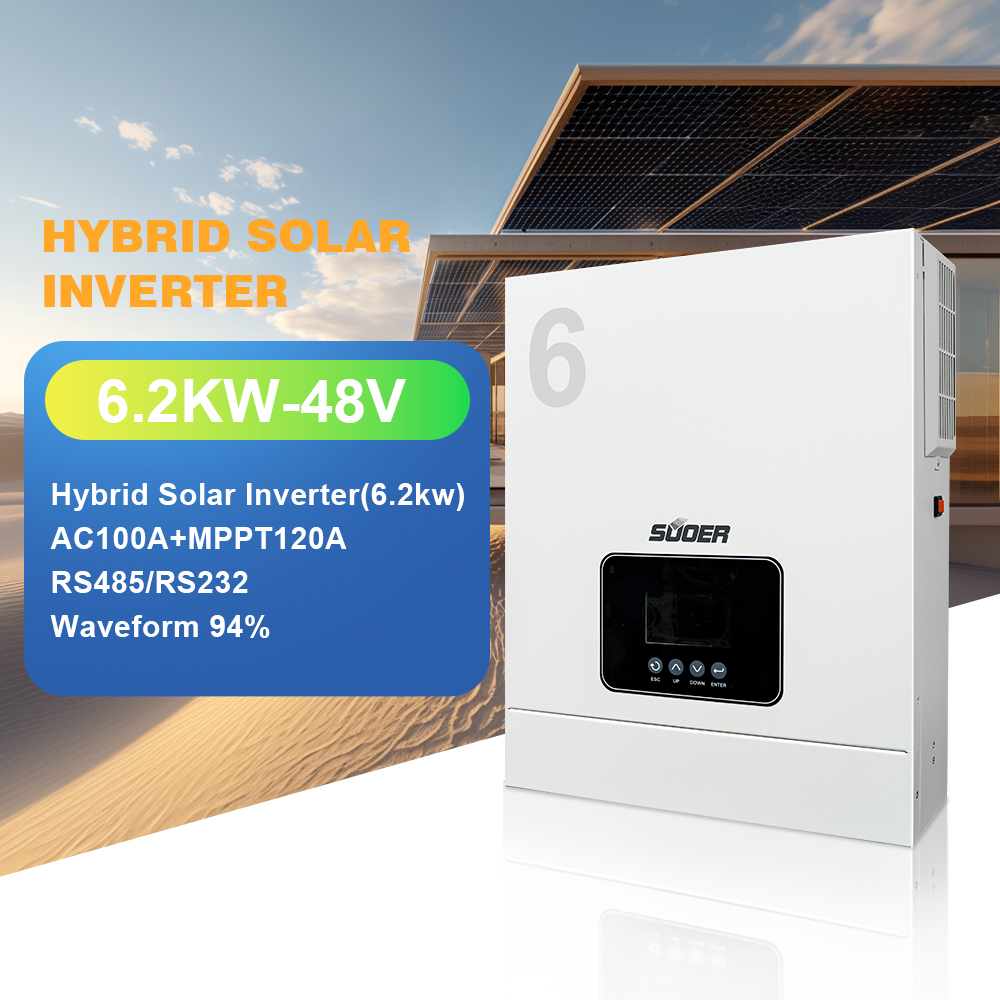
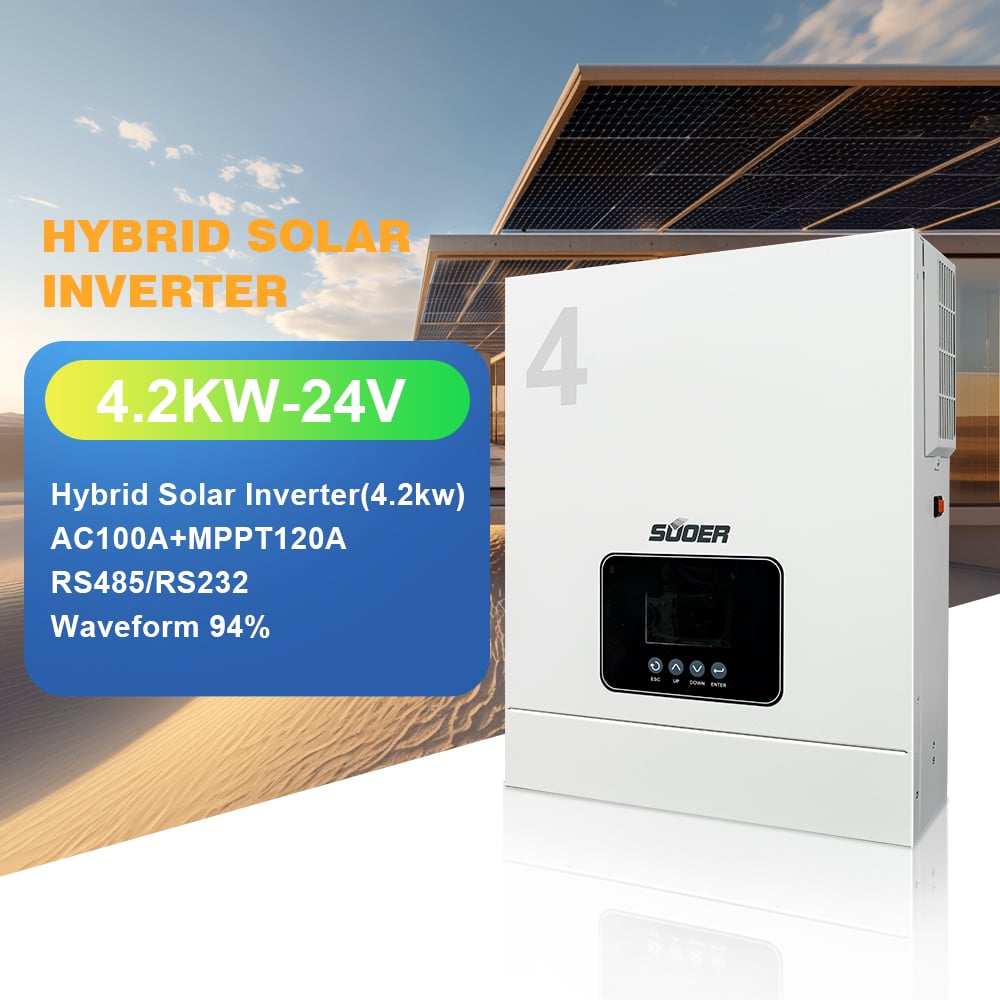
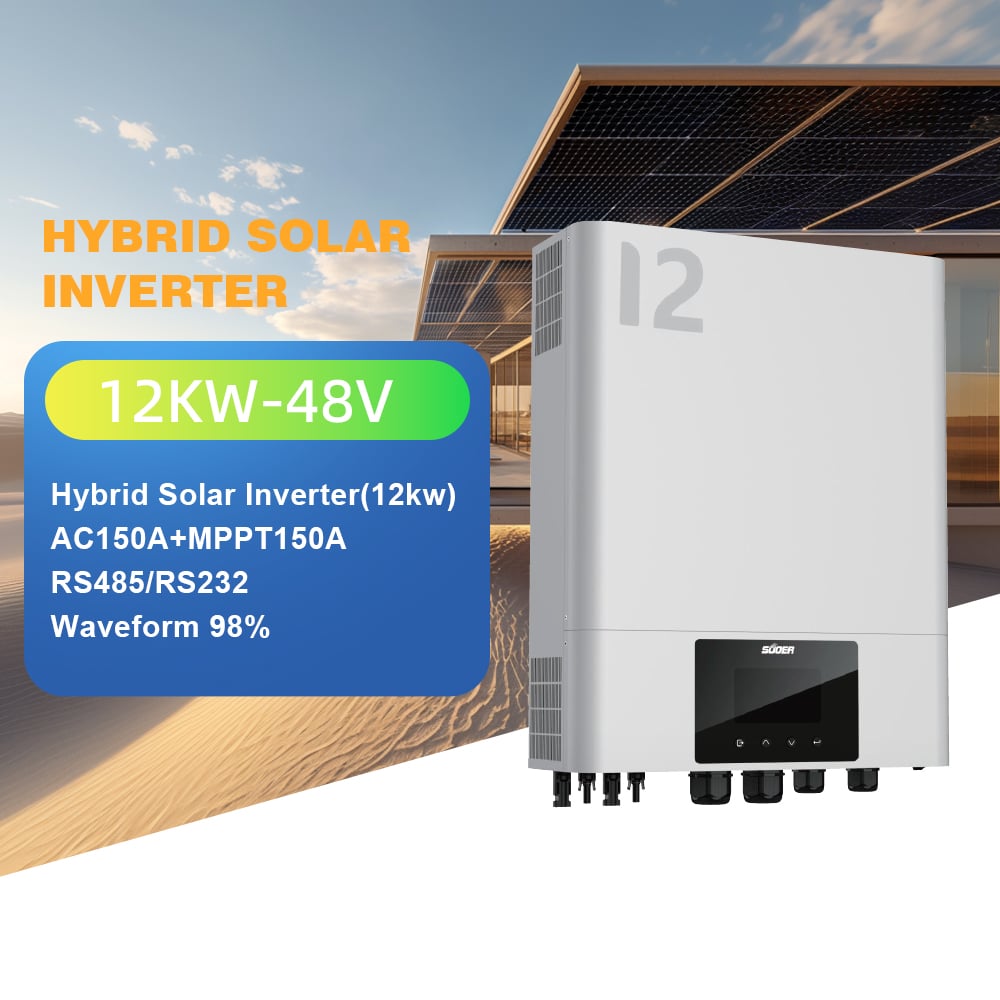
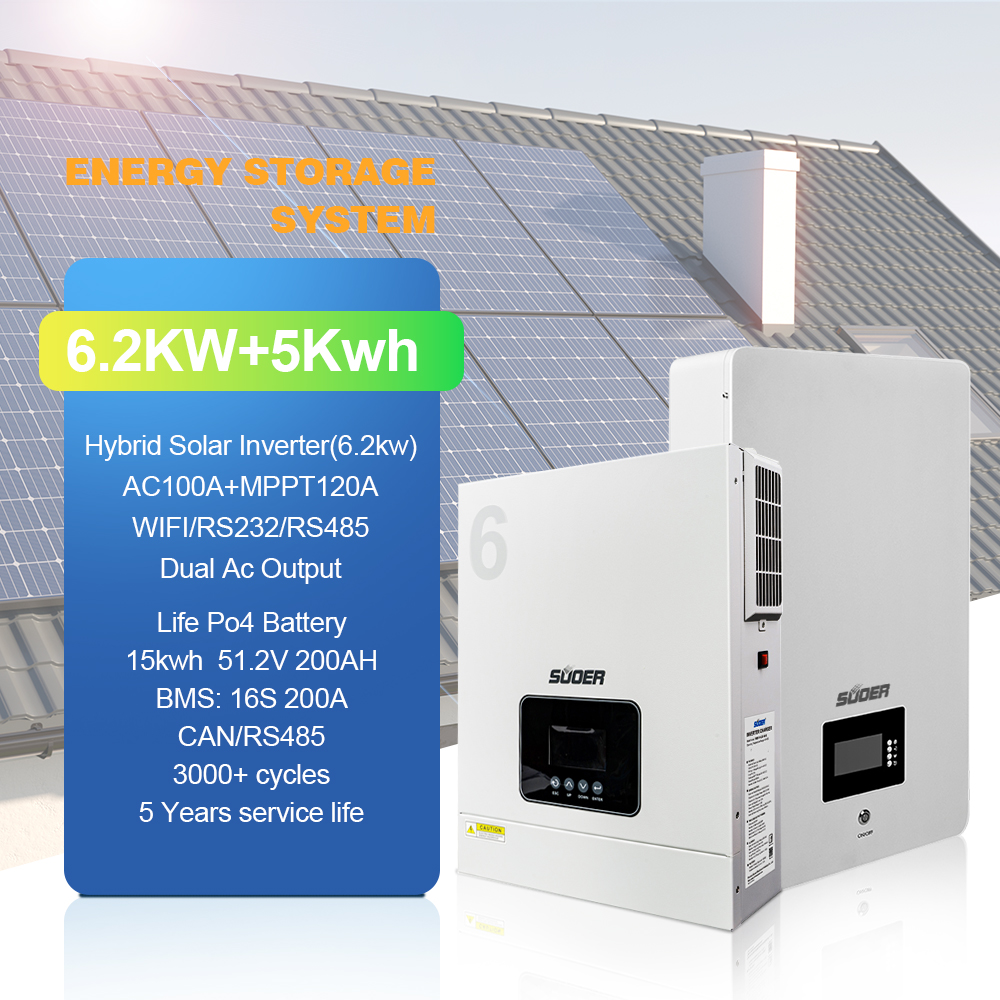
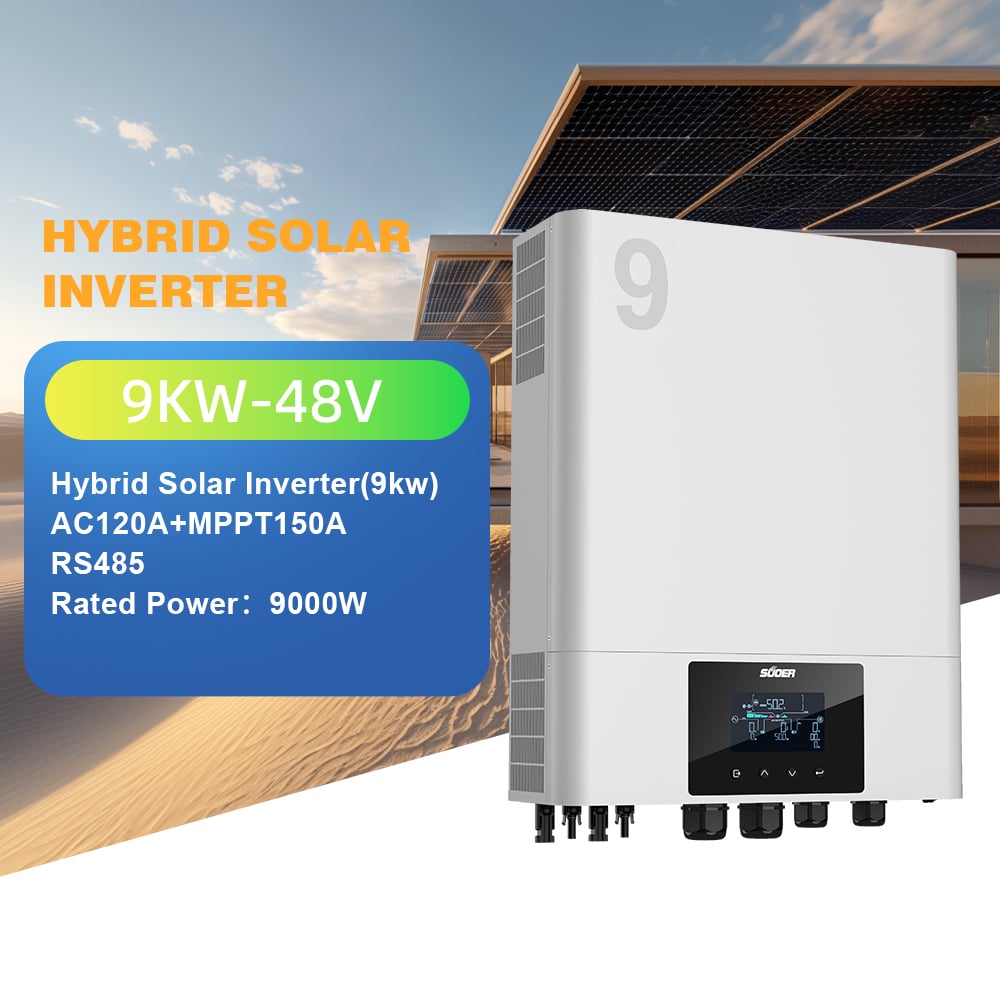
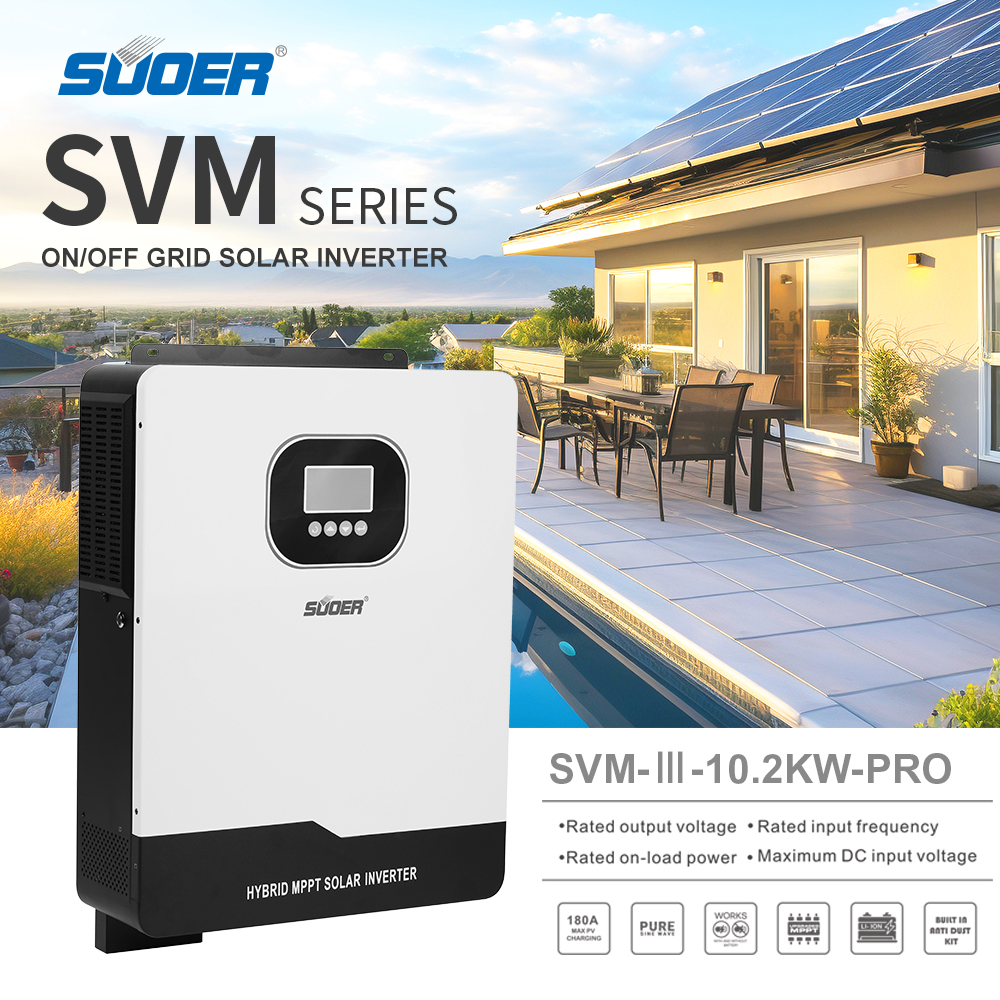
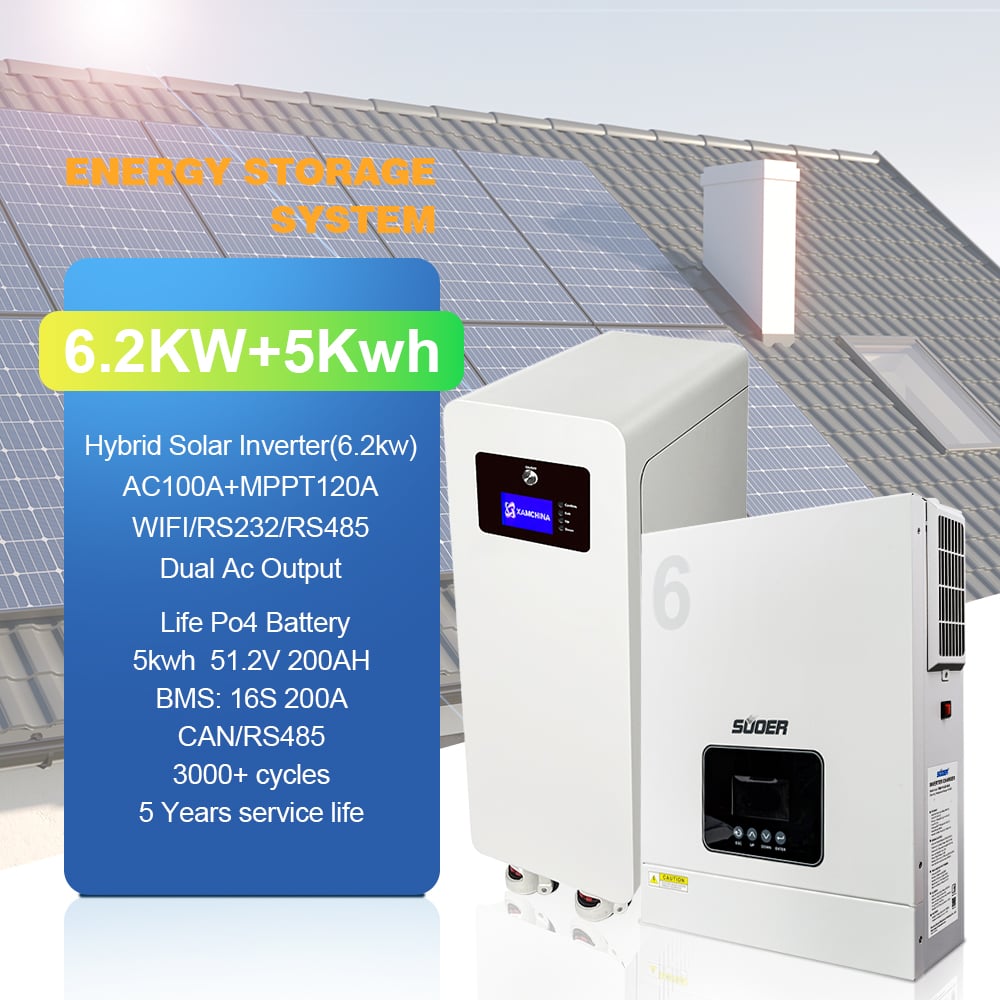
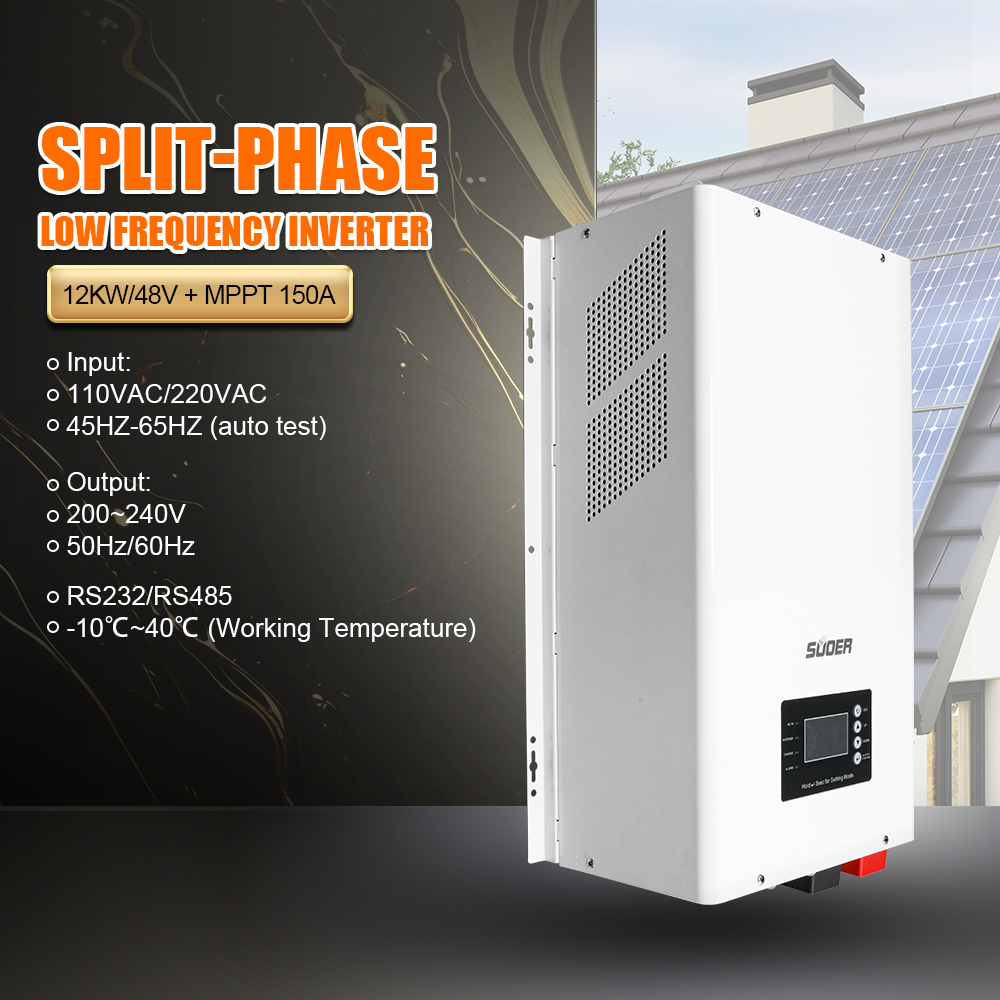
Hybrid solar inverters are essential for converting and managing solar energy, especially in applications where both solar power and grid electricity are used. A hybrid solar inverter 3kW is designed to optimize energy production and storage for various commercial and industrial applications. Buyers typically seek reliable performance, efficiency, and compatibility with existing systems. This article will help you evaluate options, identify sourcing strategies, understand installation requirements, troubleshoot common issues, and explore diverse applications for hybrid solar inverters.
When assessing a hybrid solar inverter 3kW, several key specifications should be considered. First, the inverter's efficiency rating indicates how effectively it converts solar energy into usable electricity. Look for inverters with an efficiency above 95% to ensure minimal energy loss.
Next, consider the inverter's input voltage range and the number of solar panels it can accommodate. This is crucial for compatibility with your existing photovoltaic (PV) system. For instance, if your panels operate at a higher voltage, ensure that the inverter can handle those specifications without compromising performance.
Another important factor is the inverter's operational modes. Many modern hybrid inverters offer features like grid-tie, off-grid, and backup power modes, allowing for versatile applications. Understanding these modes will help you choose a model that aligns with your energy needs.
Lastly, check for certifications, such as ROHS and CE, which indicate compliance with safety and performance standards. These certifications provide assurance of quality and reliability, which are crucial when making bulk purchases.
Sourcing hybrid solar inverters in bulk requires careful consideration of suppliers. Start by identifying solar inverters manufacturers with a solid reputation in the new energy sector, particularly those with experience supplying to major vehicle OEMs and industries like telecommunications and rail transit.
Engage with suppliers who offer comprehensive product specifications and have a robust quality control process. This ensures consistency in performance and reliability across bulk orders. Additionally, inquire about the minimum order quantity (MOQ) and lead times for production, as these can impact your project's timeline and budget.
Consider suppliers that offer customization options. This can include adjusting specifications to meet specific project requirements or providing tailored packaging solutions for shipping. Establishing a partnership with a manufacturer that understands your needs can lead to better pricing and service in the long run.
Lastly, review customer feedback and case studies related to the supplier's hybrid solar inverter for home. This information can offer insights into product performance and customer service, helping you make a more informed decision.
Proper installation of a hybrid solar inverter 3kW is critical to ensure optimal performance and longevity. Begin by reviewing the installation manual provided by the manufacturer, as it contains essential guidelines specific to the model.
Before starting the installation, ensure that all necessary tools and safety equipment are on hand. The inverter should be mounted in a location that is easily accessible for maintenance while also being protected from extreme weather conditions. Ideally, select a shaded area to prevent overheating and ensure longevity.
During installation, pay close attention to the electrical connections. Use quality cables that meet the required specifications and ensure all connections are secure to prevent energy loss and potential hazards. It is advisable to have a qualified electrician oversee the installation to ensure compliance with local electrical codes and safety standards.
After installation, conduct a thorough system check to confirm that the inverter is functioning correctly. Monitor performance metrics during the initial days of operation to identify any potential issues early on.
Despite their reliability, hybrid solar inverters can encounter common issues. One frequent problem is inverter shutdown due to overheating. This can occur if the inverter is installed in a poorly ventilated area or exposed to direct sunlight. To mitigate this, ensure proper cooling and ventilation during installation.
Another issue may involve battery communication errors. If the inverter cannot communicate effectively with the battery storage system, it can lead to inefficient energy management. Regularly check firmware updates from the manufacturer, as these can improve compatibility and performance.
If the inverter shows reduced efficiency, it may be due to dirty solar panels. Regular cleaning and maintenance of the PV system can enhance energy production and optimize inverter performance. Additionally, ensure that the inverter is compatible with the specific battery types used, as mismatched systems can lead to operational challenges.
Establishing a routine maintenance schedule can help address these issues proactively. Regular inspections can identify potential problems before they escalate, ensuring sustained performance and reliability.
Hybrid solar inverters 3kW have diverse applications across multiple industries. In the telecommunications sector, they are used to power remote stations where grid access may be unreliable. By integrating a hybrid inverter, companies can ensure uninterrupted service and reduce operational costs.
In the rail transit industry, hybrid solar inverters can support energy needs for signaling and communication systems, enhancing efficiency and reducing reliance on fossil fuels. Their ability to store excess energy for use during peak demand periods can lead to significant cost savings.
Furthermore, in commercial settings, businesses can utilize hybrid solar inverters to power lighting, HVAC systems, and other essential services. This not only decreases energy costs but also contributes to sustainability goals by reducing carbon footprints.
In manufacturing, hybrid solar inverters can support energy-intensive processes while maximizing the use of renewable energy sources. This adaptability makes them a valuable asset for companies looking to enhance operational efficiency and sustainability.
By understanding the specific applications and benefits of hybrid solar inverters, businesses can make informed decisions that align with their energy management strategies and operational goals.

Discover Suoer’s premium range of solar inverters and power inverters designed for reliable renewable energy solutions.Trusted by customers worldwide for exceptional performance and durability.
Suoer Industrial Zone, Ercun Road Section, Yanfeng Avenue, Shishan Town,Foshan city,Guangdong Province,China
Copyright © 2024 Foshan Suoer Electronic Industry Co., Ltd. Privacy Policy - Blog

 EN
 AR
 NL
 FR
 DE
 EL
 IT
 JA
 KO
 PT
 RU
 ES
 VI
 TH
 TR
 BG
 HR
 CS
 NO
 PL
 TL
 ID
 SR
 UK
 SQ
 HU
 MT
 AF
 MS
 IS
 HY
 AZ
 BN
 BS
 GU
 LO
 LA
 MN
 NE
 TA