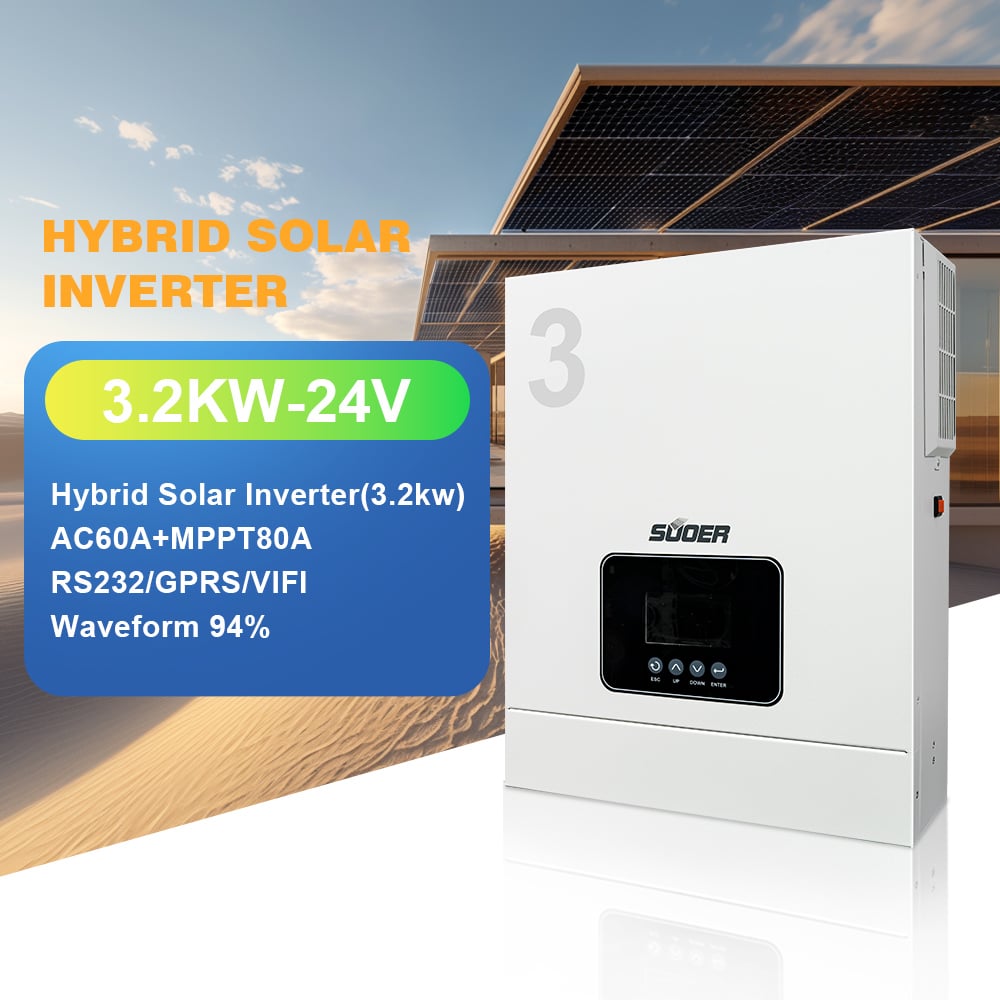
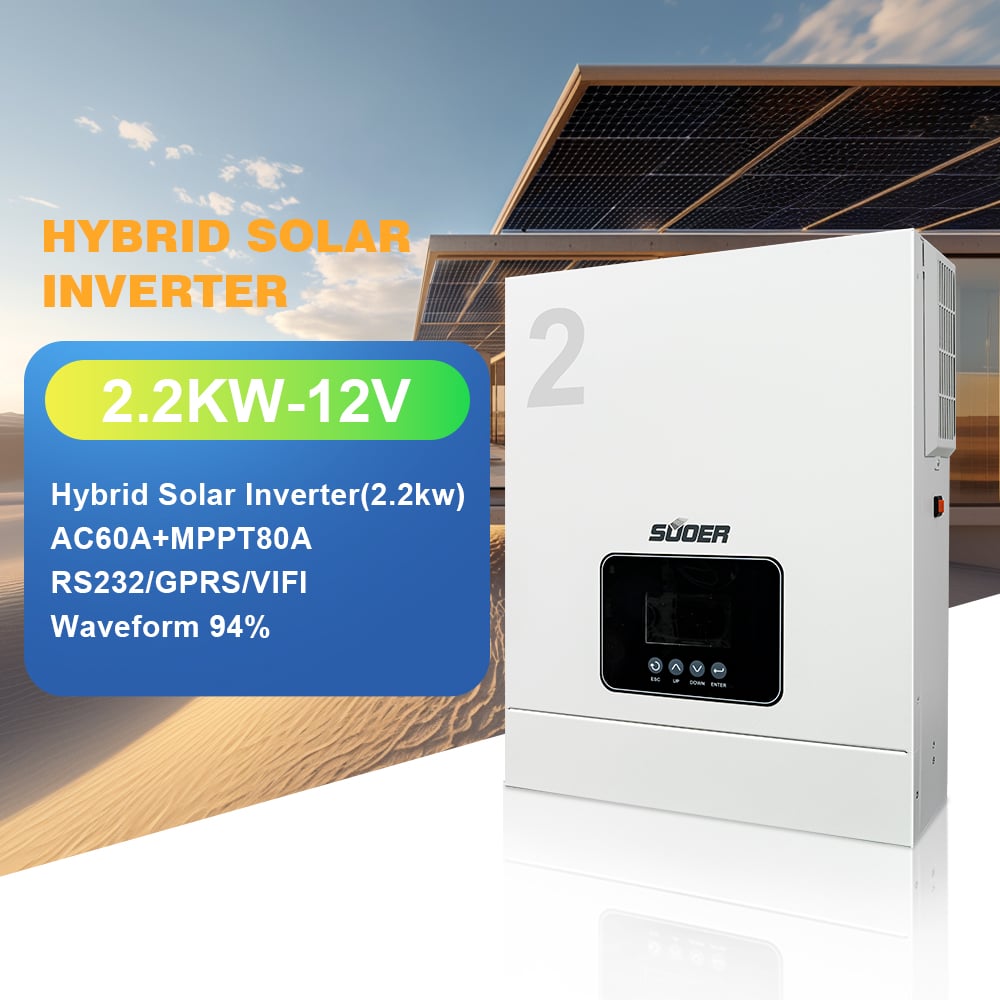
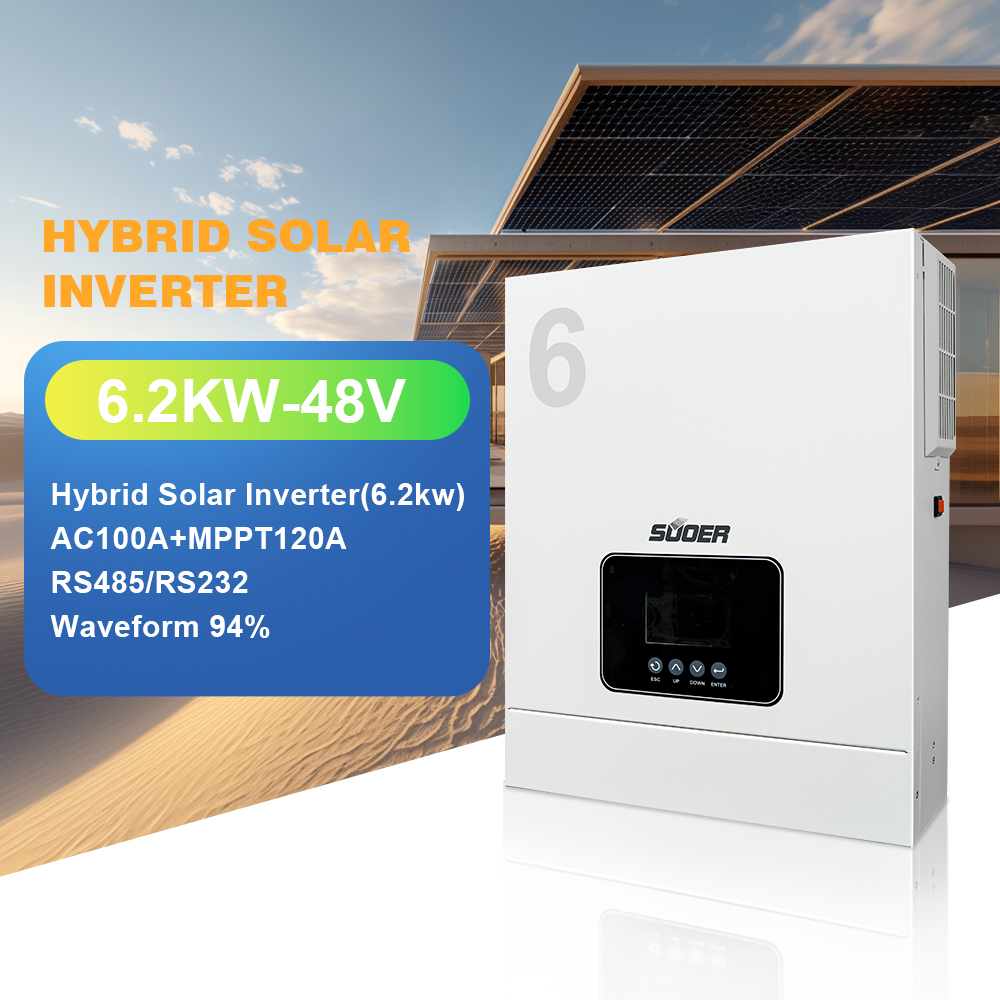
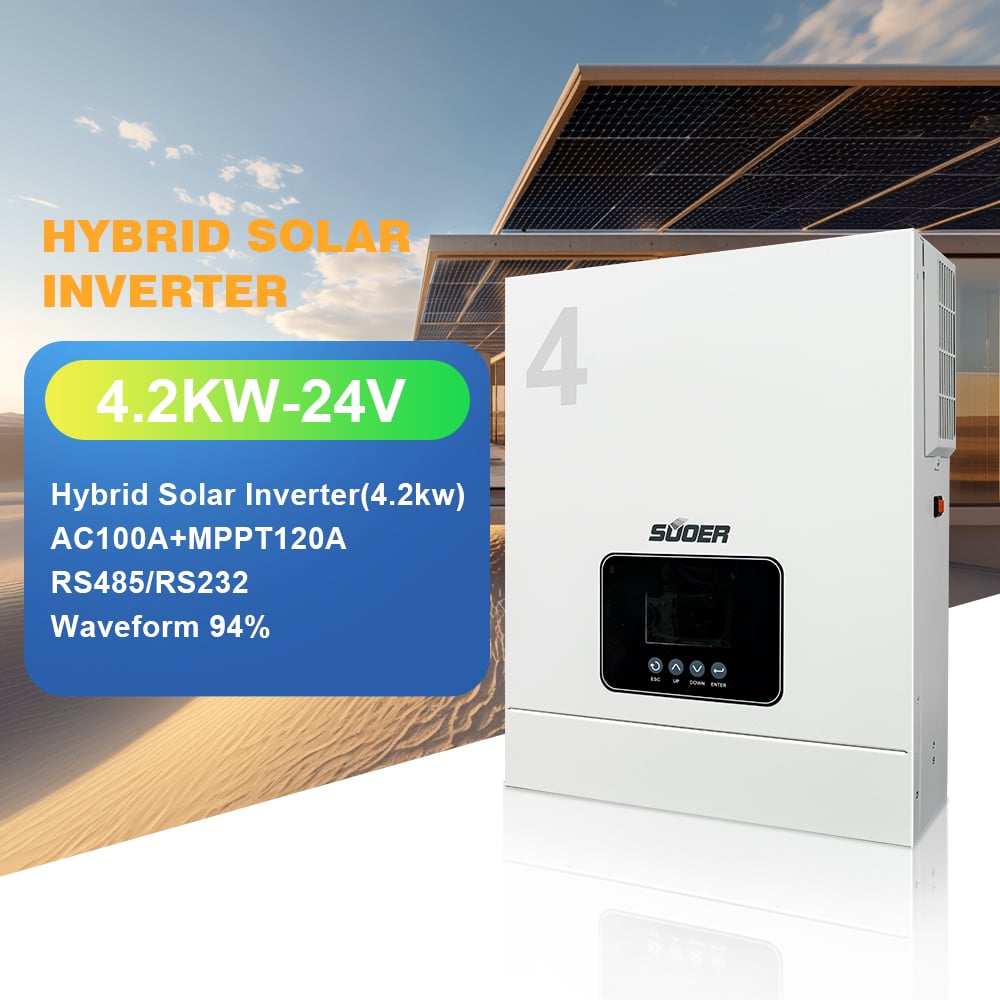
Inverters for homes play a crucial role in converting direct current (DC) from solar panels or batteries into alternating current (AC) for household use. For B2B buyers, understanding the specifications, sourcing reliable suppliers, and navigating the cost factors can be daunting. This article will provide insights into key specifications, supplier reliability, best practices, and cost considerations, helping purchasing managers and distributors make informed decisions regarding inverters for home applications.
When sourcing inverters for home use, several critical specifications must be considered to ensure optimal performance and compatibility with existing systems.
Power Rating: The inverter's power rating, measured in watts, is crucial as it determines how much energy can be converted and supplied to appliances. Buyers should calculate the total wattage of devices they intend to power and select an inverter with a higher power rating, ideally 20-30% above the total to account for surges during startup.
Input Voltage: Understanding the input voltage is essential, especially if the inverter will be connected to a solar panel system or battery bank. Common configurations include 12V, 24V, or 48V systems. Compatibility with the existing system must be verified to avoid operational issues.
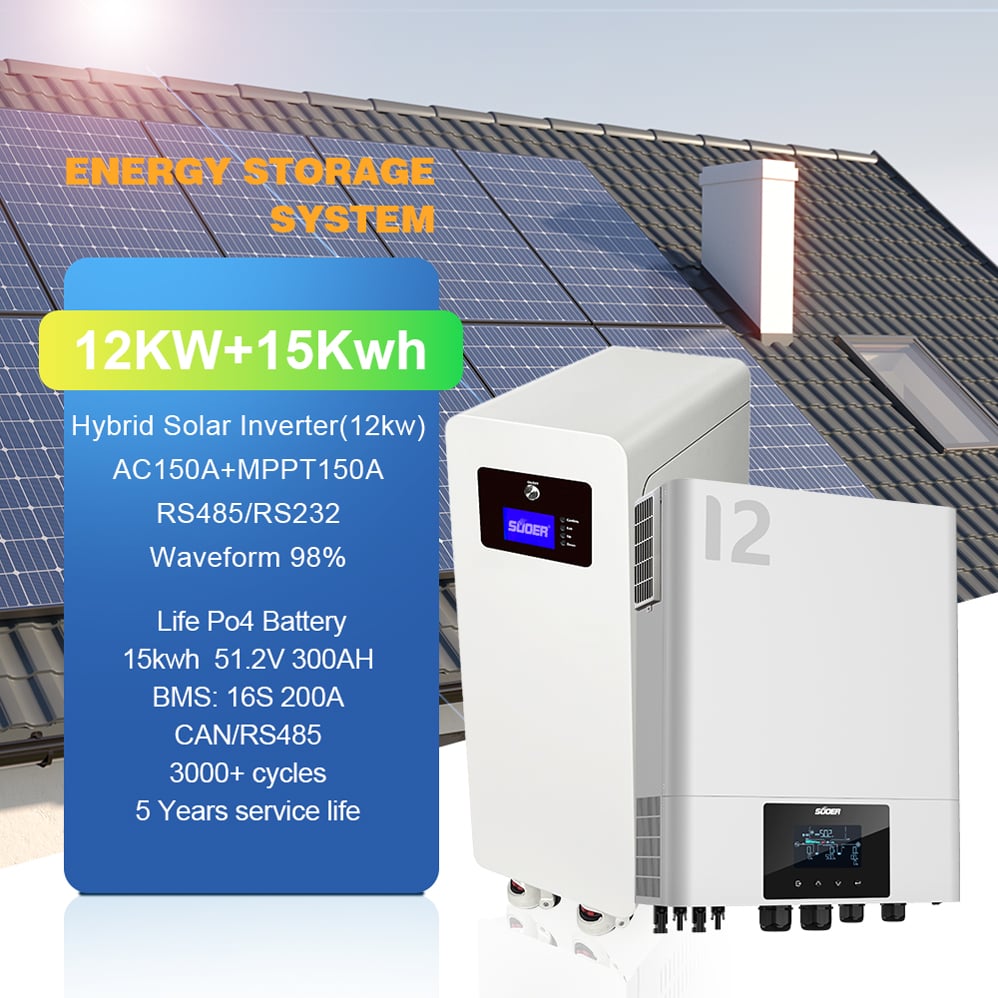
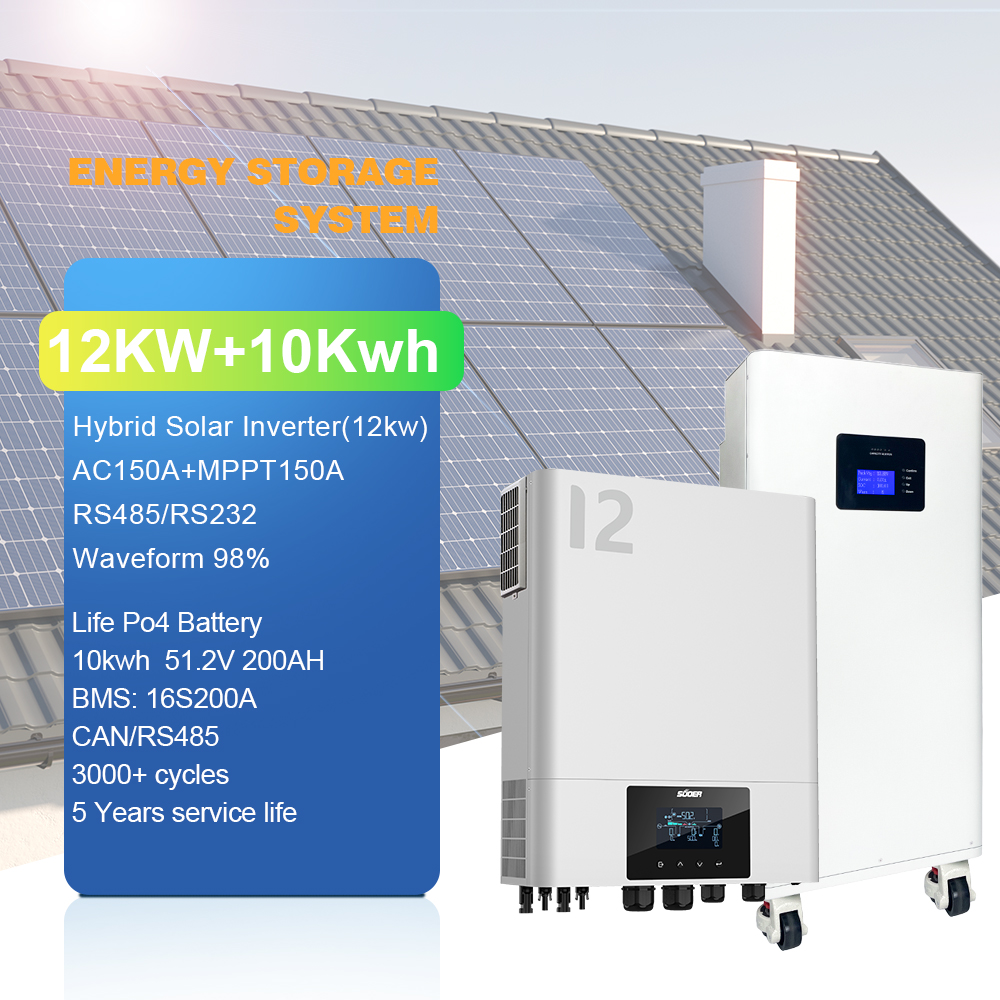
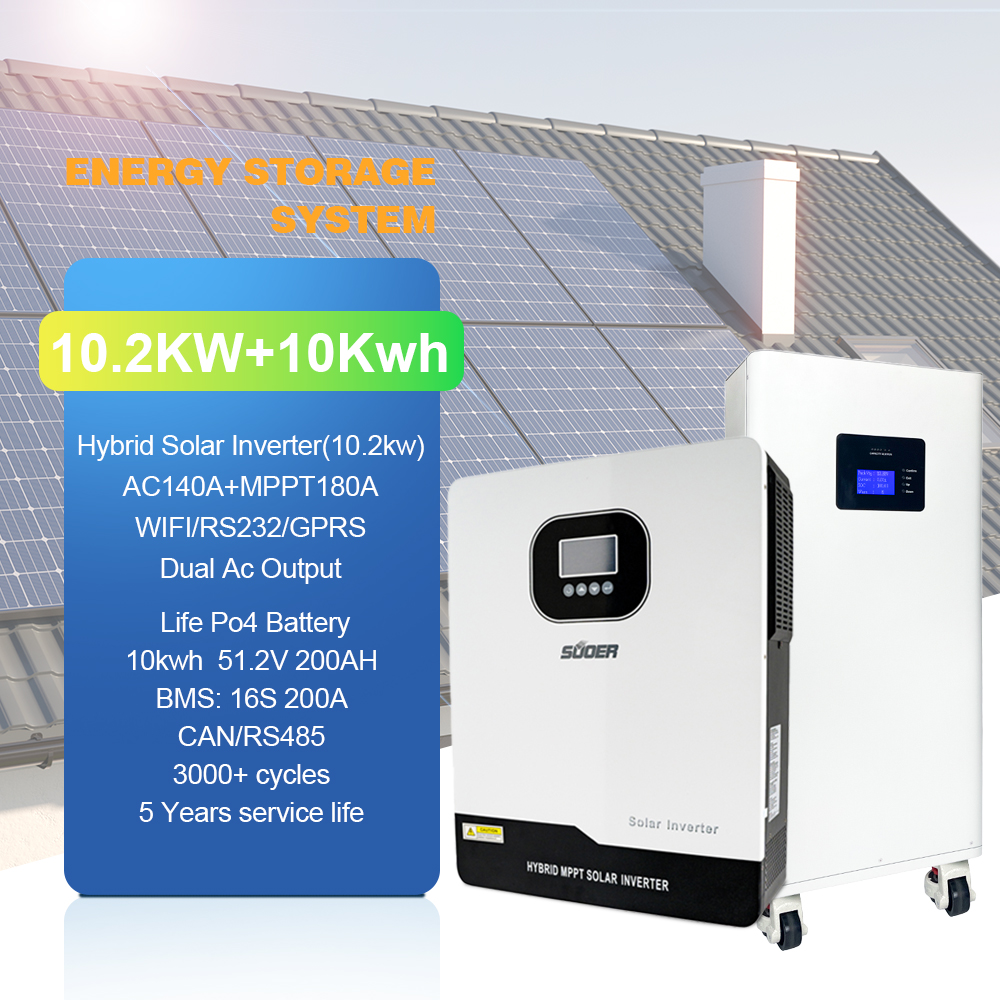
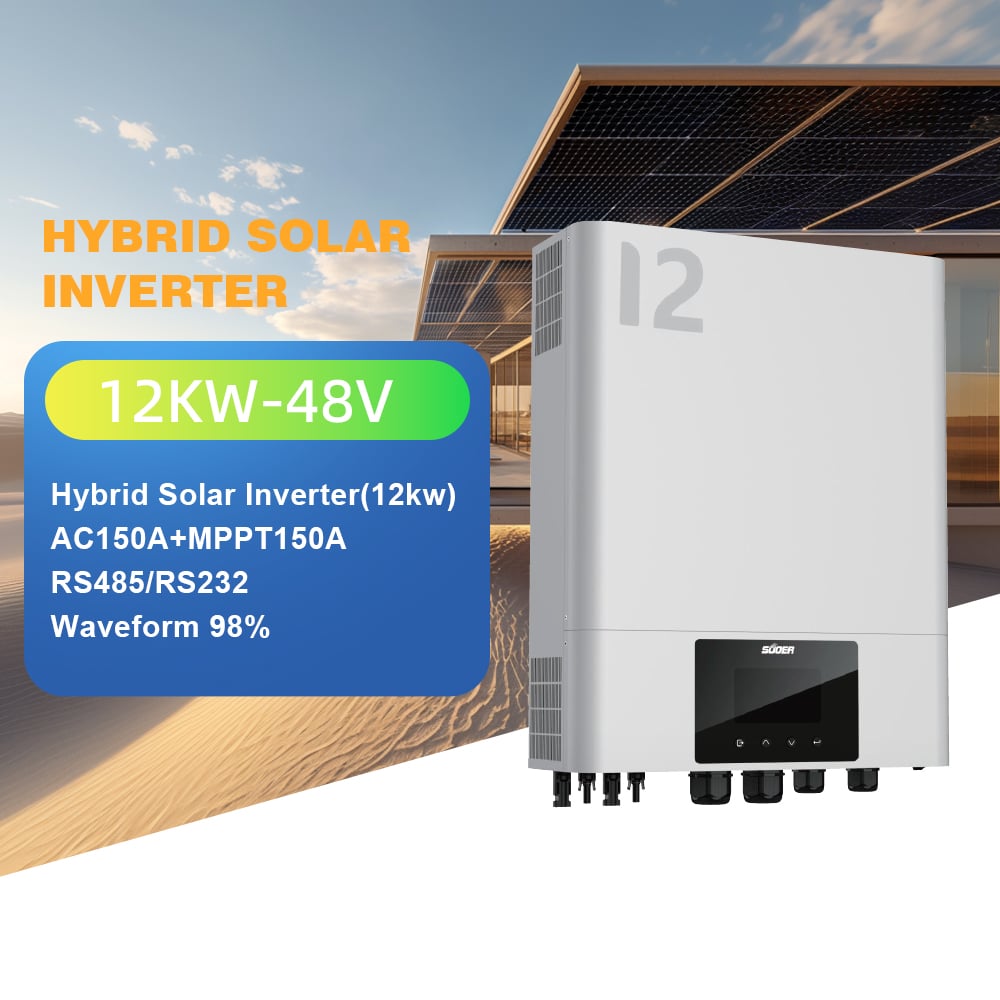
Efficiency Rating: The efficiency of an hybrid solar inverter impacts overall energy consumption and operational costs. Look for inverters with an efficiency rating of 90% or higher to minimize energy loss. This specification directly affects the return on investment for solar energy systems.
Waveform Output: Inverters can produce different types of waveforms, including pure sine wave, modified sine wave, and square wave. Pure sine wave inverters are ideal for sensitive electronics and appliances, while modified sine wave inverters can be a cost-effective solution for less sensitive devices.
Size and Weight: The physical dimensions and weight of the inverter can influence installation logistics. Ensure the inverter can fit the designated installation space and that weight considerations align with mounting requirements.
By evaluating these specifications, buyers can ensure they select an inverter that meets both their operational needs and compatibility requirements.
Finding a trustworthy supplier for home inverters is vital for ensuring product quality and reliable service. Here are practical steps to identify and evaluate potential suppliers:
Research and Recommendations: Start by researching suppliers known for their expertise in power electronics. Recommendations from industry contacts or online reviews can also provide insight into supplier reliability.
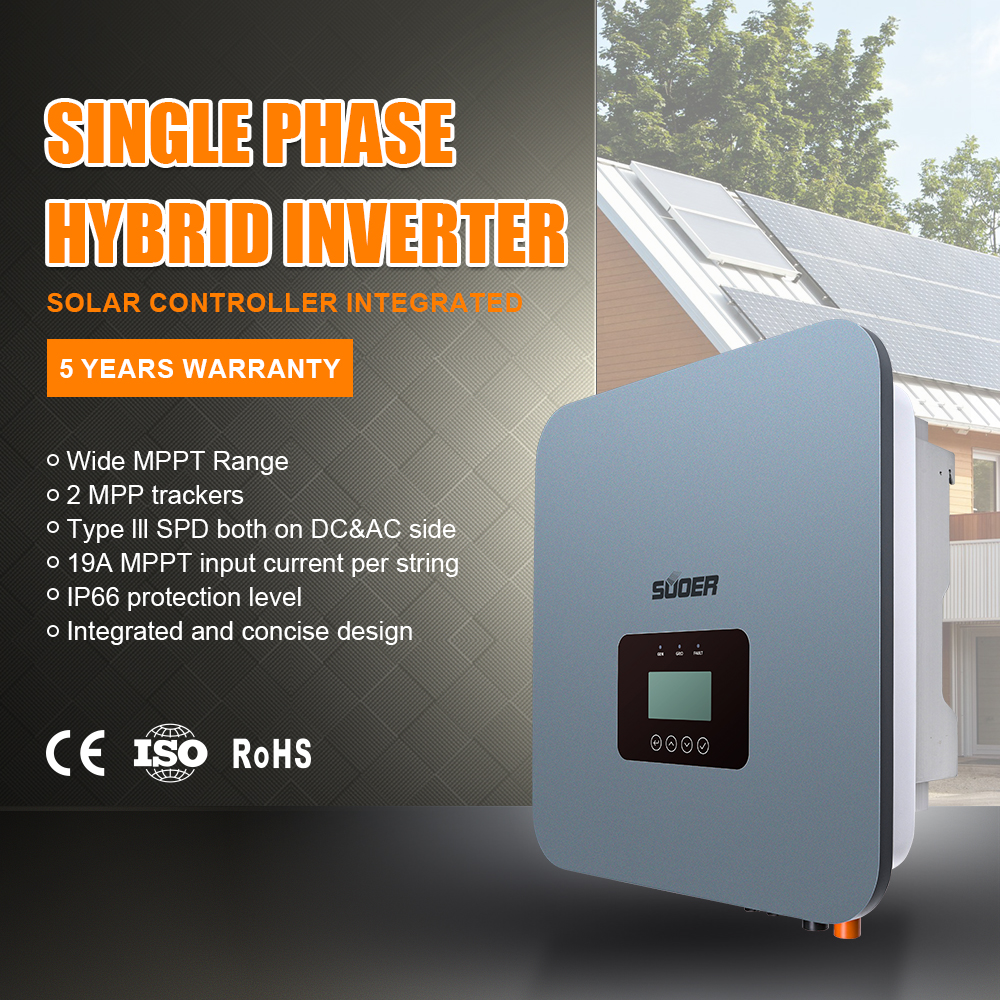
Certifications and Standards: Ensure the supplier's products meet relevant certifications such as ROHS, CE, and ISO9001. These certifications indicate compliance with industry standards for safety and quality.
Manufacturing Capabilities: Assess the supplier's manufacturing capabilities and quality control processes. Advanced manufacturing techniques and rigorous testing can lead to consistent quality and reliability. Inquire about their production equipment and automation processes, as these can impact product quality.
Customization Options: Many projects require specific inverter configurations. Ensure the supplier can accommodate customization requests, whether related to power ratings, features, or packaging.
Post-Sale Support: Evaluate the supplier's customer service and support offerings. A reliable supplier should provide adequate post-sale assistance, including technical support and warranty services.
By conducting thorough research and asking the right questions, buyers can identify suppliers who not only meet their product requirements but also offer reliability and quality assurance.
Implementing best practices when sourcing inverters for home applications can streamline the purchasing process and enhance product satisfaction:
Request Samples: Before committing to a large order, request samples of the inverter. Testing samples under actual operating conditions helps confirm that the product meets expectations for performance and compatibility.
Detailed Specifications: When requesting quotations, provide detailed specifications, including power requirements, input voltage, and any customization needs. This clarity helps suppliers offer tailored solutions that meet your exact needs.
Evaluate Total Cost of Ownership: Beyond the initial purchase price, consider the total cost of ownership, which includes installation, maintenance, and energy efficiency. A higher upfront cost may be justified by long-term savings through energy efficiency and reliability.
Check Warranty Terms: Understand the warranty terms offered by suppliers. A robust warranty can provide peace of mind and financial protection against potential defects or failures.
Quality Inspections: Implement a quality inspection process upon delivery. Check for any shipping damage, verify specifications against the order, and ensure that the product performs as expected.
Following these best practices can help mitigate risks associated with inverter purchases and enhance the overall sourcing experience.
Cost factors for home inverters can vary significantly based on several elements. Understanding these factors is essential for making informed purchasing decisions:
Specifications and Features: Higher specifications, such as power ratings and efficiency levels, often come with increased costs. Buyers should assess which specifications are necessary for their applications to avoid overspending on unnecessary features.
Market Trends: The demand for renewable energy solutions, including home inverters, can influence prices. Staying informed about market trends helps buyers anticipate price fluctuations and potentially negotiate better deals.
Supplier Relationships: Establishing strong relationships with suppliers can lead to favorable pricing, especially for bulk orders or long-term contracts. Building trust may result in discounts or priority service.
Customization Requirements: Customizations can add to the overall cost. Buyers should weigh the benefits of specific modifications against their budget and consider if standard models can meet their needs.
Shipping and Handling: Consider shipping costs and delivery times, which can vary based on supplier location and order size. Buyers should factor these costs into their total budget to avoid unexpected expenses.
By understanding these cost factors, buyers can budget effectively and make more strategic purchasing decisions.
When sourcing inverters for home use, it's crucial to keep several key points in mind:
Compatibility: Ensure the inverter is compatible with your existing system, including solar panels, batteries, and appliances. Compatibility issues can lead to operational inefficiencies or even equipment failure.
Installation Requirements: Familiarize yourself with installation requirements, including space, electrical connections, and any necessary permits. Proper installation is essential for optimal performance and safety.
Long-term Performance: Consider the inverter's expected lifespan and warranty. A reliable solar inverters should provide consistent performance over many years, making it a valuable investment.
Technical Support: Assess the level of technical support available from the supplier. Having access to knowledgeable support can help resolve issues quickly and minimize downtime.
By keeping these considerations in mind and leveraging the insights provided, B2B buyers can make informed decisions when sourcing inverters for home applications, ensuring they meet their needs effectively and efficiently.

Discover Suoer’s premium range of solar inverters and power inverters designed for reliable renewable energy solutions.Trusted by customers worldwide for exceptional performance and durability.
Suoer Industrial Zone, Ercun Road Section, Yanfeng Avenue, Shishan Town,Foshan city,Guangdong Province,China
Copyright © 2024 Foshan Suoer Electronic Industry Co., Ltd. Privacy Policy - Blog

 EN
 AR
 NL
 FR
 DE
 EL
 IT
 JA
 KO
 PT
 RU
 ES
 VI
 TH
 TR
 BG
 HR
 CS
 NO
 PL
 TL
 ID
 SR
 UK
 SQ
 HU
 MT
 AF
 MS
 IS
 HY
 AZ
 BN
 BS
 GU
 LO
 LA
 MN
 NE
 TA