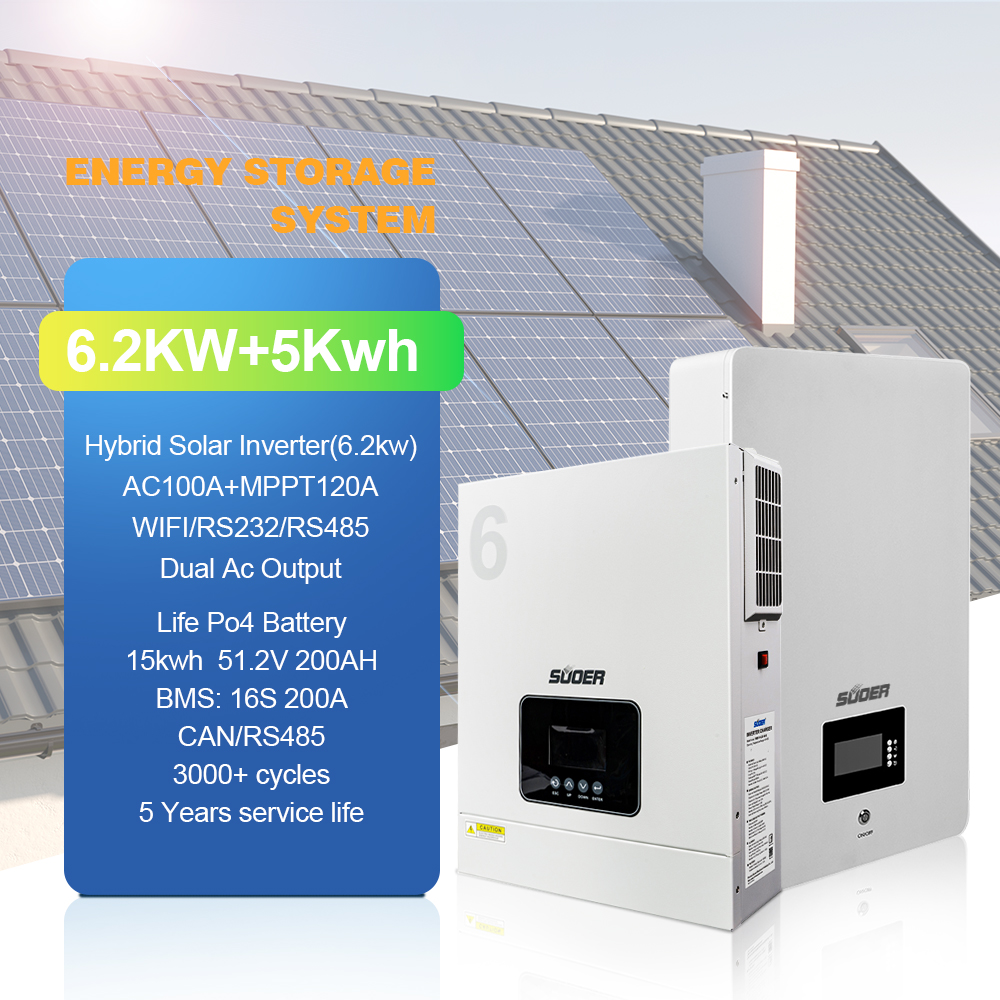
The on-grid, off-grid, and hybrid solar inverters represent essential components in modern energy systems, catering to diverse energy needs and applications. As B2B buyers, particularly purchasing managers, engineers, and product managers, understanding the distinctions and functionalities of these inverters is crucial for making informed decisions. This article will provide a comprehensive comparison of these inverter types, discuss cost factors relevant to wholesale purchases, address common issues, explore real-world applications, and guide you in finding reliable suppliers.
When comparing on-grid, off-grid, and hybrid solar inverters, it's important to understand their core functionalities:
On-Grid Inverters: These are directly connected to the utility grid. They are ideal for businesses looking to reduce electricity costs by using solar power during the day and selling excess energy back to the grid. Key specifications to evaluate include the inverter’s efficiency rating, which typically ranges between 95% to 98%. Additionally, consider the inverter's grid voltage compatibility.
Off-Grid Inverters: Designed for standalone systems, off-grid inverters are critical for locations without access to the utility grid. These inverters need to manage energy storage systems, such as batteries, to ensure a constant power supply. A vital parameter here is the inverter's input voltage range, which should match the battery systems being used. Also, check for features like low voltage disconnect (LVD) that protect battery health.
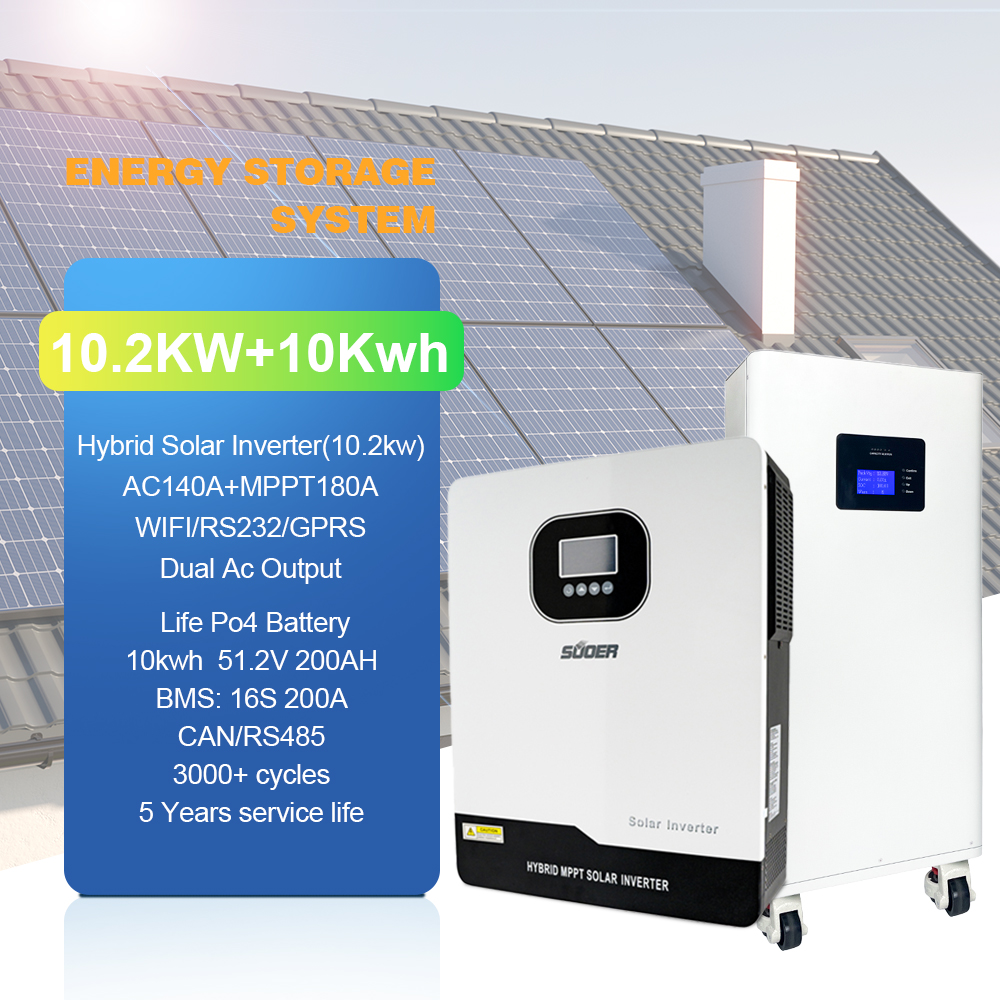
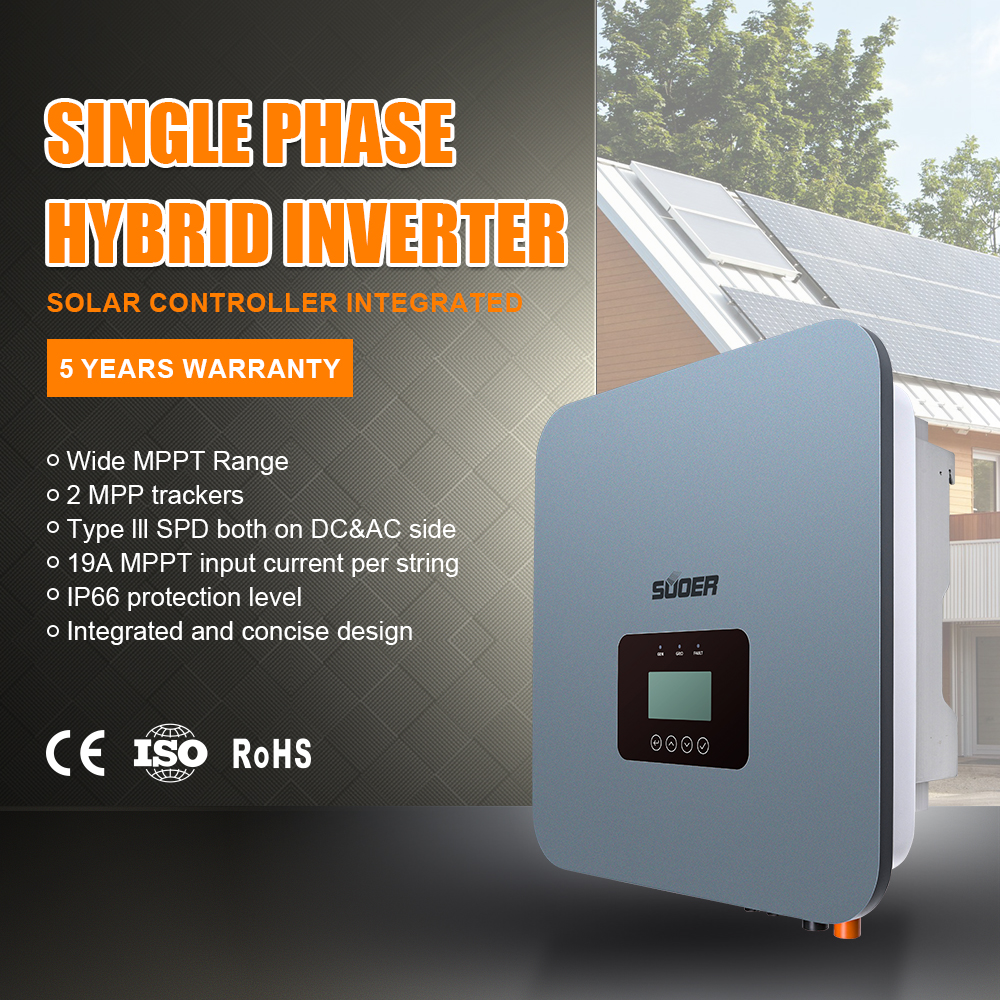
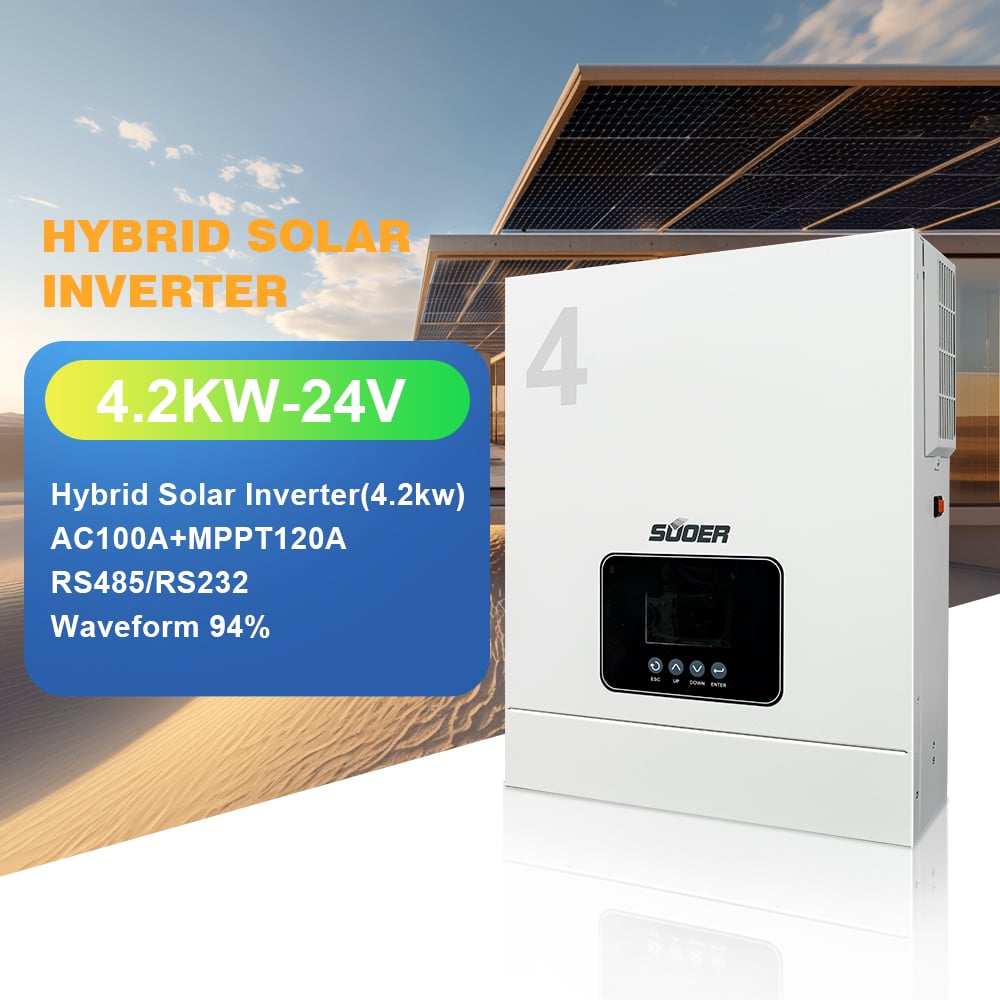
Hybrid Inverters: Combining features of both on-grid and off-grid systems, hybrid inverters allow for battery storage and grid connection. They offer flexibility, enabling businesses to utilize stored energy during peak times or outages. Important considerations include the inverter's ability to manage multiple power sources and its efficiency in charging batteries. For instance, the New 10.2kw Hybrid Solar Off-Grid Inverter System 10kwh 200ah Lithium Iron Lifepo4 Battery is an excellent option for businesses requiring such functionalities.
By understanding these differences, buyers can better align their specifications with their energy needs, ensuring optimal performance and cost-effectiveness.
When purchasing solar inverters wholesale, several cost factors should be closely examined:
Initial Purchase Price: This includes the base cost of the inverter itself. On-grid inverters tend to be less expensive than off-grid or hybrid systems due to the absence of battery management features. However, consider the total cost of ownership, which includes installation and maintenance.
Installation Costs: Installation complexities can significantly affect overall expenses. Off-grid systems often require specialized installation due to their battery components, potentially leading to higher labor costs.
Long-Term Savings: Evaluate potential savings on energy bills, especially with on-grid systems that allow for net metering. Calculate the payback period based on expected energy production and savings.
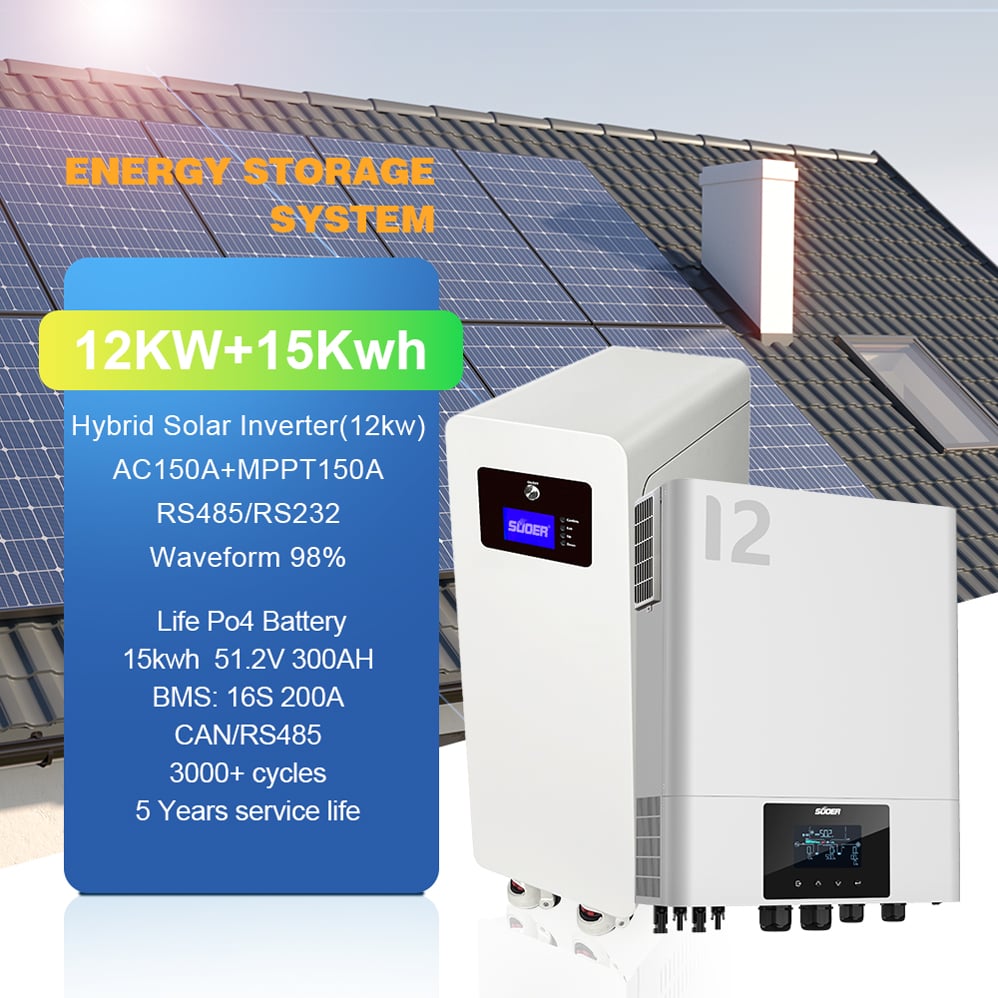
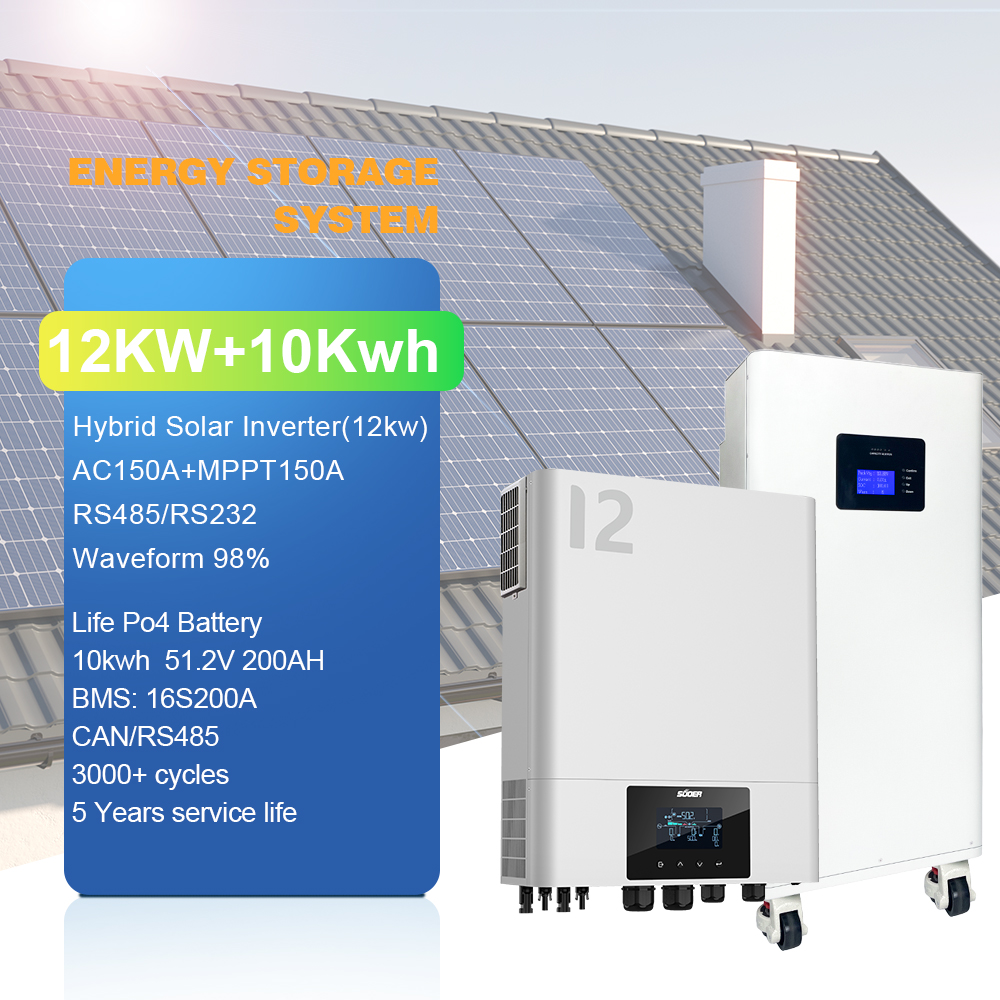
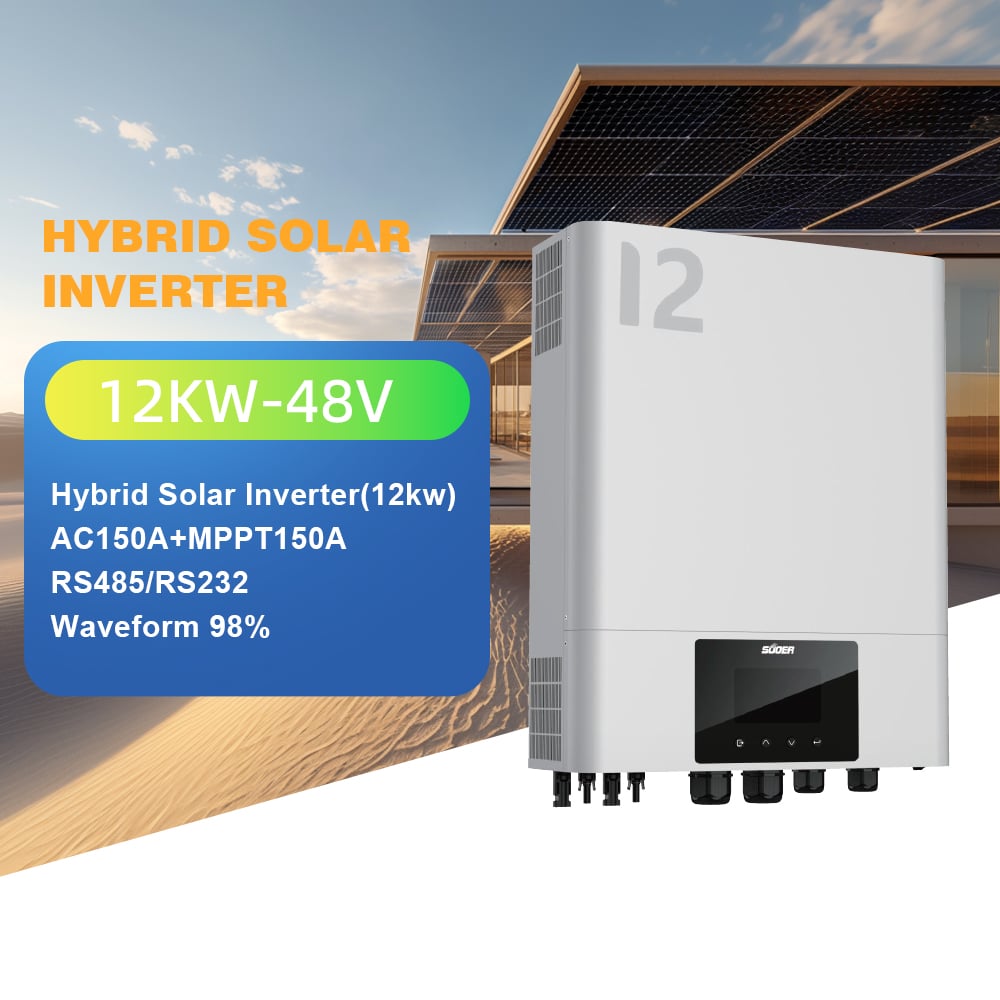
Quality and Certification: Inverters that meet certifications like ROHS, CE, and ISO9001 may carry a higher upfront cost but offer better reliability and efficiency, contributing to lower long-term maintenance and operational costs. For example, the VMS-12kw energy system sales 12kw smart hybrid solar Inverter with MPPT solar charger is known for its high quality and certification adherence.
By analyzing these factors, buyers can make more strategic purchasing decisions that align with their financial goals.
Solar inverters, while generally reliable, can experience common issues that B2B buyers should be aware of:
Overheating: High temperatures can cause inverters to shut down or reduce efficiency. Ensure that the selected inverter has adequate cooling mechanisms, such as heat sinks or fans, to maintain optimal operation.
Software Glitches: Many modern inverters come with software that may encounter bugs or require updates. Regularly check for firmware updates and ensure that the warranty covers software support.
Component Failures: Inverters can suffer from component failures, such as capacitors or transformers. When evaluating suppliers, inquire about their quality control processes and warranty terms, which can indicate reliability.
Battery Compatibility Issues: In hybrid systems, ensuring compatibility with battery systems is crucial. Buyers should verify technical specifications with manufacturers to avoid mismatched components.
Understanding these common problems and their solutions can help buyers proactively address issues, ensuring smoother operations and reducing downtime.
The applications for solar inverters vary significantly based on their type:
On-Grid Inverters: Commonly used in commercial buildings and industrial parks, these systems are ideal for businesses that consume large amounts of power during the day and have access to the grid. They are also used in residential solar panel systems.
Off-Grid Inverters: Frequently found in remote locations, such as rural areas or emergency backup systems, these inverters support applications where grid power is unavailable. Examples include powering rural clinics, schools, and homes.
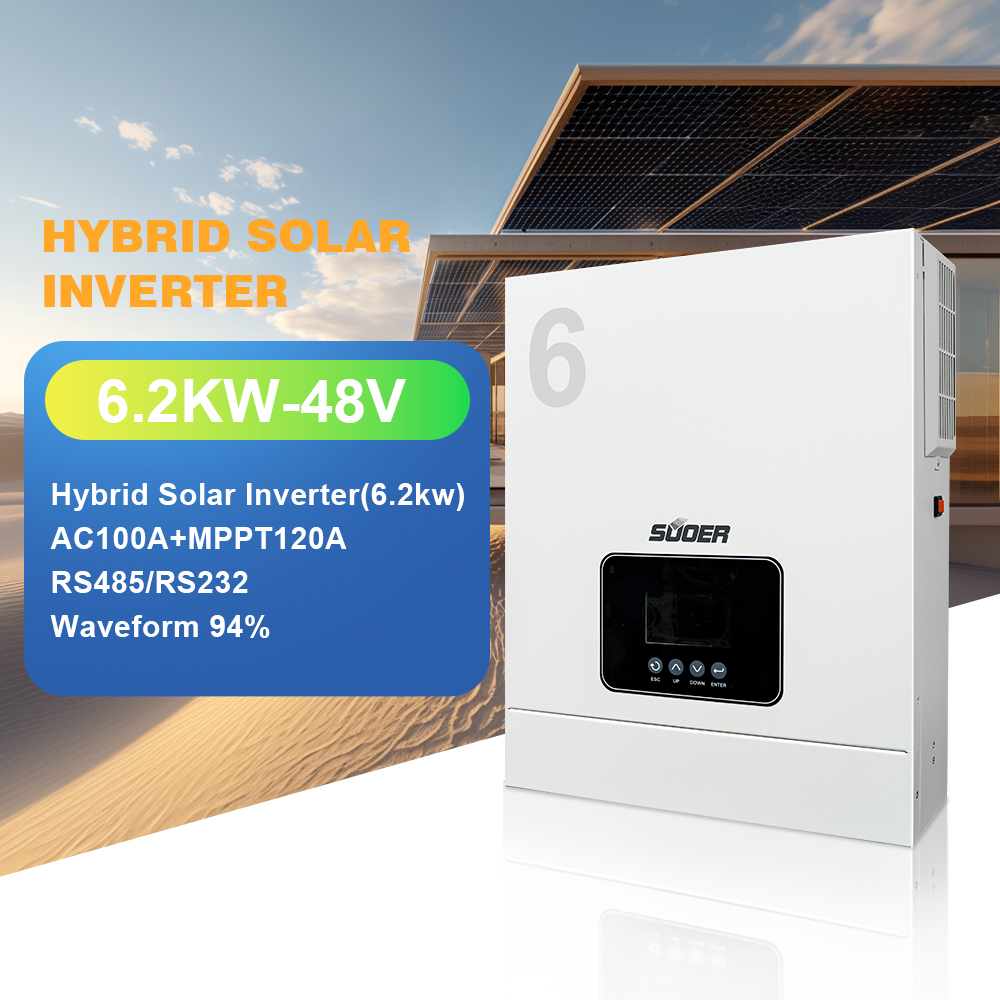
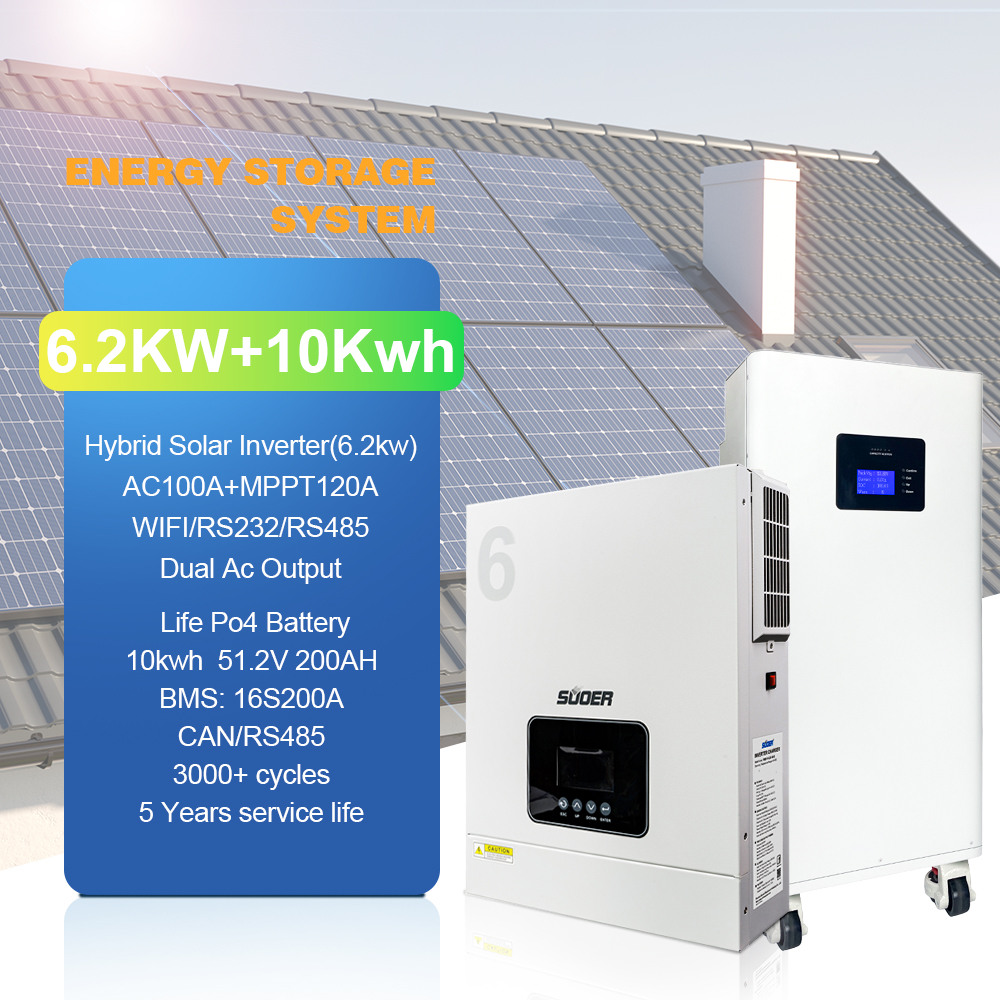
Hybrid Inverters: Suitable for businesses aiming for energy independence while still having grid access, hybrid inverters are increasingly used in urban settings where energy management is crucial. They can power critical loads during grid outages, making them ideal for hospitals and data centers. The 6200W Hybrid Solar Off-Grid Inverter System 10kwh Lithium Iron Lifepo4 Battery is a great example of a hybrid inverter that meets these needs.
By understanding these applications, buyers can better assess which inverter type fits their specific operational needs.
Choosing a reliable supplier for solar inverters is essential for ensuring product quality and service. Here are some criteria to consider:
Experience and Reputation: Look for suppliers with a proven track record in the solar industry. Check customer reviews and case studies to gauge their reliability and service quality.
Certifications: Ensure that suppliers provide products that meet international standards such as ROHS, CE, and ISO9001. This indicates a commitment to quality and safety.
Technical Support and Warranty: A good supplier should offer robust technical support and warranty options. This can be crucial for addressing any issues that arise post-purchase.
Customization Capabilities: Depending on your application, the ability to customize products can be a significant advantage. Discuss your specific requirements and ensure the supplier can accommodate them.
Production Capacity: Verify the supplier's production capacity to ensure they can meet your order requirements and timelines, especially for large-scale projects.
By following these guidelines, buyers can establish partnerships with suppliers that enhance their operational efficiencies and ensure reliable energy solutions.

Discover Suoer’s premium range of solar inverters and power inverters designed for reliable renewable energy solutions.Trusted by customers worldwide for exceptional performance and durability.
Suoer Industrial Zone, Ercun Road Section, Yanfeng Avenue, Shishan Town,Foshan city,Guangdong Province,China
Copyright © 2024 Foshan Suoer Electronic Industry Co., Ltd. Privacy Policy - Blog

 EN
 AR
 NL
 FR
 DE
 EL
 IT
 JA
 KO
 PT
 RU
 ES
 VI
 TH
 TR
 BG
 HR
 CS
 NO
 PL
 TL
 ID
 SR
 UK
 SQ
 HU
 MT
 AF
 MS
 IS
 HY
 AZ
 BN
 BS
 GU
 LO
 LA
 MN
 NE
 TA