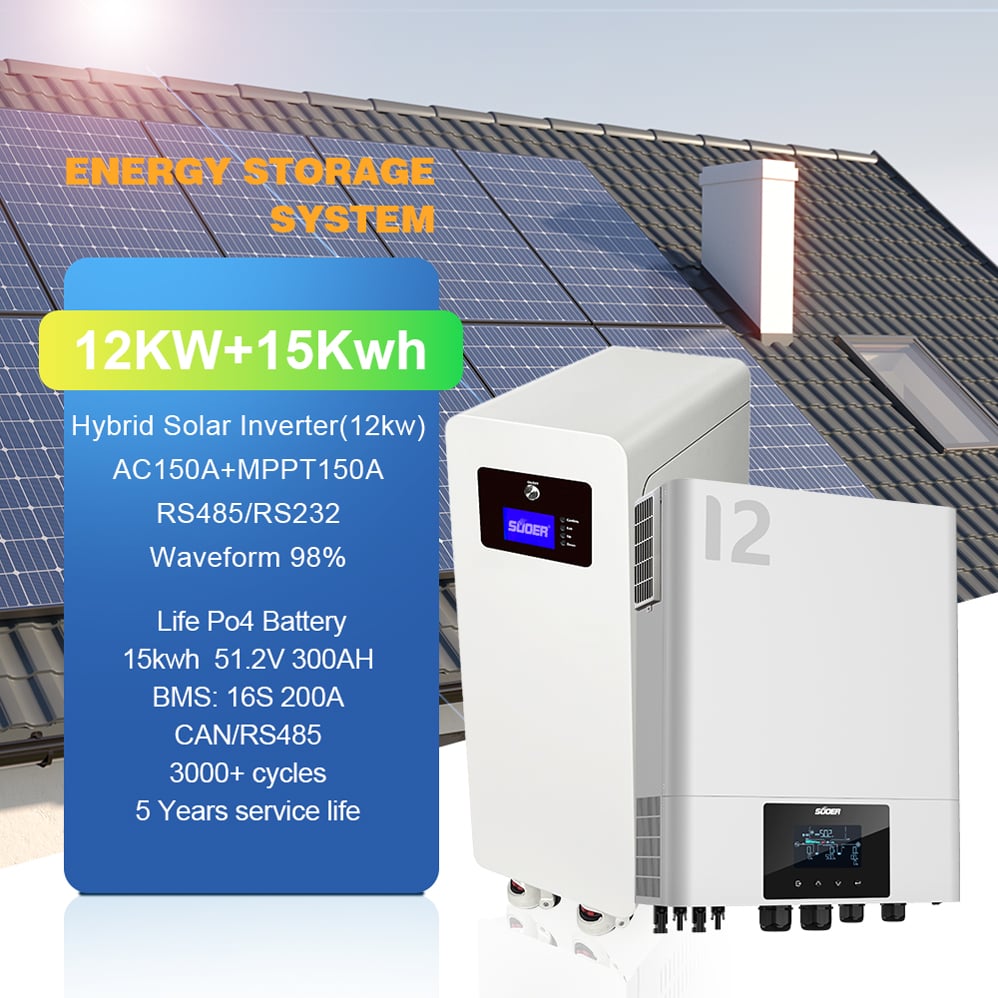
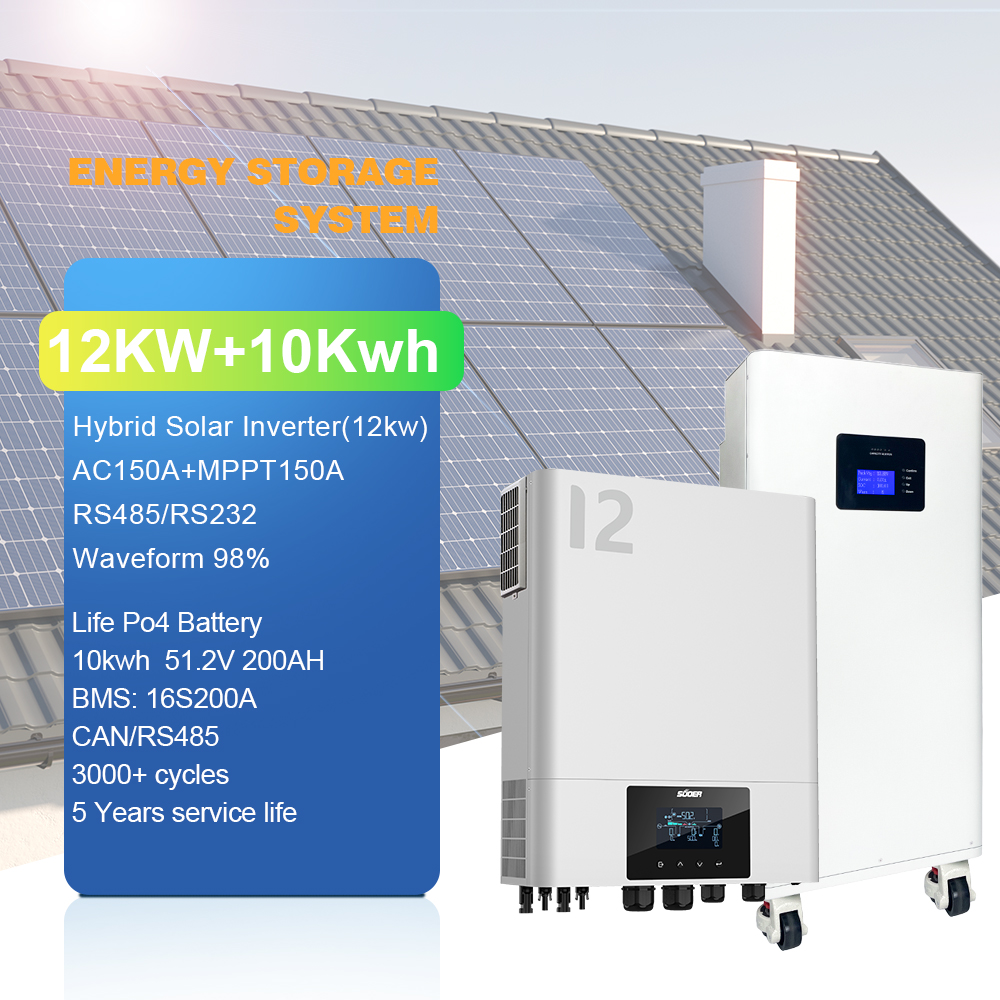
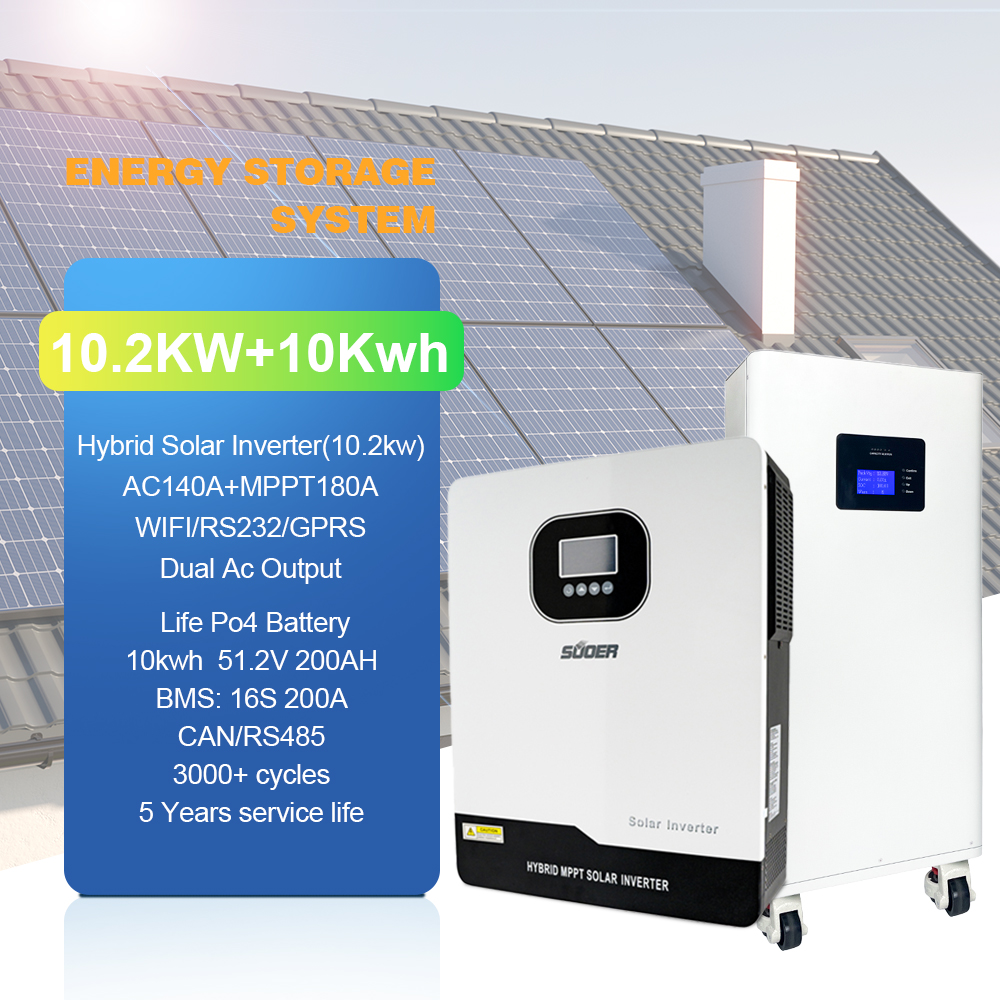
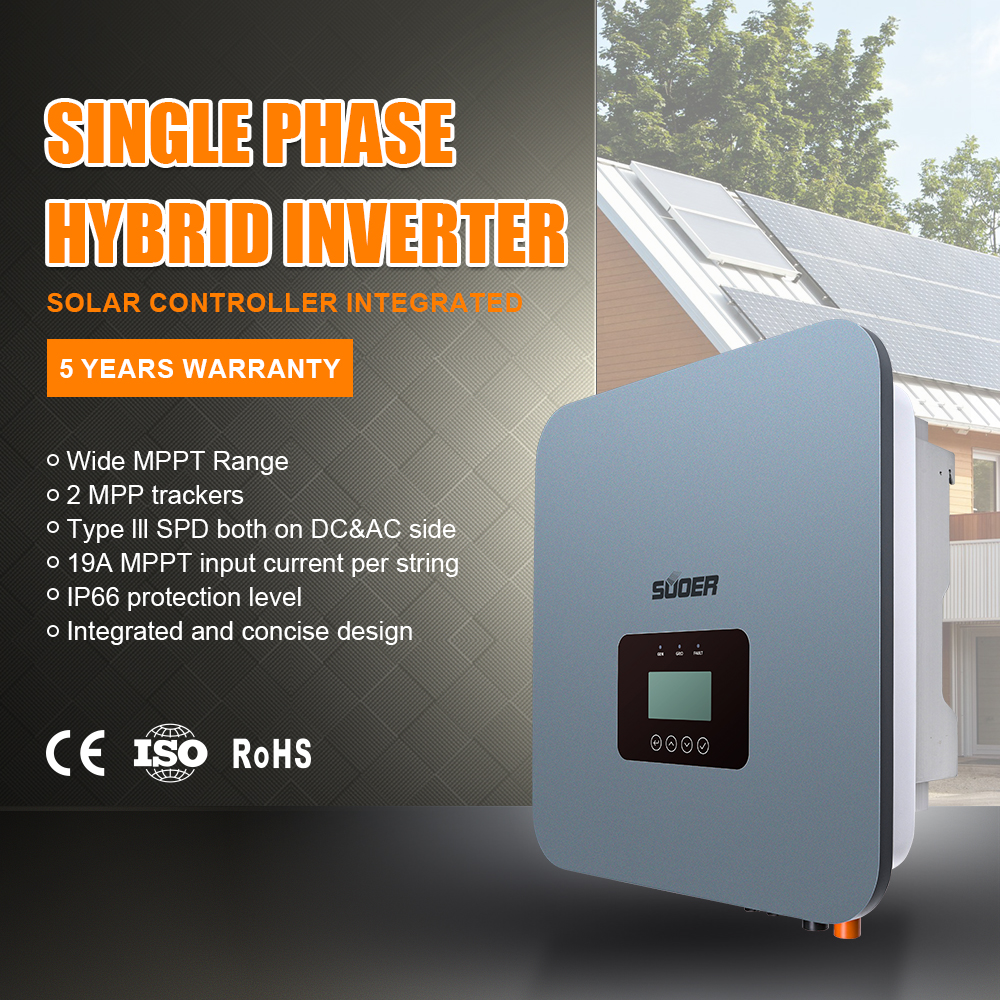
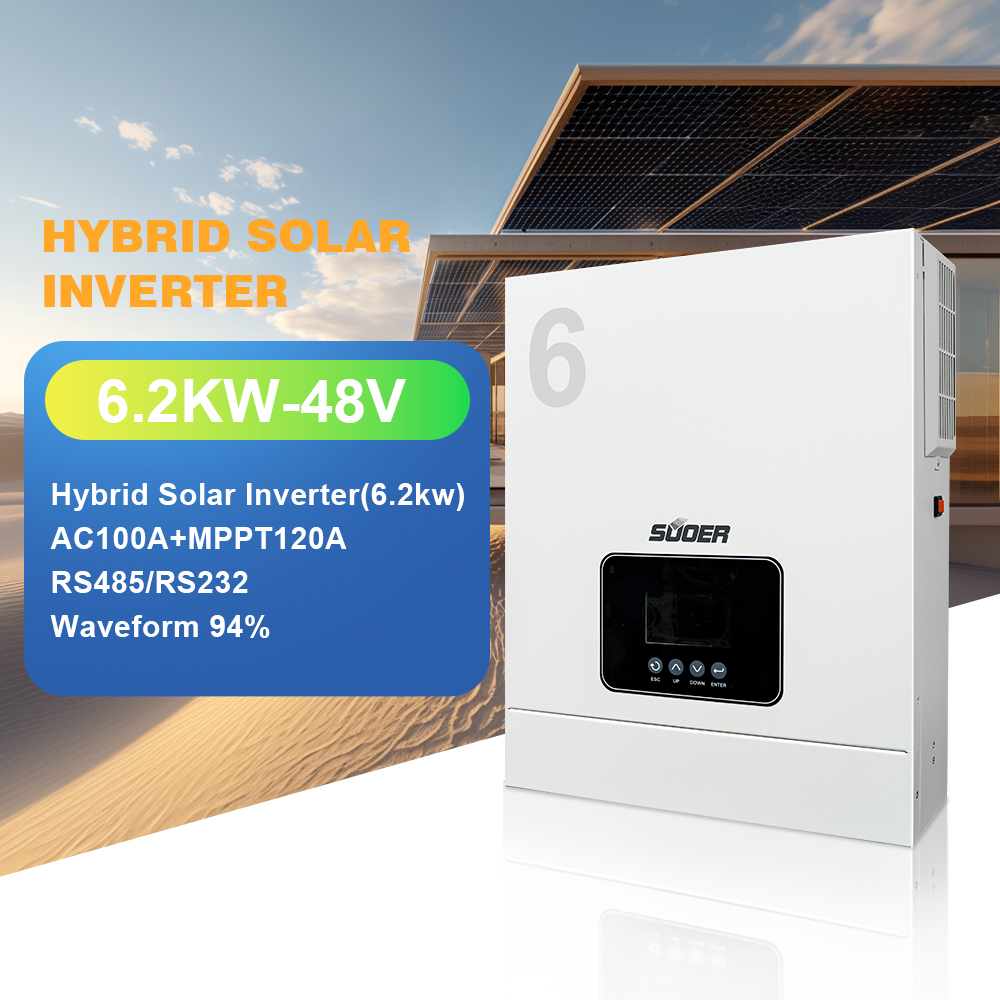
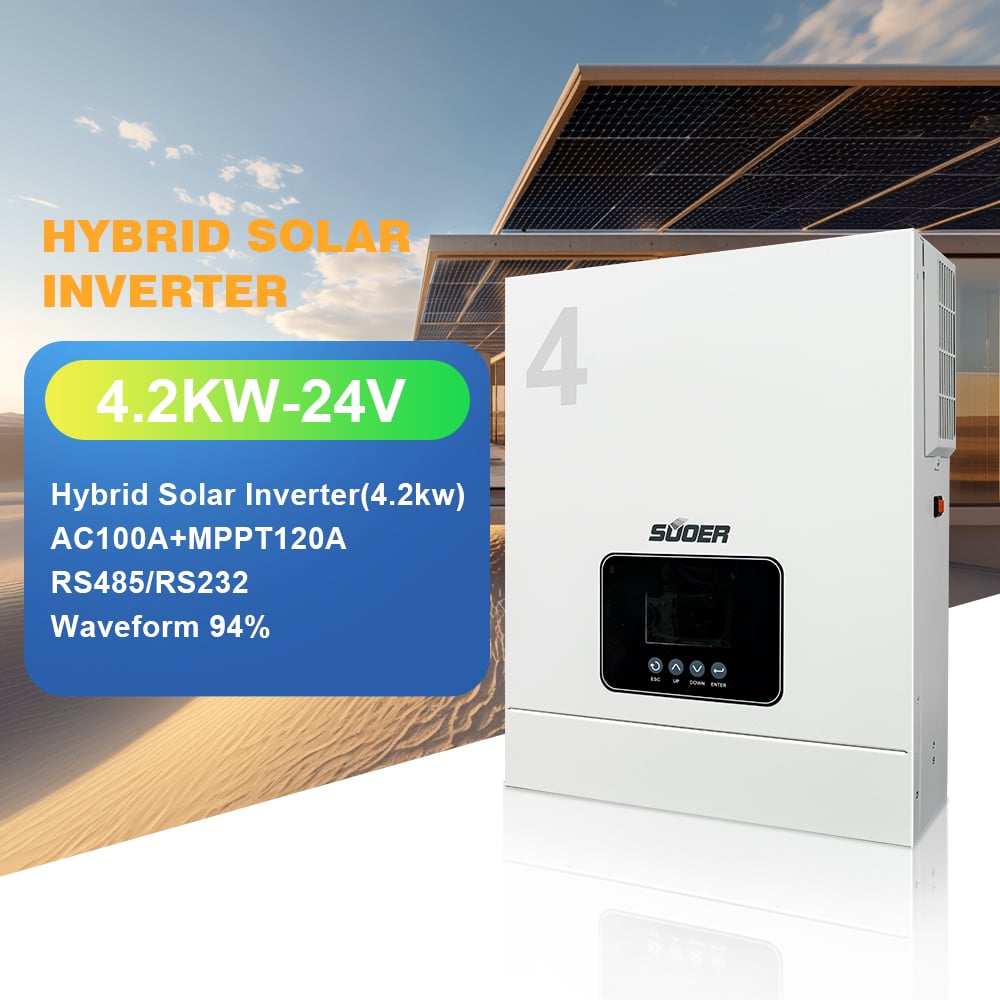
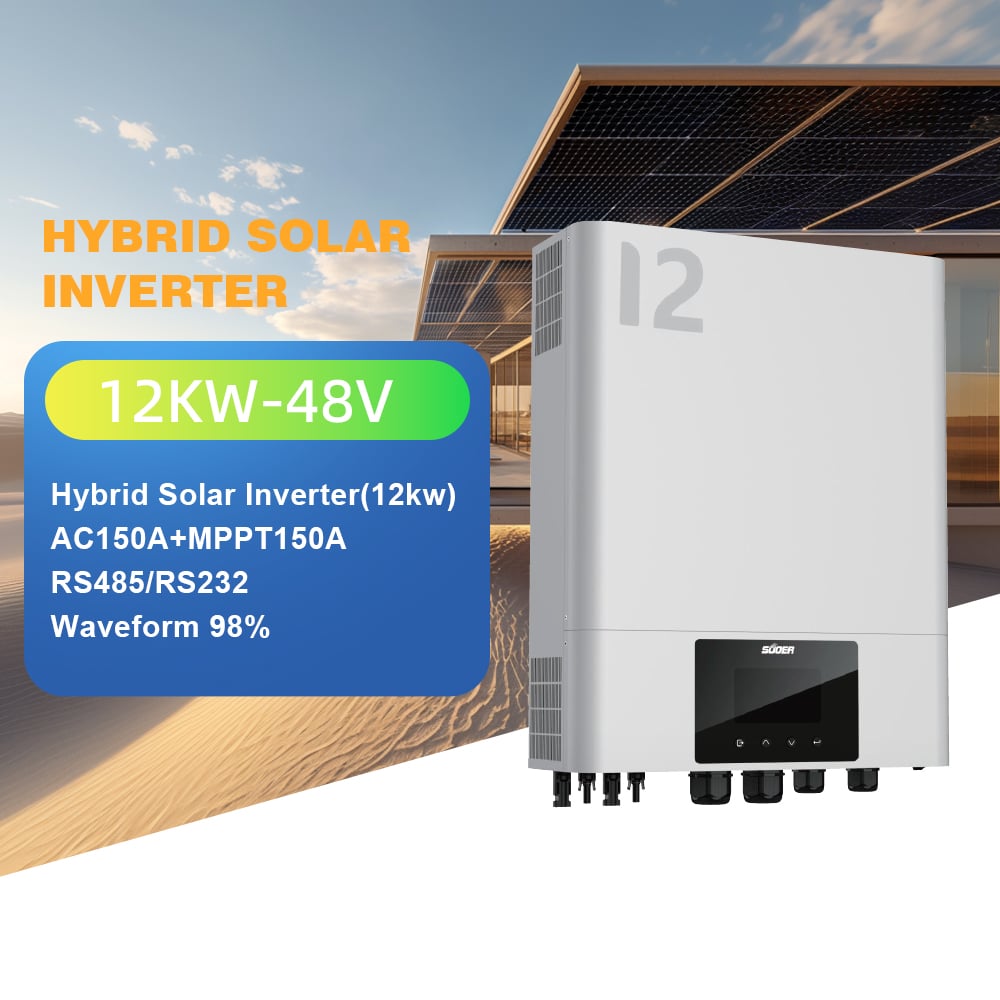
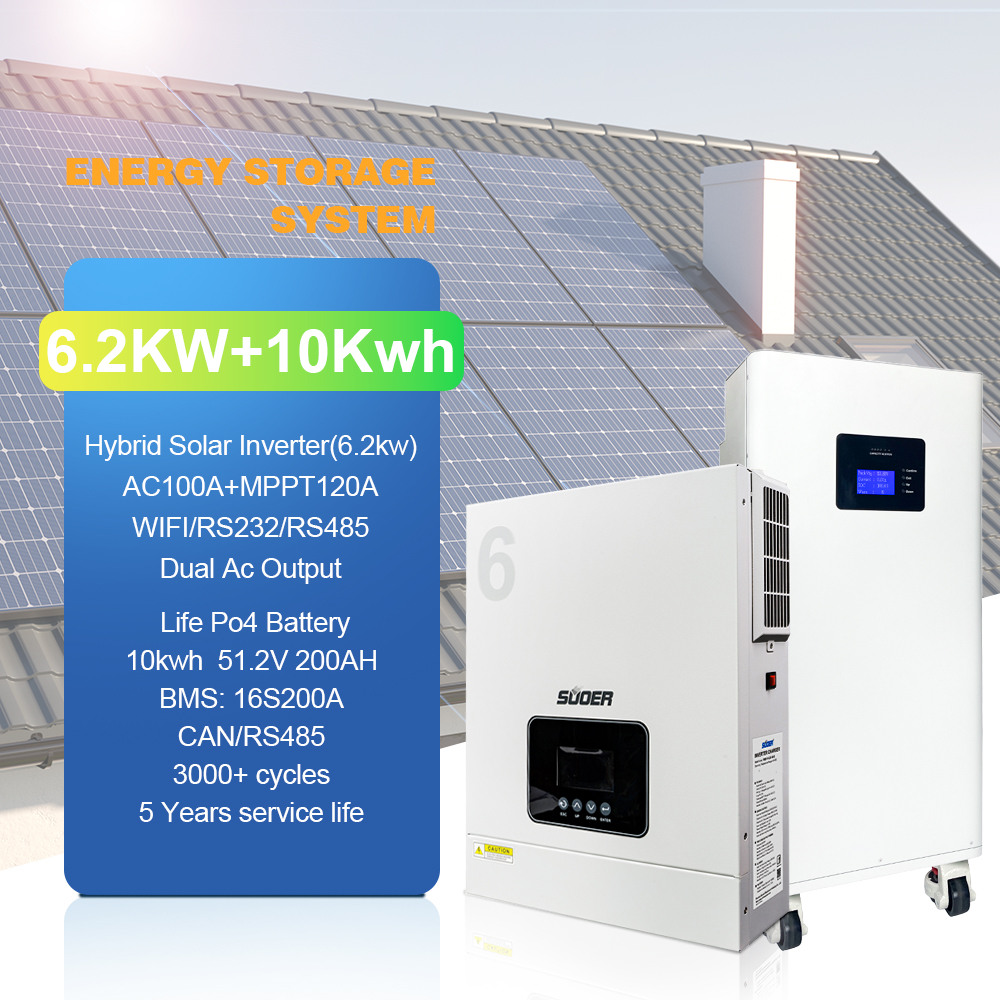
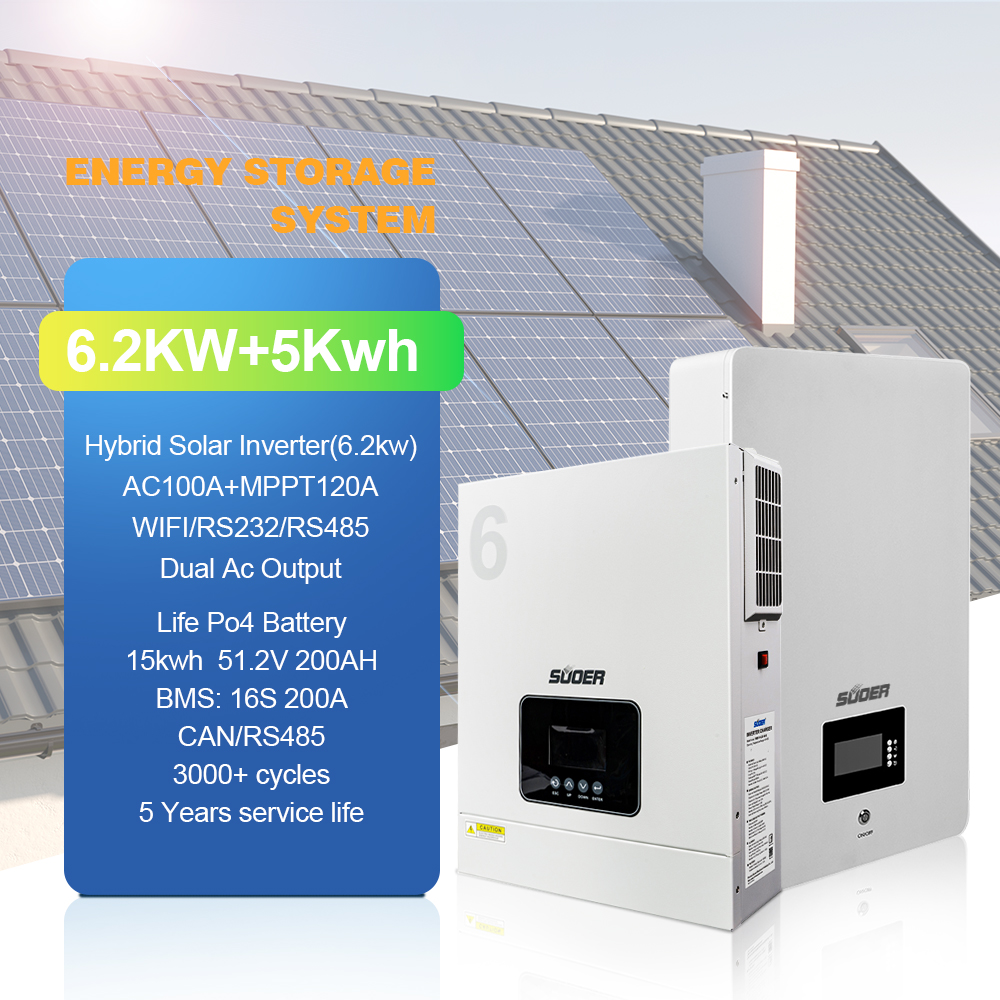
Hybrid on off grid inverters are critical components in modern energy systems, designed to balance energy supply from multiple sources, including renewable energy sources and traditional power grids. For B2B buyers, understanding the nuances of these inverters is crucial for selecting the right product for their specific applications, especially in industries such as electric vehicles, telecommunications, and renewable energy. This article will guide purchasing managers, engineers, and product managers through essential considerations when choosing a hybrid on off grid inverter, ensuring they make informed decisions that align with their operational needs. Additionally, exploring options like Home Energy Storage can further enhance energy management.
Selecting the appropriate hybrid on off grid inverter depends on various factors, including the specific application requirements, power capacity, and the integration of renewable energy sources. Buyers should first assess their energy needs, considering peak and average power consumption. This assessment will help in determining the inverter's capacity, which is typically measured in kilowatts (kW).
Moreover, compatibility with existing systems is vital. If integrating with photovoltaic systems, ensure the inverter supports the specific type of solar panels being used. Additionally, consider the inverter's ability to operate in both grid-tied and off-grid modes. This flexibility is particularly beneficial in scenarios where power availability fluctuates. In such cases, the use of a Solar Controller can optimize energy use.
Buyers should also evaluate the inverter's efficiency ratings, as a higher efficiency translates to better energy savings and lower operational costs. Furthermore, consider the inverter’s features, such as remote monitoring capabilities and user-friendly interfaces, which can enhance operational efficiency and ease of use.
When assessing hybrid on off grid inverters, several key specifications warrant close attention:
Power Rating: The inverter’s power rating should match or exceed the maximum load expected in operation. This ensures reliability and prevents overload.
Input Voltage Range: The inverter must accommodate the voltage levels from the energy sources it will support. This is essential for compatibility with various battery types and renewable sources.
Efficiency: Look for inverters with high efficiency ratings, typically above 90%. This metric indicates how much of the input energy is converted into usable output energy, directly influencing operational costs.
Waveform Output: The inverter should provide a pure sine wave output to ensure compatibility with sensitive electronic devices. A modified sine wave may suffice for less sensitive applications but can lead to inefficiencies and potential device damage.
Protection Features: Evaluate the safety features, such as over-voltage, under-voltage, over-temperature, and short-circuit protections, which are crucial for ensuring the longevity and safety of the inverter.
Understanding these specifications will empower buyers to make decisions that enhance their energy systems' performance and reliability.
Comparing hybrid on off grid inverters for wholesale purchases involves a systematic approach:
Vendor Reputation: Research manufacturers and their history in the industry. A company with a strong reputation for quality and reliability, backed by certifications such as ISO9001, CE, and ROHS, is preferable.
Product Range: Assess the variety of inverters offered by the supplier. A broader product range often indicates a manufacturer’s experience and capability to cater to different needs.
Customization Options: Inquire about customization capabilities. Businesses often have unique requirements, and the ability to tailor specifications can significantly enhance operational efficiency.
Pricing Structures: Request quotes and evaluate the pricing against the specifications provided. Consider the total cost of ownership, including warranty, support, and potential maintenance costs.
Lead Times and Minimum Order Quantities (MOQs): Understand the supplier’s lead times for production and delivery. Also, inquire about MOQs, as this can significantly impact inventory and cash flow management.
By systematically comparing these factors, buyers can identify suppliers that align with their operational and budgetary constraints.
The cost of hybrid on off grid inverters can vary widely based on several factors:
Specifications and Features: Higher capacity inverters or those with advanced features, such as smart monitoring or enhanced protection mechanisms, typically command higher prices.
Material and Build Quality: Inverters constructed with premium materials may have higher upfront costs but can offer better durability and efficiency, leading to lower long-term operational costs.
Certification and Compliance: Products that meet industry standards and certifications often come at a premium due to the assurance of quality and safety they provide.
Supplier Relationships: Long-term relationships with suppliers can lead to better pricing, especially for bulk purchases. Negotiating terms that consider future orders can also yield favorable pricing structures.
Market Demand and Competition: Fluctuations in market demand for renewable energy solutions can affect pricing. Staying informed about market trends will assist in making timely purchasing decisions.
Understanding these cost factors will help buyers budget effectively and identify the total cost implications of their purchasing decisions.
Hybrid on off grid inverters are versatile and find applications across various industries:
Electric Vehicles (EVs): In the EV sector, these inverters manage energy flow between the vehicle's battery, grid, and charging stations, optimizing energy use and extending battery life.
Telecommunications: In remote telecommunications setups, hybrid inverters ensure a continuous power supply, combining solar energy with grid power to maintain operations during outages.
Rail Transit: Rail systems utilize hybrid on off grid inverters to efficiently manage energy distribution between onboard power systems and external sources, enhancing energy efficiency and reducing operational costs.
Photovoltaic Systems: In residential or commercial solar installations, hybrid inverters allow for the integration of solar energy with grid electricity, enabling users to maximize solar consumption and minimize reliance on grid power.
Agricultural Applications: In agricultural settings, these inverters can support irrigation systems and farm operations, leveraging solar energy to reduce electricity costs and enhance sustainability.
By understanding these applications, buyers can better assess how hybrid on off grid inverters can meet their specific operational needs and contribute to sustainability goals.

Discover Suoer’s premium range of solar inverters and power inverters designed for reliable renewable energy solutions.Trusted by customers worldwide for exceptional performance and durability.
Suoer Industrial Zone, Ercun Road Section, Yanfeng Avenue, Shishan Town,Foshan city,Guangdong Province,China
Copyright © 2024 Foshan Suoer Electronic Industry Co., Ltd. Privacy Policy - Blog

 EN
 AR
 NL
 FR
 DE
 EL
 IT
 JA
 KO
 PT
 RU
 ES
 VI
 TH
 TR
 BG
 HR
 CS
 NO
 PL
 TL
 ID
 SR
 UK
 SQ
 HU
 MT
 AF
 MS
 IS
 HY
 AZ
 BN
 BS
 GU
 LO
 LA
 MN
 NE
 TA