A hybrid inverter solar system combines solar energy generation with energy storage capabilities, providing a reliable and efficient power solution for various applications. As businesses and industries increasingly look to reduce energy costs and carbon footprints, understanding the intricacies of hybrid inverter solar systems becomes crucial for purchasing managers and engineers. This article will explore key considerations when sourcing these systems, quality control measures in manufacturing, common problems and solutions, and factors affecting costs, helping you make informed purchasing decisions.
When considering a wholesale purchase of hybrid inverter solar systems, it’s essential to start with a clear understanding of your specific requirements. Key factors to evaluate include the system's capacity, intended applications, and compatibility with existing infrastructure. Buyers should also assess the manufacturer’s experience in the industry, as well as their ability to provide customization options that align with unique business needs.
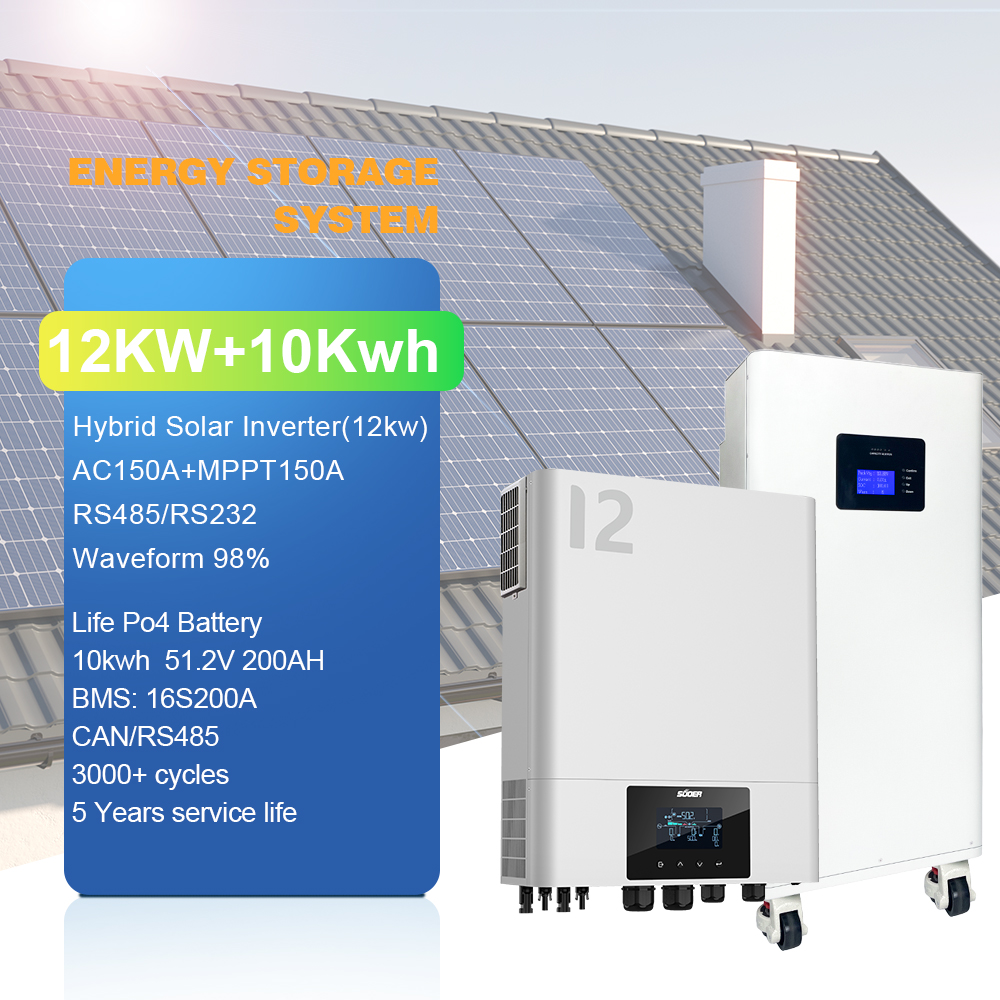
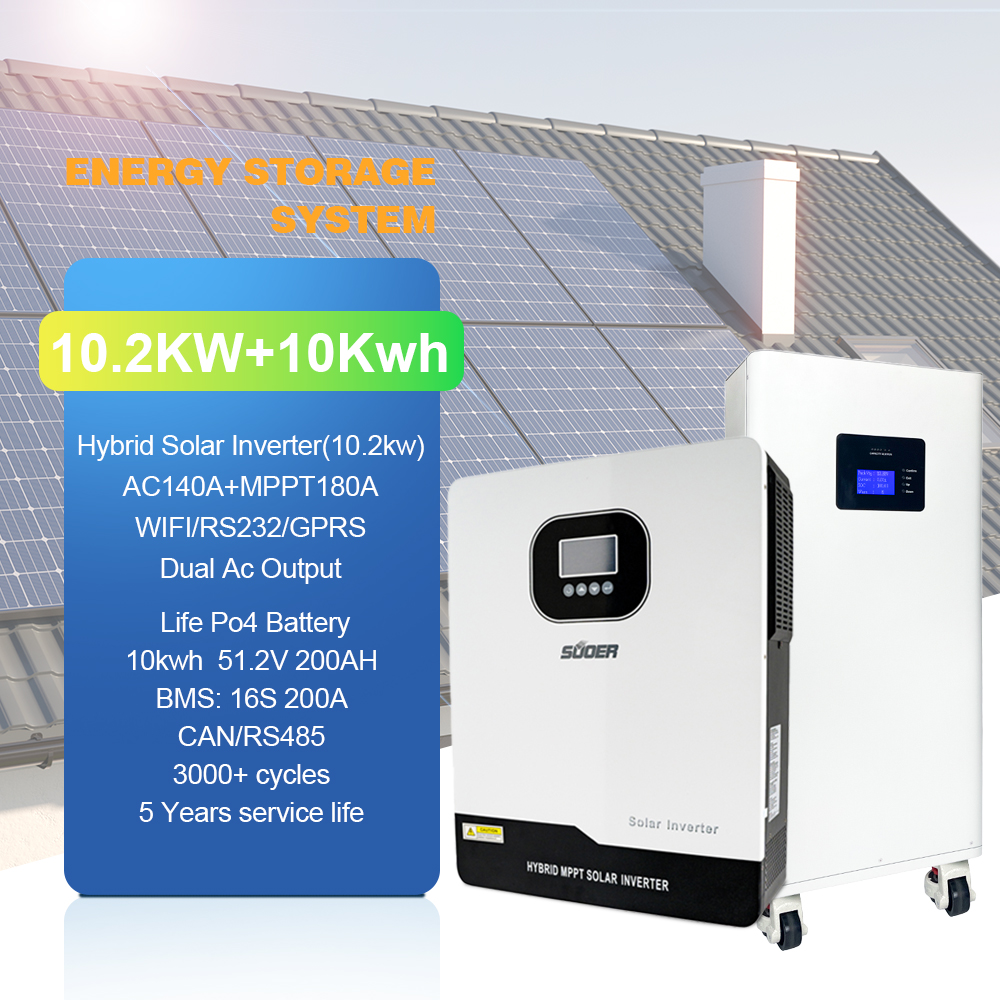
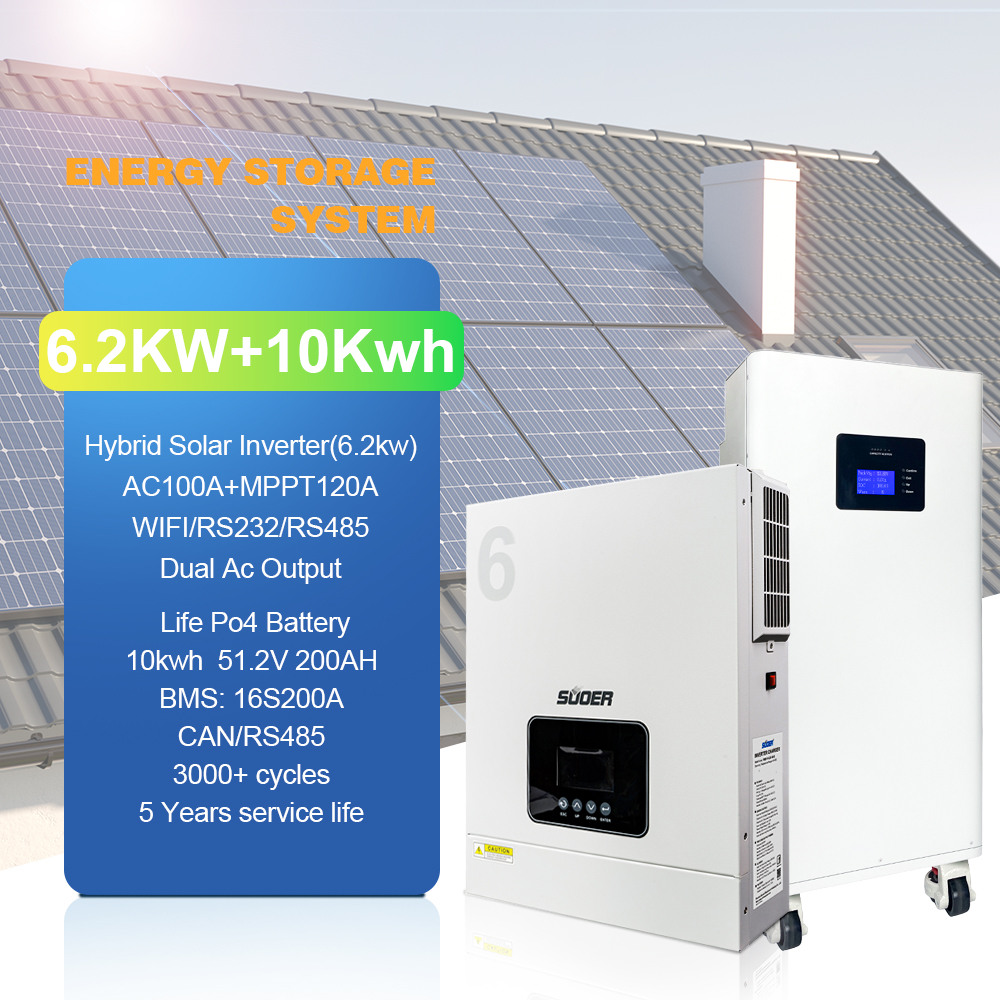
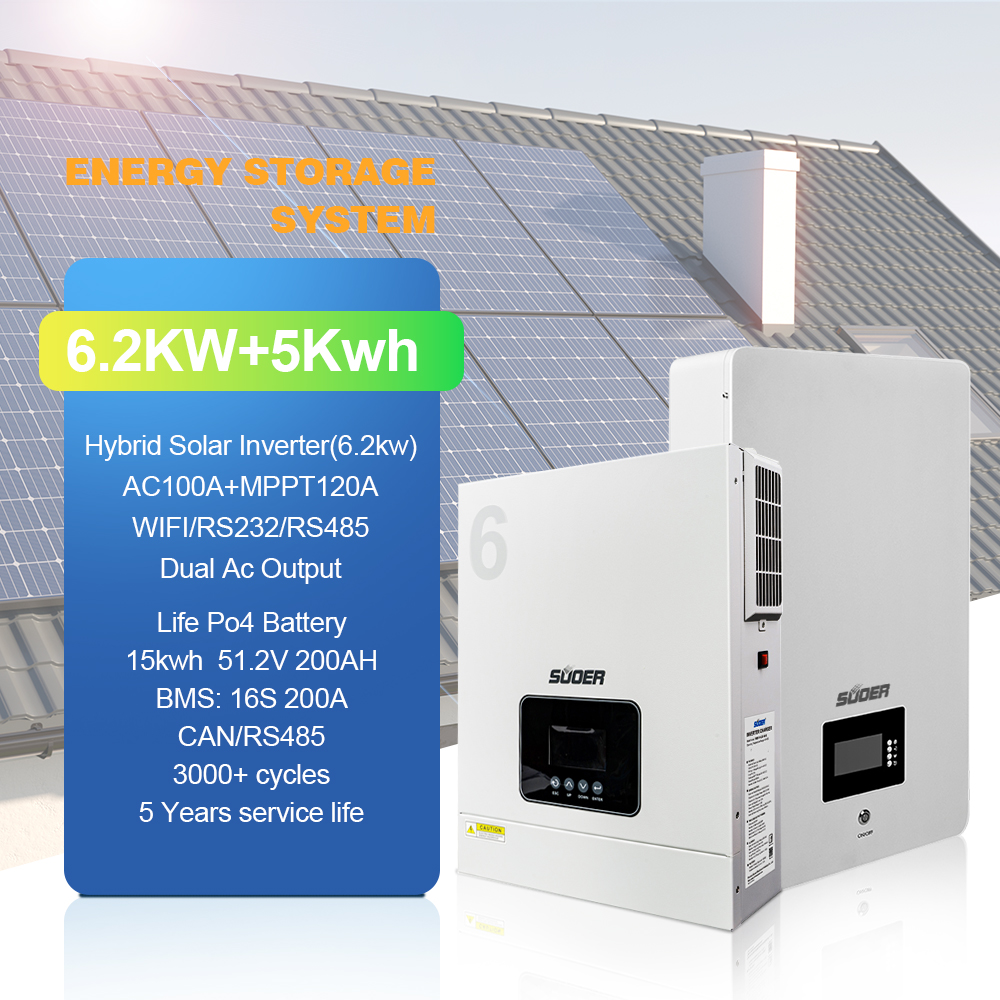
Requesting detailed specifications, including performance metrics like efficiency ratings, surge capacity, and operational voltage ranges, is essential. Furthermore, understanding the manufacturer’s production capabilities and lead times can help set realistic expectations for delivery. Providing potential suppliers with detailed information about your application, expected usage patterns, and any necessary certifications will facilitate more accurate quotations. For instance, looking into the New 10.2kw Hybrid Solar Off-Grid Inverter System 10kwh 200ah Lithium Iron Lifepo4 Battery Split Stackable CAN Communication Port can provide insights into system capabilities.
Quality control is paramount in the manufacturing of hybrid inverter solar systems, given their critical role in energy management. Reputable manufacturers implement rigorous quality assurance processes, including the inspection of raw materials, in-process testing, and final product evaluations.
Key quality control measures include:
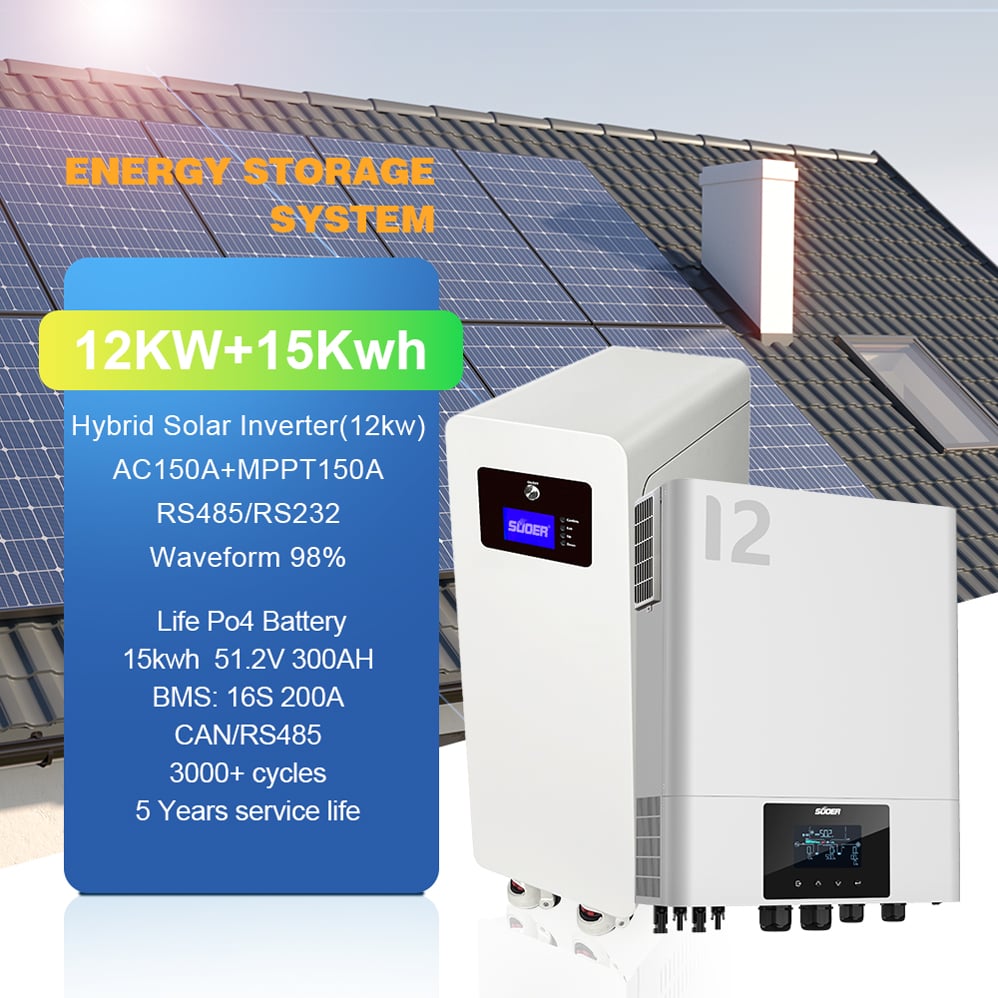
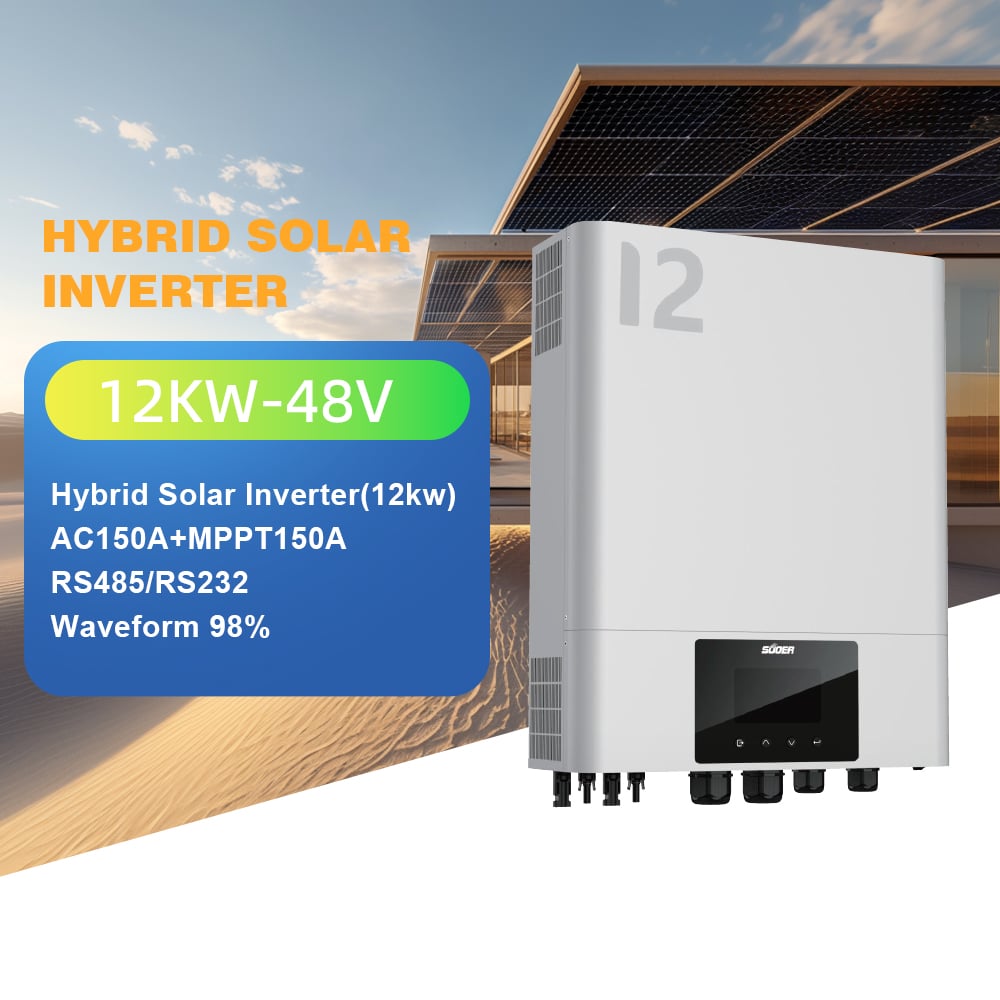
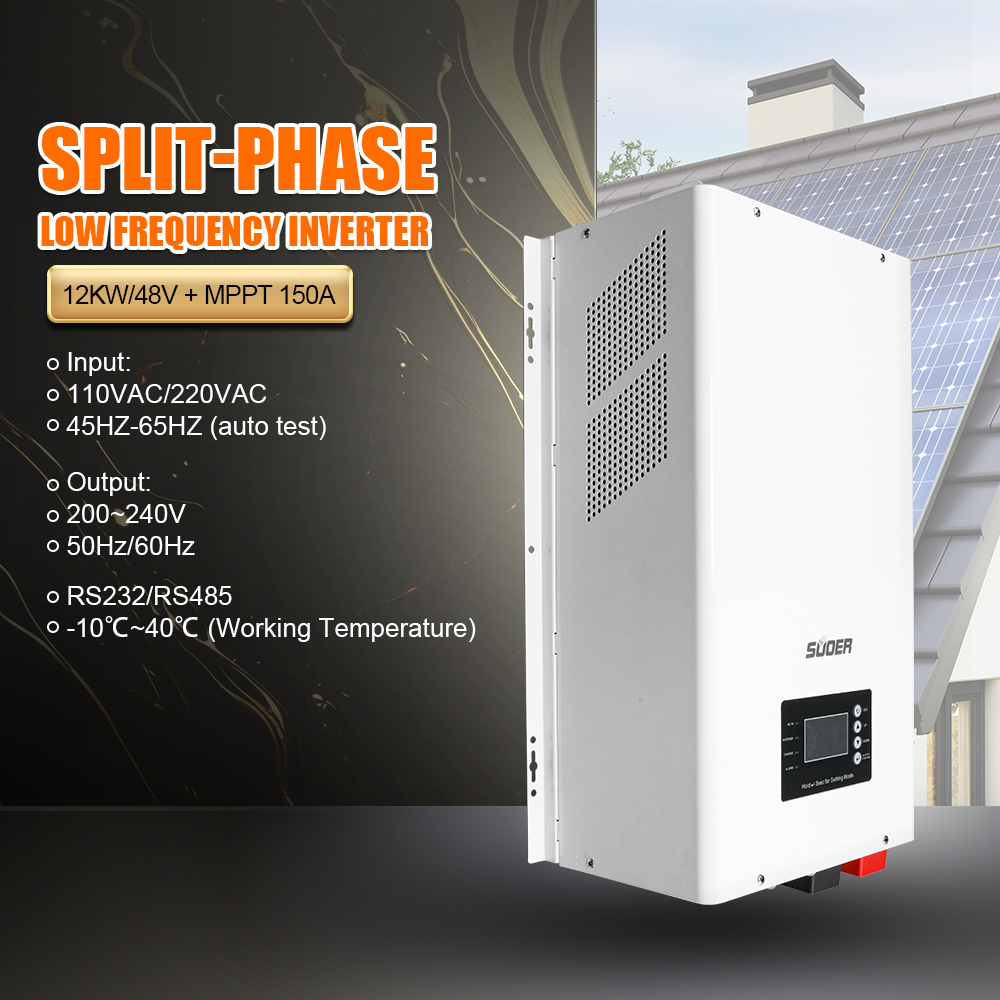
Material Selection: Ensuring that components such as semiconductors and capacitors meet industry standards for durability and performance.Testing Protocols: Conducting comprehensive testing under simulated operating conditions to identify potential failures before the product reaches the market.Certifications: Manufacturers should possess relevant certifications such as ROHS, CE, and ISO 9001, indicating adherence to international quality standards.For buyers, understanding these quality measures provides assurance of the product's reliability and longevity in their applications. Additionally, exploring options like the VMS-12kw energy system sales 12kw smart hybrid solar Inverter with MPPT solar charger can further enhance decision-making.
Several key considerations should guide purchasing decisions for hybrid inverter solar systems:
System Capacity: Determine the required energy output based on your application's specific needs. This includes assessing peak load demands and average daily energy consumption.Compatibility: Ensure that the inverter system is compatible with your existing solar panels and battery storage solutions. Incompatibilities can lead to inefficiencies and increased costs.Installation Requirements: Understand the installation environment and any specific conditions that may affect system performance, such as temperature extremes or humidity levels.Warranty and Support: Evaluate the warranty offerings and customer support services provided by the manufacturer. A robust support system can significantly enhance operational reliability.By focusing on these considerations, buyers can enhance their decision-making process and select systems that align with their operational objectives.
While hybrid inverter solar systems are designed for durability and efficiency, several common issues can arise during their operation:
Overloading: If the system is not sized correctly for the application, it can lead to overloading, resulting in frequent system failures. To mitigate this risk, conduct a thorough load analysis before installation.Battery Compatibility: Incompatibility between the inverter and battery types can lead to inefficient performance. Always confirm that the selected inverter is designed to work with your chosen battery technology.Firmware Issues: Regular updates may be necessary to ensure optimal performance and compatibility with new technologies. Buyers should inquire about the manufacturer's process for firmware updates and how they can be applied.Environmental Factors: Factors such as dust accumulation or temperature extremes can affect system efficiency. Regular maintenance and cleaning schedules should be established to address these concerns.Identifying and understanding these potential issues can prepare buyers for effective troubleshooting and maintenance.
Understanding the cost factors associated with hybrid inverter solar systems is imperative for effective budgeting and procurement. Key elements influencing pricing include:
System Configuration: The complexity of the system, including the number of components and level of customization, can significantly impact costs.Material Quality: Higher-quality materials may incur higher upfront costs but can lead to lower maintenance and replacement expenses over time.Production Volume: Manufacturers often offer discounts for bulk purchases, making it beneficial to assess your long-term needs before placing an order.Shipping and Handling: International shipping costs, tariffs, and handling fees must be factored into the overall cost. Establishing clear logistics expectations with suppliers can help avoid unexpected expenses.Buyers should obtain detailed quotations that break down these costs to facilitate informed comparisons between suppliers.
In summary, navigating the procurement of hybrid inverter solar systems requires careful consideration of specifications, quality assurance processes, potential operational issues, and cost factors. By thoroughly understanding these elements, purchasing managers and engineers can make informed decisions that align with their organization's energy needs and sustainability goals.

Discover Suoer’s premium range of solar inverters and power inverters designed for reliable renewable energy solutions.Trusted by customers worldwide for exceptional performance and durability.
Suoer Industrial Zone, Ercun Road Section, Yanfeng Avenue, Shishan Town,Foshan city,Guangdong Province,China
Copyright © 2024 Foshan Suoer Electronic Industry Co., Ltd. Privacy Policy - Blog

 EN
 AR
 NL
 FR
 DE
 EL
 IT
 JA
 KO
 PT
 RU
 ES
 VI
 TH
 TR
 BG
 HR
 CS
 NO
 PL
 TL
 ID
 SR
 UK
 SQ
 HU
 MT
 AF
 MS
 IS
 HY
 AZ
 BN
 BS
 GU
 LO
 LA
 MN
 NE
 TA