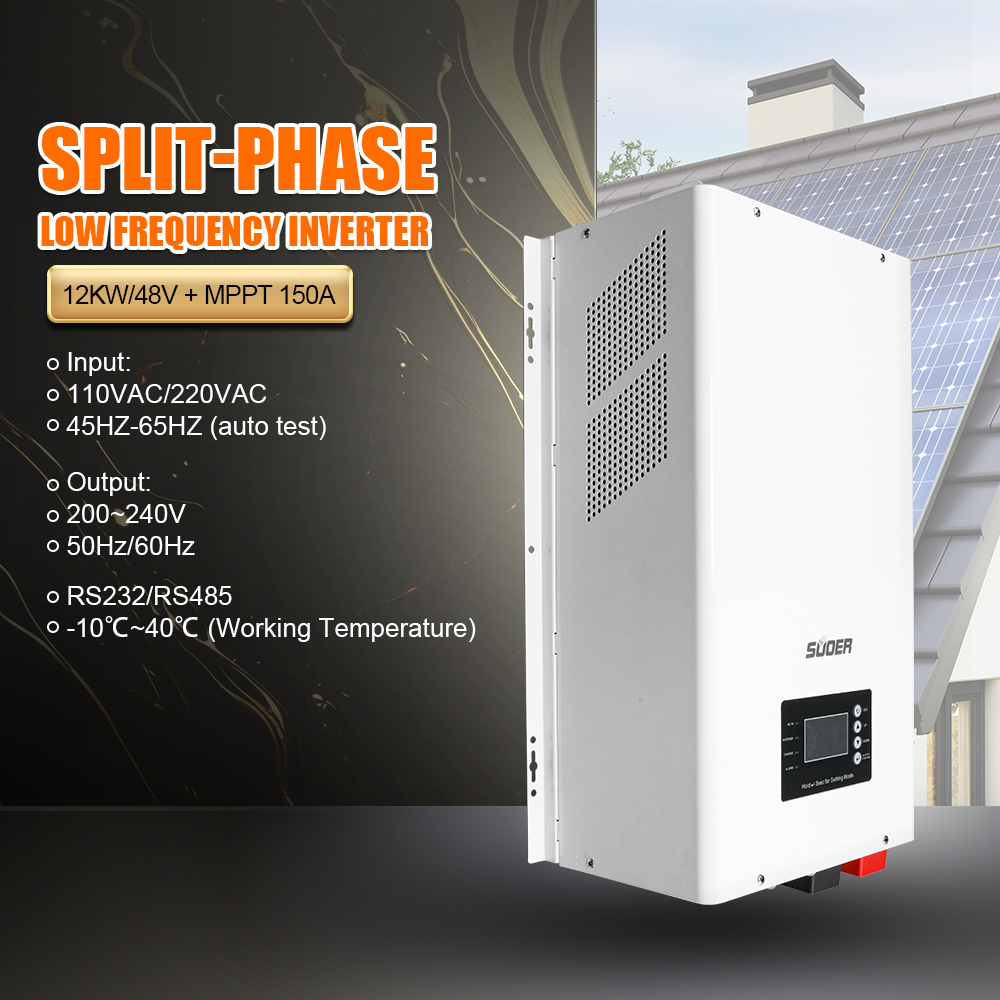
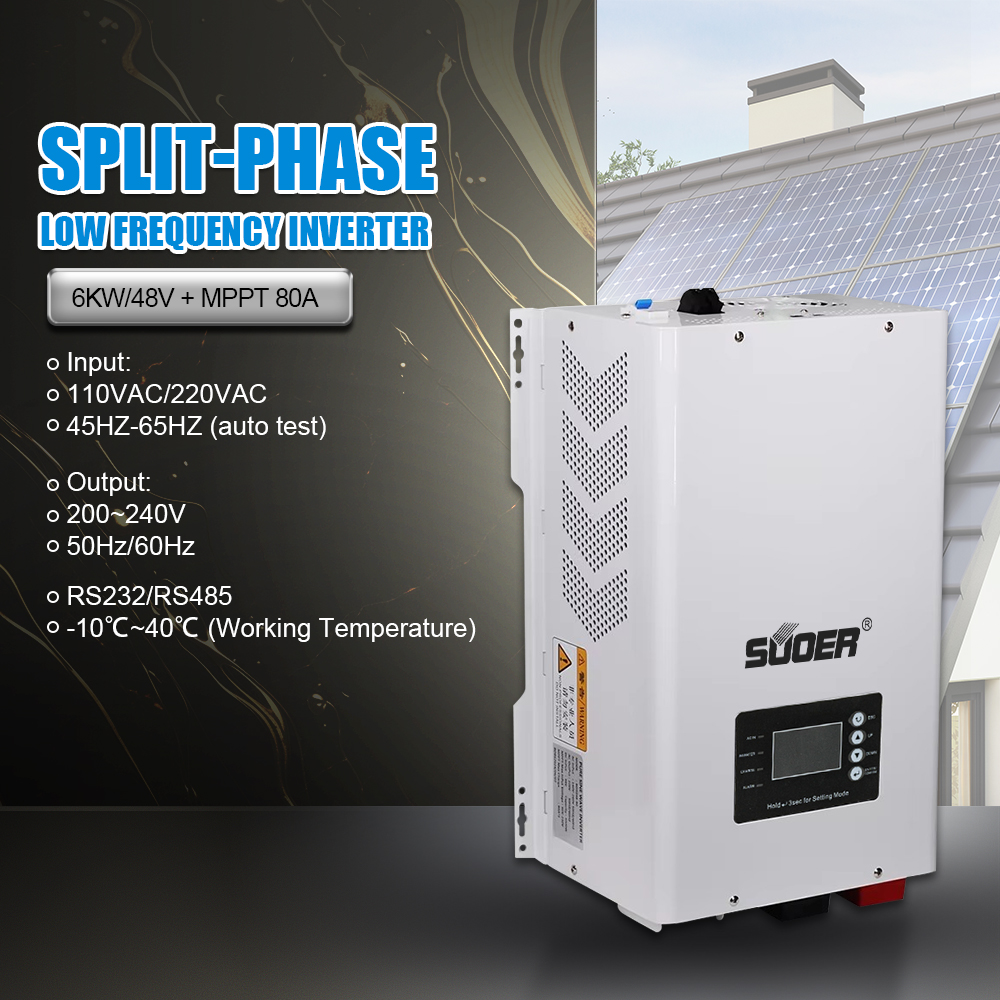
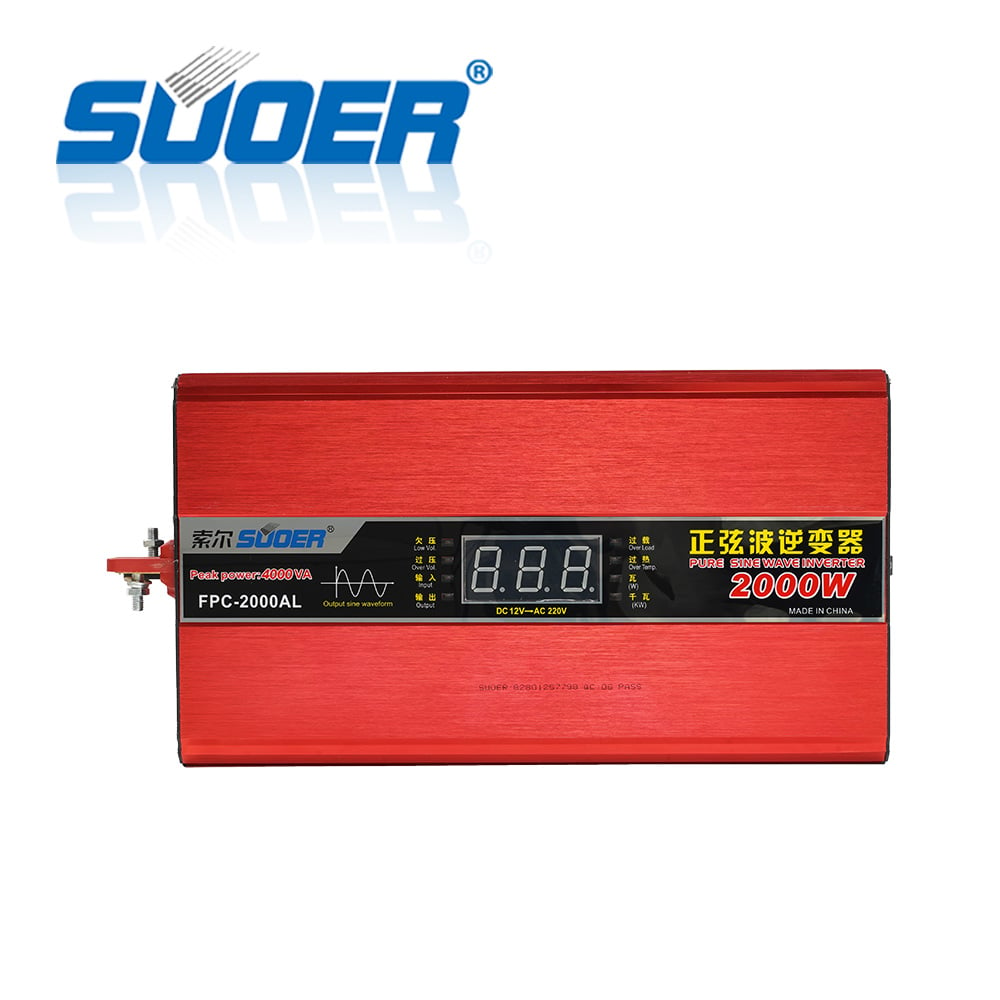
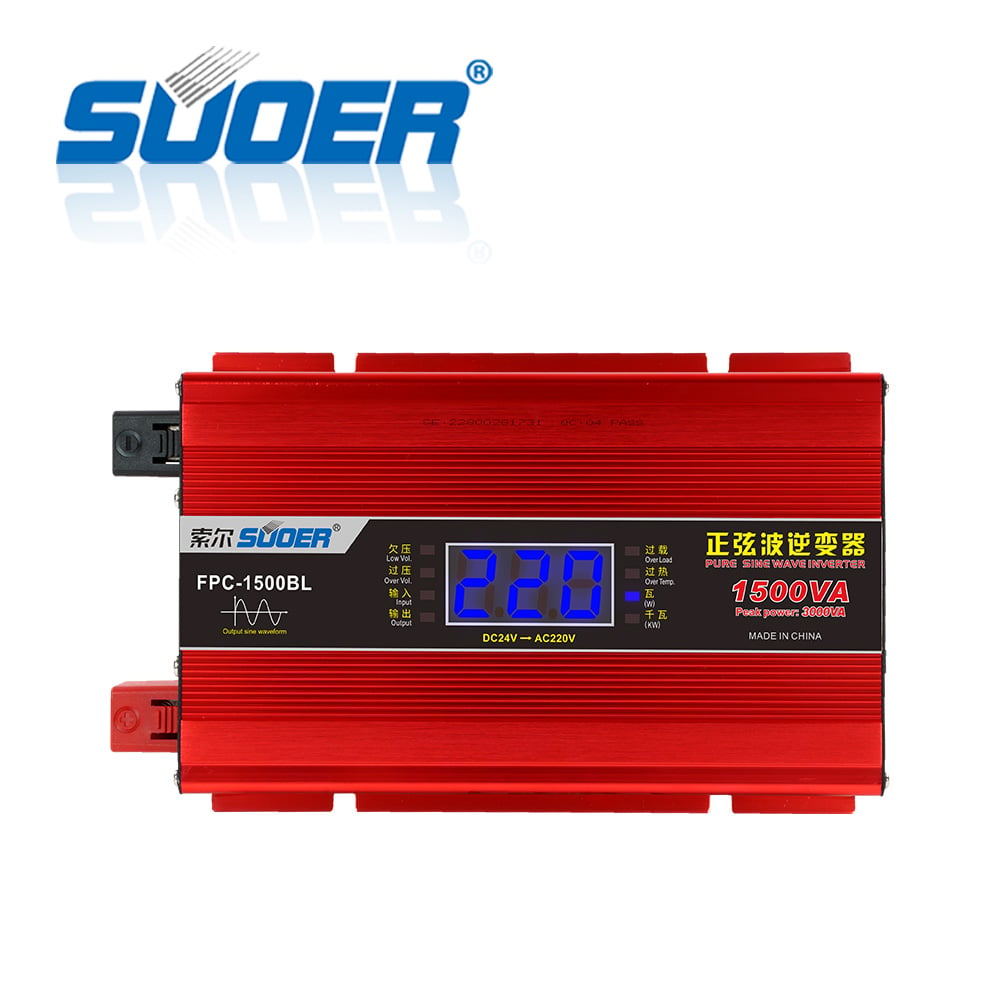
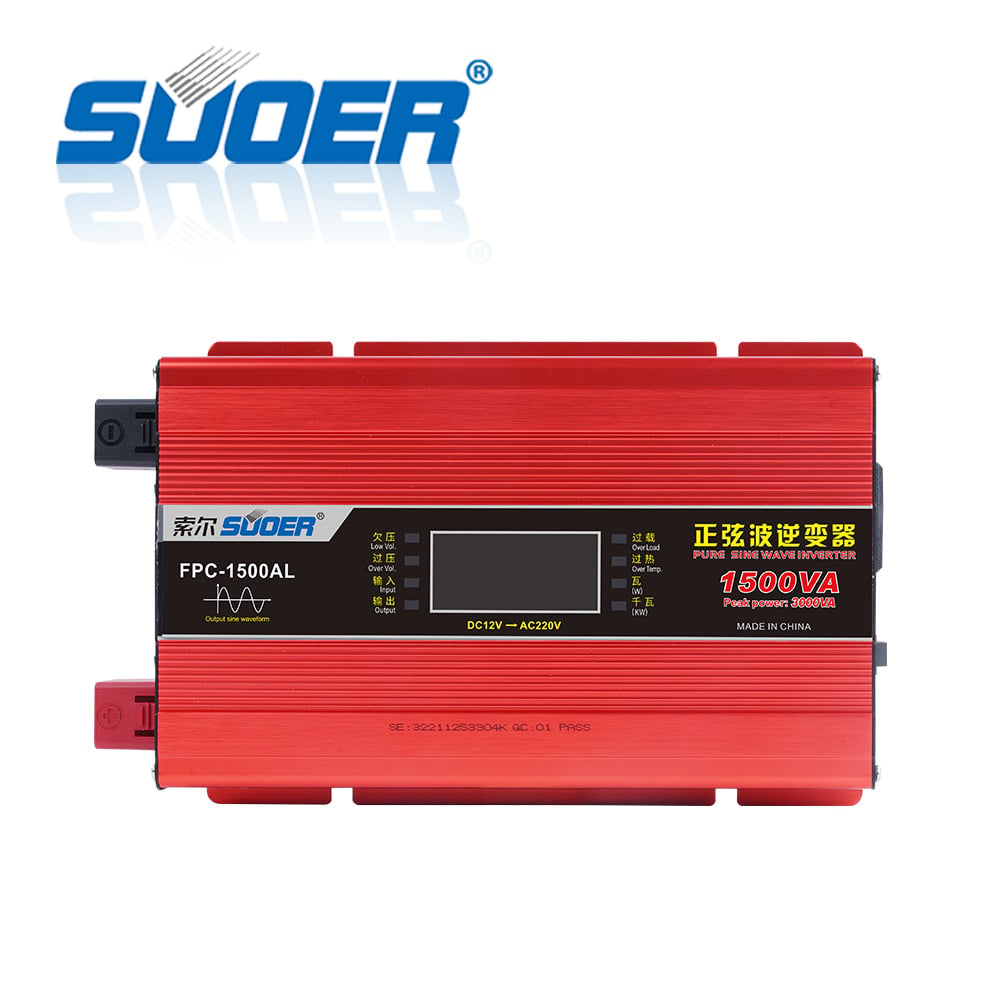
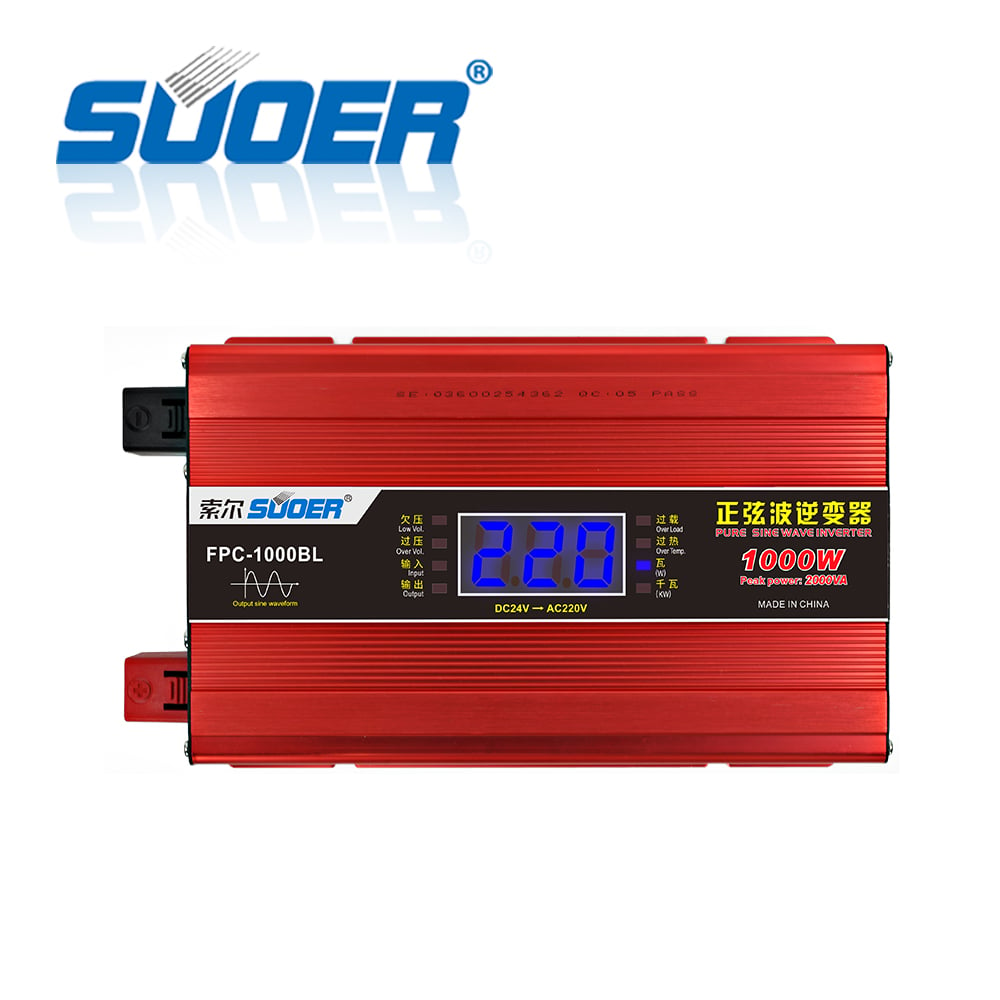
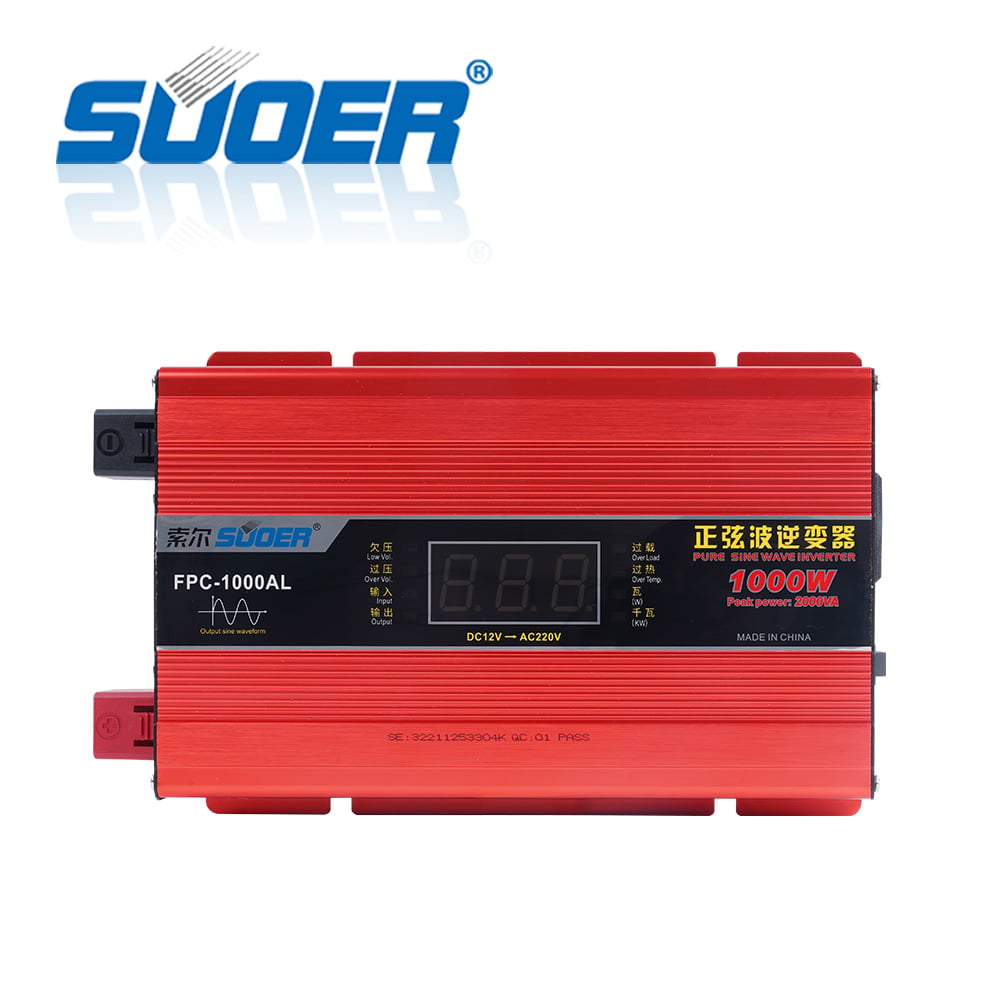
Small sine wave inverters are essential devices that convert DC (direct current) power into AC (alternating current) power, suitable for various applications in the industrial and commercial sectors. As a B2B buyer, you might be concerned about product specifications, quality assurance, and sourcing reliable suppliers. This article will guide you through the key considerations when sourcing small sine wave inverters, helping you make informed purchasing decisions.
When sourcing small sine wave inverters in bulk, several factors should be considered to ensure that you select a product that meets your specific needs.
Specifications: Understand the technical specifications of the inverters, such as output wattage, voltage ranges, and efficiency ratings. These specifications will determine the inverter's suitability for your application, whether it’s for electric vehicles, industrial machinery, or communication systems.
Quality Certifications: Look for inverters that comply with industry standards like ROHS, CE, and ISO9001. These certifications indicate that the products have undergone rigorous testing and meet quality and safety standards.
Production Capabilities: Evaluate the manufacturer's production capabilities, including their automation level and the technology they employ. A company with advanced manufacturing processes can ensure consistency and quality in their products.
Customizability: Assess whether the supplier can accommodate custom specifications to meet your unique requirements. This could include modifications in size, output, or additional features tailored to specific applications, such as Home Energy Storage.
Minimum Order Quantity (MOQ): Understand the MOQ as it can significantly impact your purchasing decision, especially if you're testing a new application or market.
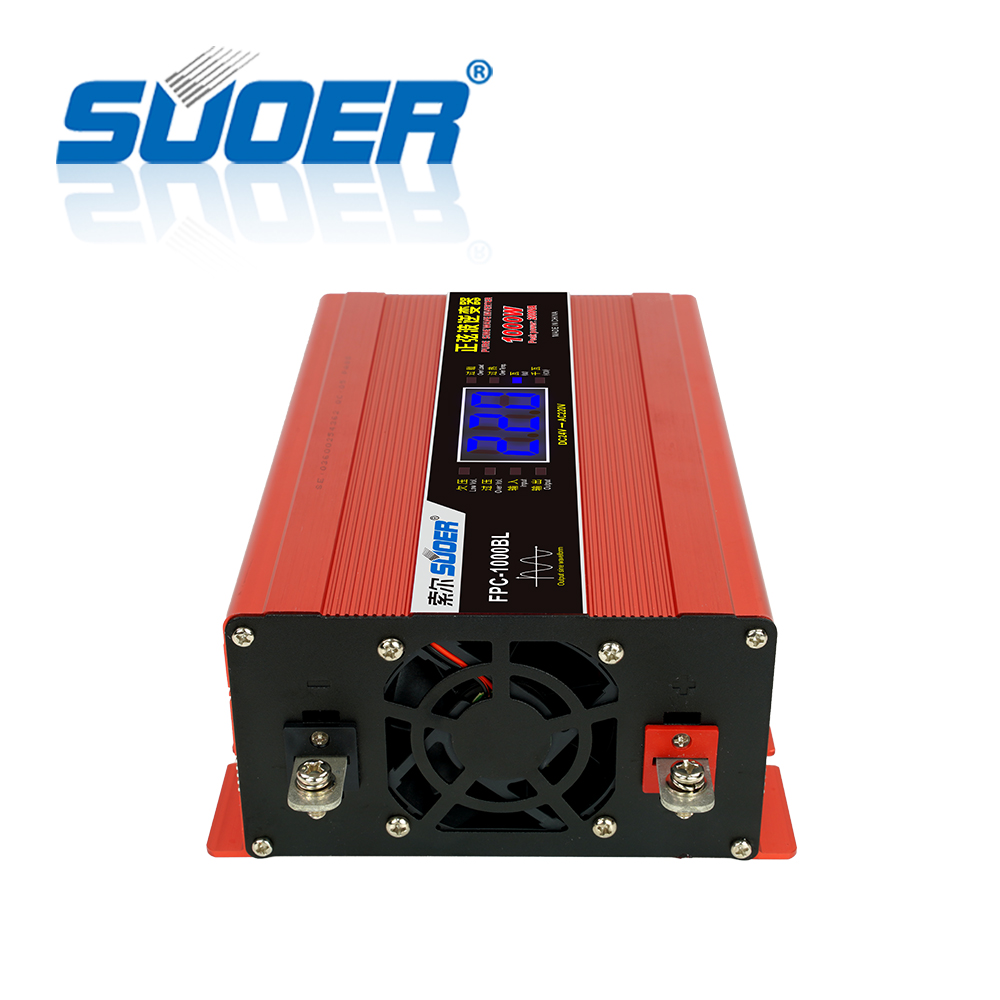
When evaluating small sine wave inverters, several key specifications can influence their performance and applicability:
Output Power: The output power rating, usually measured in watts, determines how much load the inverter can handle. A higher output power is beneficial for applications with higher energy demands, such as electric vehicles or commercial equipment.
Efficiency Rating: This indicates how effectively the inverter converts DC to AC power. Higher efficiency means less energy loss during conversion, which is crucial for minimizing operational costs and maximizing performance.
Waveform Quality: Small sine wave inverters produce a modified sine wave, which is adequate for many applications but may not be suitable for sensitive electronics. Understanding the waveform quality helps in selecting the right inverter for specific equipment, including Modified Sine Wave inverters.
Surge Capability: Evaluate the inverter's ability to handle short bursts of higher power, which is important for starting motors or other equipment that requires more power initially.
Thermal Management: Effective cooling systems can prevent overheating, ensuring longevity and reliability. Look for specifications related to thermal management features.
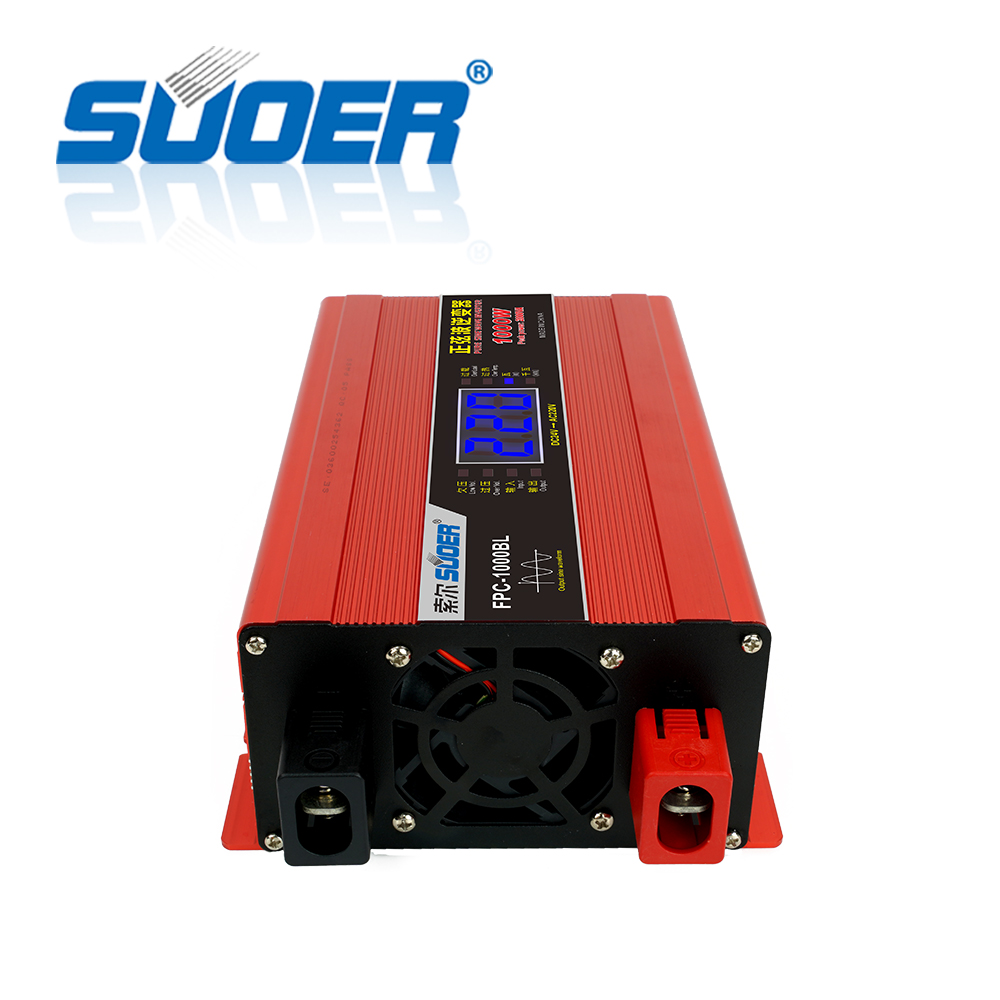
Quality evaluation of small sine wave inverters requires a systematic approach:
Sample Testing: Always request samples before placing a bulk order. Test these samples under real operating conditions to observe their performance, efficiency, and response to load variations.
Material Inspection: Assess the materials used in the inverter's construction. High-quality materials can enhance durability and performance, especially in demanding environments.
Manufacturing Process: Investigate the manufacturing processes employed by the supplier. Automated production lines often yield consistent quality, while manual assembly may introduce variability.
Quality Control Measures: Inquire about the supplier's quality control processes, including testing protocols and inspection stages. A robust quality assurance program enhances trust in the product's reliability.
Feedback and Reviews: Seek feedback from other buyers or industry experts. Reviews and case studies can provide insights into the inverter's performance in similar applications.
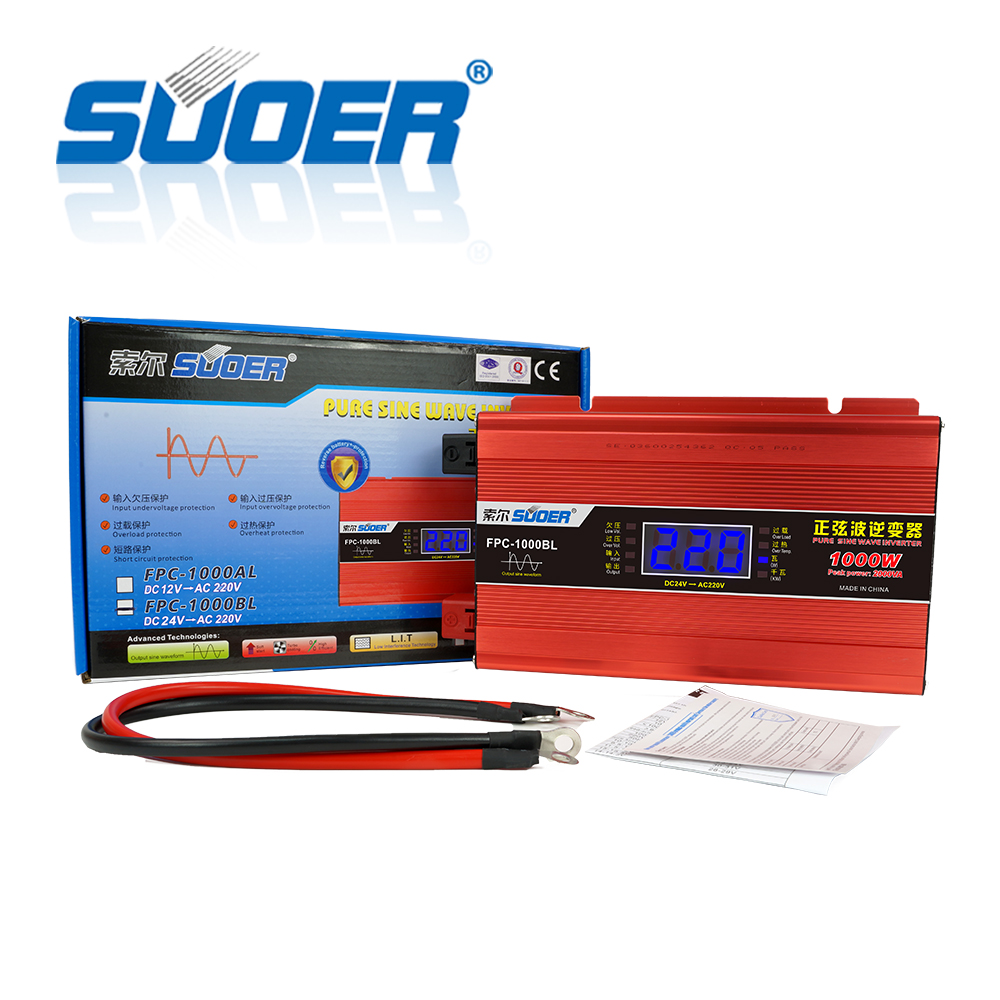
To procure reliable small sine wave inverters, consider the following channels:
Direct Manufacturers: Sourcing directly from manufacturers can often yield better pricing and customization options. Ensure they have a solid reputation and relevant certifications.
Distributors: Established distributors may offer a range of products from various manufacturers, allowing you to compare options and select the best fit for your needs.
Industry Trade Shows: Attending trade shows allows you to meet manufacturers and distributors, view products firsthand, and discuss specific requirements directly with suppliers.
Online B2B Marketplaces: Platforms like Alibaba and ThomasNet connect buyers with suppliers globally. However, ensure to vet suppliers rigorously by checking certifications and previous customer feedback.
Local Suppliers: Depending on your location, local suppliers might offer quicker shipping times and easier communication, which can be crucial for urgent projects.
Small sine wave inverters find applications across several industries, demonstrating their versatility:
Electric Vehicles: They are used to power onboard electronics and accessories, converting battery DC power to AC for various components.
Telecommunications: Inverters support communication equipment that requires stable AC power, ensuring reliable operation in remote locations.
Rail Transit: Inverters are utilized in rail systems for powering electronic controls and auxiliary systems, enhancing operational efficiency.
Renewable Energy Systems: In photovoltaic systems, small sine wave inverters convert solar energy into usable AC power for residential or commercial use, contributing to Renewable Energy initiatives.
Industrial Equipment: They are integrated into manufacturing processes to provide power to motors and other equipment, ensuring smooth operation.
By understanding these applications, buyers can better identify the right inverter for their specific needs and industries.
Sourcing small sine wave inverters requires careful consideration of specifications, quality assurance, and supplier evaluation. By following these guidelines, you can make informed purchasing decisions that meet your operational needs efficiently.

Discover Suoer’s premium range of solar inverters and power inverters designed for reliable renewable energy solutions.Trusted by customers worldwide for exceptional performance and durability.
Suoer Industrial Zone, Ercun Road Section, Yanfeng Avenue, Shishan Town,Foshan city,Guangdong Province,China
Copyright © 2024 Foshan Suoer Electronic Industry Co., Ltd. Privacy Policy - Blog

 EN
 AR
 NL
 FR
 DE
 EL
 IT
 JA
 KO
 PT
 RU
 ES
 VI
 TH
 TR
 BG
 HR
 CS
 NO
 PL
 TL
 ID
 SR
 UK
 SQ
 HU
 MT
 AF
 MS
 IS
 HY
 AZ
 BN
 BS
 GU
 LO
 LA
 MN
 NE
 TA