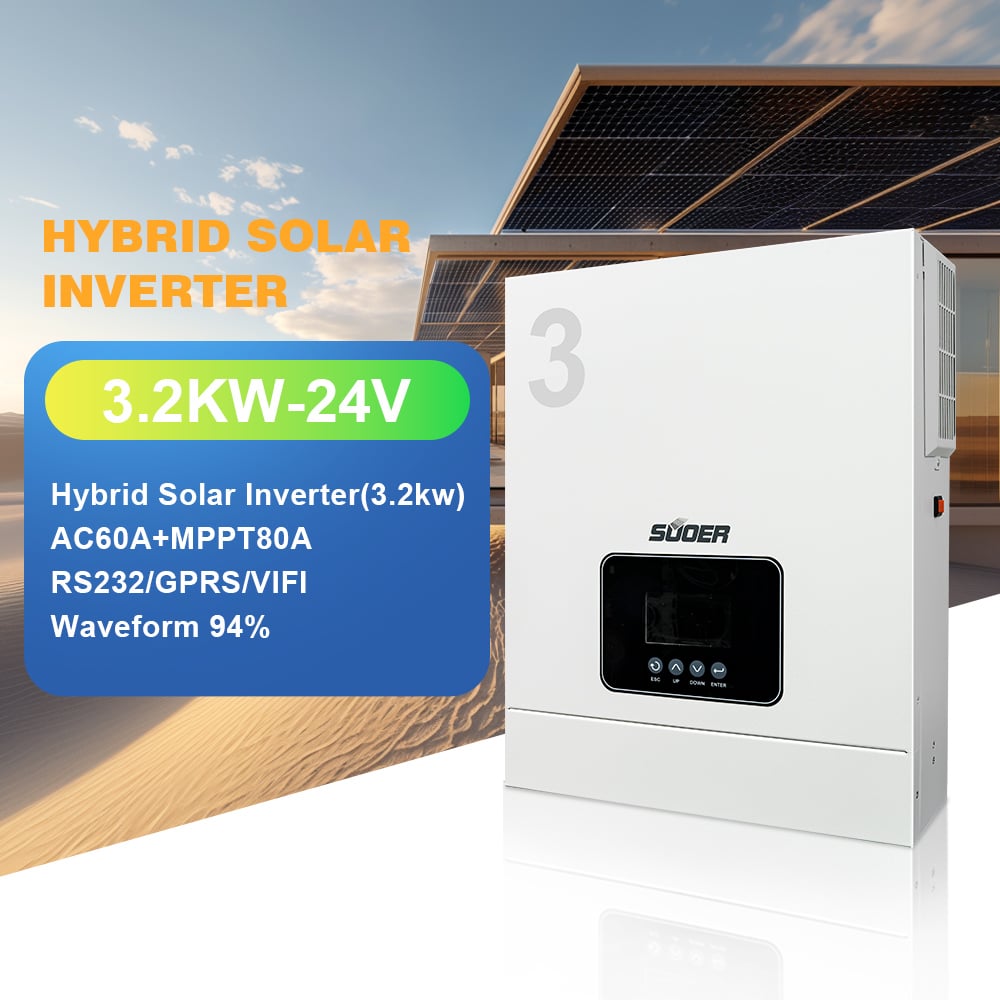
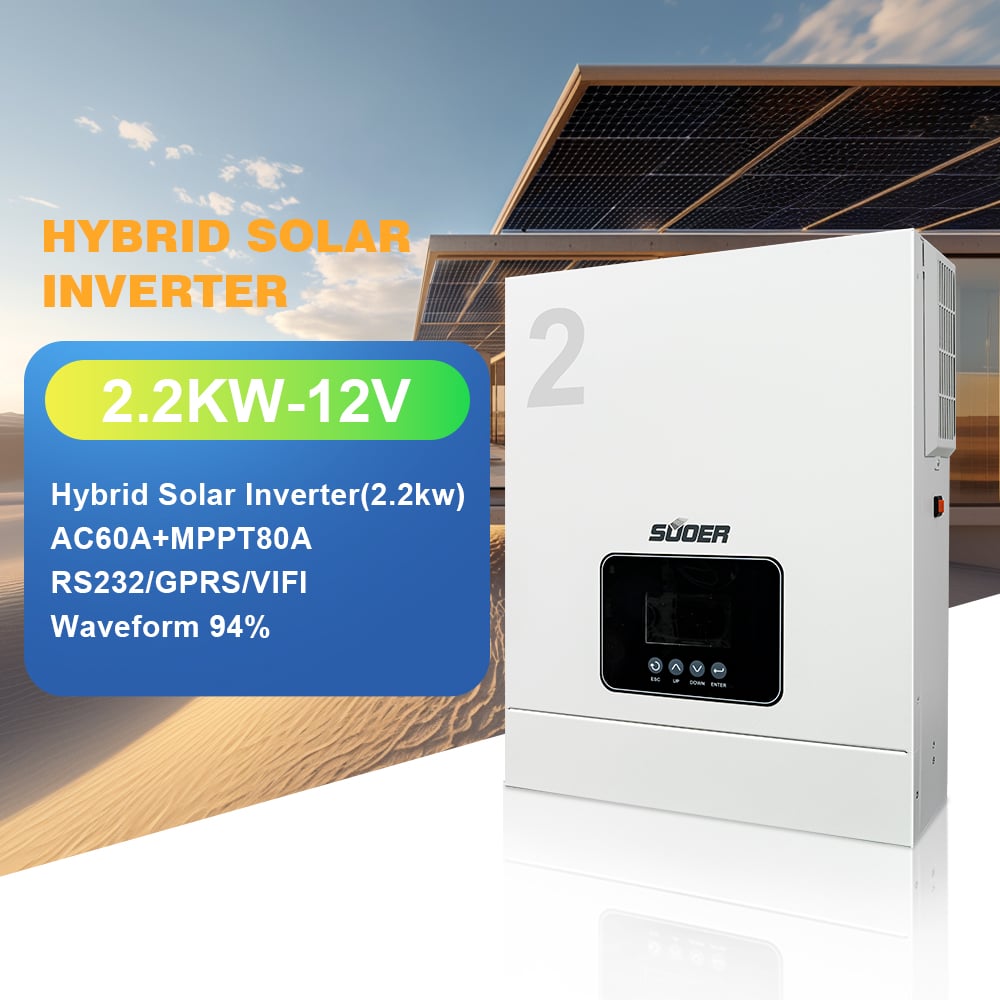
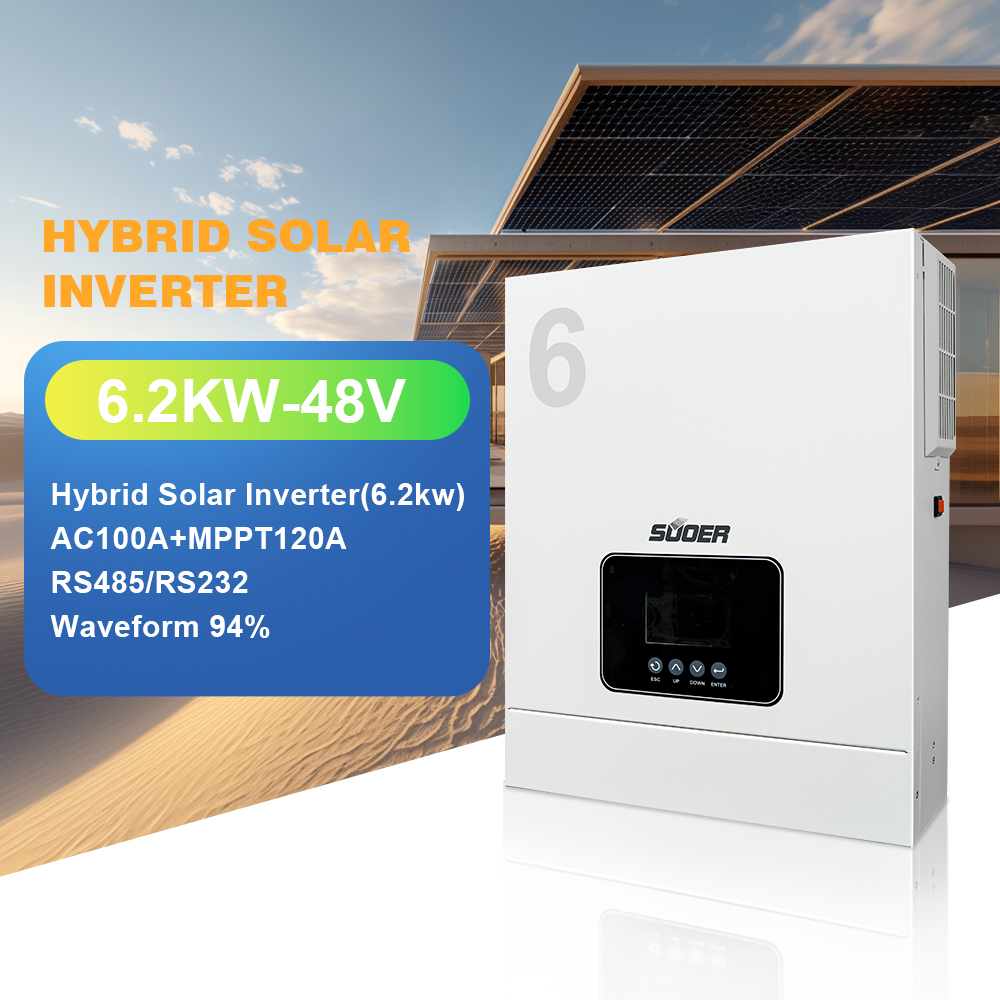
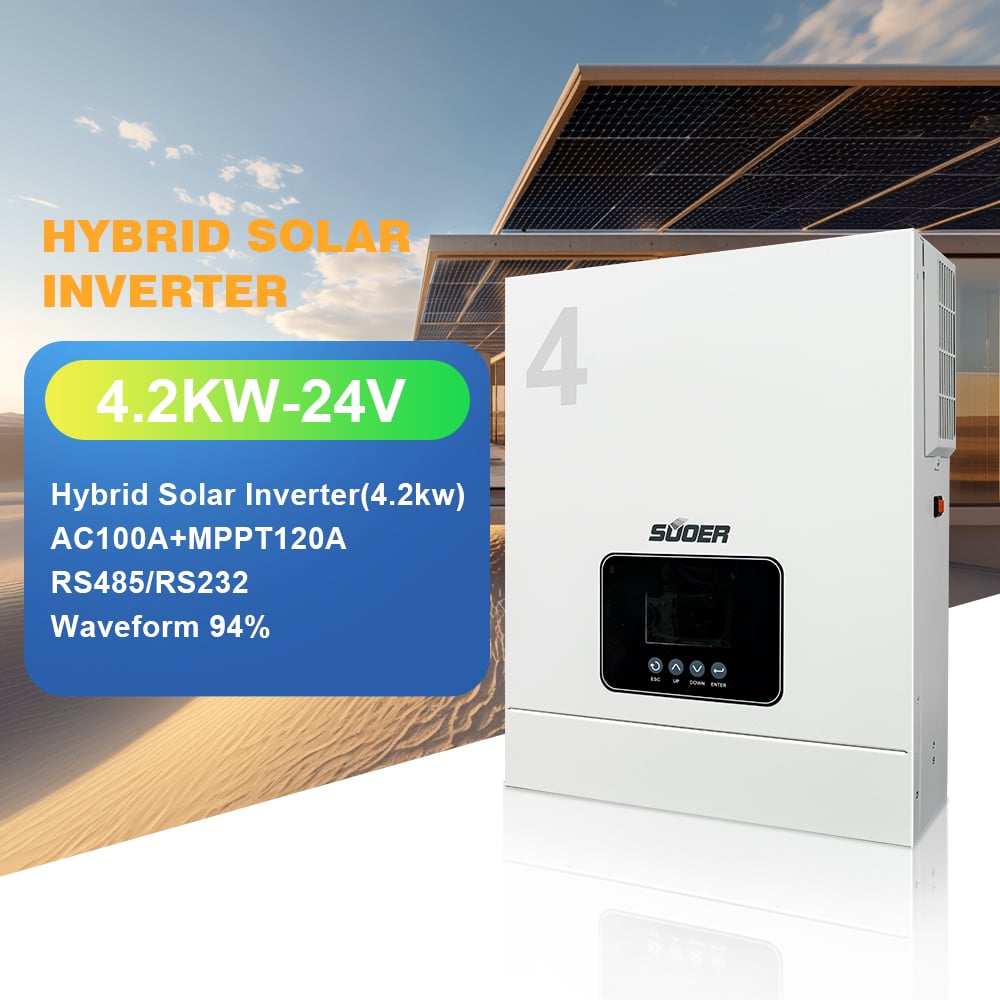
Understanding the nuances of a 1500W pure sine wave power inverter is essential for B2B buyers, especially those in sectors like electric vehicles, telecommunications, or industrial applications. These Suoer 1500w pure sine wave inverter convert DC power to high-quality AC power, ensuring clean, stable energy output that is crucial for sensitive equipment. , we will explore key specifications, quality evaluation methods, sourcing strategies, cost factors for bulk orders, and applications of these inverters, providing valuable insights for purchasing managers, engineers, and product managers.
When evaluating a 1500W pure sine wave power inverter, several key specifications should be considered:
Output Waveform: The pure sine wave output is critical for sensitive electronics. It ensures compatibility with a wide range of devices, minimizing potential damage from harmonic distortion.
Input Voltage Range: Typical models may operate within a certain DC voltage range (for instance, 12V or 24V). Ensure that the inverter's input voltage matches your power source.
Efficiency Rating: Look for Suoer inverter pure sine wave 1500w with high efficiency (above 90% is common). Higher efficiency means less energy loss during conversion, which can lead to cost savings over time.
Surge Capacity: This specification of Suoer 1500w pure sine inverter indicates the maximum power the inverter can deliver for short bursts, crucial for devices that require higher power to start, such as motors.
Cooling Mechanism: Adequate cooling features, such as built-in fans or heat sinks, are essential to prevent overheating during operation, especially in high-demand applications.
Safety Features: Integrated safety mechanisms like over-voltage protection, over-temperature shutdown, and short-circuit protection enhance reliability and user safety.
By confirming these specifications, buyers can ensure the inverter meets their operational requirements.
Quality evaluation is vital to ensure the inverter's reliability and performance. Here are essential steps to assess quality:
Certification Verification: Ensure the inverter meets industry standards such as ROHS, CE, and ISO9001. These certifications indicate compliance with safety and environmental regulations, reflecting a commitment to quality.
Material and Construction: Examine the materials used in the inverter's casing and internal components. High-quality materials contribute to durability and performance, especially in demanding environments.
Testing Procedures: Inquire about the manufacturer’s quality control processes. Effective manufacturers conduct rigorous testing, including operational tests under various loads and environmental conditions, to validate performance claims.
Sample Inspection: Before committing to bulk orders, request samples. Testing these samples under actual load conditions can reveal how the inverter performs in real-world applications.
Customer Feedback: Check for customer reviews and testimonials. Feedback from other industrial users can provide insight into the inverter's performance and reliability.
By following these evaluation methods, buyers can confidently select high-quality inverters.
Sourcing reliable suppliers is critical for ensuring product quality and support. Here are effective strategies:
Industry Networking: Attend industry trade shows and conferences relevant to the power supply sector. These events provide opportunities to meet manufacturers and suppliers, enabling face-to-face discussions about product offerings.
Online Marketplaces and Directories: Utilize platforms like Alibaba, ThomasNet, or industry-specific directories to identify potential suppliers. Look for manufacturers with a strong reputation and positive reviews.
Request for Proposals (RFPs): Issue RFPs to multiple suppliers to compare not just pricing but also service levels, lead times, and customization capabilities.
Local vs. Global Suppliers: Consider local suppliers for faster shipping and easier communication, while global suppliers may offer competitive pricing and larger product ranges.
Supplier Audits: Conduct background checks and audits on potential suppliers to verify their production capabilities, quality control processes, and financial stability.
Choosing a reputable supplier helps ensure consistency in product quality and service.
Understanding the cost factors involved in bulk orders is essential for budget planning. Key elements include:
Unit Price: Generally, larger orders will benefit from reduced unit prices. Factors such as order volume and commitment to long-term sourcing can influence pricing negotiations.
Customization Costs: If special modifications are required, such as custom labeling or unique specifications, these may incur additional charges. Buyers should clarify these costs upfront.
Shipping and Handling: Consider shipping costs, which may vary based on the destination and shipping methods used. Bulk shipments might also qualify for discounted rates, so explore these options.
Import Duties and Taxes: For international purchases, be aware of additional costs such as tariffs or taxes, which can significantly affect the overall price.
Warranty and Support: Evaluate the warranty terms and after-sales support, as these can impact the total cost of ownership. A robust warranty may justify higher upfront costs.
By accounting for these factors, buyers can make informed decisions that align with their financial strategies.
1500W pure sine wave power inverters find diverse applications across multiple sectors, including:
Electric Vehicles (EVs): These inverters provide reliable power for vehicle systems and accessories, ensuring smooth operation and enhanced user experience.
Telecommunications: In telecom applications, they deliver stable power to critical equipment, ensuring uninterrupted communication services.
Industrial Machinery: Many industrial machines require pure sine wave power to operate effectively, preventing damage and ensuring longevity.
Renewable Energy Systems: In photovoltaic systems, these inverters convert solar energy into usable AC power, contributing to sustainable energy solutions.
Rail Transit: They are pivotal in rail systems, providing clean power for signaling and control systems, enhancing safety and operational efficiency.
Understanding the specific applications of 1500W pure sine wave inverters helps buyers align their purchasing decisions with industry needs, ensuring they select the right product for their requirements.

Discover Suoer’s premium range of solar inverters and power inverters designed for reliable renewable energy solutions.Trusted by customers worldwide for exceptional performance and durability.
Suoer Industrial Zone, Ercun Road Section, Yanfeng Avenue, Shishan Town,Foshan city,Guangdong Province,China
Copyright © 2024 Foshan Suoer Electronic Industry Co., Ltd. Privacy Policy - Blog

 EN
 AR
 NL
 FR
 DE
 EL
 IT
 JA
 KO
 PT
 RU
 ES
 VI
 TH
 TR
 BG
 HR
 CS
 NO
 PL
 TL
 ID
 SR
 UK
 SQ
 HU
 MT
 AF
 MS
 IS
 HY
 AZ
 BN
 BS
 GU
 LO
 LA
 MN
 NE
 TA