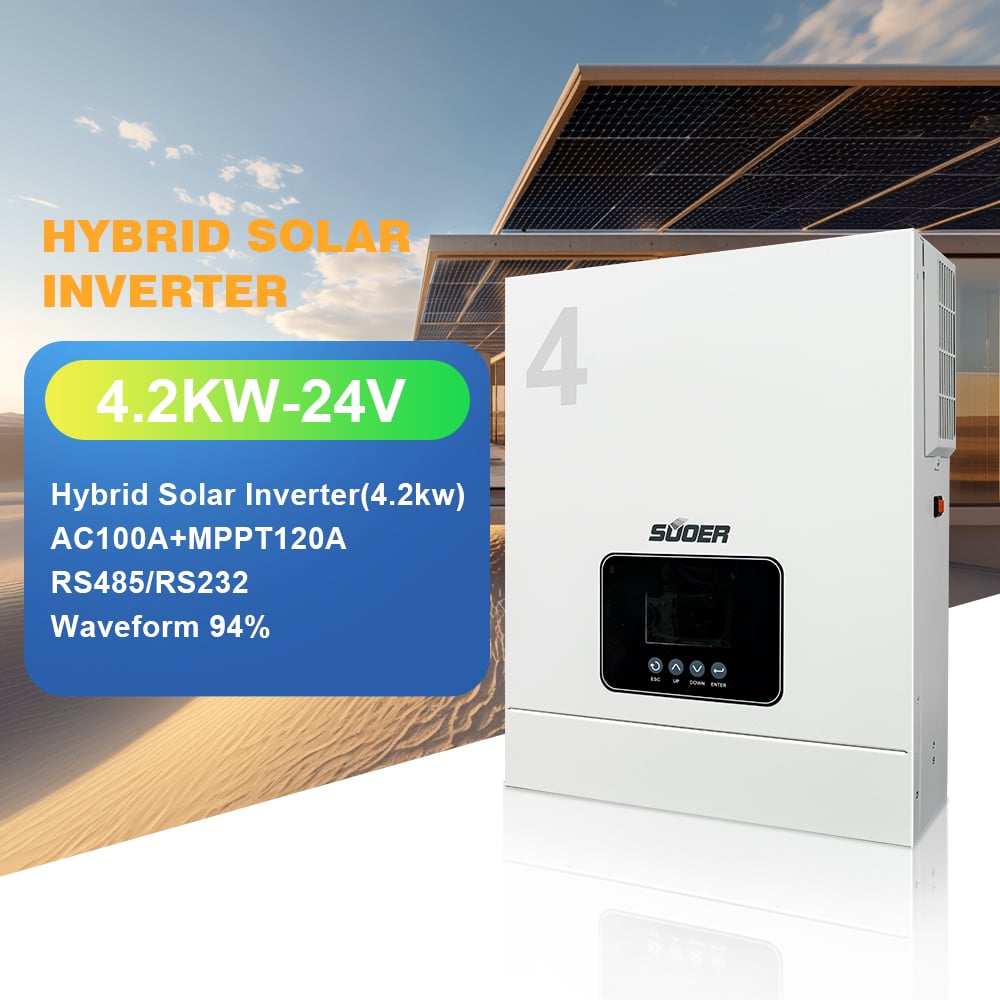
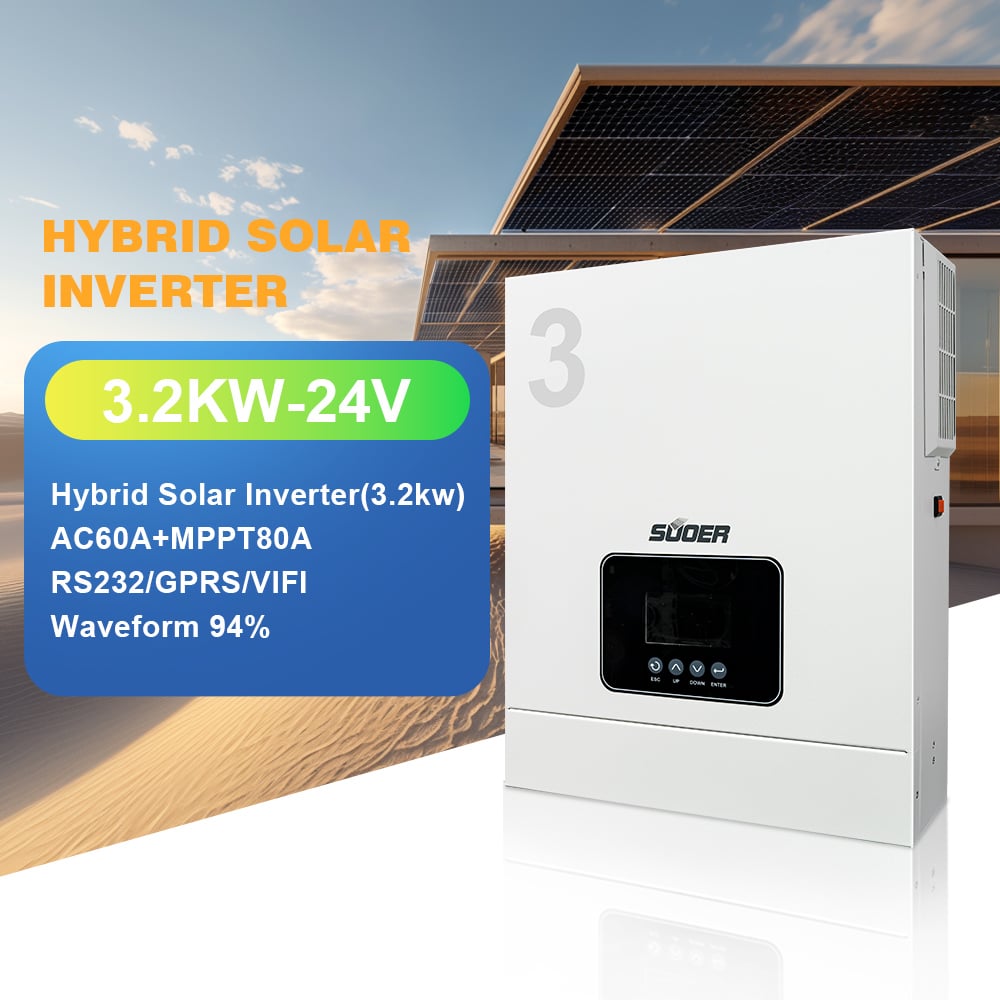
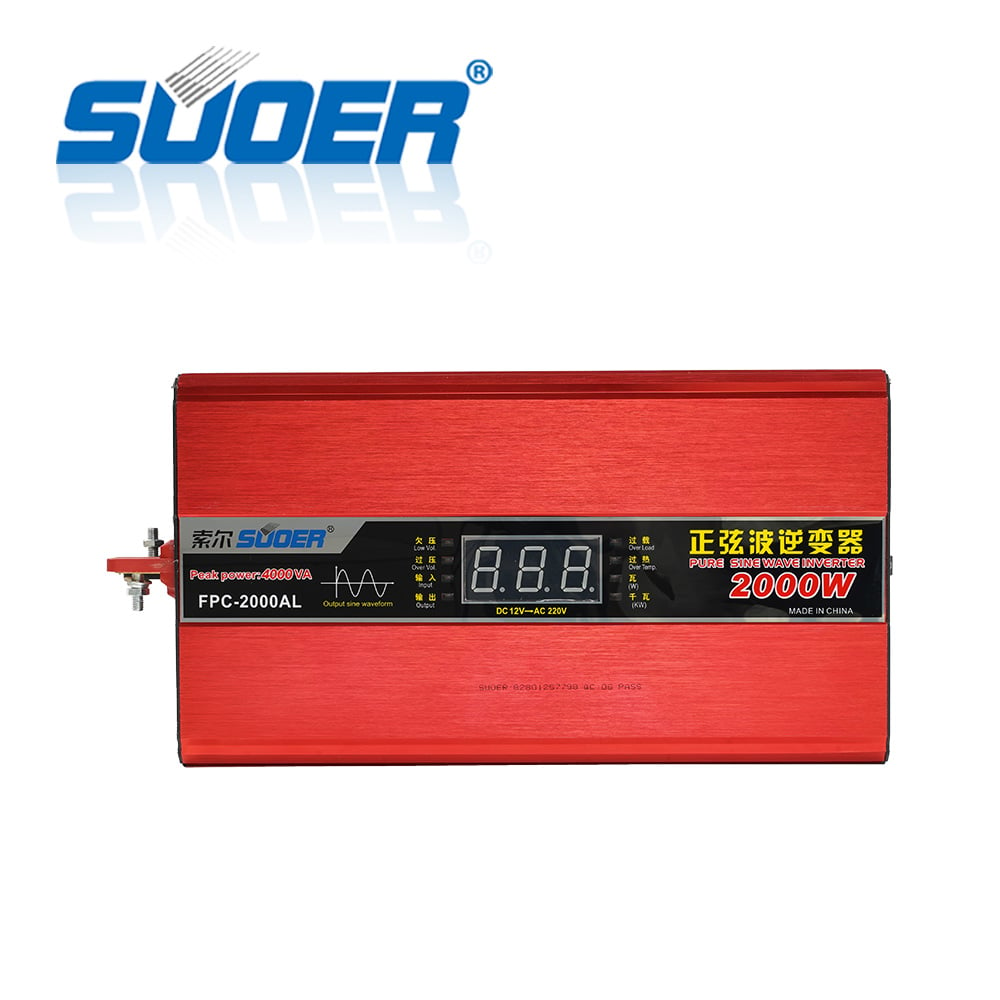
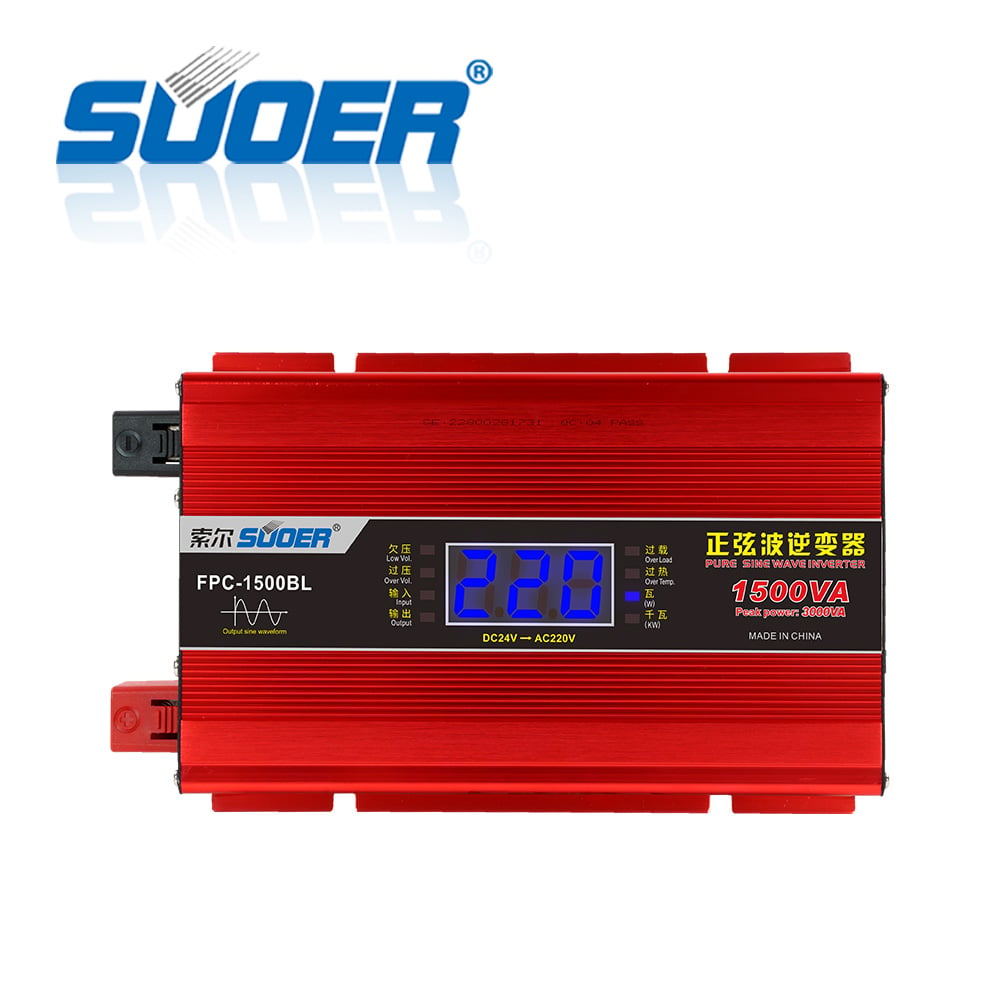
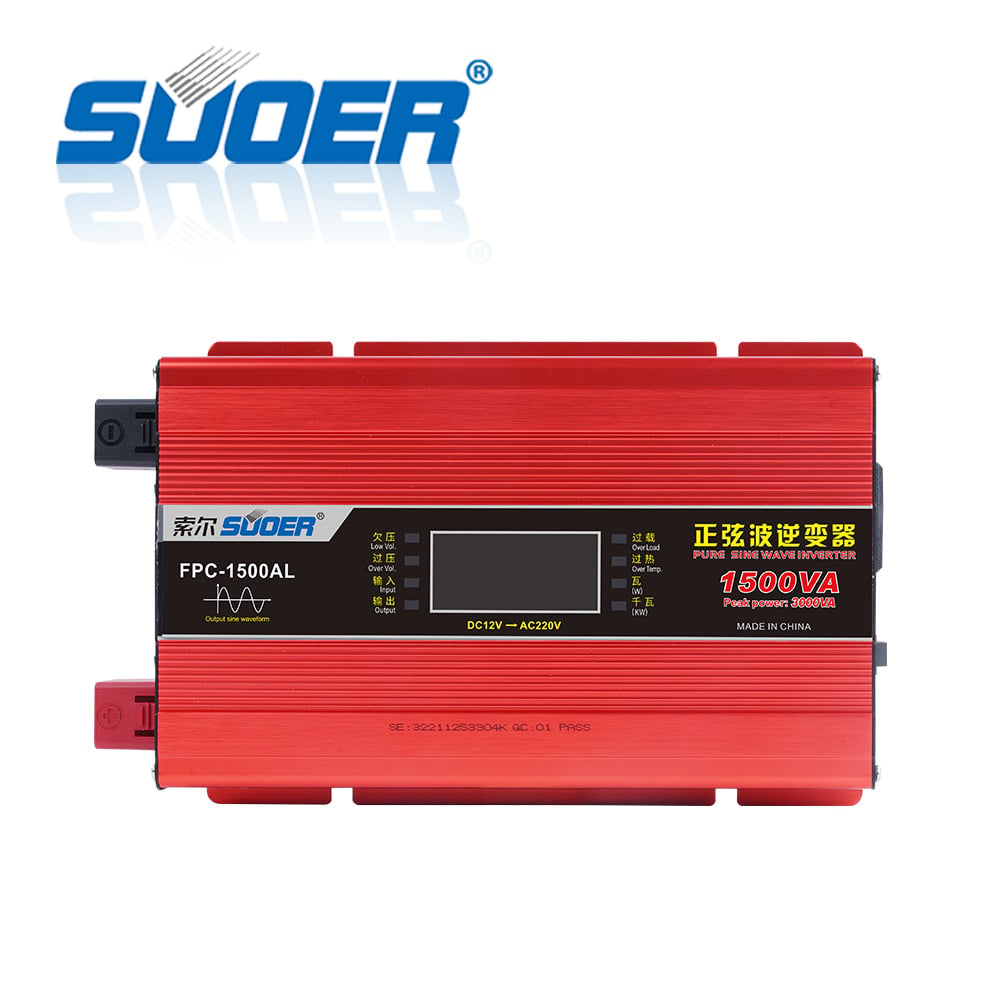
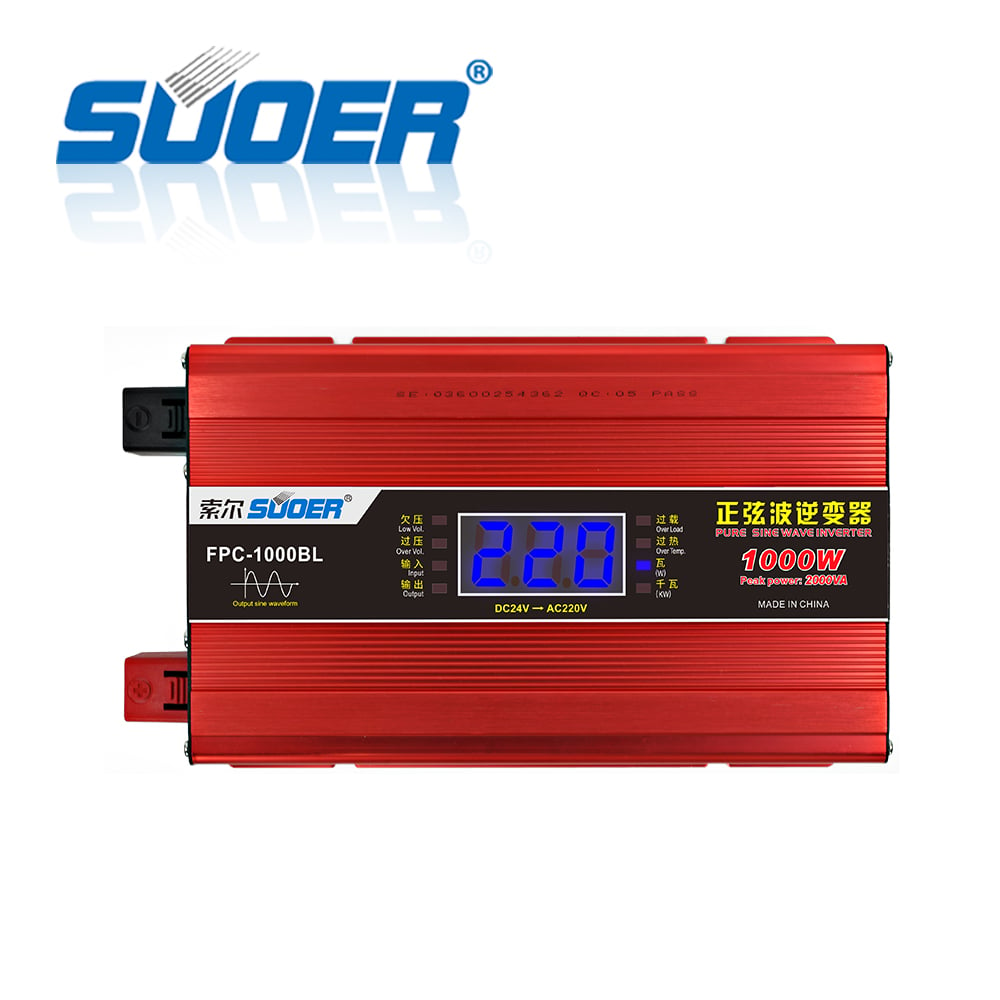
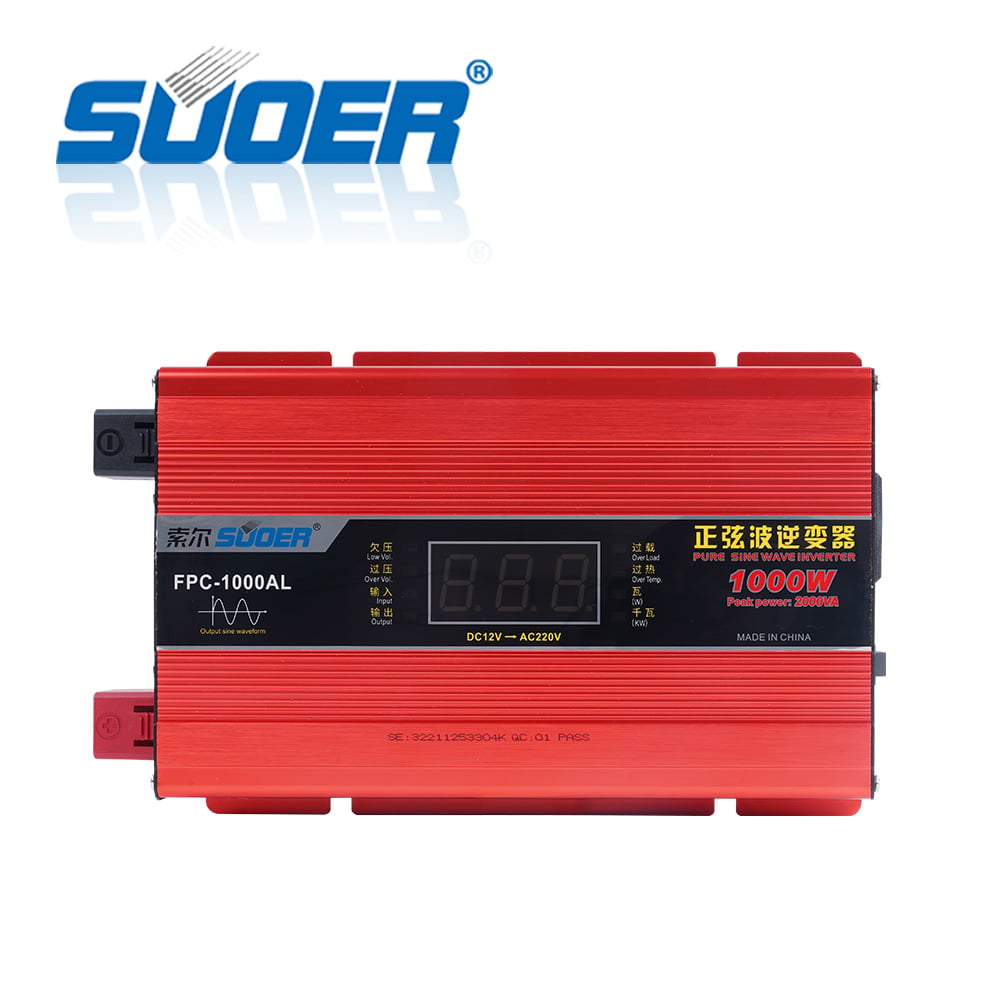
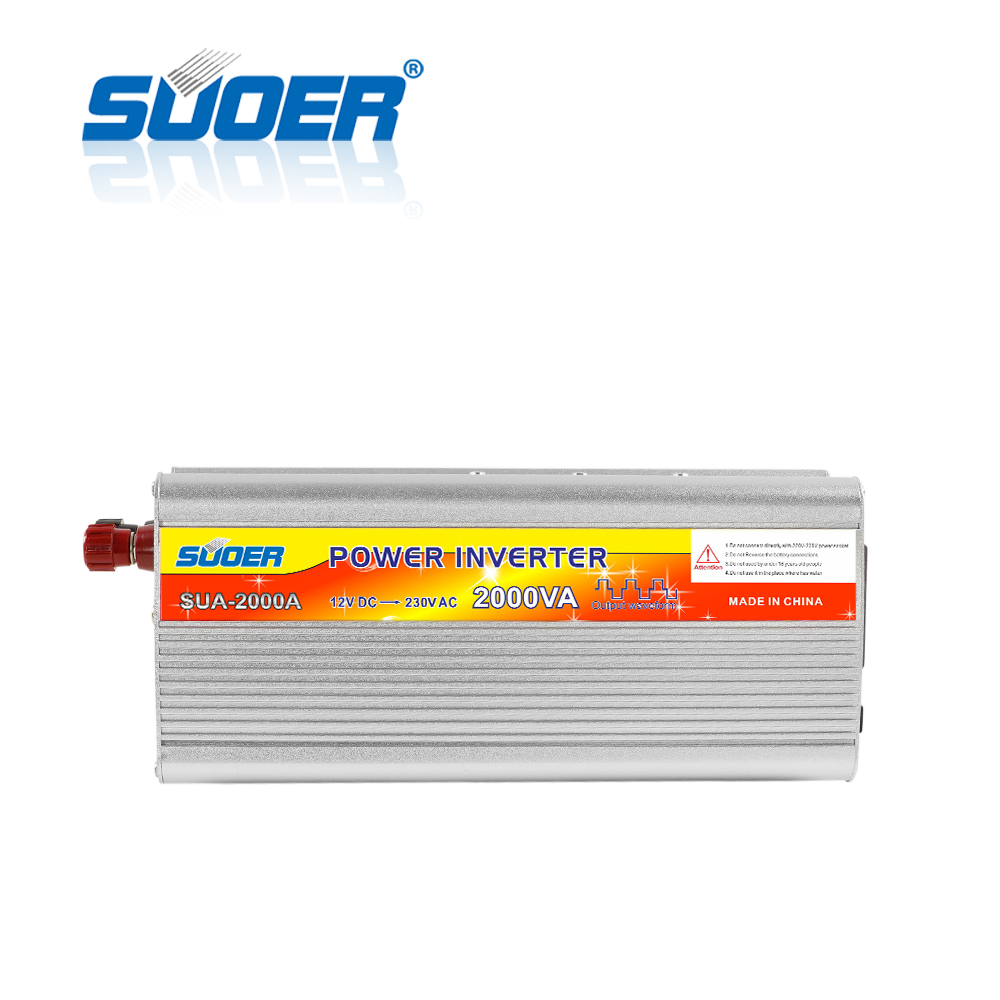
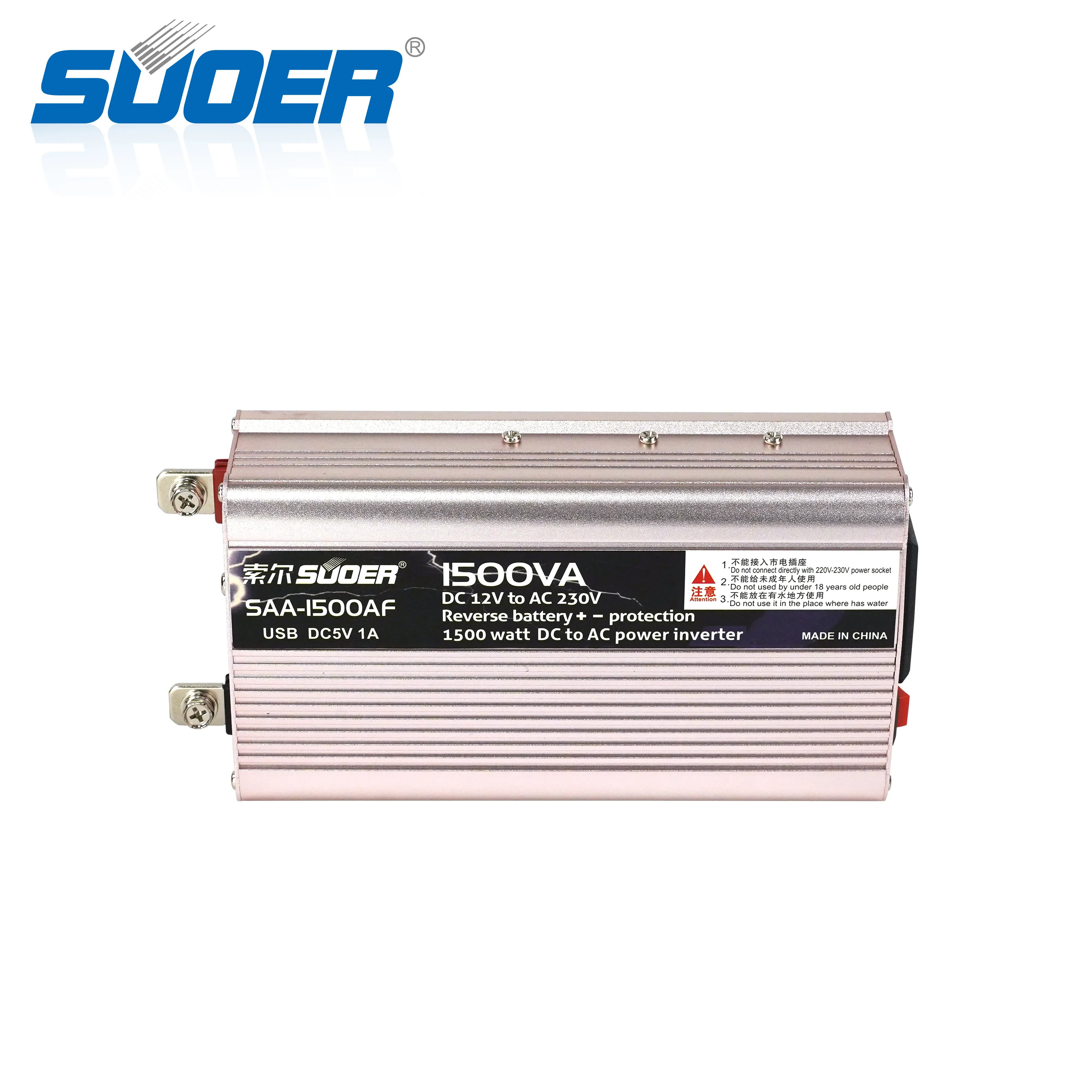
A 24V sine wave inverter is a vital component in various industrial and commercial applications, converting DC power from batteries or solar panels into a stable AC output. As a B2B buyer, understanding the specifications, quality factors, and application scenarios of these inverters is crucial for making informed purchasing decisions. This article will delve into the wholesale purchasing options, cost considerations, common issues, material advantages, and diverse applications of 24V sine wave inverters, helping you navigate the complexities of procurement in this sector.
When considering wholesale purchasing of 24V sine wave inverters, buyers can explore several avenues. Engaging directly with manufacturers often ensures better pricing and customization options tailored to specific industrial needs. Companies specializing in power supplies for electric vehicles, industrial applications, and photovoltaic systems, like ours, typically offer bulk discounts that can significantly reduce costs per unit.
Additionally, distributors may provide a more convenient purchasing process, especially for businesses that require smaller quantities or need quicker delivery times. In evaluating options, it's essential to consider factors such as minimum order quantities (MOQ), lead times, and shipping arrangements. For example, our company leverages automated production capabilities to ensure that we can meet large-scale orders while maintaining quality and compliance with certifications like ROHS and CE.
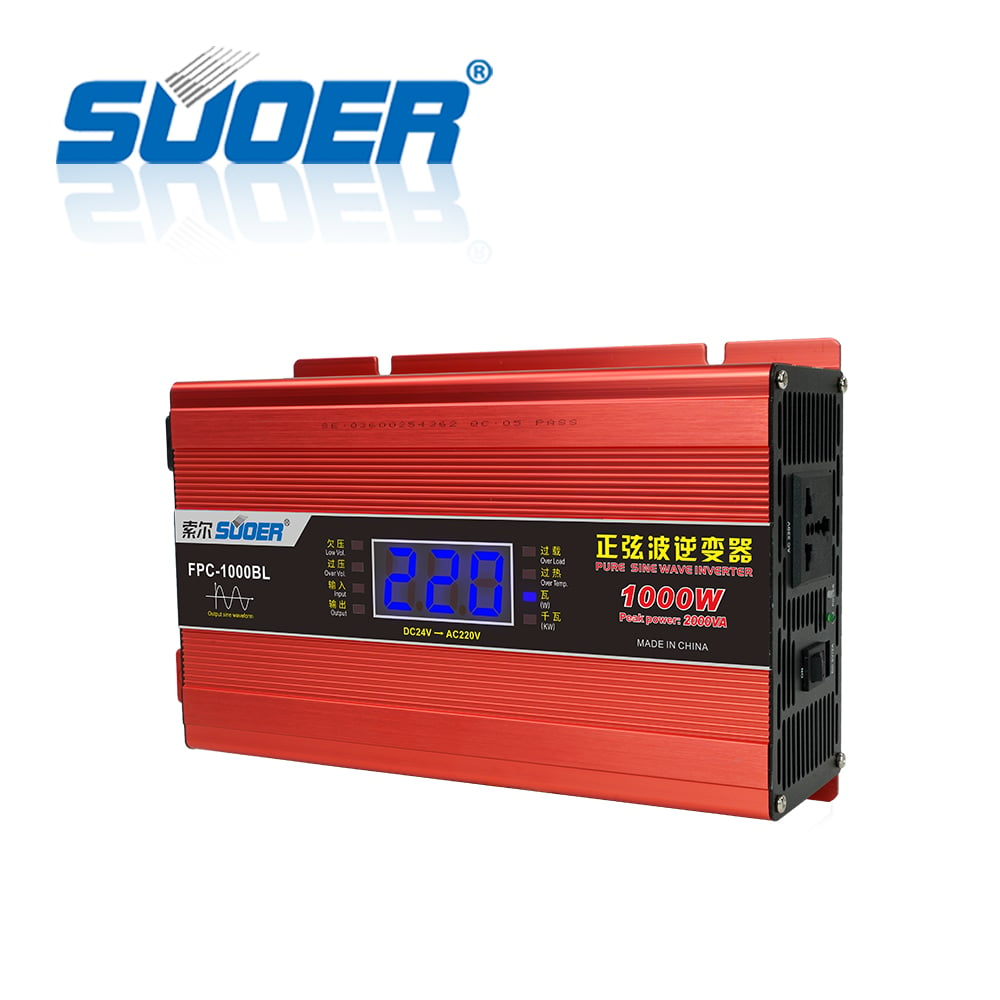
Several factors influence the cost of bulk ordering 24V sine wave inverters. First, the specifications of the inverter, including power rating, efficiency, and features like built-in protection mechanisms, can significantly impact pricing. Buyers should evaluate their application requirements to determine the most suitable configuration, as more advanced features typically come at a higher cost. Additionally, considering options like pure sine wave inverters can provide enhanced performance for sensitive applications.
Another critical factor is the manufacturing process. Inverters produced using high-quality materials in a controlled environment tend to be more expensive but offer better reliability and performance. Our commitment to quality assurance, backed by ISO 9001 certification, ensures that the inverters meet stringent quality standards, which can be a worthwhile investment for long-term operational efficiency.
Lastly, logistics and shipping costs should not be overlooked. Factors such as delivery location, packaging needs, and transportation method can all affect the final price. It is advisable for buyers to request detailed quotations that include these considerations.
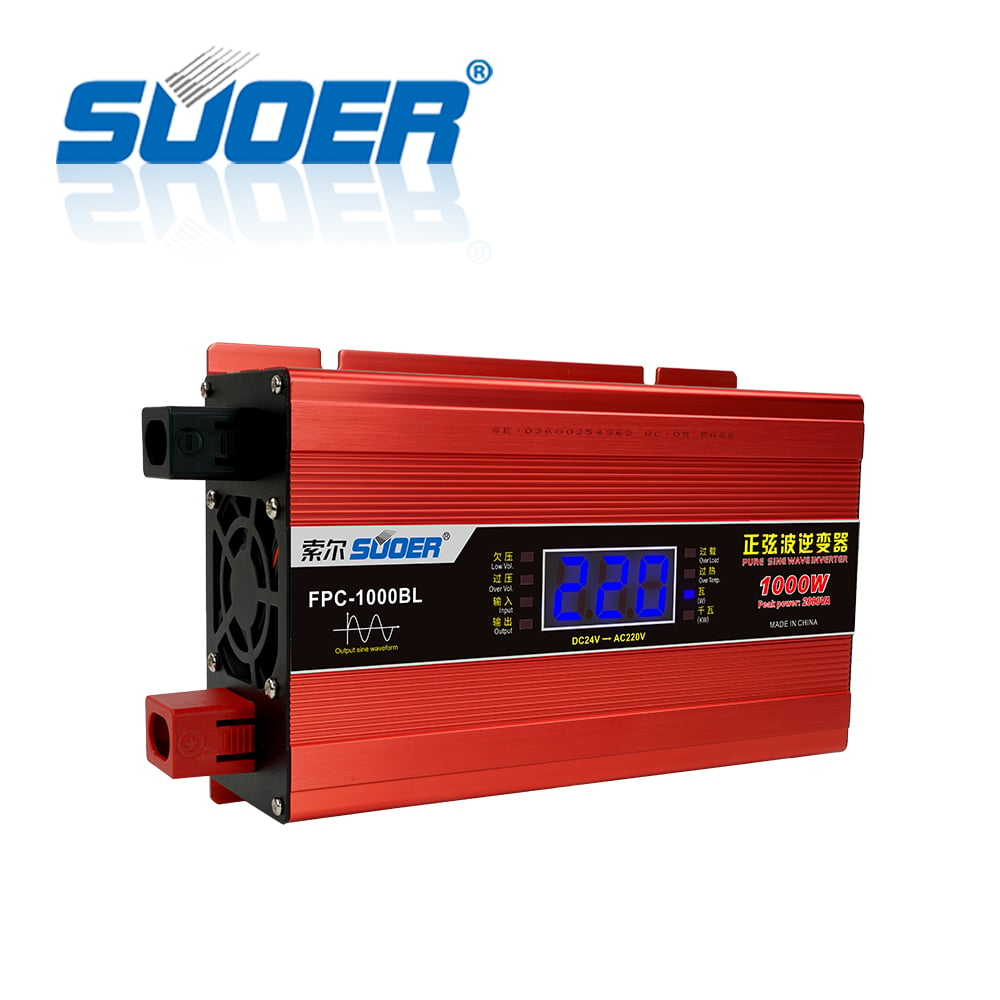
Despite their reliability, 24V sine wave inverters can encounter several common issues that may affect performance. One prevalent problem is overheating, often caused by inadequate ventilation or excessive loads. Buyers should ensure that inverters are installed in well-ventilated spaces and that their specifications match the intended load.
Another issue is waveform distortion, which can lead to inefficient operation of connected devices. To mitigate this, selecting inverters with high-quality components and features designed to minimize distortion is essential. Our inverters are designed with advanced filtering technology to enhance output quality, addressing these concerns effectively.
Lastly, compatibility problems with other electrical systems can arise, particularly when integrating new inverters into existing setups. Buyers should verify compatibility with their current systems during the procurement process and consider consulting with the manufacturer for guidance on installation and configuration.
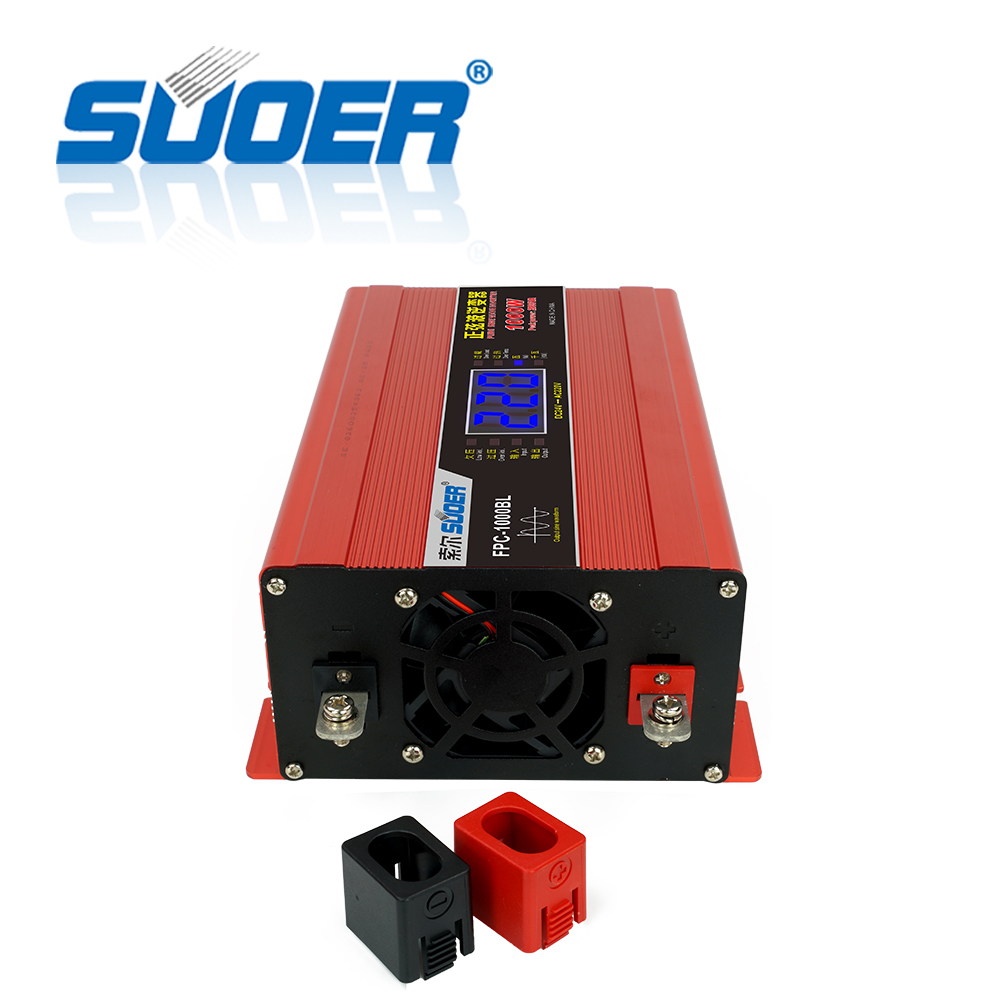
The materials used in the construction of 24V sine wave inverters play a crucial role in their performance and durability. High-grade metals are often utilized in the casing and internal components to ensure thermal conductivity and resistance to corrosion. This is particularly relevant in industrial applications where inverters may be exposed to harsh environmental conditions.
Additionally, the quality of electronic components, such as capacitors and transistors, directly impacts the inverter's efficiency and lifespan. Opting for inverters that utilize premium materials may lead to higher upfront costs but can result in lower total cost of ownership due to reduced maintenance and replacement needs.
Furthermore, manufacturers should provide information about the materials used in their products, allowing buyers to assess performance characteristics related to their specific applications. For example, inverters designed for outdoor photovoltaic systems must offer robust protection against moisture and UV exposure. Considerations for home energy storage systems may also require special attention to material selection.
24V sine wave inverters are versatile devices employed across various industries. In the electric vehicle sector, they facilitate efficient power conversion from batteries to drive electric motors, ensuring optimal performance and energy efficiency. As the demand for electric vehicles continues to grow, the importance of reliable inverters cannot be overstated.
In industrial applications, these inverters are essential for powering equipment such as pumps, fans, and machinery, providing stable AC power necessary for operation. Their ability to handle varying load conditions makes them suitable for both fixed and mobile applications.
Additionally, in telecommunication systems, 24V sine wave inverters ensure uninterrupted power supply for communication equipment, critical for maintaining network reliability. Their compact design and efficiency make them ideal for integration into existing infrastructure, providing flexibility for upgrades and expansions.
Before placing an order, buyers should assess their specific application scenarios, ensuring that the selected inverter meets the required performance and environmental conditions. Providing detailed application information to suppliers can facilitate recommendations tailored to unique operational needs.
By understanding the nuances of purchasing 24V sine wave inverters, including the wholesale options available, cost factors, common challenges, material benefits, and diverse applications, B2B buyers can make informed decisions that enhance operational efficiency and reliability in their respective industries.

Discover Suoer’s premium range of solar inverters and power inverters designed for reliable renewable energy solutions.Trusted by customers worldwide for exceptional performance and durability.
Suoer Industrial Zone, Ercun Road Section, Yanfeng Avenue, Shishan Town,Foshan city,Guangdong Province,China
Copyright © 2024 Foshan Suoer Electronic Industry Co., Ltd. Privacy Policy - Blog

 EN
 AR
 NL
 FR
 DE
 EL
 IT
 JA
 KO
 PT
 RU
 ES
 VI
 TH
 TR
 BG
 HR
 CS
 NO
 PL
 TL
 ID
 SR
 UK
 SQ
 HU
 MT
 AF
 MS
 IS
 HY
 AZ
 BN
 BS
 GU
 LO
 LA
 MN
 NE
 TA