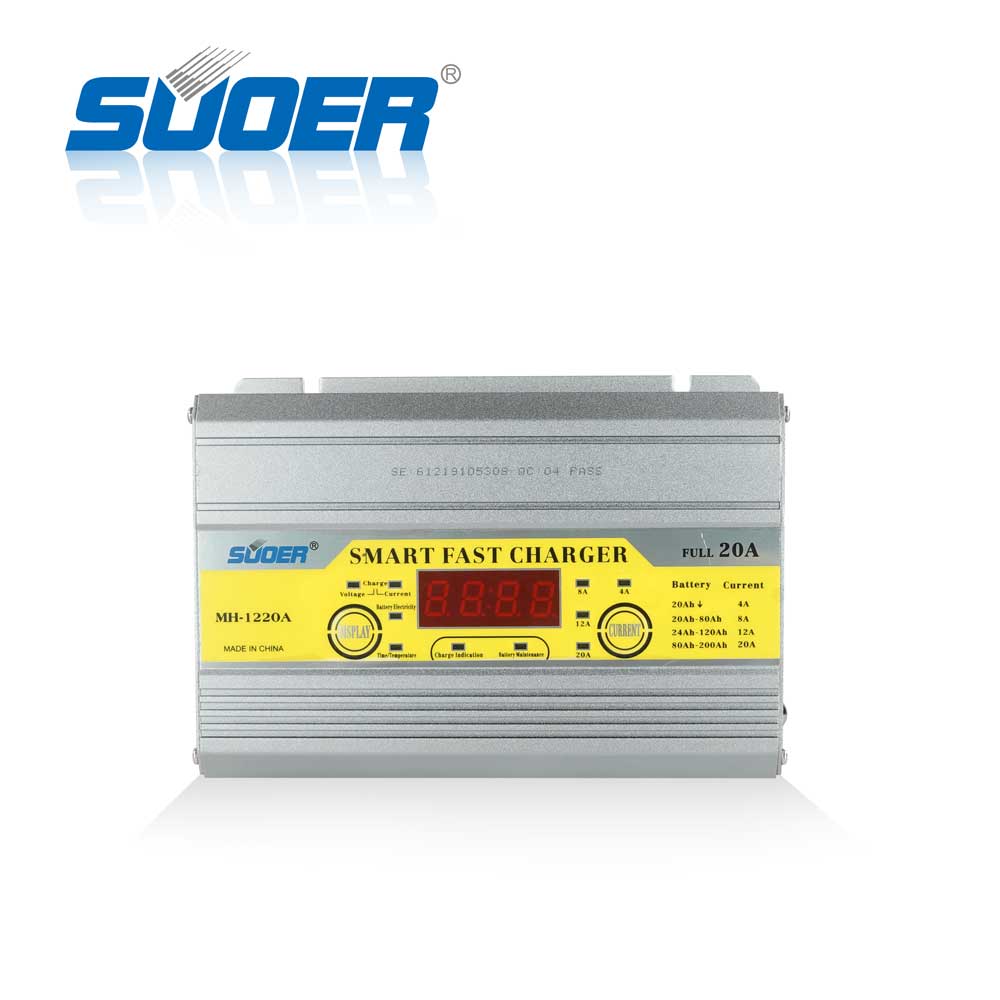
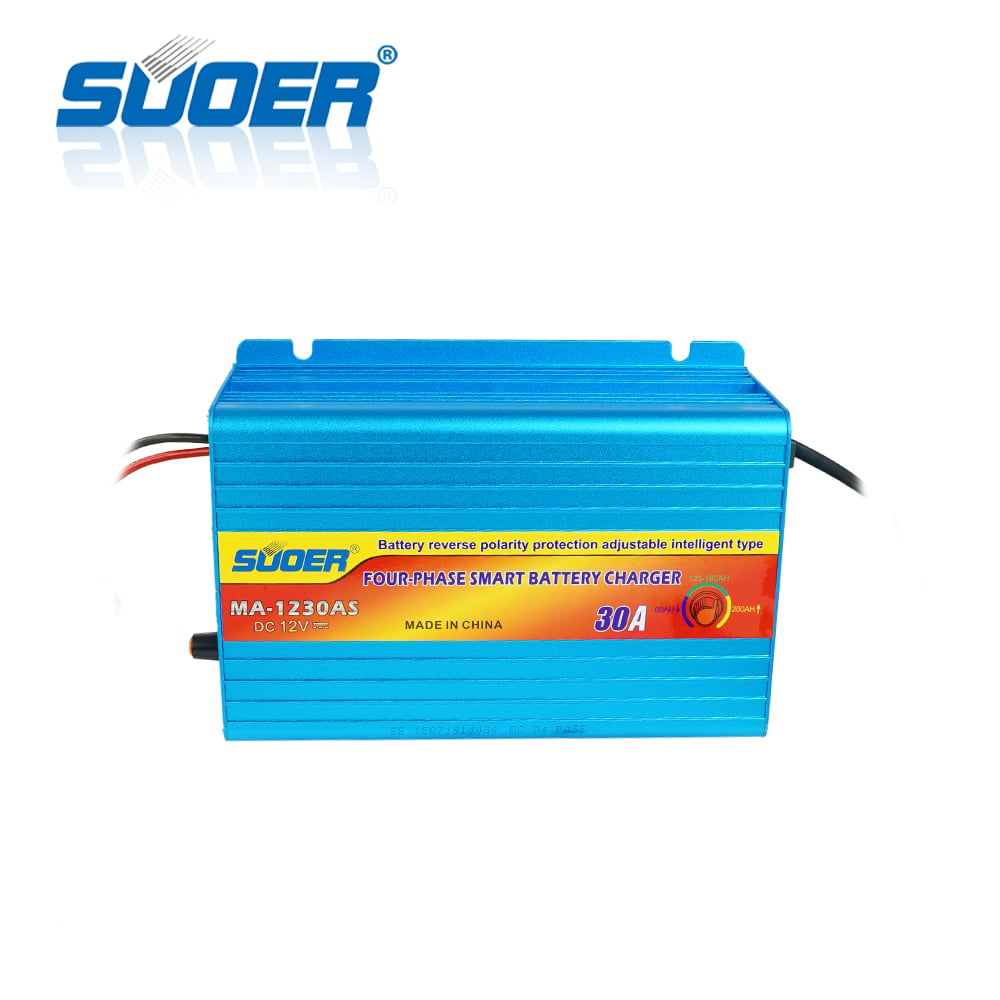
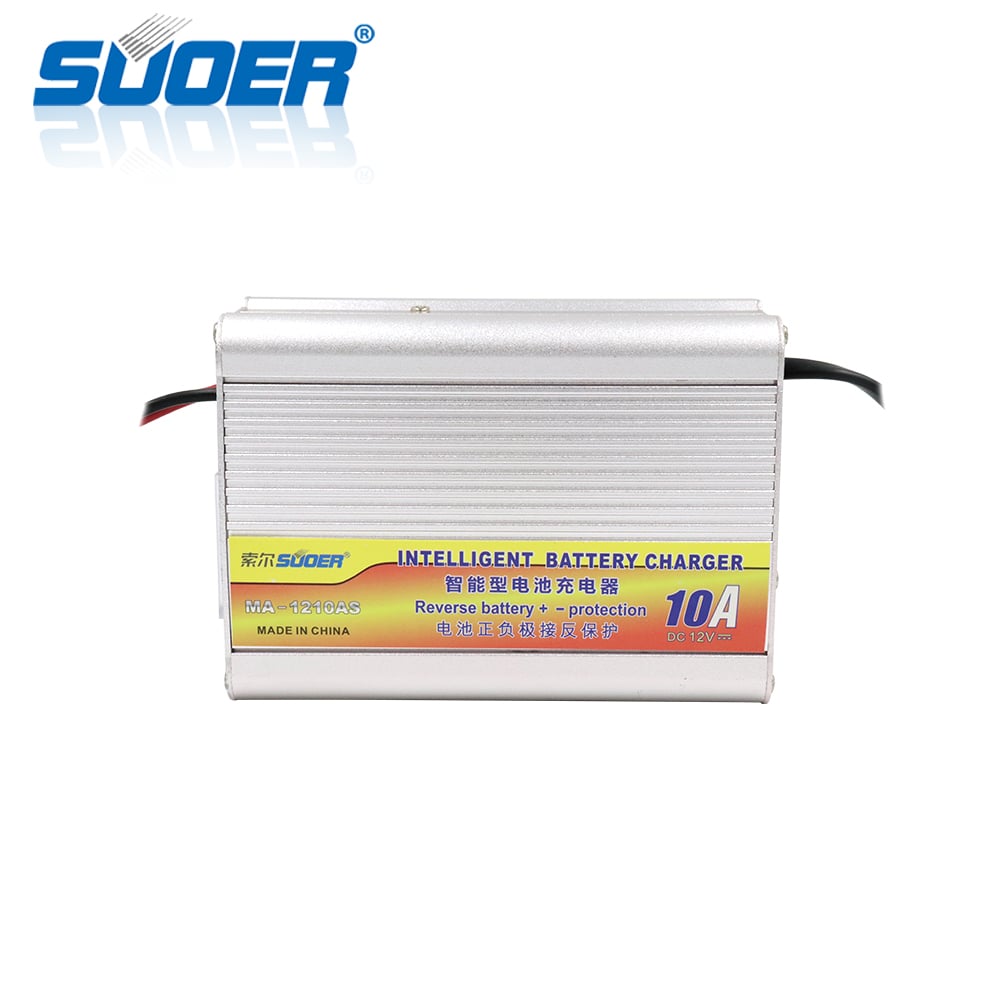
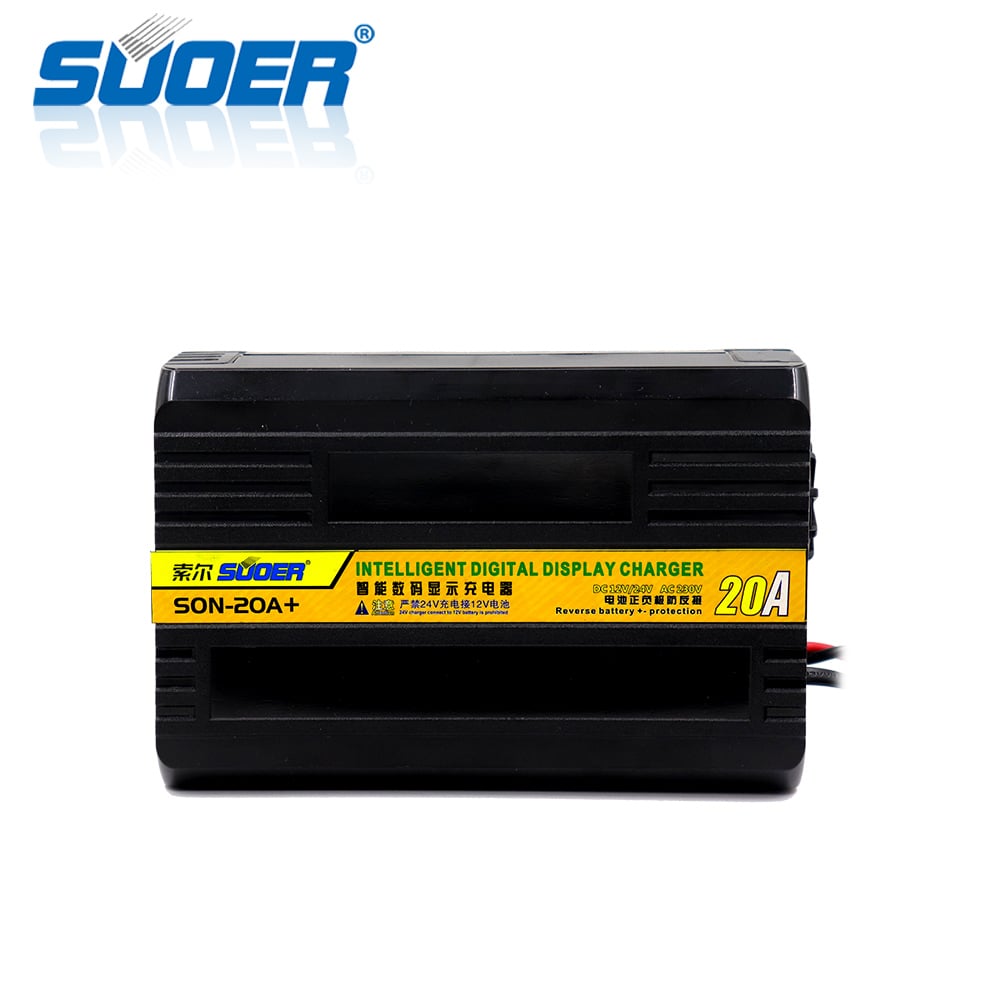
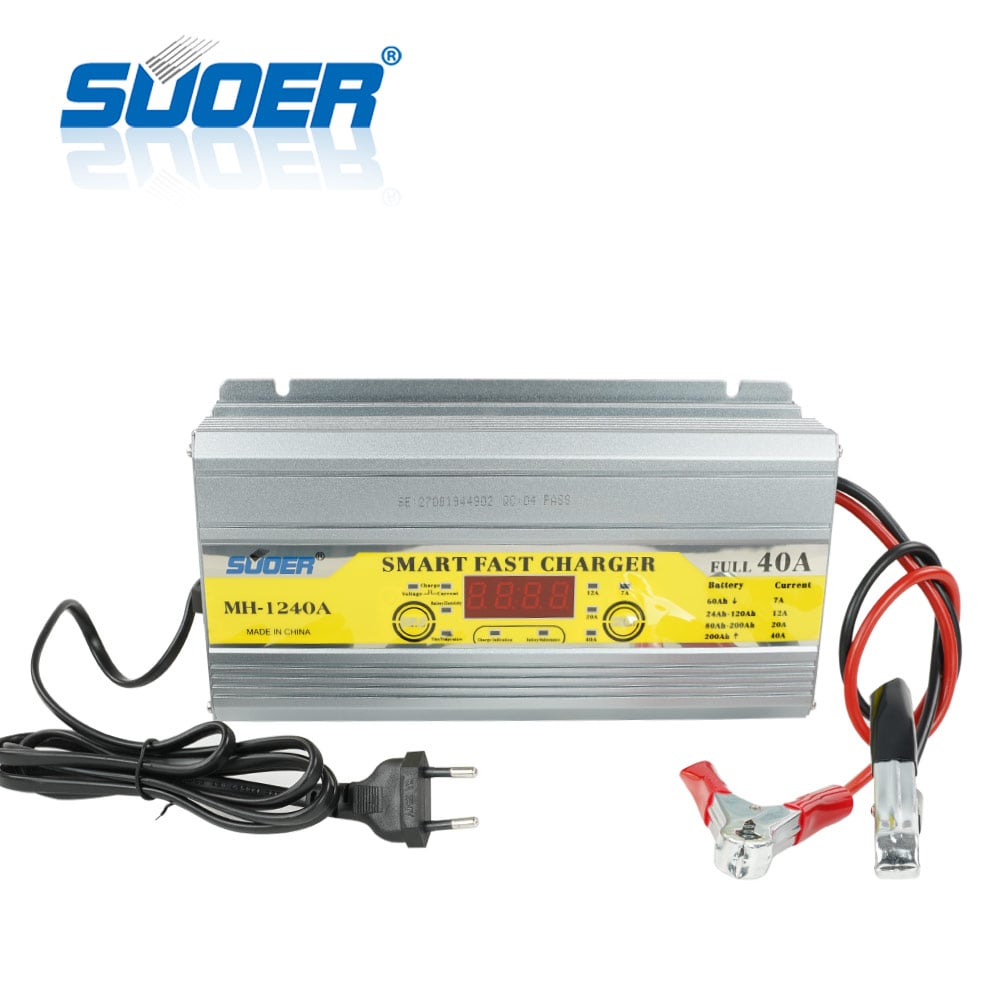
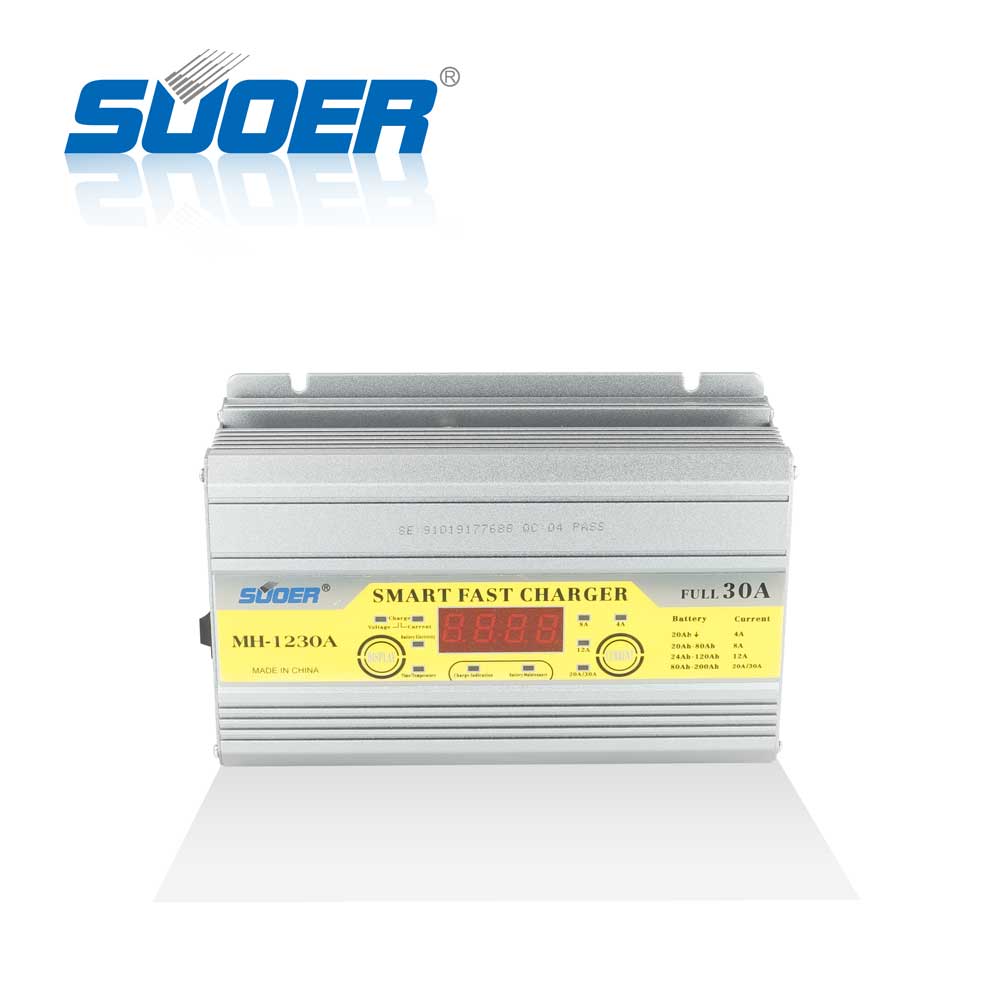
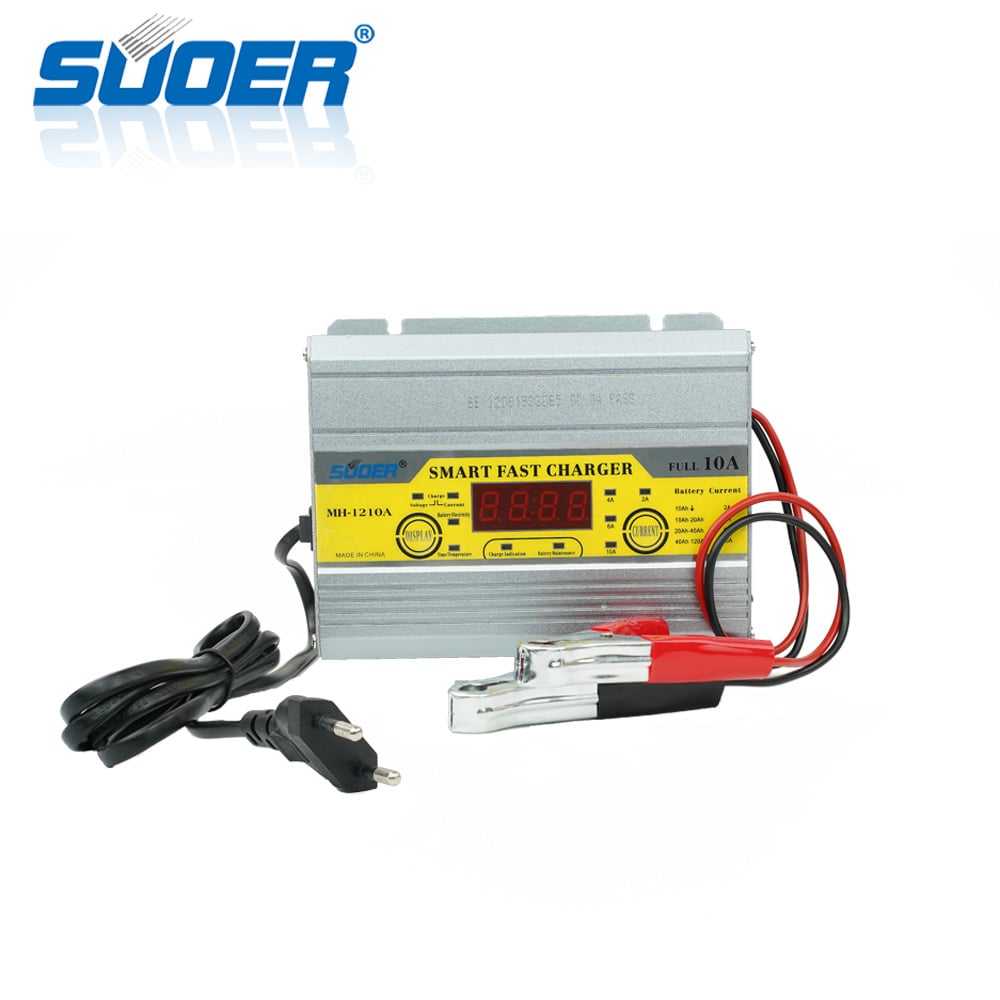
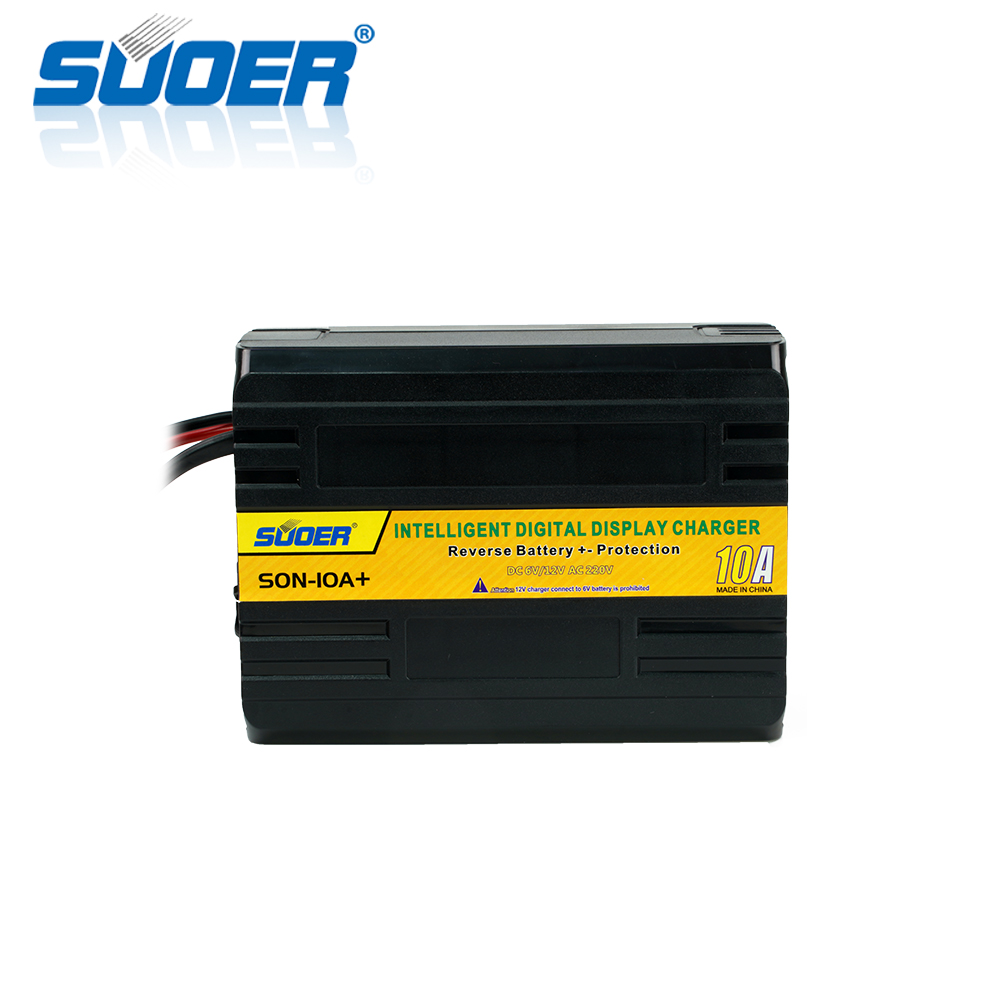
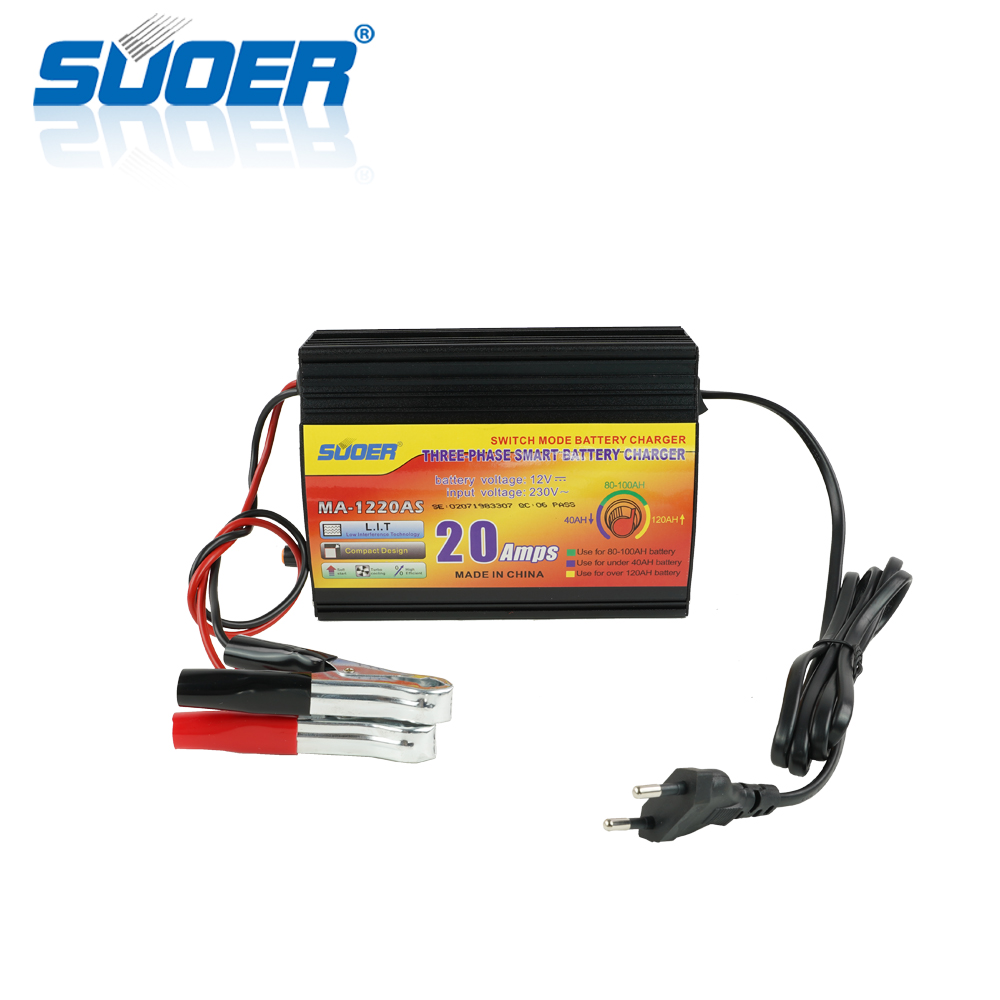
A 24V lithium battery charger is an essential device for powering various applications, particularly in electric vehicles, industrial machinery, and renewable energy systems. As businesses seek reliable and efficient charging solutions, understanding how to choose the right charger, find trusted suppliers, and address common installation challenges becomes crucial. This article will provide insights into selecting and sourcing 24V lithium battery chargers, helping purchasing managers and engineers make informed decisions.
When selecting a 24V lithium battery charger, several key specifications must be considered to ensure compatibility and optimal performance. First, evaluate the charger's output current and voltage, which should match the battery specifications to prevent overcharging or undercharging. Most lithium batteries have specific charging profiles, including constant current and constant voltage phases; ensure the charger supports these profiles to maintain battery health.
Additionally, consider the charger's efficiency rating. A higher efficiency rating means less energy loss during the charging process, which can lead to significant cost savings over time, especially for large-scale operations. Look for chargers that incorporate advanced technologies such as pulse charging or smart charging features that optimize the charging cycle based on the battery's condition.
Lastly, assess the build quality and safety certifications of the charger. Products with certifications such as ROHS, CE, and ISO9001 indicate adherence to strict manufacturing standards, ensuring reliability and safety in industrial applications. It's advisable to consult a trusted manufacturer with experience in producing battery chargers for various applications, as they can offer guidance tailored to your specific needs.
Identifying reliable suppliers for 24V lithium battery chargers is vital for ensuring quality and consistency. Start by researching manufacturers that specialize in power supply solutions, particularly those with a focus on electric vehicles and industrial applications. Look for companies that have a proven track record of supplying major OEMs, as this often reflects their commitment to quality and innovation.
Requesting samples before placing a bulk order is an important step. This allows you to evaluate the product's performance, compatibility, and adherence to specifications. During this process, inquire about the manufacturer's production capabilities and lead times. A manufacturer with automated production processes and a robust R&D team is likely to provide higher quality products and faster turnaround times.
Online platforms and industry trade shows can also serve as valuable resources for finding reputable suppliers. Engaging in discussions with industry peers can yield recommendations and firsthand experiences that help you gauge the reliability of potential partners.
The cost of 24 volt battery charger can vary significantly based on several factors. Understanding these elements can help you make more informed purchasing decisions. First, evaluate the materials used in the charger's construction; higher-quality materials may lead to increased costs but can also enhance durability and performance.
Next, consider the charger's features and specifications. Advanced functionalities, such as smart charging algorithms and integrated protection mechanisms, can add to the initial cost but may result in long-term savings through improved battery lifecycle and reduced maintenance.
Another vital factor is the volume of your order. Many manufacturers offer price breaks for larger quantities, so it’s crucial to assess your projected needs accurately. Be sure to clarify the minimum order quantities (MOQ) with your supplier and explore potential financing options if bulk purchasing is necessary.
Lastly, don’t overlook shipping and handling costs, especially if sourcing from international suppliers. These additional expenses can impact your overall budget and should be factored into your final decision.
Installing a 24V lithium battery charger can present challenges, particularly in complex industrial settings. One common issue is improper connection to the battery or power source, which can lead to inefficient charging or damage. To mitigate this risk, ensure that installation includes clear labeling and instructions for proper connections, as well as adequate training for personnel involved in the setup.
Overheating during the charging process is another concern. This can occur due to inadequate ventilation or charging in high-temperature environments. It’s essential to install the charger in a well-ventilated area and to monitor the charging conditions. If overheating persists, consider chargers with built-in thermal management features to protect both the charger and the battery.
Lastly, compatibility issues may arise between the charger and the battery management system (BMS). To avoid this, verify that the charger's communication protocols align with the BMS requirements. Consulting with the manufacturer during the selection process can help ensure compatibility and minimize installation-related problems.
24V lithium battery chargers find extensive application in various industrial settings. They are commonly used in electric vehicles, where they serve as the primary charging solution for fleet operations, ensuring minimal downtime and efficient energy management. In such applications, fast charging capabilities are often sought to maximize vehicle availability.
In telecommunications, these chargers power backup systems that maintain operations during outages. Reliability is paramount in these scenarios, as uninterrupted power supply can be critical for communication infrastructure. Therefore, selecting chargers with robust safety features and consistent performance is essential.
Moreover, in rail transit systems, 24V lithium battery chargers support auxiliary systems and onboard power requirements. The durability of the charger is crucial here, as rail environments can be demanding. Chargers designed for such applications must withstand vibrations, temperature fluctuations, and exposure to dust and moisture.
Understanding the specific applications and requirements of your industry will guide you in selecting the most suitable 24V lithium battery charger, ensuring optimal performance and reliability in your operations.

Discover Suoer’s premium range of solar inverters and power inverters designed for reliable renewable energy solutions.Trusted by customers worldwide for exceptional performance and durability.
Suoer Industrial Zone, Ercun Road Section, Yanfeng Avenue, Shishan Town,Foshan city,Guangdong Province,China
Copyright © 2024 Foshan Suoer Electronic Industry Co., Ltd. Privacy Policy - Blog

 EN
 AR
 NL
 FR
 DE
 EL
 IT
 JA
 KO
 PT
 RU
 ES
 VI
 TH
 TR
 BG
 HR
 CS
 NO
 PL
 TL
 ID
 SR
 UK
 SQ
 HU
 MT
 AF
 MS
 IS
 HY
 AZ
 BN
 BS
 GU
 LO
 LA
 MN
 NE
 TA