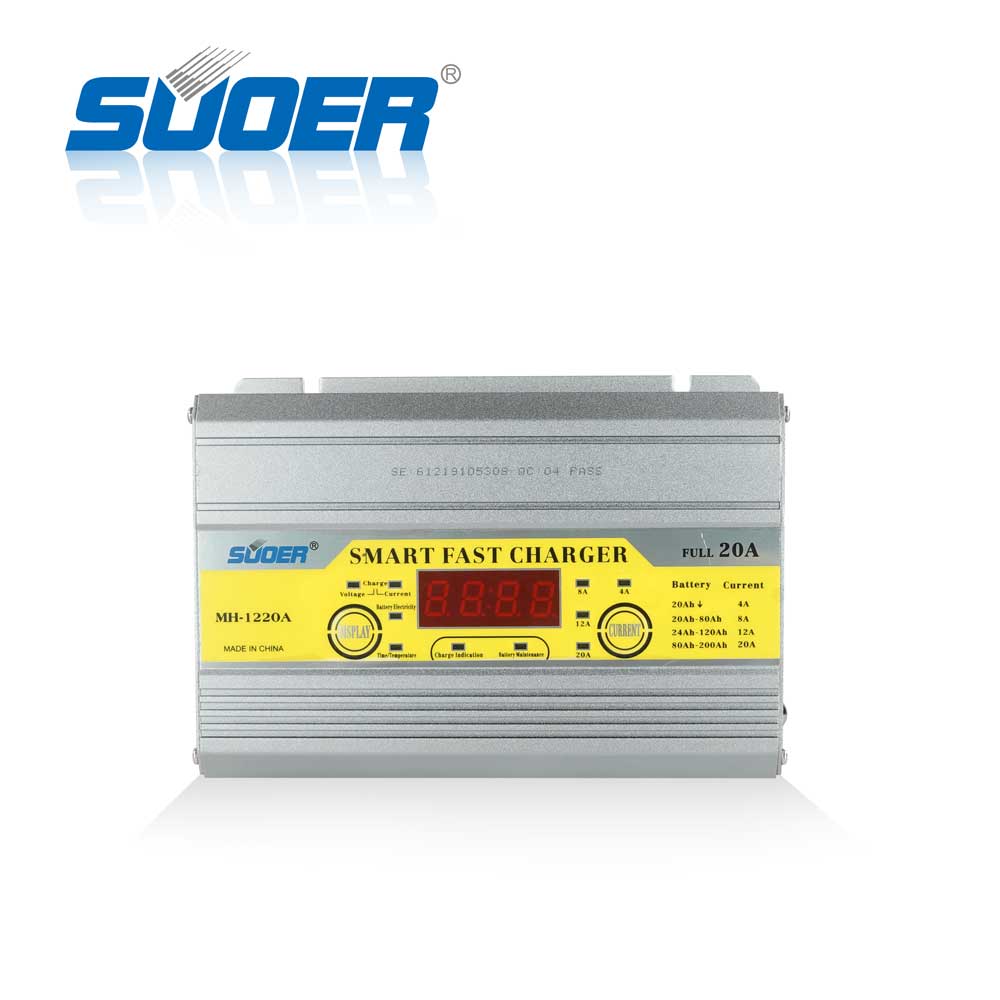
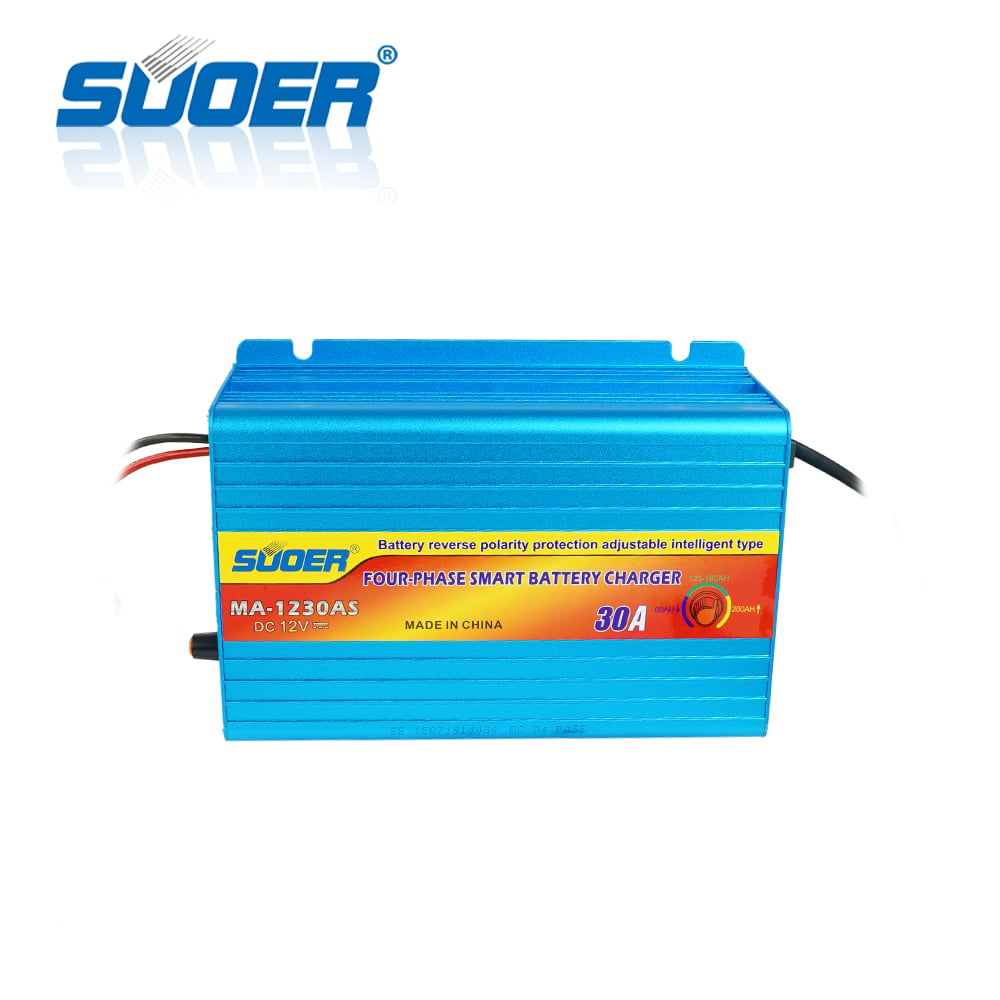
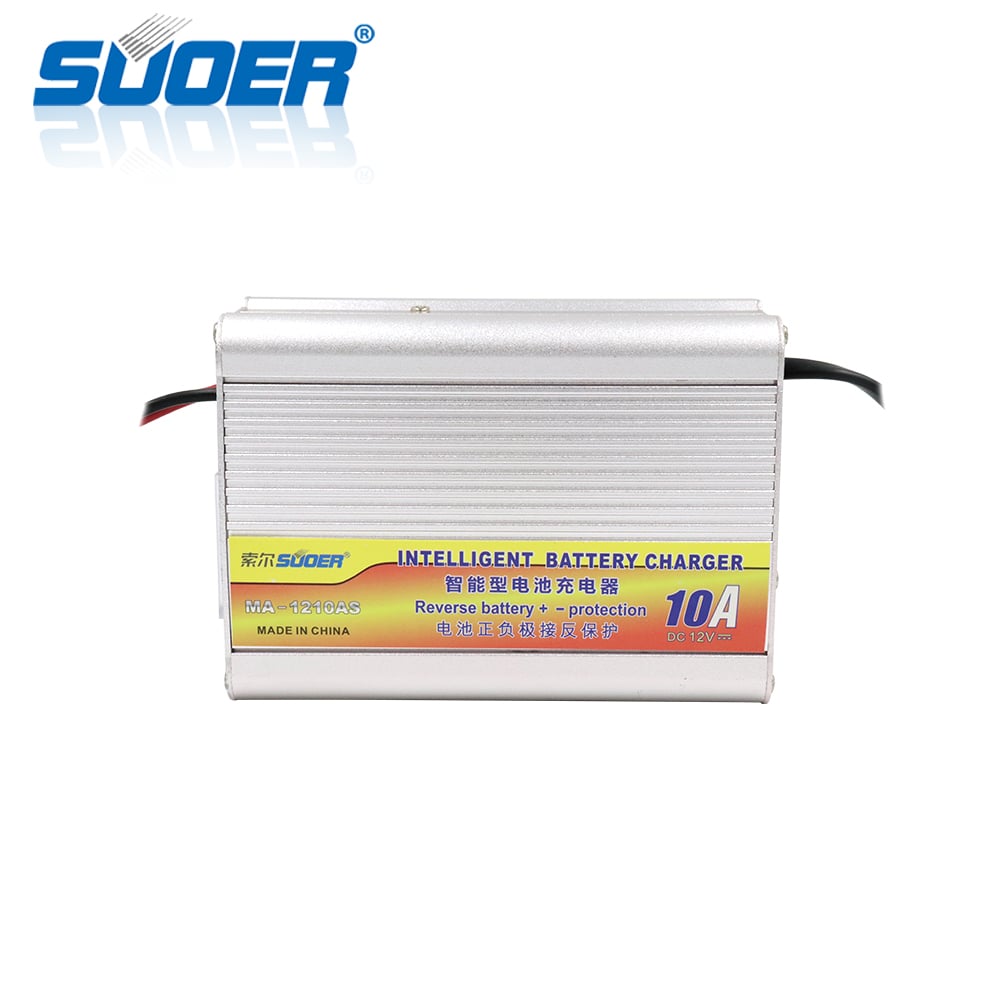
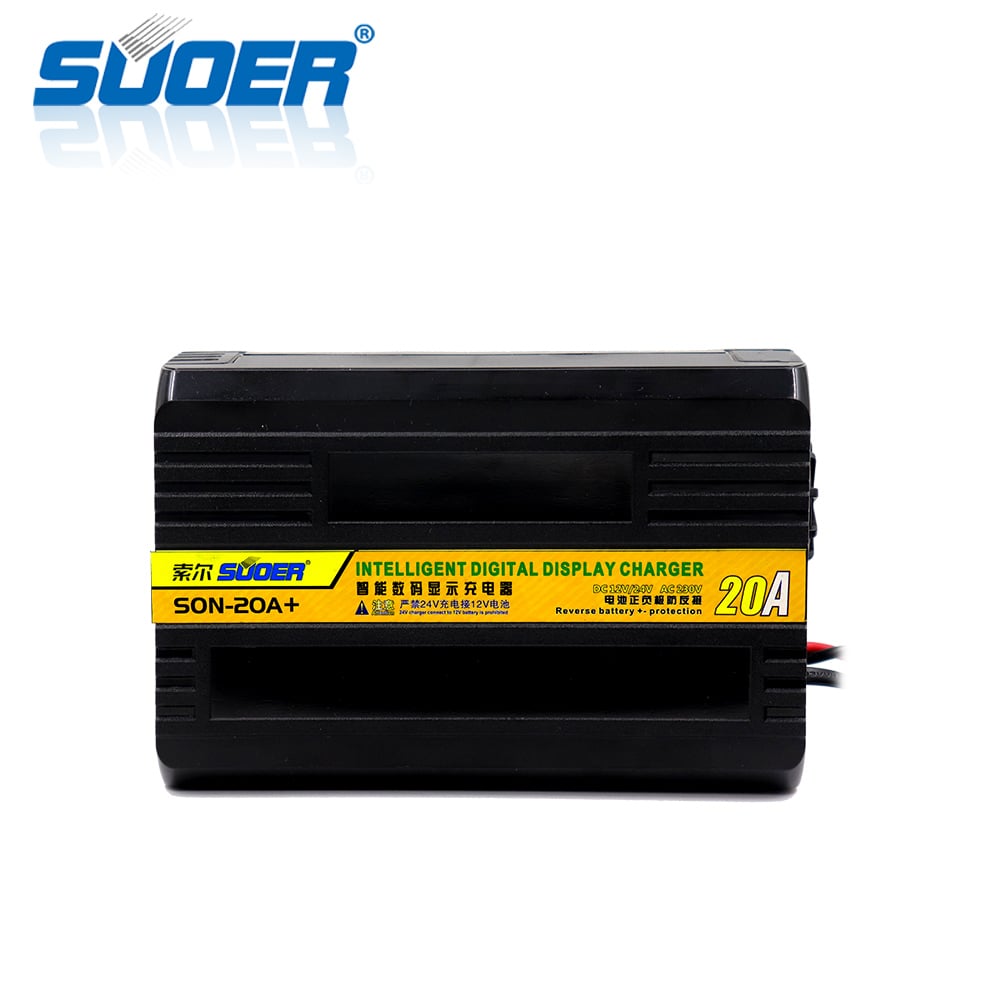
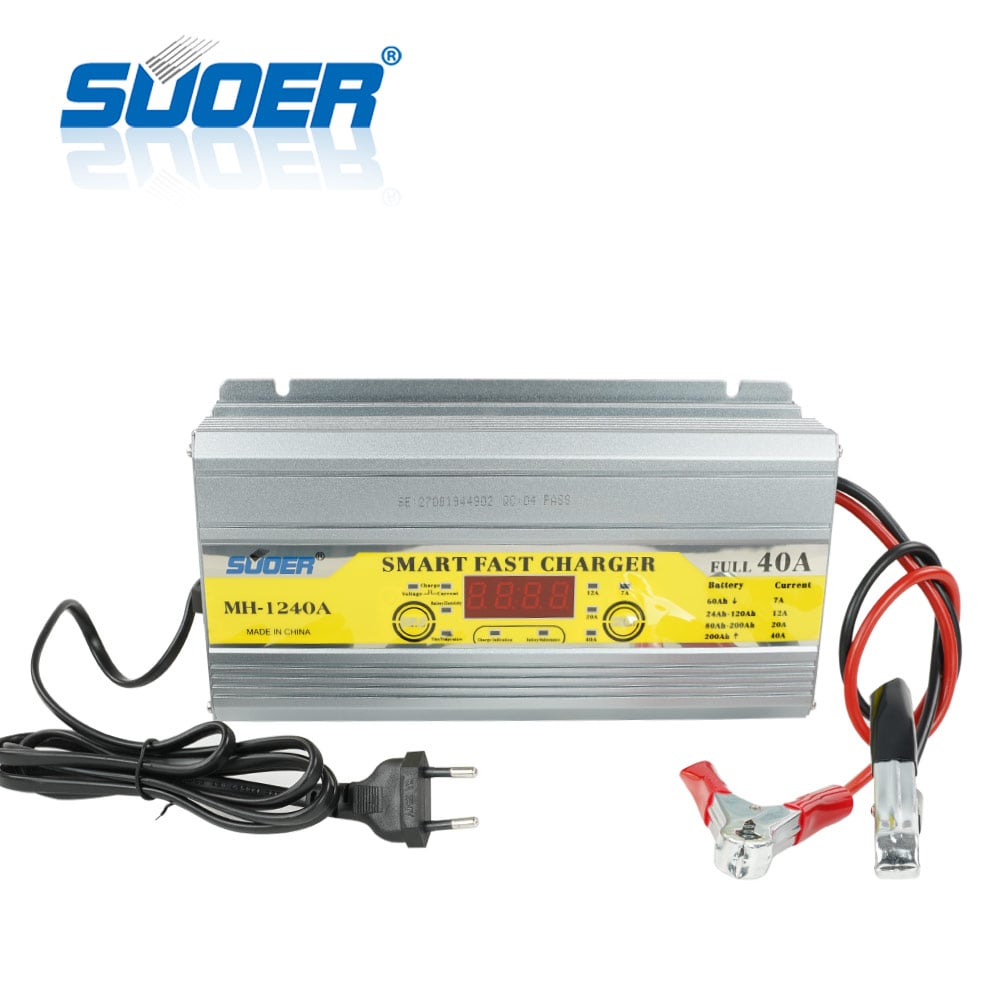
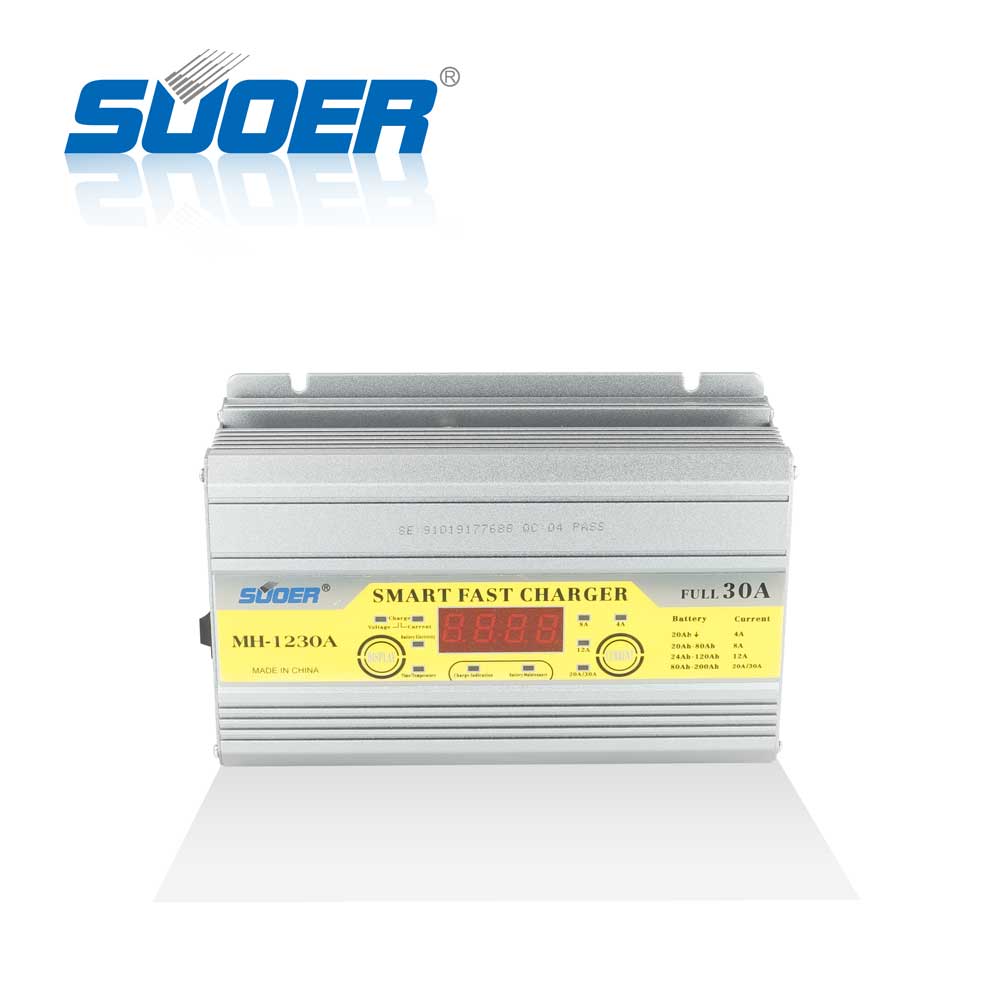
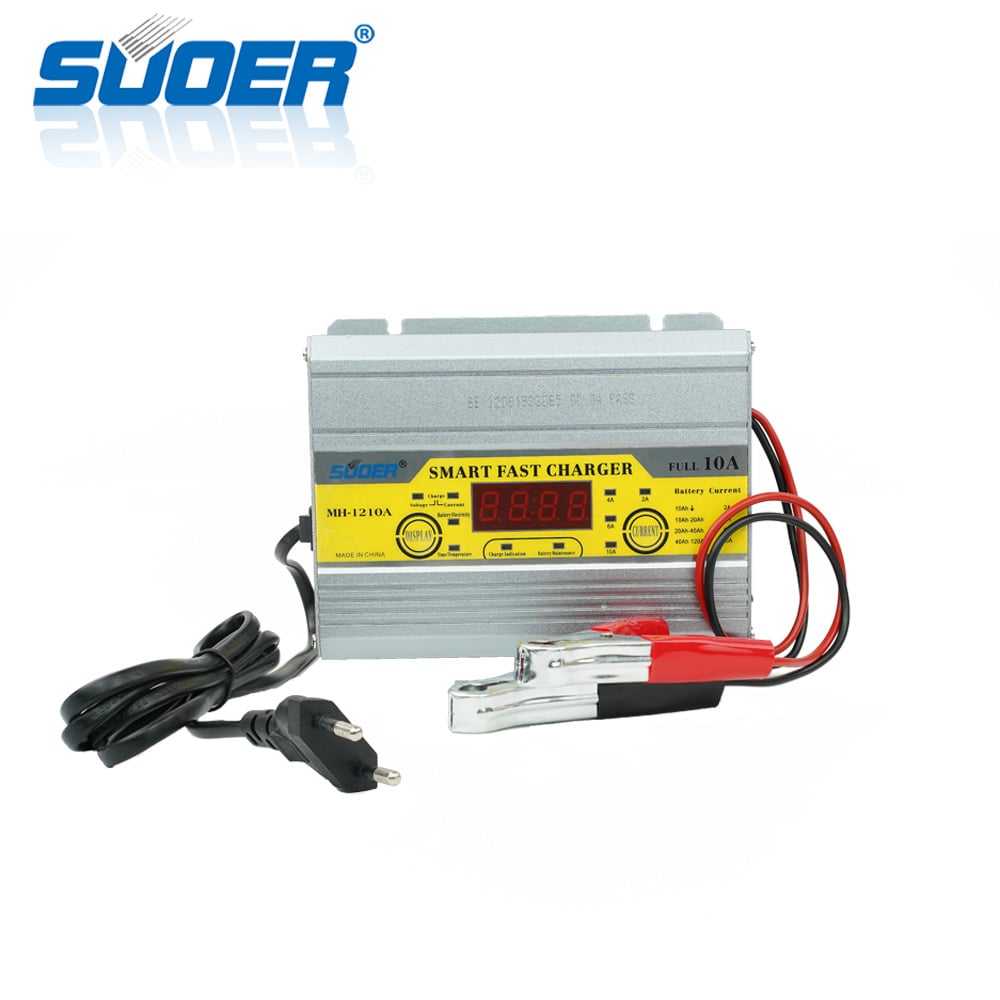
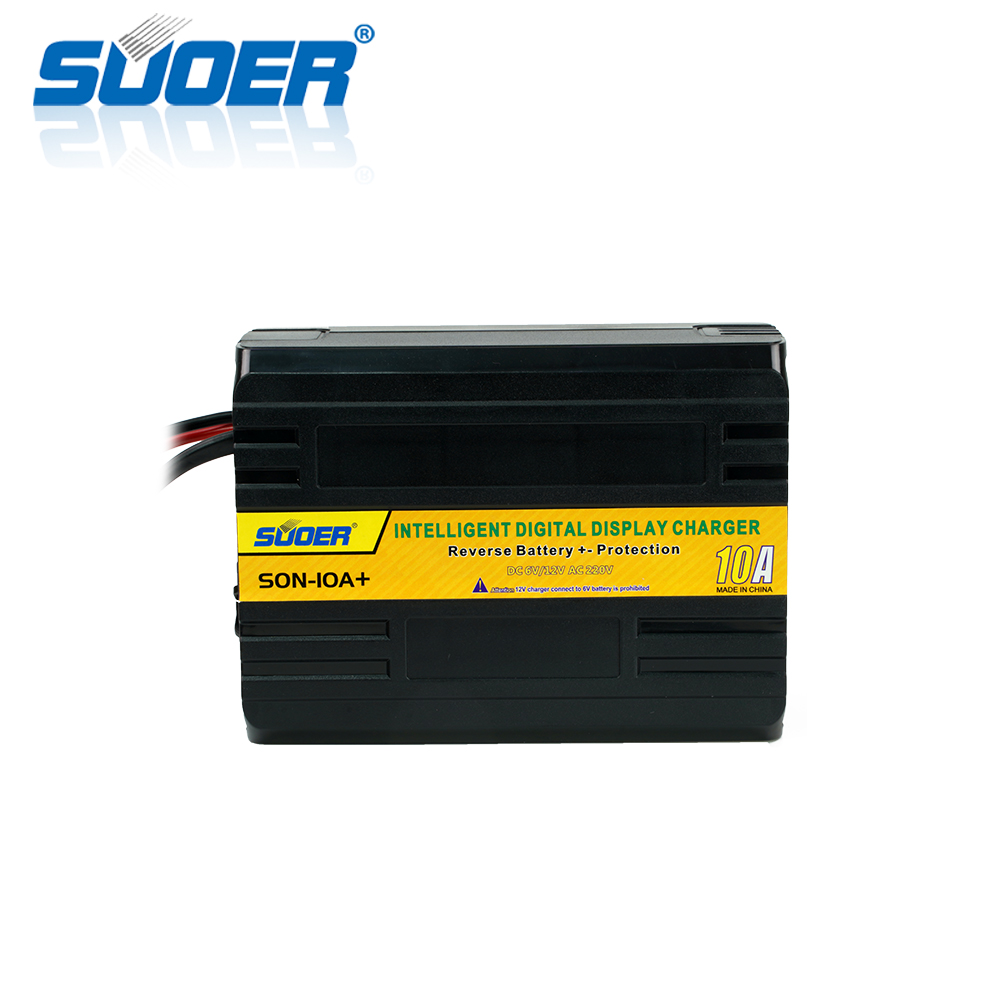
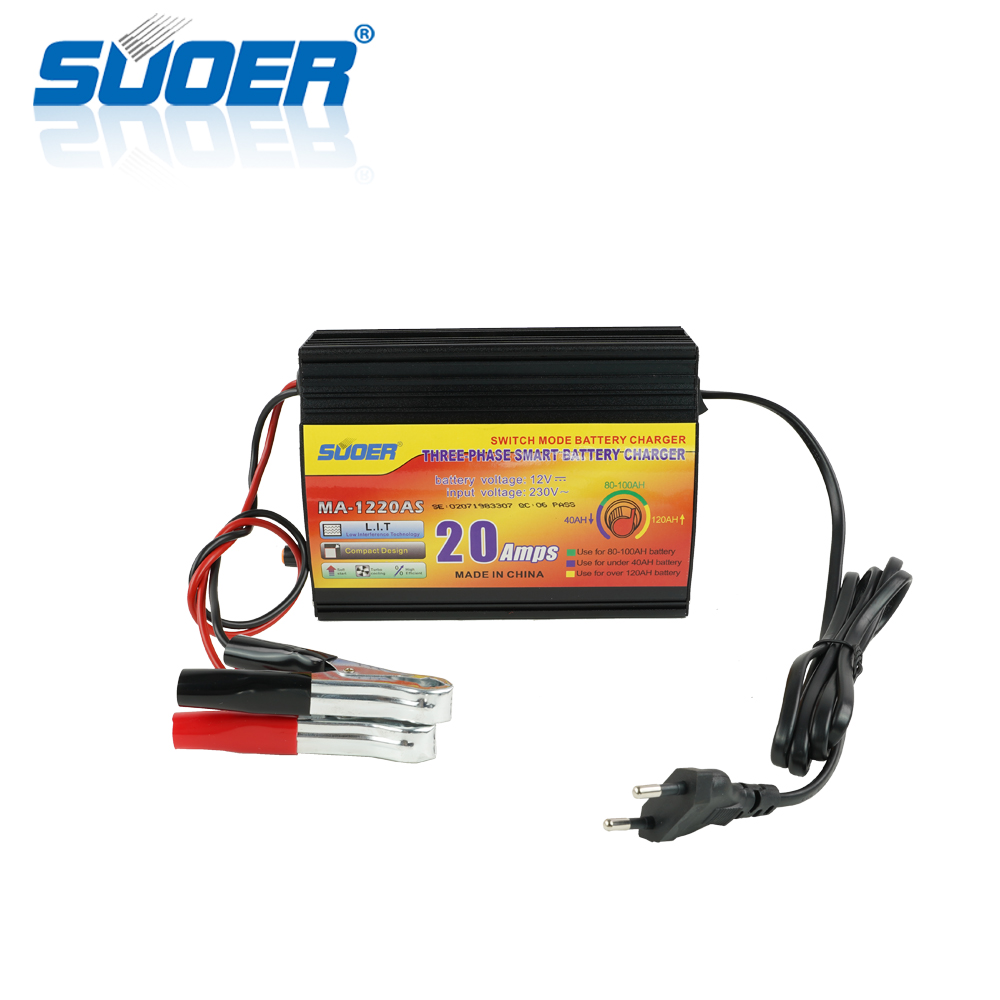
A 24 volt battery charger is an essential component for various applications, particularly in electric vehicles, industrial machinery, and communication systems. B2B buyers, including purchasing managers and engineers, often seek chargers that meet specific performance, quality, and compatibility standards. This article will guide you through the critical specifications to consider, how to evaluate quality, where to source reliable suppliers, and the applications of these chargers in real-world settings, enabling informed purchasing decisions.
When selecting a 24 volt battery charger, several key specifications must be evaluated:
Output Voltage and Current: Ensure that the charger delivers a consistent 24 volts with the appropriate current rating (measured in amps) for your battery type. An unsuitable output can lead to undercharging or overcharging, compromising battery life and performance.
Charging Technology: Look for battery charger employing modern charging technologies such as smart charging, which adjusts the charging rate based on the battery's state of charge. This feature helps optimize battery health and efficiency.
Efficiency Rating: Higher efficiency ratings reduce energy loss during the charging process, which is beneficial for cost savings and minimizing heat generation. Chargers with an efficiency rating above 85% are generally preferred for industrial applications.
Protection Features: Check for built-in features like over-voltage, over-current, and short-circuit protection. These safeguards help prevent damage to both the charger and the connected battery.
Size and Weight: Depending on the application, the physical size and weight of the charger may be critical, especially for mobile applications where space is limited.
Understanding these specifications will empower you to select a charger that meets your operational needs without compromising battery integrity.
Evaluating the quality of 24 volt battery chargers for wholesale involves several important steps:
Certifications and Compliance: Verify that the chargers meet relevant industry standards, such as ROHS, CE, and ISO9001. These certifications indicate adherence to safety and quality protocols.
Manufacturer Reputation: Research the manufacturer's experience and reputation in the new energy sector. Companies with a long history of producing reliable chargers are often more trustworthy. Look for reviews and case studies from existing clients.
Quality Control Processes: Inquire about the quality control measures in place. A robust quality assurance process that includes testing at various production stages can significantly reduce the risk of defective products.
Sample Evaluation: Before placing a bulk order, request samples to assess the charger’s performance under real-world conditions. Test aspects such as charging speed, heat generation, and compatibility with your specific battery type.
Warranty and Support: Ensure that the supplier offers a comprehensive warranty and responsive customer support. This is crucial for addressing any issues that may arise post-purchase.
By carefully evaluating these factors, you can ensure that the chargers you select will meet your business's reliability and performance standards.
Finding reliable suppliers for battery charger 12v 24v requires strategic sourcing:
Industry Trade Shows: Attend industry-specific trade shows and exhibitions where manufacturers showcase their products. This provides an opportunity to meet suppliers face-to-face and evaluate their offerings.
Online Marketplaces and Directories: Utilize B2B online marketplaces and industry directories to locate manufacturers and suppliers. Look for verified suppliers with strong customer ratings and feedback.
Networking and Referrals: Leverage your professional network to get recommendations for reputable suppliers. Colleagues in the industry can often provide valuable insights and share their experiences.
Manufacturer Websites: Visit the websites of potential manufacturers to assess their product range, capabilities, and client testimonials. Many manufacturers also provide detailed product specifications and certifications online.
Quality Assurance Audits: Before finalizing a supplier, consider conducting a site audit if feasible. This allows you to inspect their manufacturing capabilities, quality control processes, and overall operational standards.
Using these strategies will help you identify trustworthy suppliers capable of delivering high-quality 24 volt battery chargers.
24 volt battery chargers have diverse applications across various sectors:
Electric Vehicles (EVs): In the EV industry, these chargers are essential for maintaining battery performance and longevity. They ensure that the vehicle's battery is charged efficiently, maximizing driving range and reducing downtime.
Industrial Equipment: Many industrial machines, such as forklifts and pallet jacks, rely on 24 volt batteries. These chargers support the operation of such equipment, providing reliable power for daily tasks.
Telecommunications: In the telecom sector, 24 volt chargers are used to power backup systems and equipment that require stable, uninterrupted power. This is critical for maintaining communications during power outages.
Rail Transit Systems: Rail systems often use 24 volt chargers to keep onboard batteries charged, ensuring safety and operational reliability in transit vehicles.
Renewable Energy Systems: In photovoltaic applications, these chargers are used to manage battery banks, optimizing energy storage and usage from solar panels.
Understanding the applications of 24 volt battery chargers can help you appreciate their versatility and importance in modern energy systems.
Comparing different models of 24 volt battery chargers involves assessing several factors to identify the best fit for your needs:
Performance Specifications: Analyze the output voltage, current ratings, and charging speed of various models. Match these specifications with your battery's requirements to ensure compatibility.
Features and Functionality: Consider additional features such as smart charging capabilities, LED indicators, and remote monitoring options. These functionalities can enhance usability and battery management.
Price vs. Performance: While price is a significant factor, it’s essential to balance cost with performance. A lower-priced charger may not offer the necessary features or reliability, leading to higher long-term costs.
Customer Reviews and Case Studies: Look for feedback from other users who have similar applications. Reviews can provide insights into the real-world performance and reliability of different lithium battery charger models.
Customization Options: If your application has unique requirements, check if the manufacturer offers customization options. This could include specific features, connectors, or packaging that align with your operational needs.
By systematically comparing these aspects, you can select a 24 volt battery charger model that best meets your operational requirements and budget constraints.

Discover Suoer’s premium range of solar inverters and power inverters designed for reliable renewable energy solutions.Trusted by customers worldwide for exceptional performance and durability.
Suoer Industrial Zone, Ercun Road Section, Yanfeng Avenue, Shishan Town,Foshan city,Guangdong Province,China
Copyright © 2024 Foshan Suoer Electronic Industry Co., Ltd. Privacy Policy - Blog

 EN
 AR
 NL
 FR
 DE
 EL
 IT
 JA
 KO
 PT
 RU
 ES
 VI
 TH
 TR
 BG
 HR
 CS
 NO
 PL
 TL
 ID
 SR
 UK
 SQ
 HU
 MT
 AF
 MS
 IS
 HY
 AZ
 BN
 BS
 GU
 LO
 LA
 MN
 NE
 TA