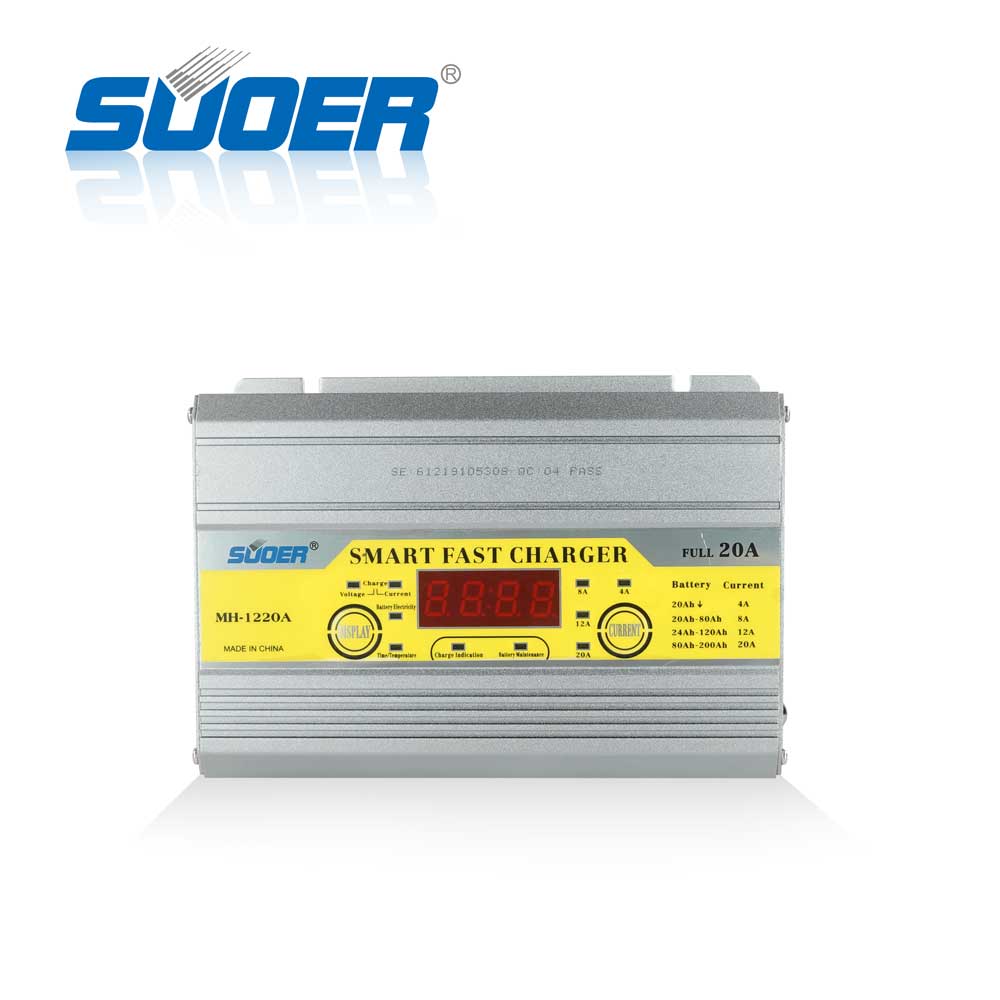
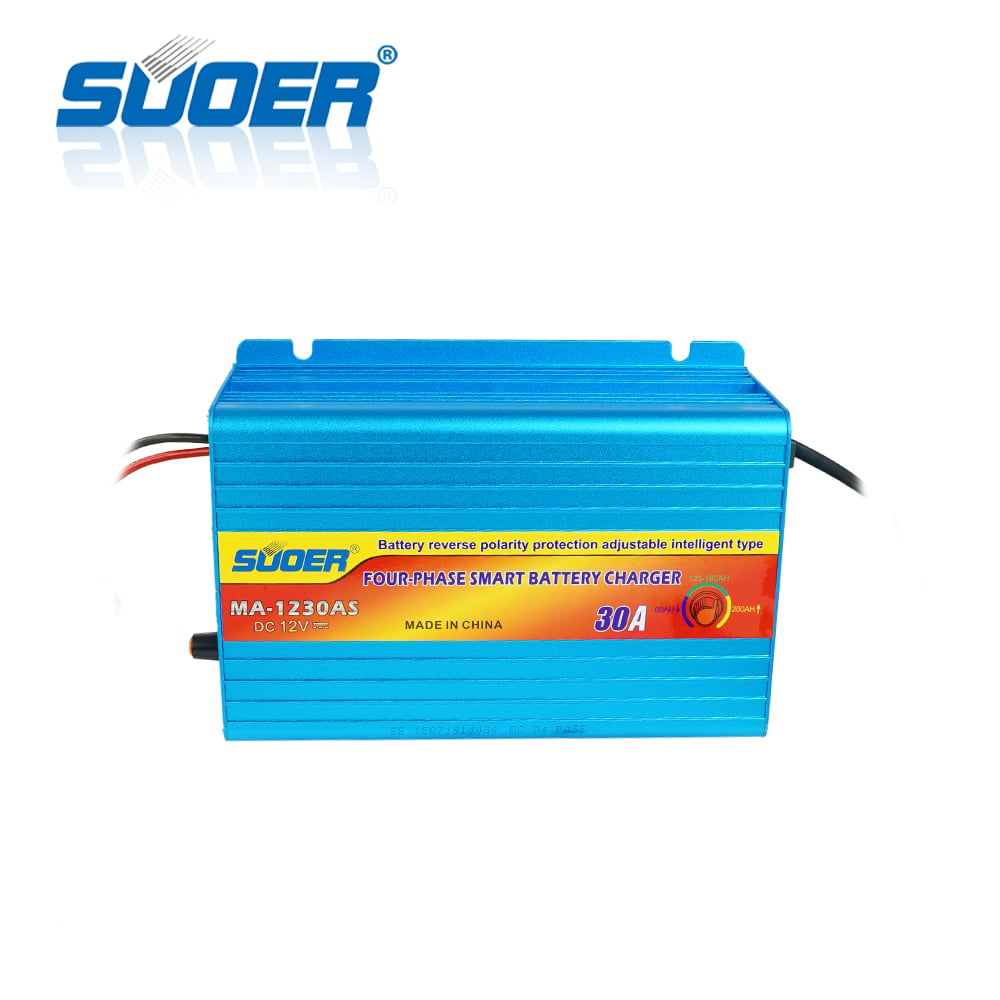
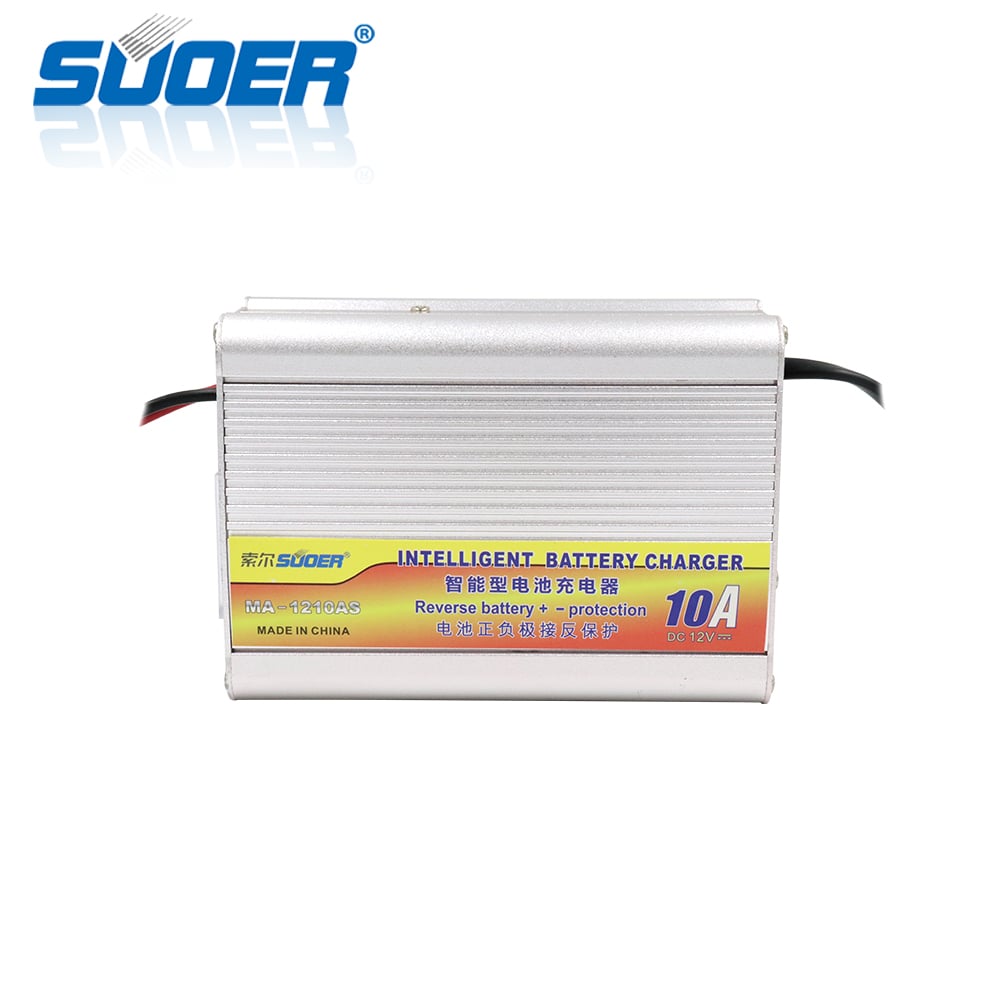
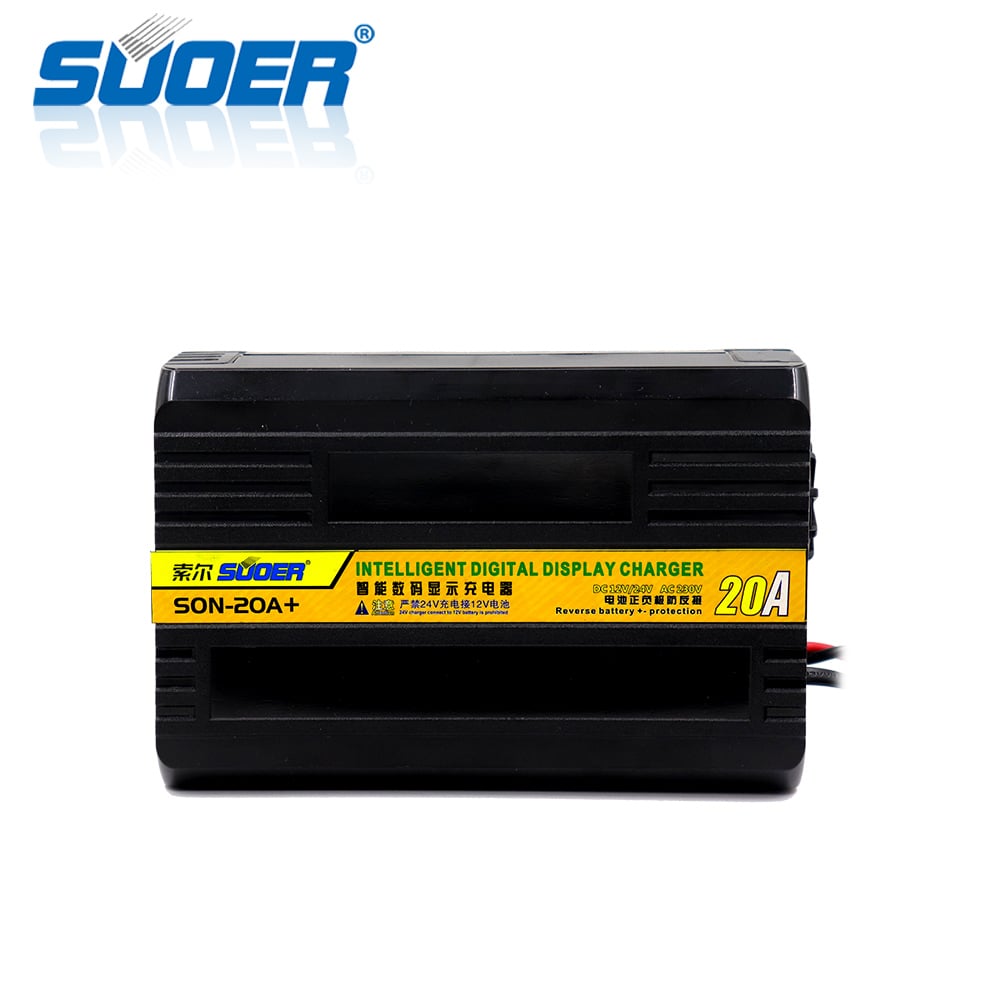
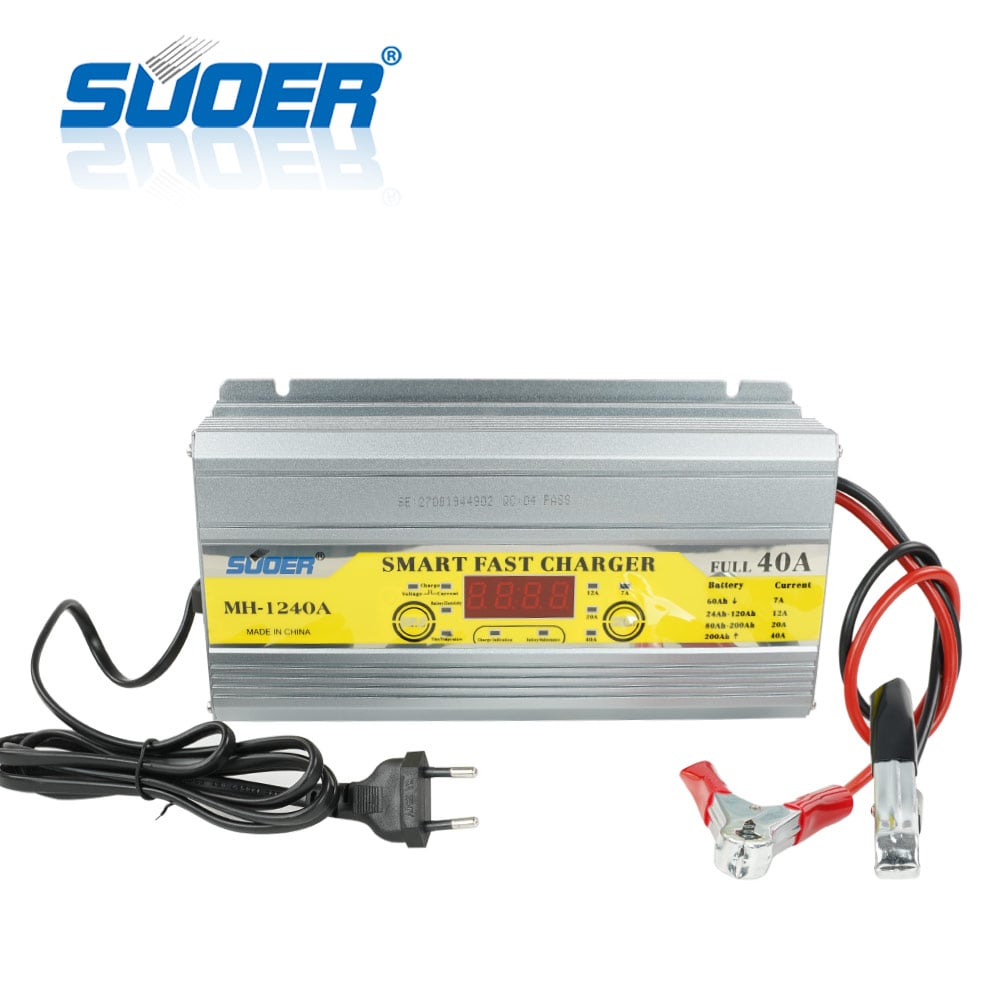
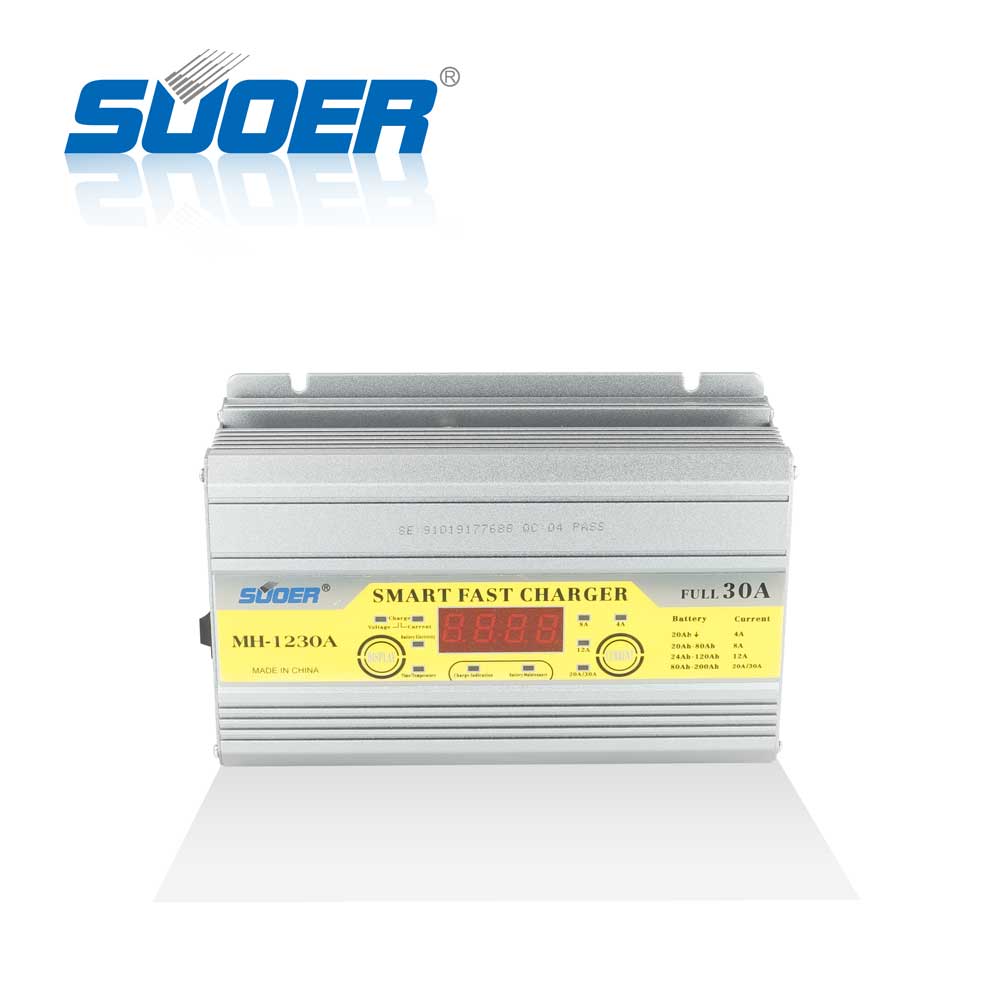
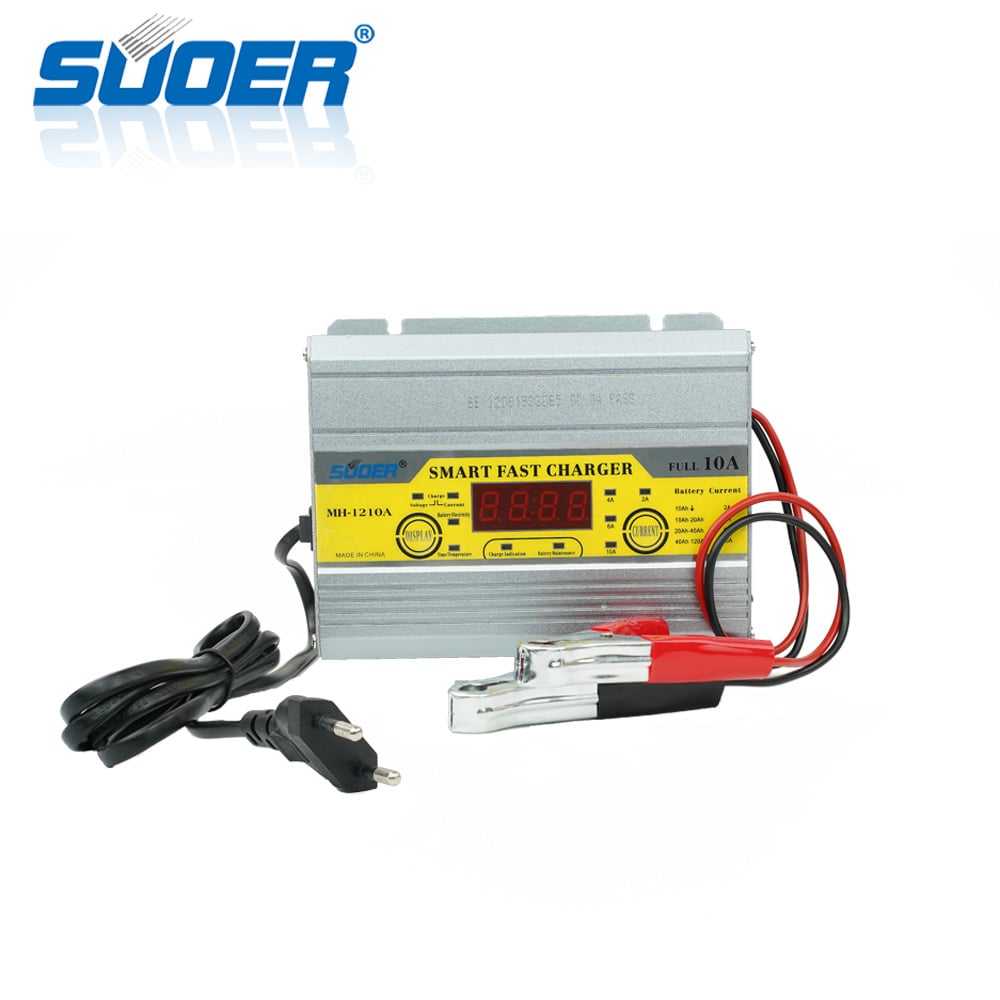
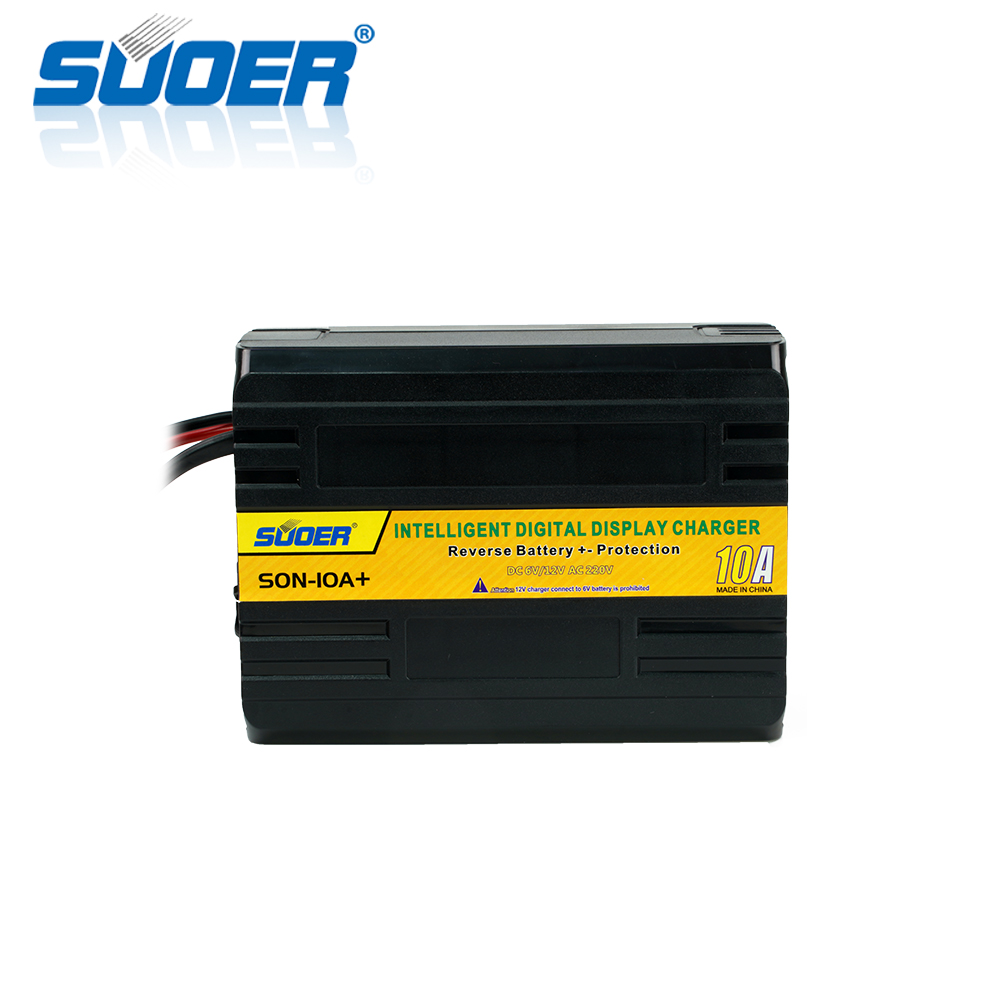
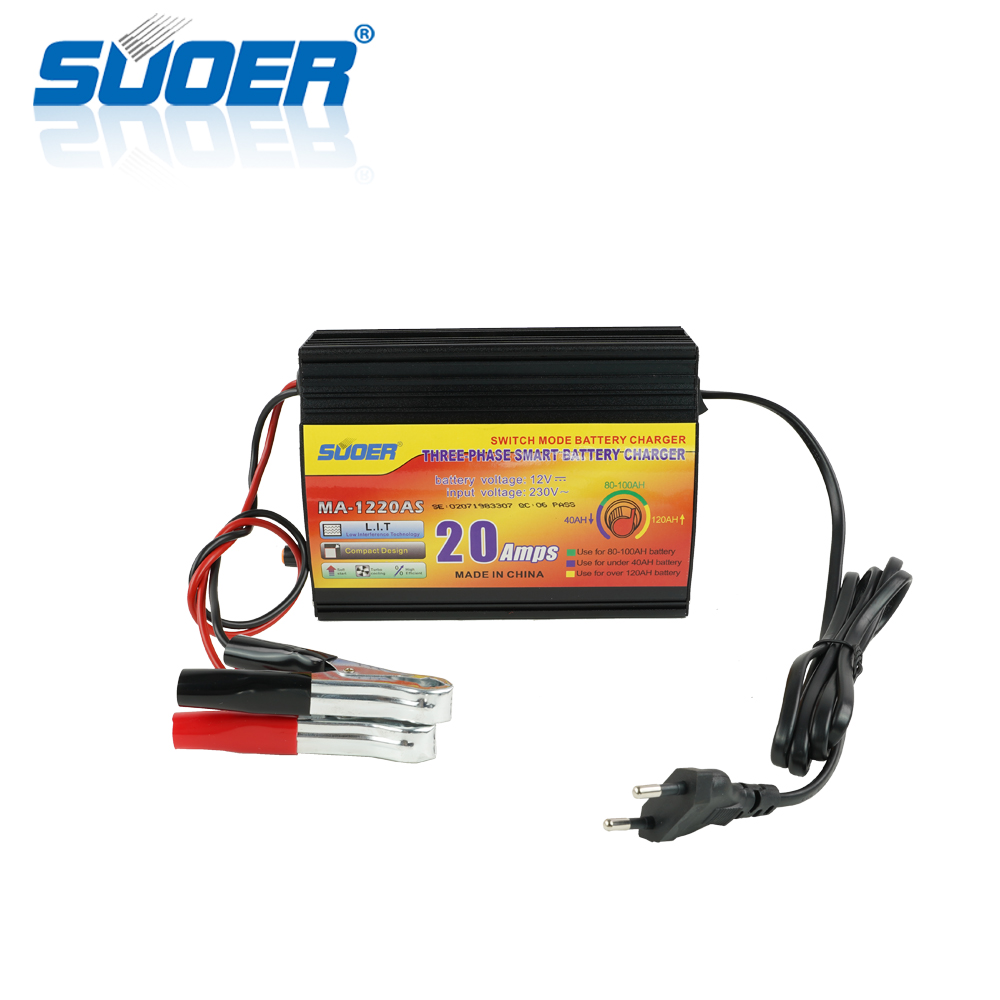
Battery chargers for lithium batteries are essential components in various industries, particularly in electric vehicles and energy storage applications. As a B2B buyer, your main concerns may include product quality, compatibility, and cost-effectiveness. This article aims to provide you with detailed insights into selecting the right battery charger for lithium batteries, evaluating their quality, understanding cost factors, exploring their applications, and identifying key features to look for when making a purchase.
When selecting a Suoer battery charger for lithium batteries, it's crucial to consider several factors that will affect the performance and longevity of the batteries. Begin by identifying the specific requirements for your application, such as the voltage and capacity of the batteries, as well as the charging speed needed. Compatibility with the battery management system (BMS) is also essential, as it ensures safe and efficient charging.
Different types of chargers are available, including standard chargers, fast chargers, and smart chargers. Standard chargers are typically less expensive but may take longer to charge the batteries. Fast chargers, while more costly, provide quicker charging times, which may be critical in applications like electric vehicles. Smart chargers offer advanced features such as diagnostics and remote monitoring, which can enhance operational efficiency.
Additionally, understanding the charging cycle and how many times the charger can cycle before it shows signs of wear is important for long-term cost management. Always verify that the charger adheres to relevant safety standards and certifications, such as ROHS, CE, and ISO9001.
Evaluating the quality of lithium battery chargers is fundamental to ensuring that your investment pays off. Start by reviewing the specifications provided by the manufacturer, focusing on aspects such as:
Voltage Compatibility: Ensure the lithium battery charger matches the voltage of the batteries. A mismatch can lead to overcharging or undercharging, both of which can damage the batteries.
Charging Current: The maximum charging current should be suitable for your battery capacity. A higher current can reduce charging time but may also increase the risk of overheating.
Efficiency Ratings: A higher efficiency rating indicates less energy loss during charging, which can lead to lower operational costs over time.
Thermal Management: Look for chargers with built-in thermal protection mechanisms to prevent overheating during operation.
Inspecting product reviews and seeking recommendations from other users in your industry can also provide valuable insights into the charger's reliability and performance. If possible, request samples to test under actual operating conditions.
The cost of Suoer lithium battery chargers can vary widely based on several factors. Understanding these can help you make a more informed purchasing decision:
Type of Charger: As mentioned earlier, standard chargers are generally less expensive than fast or smart chargers. Assess your application's urgency and need for advanced features to determine the right type.
Volume Discounts: Many manufacturers offer discounts for bulk purchases. If your organization requires multiple units, negotiate with suppliers to secure better pricing.
Customization Requirements: Custom chargers that meet specific application needs may incur additional costs. Be clear about your requirements during the purchasing process to receive accurate pricing.
Maintenance and Warranty: Consider the long-term costs associated with maintenance and whether the manufacturer provides warranties. A charger with a longer warranty period may be indicative of higher quality and durability.
Make sure to compare total costs, including shipping and any potential duties for international orders, to avoid unexpected expenses.
Lithium battery chargers play a pivotal role in the electric vehicle (EV) industry and various industrial applications. In EVs, chargers must be capable of efficiently managing large battery packs, ensuring fast charging while maintaining safety standards. They often incorporate advanced features such as regenerative braking compatibility and integration with the vehicle's BMS.
In industrial settings, lithium battery chargers are used for a range of applications, including:
Forklifts and Material Handling Equipment: These chargers need to support high-capacity batteries to ensure minimal downtime in operations.
Telecommunications: Backup power systems for telecommunications rely on efficient battery chargers to maintain consistent performance during outages.
Rail Transit: Rail systems equipped with lithium batteries require specialized chargers that can handle the unique demands of rail applications.
Understanding the specific demands of your application will guide you in selecting the right solar battery charger that meets both performance and safety standards.
As a buyer, it's essential to focus on the following key aspects when evaluating Suoer lithium battery chargers:
Manufacturer Reputation: Research the manufacturer's history and experience in the industry. Companies with a strong track record are more likely to produce reliable products.
Certifications: Ensure the product meets industry standards such as ROHS, CE, and ISO9001. These certifications indicate compliance with safety and quality regulations.
Customization Options: If your application has unique requirements, inquire about the manufacturer's ability to customize the charger. This can include modifications in terms of specifications, connectors, and features.
After-Sales Support: Assess the availability of technical support and customer service. A manufacturer that offers robust after-sales support can help resolve issues quickly, ensuring minimal disruption to your operations.
Testing and Quality Control: Understand the manufacturer's quality control processes. A thorough testing regime can help identify potential issues before the product reaches your facility.
By carefully considering these factors, you can ensure that the inverter with battery charger for lithium batteries you choose is well-suited to your specific needs, providing reliable performance and value over time.

Discover Suoer’s premium range of solar inverters and power inverters designed for reliable renewable energy solutions.Trusted by customers worldwide for exceptional performance and durability.
Suoer Industrial Zone, Ercun Road Section, Yanfeng Avenue, Shishan Town,Foshan city,Guangdong Province,China
Copyright © 2024 Foshan Suoer Electronic Industry Co., Ltd. Privacy Policy - Blog

 EN
 AR
 NL
 FR
 DE
 EL
 IT
 JA
 KO
 PT
 RU
 ES
 VI
 TH
 TR
 BG
 HR
 CS
 NO
 PL
 TL
 ID
 SR
 UK
 SQ
 HU
 MT
 AF
 MS
 IS
 HY
 AZ
 BN
 BS
 GU
 LO
 LA
 MN
 NE
 TA