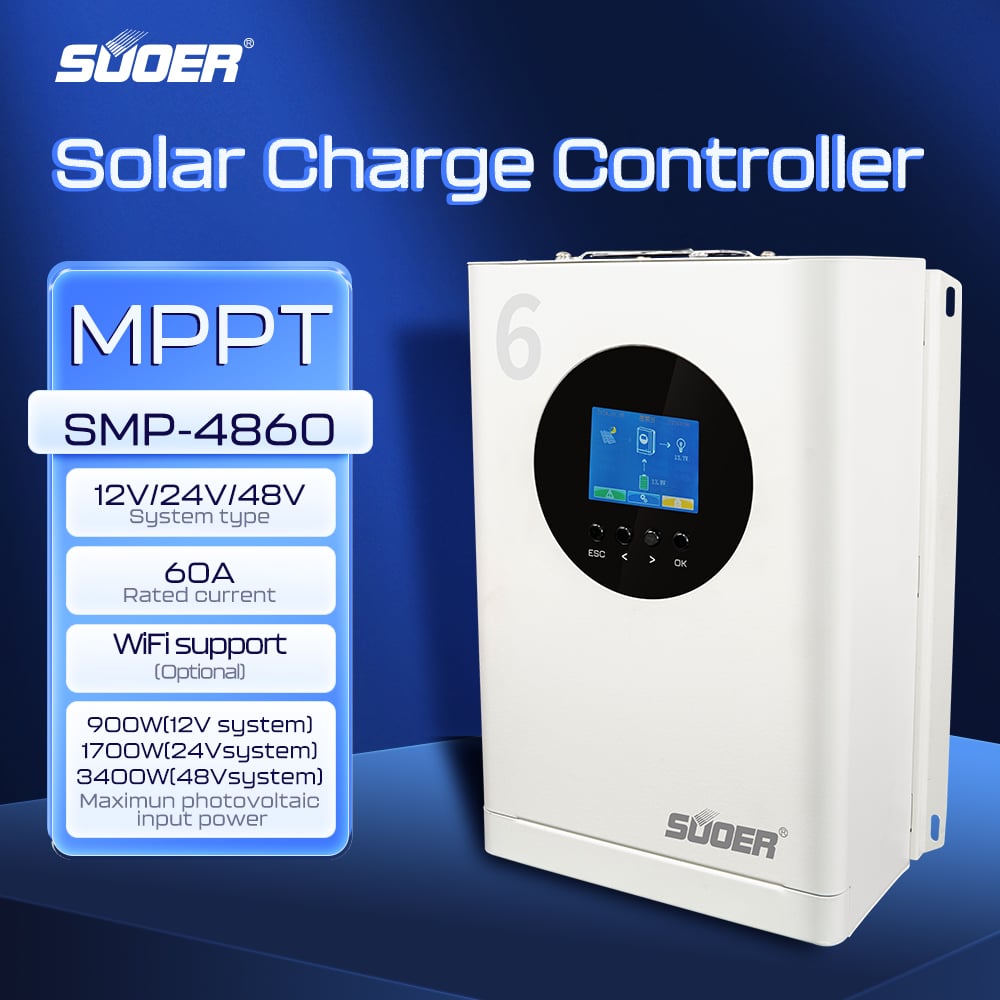
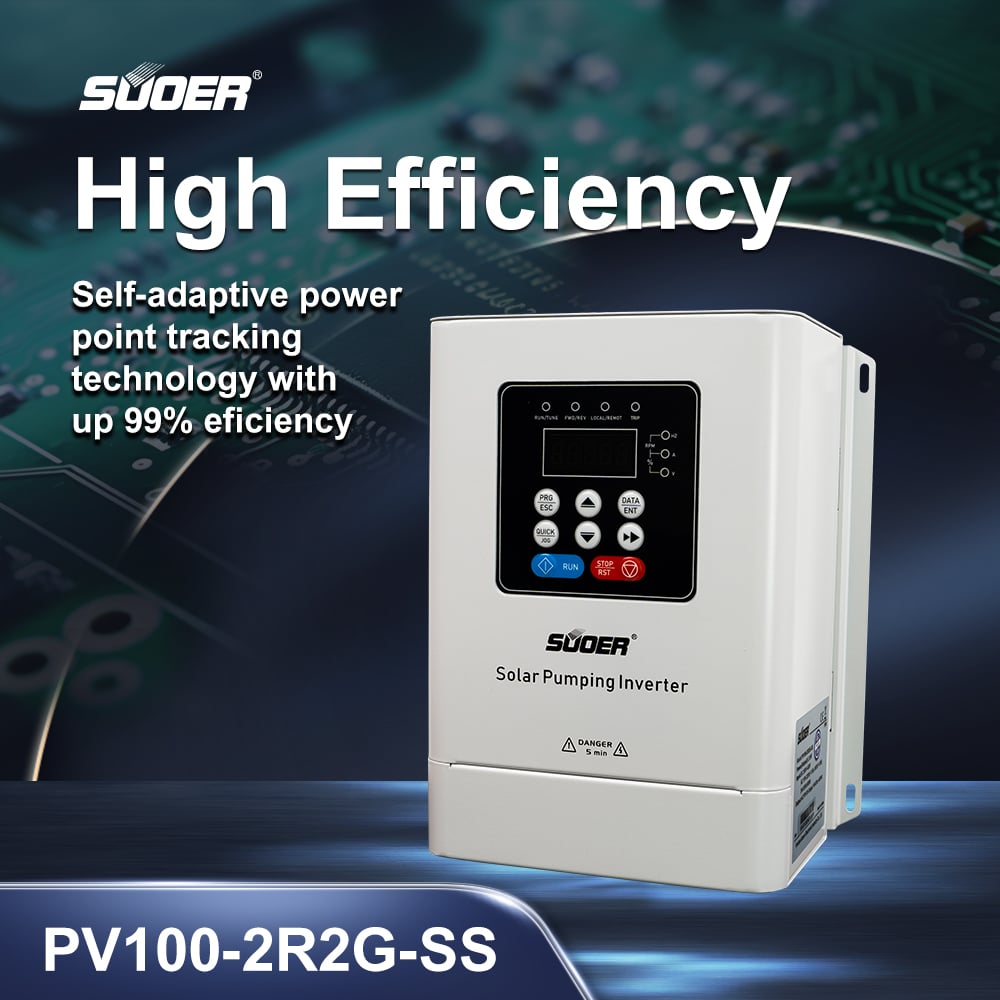
In the evolving landscape of energy solutions, the lithium battery charger plays a crucial role in powering electric vehicles, industrial applications, and renewable energy systems. As businesses increasingly invest in these technologies, understanding the nuances of lithium battery chargers becomes essential for purchasing managers, engineers, and product managers. This lithium battery chargers article addresses key considerations for selecting the right charger, supplier options, cost factors, installation guidance, and industry applications, ensuring that buyers can make informed decisions.
When selecting a lithium battery charger, it's vital to consider the specific requirements of your application. Key factors include voltage compatibility, charging speed, battery chemistry, and environmental conditions.
Voltage Compatibility: Ensure the charger’s output matches the battery voltage. Chargers typically come in 12V, 24V, and 48V configurations for various applications. An incompatible voltage can lead to inefficient charging or, worse, damage to the battery.
Charging Speed: Different applications have distinct needs regarding charging times. Fast chargers can reduce downtime in commercial settings, lithium battery chargers but they may generate more heat, which can affect battery lifespan. A balance between charging speed and battery health is crucial.
Battery Chemistry: Lithium batteries come in various chemistries (e. g., Li-ion, LiFePO4). Each type may require specific charging profiles to optimize performance and lifespan. Verify that the charger supports the chemistry of your batteries.
Environmental Conditions: Consider the installation environment. Chargers designed for outdoor use should have appropriate ingress protection (IP) ratings to withstand moisture and dust. Indoor chargers may not need such robust protection but should still comply with safety standards.
Understanding these factors will help buyers avoid common pitfalls, such as overcharging batteries or selecting a charger unsuitable for their operational environment.
Finding a trustworthy supplier for bulk orders of lithium battery chargers is critical for businesses looking to scale their operations. When evaluating potential suppliers, consider their manufacturing capabilities, quality control processes, and customer support.
Manufacturing Capabilities: Assess the supplier's production capacity and automation level. Suppliers with advanced automated production lines can often ensure consistent quality and timely deliveries, which is essential for bulk orders.
Quality Control Processes: Verify that the supplier adheres to international quality standards, such as ISO9001. A rigorous quality control process should include testing chargers for performance, safety, and compliance with certifications like ROHS and CE.
Customer Support: A reliable supplier should offer robust post-purchase support, including technical assistance and warranty services. This modified sine wave inverter can be invaluable for addressing any issues that arise after installation.
Establishing a strong relationship with a supplier who meets these criteria can lead to long-term benefits, including expedited shipping and customized solutions tailored to specific business needs.
Understanding the cost factors associated with lithium battery chargers is essential for budget-conscious buyers. Several elements can influence the total cost, including initial purchase price, long-term operating costs, and maintenance expenses.
Initial Purchase Price: While it may be tempting to choose the lowest-priced option, consider the long-term value. Higher-quality chargers may come with a higher upfront cost, but their durability and efficiency can lead to savings over time.
Operating Costs: Evaluate the energy efficiency of the charger. Chargers with higher efficiency ratings can reduce electricity costs and have a lower environmental impact. Look for chargers that provide real-time monitoring of energy consumption.
Maintenance Expenses: Factor in the long-term maintenance requirements. Some chargers may require more frequent servicing or replacement of components, which can increase total ownership costs.
By taking a holistic view of these cost factors, buyers can better assess the true value of their investment in lithium battery chargers.
Proper installation of lithium battery chargers is crucial to ensure optimal performance and safety. Here are essential guidelines to follow during the installation process:
Site Assessment: Before installation, conduct a thorough site assessment to determine the best location for the charger. Avoid areas with extreme temperatures or high humidity, as these can affect performance.
Electrical Requirements: Ensure that the electrical supply meets the charger's requirements. This includes checking the voltage, current, and circuit breaker ratings. Poor electrical supply can lead to inefficient charging or even safety hazards.
Ventilation: Chargers can generate heat during operation. Ensure adequate ventilation to dissipate heat and prevent overheating, which can damage both the charger and the batteries.
User Training: Provide training for personnel who will operate the chargers. Understanding the operational features, safety protocols, and troubleshooting steps can minimize downtime and enhance safety.
Following these installation guidelines will help ensure that lithium battery chargers operate efficiently and safely, maximizing their lifespan and performance.
Lithium battery chargers have a wide range of applications across various industries, making them versatile tools in today’s energy landscape. Here are some key sectors where these chargers are utilized:
Electric Vehicles (EVs): The automotive industry is a primary market for lithium battery chargers. These chargers are designed to support different charging speeds and battery chemistries, making them essential for both personal and commercial electric vehicles.
Industrial Equipment: Many industrial machines and equipment utilize lithium batteries for power. Chargers designed for this sector must handle high energy demands and be compatible with heavy-duty applications.
Telecommunications: In the telecommunications industry, lithium battery chargers are critical for powering backup systems and ensuring uninterrupted service. These chargers must operate reliably under varying conditions to support essential infrastructure.
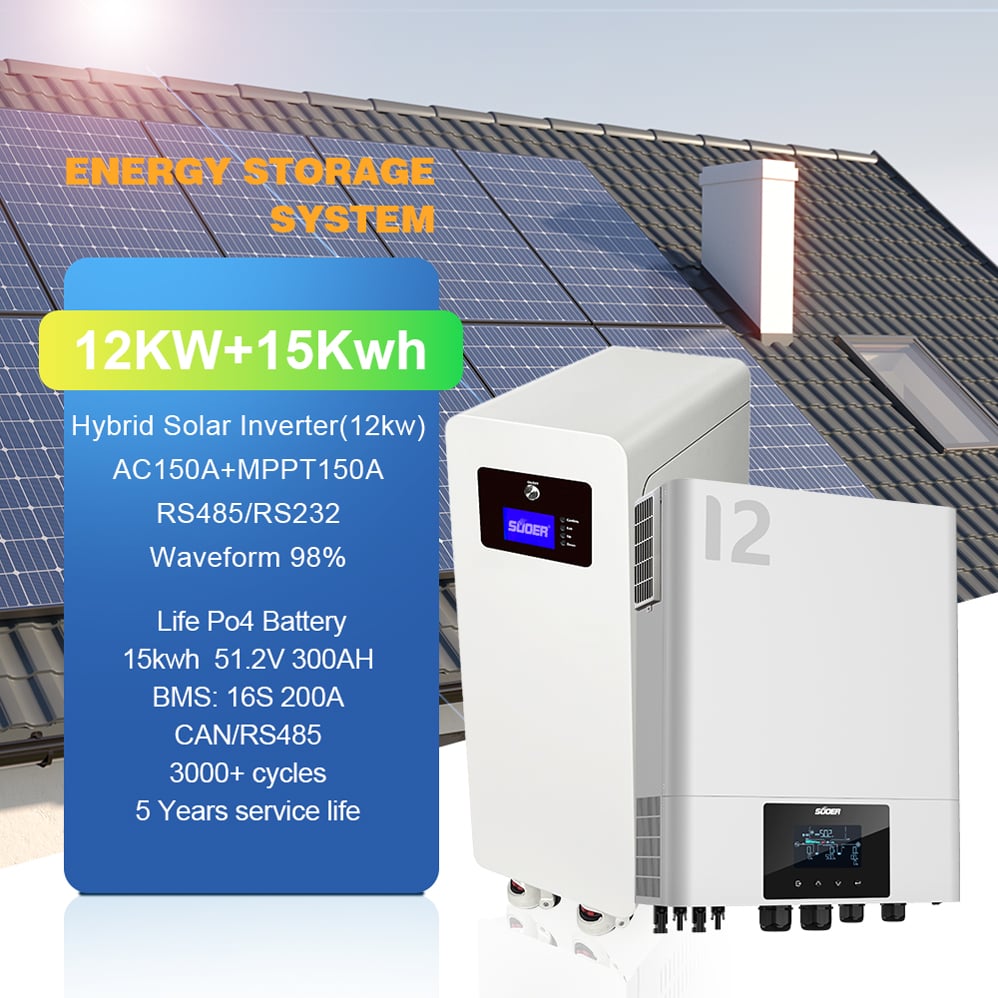
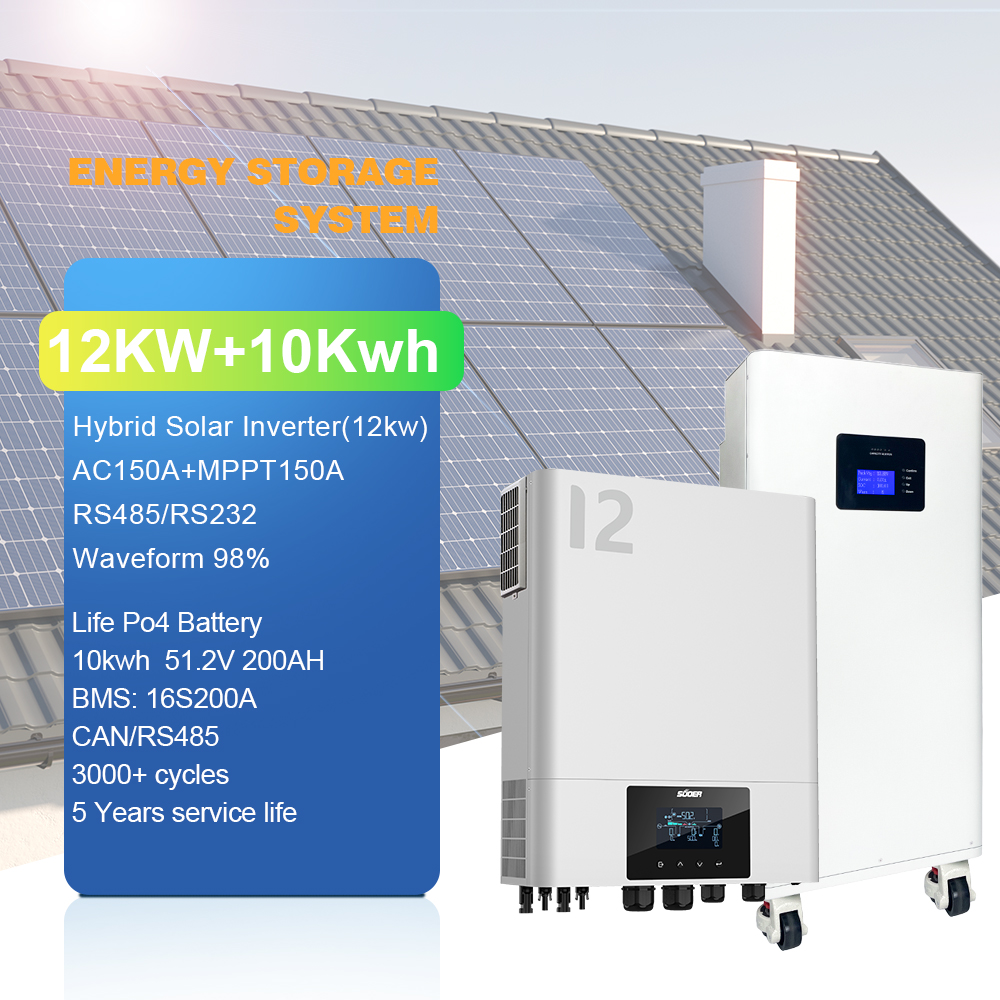
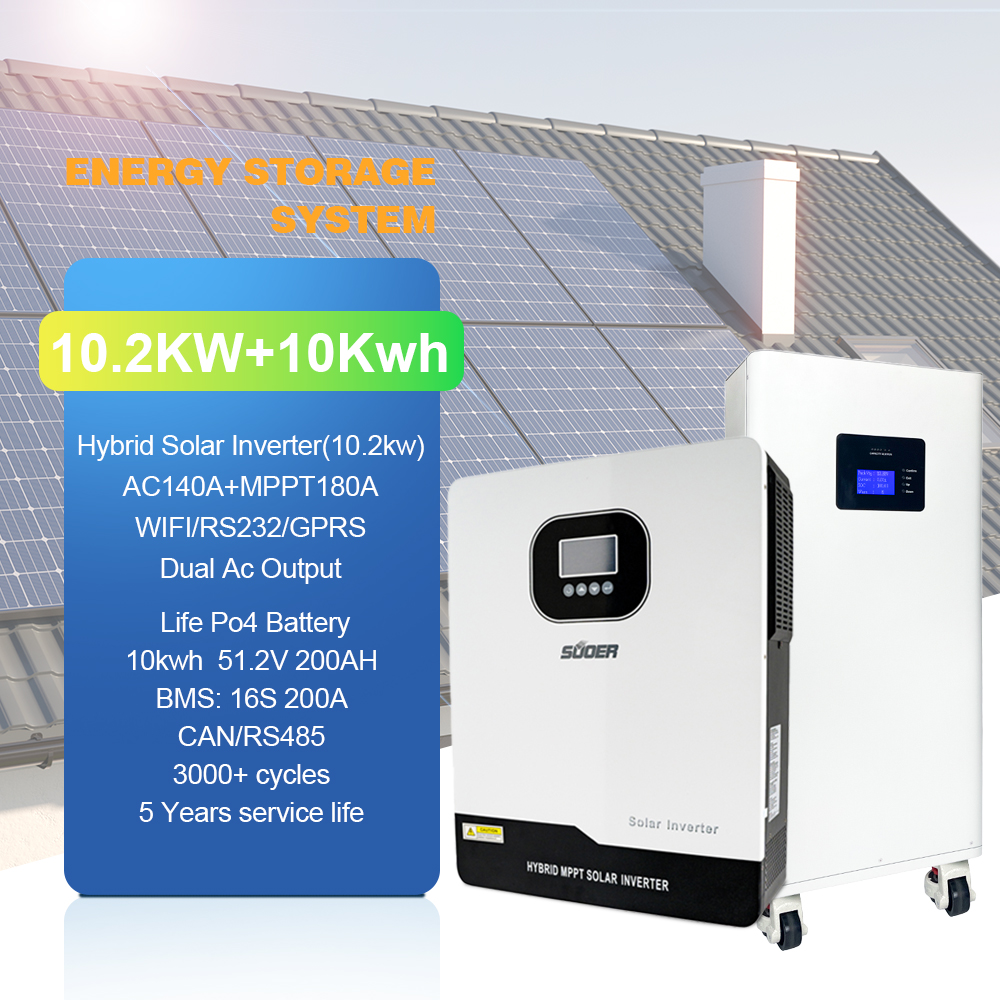
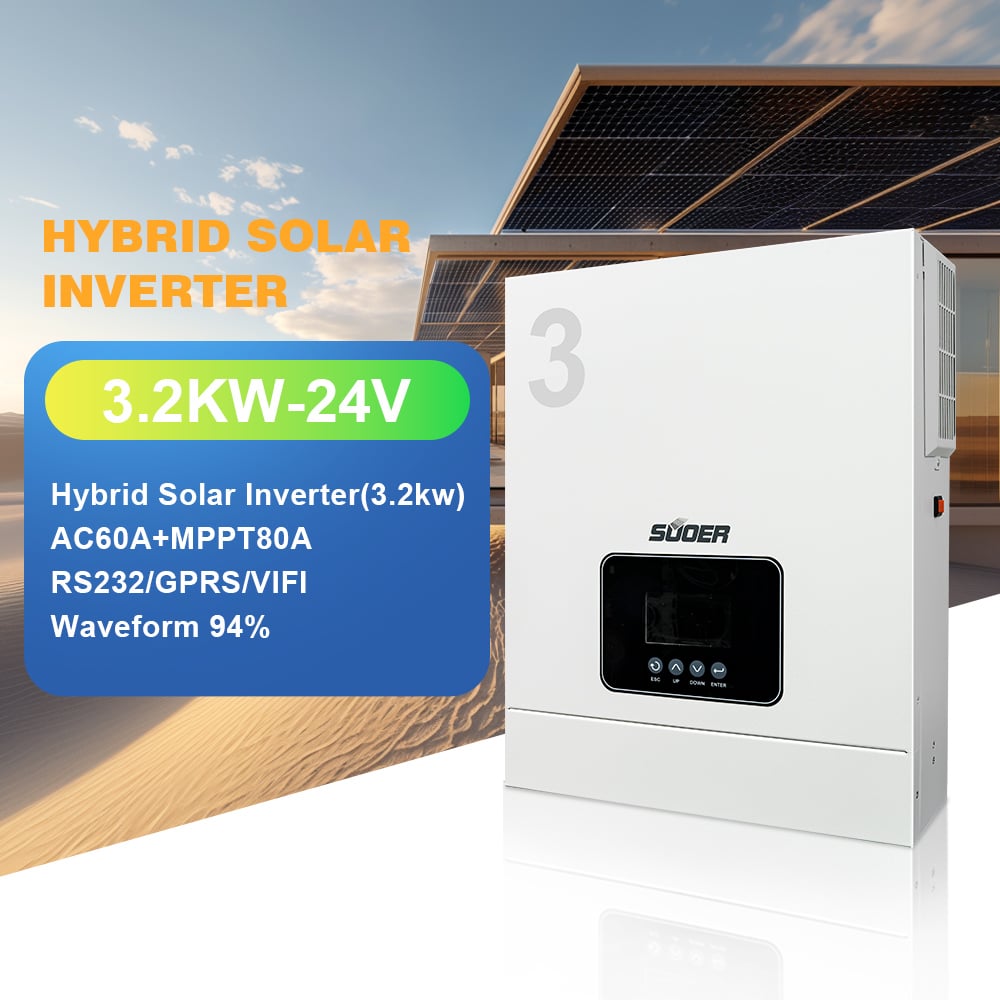
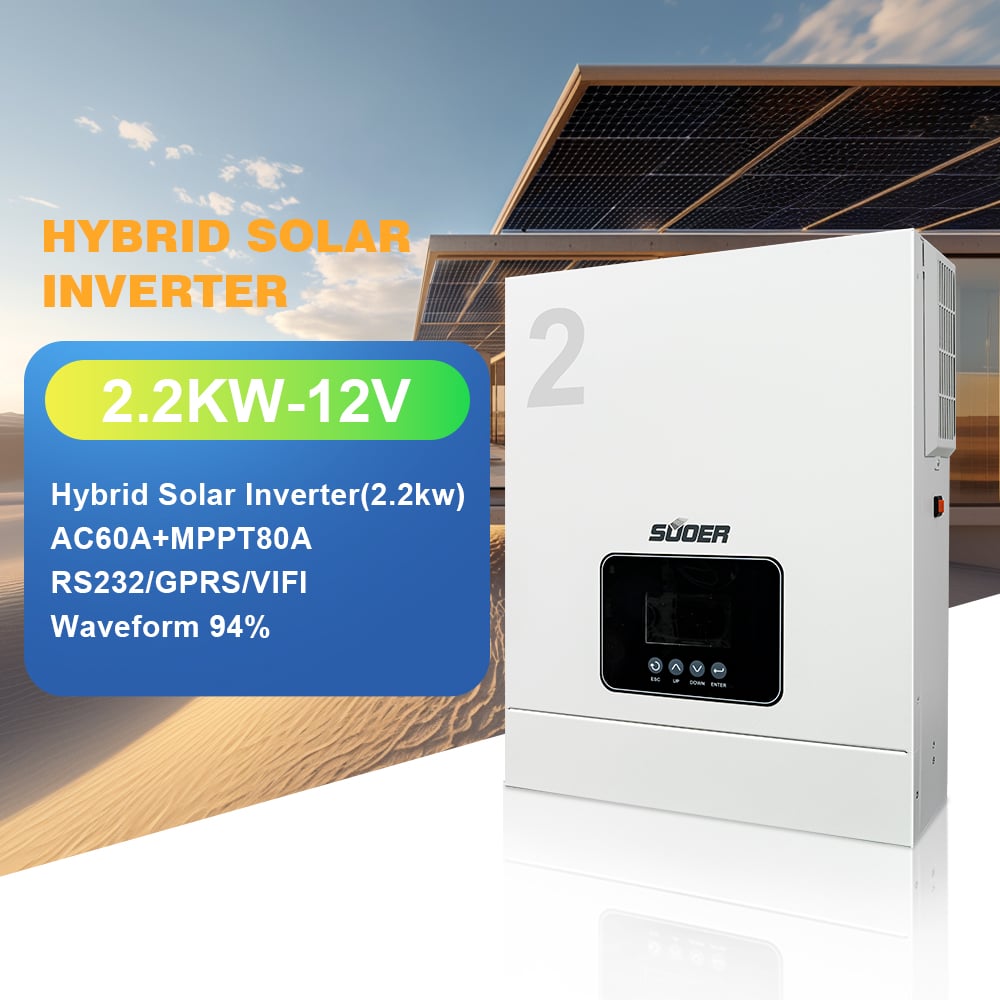
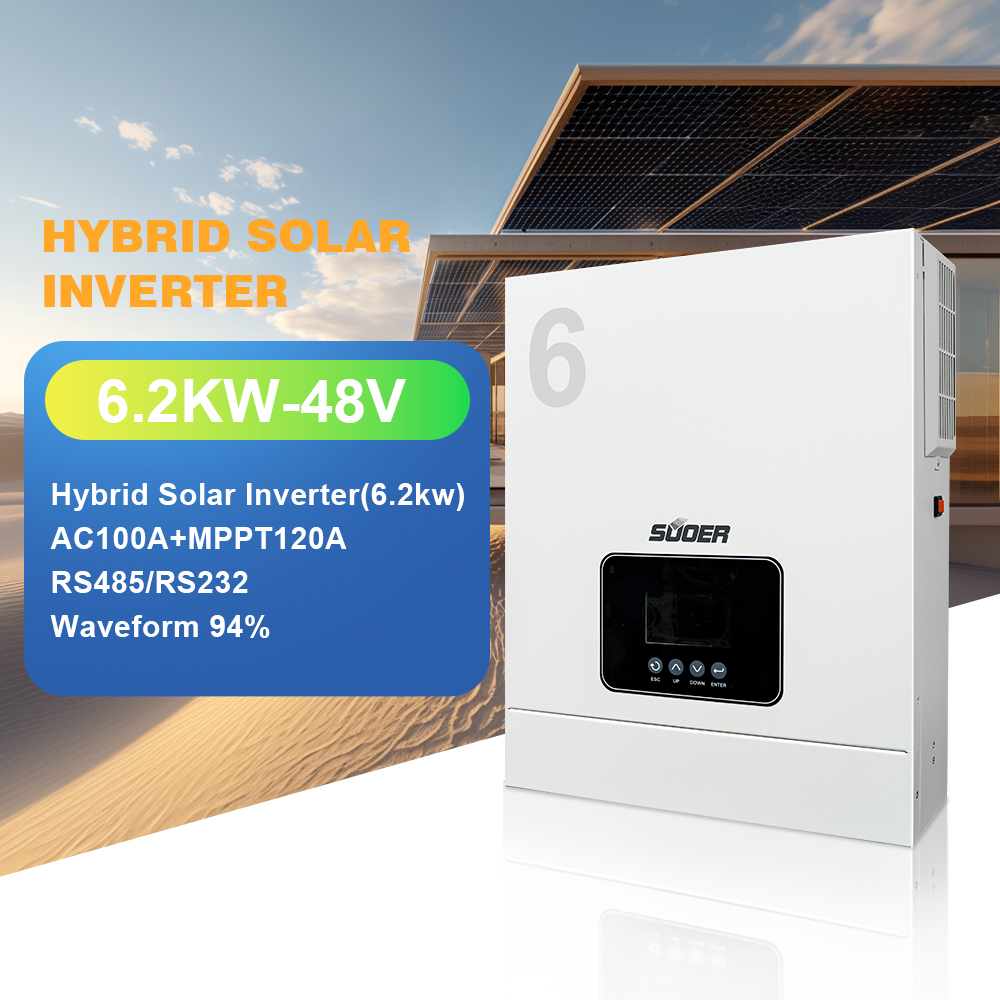
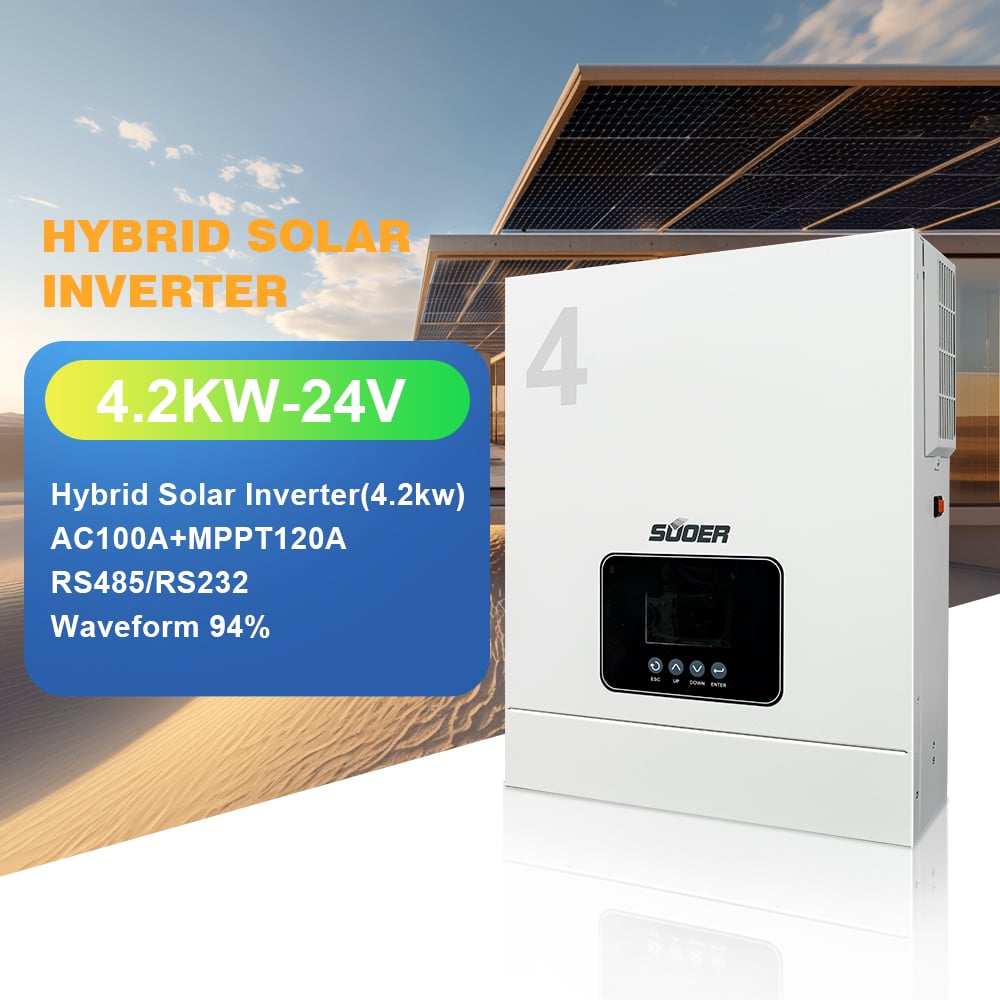
Renewable Energy Systems: As the shift toward renewable energy sources grows, lithium battery chargers are increasingly used in photovoltaic systems to manage energy storage effectively. They help optimize the charging and discharging cycles, enhancing the efficiency of solar energy systems.
Understanding the specific applications of lithium battery chargers in different industries allows buyers to select products that best meet their operational requirements and regulatory standards.
In summary, selecting the right lithium battery charger involves careful consideration of compatibility, supplier reliability, cost factors, installation protocols, and industry applications. By addressing these critical aspects, businesses can make informed purchasing decisions that support their operational goals and enhance efficiency in energy management.

Discover Suoer’s premium range of solar inverters and power inverters designed for reliable renewable energy solutions.Trusted by customers worldwide for exceptional performance and durability.
Suoer Industrial Zone, Ercun Road Section, Yanfeng Avenue, Shishan Town,Foshan city,Guangdong Province,China
Copyright © 2024 Foshan Suoer Electronic Industry Co., Ltd. Privacy Policy - Blog

 EN
 AR
 NL
 FR
 DE
 EL
 IT
 JA
 KO
 PT
 RU
 ES
 VI
 TH
 TR
 BG
 HR
 CS
 NO
 PL
 TL
 ID
 SR
 UK
 SQ
 HU
 MT
 AF
 MS
 IS
 HY
 AZ
 BN
 BS
 GU
 LO
 LA
 MN
 NE
 TA