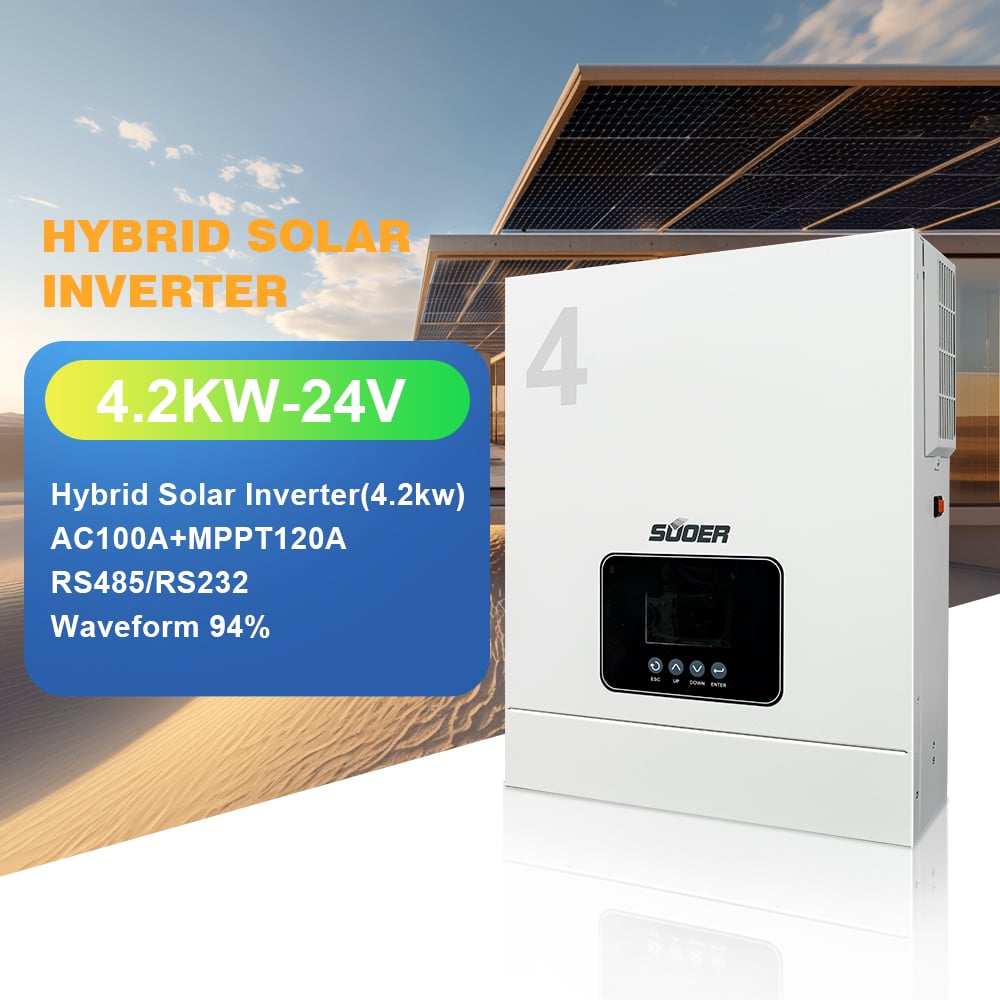
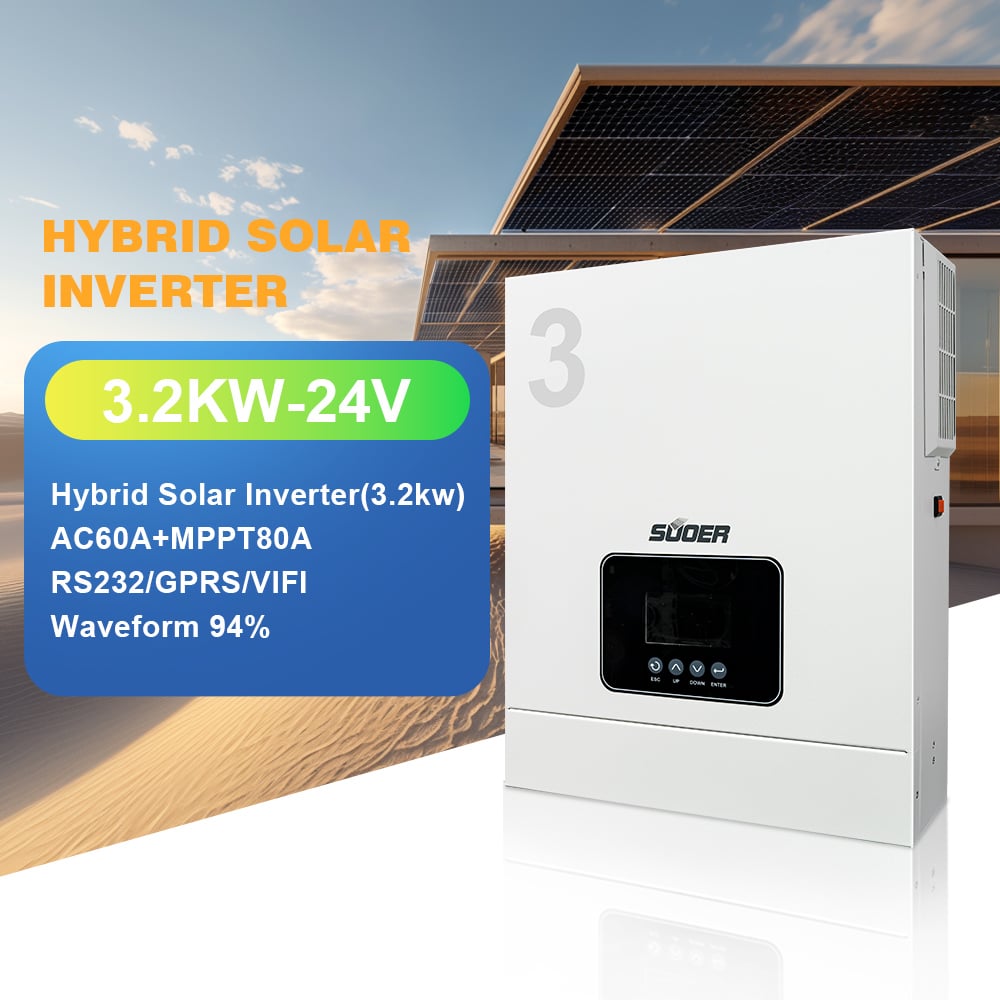
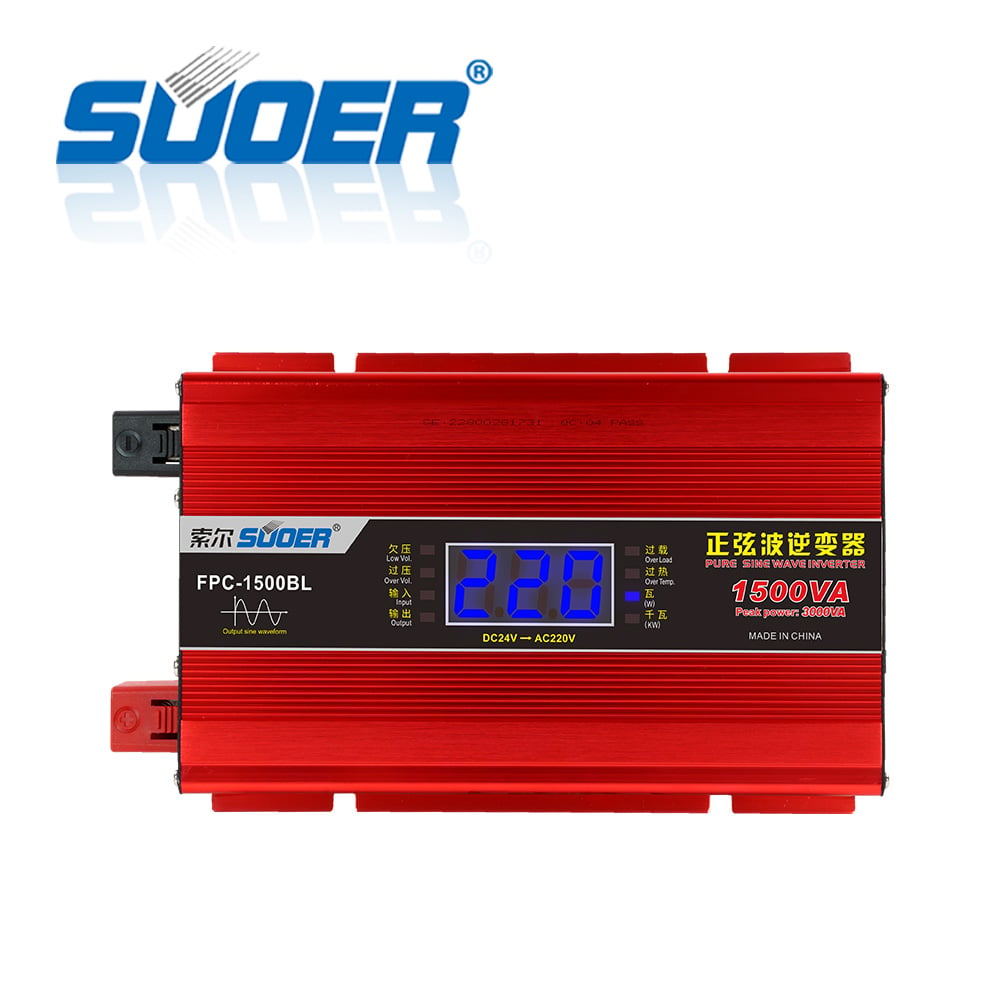
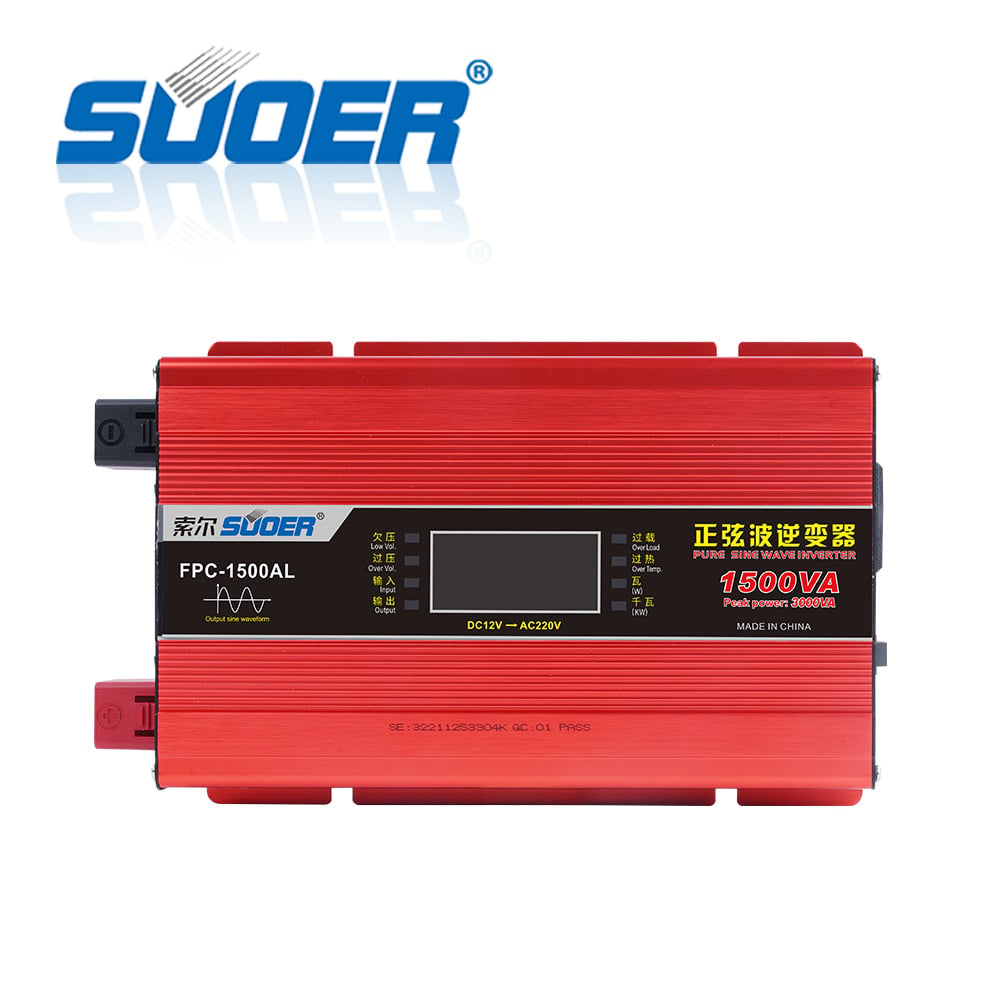
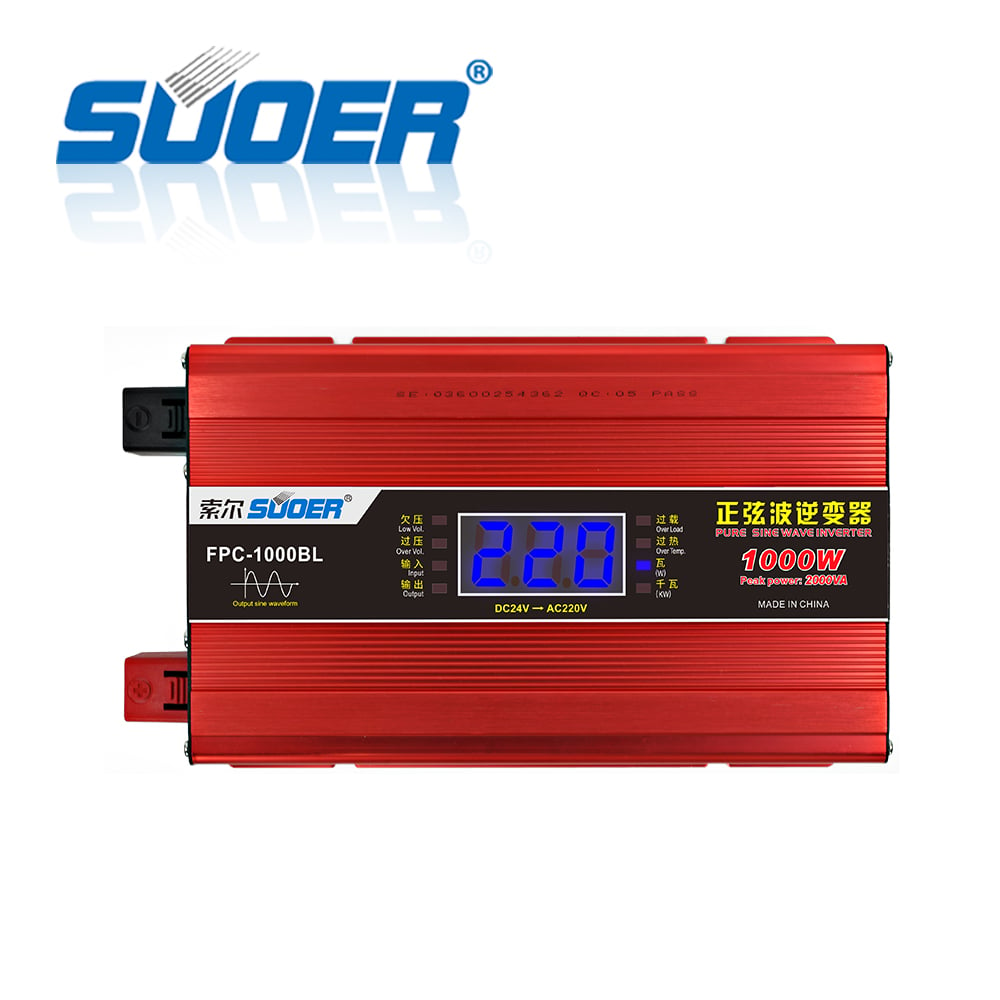
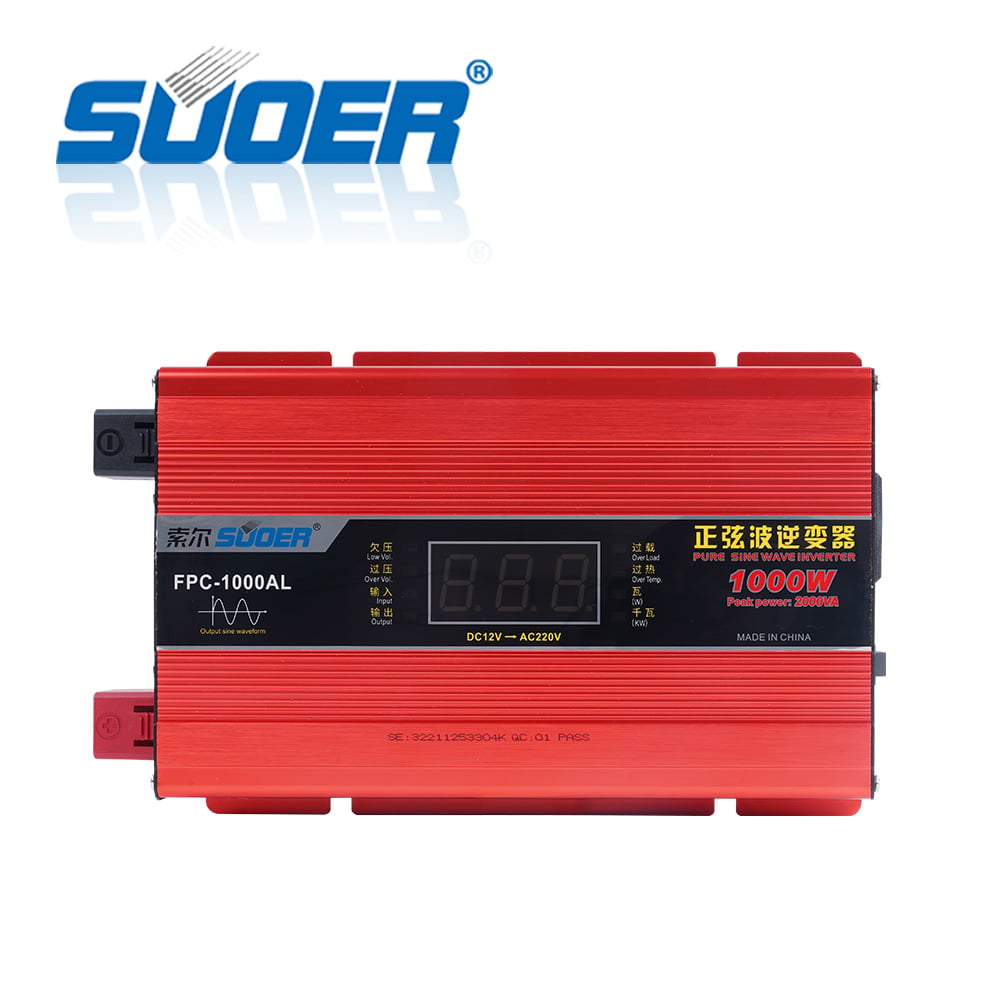
A 24V inverter pure sine wave is an essential device that converts DC power into high-quality AC power, suitable for sensitive electronic applications. This type of inverter is particularly valued in various industries, including electric vehicles, telecommunications, and renewable energy systems. Buyers often have concerns regarding quality, compatibility, efficiency, and the specific applications of these inverters. This article will guide you through critical considerations when sourcing a 24V pure sine wave inverter, helping you make informed purchasing decisions.
When sourcing a 24V pure sine wave inverter, several key factors should be taken into account. First, evaluate the inverter's efficiency ratings, typically expressed as a percentage. A higher efficiency means less energy loss during conversion, which is crucial for applications where power consumption is a concern.
Next, consider the output waveform quality. Pure sine wave inverters provide a smooth waveform, making them ideal for sensitive electronics that require stable power to function correctly. It’s important to verify that the inverter meets the harmonic distortion specifications, as excessive distortion can lead to equipment malfunctions.
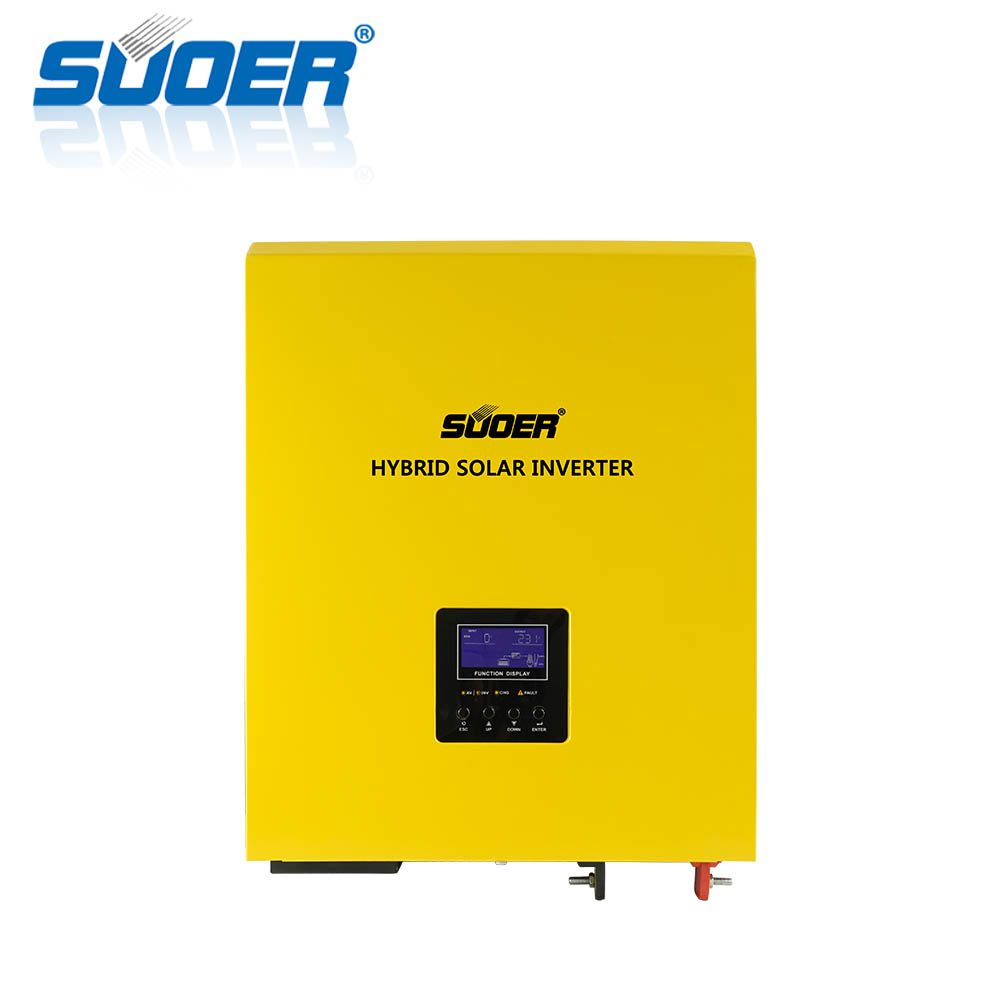
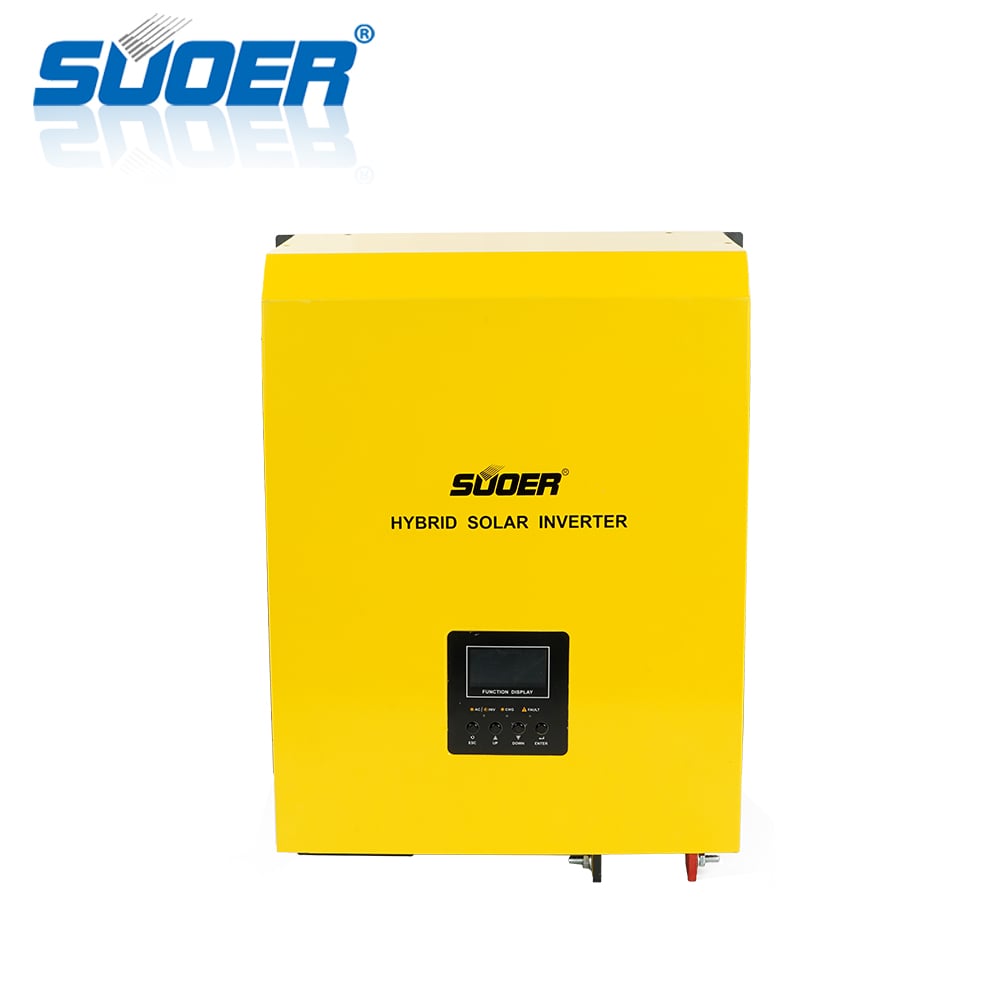
Another critical aspect is the inverter's surge capacity. This refers to the maximum power the inverter can handle during short bursts, such as when starting motors or other inductive loads. Ensure that the inverter’s surge capacity is adequate for your application to prevent damage or performance issues. For more advanced options, consider looking into hybrid solar inverters that can integrate various power sources.
Lastly, manufacturers should have relevant certifications, such as ROHS, CE, and ISO9001, as these indicate adherence to quality and safety standards.
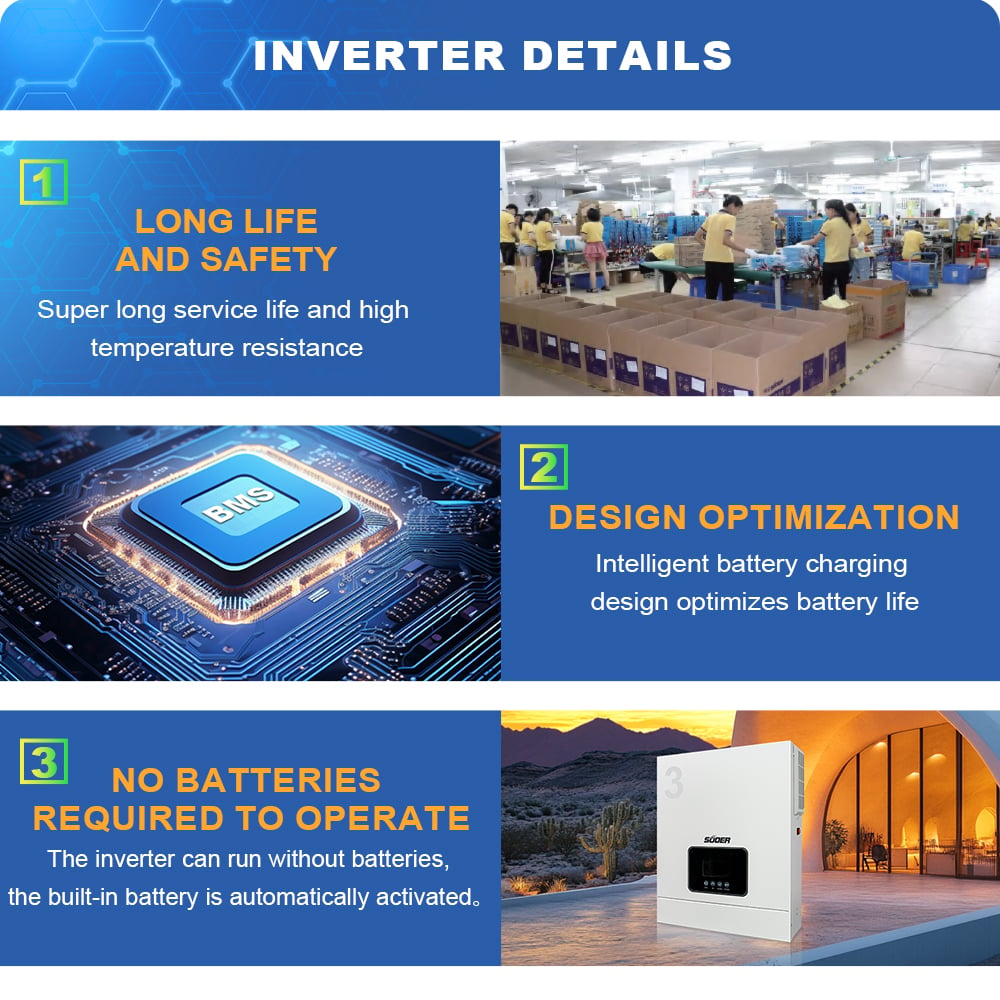
Finding reliable suppliers for 24V inverter solutions can significantly influence your procurement process. Start by considering manufacturers that specialize in power supplies for industrial applications, as they usually have the expertise and experience necessary to produce high-quality inverters. Investigate their production capabilities and technology, as well as their track record with major vehicle OEMs and in sectors like telecommunications and rail transit.
Online B2B marketplaces and industry trade shows can also be effective channels for identifying potential suppliers. Engage with suppliers through these platforms to assess their responsiveness and willingness to provide technical specifications, custom solutions, and after-sales support.
Additionally, researching customer reviews and case studies can provide insights into the reliability of a supplier's products. Look for testimonials from companies that have successfully implemented their inverters in similar applications.
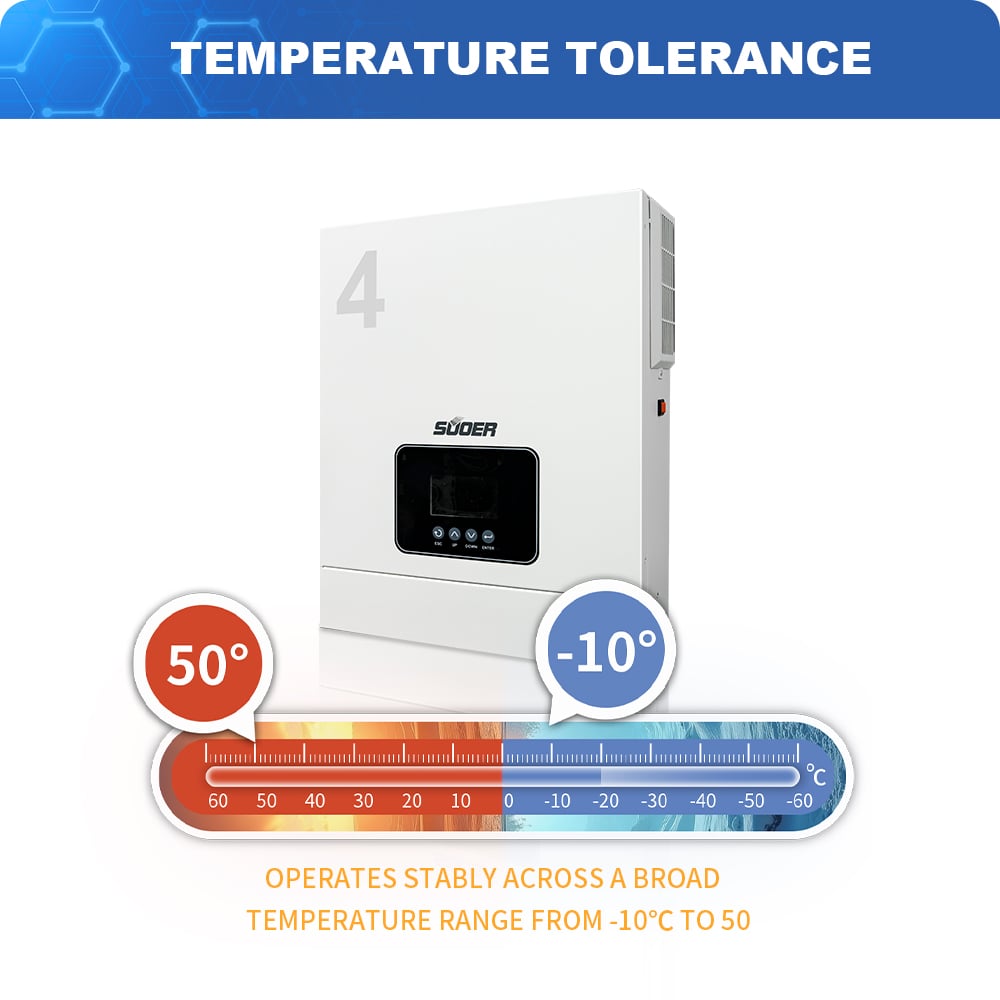
Pricing for bulk orders of 24V inverters can vary widely based on several factors. First, consider the specifications of the inverter, such as power capacity, efficiency ratings, and any additional features like remote monitoring capabilities. Customization requests can also affect pricing; more complex modifications typically lead to higher costs.
Production volumes play a significant role in determining unit price. Suppliers often offer tiered pricing, where the cost per unit decreases with larger order quantities. Understanding the supplier's minimum order quantity (MOQ) is essential to assess initial costs effectively.
Shipping and logistics should not be overlooked. Evaluate shipping costs, lead times, and potential duties or tariffs, especially if sourcing from international suppliers. Confirming these factors upfront can help prevent unexpected expenses later in the procurement process.
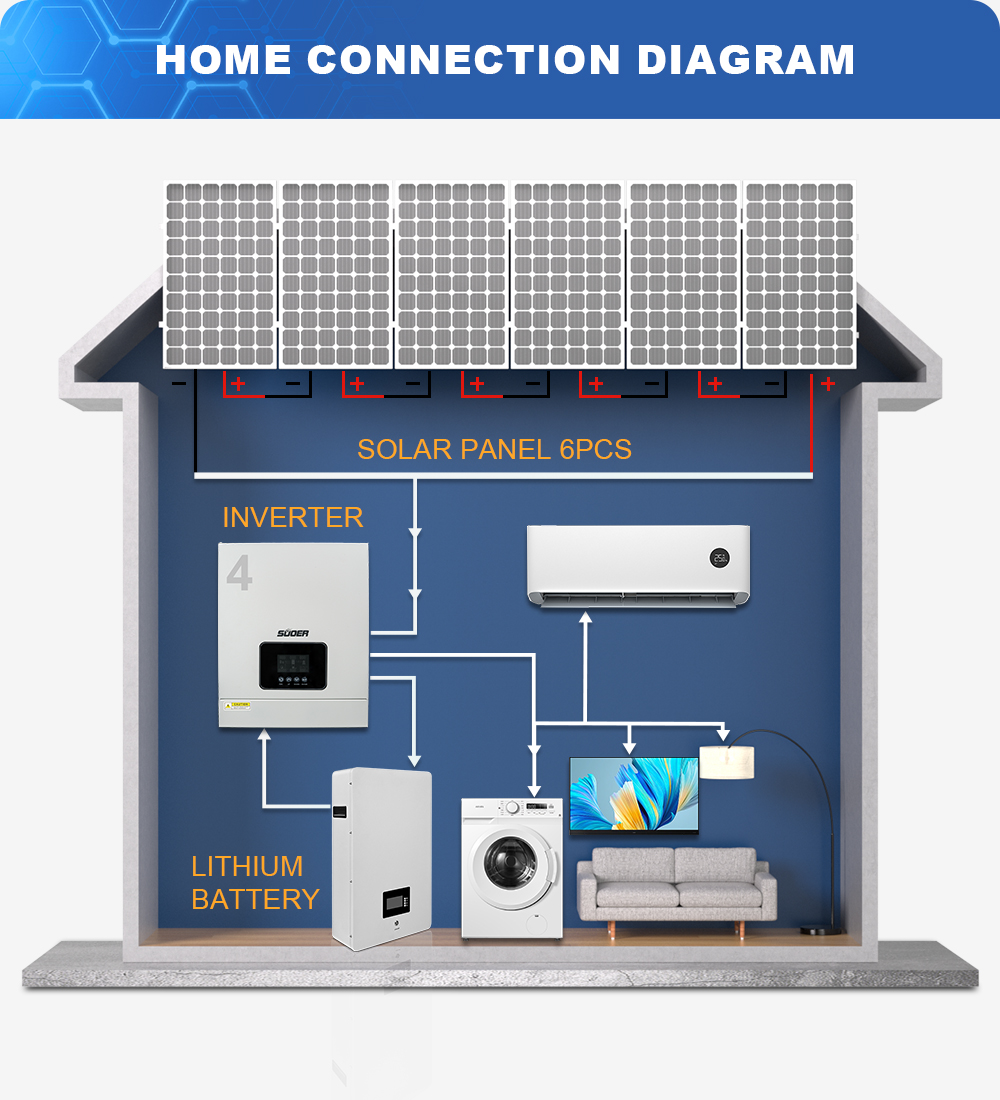
Installing a 24V pure sine wave inverter can present several challenges that buyers should be aware of. Proper mounting and ventilation are critical to ensure optimal performance and longevity. Inverters generate heat during operation, so they should be installed in a well-ventilated area to prevent overheating.
Wiring is another common challenge; it’s crucial to use the correct gauge and type of wiring to handle the inverter's output current. Inadequate wiring can lead to voltage drops or overheating, impacting the inverter's performance.
Compatibility with existing systems is also a consideration. Ensure that the inverter can interface properly with other equipment, such as batteries and load devices. Conducting thorough testing during installation can help identify any compatibility issues before the system goes live.
Lastly, having access to technical support from the manufacturer can be invaluable. A knowledgeable supplier can provide guidance on installation best practices and troubleshooting common issues.
24V pure sine wave inverters find applications across numerous industries due to their versatility and reliability. In the electric vehicle sector, these inverters are integral to the power supply system, ensuring smooth operation of sensitive electronics and onboard systems. Their efficiency helps extend battery life, an essential factor in vehicle performance.
In telecommunications, these inverters facilitate uninterrupted power supply for critical infrastructure, such as cell towers and communication networks. The pure sine wave output ensures that sensitive communication equipment operates without interference.
The renewable energy sector also utilizes 24V pure sine wave inverters in photovoltaic systems, converting solar energy into usable AC power. This application is particularly relevant for grid-tied and off-grid systems, where high-quality power is essential for both residential and commercial use.
Furthermore, these inverters are employed in rail transit systems, where reliability and performance are paramount. Their ability to handle fluctuating loads while maintaining power quality makes them suitable for modern rail applications.
By understanding the various applications and requirements of 24V pure sine wave inverters, buyers can better assess their needs and make informed purchasing decisions that align with industry standards and specific use cases.

Discover Suoer’s premium range of solar inverters and power inverters designed for reliable renewable energy solutions.Trusted by customers worldwide for exceptional performance and durability.
Suoer Industrial Zone, Ercun Road Section, Yanfeng Avenue, Shishan Town,Foshan city,Guangdong Province,China
Copyright © 2024 Foshan Suoer Electronic Industry Co., Ltd. Privacy Policy - Blog

 EN
 AR
 NL
 FR
 DE
 EL
 IT
 JA
 KO
 PT
 RU
 ES
 VI
 TH
 TR
 BG
 HR
 CS
 NO
 PL
 TL
 ID
 SR
 UK
 SQ
 HU
 MT
 AF
 MS
 IS
 HY
 AZ
 BN
 BS
 GU
 LO
 LA
 MN
 NE
 TA