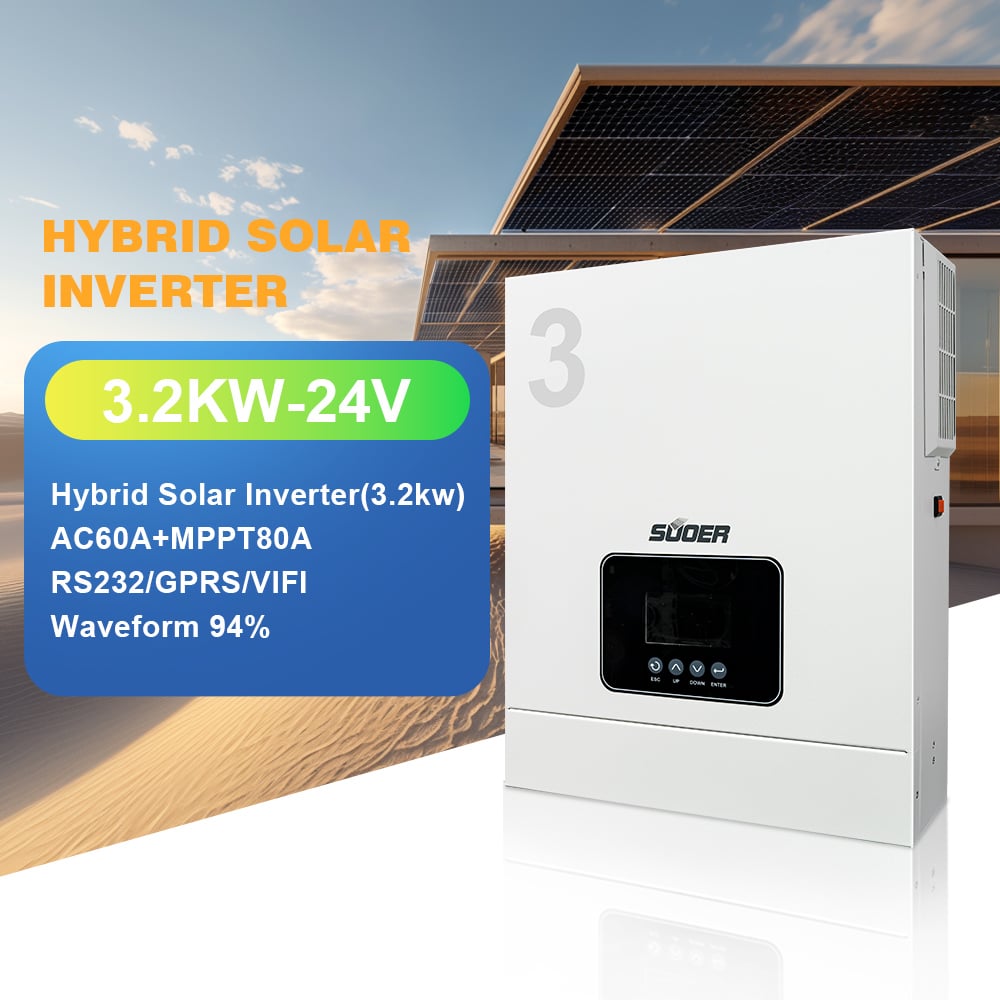
A 24 volt solar inverter is a crucial component in photovoltaic systems, converting DC power generated by solar panels into usable AC power for various applications. For B2B buyers, understanding the specifications, installation challenges, and applications of these inverters is essential for making informed purchasing decisions. This article will address common concerns regarding sourcing, installation, and troubleshooting, providing practical insights that can aid in the selection and integration of 24 volt solar inverters into business operations.
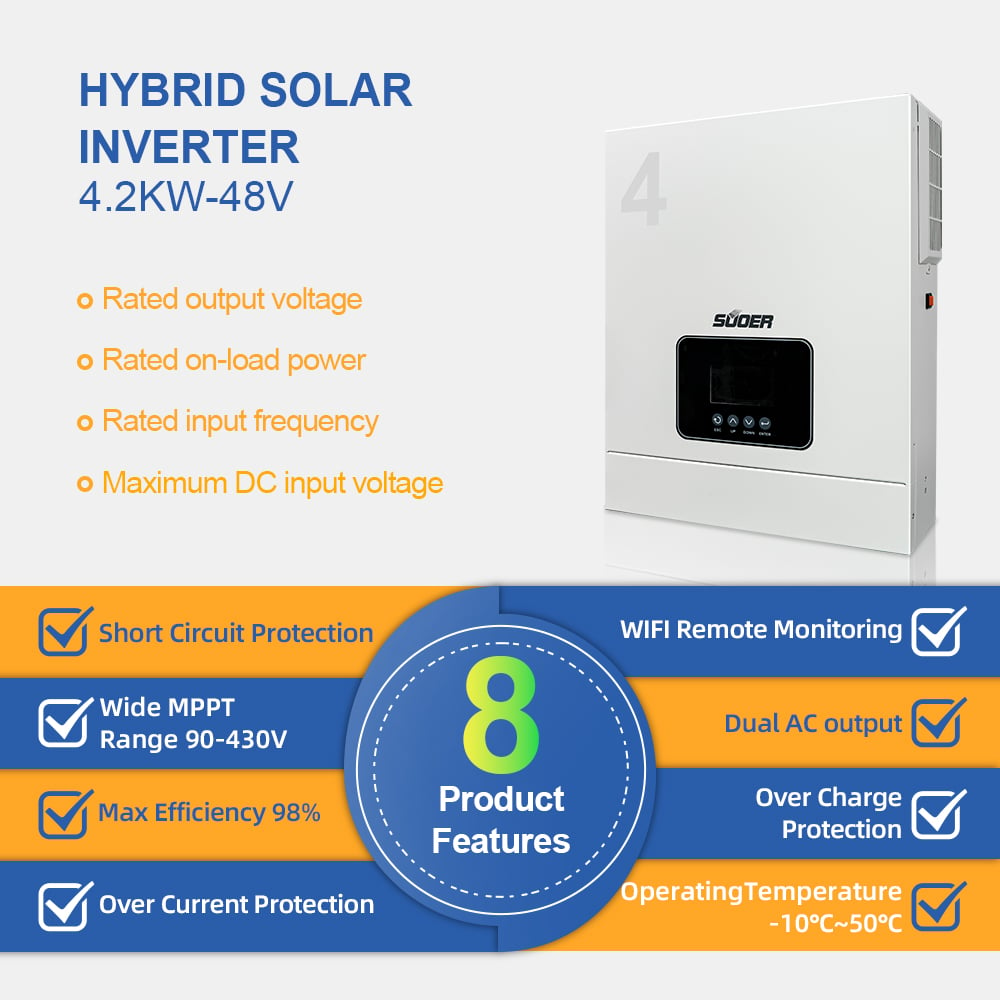
When evaluating a 24 volt solar inverter, key specifications to consider include power output, efficiency, input and output voltage ranges, and waveform type. The power output, measured in watts, determines how much energy the inverter can handle; this is crucial for ensuring it meets the demands of the connected loads. Efficiency ratings, typically expressed as a percentage, indicate how effectively the inverter converts DC to AC power, directly impacting overall system performance and energy costs.
Buyers should also pay attention to the input and output voltage ranges. A 24 volt inverter is designed to work within specific voltage thresholds, which must align with the solar panel's output and the connected appliances. The waveform type, whether pure sine wave, modified sine wave, or square wave, affects the compatibility with various devices; pure sine wave inverters are generally preferred for sensitive electronics due to their smooth output. For instance, the New 10.2kw Hybrid Solar Off-Grid Inverter System 10kwh 200ah Lithium Iron Lifepo4 Battery Split Stackable CAN Communication Port is an excellent option to consider.
Furthermore, certifications such as ROHS, CE, and ISO9001 ensure that the inverter meets industry safety and quality standards. Buyers should verify these certifications to ensure compliance with regulations and reliability in performance.
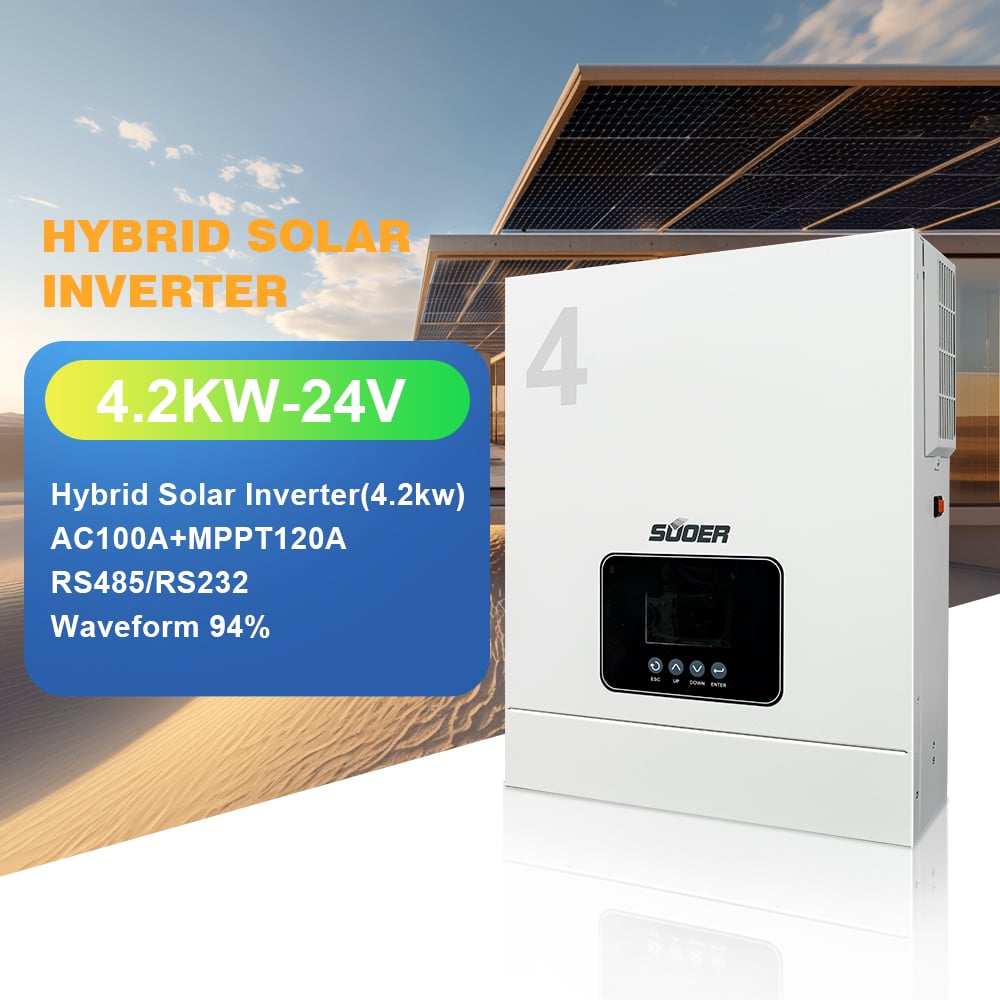
Installing a 24 volt solar inverter can present several challenges. One of the primary issues is ensuring compatibility with existing electrical systems. Buyers must assess the inverter’s specifications against their current equipment to avoid potential operational failures. Additionally, the physical installation site should be evaluated for adequate ventilation, as inverters can generate heat during operation. Insufficient airflow may lead to overheating and reduced efficiency.
Another challenge is managing the wiring and connections. Proper gauge wiring is crucial to prevent voltage drop and ensure safe operation. Buyers should consult the inverter's installation manual for specific recommendations regarding wire sizes and connection configurations. It is also important to consider the inverter's location to allow for easy access for maintenance and troubleshooting. Additionally, buyers may explore options like the VMS-12kw energy system sales 12kw smart hybrid solar Inverter with MPPT solar charger to enhance their systems.
Buyers may also encounter issues related to battery integration. Ensuring the inverter is compatible with the battery type and configuration is essential for optimal performance. In some cases, additional components like charge controllers may be necessary to manage the charging process effectively.
Finding a reliable supplier for 24 volt solar inverters involves evaluating various criteria. First, buyers should seek manufacturers with a proven track record in the renewable energy sector. Look for suppliers who demonstrate expertise in producing high-quality inverters tailored for specific applications, such as electric vehicles or industrial use.
Engaging with suppliers that hold relevant certifications can also enhance trust. Certifications like ISO9001 indicate a commitment to quality management systems, while ROHS and CE certifications ensure compliance with environmental and safety standards. Buyers can often find reputable manufacturers at industry trade shows or through professional networks, which can facilitate direct communication and negotiation.
Additionally, consider suppliers that offer customization options. This flexibility can be valuable for businesses with unique requirements or specific applications. A supplier capable of adapting their products to meet precise technical specifications can provide a significant advantage in optimizing system performance.
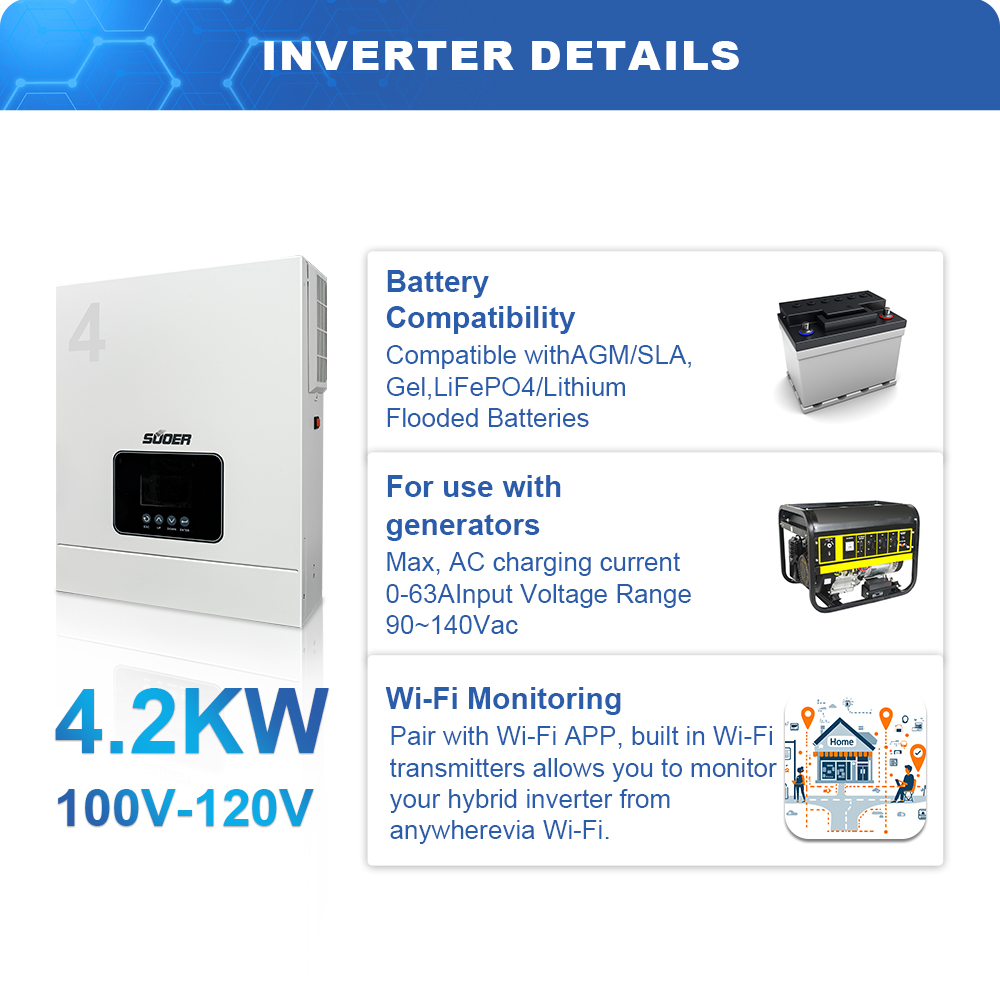
24 volt solar inverters serve a wide range of applications across multiple industries. In the electric vehicle sector, they play a vital role in charging systems, converting solar energy into power for EV batteries. This integration supports sustainability goals and helps reduce dependency on conventional energy sources.
In telecommunications, these inverters are used to power remote communication equipment where grid access is limited. Their ability to convert solar power into reliable AC electricity supports uninterrupted service in critical installations. Similarly, in the rail transit sector, 24 volt solar inverters can provide essential power for signaling systems and other onboard applications, enhancing operational efficiency.
In commercial settings, these inverters are often utilized in off-grid solar systems to power buildings and equipment. Businesses seeking to reduce energy costs can benefit significantly from the energy savings achieved through solar installations. Additionally, they are used in agricultural applications, enabling farmers to power irrigation systems and other equipment in remote locations without relying on fossil fuels.
Common issues with 24 volt solar inverters can range from performance inefficiencies to operational failures. One frequent problem is inverter overload, which occurs when the connected load exceeds the inverter's rated capacity. To avoid this, buyers should ensure that the total wattage of the devices powered by the inverter does not exceed its specifications. Implementing a monitoring system can help track energy consumption and prevent overload situations.
Another issue is battery failure, which can lead to inverter malfunction. Regular maintenance and testing of batteries, including checking for corrosion and ensuring proper connections, are essential to prolonging their lifespan. It's also advisable for buyers to choose batteries that match the inverter’s specifications and capabilities to ensure compatibility.
If the inverter fails to start or operates intermittently, checking the input voltage and connections is crucial. Poor connections can lead to voltage drops, affecting performance. Additionally, ensuring that the inverter is installed in a suitable environment, free from excessive moisture and heat, can help mitigate operational challenges.
For buyers facing persistent issues, consulting the manufacturer's technical support can provide valuable insights and troubleshooting assistance. Having a clear understanding of the inverter’s operational parameters can also aid in quickly identifying and resolving problems.
By addressing these specifications, installation challenges, sourcing options, applications, and common problems, B2B buyers can make informed decisions regarding 24 volt solar inverters, ensuring they meet their operational needs effectively.

Discover Suoer’s premium range of solar inverters and power inverters designed for reliable renewable energy solutions.Trusted by customers worldwide for exceptional performance and durability.
Suoer Industrial Zone, Ercun Road Section, Yanfeng Avenue, Shishan Town,Foshan city,Guangdong Province,China
Copyright © 2024 Foshan Suoer Electronic Industry Co., Ltd. Privacy Policy - Blog

 EN
 AR
 NL
 FR
 DE
 EL
 IT
 JA
 KO
 PT
 RU
 ES
 VI
 TH
 TR
 BG
 HR
 CS
 NO
 PL
 TL
 ID
 SR
 UK
 SQ
 HU
 MT
 AF
 MS
 IS
 HY
 AZ
 BN
 BS
 GU
 LO
 LA
 MN
 NE
 TA