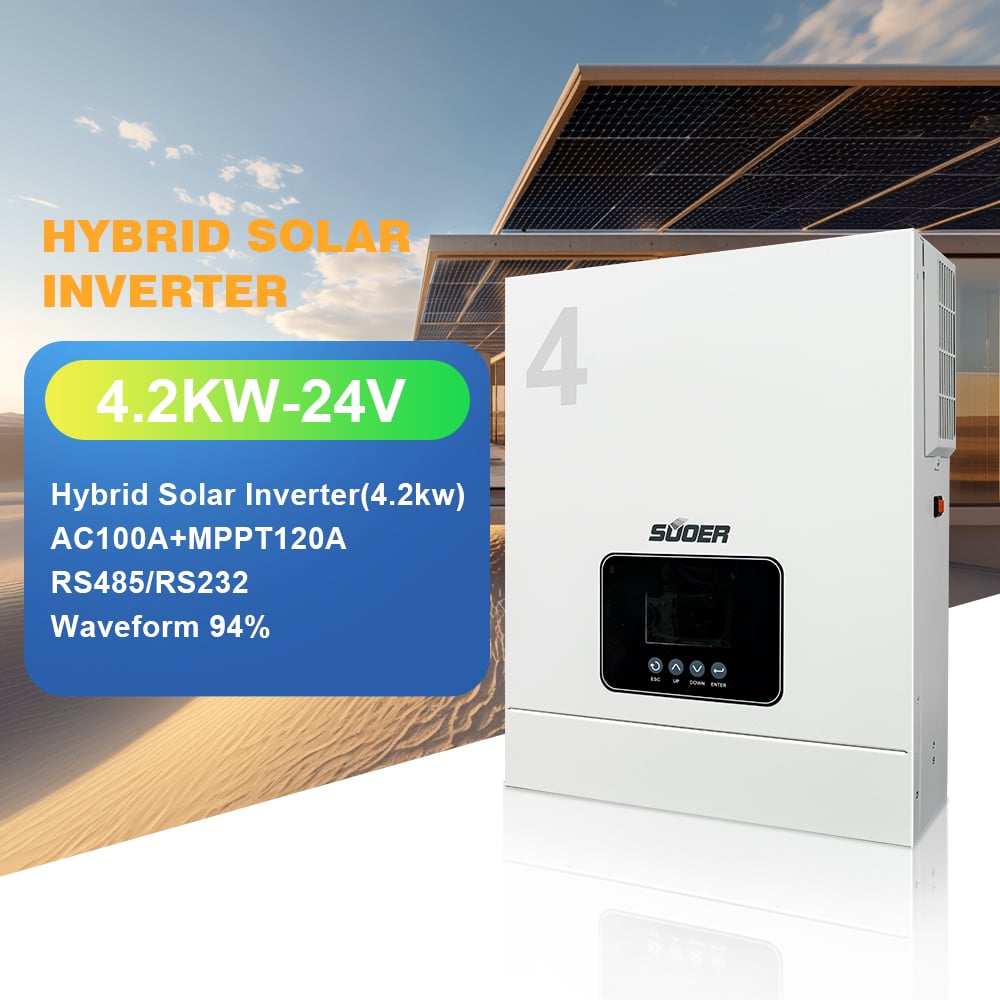
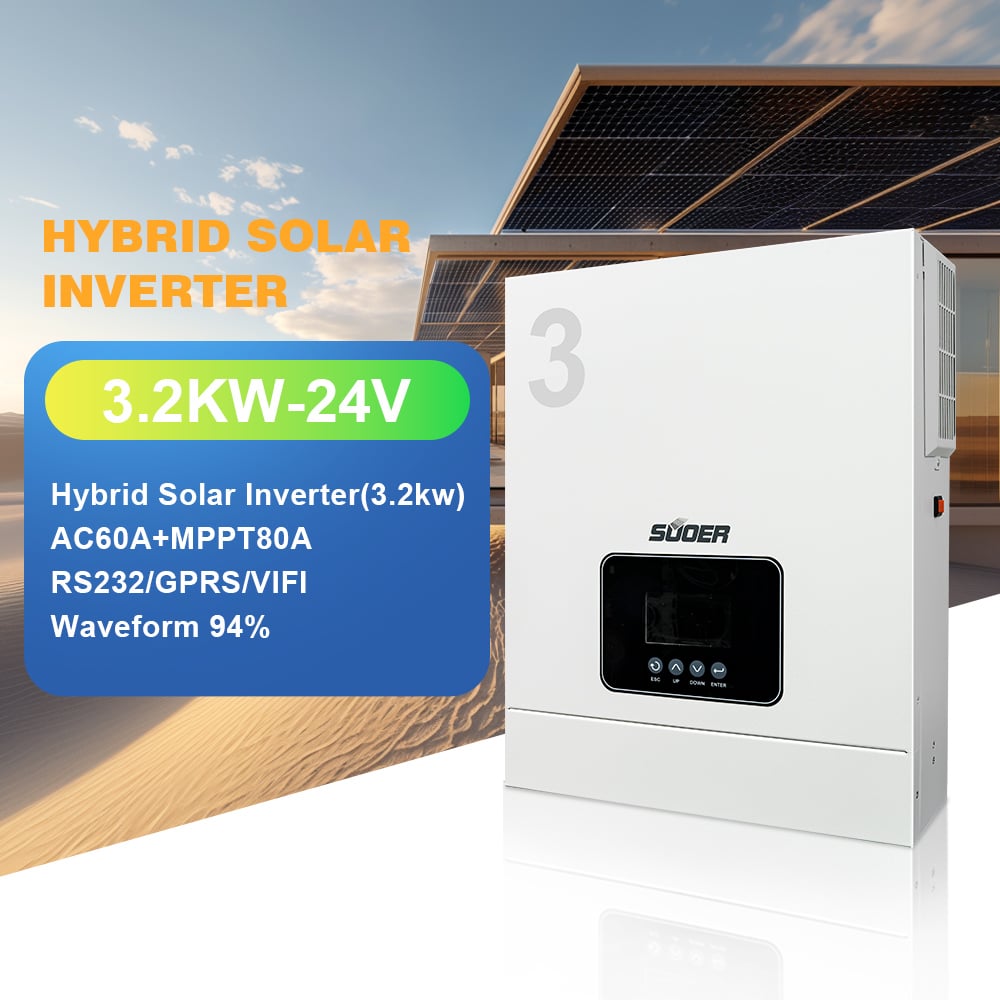
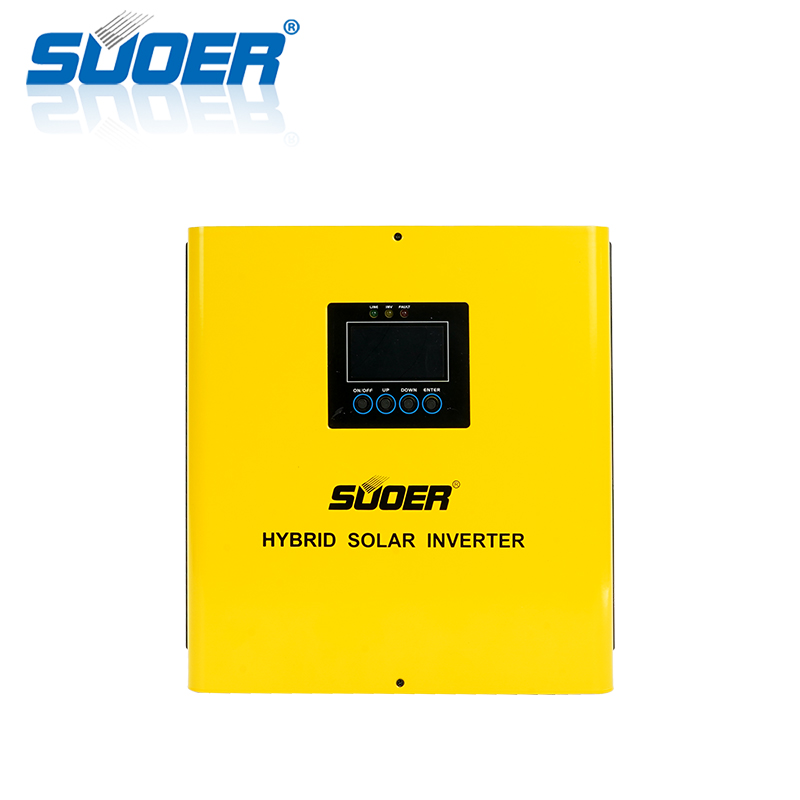
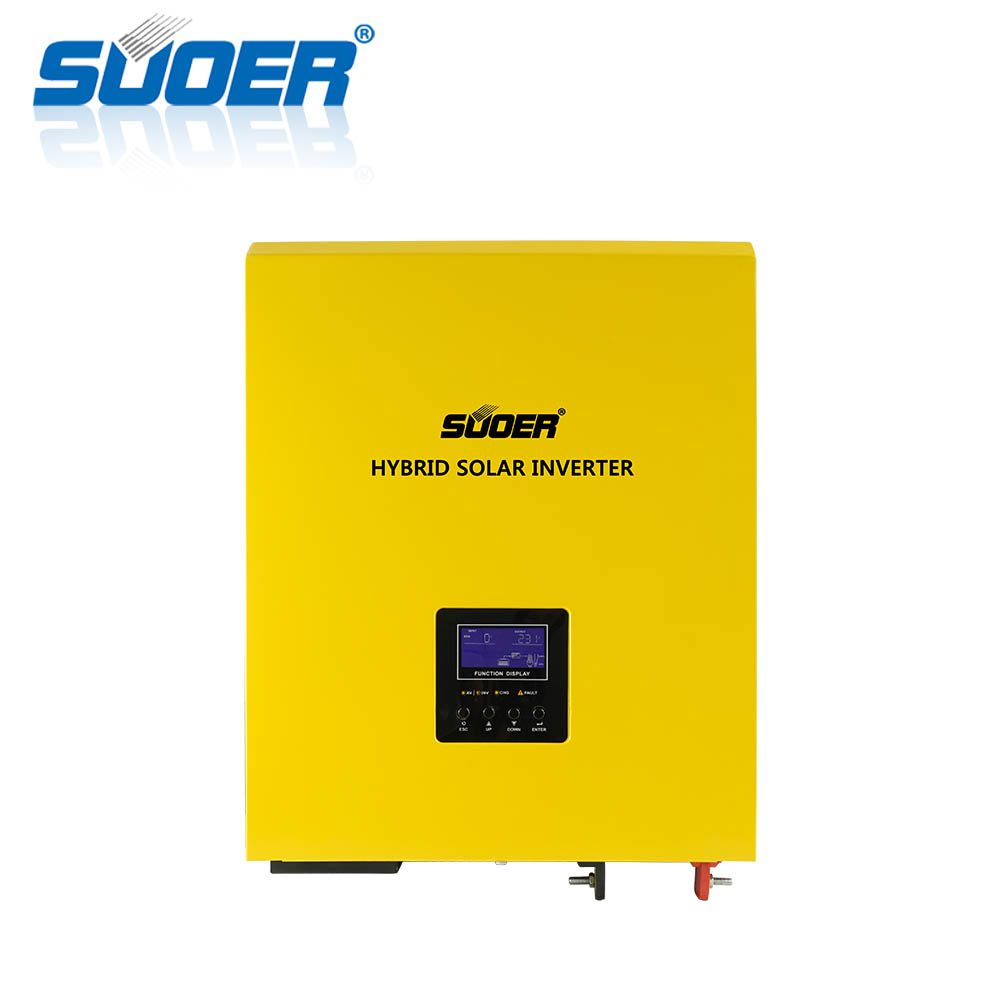
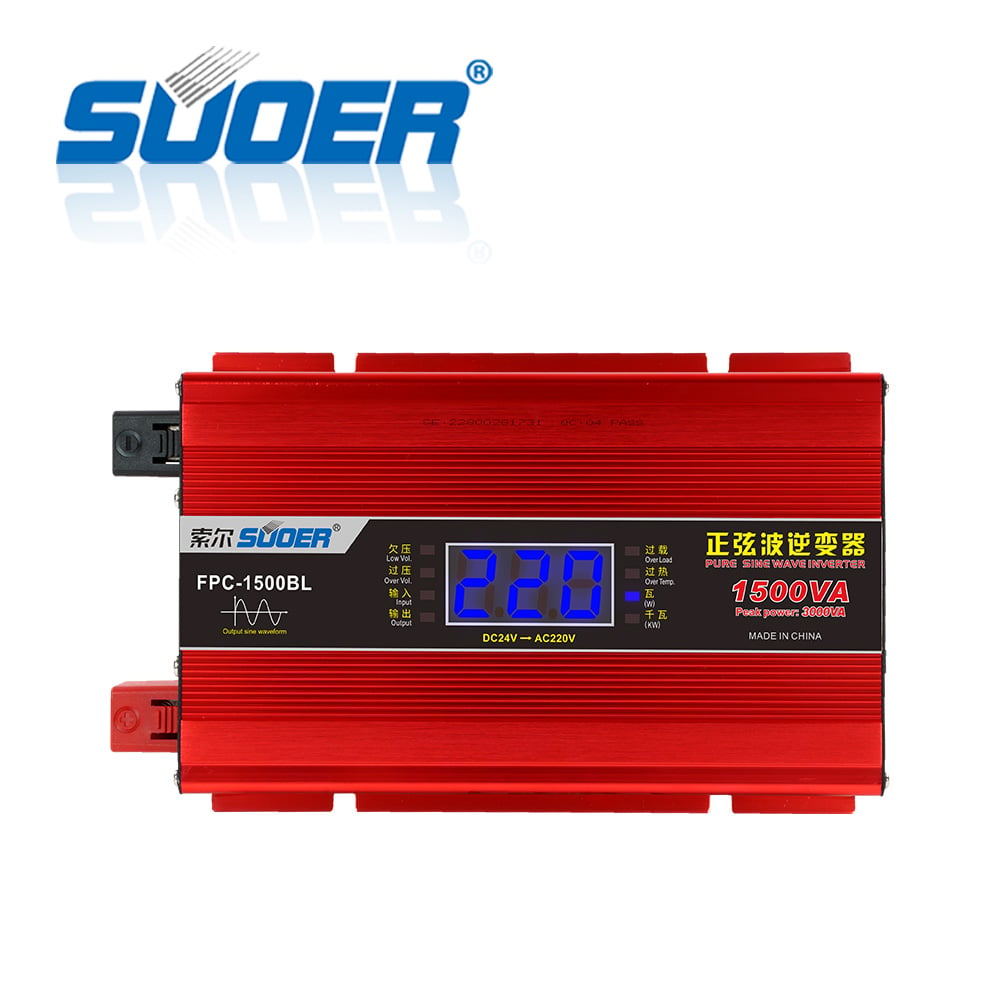
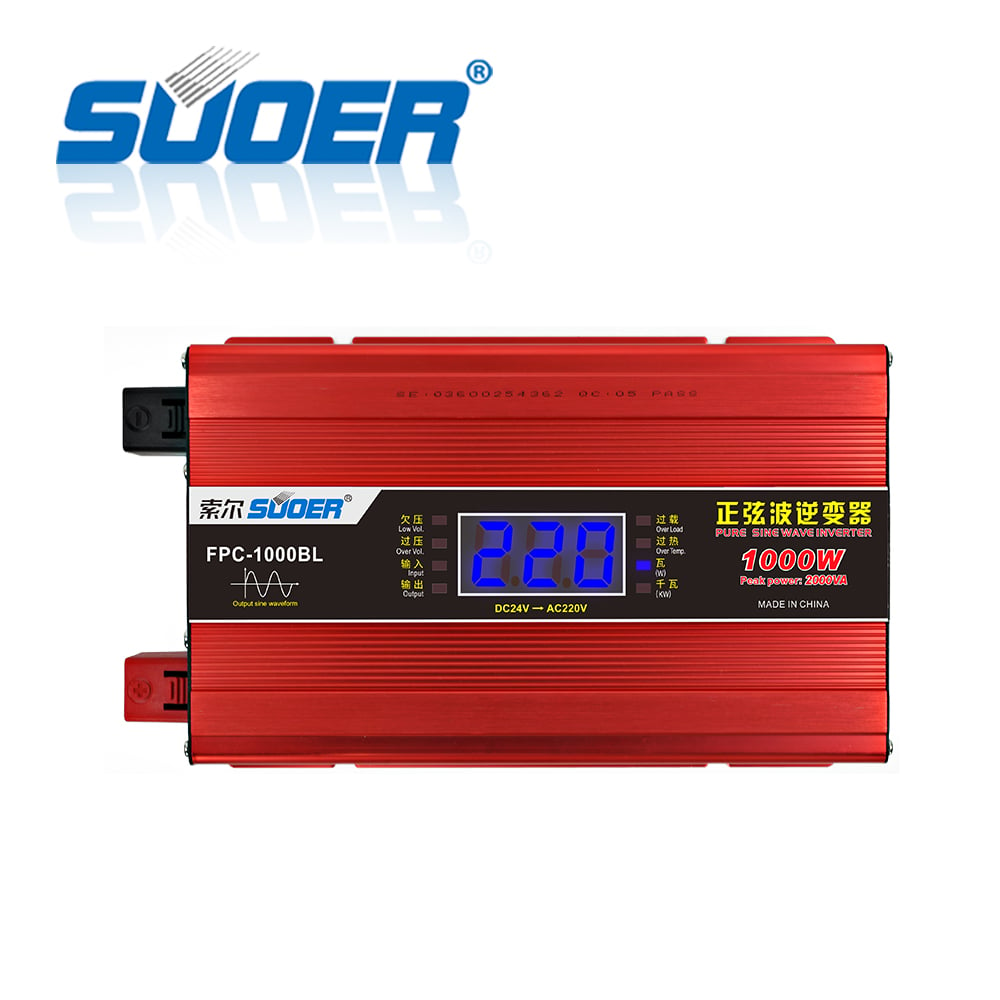
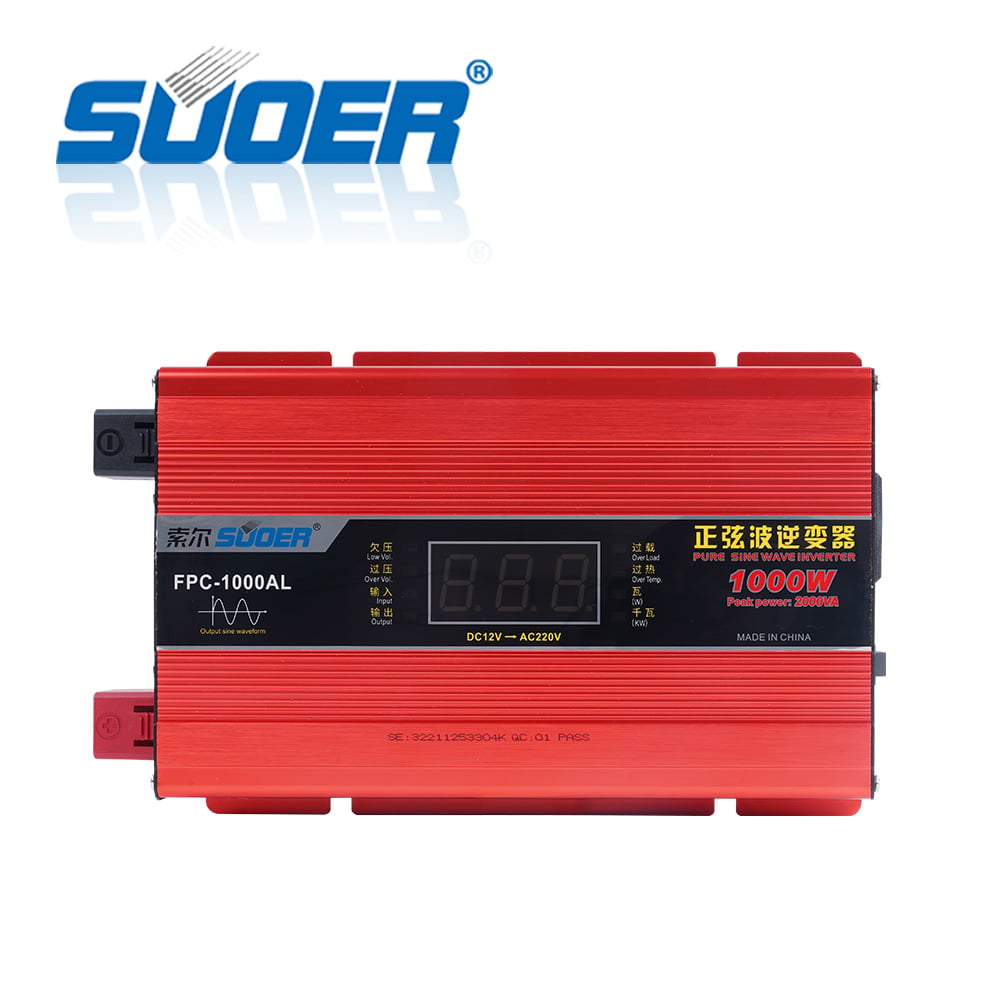
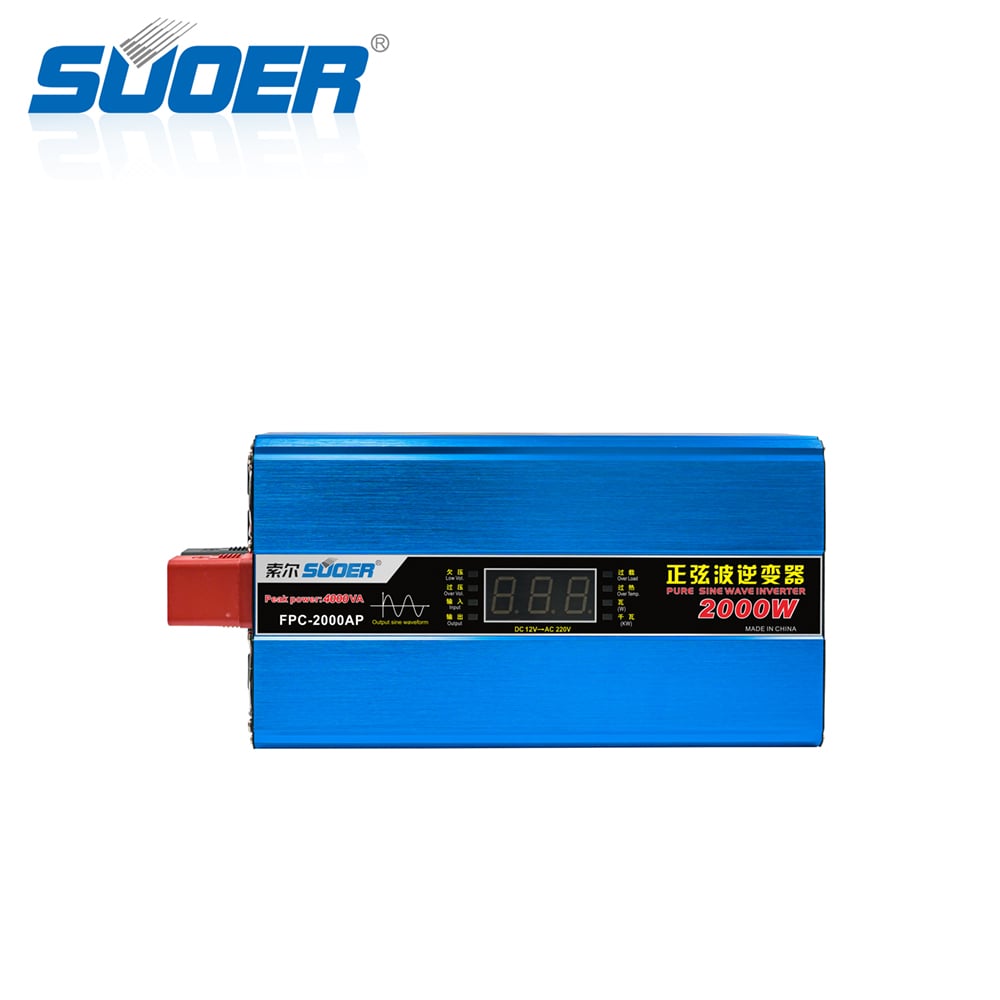
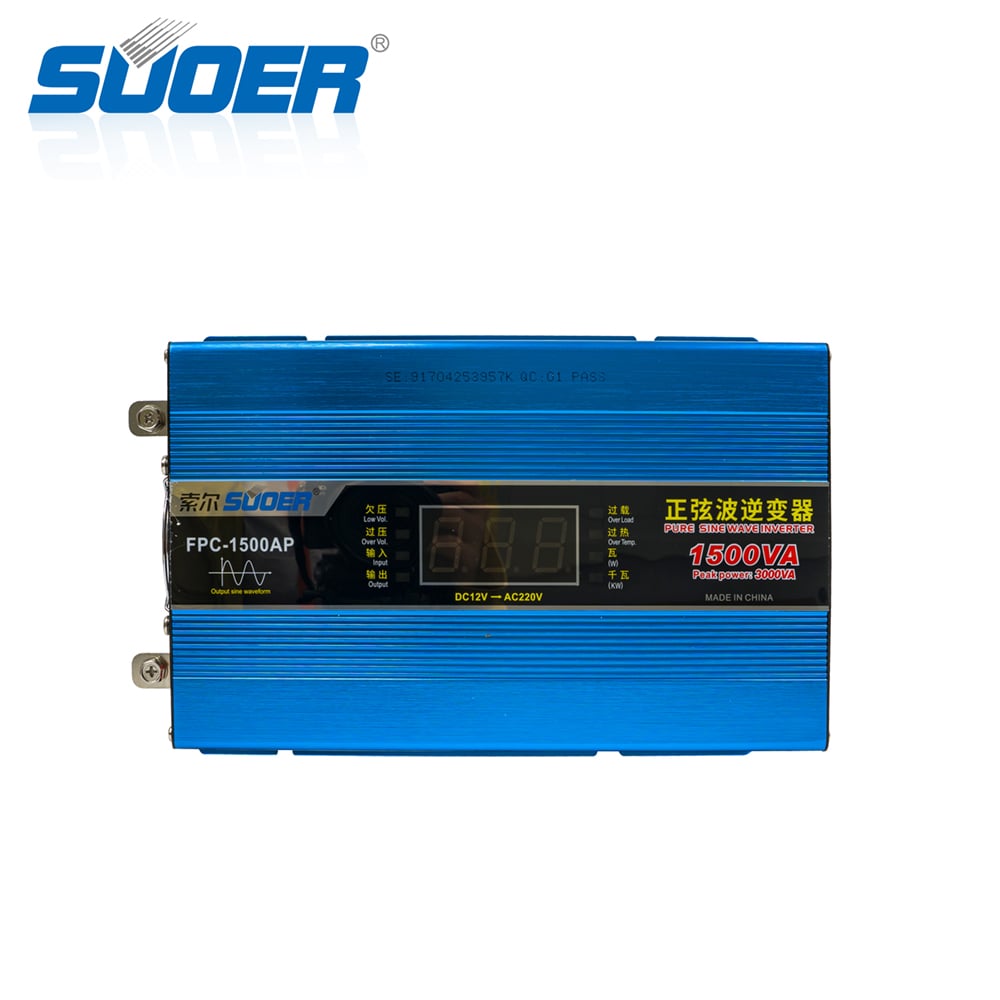
Understanding the nuances of a 24 volt inverter pure sine wave is crucial for B2B buyers in industries ranging from electric vehicles to telecommunications. These inverters are essential for converting DC power into high-quality AC power, suitable for sensitive electronic devices. As you evaluate options, key concerns may include performance reliability, compatibility with existing systems, and overall quality assurance. This article will guide you through essential considerations, specifications, and sourcing strategies to help you make informed purchasing decisions.
Selecting the appropriate 24 volt inverter pure sine wave involves assessing your specific application requirements. Consider factors such as power output, efficiency, and load compatibility. For instance, if you're powering sensitive medical equipment, a pure sine wave inverter is preferable because it produces cleaner power that mimics utility-supplied electricity, ensuring the safety and longevity of your devices. In this context, you might explore options like the New 12kw Hybrid Solar Off-Grid Inverter System 15kwh 300ah Lithium Iron Lifepo4 Battery for enhanced reliability.
Moreover, evaluate the inverter's continuous and peak power ratings. Continuous power rating indicates the inverter's ability to handle a constant load, while the peak rating reflects its capability to manage short bursts of higher demand. Understanding these parameters ensures that you choose an inverter that not only meets current needs but can also accommodate future expansions.
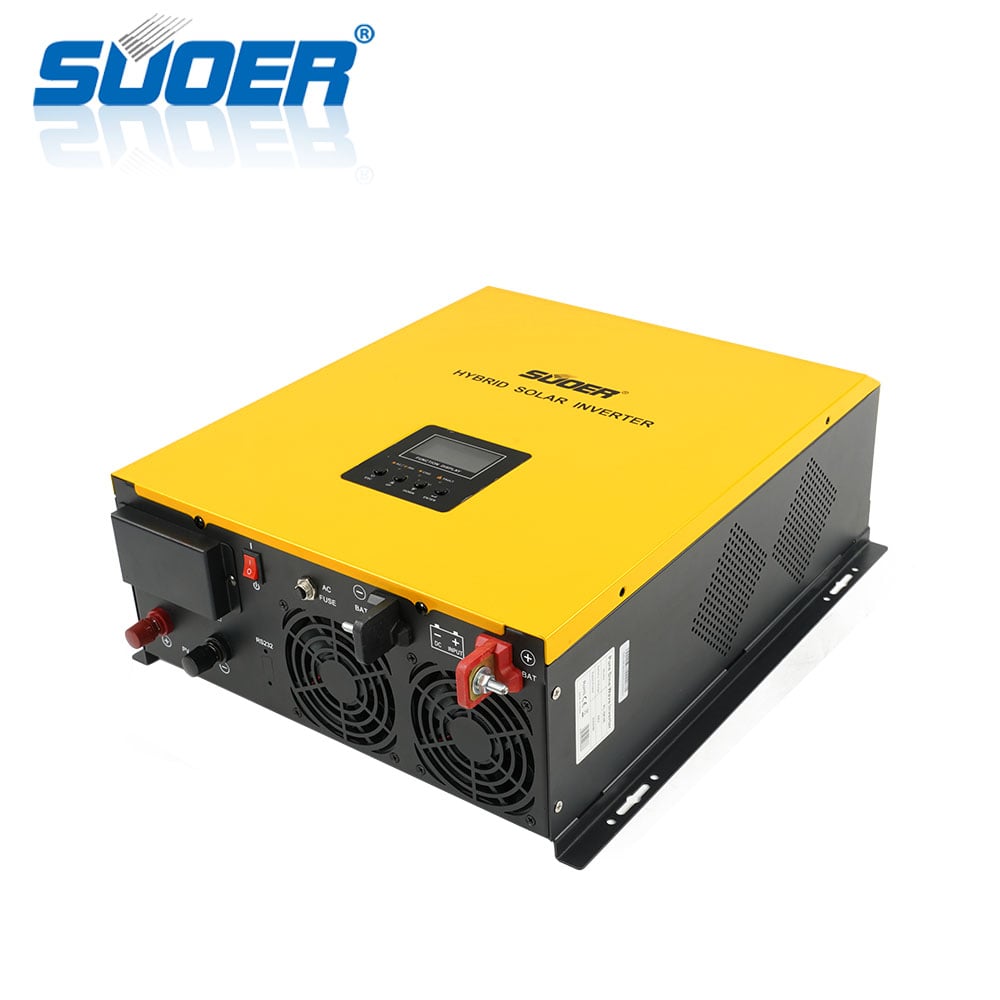
When evaluating 24 volt inverters, there are several critical specifications to consider:
Power Rating: Look for inverters with a power rating that matches or exceeds your equipment requirements. This includes both continuous and surge power ratings.
Efficiency: The efficiency rating indicates how much input power is converted into output power. Higher efficiency means lower energy costs and less heat generation.
Waveform Quality: Pure sine wave inverters produce a smooth waveform, essential for sensitive electronics. Ensure the inverter specifies its waveform output to avoid equipment malfunction.
Dimensions and Weight: Depending on your installation space, these factors can significantly impact your choice. Ensure compatibility with your existing setups.
Cooling Methods: Inverters dissipate heat during operation. Look for units with adequate cooling methods, such as fans or heat sinks, to prolong lifespan and maintain efficiency.
Certifications: Verify that the inverter complies with relevant certifications such as CE, ROHS, and ISO9001, which assure quality and safety.
Understanding these specifications will guide you in selecting a product that fits your operational requirements and ensures long-term reliability.
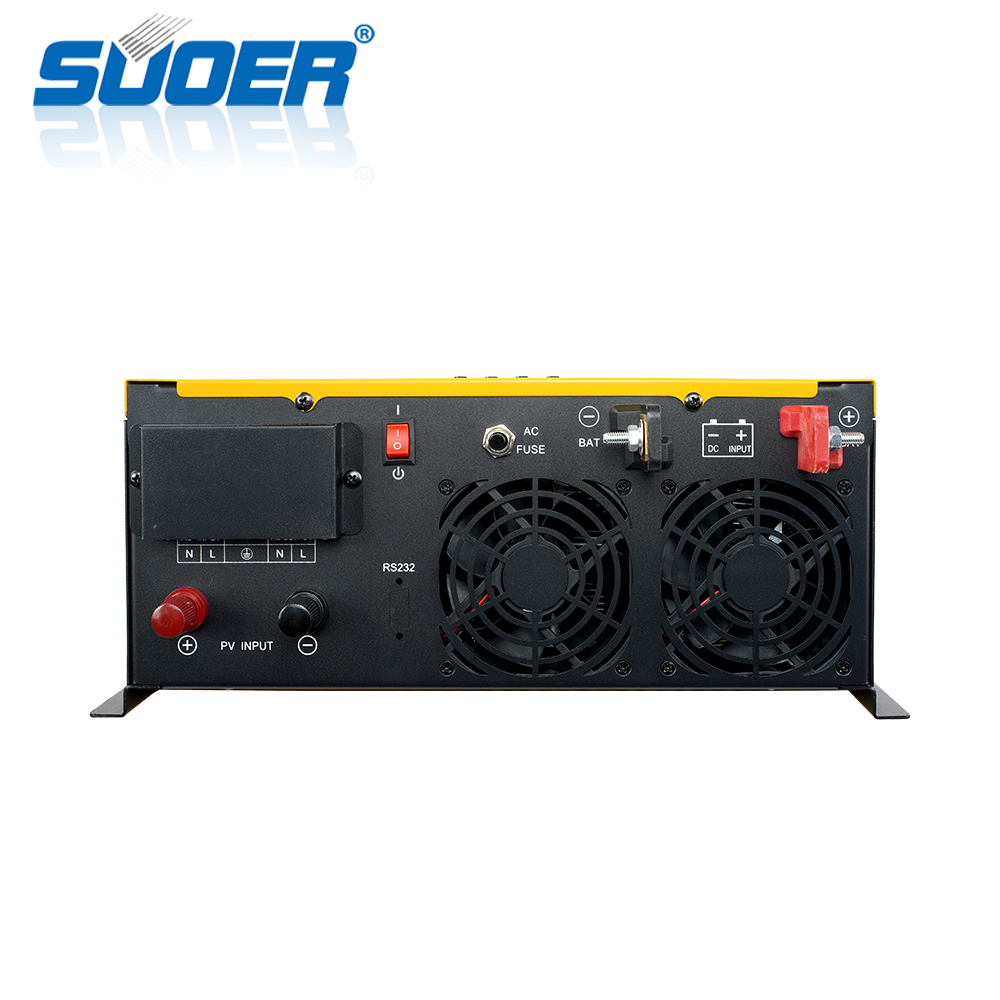
A robust quality control process is vital in ensuring the performance and longevity of 24 volt inverters. Our company employs a systematic approach that includes:
Material Selection: We source high-grade materials that meet durability and performance standards, ensuring that every component of the inverter contributes to its overall quality.
In-Process Inspections: During production, we conduct multiple quality checks at various stages, including assembly and functional testing, to identify and resolve any issues early on.
Final Testing: Every inverter undergoes comprehensive testing, simulating real-world conditions to verify performance specifications, efficiency, and safety compliance.
Certification Processes: Post-production, our products are evaluated against industry standards to ensure they meet all necessary certifications before reaching the market.
This thorough quality control process not only enhances product reliability but also builds trust with our clients, ensuring that they receive a high-quality inverter every time. Additionally, consider sourcing options like the VMS-12kw energy system sales 12kw smart hybrid solar Inverter with MPPT solar charger for added efficiency.
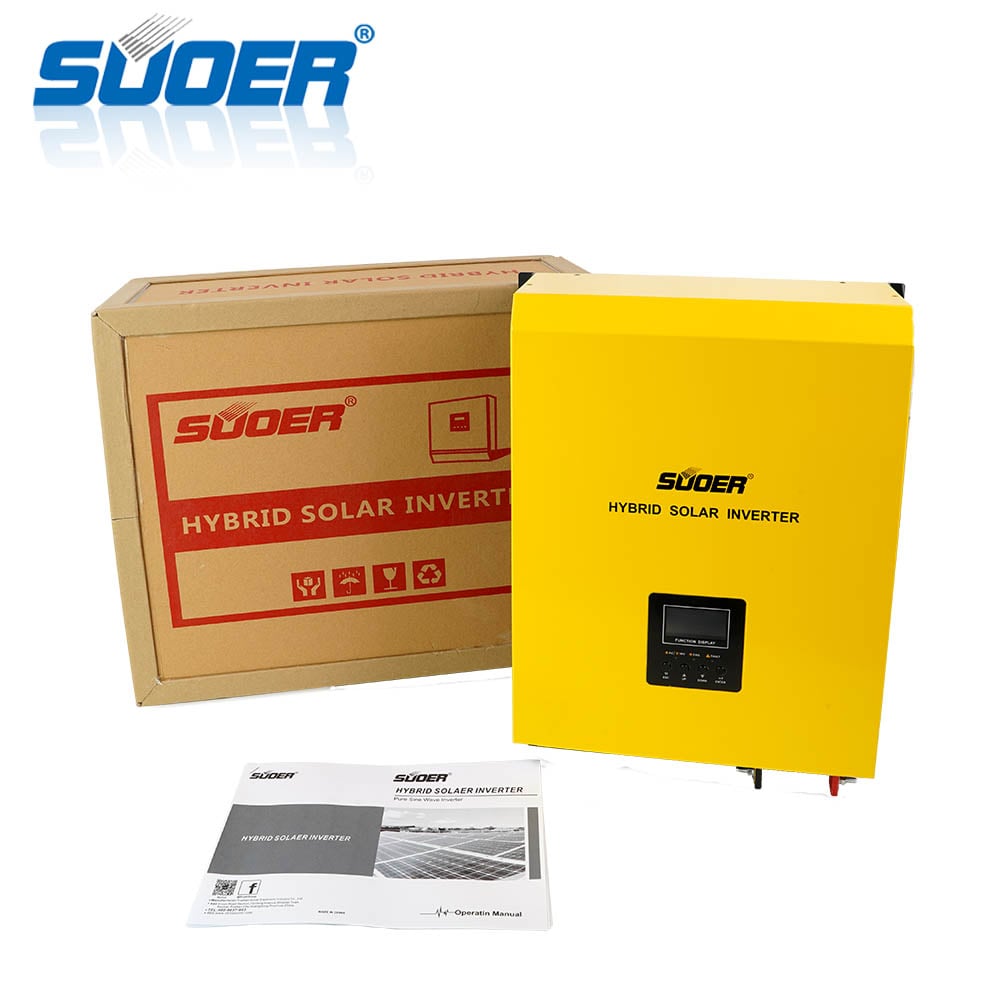
Sourcing 24 volt inverters in bulk requires careful evaluation of potential suppliers to ensure reliability and quality. Here are some steps to consider:
Research and Recommendations: Start with industry recommendations or trade shows where you can meet suppliers face-to-face. This allows for direct engagement and can build rapport.
Supplier Credentials: Verify the supplier's certifications and quality management systems. Look for ISO9001 certification and other relevant industry standards.
Samples and Prototypes: Before placing a bulk order, request samples to assess the inverter's performance and compatibility with your systems. This can help identify any potential issues before mass production.
Production Capability: Ensure that the supplier has the capacity to meet your volume requirements without compromising quality. Inquire about their lead times and production schedules.
Post-Purchase Support: Reliable suppliers should offer strong after-sales support, including warranty services and technical assistance.
Establishing a good relationship with a trustworthy supplier can lead to better pricing, improved service, and enhanced product offerings.
When choosing between pure sine wave and modified sine wave inverters, it's essential to understand the differences and their implications on performance.
Pure Sine Wave Inverters: These produce a smooth, consistent waveform, making them suitable for sensitive electronics, medical equipment, and appliances with microprocessors. They ensure efficient operation and reduce the risk of malfunction or damage, making them the preferred option for critical applications.
Modified Sine Wave Inverters: While generally less expensive, these inverters produce a choppy waveform that can be unsuitable for certain devices. While they may power simple tools and appliances adequately, they can lead to overheating or inefficient operation in sensitive equipment.
Ultimately, the choice between pure sine wave and modified sine wave inverters should be based on the specific requirements of your applications and the devices you'll be powering. For optimal performance and protection of sensitive electronics, 24 volt pure sine wave inverters are typically recommended. You may also want to consider options like the New 12kw Hybrid Solar Off-Grid Inverter System 10kwh 200ah Lithium Iron Lifepo4 Battery for additional versatility.
By understanding these key factors, you can make a more informed decision when purchasing inverters, ensuring that you select a product that meets your operational needs and adheres to industry standards.

Discover Suoer’s premium range of solar inverters and power inverters designed for reliable renewable energy solutions.Trusted by customers worldwide for exceptional performance and durability.
Suoer Industrial Zone, Ercun Road Section, Yanfeng Avenue, Shishan Town,Foshan city,Guangdong Province,China
Copyright © 2024 Foshan Suoer Electronic Industry Co., Ltd. Privacy Policy - Blog

 EN
 AR
 NL
 FR
 DE
 EL
 IT
 JA
 KO
 PT
 RU
 ES
 VI
 TH
 TR
 BG
 HR
 CS
 NO
 PL
 TL
 ID
 SR
 UK
 SQ
 HU
 MT
 AF
 MS
 IS
 HY
 AZ
 BN
 BS
 GU
 LO
 LA
 MN
 NE
 TA