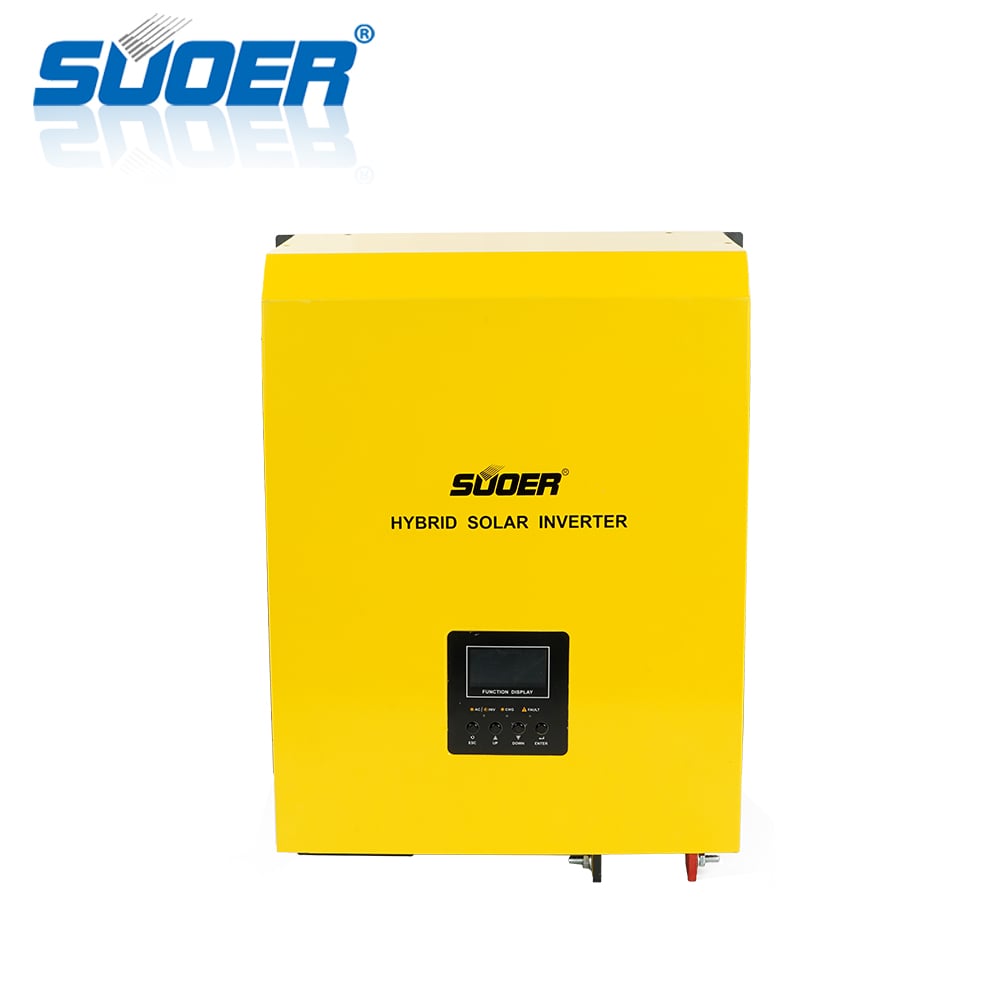
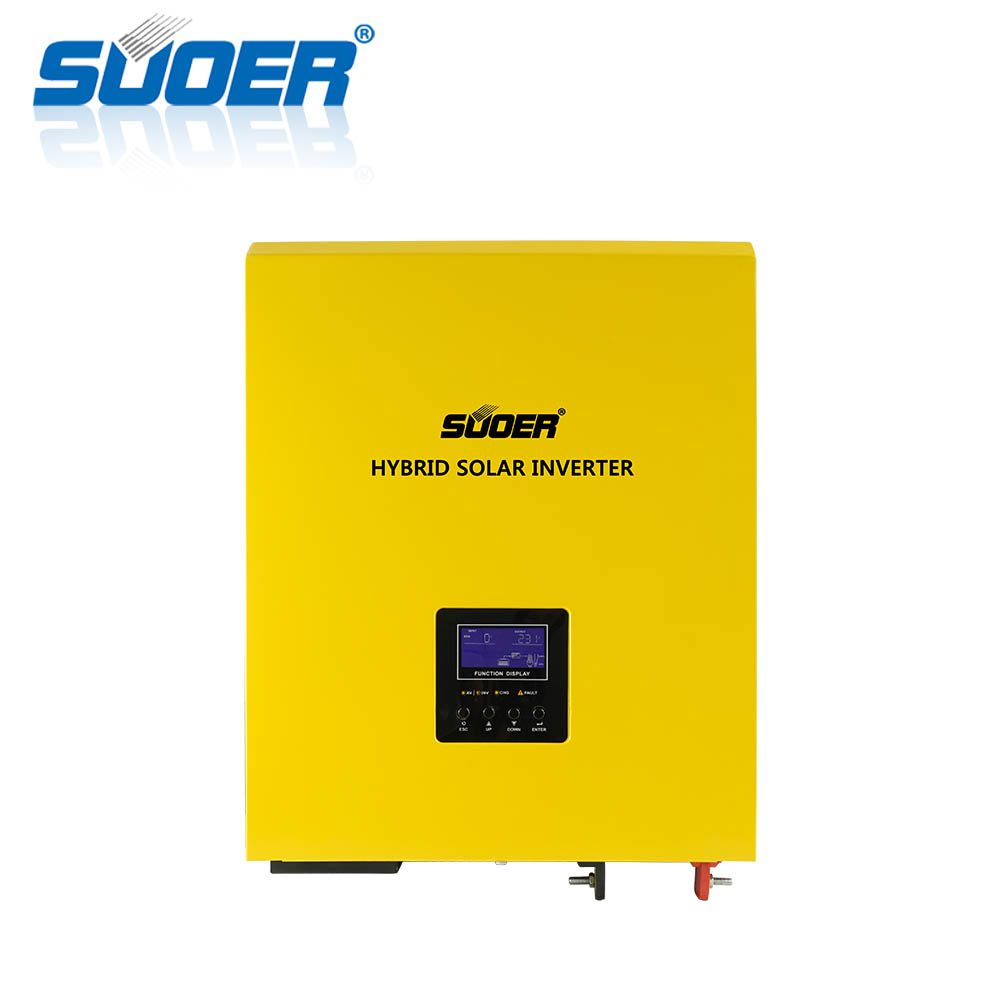
Understanding the specifications and applications of a 48V hybrid inverter is essential for businesses looking to integrate energy-efficient power solutions into their operations. As manufacturers and suppliers increasingly focus on sustainable technologies, purchasing managers and engineers must consider factors such as compatibility, performance, and installation requirements. This article will provide practical insights into the specifications of 48V hybrid inverters, their key applications, common installation challenges, and essential purchasing tips to help you make informed decisions.
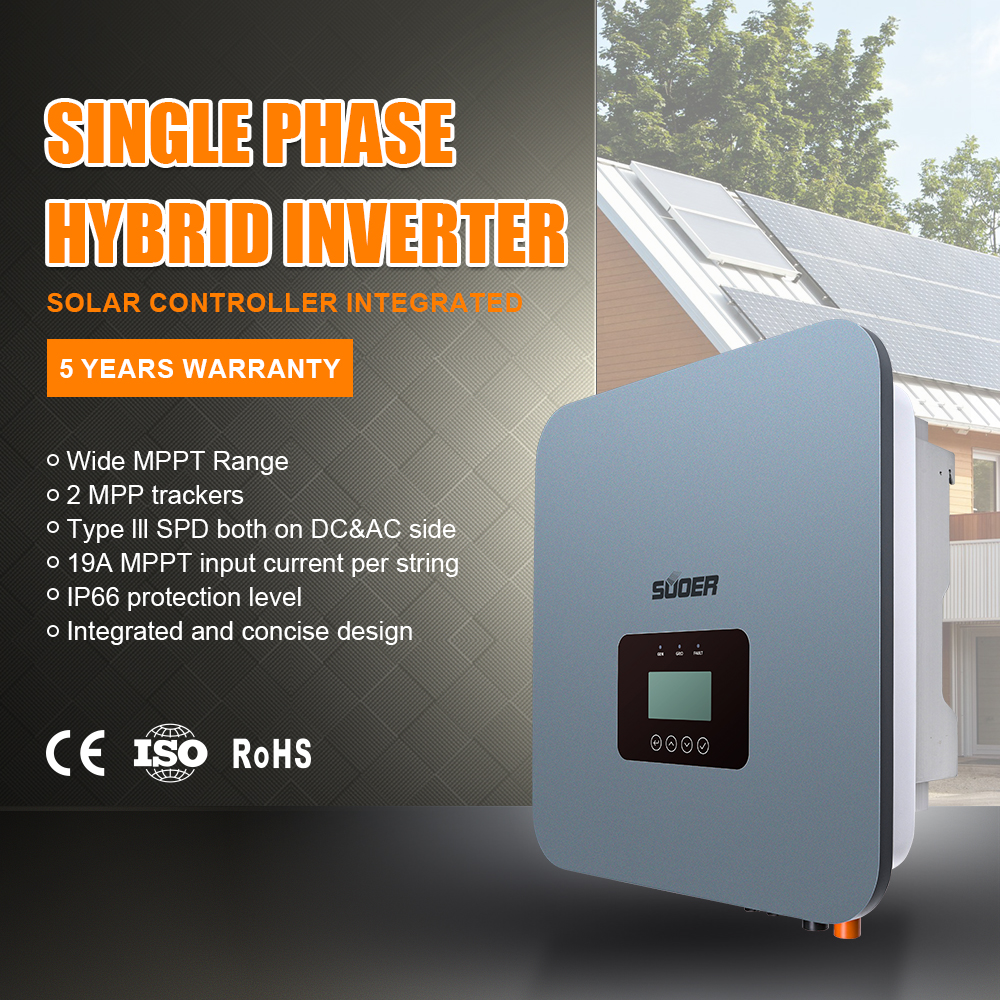
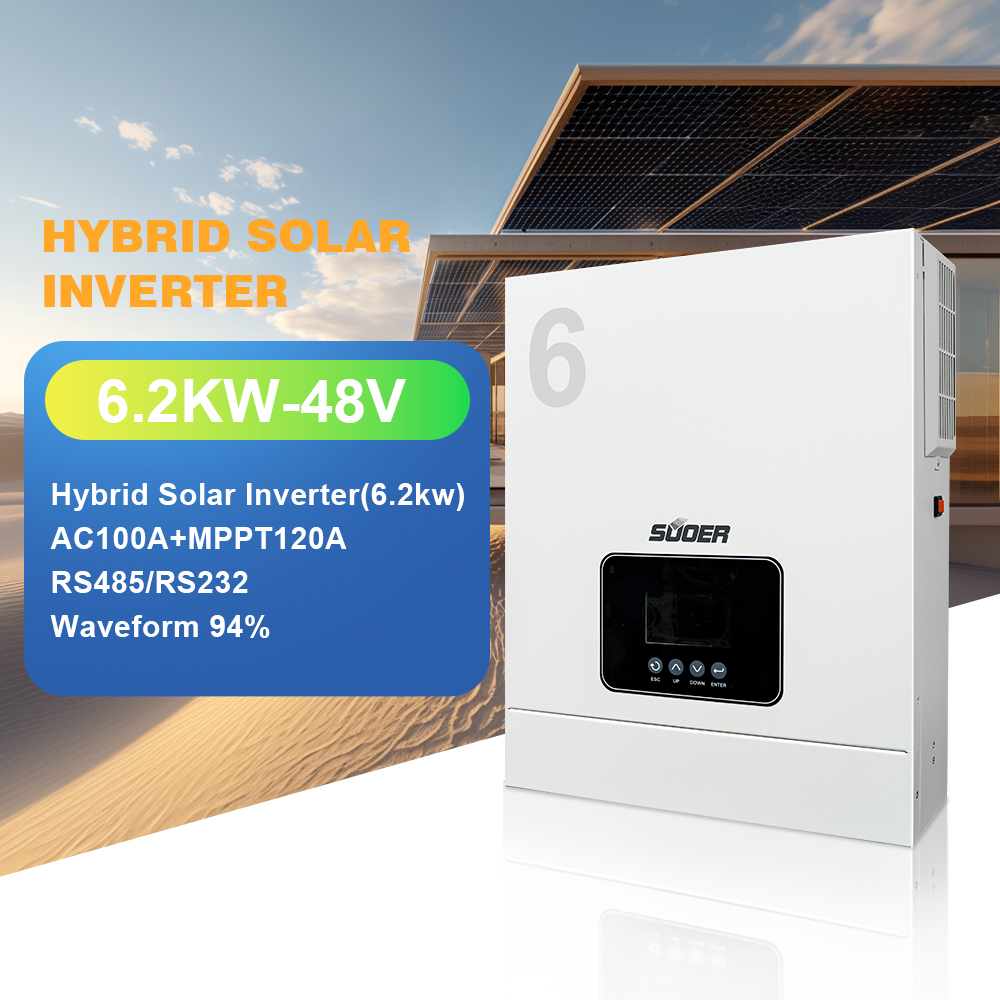
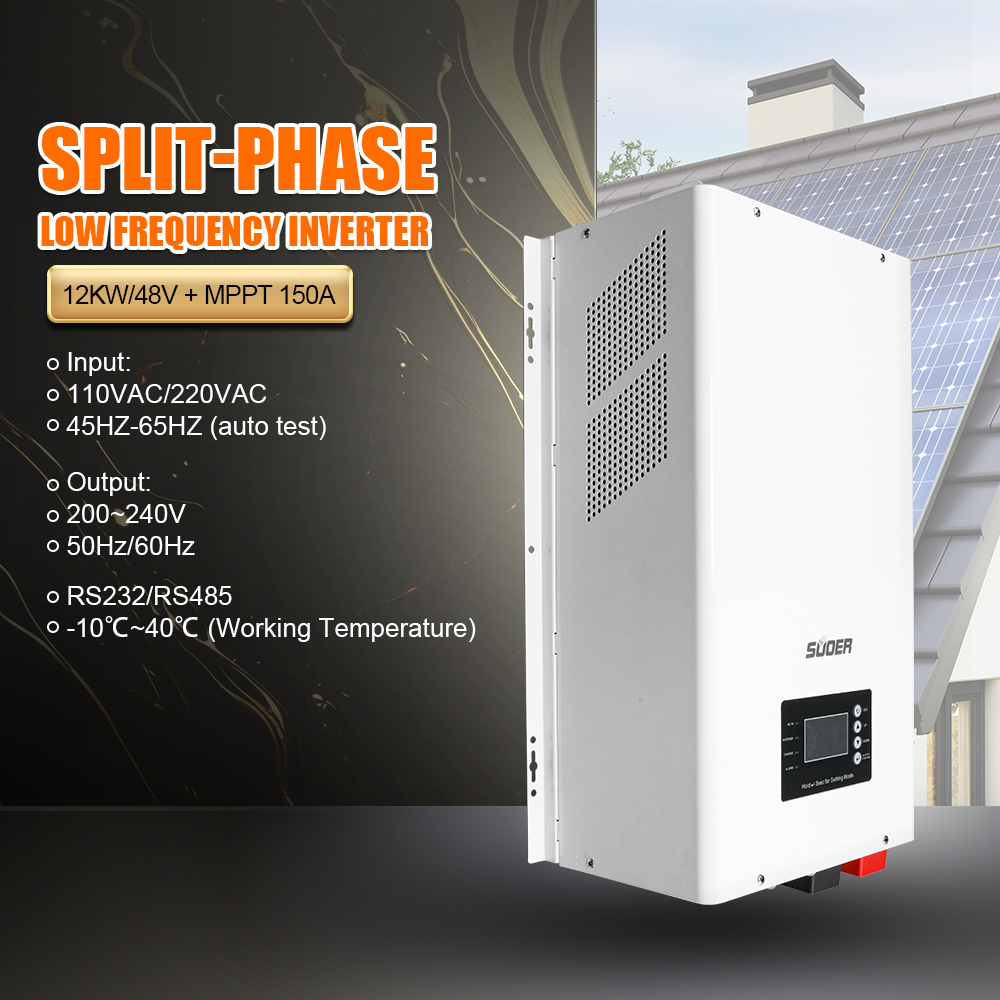
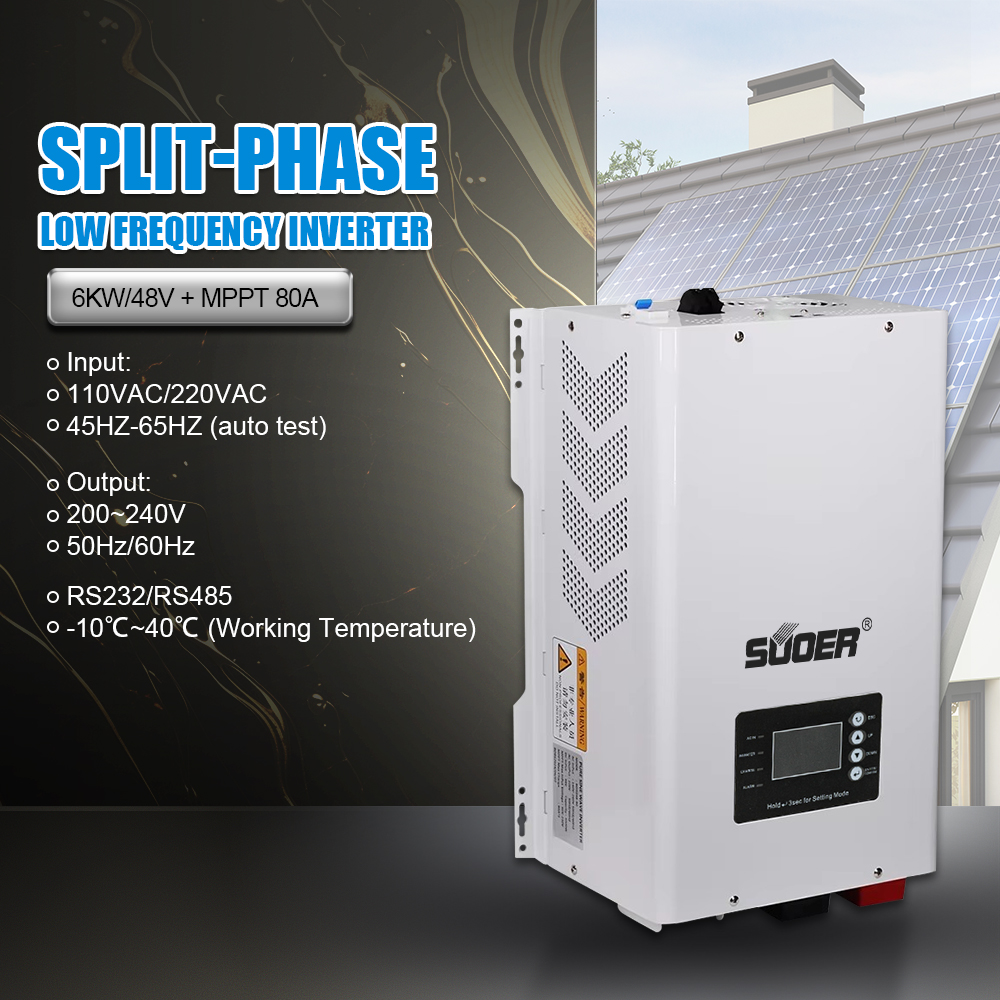
A 48V hybrid inverter is a versatile power conversion device that combines solar energy, battery storage, and grid power to optimize energy use. Here are key specifications to consider when evaluating these inverters:
Input Voltage Range: The inverter should accommodate a wide voltage range to ensure compatibility with various battery types and solar panels. Typically, 48V systems can support a nominal voltage of 48V, with acceptable fluctuations, which is crucial for stable operation.
Output Power Rating: This specification indicates the inverter's capacity to manage load demands. Common ratings range from 1 kW to over 10 kW. Buyers should assess their energy consumption needs to select an inverter that can handle peak loads efficiently without overloading.
Efficiency Ratings: The efficiency of a hybrid inverter directly impacts energy savings. Look for inverters with efficiency ratings above 90%, as this will minimize energy loss during conversion. High efficiency is essential for maximizing the return on investment in renewable energy solutions.
Waveform Type: The inverter's output waveform—either pure sine wave or modified sine wave—can affect the performance of sensitive electronic equipment. Pure sine wave inverters, such as those linked to our Pure Sine Wave, are typically preferred for applications involving sensitive devices, as they mimic grid power more closely.
Communication Protocols: For integration with smart grids and monitoring systems, the inverter should support standard communication protocols like RS-485 or Ethernet. This capability allows for real-time monitoring and control, enhancing operational efficiency.
Understanding these specifications will help you select a 48V hybrid inverter that aligns with your operational requirements and energy management goals.
48V hybrid inverters are increasingly utilized across various industrial sectors due to their adaptability and efficiency. Here are some key applications:
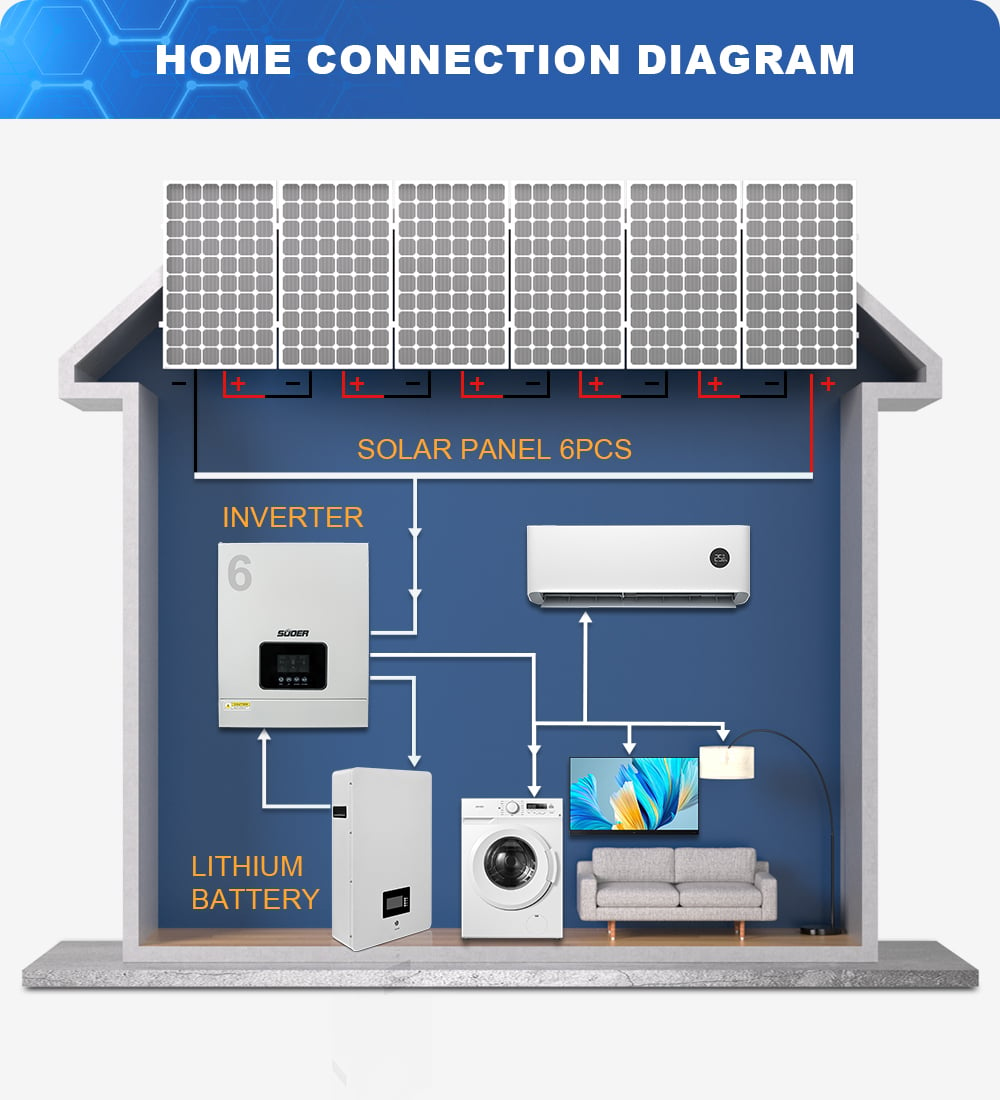
Solar Power Systems: These inverters are integral to grid-tied and off-grid solar systems, allowing businesses to harness solar energy effectively. They manage the flow of energy from solar panels to batteries and the grid, ensuring optimal usage and storage. For larger installations, consider integrating Home Energy Storage solutions to enhance energy management.
Electric Vehicle Charging Stations: As the demand for electric vehicles rises, so does the need for efficient charging solutions. A 48V hybrid inverter can facilitate the smooth operation of charging stations by converting and regulating power from renewable sources or the grid.
Telecommunications: In the telecommunications sector, reliable power is critical for maintaining uninterrupted service. Hybrid inverters can provide backup power during outages, ensuring that communication networks remain operational.
Rail Transit Systems: In rail applications, these inverters can supply stable power for traction systems and auxiliary power requirements, enhancing energy efficiency and operational reliability.
The versatility of 48V hybrid inverters makes them suitable for a range of applications, enabling industries to reduce energy costs while promoting sustainability.
Installing a 48V hybrid inverter comes with specific challenges that can affect system performance if not addressed properly:
Sizing and Compatibility: One common challenge is ensuring the inverter is appropriately sized for the application. An undersized inverter may struggle to handle peak loads, while an oversized unit can lead to inefficiencies. To mitigate this, conduct a thorough load analysis before installation to determine the appropriate inverter capacity.
Connection Issues: Proper wiring and connection are crucial for optimal performance. Inadequate connections can lead to energy losses or system failures. It’s advisable to use high-quality connectors and follow manufacturer guidelines for installation to ensure reliable connections.
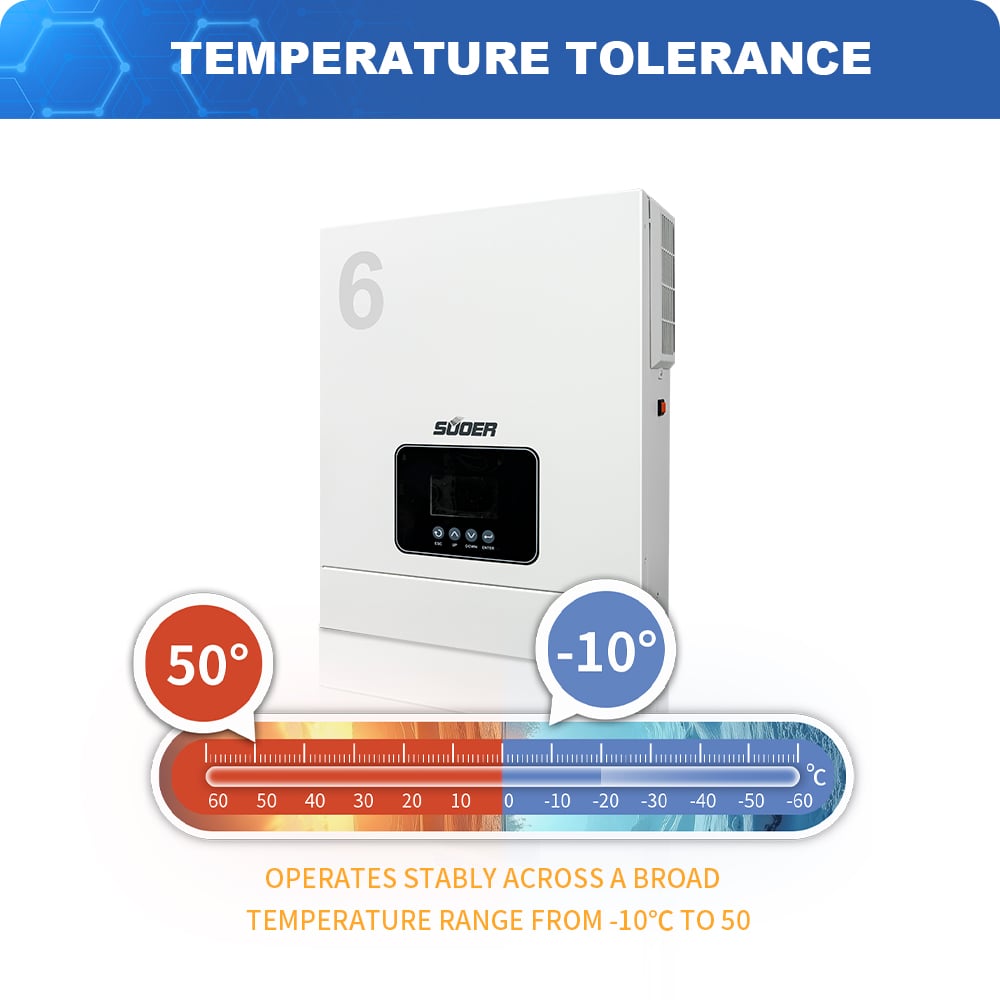
Environmental Conditions: Hybrid inverters must be installed in environments that meet their operational specifications. Excessive heat, moisture, or dust can impair performance. Installing the inverter in a controlled environment, or using protective enclosures, can help address these issues.
Regulatory Compliance: In many regions, installations must adhere to local codes and regulations. Failing to comply can result in safety hazards or legal issues. Engaging a certified installer familiar with local regulations is essential for a seamless installation process.
By anticipating these challenges and implementing effective solutions, businesses can ensure a successful installation of their 48V hybrid inverters.
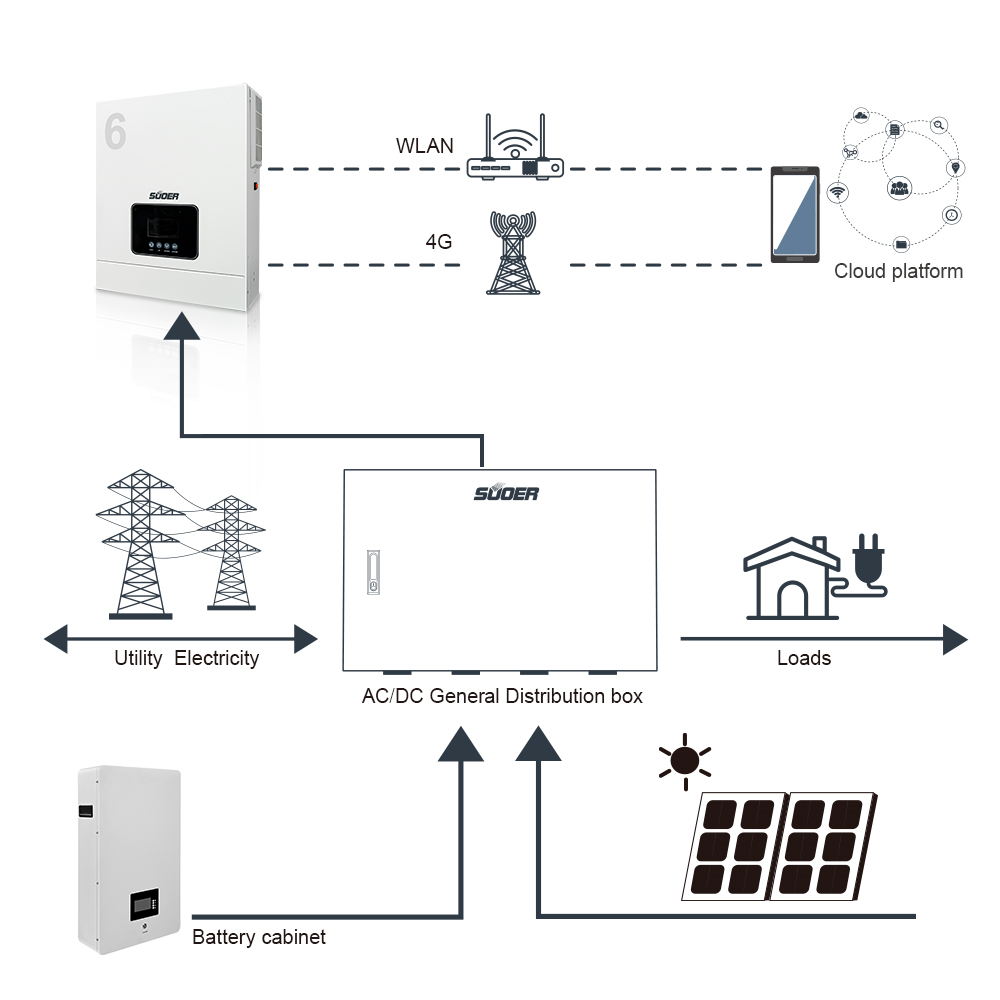
A solid understanding of the technical aspects of 48V hybrid inverters can significantly impact purchasing decisions:
Battery Compatibility: These inverters work with various battery types, including Lead acid battery and lithium-ion. Each battery type has distinct characteristics affecting charging cycles and lifespan. Therefore, buyers should confirm battery compatibility to optimize performance and longevity.
Grid Interaction: Hybrid inverters can operate in grid-tied or off-grid modes. Understanding how the inverter interacts with the grid is crucial for applications relying on grid support. Make sure to consider grid stability and requirements when selecting an inverter.
Firmware Updates: Many modern inverters come with software that can be updated to enhance features or fix bugs. Buyers should inquire about the manufacturer’s policy on firmware updates to ensure ongoing performance improvements.
Safety Features: Look for inverters equipped with protection mechanisms against overloads, short circuits, and thermal events. These features are vital for preventing damage and ensuring safe operation.
Arming yourself with this technical knowledge will assist in evaluating options and ensuring you choose the right 48V hybrid inverter for your specific needs.
When considering wholesale purchases of 48V hybrid inverters, various factors come into play to ensure a successful transaction:
Request Detailed Quotations: When approaching suppliers, provide comprehensive information about your requirements, including expected load, application type, and any specific features needed. This clarity helps suppliers provide accurate quotations and recommendations.
Minimum Order Quantity (MOQ): Be aware of the supplier's MOQ, as this can impact your initial investment. If your demand is uncertain, consider negotiating smaller trial orders to assess performance before committing to larger quantities.
Lead Time Considerations: Understand the lead time for production and delivery. Factors such as customization, production capacity, and shipping distances can affect how quickly you receive your order. Plan accordingly to ensure you meet your project timelines.
Quality Assurance Processes: Inquire about the supplier’s quality control measures. Certifications like ISO9001, CE, and ROHS can indicate a commitment to quality. Additionally, request information about their testing processes to ensure the products meet industry standards.
Customization Options: If your application requires specific features or configurations, discuss customization capabilities with potential suppliers. Many manufacturers can tailor their products to meet unique business needs, enhancing performance and integration.
By considering these tips, businesses can navigate the wholesale purchasing process more effectively, ensuring they acquire high-quality 48V hybrid inverters that align with their operational objectives.

Discover Suoer’s premium range of solar inverters and power inverters designed for reliable renewable energy solutions.Trusted by customers worldwide for exceptional performance and durability.
Suoer Industrial Zone, Ercun Road Section, Yanfeng Avenue, Shishan Town,Foshan city,Guangdong Province,China
Copyright © 2024 Foshan Suoer Electronic Industry Co., Ltd. Privacy Policy - Blog

 EN
 AR
 NL
 FR
 DE
 EL
 IT
 JA
 KO
 PT
 RU
 ES
 VI
 TH
 TR
 BG
 HR
 CS
 NO
 PL
 TL
 ID
 SR
 UK
 SQ
 HU
 MT
 AF
 MS
 IS
 HY
 AZ
 BN
 BS
 GU
 LO
 LA
 MN
 NE
 TA