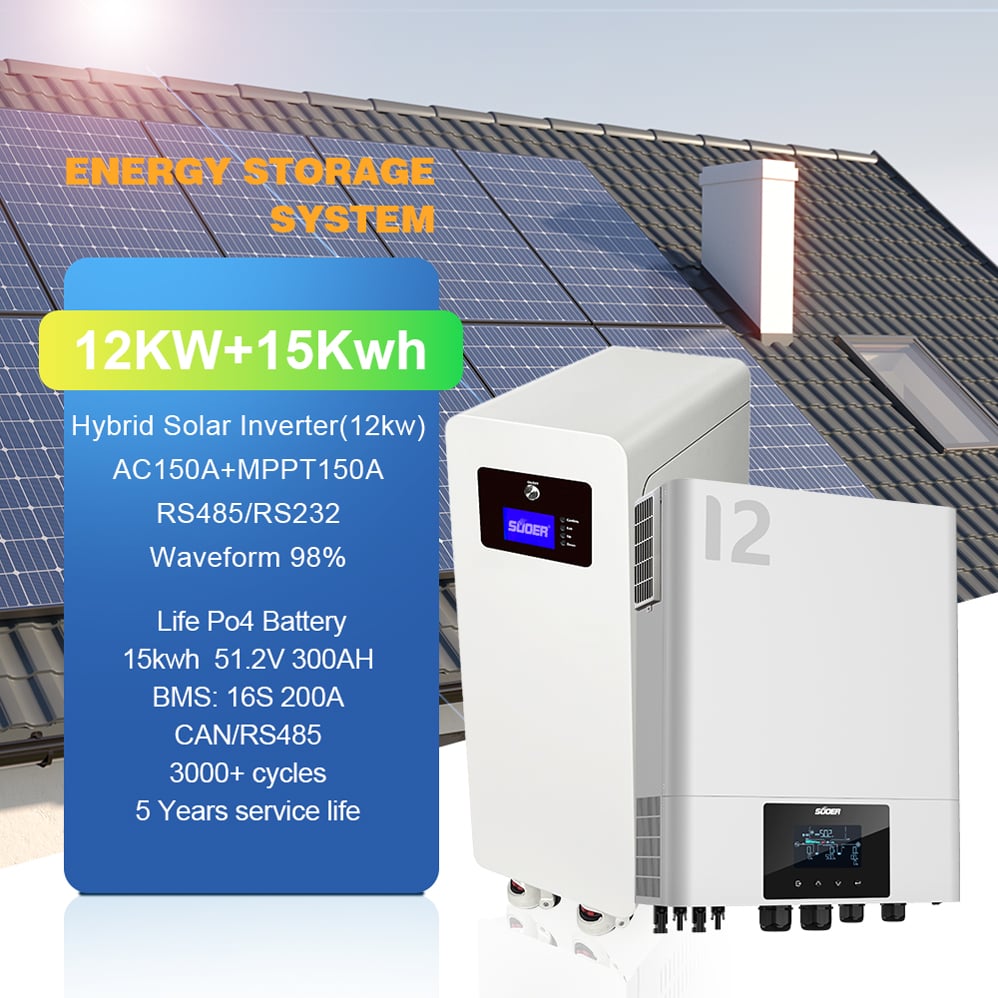
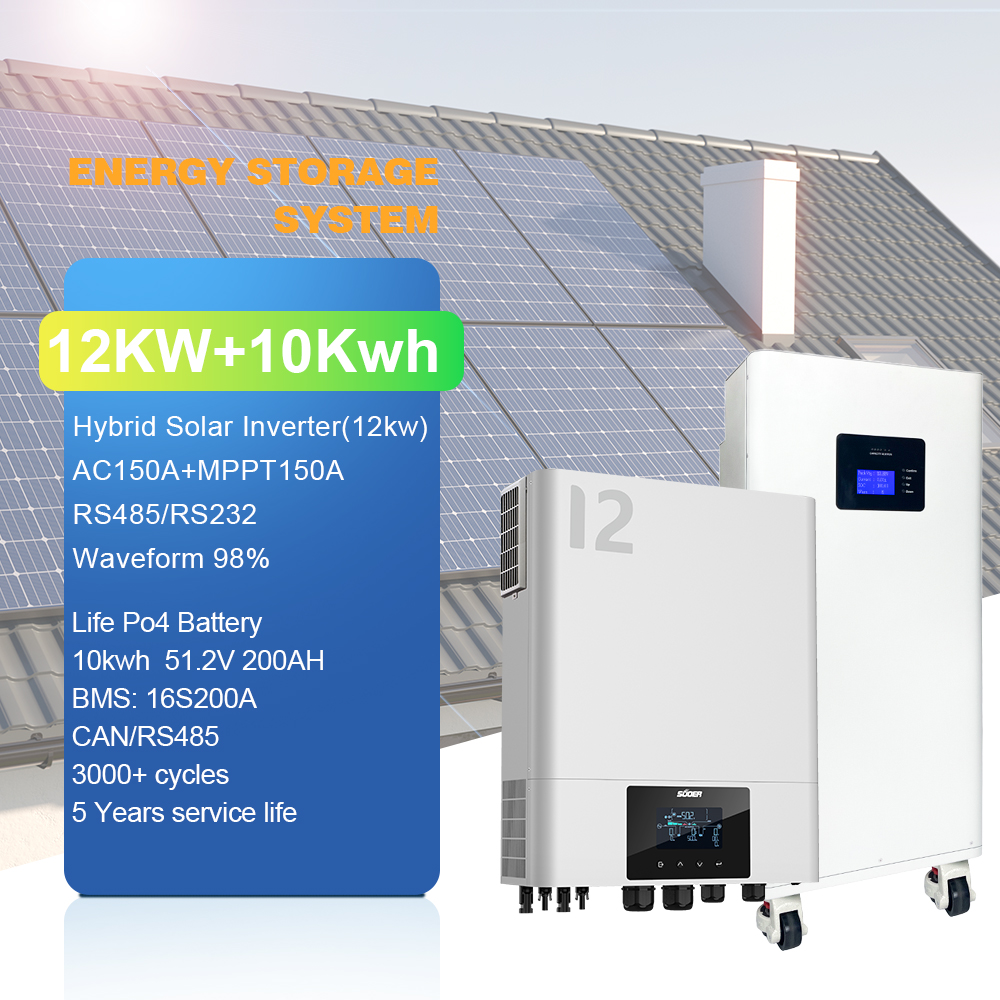
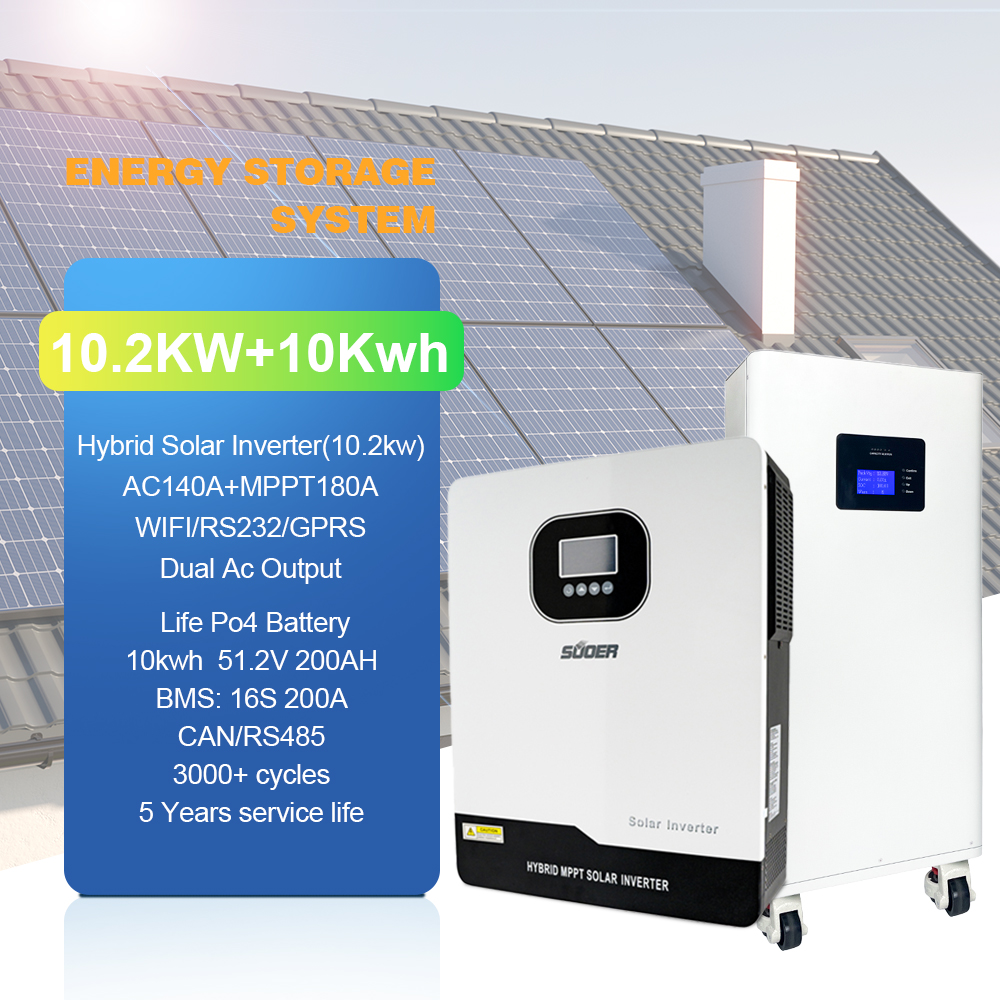
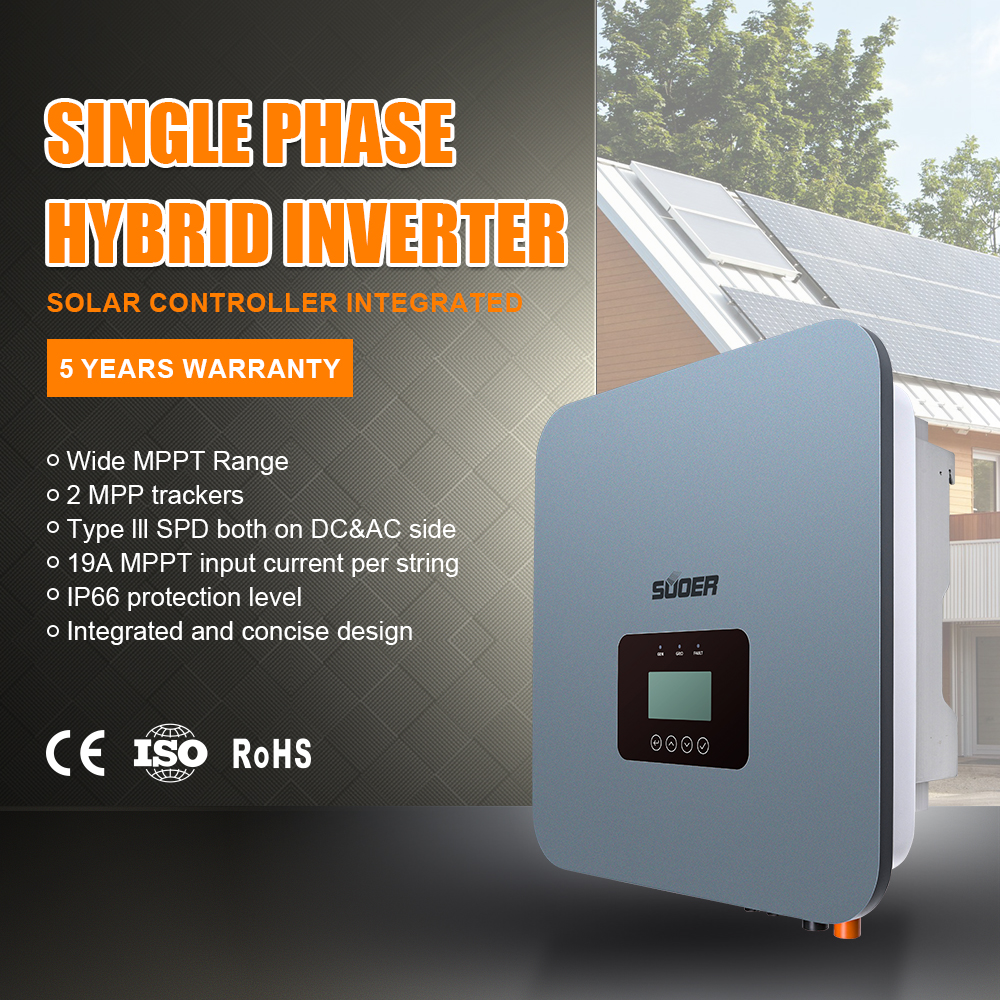
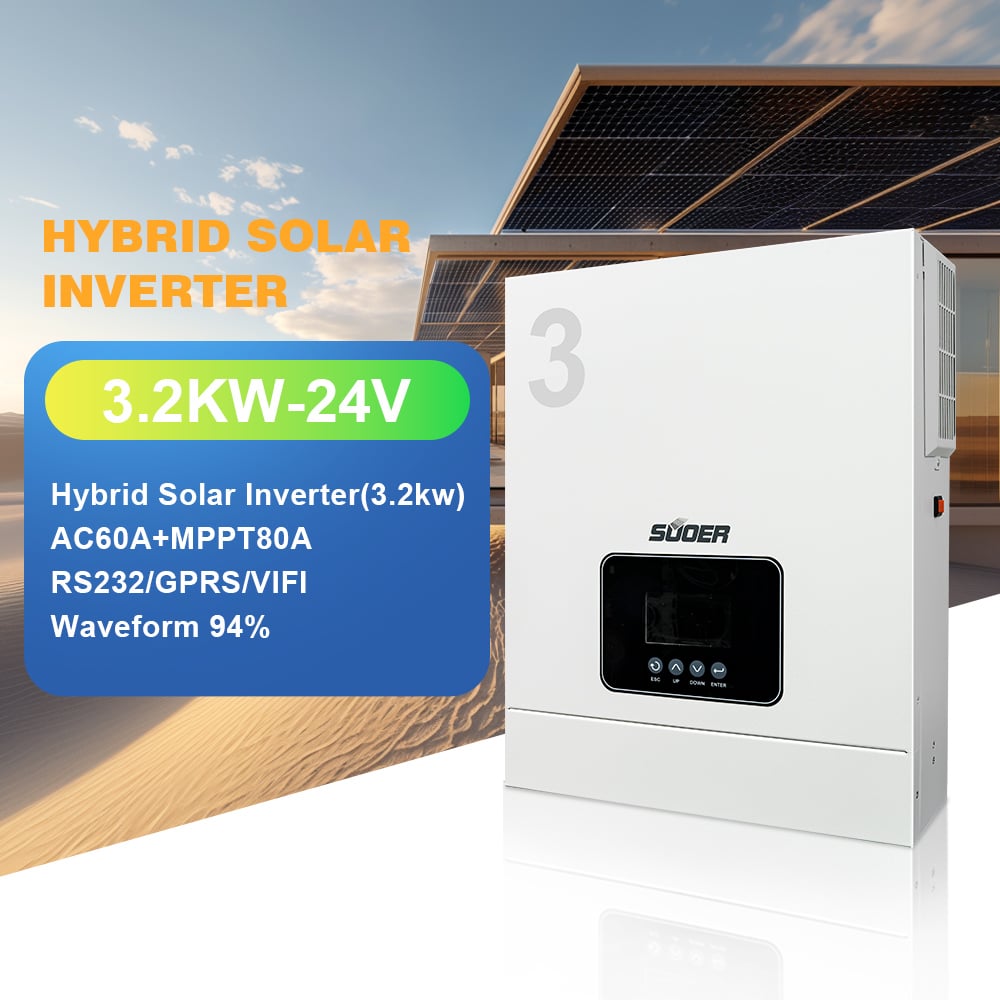
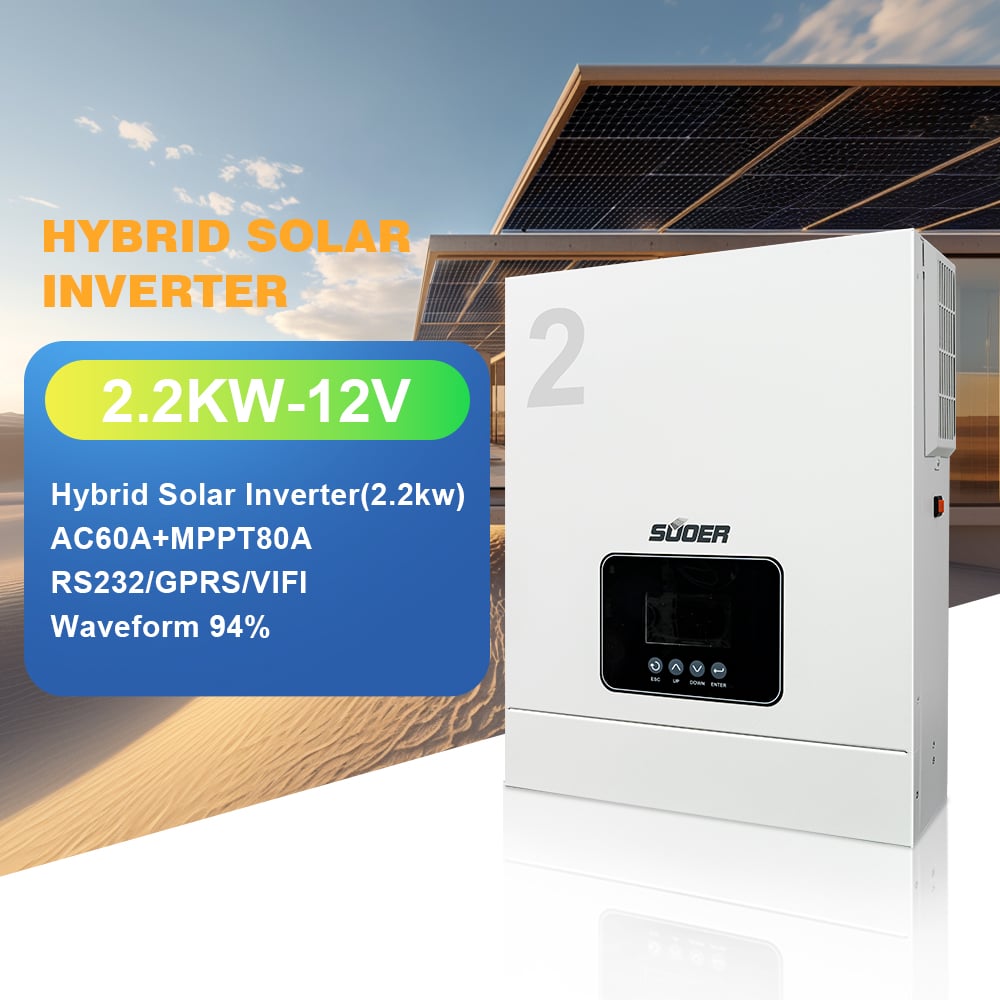
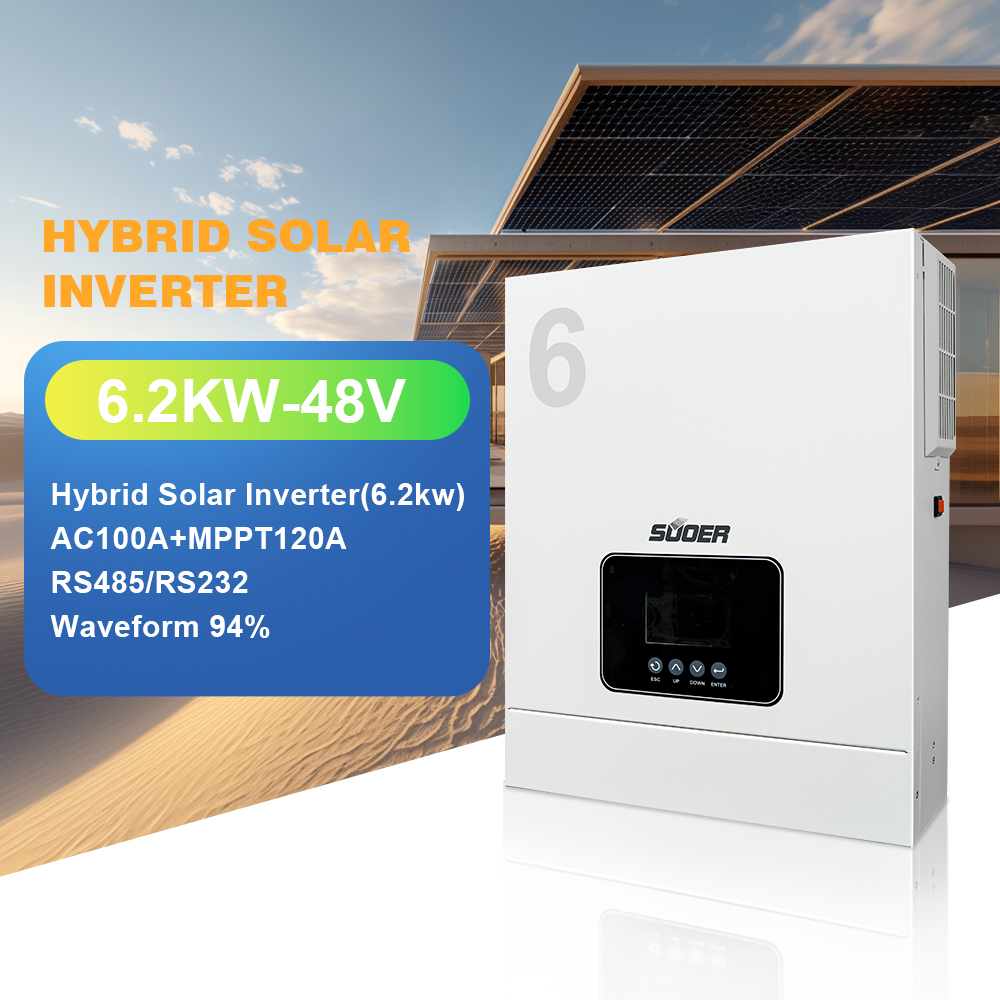
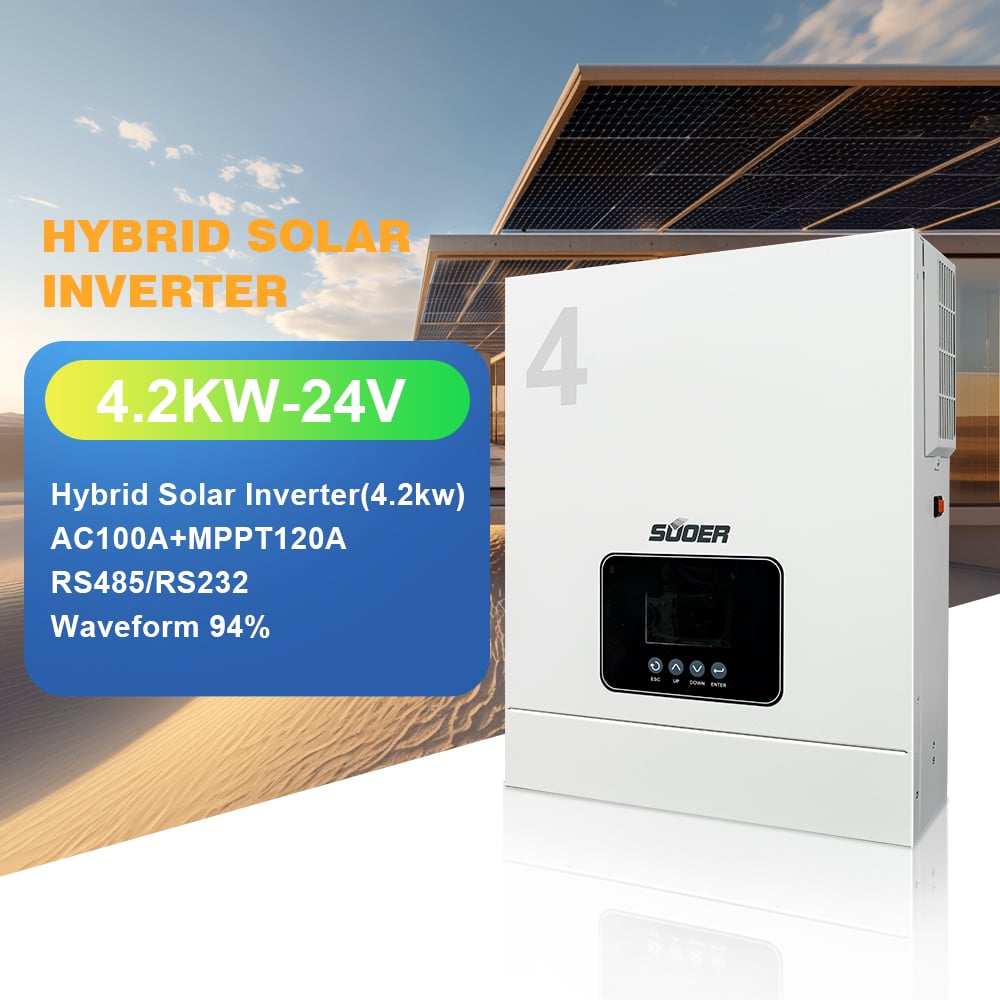
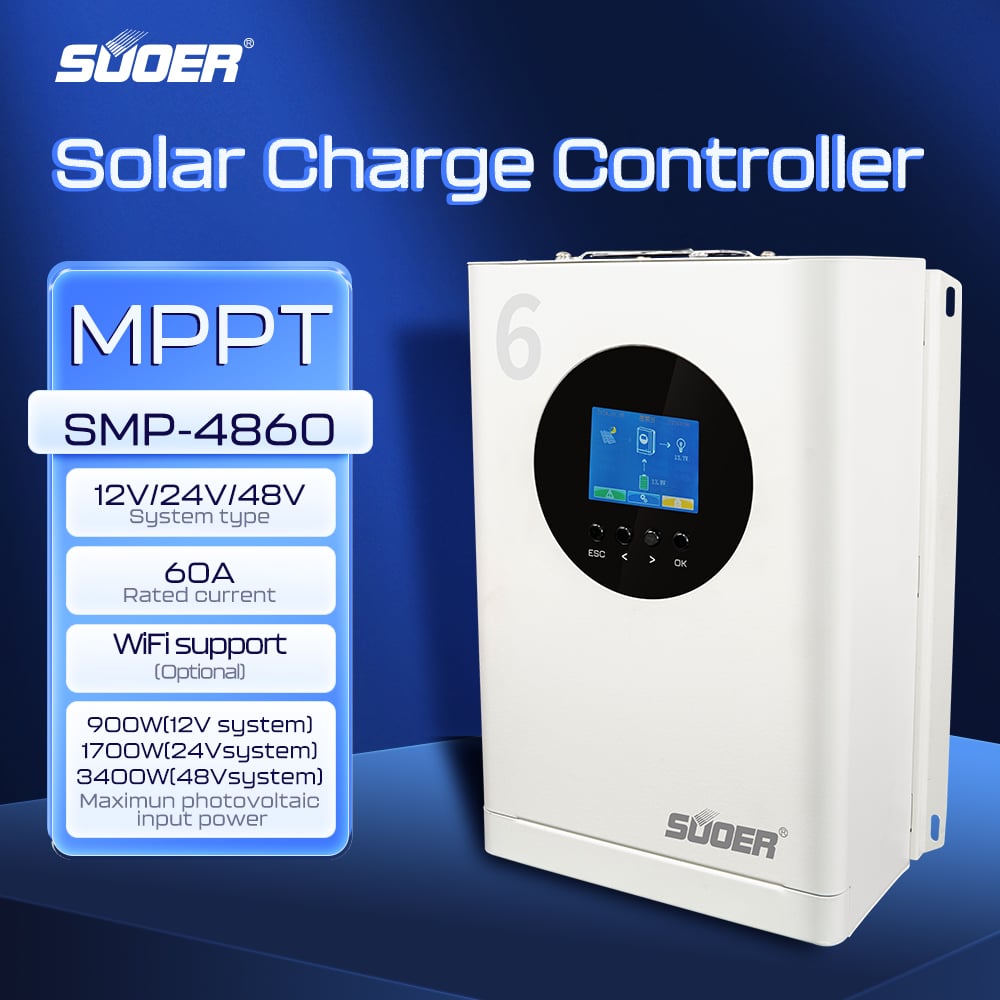
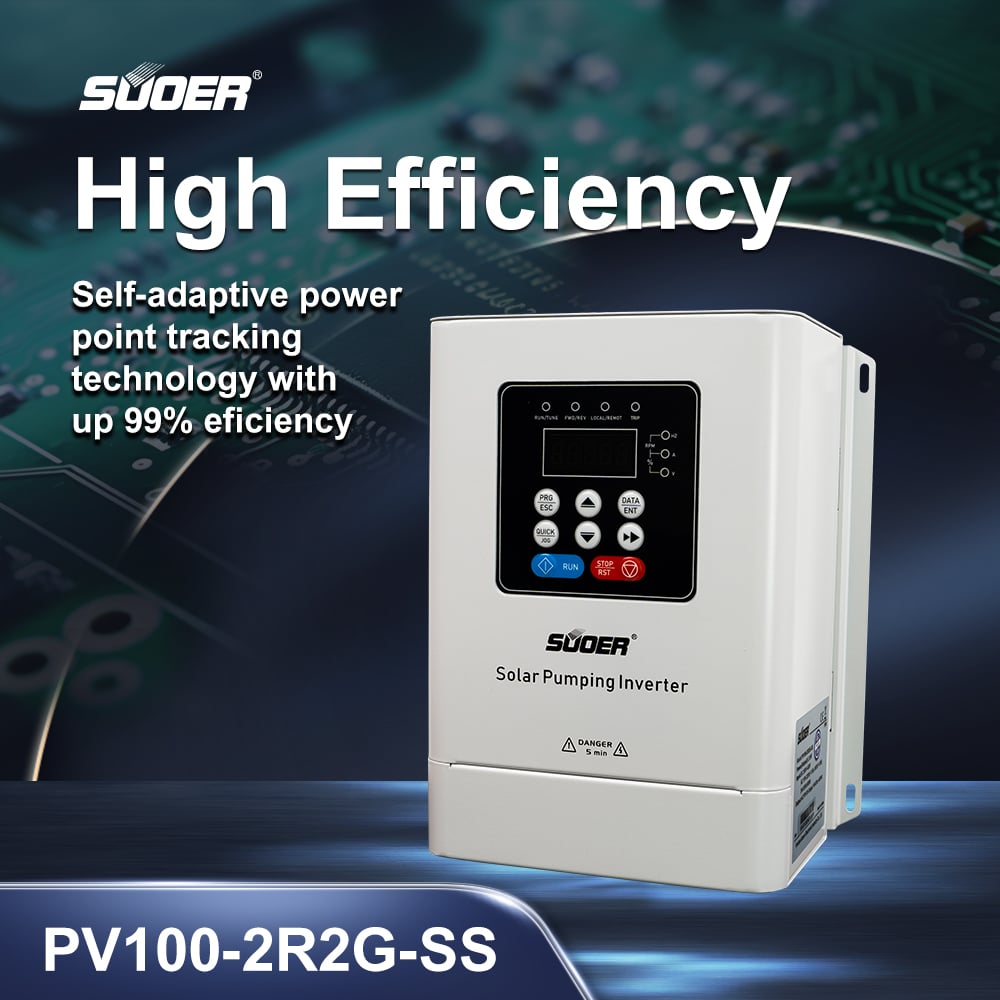
The 48V MPPT solar charge controller is a critical component in photovoltaic systems, ensuring efficient energy management for various applications, including electric vehicles and industrial power supplies. Key concerns for B2B buyers include compatibility with solar panels, efficiency ratings, and reliability over time. This 4.2kw inverter article will guide purchasing managers and engineers through selecting the right controller, understanding key specifications, evaluating cost factors, troubleshooting common issues, and sourcing reliable suppliers.
When selecting a 48V MPPT solar charge controller, consider the specific application requirements. The 3kw 24v inverter controller must be compatible with the voltage and current ratings of the solar panels and the battery system in use. Look for features such as maximum power point tracking (MPPT) efficiency, which can significantly enhance energy capture from solar modules, especially in varying sunlight conditions.
Evaluate the controller's operational temperature range as it affects performance in different climates. For instance, controllers designed for hotter environments should have adequate thermal management features to prevent overheating. Additionally, consider the communication options available, such as Bluetooth or RS485, which allow for remote monitoring and adjustments.
Finally, assess the manufacturer's reputation and the product's certification status. Look for certifications such as ROHS and CE to ensure compliance with safety and environmental standards, which can be particularly important in commercial applications.
When comparing 48V MPPT solar charge controllers, focus on the following key specifications:
Input Voltage Range: Ensure that the controller can handle the voltage output from your solar panels. A wider input range provides flexibility for varying panel configurations.
Maximum Charging Current: This 24v solar inverter specification indicates how much current the controller can manage. Select a controller with a current rating that exceeds your system's peak output to avoid overloads.
Efficiency Rating: Look for controllers with high efficiency ratings, typically above 95%. Higher efficiency translates to better energy conversion and less wasted power.
Protection Features: Ensure the controller has built-in protections against overcharging, short circuits, and reverse polarity. These features safeguard both the battery and the solar system.
User Interface: A clear, intuitive user interface can simplify setup and monitoring. Some controllers offer LCD displays for real-time data, while others may have app-based interfaces for remote management.
Understanding these specifications will help buyers select a controller that meets their performance expectations and application requirements.
The cost of a 48V MPPT solar charge controller can vary significantly based on several factors:
Technology and Features: Advanced features such as wireless communication, enhanced MPPT algorithms, and integrated monitoring systems can increase the price. Determine which features are essential for your application to avoid overspending.
Brand Reputation: Established manufacturers with a history of reliability may charge higher prices due to better warranties and support services. While it may be tempting to choose lower-cost options, consider the long-term reliability and service.
Production Scale: Ordering larger quantities can often lower the per-unit cost. If you’re a purchasing manager for a larger project, negotiate bulk pricing with suppliers.
Customization: If specific modifications or custom features are required, expect additional costs. Always discuss customization options early in the purchasing process to understand their impact on pricing.
Buyers should evaluate these factors carefully to ensure they are getting the best value for their investment.
Despite their advantages, 48V MPPT solar charge controllers can encounter several common issues:
Overheating: If the controller operates in high temperatures without adequate ventilation, it may overheat, leading to reduced performance or failure. Ensure proper installation with sufficient airflow, and consider models with built-in cooling mechanisms.
Connection Issues: Poor connections between the solar panels, controller, and batteries can lead to inefficiencies or system failure. Regularly inspect connections for corrosion or loose fittings to maintain optimal performance.
Firmware Glitches: Controllers can experience software bugs that affect performance. Regularly check for firmware updates from the manufacturer to ensure the system operates smoothly.
Battery Compatibility: Not all controllers work with every type of battery. Confirm compatibility with the specific battery chemistry being used, whether it’s lithium-ion, lead-acid, or others, to prevent damage or inefficiencies.
By understanding these potential issues and implementing preventive measures, buyers can minimize downtime and enhance system reliability.
Finding reliable suppliers for 48V MPPT solar charge controllers involves thorough research and evaluation. Start by looking for manufacturers with proven industry experience and a solid reputation. Here are key steps to consider:
Industry Networking: Attend industry trade shows and conferences to connect with reputable suppliers. Networking can lead to valuable recommendations from peers.
Online Marketplaces: Utilize established B2B platforms that feature verified manufacturers. Review ratings and feedback from previous customers to gauge supplier reliability.
Request Samples: Before committing to a larger order, request samples to evaluate product quality and compatibility with your systems. Assessing a physical product helps to identify potential issues early.
Certifications and Compliance: Ensure that the supplier's products meet necessary certifications such as ROHS and CE. This guarantees that the products comply with safety and environmental regulations.
Customer Support: Evaluate the supplier’s customer service capability. A responsive supplier can assist with troubleshooting and provide guidance on installation and maintenance.
By following these guidelines, buyers can effectively identify and collaborate with suppliers who can meet their specific needs for 48V MPPT solar charge controllers.

Discover Suoer’s premium range of solar inverters and power inverters designed for reliable renewable energy solutions.Trusted by customers worldwide for exceptional performance and durability.
Suoer Industrial Zone, Ercun Road Section, Yanfeng Avenue, Shishan Town,Foshan city,Guangdong Province,China
Copyright © 2024 Foshan Suoer Electronic Industry Co., Ltd. Privacy Policy - Blog

 EN
 AR
 NL
 FR
 DE
 EL
 IT
 JA
 KO
 PT
 RU
 ES
 VI
 TH
 TR
 BG
 HR
 CS
 NO
 PL
 TL
 ID
 SR
 UK
 SQ
 HU
 MT
 AF
 MS
 IS
 HY
 AZ
 BN
 BS
 GU
 LO
 LA
 MN
 NE
 TA