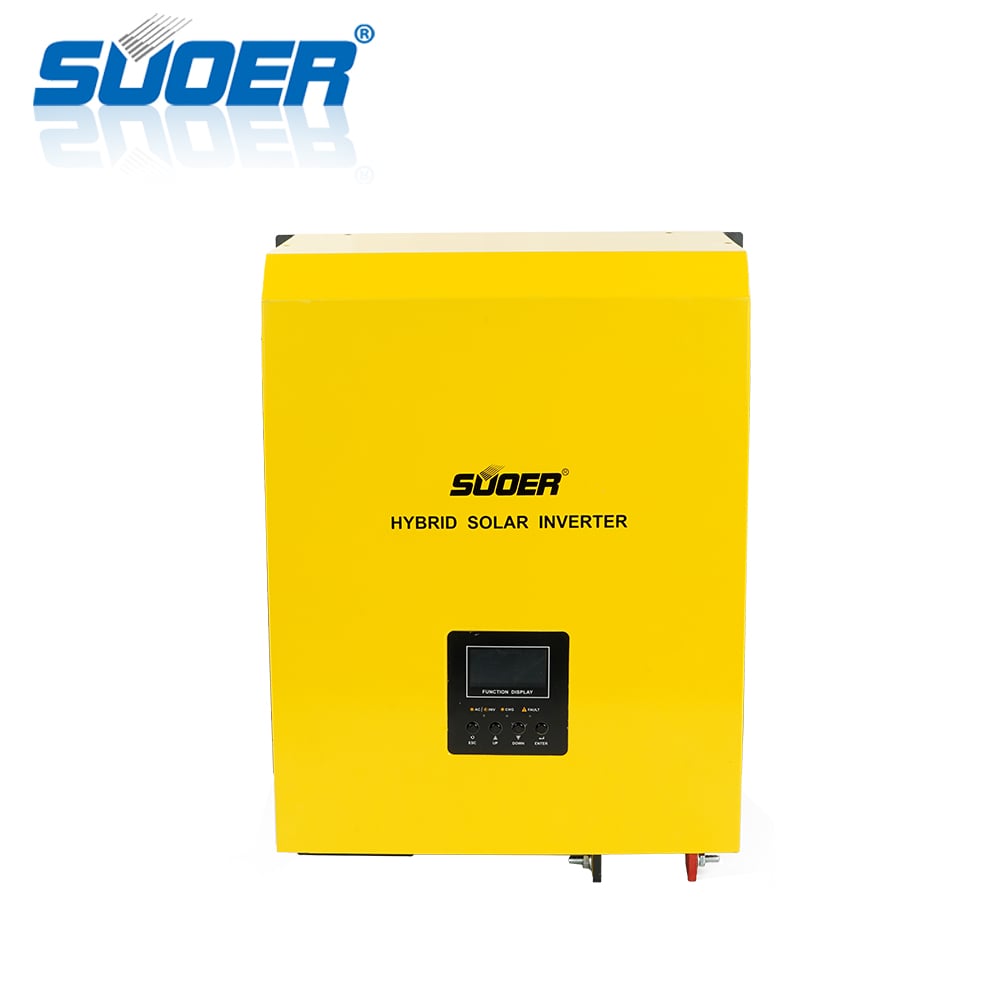
In the realm of power supply solutions, 48V pure sine inverters stand out for their ability to convert DC power into high-quality AC power, making them essential for a variety of applications, including electric vehicles and industrial systems. B2B buyers, such as purchasing managers and engineers, often seek reliable inverters that meet specific performance and quality standards. This article will delve into the critical aspects of selecting, sourcing, and troubleshooting 48V pure sine inverters, providing valuable insights for informed purchasing decisions.
When evaluating 48V pure sine inverters, several key factors should guide your comparison. Start by examining the inverter's specifications, including output power rating, efficiency, total harmonic distortion (THD), and surge capacity. A higher efficiency rating indicates better performance and lower energy losses, which is crucial for both operational cost savings and environmental considerations.
Additionally, consider the inverter's compatibility with your existing systems. Ensure that it can handle the voltage and current requirements of your applications. For instance, in electric vehicle applications, the inverter must efficiently manage the power demands during acceleration as well as during charging cycles. A good choice would be a pure sine wave inverter to ensure optimal performance.
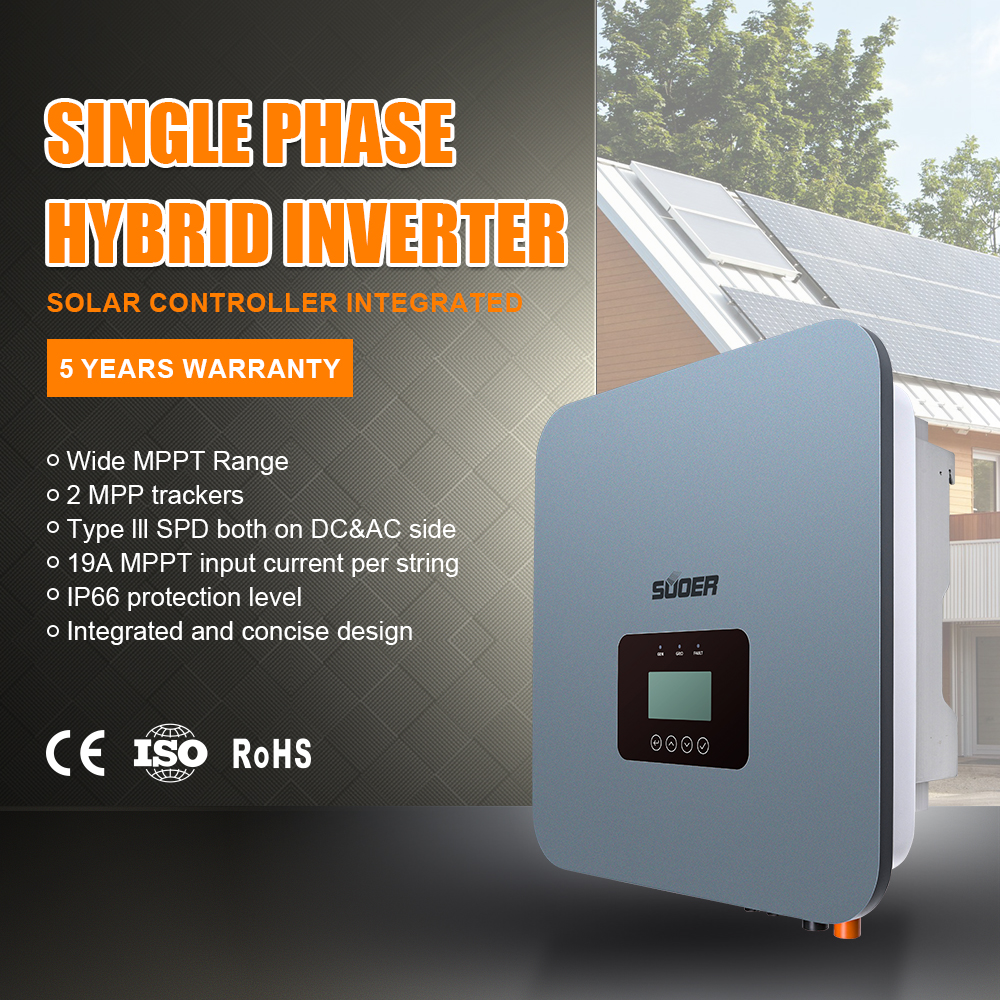
Another important aspect is the inverter's build quality and reliability. Look for products that have passed stringent certifications such as ROHS, CE, and ISO9001. Quality assurance processes during manufacturing can significantly impact the longevity and performance of the inverter, so inquire about the manufacturer’s quality control measures.
Lastly, assess the manufacturer’s experience and reputation in the industry. A company with a proven track record in providing power solutions is more likely to deliver a product that meets your needs effectively.
The advantages of using 48V pure sine inverters in industrial settings are numerous. Firstly, their ability to provide clean, stable AC power ensures that sensitive equipment operates effectively without the risk of damage from power fluctuations or noise. This is particularly beneficial in telecommunications and rail transit applications, where reliability is paramount.
Moreover, pure sine inverters lead to improved efficiency in energy consumption. By reducing harmonic distortion, they allow connected devices to operate at optimal levels, which can result in lower energy costs and reduced wear on equipment. This is especially important for industries that rely on heavy machinery or have high energy demands.
Another key benefit is the versatility of 48V pure sine inverters. They can be integrated into various systems, from photovoltaic setups to electric vehicle charging stations, making them a flexible choice for diverse industrial applications. Their compact size and lightweight design also contribute to easier installation and maintenance, further enhancing their attractiveness for industrial use.
Sourcing high-quality 48V pure sine inverters for bulk orders requires careful consideration of potential suppliers. Begin by identifying manufacturers that specialize in power supply solutions and have a strong reputation in the new energy industry. Look for companies that are known for their rigorous research and development processes, as well as their commitment to quality manufacturing. It may also be beneficial to explore options related to home energy storage solutions as part of your sourcing strategy.
It's beneficial to establish relationships with suppliers who can provide not only the inverters but also technical support and product customization. Discuss your specific requirements, such as production capacity, lead time, and packaging options. Additionally, inquire about minimum order quantities (MOQs) to ensure that they can meet your bulk needs without compromising on quality.
Engaging in industry expos or trade shows can also be an effective way to find reputable manufacturers. These events provide opportunities to interact directly with suppliers, enabling you to assess their products firsthand and discuss your needs in detail.
Lastly, don't overlook the importance of checking references or customer testimonials. Feedback from other businesses can provide valuable insights into the supplier’s reliability and product performance.
Understanding the cost factors that influence the wholesale pricing of 48V pure sine inverters is crucial for effective budgeting. Several elements contribute to the overall cost, including the materials used in production, manufacturing techniques, and the scale of production.
High-quality components, such as capacitors and transformers, can significantly affect the price. While cheaper alternatives may seem appealing, they often lead to compromised performance and reliability. Therefore, it's essential to balance cost with the quality of materials to ensure long-term value.
Manufacturing processes also play a role in pricing. Automated production lines, while initially more expensive to set up, can reduce labor costs and improve consistency in product quality. Thus, manufacturers with advanced manufacturing capabilities may offer competitive pricing without sacrificing quality.
Finally, consider the logistics of shipping and handling. For bulk orders, transportation costs can add up, especially for international shipments. Discussing delivery options and potential costs upfront can help avoid surprises later in the purchasing process.
While 48V pure sine inverters are generally reliable, several common issues can arise during operation. One frequent problem is overheating, which can result from inadequate ventilation or overloading. To mitigate this, ensure that the inverter is installed in a well-ventilated area and that it is not exceeding its rated capacity.
Another issue is waveform distortion, which can occur if the inverter is not properly used or if the connected load is too inductive. To address this, verify that the inverter is matched to the load requirements and consider using filters to improve power quality if necessary.
Lastly, compatibility concerns can arise when integrating inverters with other system components. Before installation, confirm that all components are compatible and that appropriate safeguards are in place to protect against voltage spikes.
Regular maintenance and monitoring can help identify these issues before they escalate. Implementing a routine inspection schedule and maintaining a good relationship with the supplier for technical support can ensure that any potential problems are addressed promptly, keeping your operations running smoothly.
Discover Suoer’s premium range of solar inverters and power inverters designed for reliable renewable energy solutions.Trusted by customers worldwide for exceptional performance and durability.
Suoer Industrial Zone, Ercun Road Section, Yanfeng Avenue, Shishan Town,Foshan city,Guangdong Province,China
Copyright © 2024 Foshan Suoer Electronic Industry Co., Ltd. Privacy Policy - Blog
 EN
 AR
 NL
 FR
 DE
 EL
 IT
 JA
 KO
 PT
 RU
 ES
 VI
 TH
 TR
 BG
 HR
 CS
 NO
 PL
 TL
 ID
 SR
 UK
 SQ
 HU
 MT
 AF
 MS
 IS
 HY
 AZ
 BN
 BS
 GU
 LO
 LA
 MN
 NE
 TA