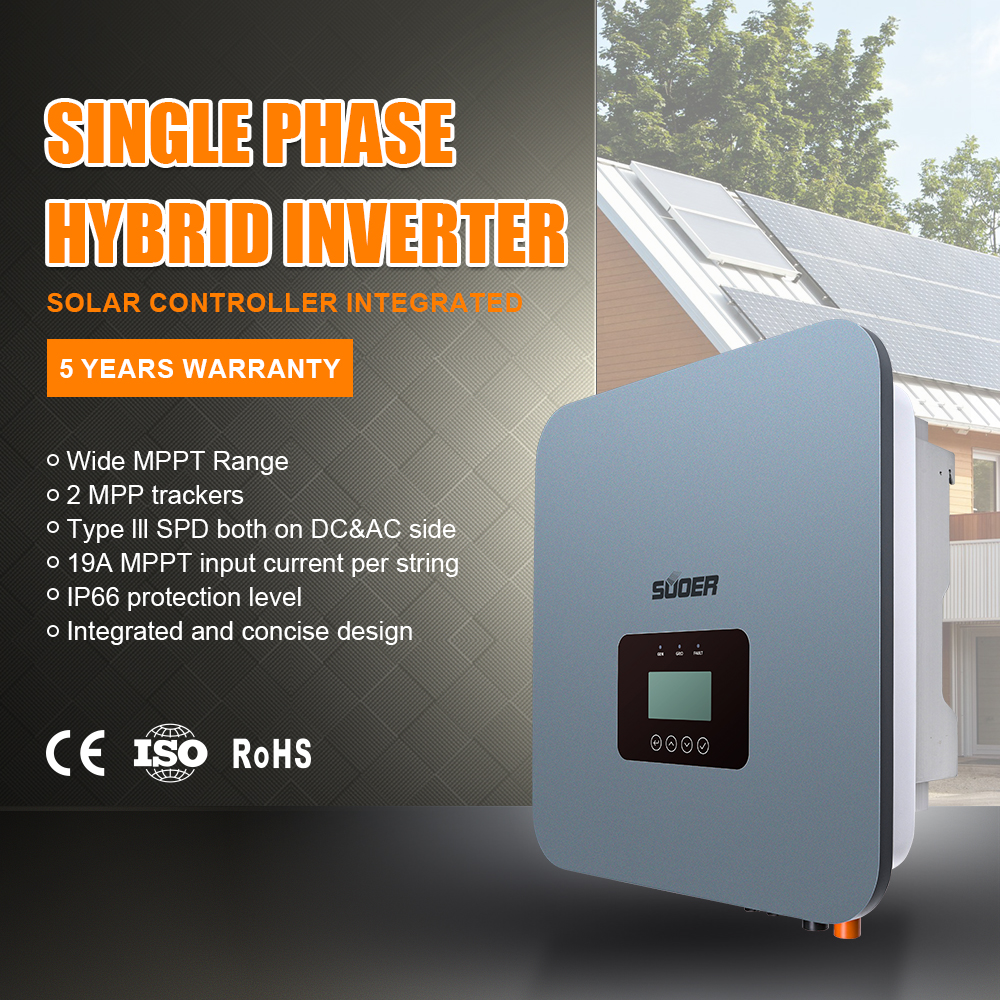
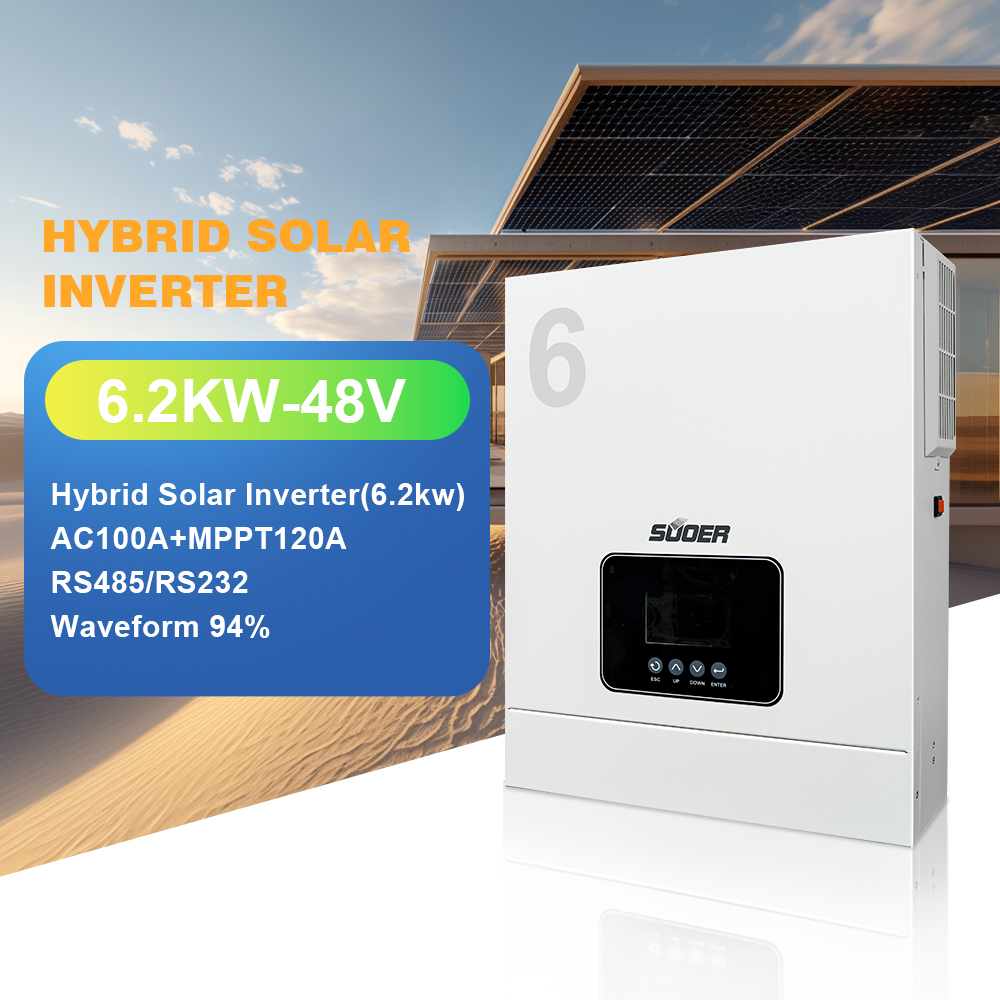
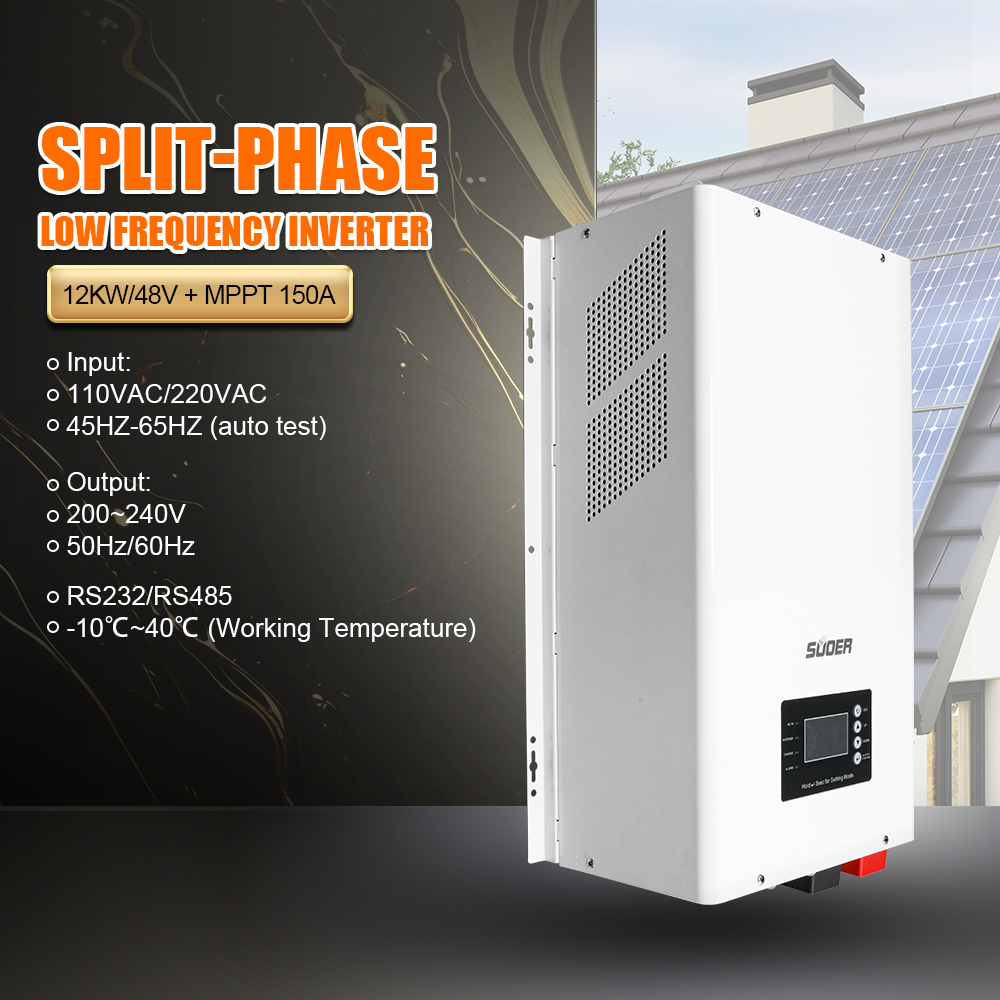
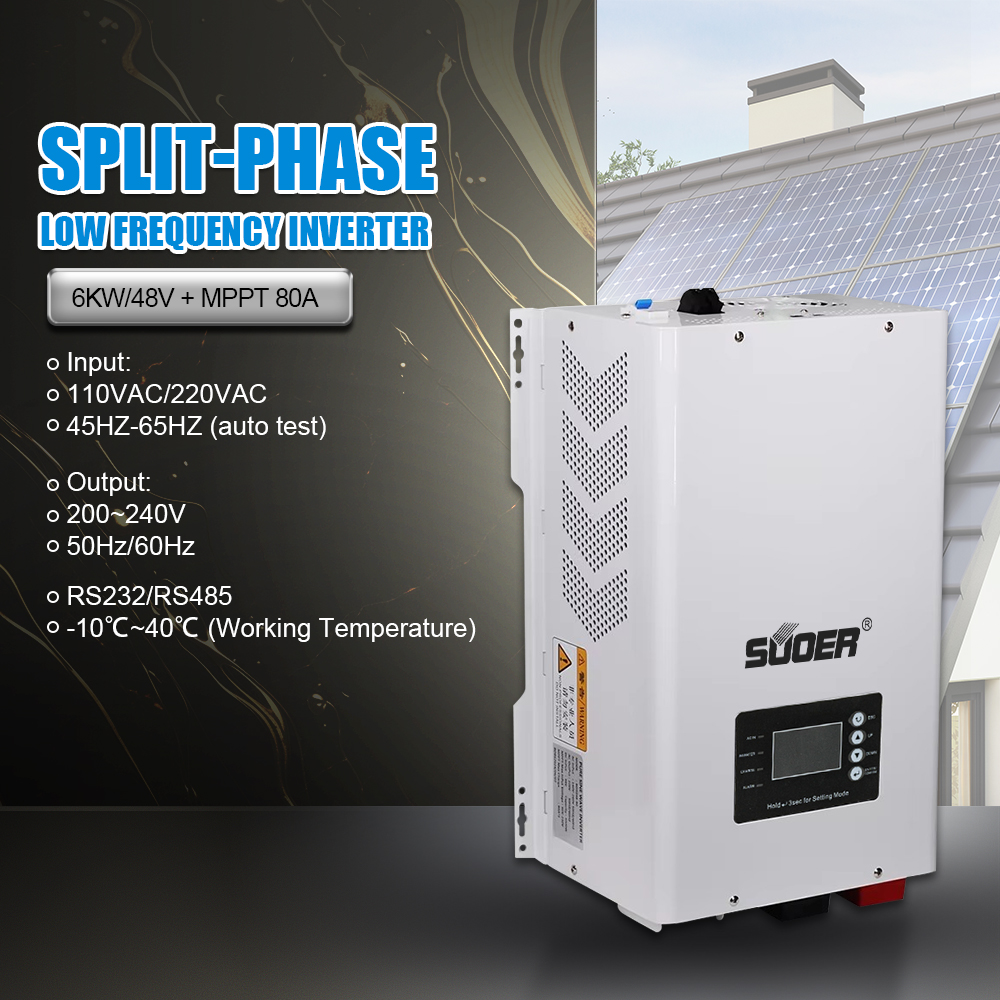
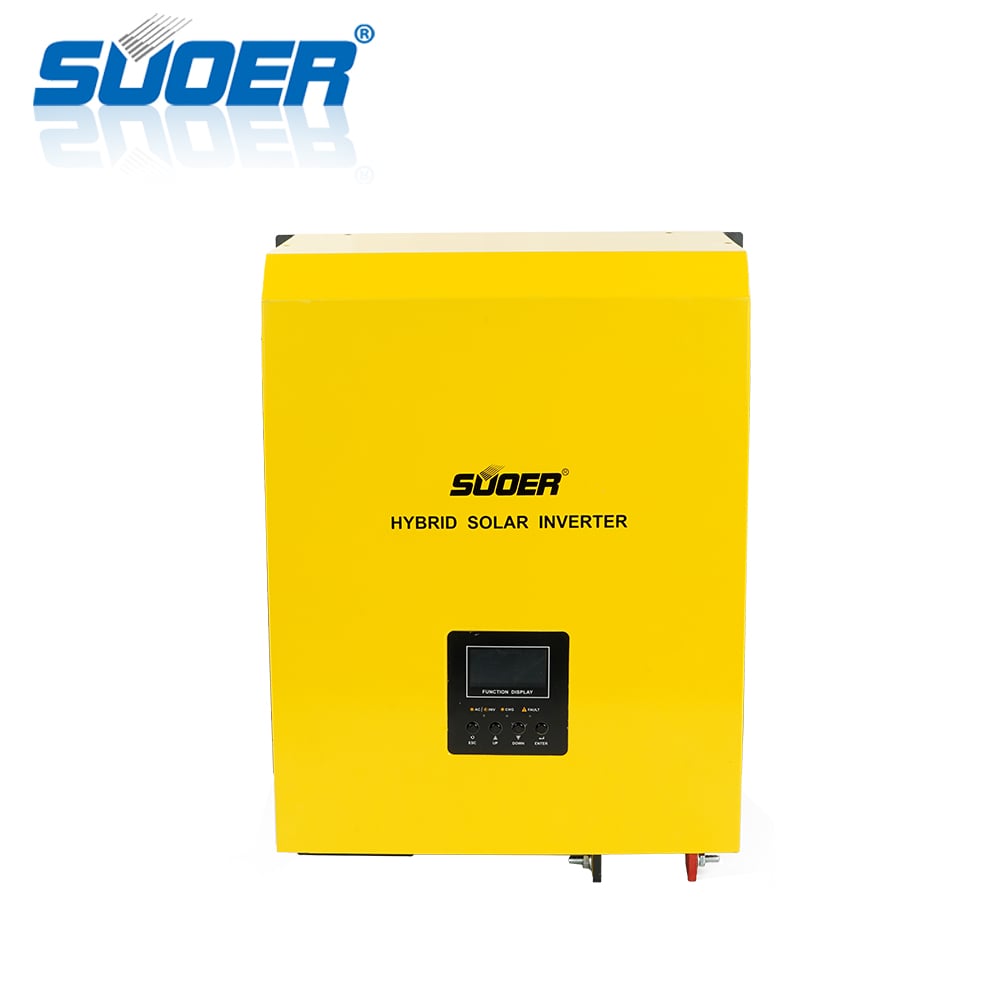
In the realm of power supplies, 48V pure sine wave inverters play a crucial role in delivering clean and stable power across various applications, especially in electric vehicles, industrial settings, and renewable energy systems. Buyers seeking these inverters typically prioritize reliability, efficiency, and compliance with industry standards. This article aims to provide essential insights into the specifications, ordering processes, installation, benefits, and applications of high-quality 48V pure sine wave inverters, enabling informed purchasing decisions.
When evaluating 48V pure sine wave inverters, several key specifications should be considered to ensure optimal performance for specific applications.
Output Waveform: The inverter should produce a pure sine wave output, which is critical for sensitive electronic devices. This ensures minimal harmonic distortion and prolongs the lifespan of connected equipment.
Efficiency Rating: Look for inverters with high efficiency ratings (typically above 90%). Higher efficiency translates to reduced energy loss during conversion, resulting in lower operational costs.
Continuous and Surge Power Ratings: These ratings indicate the inverter's capacity to handle steady loads and short-term peaks. Ensure the continuous power rating meets or exceeds your application requirements, while the surge rating should accommodate any startup currents of connected devices.
Operating Temperature Range: Quality inverters should function efficiently within a specified temperature range. This is crucial for environments where temperature fluctuations can occur, such as in outdoor installations.
Protection Features: Essential protective features include overload, over-voltage, under-voltage, and short-circuit protection. These safeguards help ensure the safety and longevity of both the inverter and connected equipment.
Understanding these specifications can help buyers evaluate different products and ensure they select an inverter that meets their operational needs.
When considering bulk orders of 48V pure sine wave inverters, several factors come into play to facilitate a smooth purchasing experience.
Minimum Order Quantity (MOQ): Many manufacturers establish a MOQ for bulk purchases. Understanding this requirement helps buyers align their purchasing strategy with supplier capabilities.
Customization Options: Bulk orders often allow for customization, such as specific output configurations, housings, or additional features. Discussing customization capabilities with the manufacturer can lead to tailored solutions that meet unique project requirements.
Pricing Considerations: Bulk purchasing typically yields cost advantages. Factors influencing pricing include order size, customization requests, and payment terms. Buyers should communicate their needs clearly to negotiate favorable pricing.
Lead Times: Production lead times can vary based on order size and customization. Engaging early with suppliers to discuss timelines is crucial for project planning and execution.
By focusing on these aspects, buyers can streamline the procurement of 48V pure sine wave inverters, ensuring timely delivery and alignment with project specifications.
Proper installation is vital for the effective operation of 48V pure sine wave inverters. Here are essential guidelines for successful installation:
Site Assessment: Before installation, conduct a thorough assessment of the site. Consider factors such as ambient temperature, ventilation, and proximity to other equipment to ensure optimal operating conditions.
Electrical Connections: Follow all electrical codes and standards during installation. Ensure that wire sizes are appropriate for the current ratings of the inverter and that connections are secure to prevent arcing or overheating.
Mounting Requirements: Inverters should be mounted securely in a location that is both accessible for maintenance and protected from environmental factors. If the inverter will be used outdoors, ensure it meets relevant IP (Ingress Protection) ratings.
Testing Before Operation: After installation, conduct a thorough testing process. Check all connections, verify output waveforms, and ensure that protective features are functioning correctly before connecting any load.
By adhering to these installation guidelines, buyers can minimize potential operational issues and enhance the reliability of their 48V pure sine wave inverters.
Investing in high-quality 48V pure sine wave inverters offers several benefits that significantly impact both operational efficiency and equipment longevity:
Improved Equipment Performance: Pure sine wave inverters produce a smooth waveform, which is essential for sensitive electronics. This leads to improved performance and reduced wear on equipment.
Energy Efficiency: High-quality inverters are designed to minimize energy loss during conversion, resulting in lower electricity costs and reduced environmental impact.
Enhanced Safety: Inverter designs that incorporate comprehensive protection features help prevent electrical faults, protecting both the inverter and connected devices from damage.
Longer Lifespan: By reducing stress on connected equipment and minimizing energy loss, high-quality inverters contribute to a longer operational lifespan, translating to lower replacement costs over time.
Compliance with Standards: Quality inverters often meet or exceed industry standards, ensuring that they are suitable for demanding applications in sectors such as telecommunications, rail transit, and renewable energy.
These benefits underscore the importance of selecting reliable 48V pure sine wave inverters for industrial applications, enhancing both performance and safety.
48V pure sine wave inverters find numerous applications across various industries, with notable uses in electric vehicles (EVs) and renewable energy systems:
Electric Vehicles: In EVs, these inverters play a crucial role in converting DC power from the battery to AC power for the electric motor. Their ability to provide clean, stable power is essential for optimizing vehicle performance and efficiency.
Renewable Energy Systems: In photovoltaic (PV) systems, 48V inverters are used to convert the DC output of solar panels into usable AC power. This is vital for integrating solar energy into electrical grids or for use in off-grid applications.
Telecommunications: The telecommunications sector relies on pure sine wave inverters to ensure that sensitive equipment, such as servers and communication devices, receive stable power without fluctuations that could disrupt operations.
Industrial Automation: In industrial settings, these inverters are used to power equipment that requires precise control and stable power supply, such as robotic systems and manufacturing machinery.
Rail Transit: In rail systems, 48V inverters are employed to provide power for onboard systems and equipment, ensuring reliable operations under demanding conditions.
By understanding these applications, buyers can better assess how 48V pure sine wave inverters can meet their specific operational needs across various sectors.

Discover Suoer’s premium range of solar inverters and power inverters designed for reliable renewable energy solutions.Trusted by customers worldwide for exceptional performance and durability.
Suoer Industrial Zone, Ercun Road Section, Yanfeng Avenue, Shishan Town,Foshan city,Guangdong Province,China
Copyright © 2024 Foshan Suoer Electronic Industry Co., Ltd. Privacy Policy - Blog

 EN
 AR
 NL
 FR
 DE
 EL
 IT
 JA
 KO
 PT
 RU
 ES
 VI
 TH
 TR
 BG
 HR
 CS
 NO
 PL
 TL
 ID
 SR
 UK
 SQ
 HU
 MT
 AF
 MS
 IS
 HY
 AZ
 BN
 BS
 GU
 LO
 LA
 MN
 NE
 TA