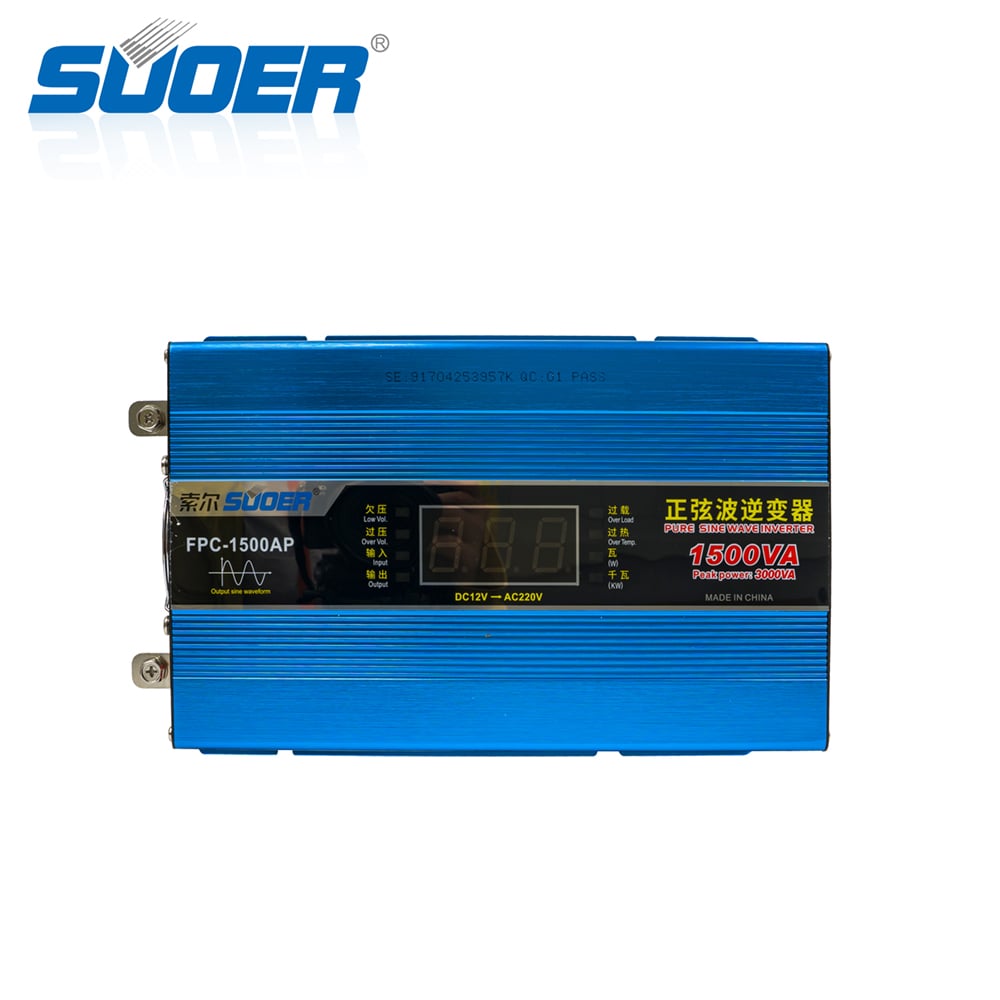
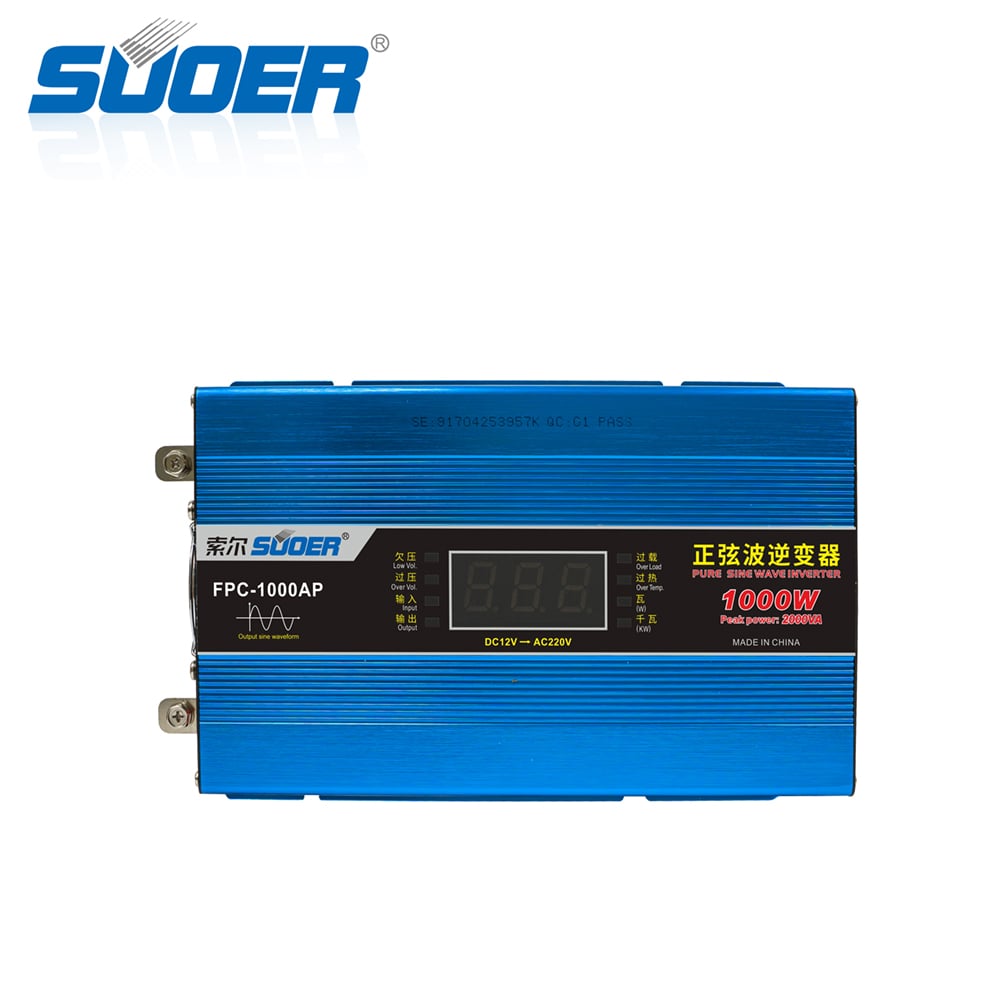
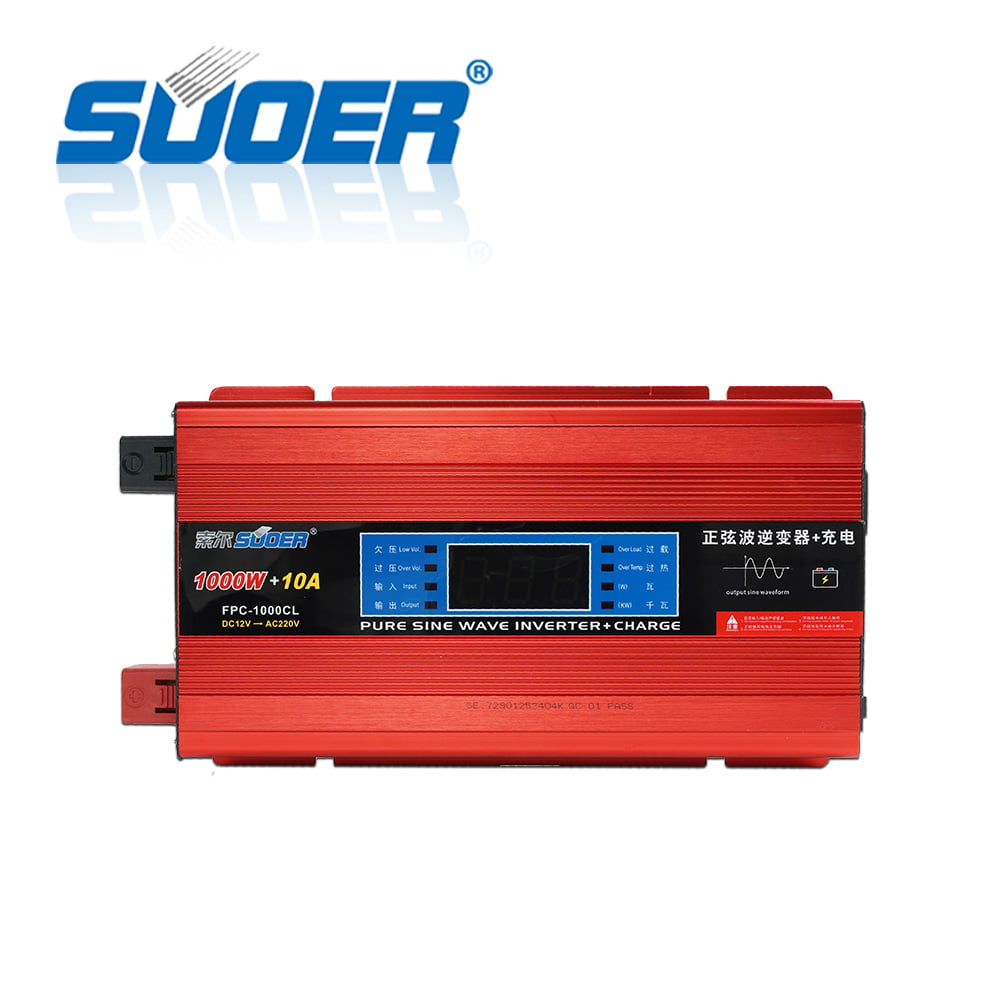
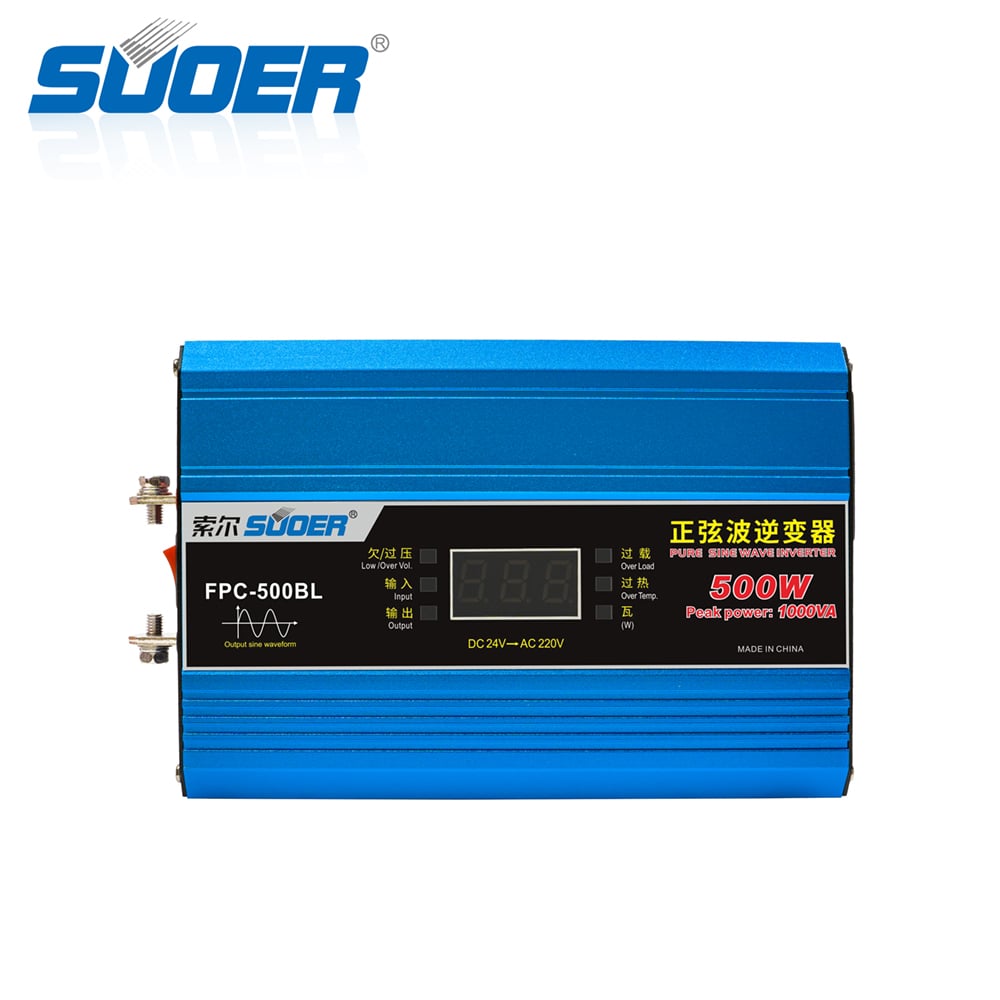
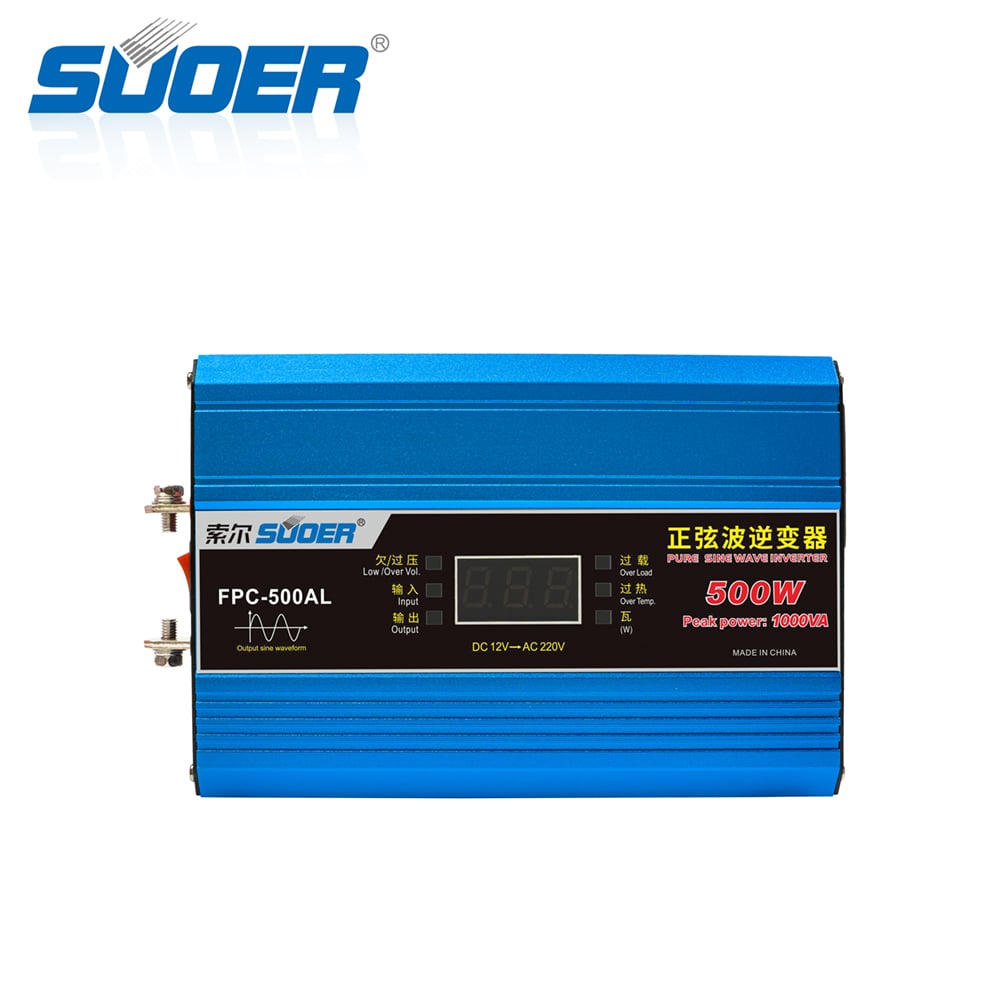
Pure sine wave off grid inverters are essential components for converting DC power from renewable sources, such as solar panels or batteries, into high-quality AC power suitable for powering sensitive electronic devices. In the B2B landscape, purchasing managers and engineers must consider various factors when selecting these inverters, including application suitability, quality standards, and supply reliability. This article aims to guide you through the critical aspects of choosing the right pure sine wave off grid inverter for your project, identifying reliable suppliers, ensuring quality standards, evaluating cost factors, and understanding key industrial applications.
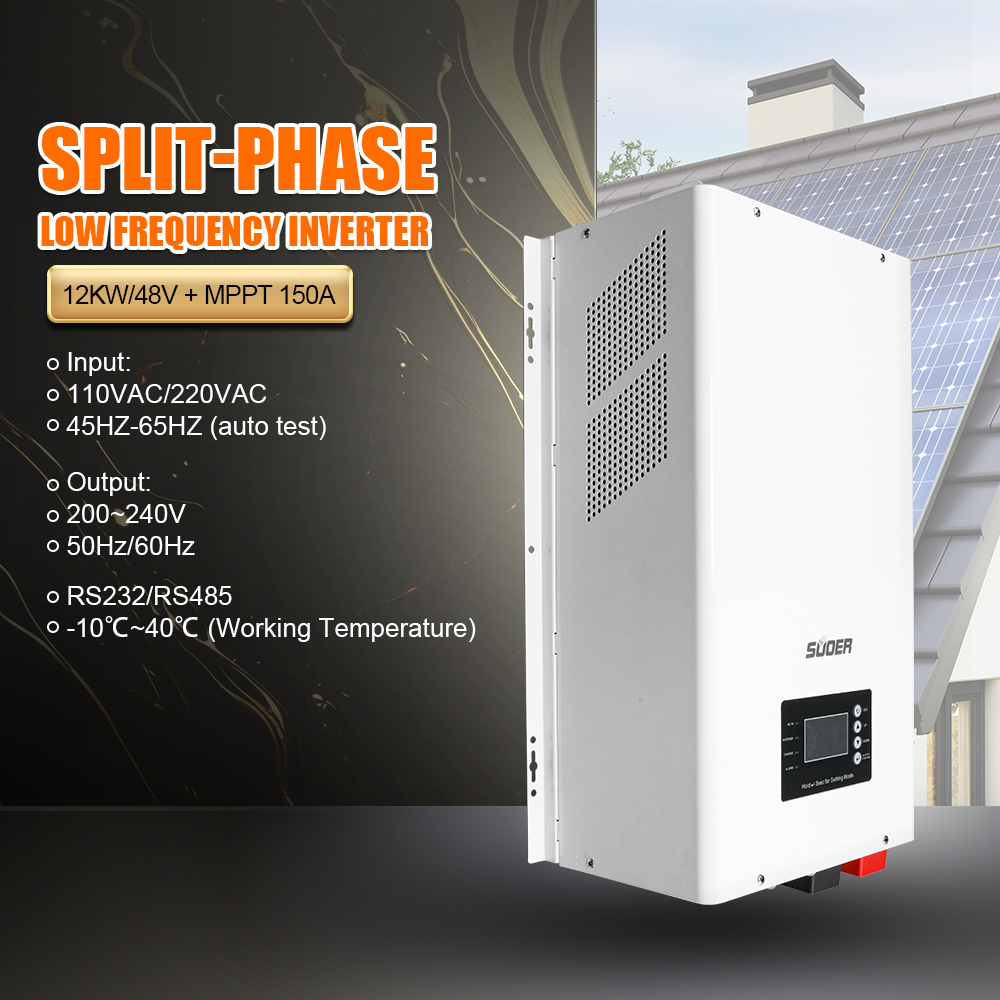
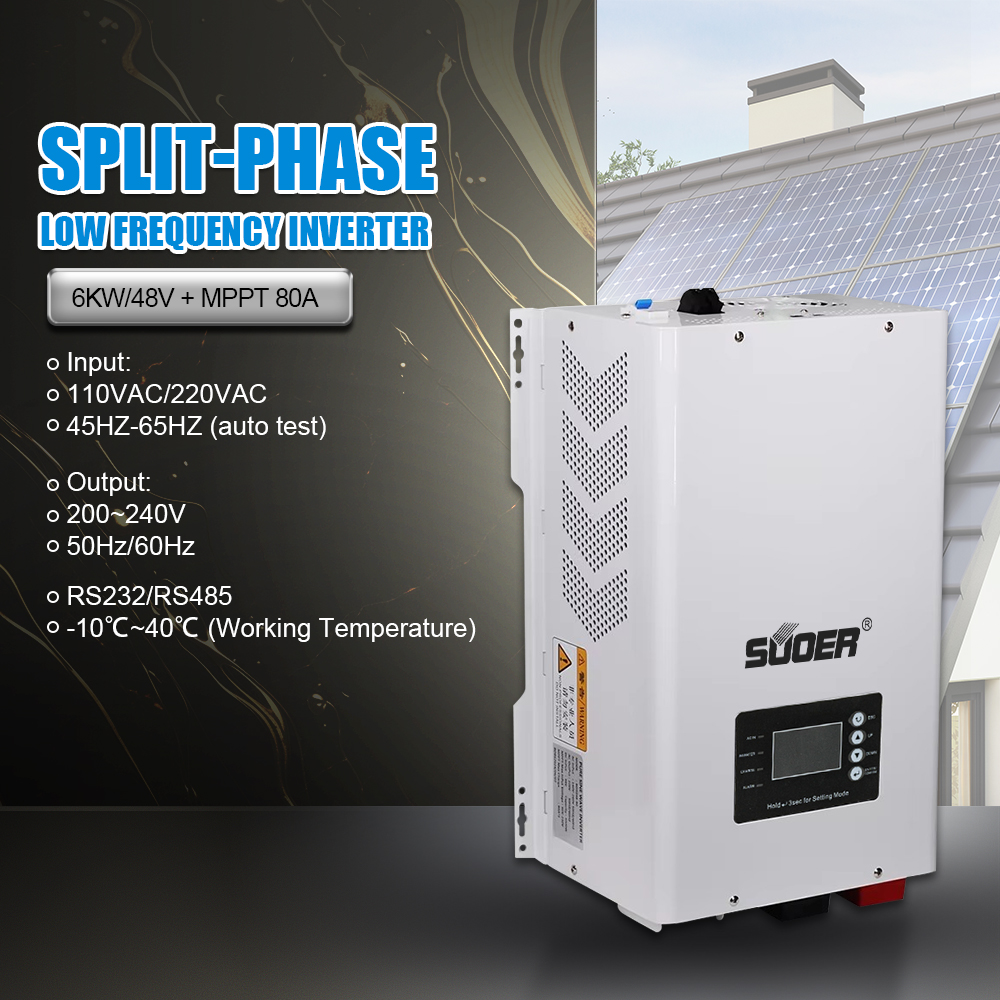
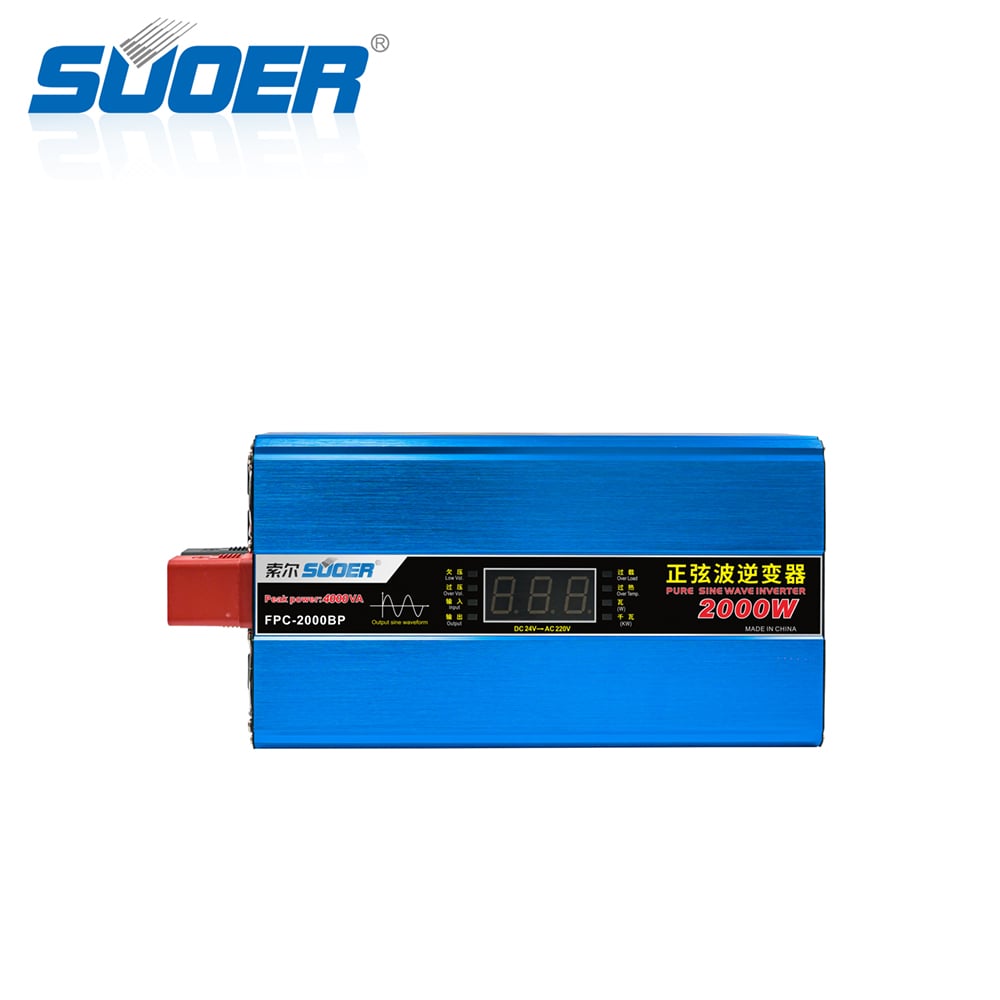
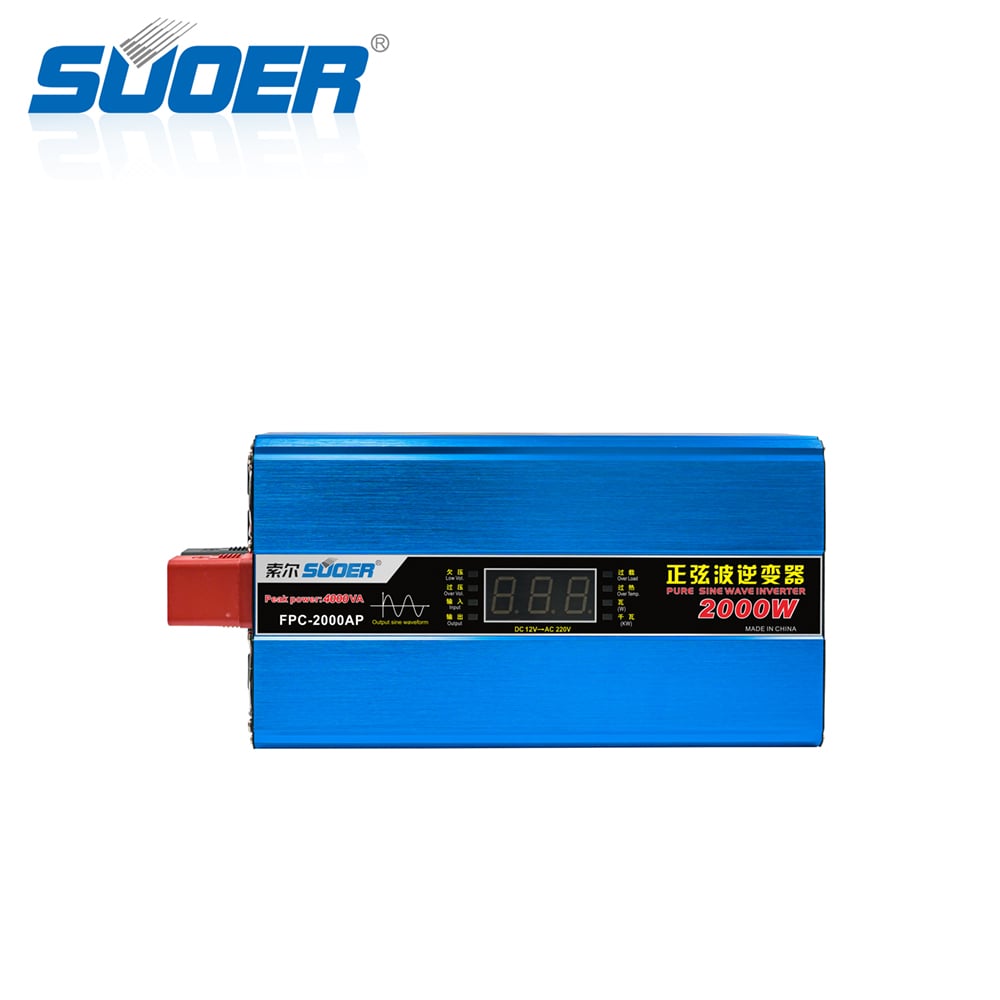
When selecting a pure sine wave off grid inverter, understanding your specific application is paramount. Key specifications to consider include power output (measured in watts), input voltage range, and efficiency rating. For instance, if you are powering sensitive electronics, such as medical devices or computers, an inverter like the New 12kw Hybrid Solar Off-Grid Inverter System 15kwh 300ah Lithium Iron Lifepo4 Battery with a high peak power rating and excellent efficiency is crucial.
Additionally, consider the inverter's surge capacity, which is the ability to handle short bursts of high power to start devices like motors or refrigerators. Ensure that the inverter's specifications align with the load requirements of the equipment it will serve. This alignment helps prevent operational issues and potential damage to both the inverter and the connected devices.
Customization capabilities can also play a significant role in your choice. Depending on your project's unique needs, you might require specific features, such as remote monitoring, integrated battery management systems, or enhanced safety features. Engaging with a manufacturer that offers customizable solutions can facilitate a more tailored fit for your application.
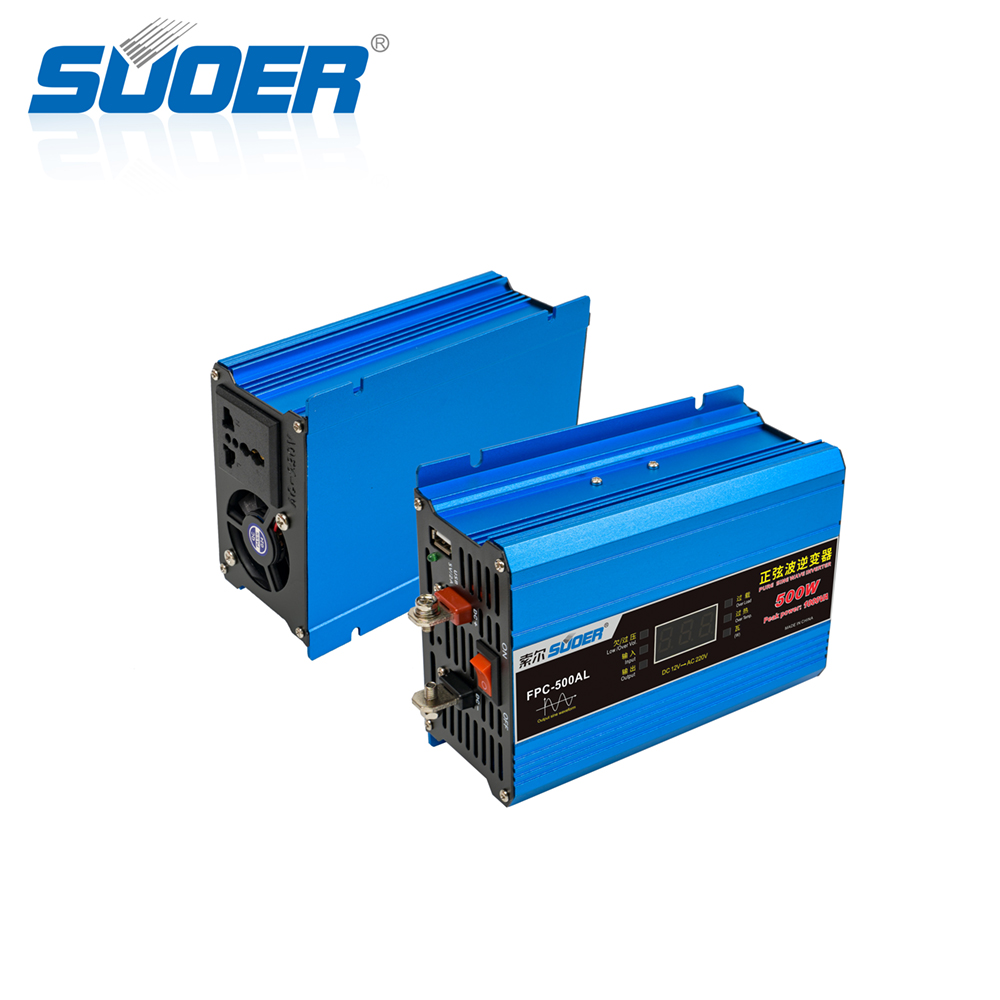
Finding trustworthy suppliers is essential for ensuring the reliability of your power systems. Start by researching manufacturers with a solid reputation in the industry, particularly those who specialize in renewable energy solutions. Look for companies that have established relationships with major vehicle OEMs and have a proven track record in sectors like telecommunications and rail transit, as these industries require robust and reliable power solutions.
You can also evaluate suppliers based on their certifications, such as ROHS, CE, and ISO9001. These certifications indicate adherence to international quality and safety standards, which is crucial for ensuring product reliability and performance. Furthermore, consider attending industry trade shows, conferences, and forums where you can meet suppliers and discuss your requirements in person. Networking in these environments often leads to valuable connections and insights into supplier capabilities.
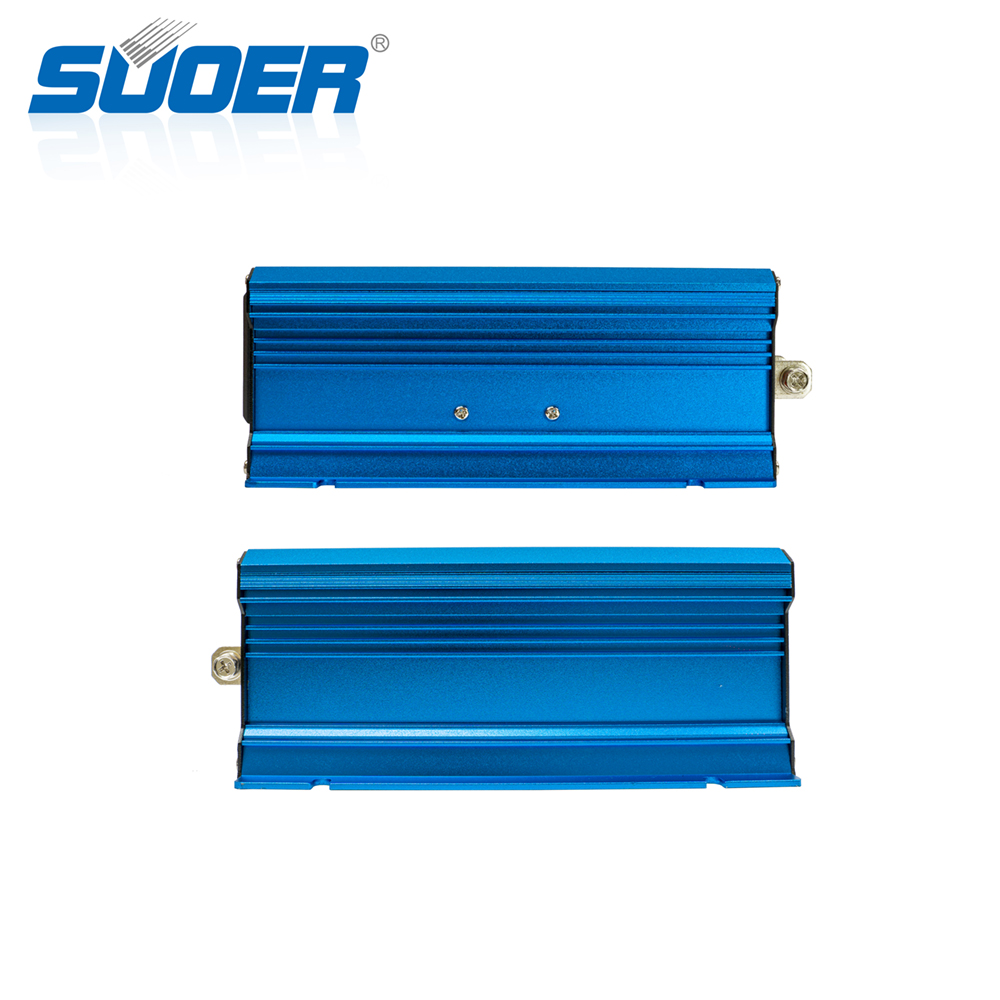
When purchasing pure sine wave off grid inverters in bulk, it is crucial to evaluate quality standards comprehensively. Begin with a review of the manufacturing processes employed by the supplier. Look for companies that utilize automated production systems and have a high-level research and development (R&D) team. This combination often results in higher quality products due to enhanced precision and innovation in design.
Quality control processes should also be a focus. Inquire about testing procedures, including the types of tests conducted during production, such as thermal cycling, load testing, and efficiency verification. It is also advisable to request documentation of quality assurance protocols, including how defects are managed and rectified during the production cycle.
Additionally, before finalizing a bulk order, request samples of the inverters to conduct your own tests under actual operating conditions. This practice helps ensure that the product meets your specific performance requirements and will function reliably within your intended applications.
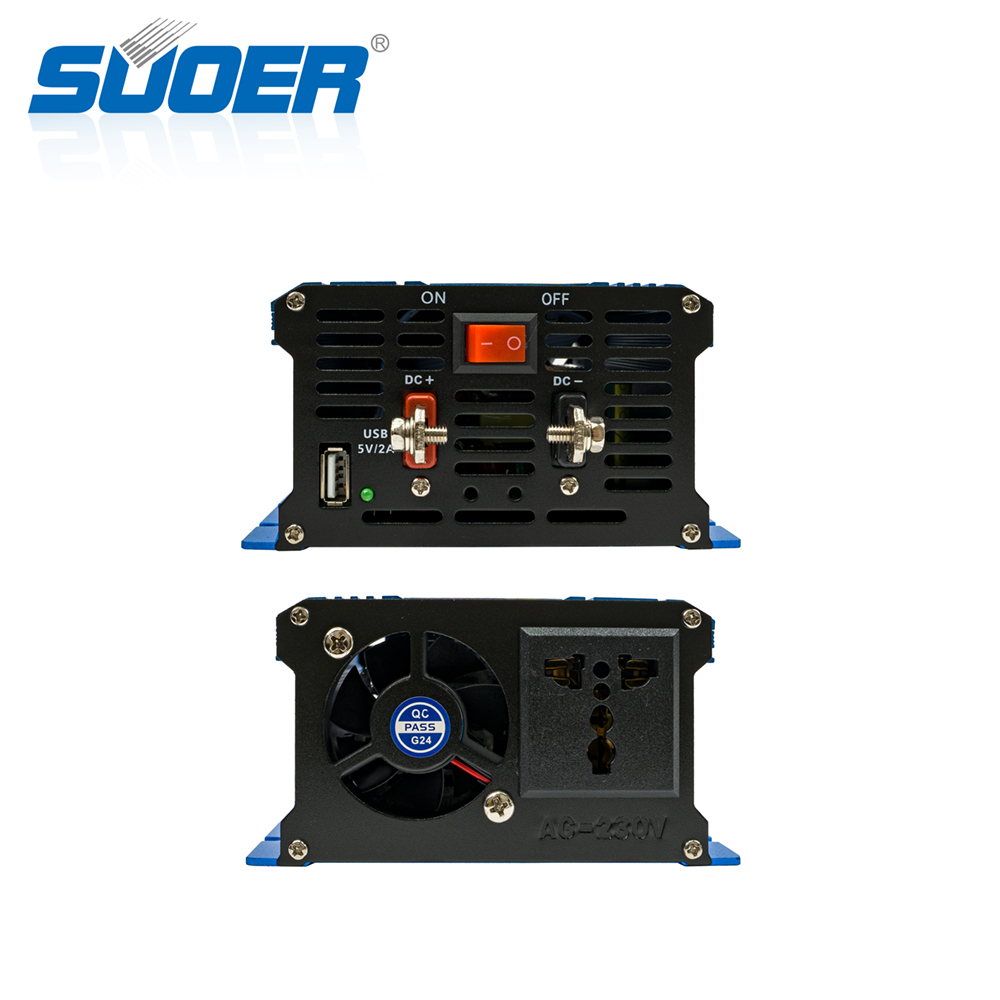
Cost is a critical consideration when purchasing pure sine wave off grid inverters in bulk. Several factors influence pricing, including the specifications of the inverter, the materials used, and the scale of your order. Typically, higher specifications and advanced features may increase the upfront costs but can lead to better long-term performance and efficiency.
Volume discounts often play a significant role in bulk purchases. Suppliers may offer reduced pricing based on order quantities, so it is worthwhile to negotiate terms and explore potential savings. However, be cautious about selecting solely based on price; ensure that the cost aligns with the quality and reliability of the product.
Other cost considerations include shipping and handling fees, import duties (if applicable), and the potential need for customizations, which can add to the overall cost. Before placing your order, gather a comprehensive quote that includes all potential costs to avoid unexpected expenses down the line.
Pure sine wave off grid inverters find applications across various industries due to their reliability and efficiency in converting DC power to AC power. In the renewable energy sector, they are commonly used in solar power systems, where they enable the use of solar energy for residential and commercial applications. This capability supports energy independence and sustainability goals with products like the 6200W Hybrid Solar Off-Grid Inverter System 10kwh Lithium Iron Lifepo4 Battery.
In electric vehicle charging stations, pure sine wave inverters play a vital role by ensuring that the power supplied to vehicles is clean and stable, preventing damage to sensitive vehicle electronics. Similarly, in telecommunications, these inverters are essential for maintaining uninterrupted power supply to communication equipment, ensuring connectivity in critical situations.
Other key applications include industrial automation, where they power automation equipment and machinery, and rail transit systems, where they provide reliable power for signaling and communication systems. Understanding the specific application needs and ensuring compatibility with existing systems is crucial for maximizing the benefits of pure sine wave off grid inverters.
By considering these factors, B2B buyers can make informed decisions when selecting pure sine wave off grid inverters for their projects, ensuring both reliability and efficiency in their power systems.

Discover Suoer’s premium range of solar inverters and power inverters designed for reliable renewable energy solutions.Trusted by customers worldwide for exceptional performance and durability.
Suoer Industrial Zone, Ercun Road Section, Yanfeng Avenue, Shishan Town,Foshan city,Guangdong Province,China
Copyright © 2024 Foshan Suoer Electronic Industry Co., Ltd. Privacy Policy - Blog

 EN
 AR
 NL
 FR
 DE
 EL
 IT
 JA
 KO
 PT
 RU
 ES
 VI
 TH
 TR
 BG
 HR
 CS
 NO
 PL
 TL
 ID
 SR
 UK
 SQ
 HU
 MT
 AF
 MS
 IS
 HY
 AZ
 BN
 BS
 GU
 LO
 LA
 MN
 NE
 TA