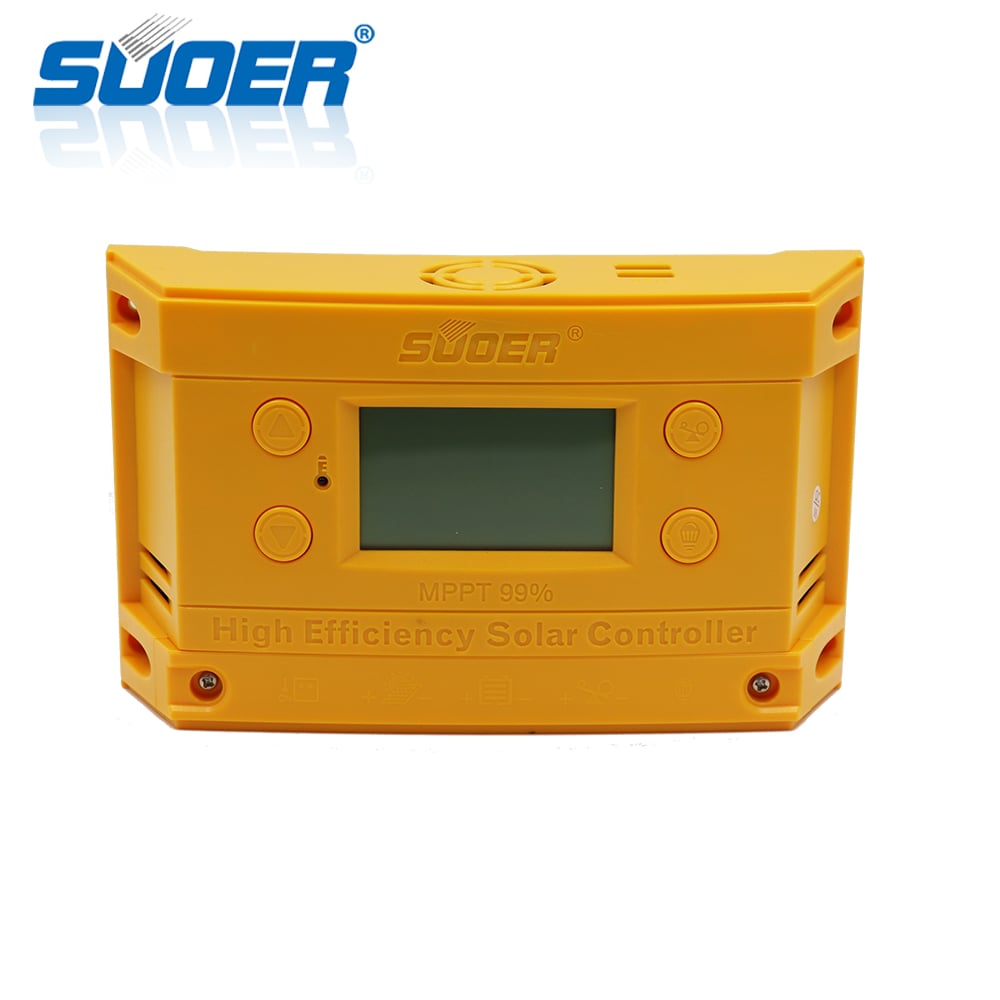
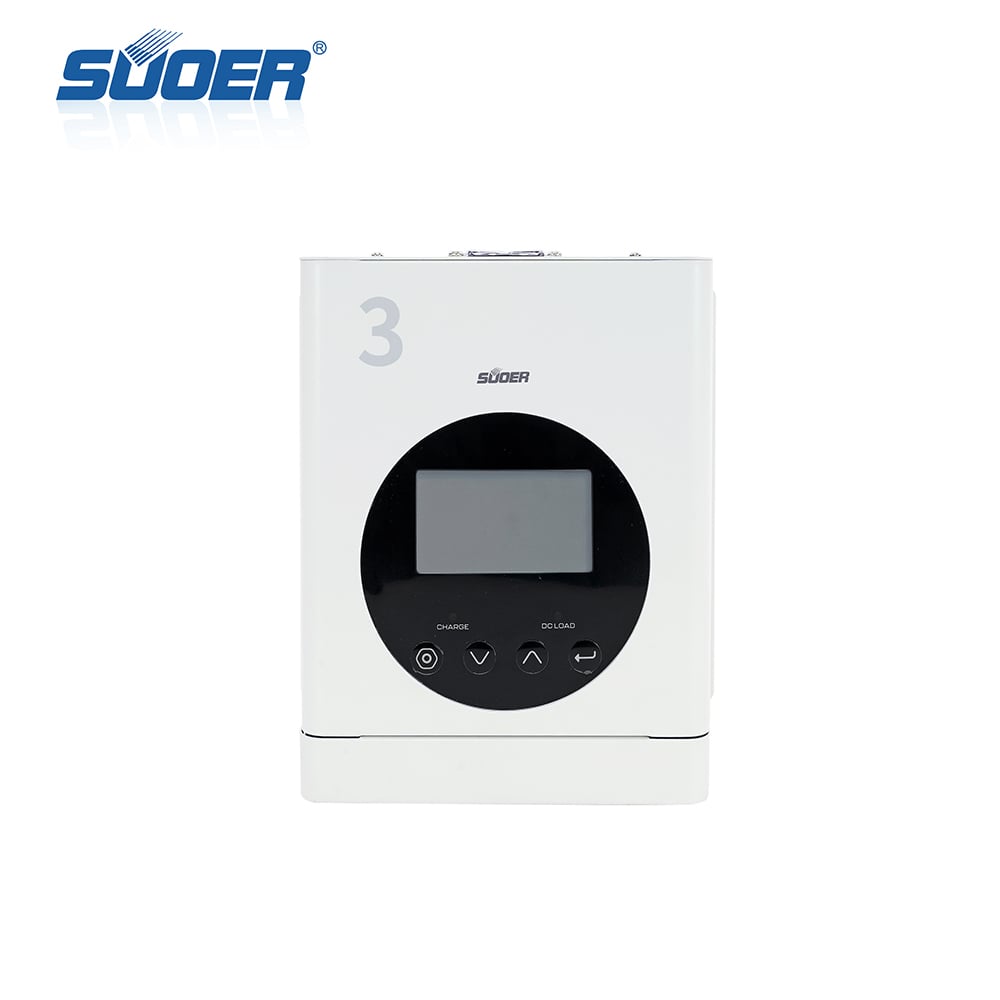
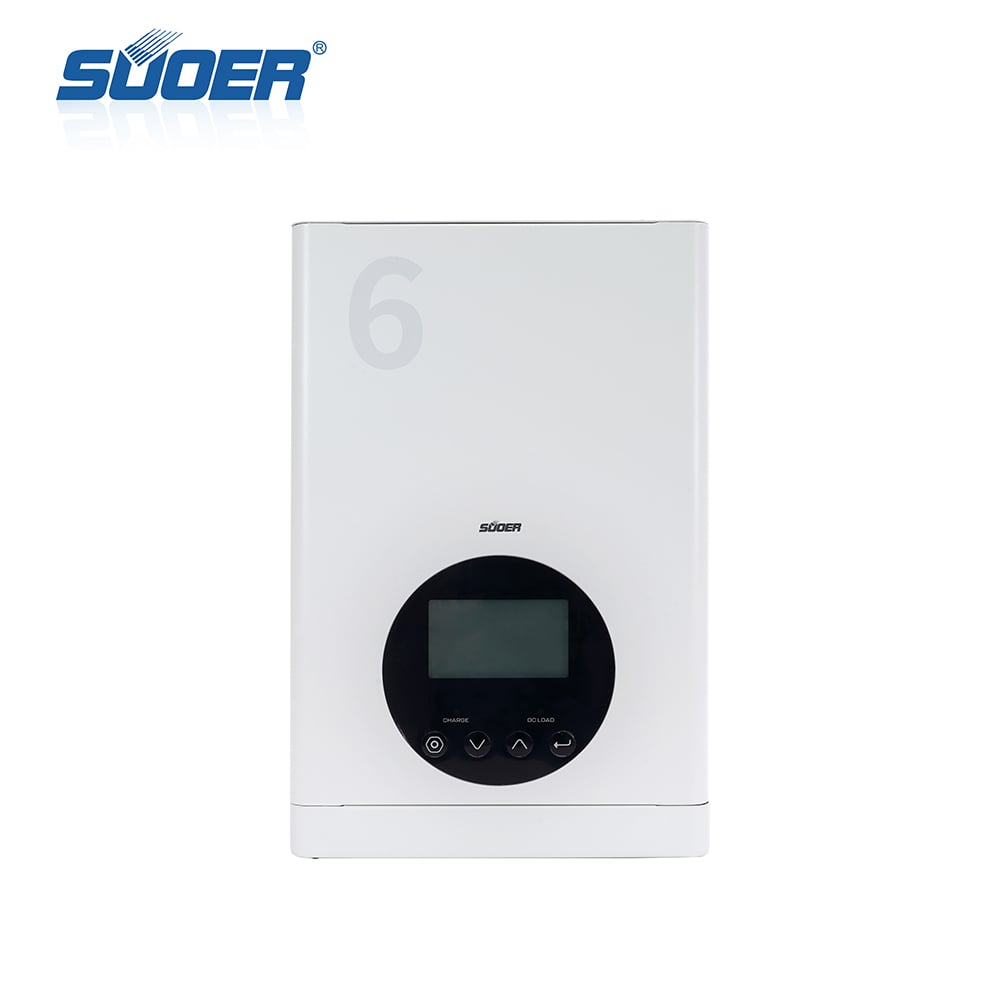
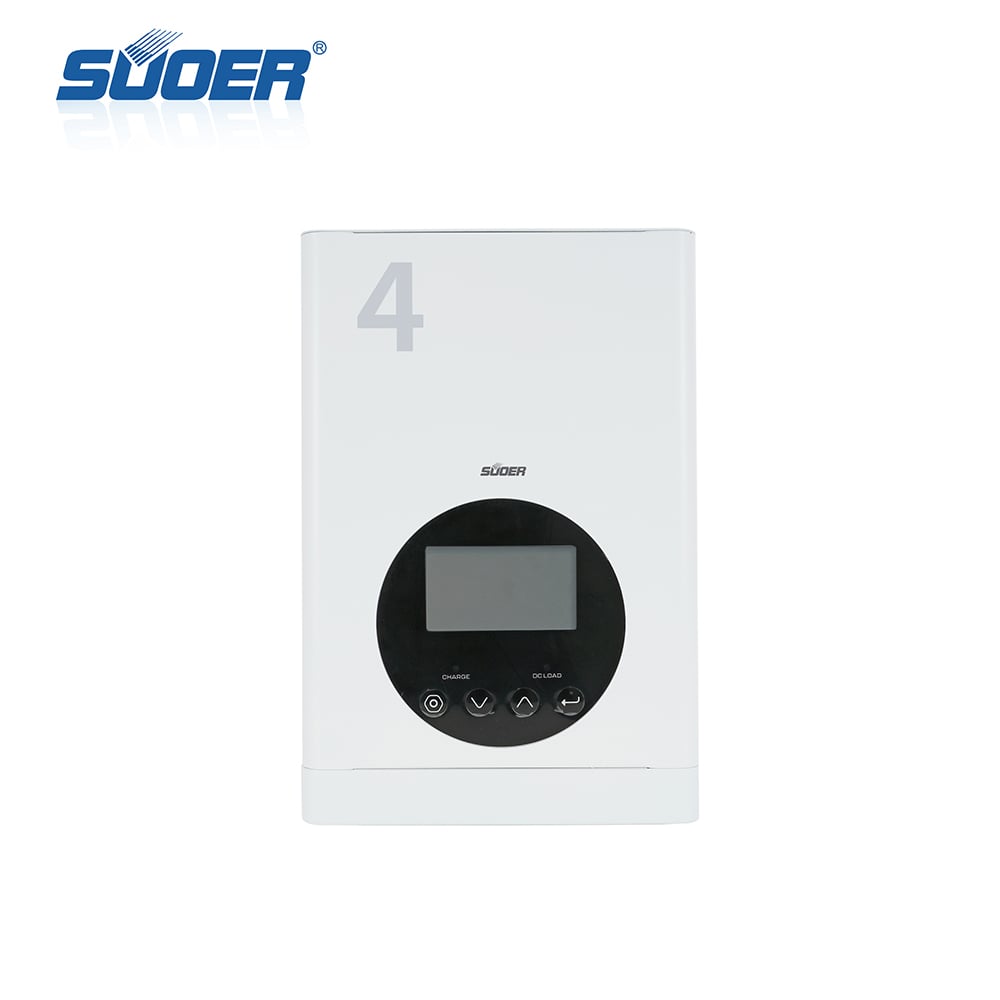
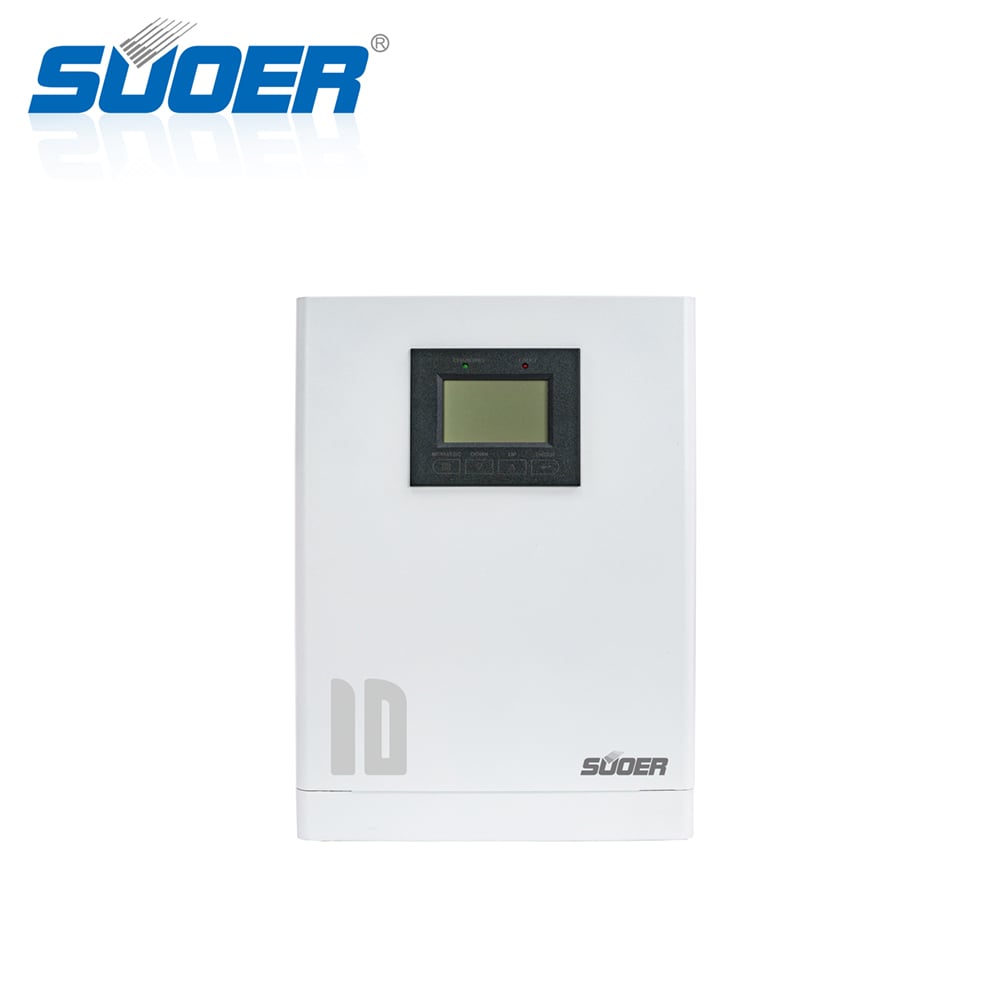
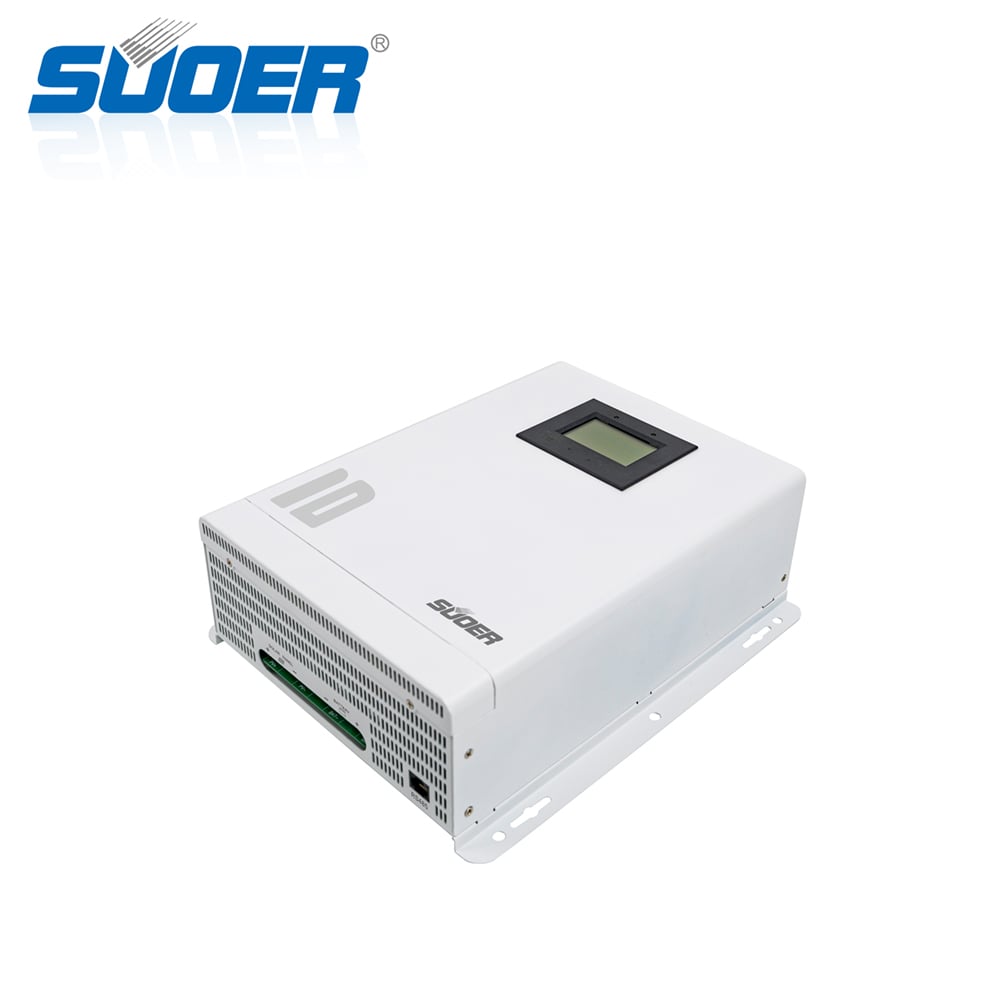
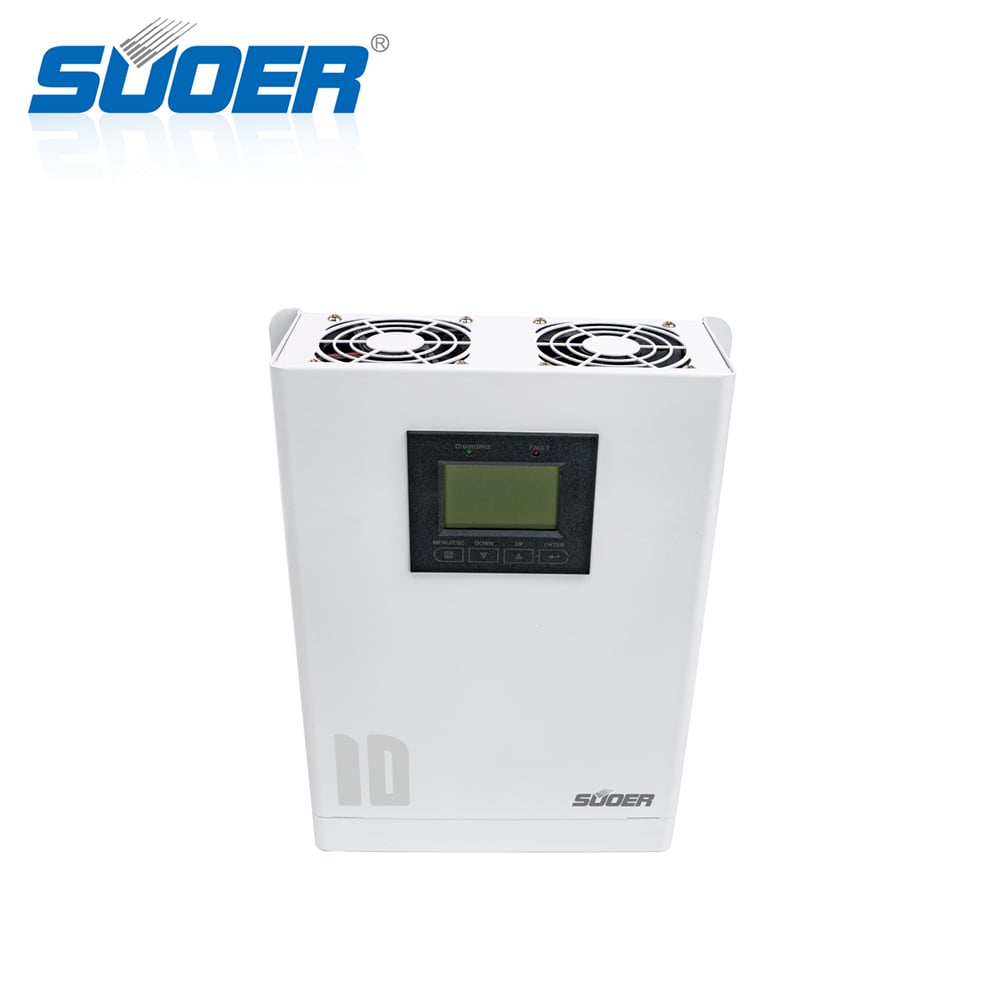
Solar charge controllers without batteries are essential devices in photovoltaic systems, allowing the management of energy from solar panels directly to loads or grid connections. They regulate voltage and current from solar panels, ensuring optimal system performance without requiring an internal battery. As a B2B buyer, you might be concerned about the compatibility, specifications, and reliability of these controllers for your specific applications. This article will help you understand what to consider when selecting a solar charge controller without a battery, assess their quality, identify trustworthy suppliers, explore their applications across various industries, and address common operational issues.
When selecting a solar charge controller without a battery, key factors to evaluate include:
Voltage and Current Ratings: Ensure the controller's voltage and current ratings match the specifications of your solar panels and connected loads. Mismatched ratings can lead to inefficiencies or equipment damage.
Type of Controller: There are two main types: PWM (Pulse Width Modulation) and MPPT (Maximum Power Point Tracking). MPPT controllers are generally more efficient, especially in variable sunlight conditions, and are suitable for larger installations. Understanding your energy needs will help you choose the right type.
Load Compatibility: Review the load requirements and ensure the controller can handle the power demands of your applications. Some controllers have specific load management features that can enhance performance.
Environmental Conditions: Consider the operating environment (e.g., temperature, humidity, and exposure to elements) to ensure the controller's durability and reliability. Look for enclosures rated for outdoor use if applicable.
Communication Features: Some solar charge controllers offer monitoring and communication capabilities, such as Bluetooth or Wi-Fi, which can be beneficial for remote monitoring and management.
Assessing the quality of solar charge controllers without batteries involves several critical steps:
Certifications: Look for controllers that comply with recognized certifications like CE, ROHS, and ISO9001. These certifications indicate adherence to international quality and safety standards.
Material Quality: Evaluate the materials used in the construction of the controller. High-quality components can enhance reliability and performance. For instance, durable enclosures can protect against moisture and dust.
Testing and Quality Control Processes: Inquire about the manufacturer's testing procedures and quality control measures. A robust quality assurance program can prevent defects and ensure product longevity.
Manufacturer Reputation: Research the manufacturer's track record in the industry. Companies known for their reliability and customer service typically produce higher-quality products.
Warranty and Support: Check the warranty offered and the availability of customer support. A longer warranty can indicate the manufacturer's confidence in their product's quality.
Finding reliable suppliers is crucial for ensuring product quality and support. Here are some strategies to identify trustworthy sources:
Industry Directories and Trade Shows: Utilize industry directories or attend trade shows that focus on renewable energy and electronics. These venues often feature reputable manufacturers and suppliers.
Online Platforms: Leverage B2B platforms like Alibaba, ThomasNet, or Global Sources to find suppliers. Look for companies with positive reviews, certifications, and clear product specifications. For instance, if you're looking for a specific type of system, you might consider the New 12kw Hybrid Solar Off-Grid Inverter System 15kwh 300ah Lithium Iron Lifepo4 Battery.
Network and Referrals: Engage with industry peers and networks to get recommendations for reliable suppliers. Professional associations often provide valuable insights and connections.
Request Samples: Before placing large orders, request samples from potential suppliers. This allows you to evaluate product quality, performance, and compatibility with your existing systems.
Compare Pricing and Terms: Obtain quotes from multiple suppliers to compare pricing, minimum order quantities (MOQ), lead times, and payment terms. This will help you negotiate better deals and avoid surprises.
Solar charge controllers without batteries find applications across diverse industries, including:
Telecommunications: Used to power remote communication stations and cell towers where grid access is limited. Efficient energy management is crucial to maintain continuous operation.
Rail Transit: Implemented in railway signaling systems and stations that rely on solar power, ensuring system reliability and sustainability.
Electric Vehicles: Employed in electric vehicle charging stations, allowing for direct connection of solar energy to charging units, enhancing energy efficiency.
Industrial Applications: Utilized in manufacturing facilities for powering equipment and reducing reliance on traditional power sources, contributing to lower operational costs.
Residential Systems: Increasingly popular in residential solar installations where homeowners wish to maximize the use of solar energy without battery storage costs. Many users are turning to systems like the VMS-12kw energy system sales 12kw smart hybrid solar Inverter with MPPT solar charger for efficient energy management.
While solar charge controllers without batteries provide substantial benefits, users may encounter issues. Here are common problems and their solutions:
Overloading: If the connected load exceeds the controller's rated capacity, it can lead to failure. To prevent this, always calculate the total expected load and choose a controller with appropriate ratings.
Temperature Sensitivity: Excessive heat can impact performance. Ensure proper ventilation around the controller and consider temperature ratings when choosing a model.
Poor Performance in Low Light: Inadequate sunlight can reduce efficiency. Selecting an MPPT controller can help maximize energy capture under varying light conditions.
Communication Failures: Issues with monitoring features may arise due to interference or poor connections. Regularly check wiring and connections, and update firmware if applicable.
Installation Errors: Incorrect installation can lead to malfunctions. Follow the manufacturer's installation guidelines closely and consider professional installation for complex systems.
By addressing these common issues proactively, you can enhance the performance and longevity of solar charge controllers without batteries in your applications.

Discover Suoer’s premium range of solar inverters and power inverters designed for reliable renewable energy solutions.Trusted by customers worldwide for exceptional performance and durability.
Suoer Industrial Zone, Ercun Road Section, Yanfeng Avenue, Shishan Town,Foshan city,Guangdong Province,China
Copyright © 2024 Foshan Suoer Electronic Industry Co., Ltd. Privacy Policy - Blog

 EN
 AR
 NL
 FR
 DE
 EL
 IT
 JA
 KO
 PT
 RU
 ES
 VI
 TH
 TR
 BG
 HR
 CS
 NO
 PL
 TL
 ID
 SR
 UK
 SQ
 HU
 MT
 AF
 MS
 IS
 HY
 AZ
 BN
 BS
 GU
 LO
 LA
 MN
 NE
 TA