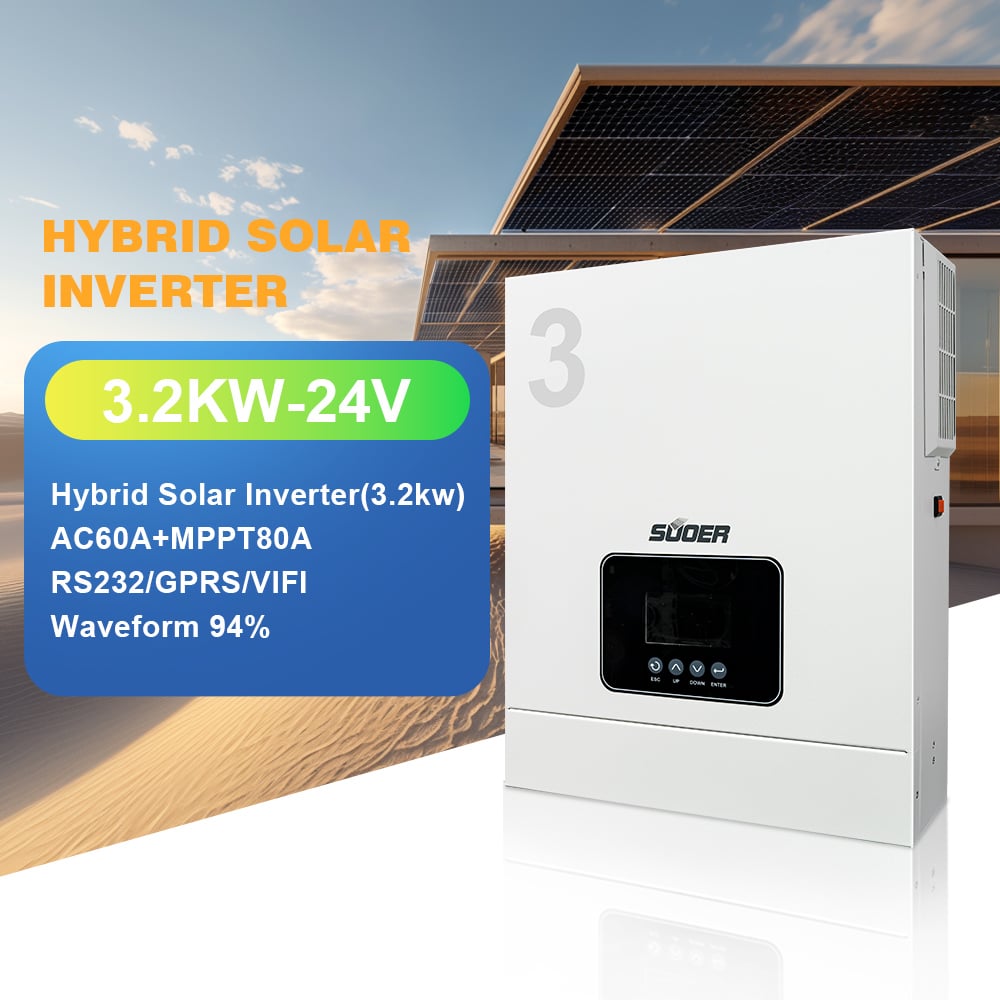
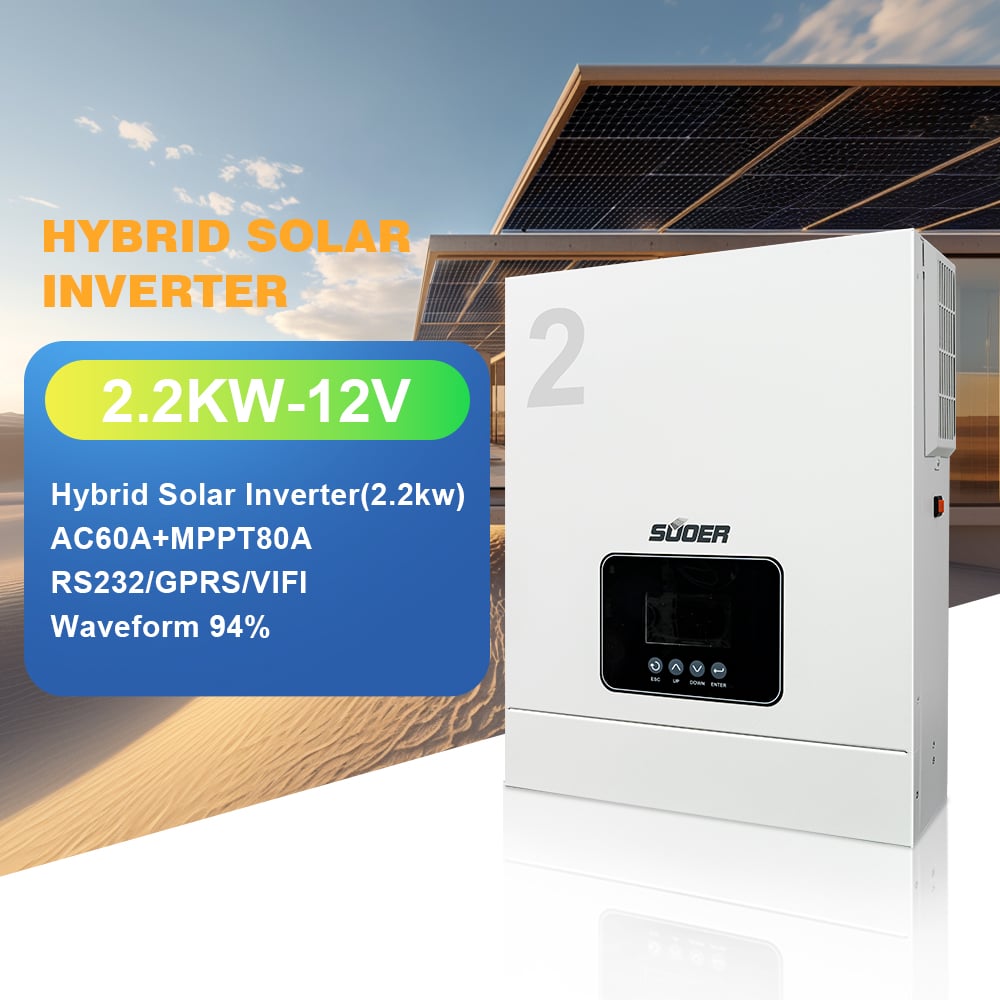
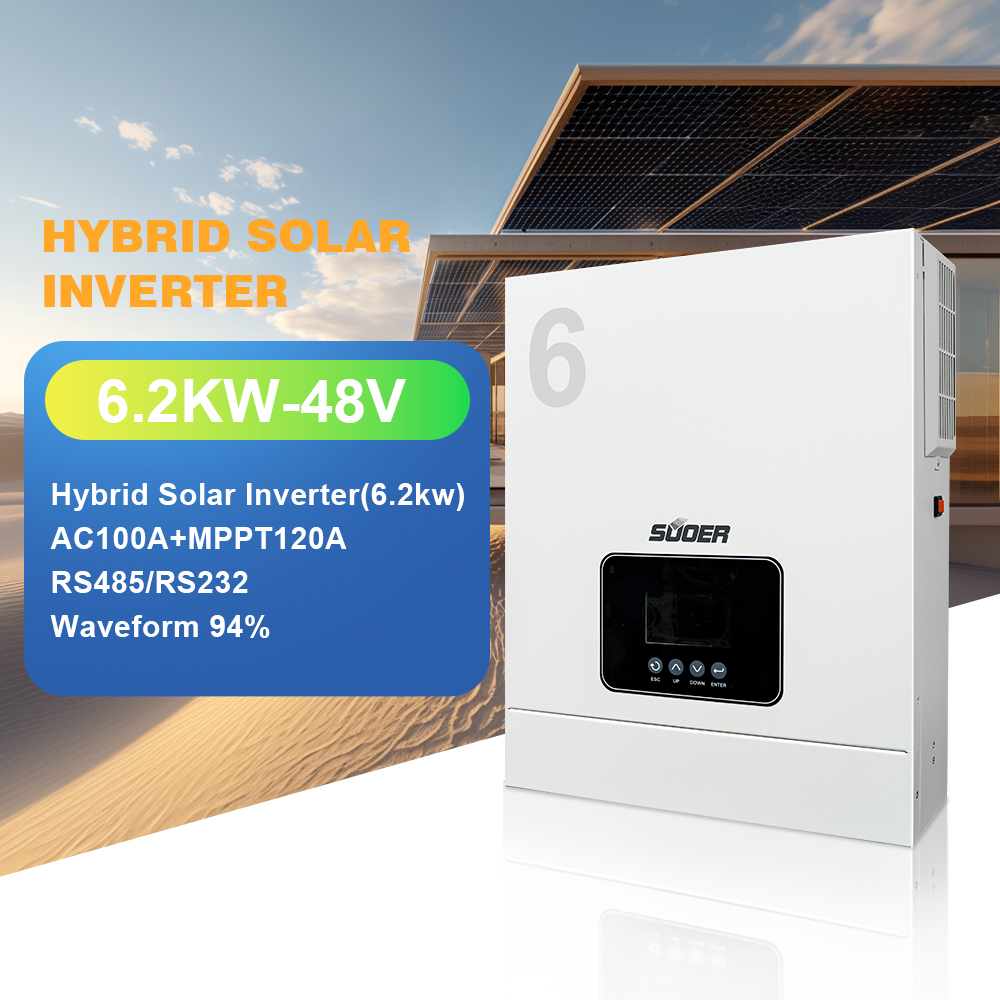
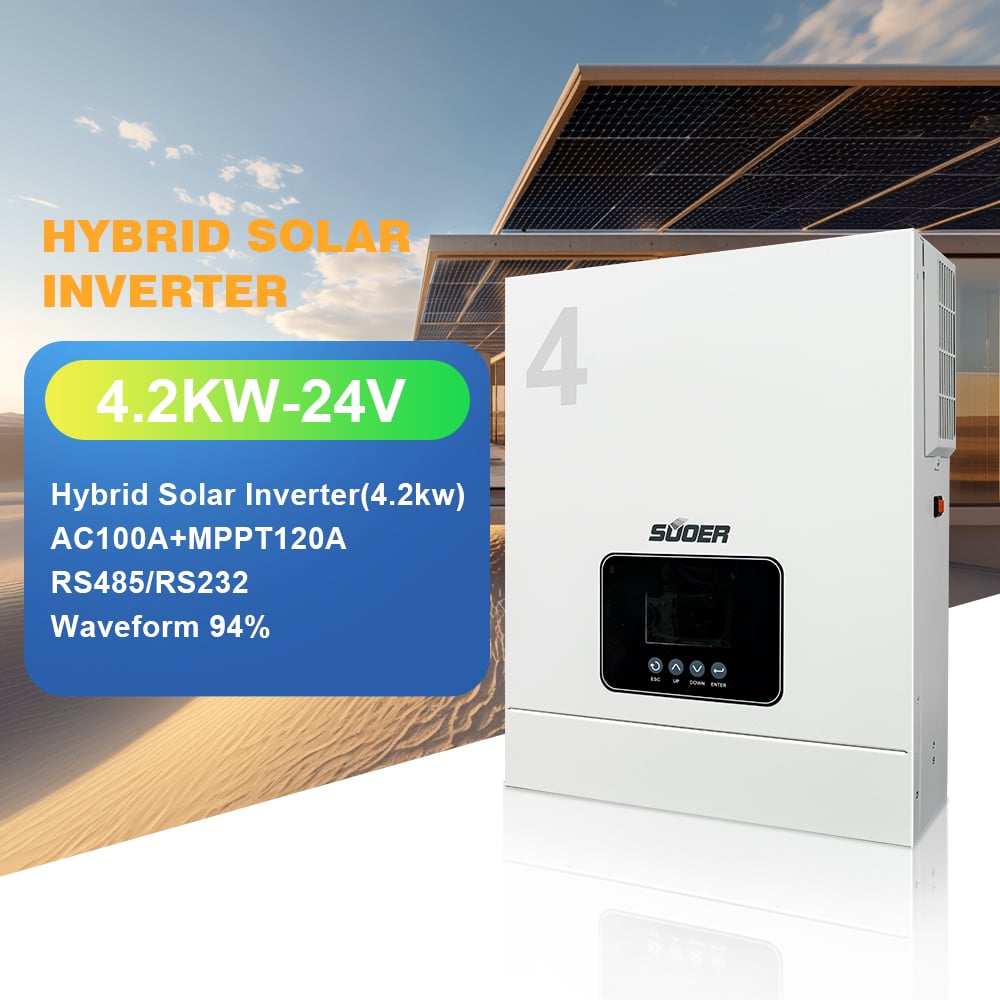
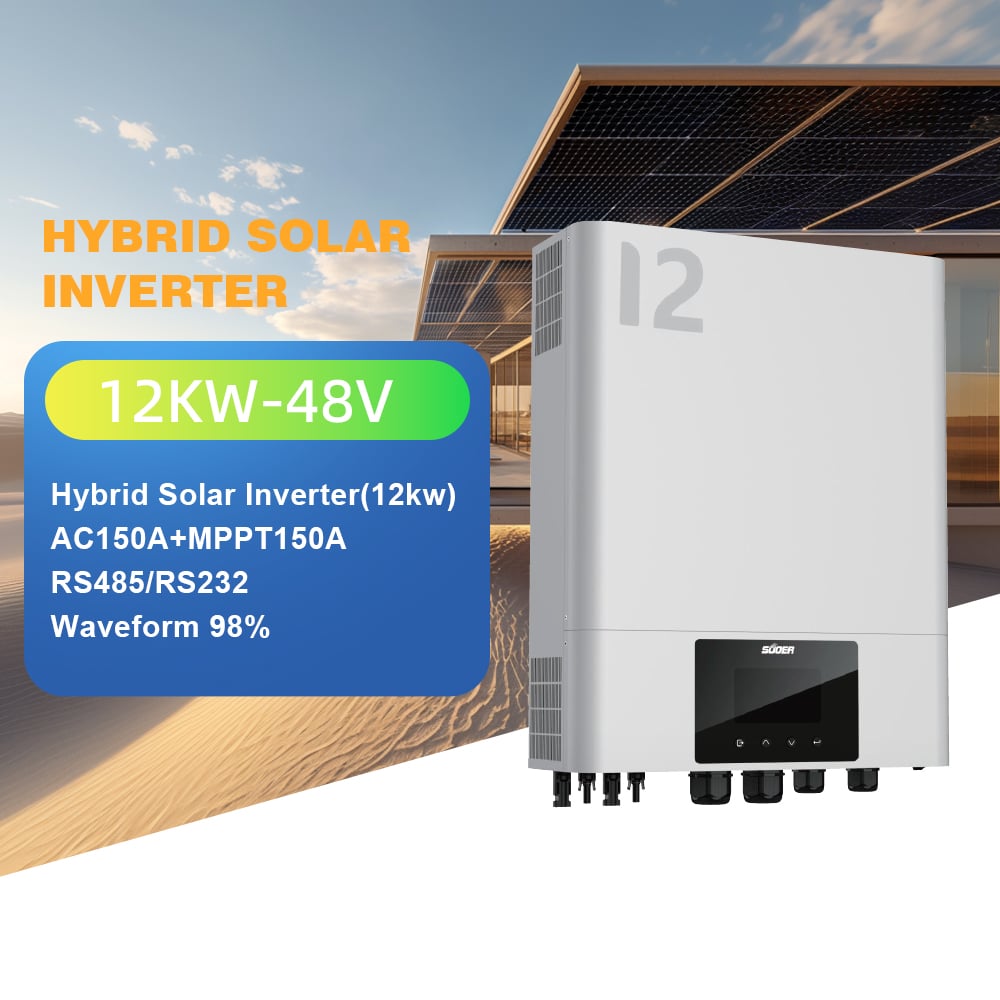
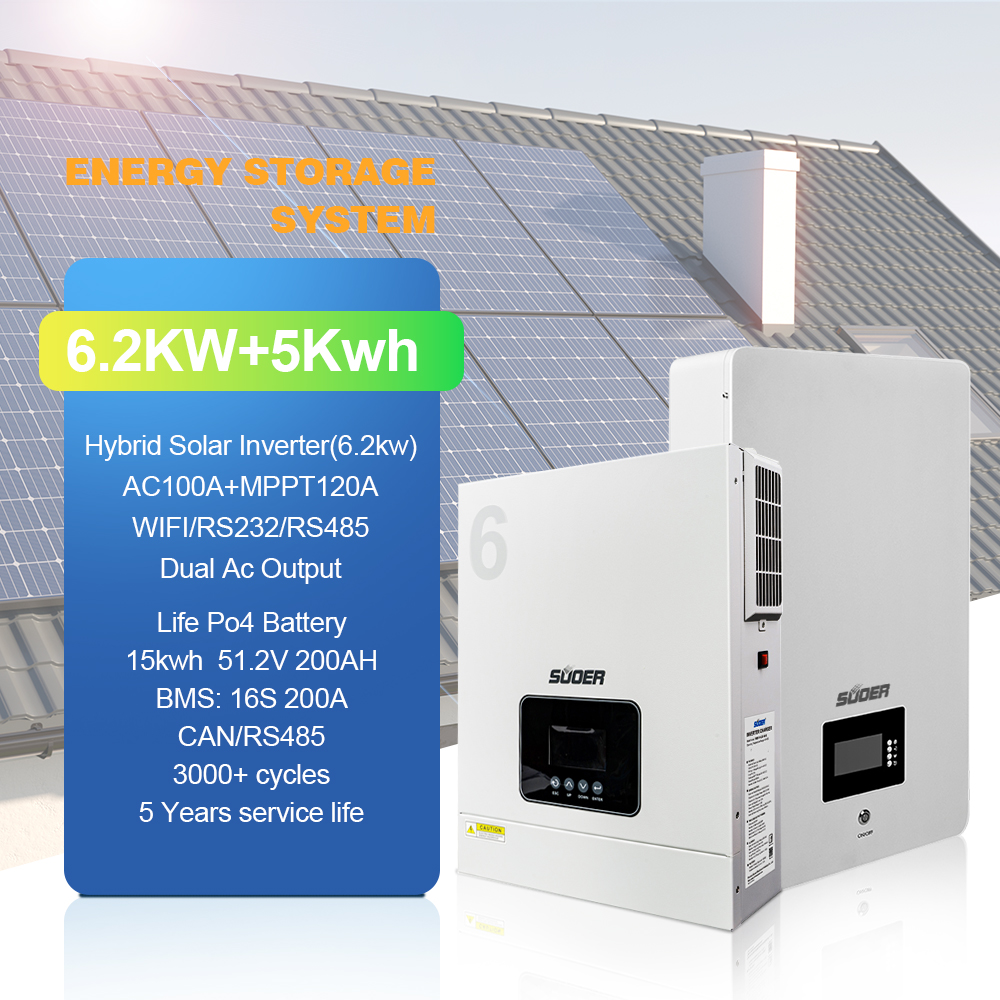
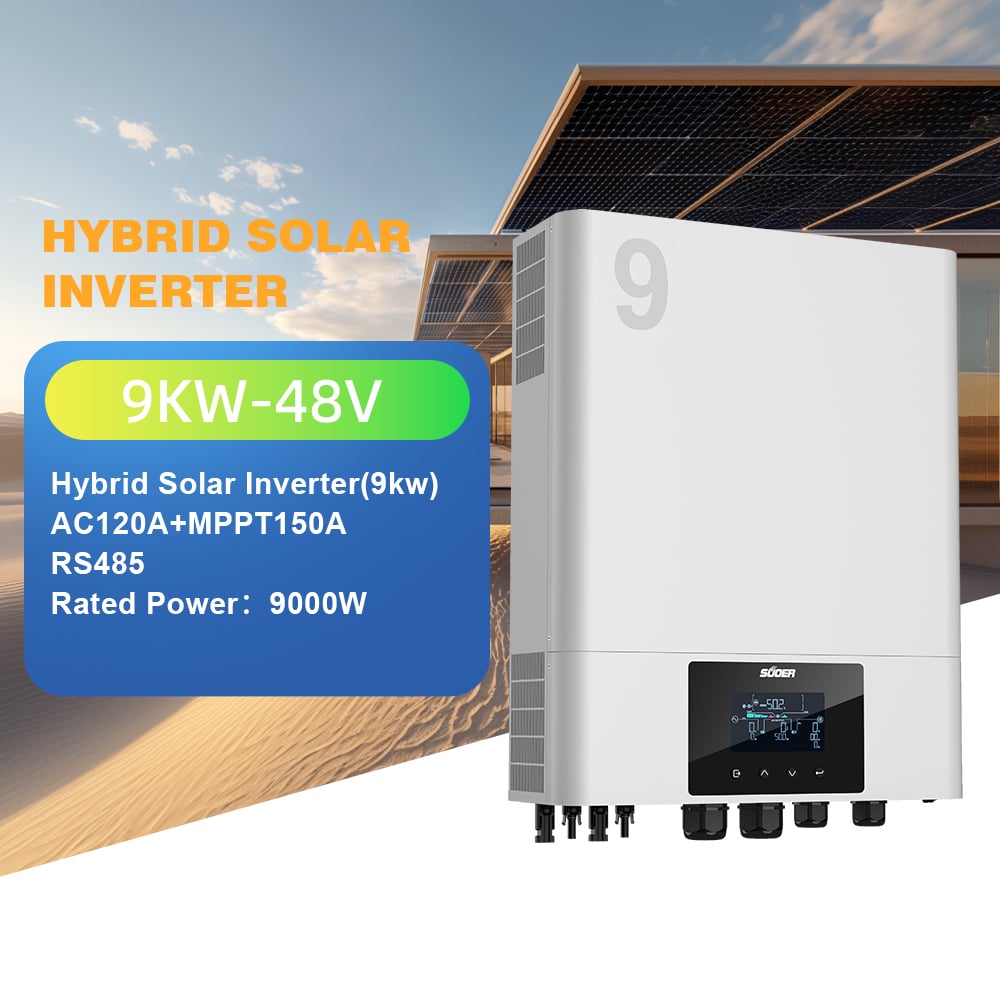
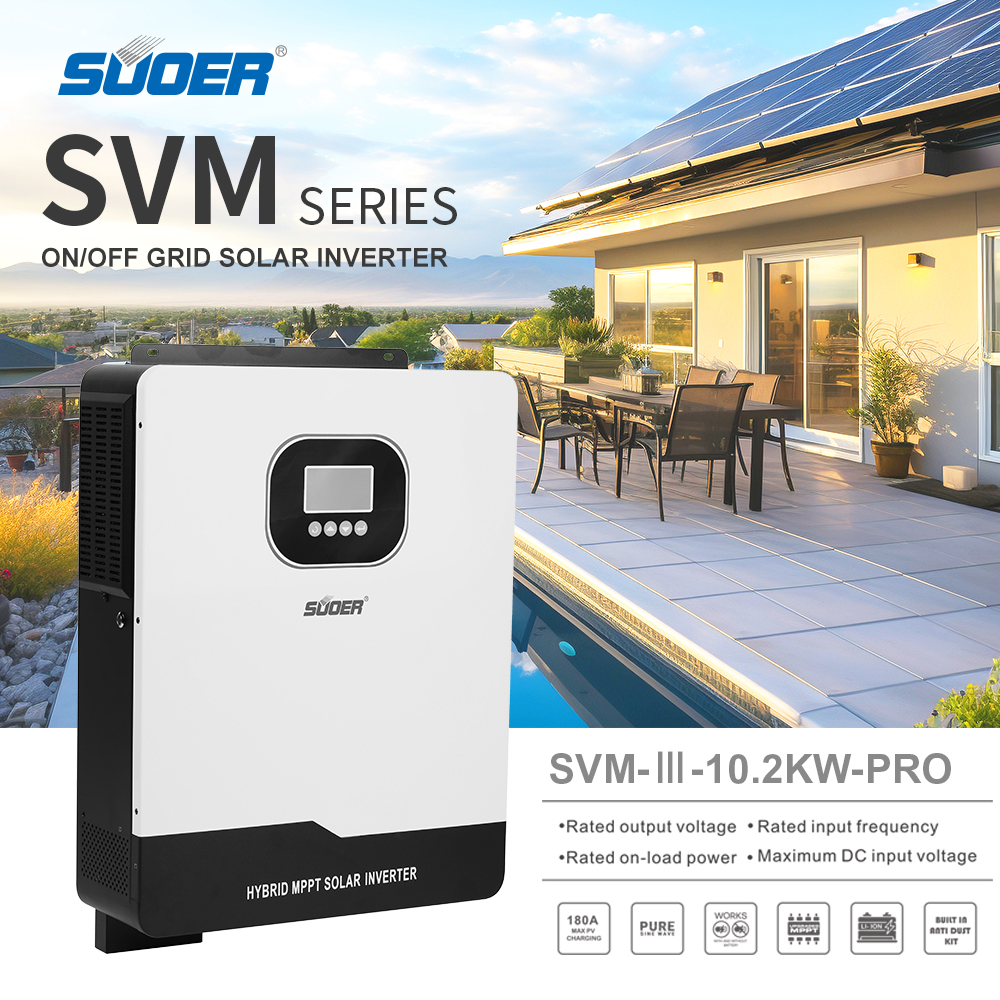
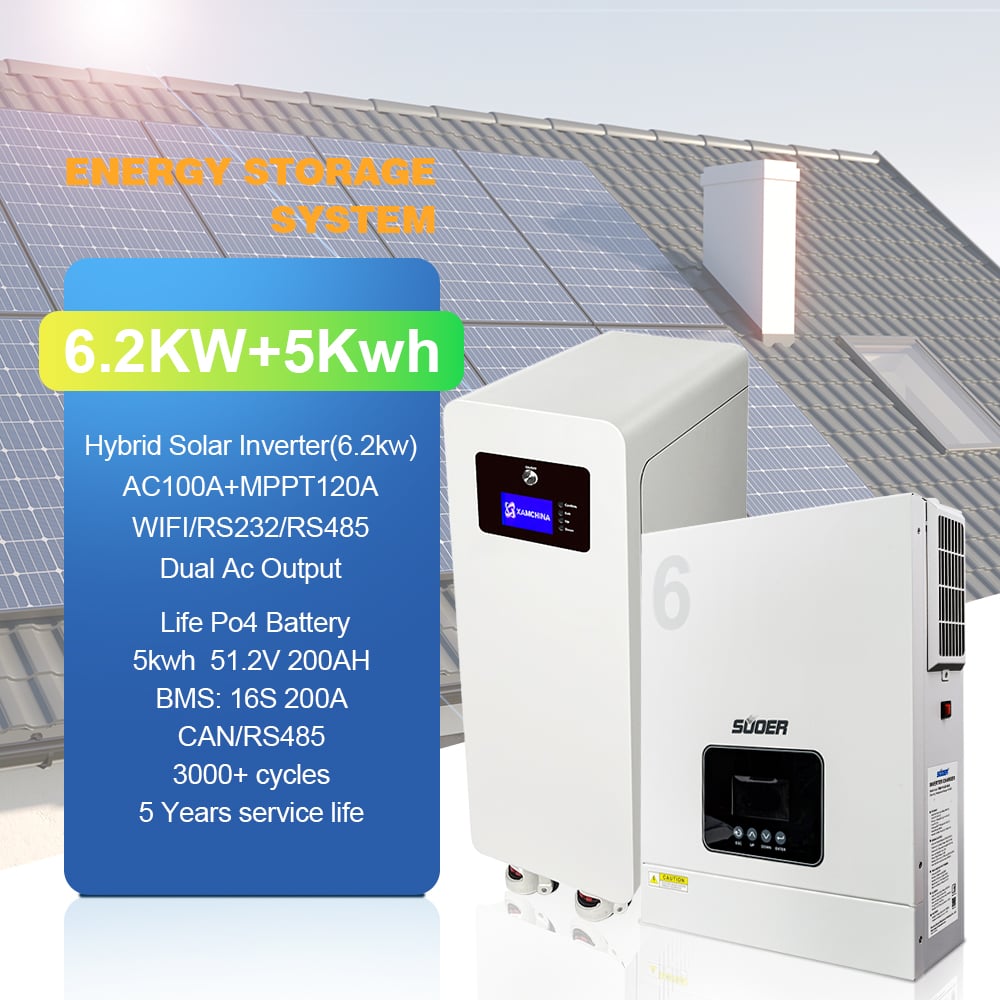
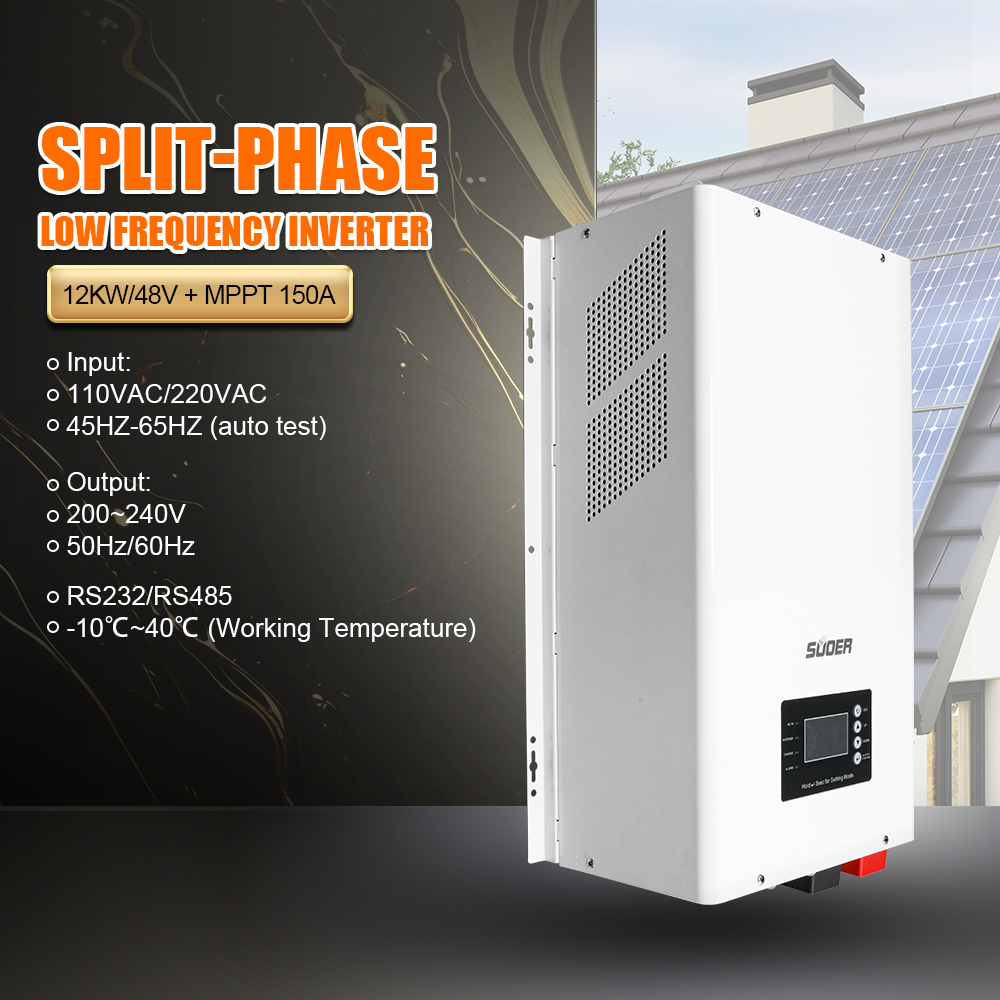
Power solar inverters are essential components in photovoltaic systems, converting the direct current (DC) generated by solar panels into alternating current (AC) that can be fed into the grid or utilized by electrical devices. For B2B buyers, especially purchasing managers and engineers, understanding the specifications, applications, and installation requirements of solar inverters is crucial for making informed decisions. This article aims to provide detailed insights into power 12kw solar inverter, helping you navigate the essential aspects of sourcing and utilizing these products effectively.
When sourcing power solar inverters, several key specifications must be evaluated to ensure compatibility with your application.
Input Voltage Range: The inverter must accommodate the voltage output of the solar panels. A wider input voltage range allows for flexibility in panel configurations.
Output Power Rating: This rating indicates the maximum power the inverter can deliver. Buyers should select a 24v solar inverter that meets or exceeds the total expected load of connected devices.
Efficiency Rating: Efficiency is critical in determining how much of the generated power is converted and delivered as usable AC power. Look for inverters with high efficiency ratings (typically above 95%).
Grid Connection Type: Ensure that the inverter is compatible with your grid type, whether it's a single-phase or three-phase system. This impacts how the inverter interacts with your power supply.
Certifications: Verify that the inverter complies with relevant standards, such as ROHS, CE, and ISO9001. These certifications indicate quality assurance and adherence to safety regulations.
Understanding these specifications can help prevent common purchasing errors, such as selecting an inverter that cannot handle the total load or is incompatible with the existing grid system.
When evaluating solar inverter products, consider the following factors to ensure you choose a reliable and effective solution:
Quality of Components: Inspect the materials used in manufacturing. High-quality components, such as capacitors and transformers, enhance durability and performance, reducing the risk of failure.
Cooling Mechanisms: Inverters can generate significant heat during operation. Effective cooling systems, whether passive or active, are crucial for maintaining performance and extending the inverter's lifespan.
User Interface and Monitoring Capabilities: Look for inverters with intuitive user interfaces and advanced monitoring features that allow for real-time performance tracking. This is essential for troubleshooting and ensuring optimal operation.
Warranty and Support: A robust warranty reflects the manufacturer's confidence in their product. Additionally, assess the availability of customer support and technical assistance for installation and maintenance.
Customization Options: Depending on your specific application needs, inquire about customization capabilities. This can include modifications to software settings or hardware configurations to better suit your requirements.
Focusing on these aspects can significantly impact the long-term efficiency and reliability of the inverter in your solar power system.
Proper installation is crucial for maximizing the performance of power solar inverters. Here are some key considerations:
Location: Select a location that is sheltered from extreme weather conditions while ensuring adequate ventilation. Overheating can lead to performance degradation and potential failure.
Electrical Connections: Ensure that all electrical connections are secure and meet the required standards. Poor connections can lead to energy losses and safety hazards.
Grounding: Proper grounding is essential to protect the inverter from electrical surges and lightning strikes. Follow local regulations and manufacturer guidelines for grounding practices.
Testing and Commissioning: After installation, conduct thorough testing to verify that the inverter operates within specified parameters. This includes checking voltage outputs, efficiency rates, and monitoring systems.
Regular Maintenance: Schedule routine inspections and maintenance to ensure that the inverter continues to operate efficiently. This includes cleaning dust from the unit and checking for any signs of wear or damage.
Following these guidelines can help ensure that the inverter performs optimally and prolongs its operational lifespan.
Power solar inverters find applications across multiple sectors, each requiring specific configurations to meet operational needs:
Electric Vehicles (EVs): In the EV sector, solar inverters are used in charging stations to convert solar energy into a form that can recharge electric vehicles, contributing to sustainable transport solutions.
Industrial Applications: Manufacturing plants utilize solar inverters to feed solar power into their operations, reducing reliance on grid electricity and lowering operational costs. This is particularly pertinent in energy-intensive industries.
Telecommunications: Power solar inverters are integral to telecommunications systems, providing reliable backup power to cell towers and communication stations, especially in remote areas.
Rail Transit Systems: In the rail industry, solar inverters can power signaling systems and stations, enhancing energy efficiency and reducing operational costs.
Residential Use: While this article focuses on B2B applications, it’s important to note that residential systems also benefit from 3kw solar inverter, allowing homeowners to harness solar energy effectively.
Understanding these applications helps buyers recognize the versatility of power solar inverters and their potential benefits across different industries.
When preparing to source power solar inverters, consider the following checklist to streamline your purchasing process:
Define Your Requirements: Determine the desired power output, efficiency, and compatibility with existing systems.
Research Suppliers: Evaluate potential suppliers based on their manufacturing capabilities, product range, and customer reviews.
Request Specifications: Obtain detailed specifications from suppliers to compare performance, features, and certifications.
Inquire About Customization: Discuss any specific needs or configurations required for your application.
Check Quality Control Processes: Ensure the supplier has a robust quality assurance system in place to maintain product standards.
Confirm Lead Times and MOQ: Understand the minimum order quantities (MOQ) and lead times for delivery to plan your project timelines accordingly.
Evaluate Warranty and Support: Review warranty options and support services to ensure long-term reliability and assistance.
This checklist serves as a guide to facilitate a thorough evaluation process, helping you make a well-informed purchasing decision that aligns with your operational needs.

Discover Suoer’s premium range of solar inverters and power inverters designed for reliable renewable energy solutions.Trusted by customers worldwide for exceptional performance and durability.
Suoer Industrial Zone, Ercun Road Section, Yanfeng Avenue, Shishan Town,Foshan city,Guangdong Province,China
Copyright © 2024 Foshan Suoer Electronic Industry Co., Ltd. Privacy Policy - Blog

 EN
 AR
 NL
 FR
 DE
 EL
 IT
 JA
 KO
 PT
 RU
 ES
 VI
 TH
 TR
 BG
 HR
 CS
 NO
 PL
 TL
 ID
 SR
 UK
 SQ
 HU
 MT
 AF
 MS
 IS
 HY
 AZ
 BN
 BS
 GU
 LO
 LA
 MN
 NE
 TA