Hybrid pure sine wave inverters are essential components in modern power management systems, particularly within the new energy sector. These devices convert direct current (DC) into alternating current (AC) with a waveform that closely resembles a pure sine wave, making them ideal for sensitive electronic equipment. As a B2B buyer, understanding the specifications, applications, and potential problems associated with hybrid pure sine wave inverters is crucial for making informed purchasing decisions. This article will delve into key considerations, provide a buyer’s guide, address common issues and solutions, sourcing options, and explore various industrial applications.
When evaluating hybrid pure sine wave inverters, key specifications and features should be prioritized. Important parameters include:
Output Waveform Quality: Ensure the inverter provides a true sine wave output. This is critical for the reliable operation of sensitive equipment like computers and medical devices.
Power Rating: The inverter’s wattage capacity must match or exceed the total load of the devices it will power. Consider both continuous and peak power ratings, as some devices require higher power for brief periods.
Input Voltage Range: Check the inverter’s compatibility with the input voltage from your power source, whether it be 12V, 24V, or higher configurations.
Efficiency: A high efficiency rating (typically above 90%) minimizes energy loss during conversion. This is especially important for applications where energy costs are a concern.
Cooling Mechanism: Inverters can generate heat during operation. Look for models with adequate cooling systems to prevent overheating, which can lead to failures or reduced lifespan.
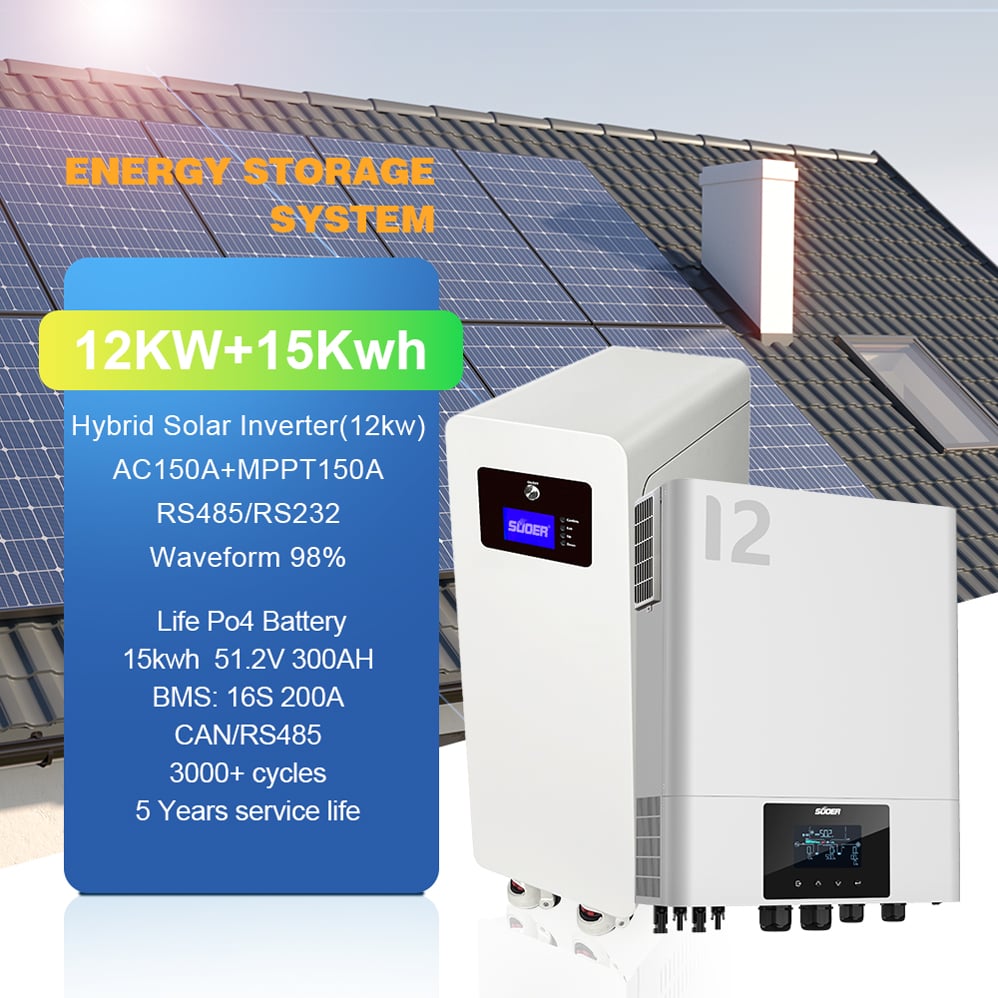
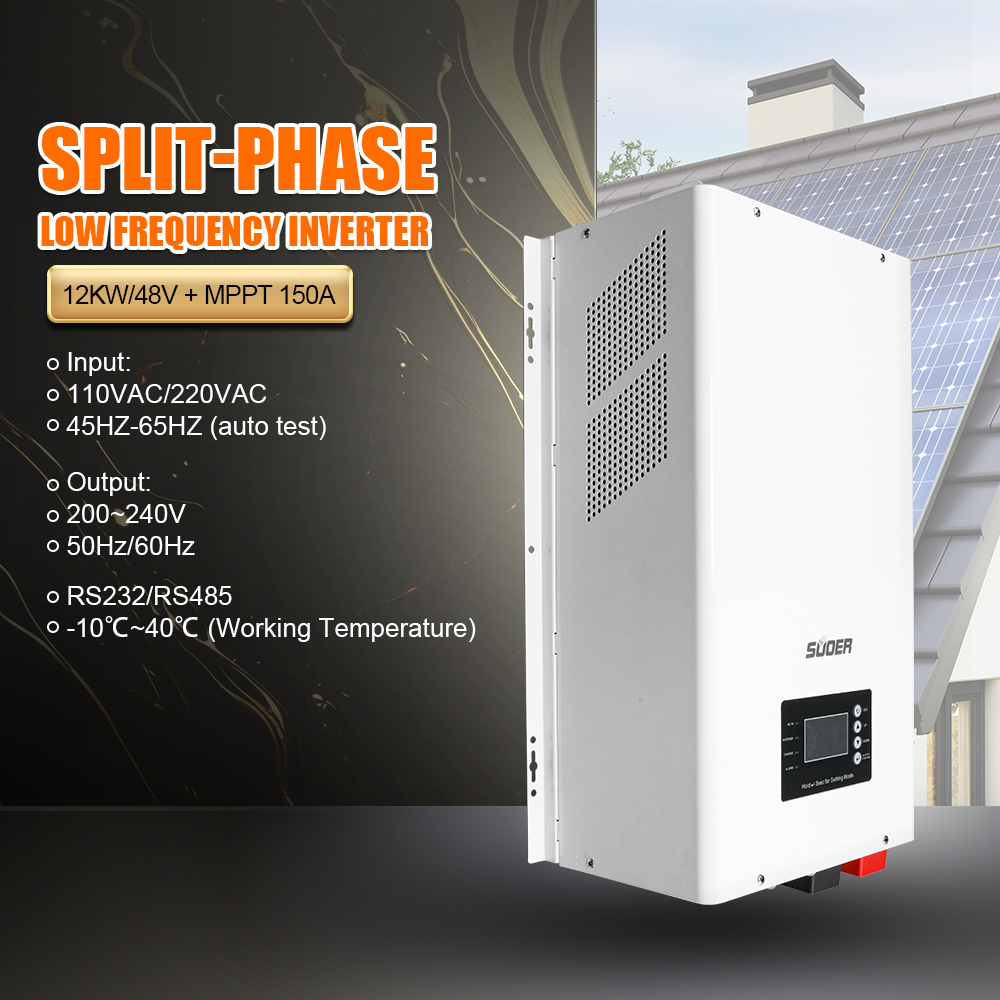
Certifications: Ensure the product meets relevant certifications, such as ROHS, CE, and ISO9001, which indicate compliance with safety and quality standards. For instance, the New 12kw Hybrid Solar Off-Grid Inverter System 15kwh 300ah Lithium Iron Lifepo4 Battery adheres to these quality standards.
By focusing on these specifications, buyers can select hybrid pure sine wave inverters that align with their operational requirements and standards.
To facilitate the purchasing process, buyers should prepare a checklist of essential information before requesting quotes or engaging with suppliers. Key points to consider include:
Application Requirements: Clearly define the intended use of the inverter. This will help suppliers recommend appropriate models and configurations.
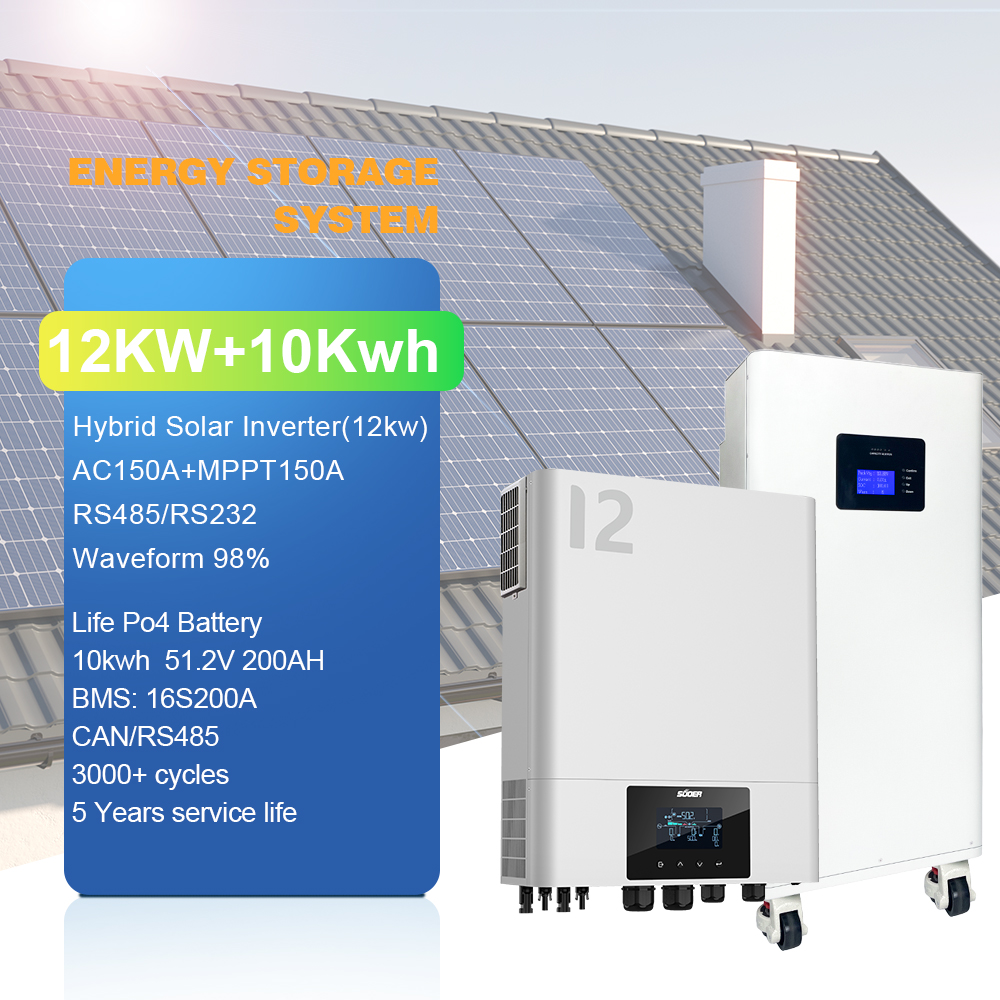
Technical Specifications: Specify desired voltages, power ratings, and any particular features such as remote monitoring or integrated battery management systems. For instance, the New 12kw Hybrid Solar Off-Grid Inverter System 10kwh 200ah Lithium Iron Lifepo4 Battery might meet specific technical needs.
Customization Needs: If you require specific features or modifications, communicate these requirements upfront. Custom solutions may involve additional lead times and costs.
Quantity and Budget: Provide an estimated order volume to facilitate accurate pricing and lead time assessments. Discuss budget constraints with suppliers to explore feasible options.
Sample Approval: Before finalizing a large order, request samples to evaluate performance under actual conditions. This step can prevent costly errors later in the procurement process.
By ensuring that these factors are addressed, buyers can streamline their RFQ process and enhance their chances of selecting suitable products.
Despite their advantages, hybrid pure sine wave inverters can encounter common issues that may affect performance. Here are some potential problems and recommended solutions:
Overheating: If the inverter operates at high temperatures, it can lead to shutdowns or damage. Ensure adequate ventilation and consider installing a cooling fan if necessary.
Inverter Failure: This can stem from poor quality components or incorrect installation. To mitigate risks, select inverters from reputable manufacturers and ensure proper installation by qualified personnel.
Voltage Mismatch: Incompatibility between the inverter’s voltage and the connected devices can cause malfunction. Always verify voltage ratings and ensure that all components in the system are compatible.
Inconsistent Power Output: Variations in output can affect sensitive equipment. Regular monitoring and maintenance can help identify issues before they escalate, ensuring stable performance.
Battery Management Issues: In hybrid systems that incorporate battery storage, improper charging or discharging can damage the batteries. Implement systems with built-in battery management features to enhance longevity.
By being aware of these potential issues and their solutions, buyers can make informed decisions and ensure the longevity and reliability of their inverter systems.
Sourcing hybrid pure sine wave inverters in bulk requires careful consideration of suppliers. Here are some strategies to find reliable manufacturers:
Industry Trade Shows: Attend relevant trade shows and exhibitions focused on new energy technologies. This offers a chance to meet suppliers, view products firsthand, and discuss specifications directly.
Online Marketplaces: Platforms like Alibaba or Global Sources can connect buyers with multiple manufacturers. However, it’s crucial to research supplier credentials, customer reviews, and product offerings.
Networking: Leverage industry contacts and networks to get recommendations for reputable suppliers. Personal referrals can help identify reliable manufacturers with a proven track record.
Certifications and Compliance: Choose suppliers whose products comply with necessary certifications. This not only ensures quality but also builds trust in the supplier’s capabilities.
Requesting Samples: Prior to placing bulk orders, request samples for evaluation. This allows buyers to assess quality and performance before committing to larger quantities.
By employing these strategies, buyers can effectively source hybrid pure sine wave inverters that meet their specifications and quality standards.
Hybrid pure sine wave inverters are utilized across a range of applications, reflecting their versatility and reliability. Here are some key sectors where they find significant use:
Electric Vehicles: Inverters are crucial for converting DC from batteries to AC for electric motor drives, ensuring efficient operation and performance.
Telecommunications: These inverters provide stable power for communication equipment, which is vital for uninterrupted service in modern telecommunications networks.
Rail Transit Systems: Hybrid inverters support energy-efficient operations in rail systems, where reliability and safety are paramount.
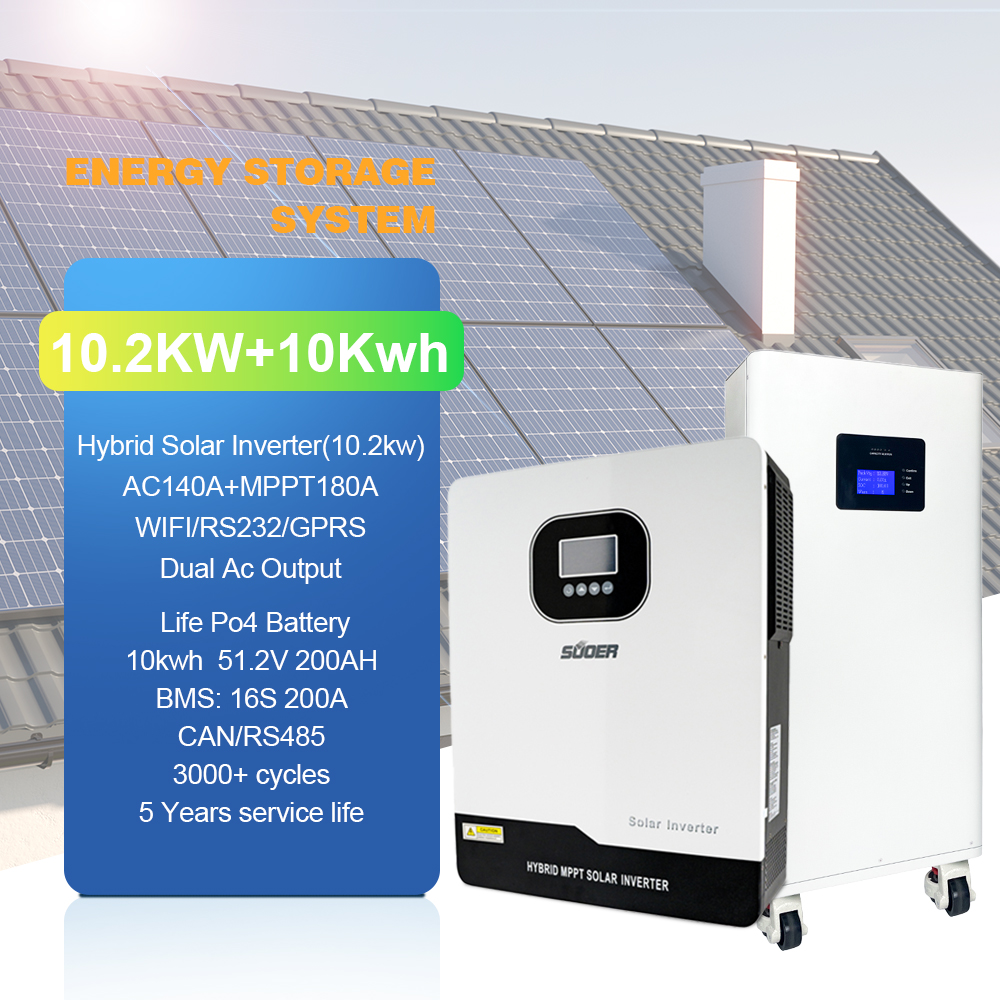
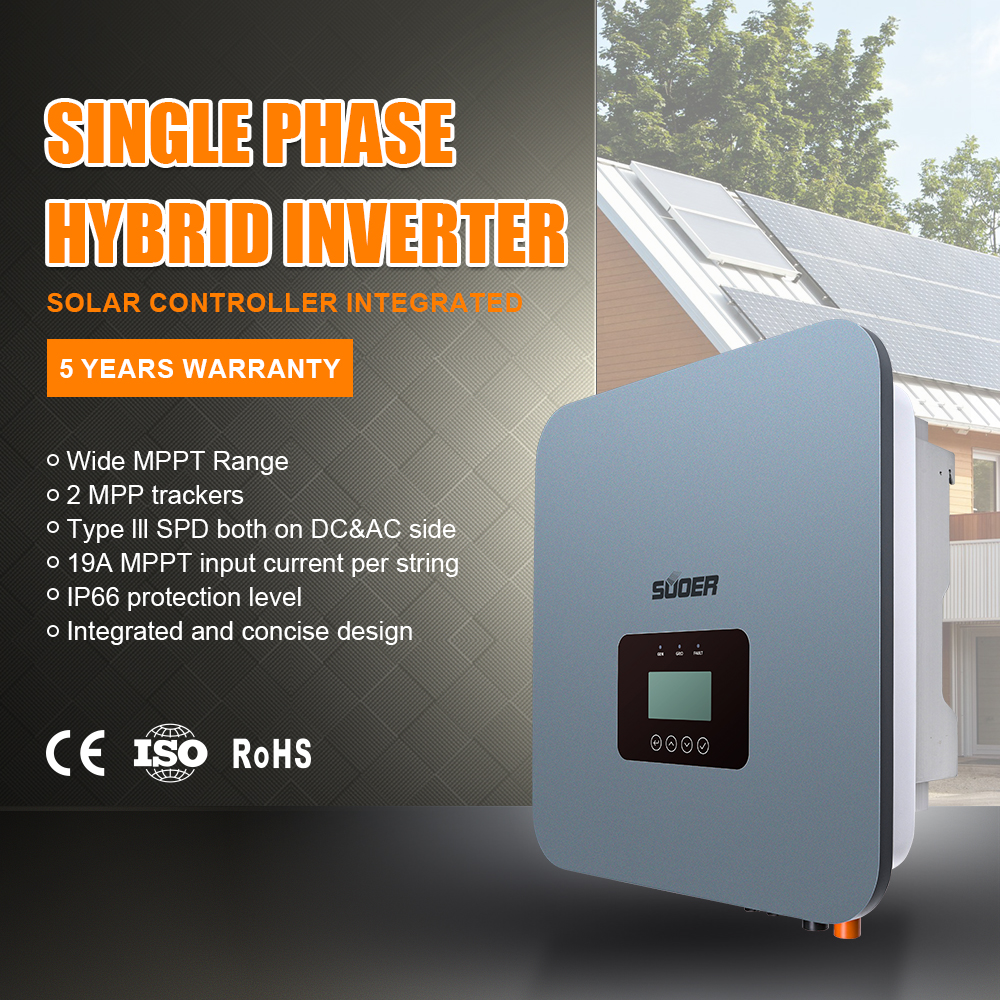
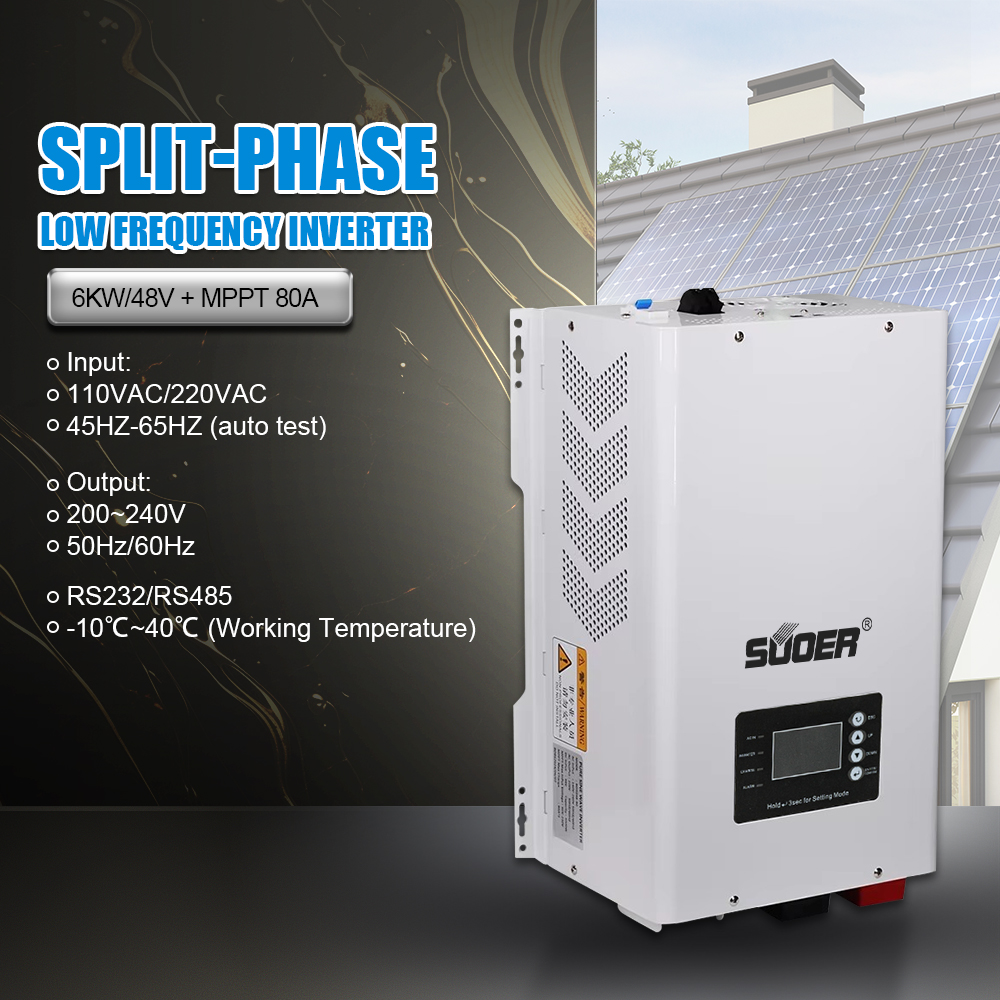
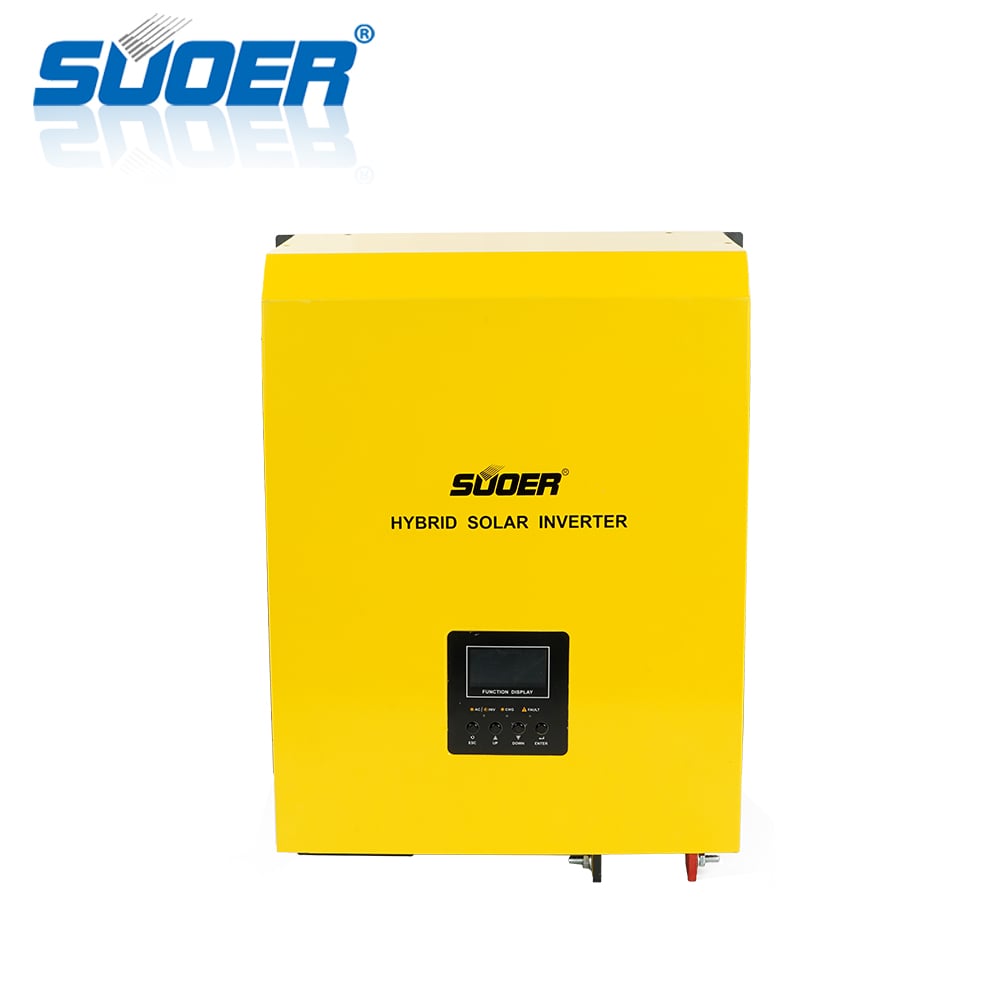
Photovoltaic Systems: In solar applications, hybrid inverters convert solar energy into usable AC power, often integrating battery storage solutions for enhanced energy management. For instance, the VMS-V-6.2k-48-H Suoer New mppt pure sine wave inverter 48V 230V 6200W hybrid solar inverter is specifically designed for such applications.
Industrial Applications: Factories and manufacturing plants use these inverters to power machinery and equipment, benefiting from their efficiency and reliability.
By understanding the diverse applications of hybrid pure sine wave inverters, buyers can better appreciate their value and make informed decisions about their implementation in various projects.

Discover Suoer’s premium range of solar inverters and power inverters designed for reliable renewable energy solutions.Trusted by customers worldwide for exceptional performance and durability.
Suoer Industrial Zone, Ercun Road Section, Yanfeng Avenue, Shishan Town,Foshan city,Guangdong Province,China
Copyright © 2024 Foshan Suoer Electronic Industry Co., Ltd. Privacy Policy - Blog

 EN
 AR
 NL
 FR
 DE
 EL
 IT
 JA
 KO
 PT
 RU
 ES
 VI
 TH
 TR
 BG
 HR
 CS
 NO
 PL
 TL
 ID
 SR
 UK
 SQ
 HU
 MT
 AF
 MS
 IS
 HY
 AZ
 BN
 BS
 GU
 LO
 LA
 MN
 NE
 TA