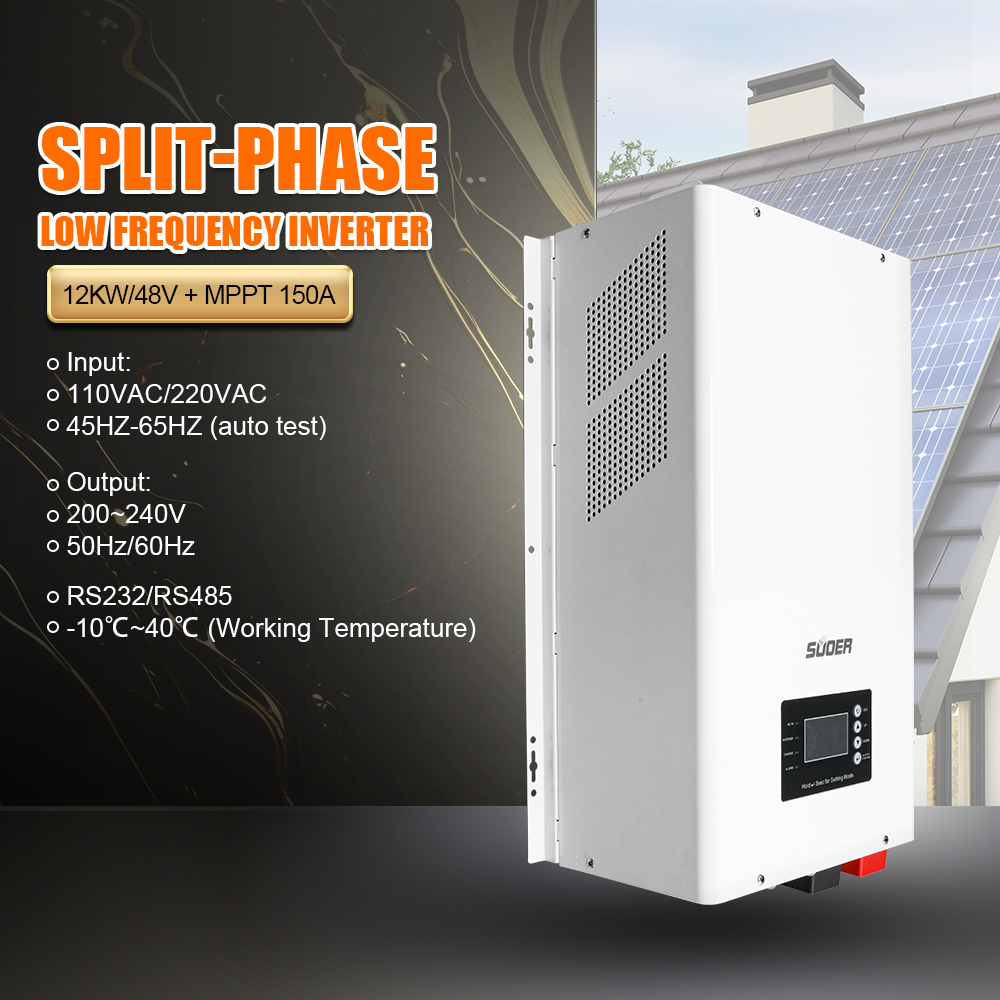
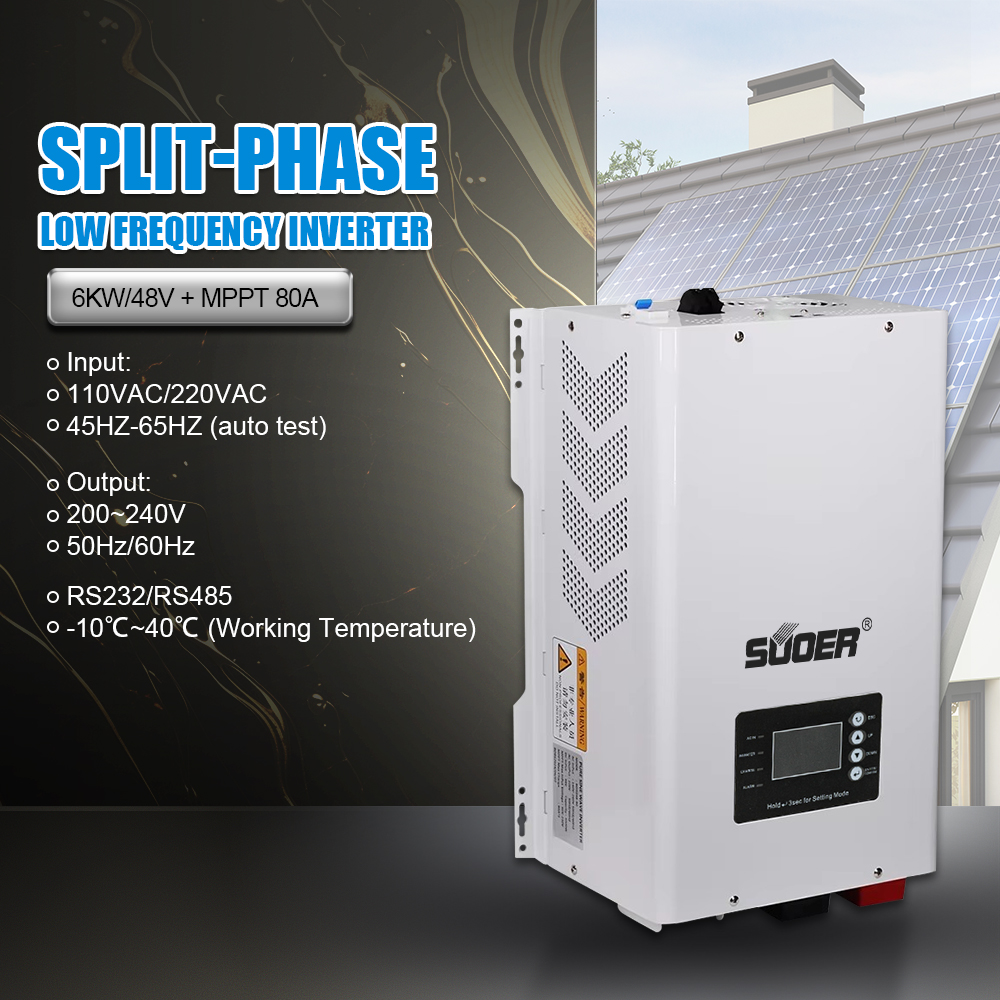
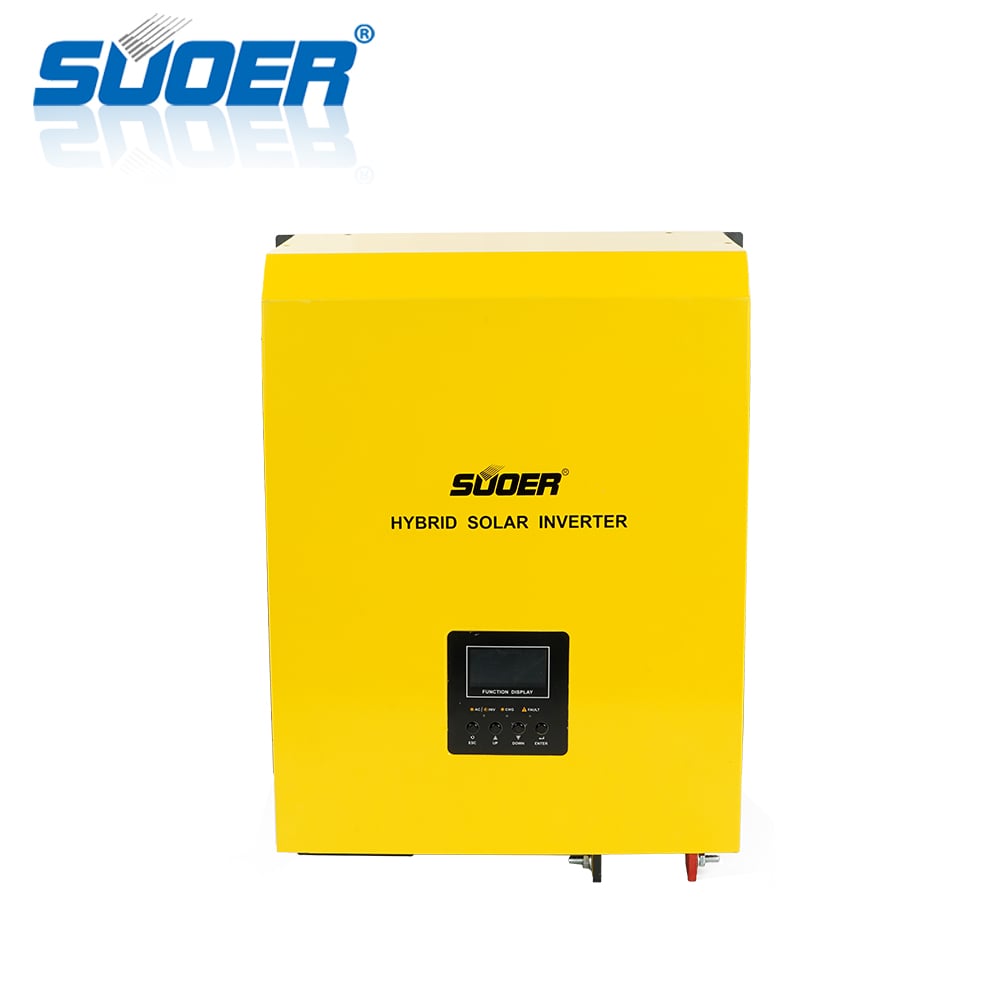
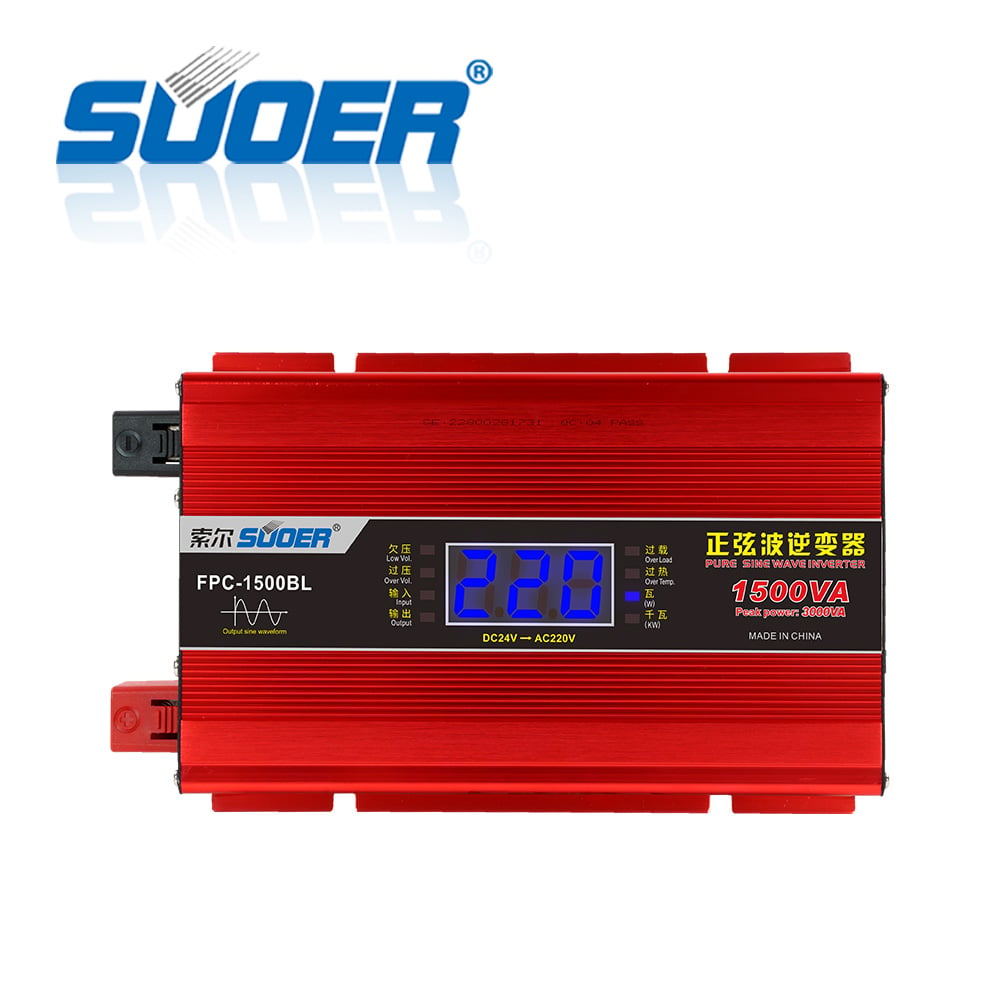
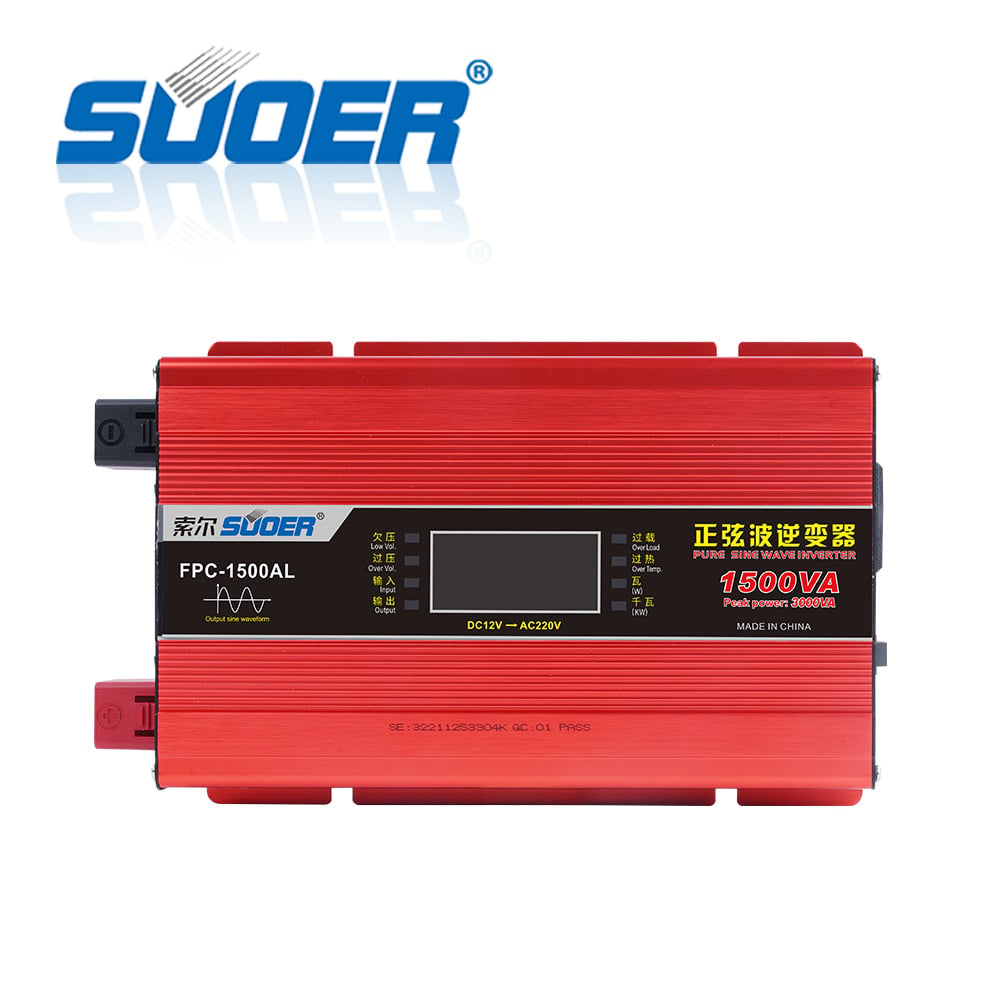
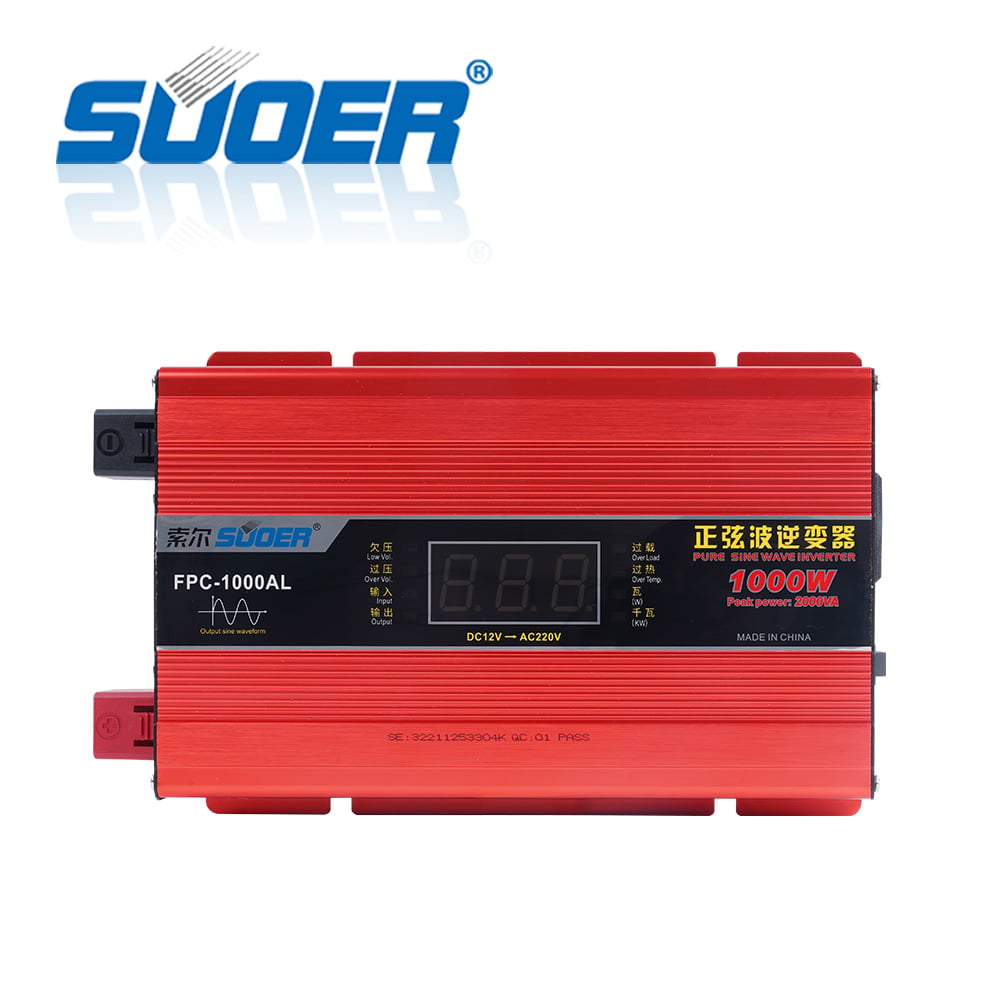
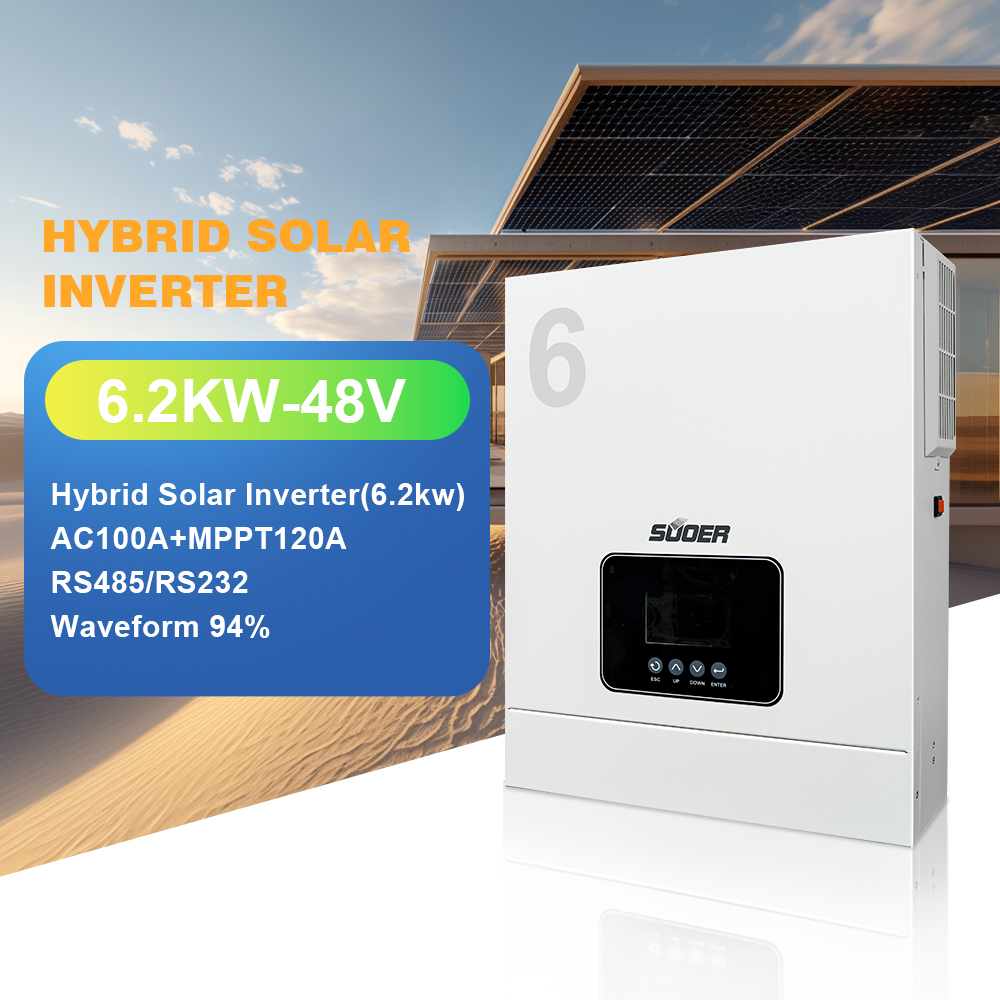
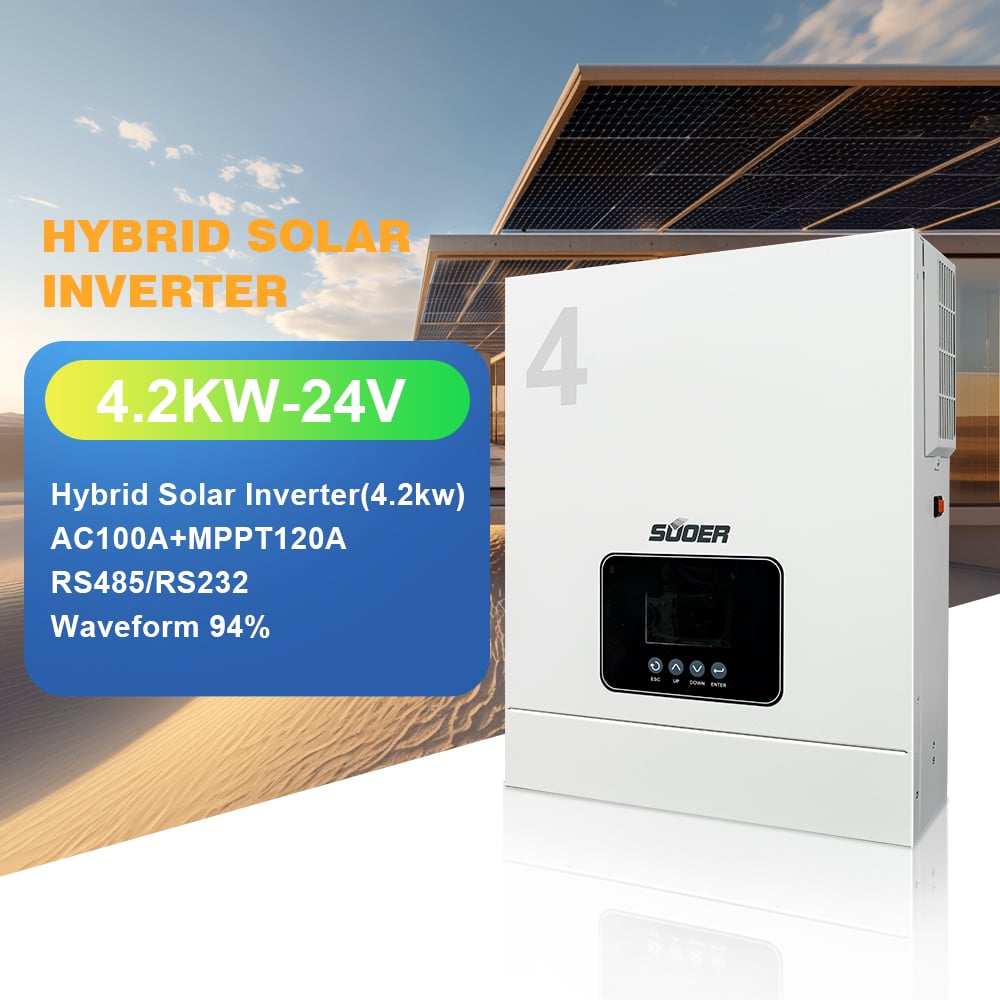
Hybrid inverters that provide a pure sine wave output are essential for various applications, including electric vehicles, industrial uses, and renewable energy systems. As a B2B buyer, understanding how to choose the right hybrid inverter pure sine wave model is crucial for ensuring compatibility with your existing systems and meeting specific operational requirements. This article will guide you through the decision-making process, outline key specifications to consider, explore wholesale purchasing options, and discuss common issues and solutions associated with these inverters.
Selecting the right hybrid inverter pure sine wave unit involves assessing your specific application requirements and operational conditions. Begin by determining the power capacity you need, as this will directly affect performance and efficiency. Inverters are available in various sizes, so evaluate the total wattage of the devices you intend to power. For instance, if you're considering a Pure Sine Wave inverter, ensure it meets your power needs.
Next, consider the inverter's input and output voltage compatibility with your existing systems. If you’re integrating the inverter into a solar photovoltaic system, ensure it can handle the solar panel voltage range.
Another critical factor is the inverter's efficiency rating. A higher efficiency rating indicates less energy loss during operation, which can lead to lower operational costs over time. Lastly, evaluate the inverter's features, such as built-in monitoring systems, surge capacity, and the ability to connect to smart home systems, as these can add significant value.
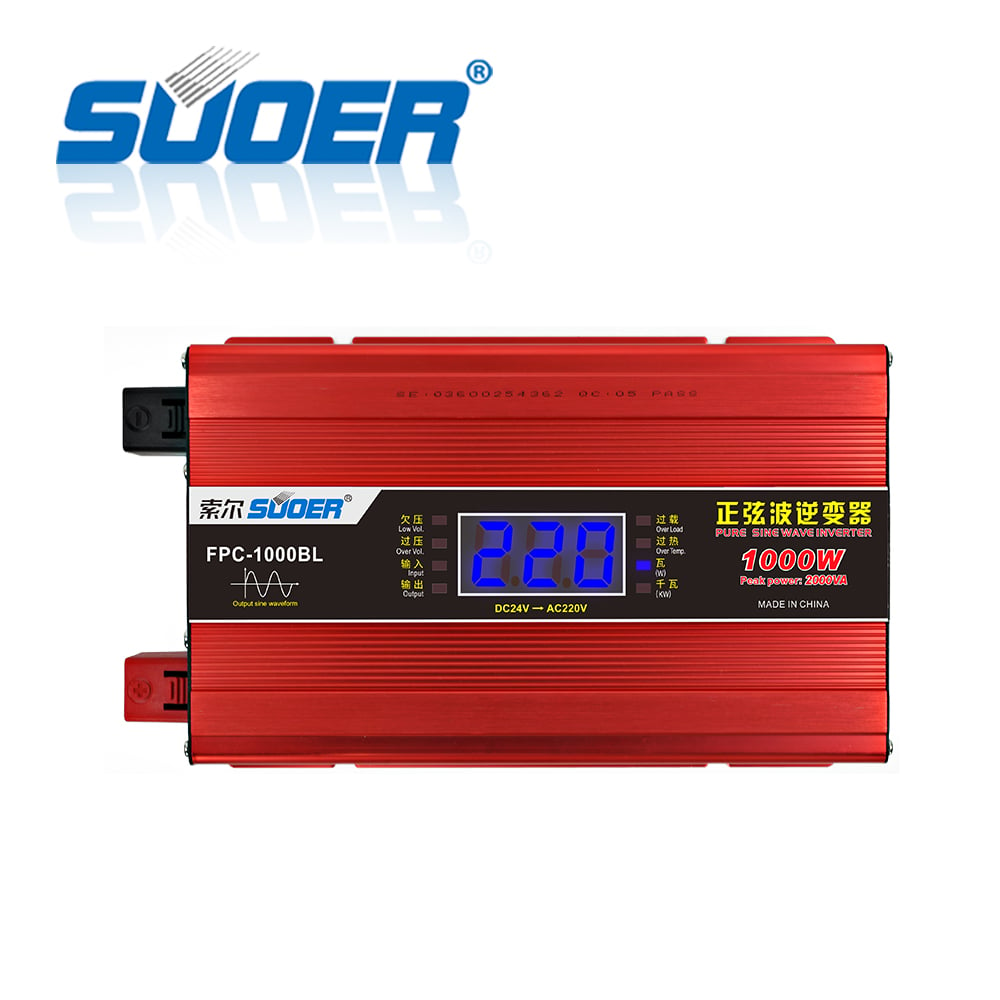
When looking to purchase hybrid inverter pure sine wave units in bulk, consider reaching out to manufacturers directly. Many companies, including ours, offer wholesale pricing for bulk orders, which can significantly reduce per-unit costs. Verify the minimum order quantity (MOQ) requirements, as these can vary between suppliers. You might also want to explore options for Home Energy Storage solutions in tandem with your inverters.
Additionally, inquire about customization options, as many manufacturers can tailor products to meet specific needs, such as unique voltage requirements or additional features. Establishing a relationship with a manufacturer can also lead to better support and service, including warranty options and technical assistance.
It’s beneficial to compare several suppliers to ensure you're obtaining the best pricing and terms. Look for suppliers with a strong reputation in the industry, as this can often correlate with product reliability and customer service.
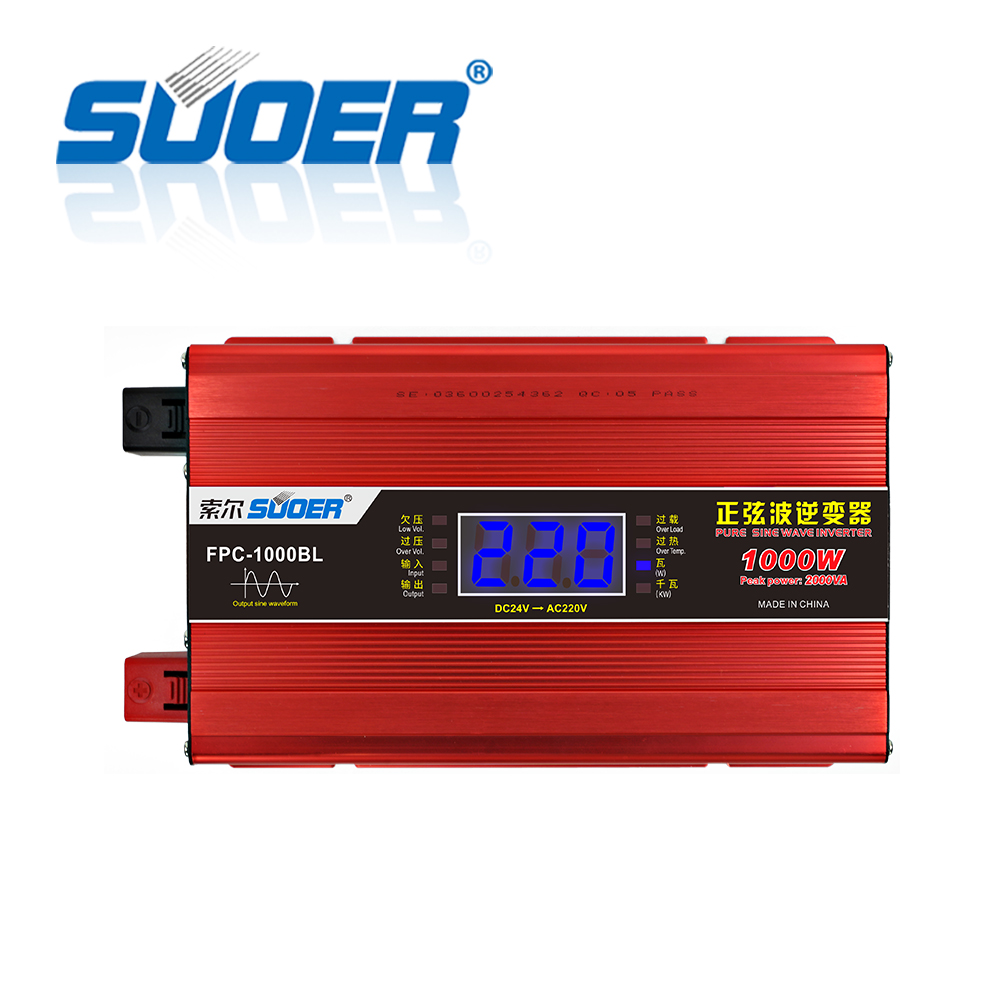
When assessing hybrid inverters, several key specifications should be closely examined:
Output Waveform: Ensure the inverter produces a pure sine wave output, which is essential for sensitive electronic devices to operate efficiently without risk of damage.
Power Rating: Verify the inverter's continuous power output and surge capacity. The continuous rating is the maximum power it can sustain, while the surge rating indicates how much power it can supply for short bursts, which is critical for starting motors or other high-demand devices.
Efficiency: Look for models with efficiency ratings of 90% or higher. This rating reflects how much of the input power is converted to usable output power.
Input Voltage Range: Check that the inverter is compatible with the voltage outputs of your power sources, whether they be solar panels, batteries, or the grid.
Cooling Mechanism: Inverters generate heat during operation. A good cooling system, such as built-in fans or heat sinks, can prolong the inverter's lifespan and maintain efficiency.
Certifications: Ensure the product meets relevant industry certifications such as ROHS, CE, and ISO9001, which indicate compliance with international quality and safety standards.
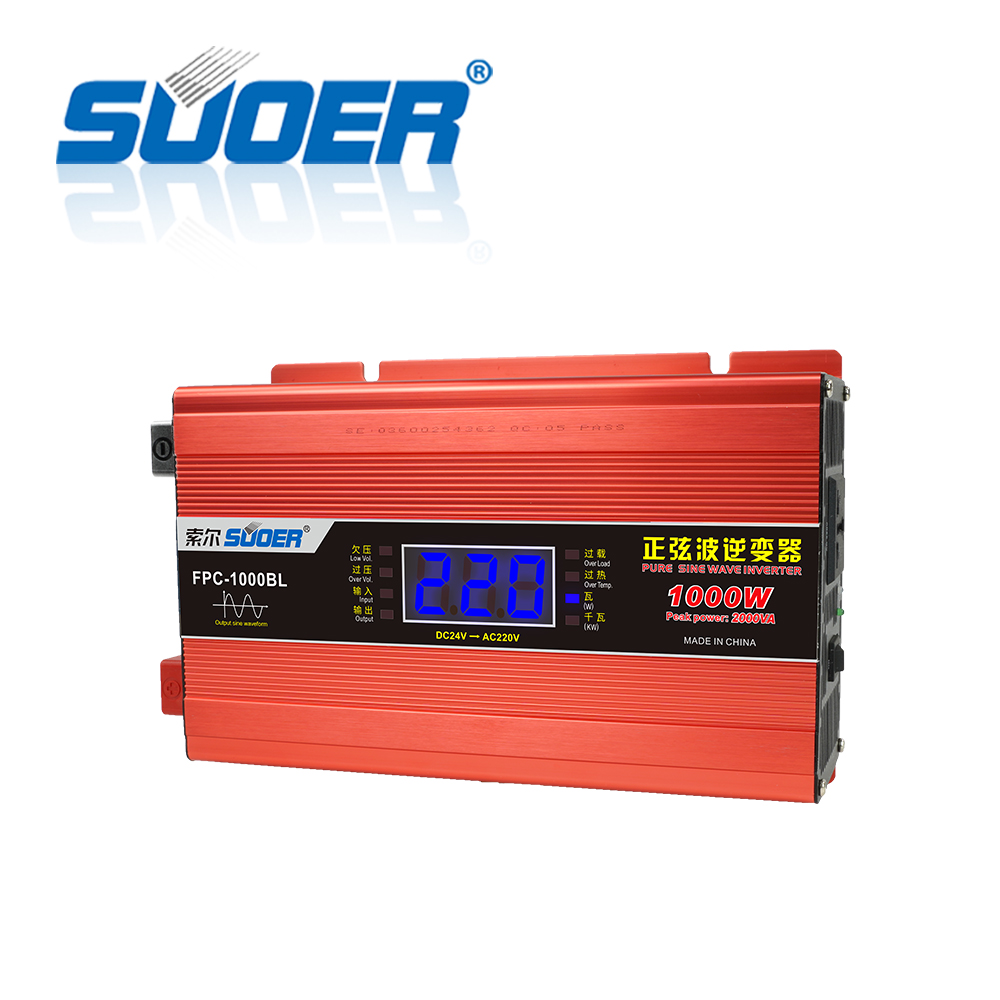
Finding reliable sources for hybrid inverters can significantly impact your purchasing decision. Start by researching manufacturers that specialize in power supply solutions for electric vehicles and renewable energy systems. Industry trade shows and expos can be great venues to meet suppliers face-to-face and evaluate their products.
Online platforms, including B2B marketplaces, can also provide a wealth of options. Look for suppliers with positive reviews and a history of supplying major OEMs in the automotive and telecommunications sectors. Establishing relationships with suppliers who have proven track records in quality and reliability can lead to long-term partnerships.
Finally, consider reaching out to industry associations or forums to gather recommendations and insights from other professionals who have sourcing experience in hybrid inverters.
Despite their advantages, hybrid inverters can present challenges. One common issue is overheating, which can occur if the inverter is not adequately sized for the load. It's crucial to calculate the total wattage of all connected devices and choose an inverter that can comfortably handle this demand.
Another issue is compatibility with existing systems. Ensure that the inverter can integrate seamlessly with your current power supply setup. Testing the inverter with your devices before full-scale deployment can help identify potential problems early on.
Installation can also lead to common pitfalls. Ensure that installation is performed by qualified personnel familiar with electrical systems to avoid safety hazards and operational inefficiencies. Lastly, regular maintenance checks can prevent minor issues from escalating into major problems, prolonging the inverter's lifespan and ensuring consistent performance.
By understanding these specifications and considerations, B2B buyers can make informed decisions, ensuring that the hybrid inverter pure sine wave units they select meet their operational needs effectively and efficiently.

Discover Suoer’s premium range of solar inverters and power inverters designed for reliable renewable energy solutions.Trusted by customers worldwide for exceptional performance and durability.
Suoer Industrial Zone, Ercun Road Section, Yanfeng Avenue, Shishan Town,Foshan city,Guangdong Province,China
Copyright © 2024 Foshan Suoer Electronic Industry Co., Ltd. Privacy Policy - Blog

 EN
 AR
 NL
 FR
 DE
 EL
 IT
 JA
 KO
 PT
 RU
 ES
 VI
 TH
 TR
 BG
 HR
 CS
 NO
 PL
 TL
 ID
 SR
 UK
 SQ
 HU
 MT
 AF
 MS
 IS
 HY
 AZ
 BN
 BS
 GU
 LO
 LA
 MN
 NE
 TA