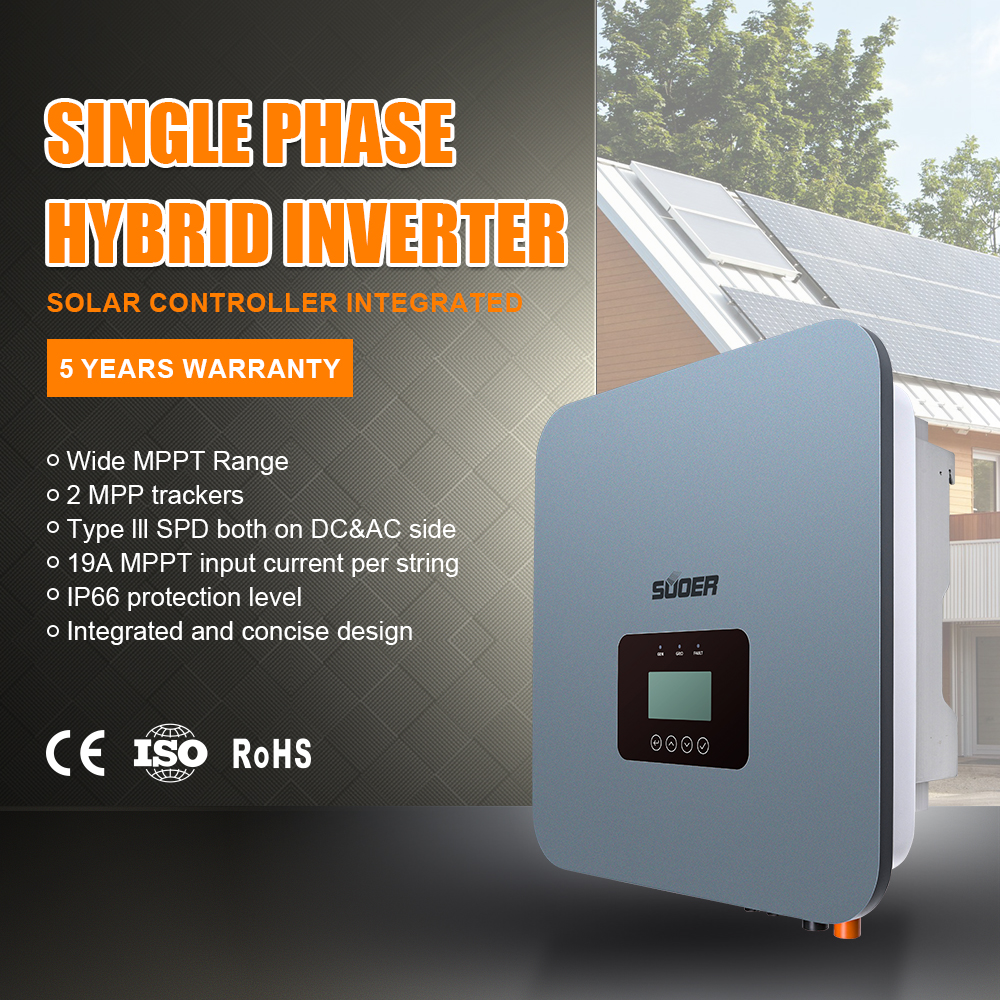
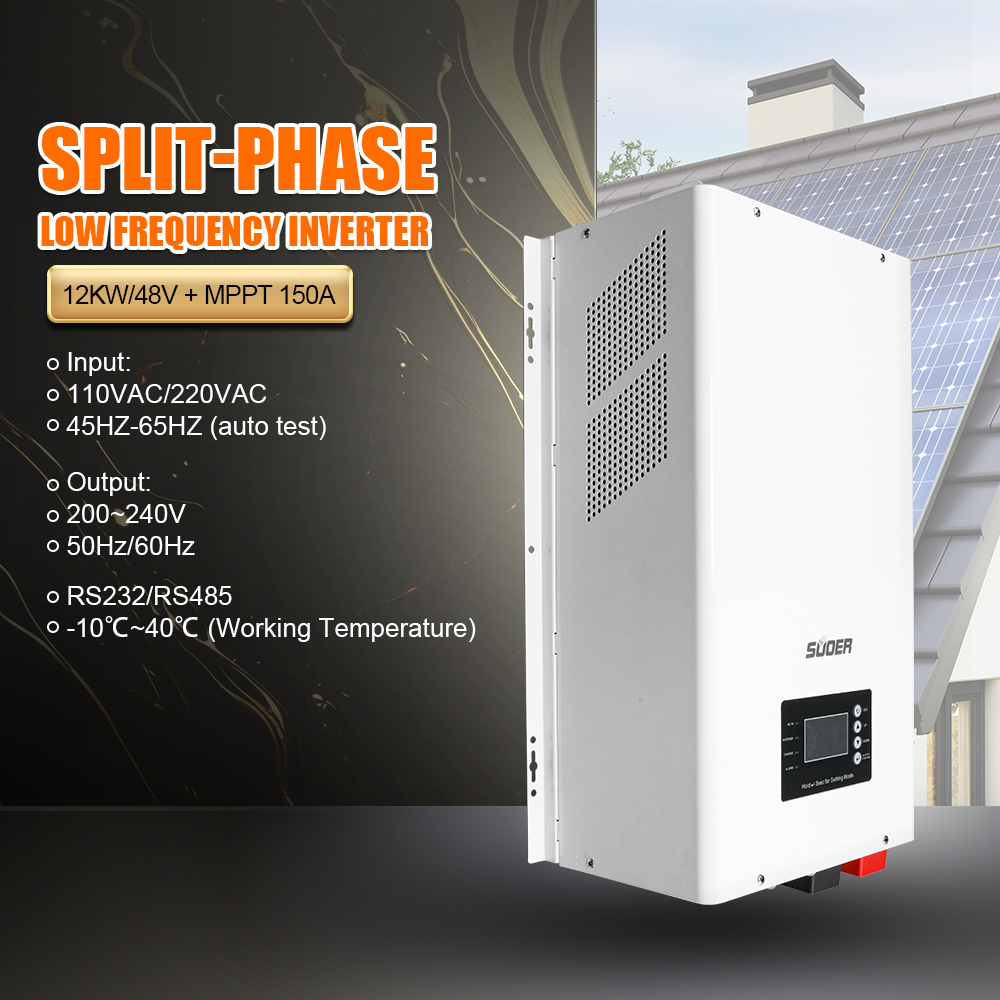
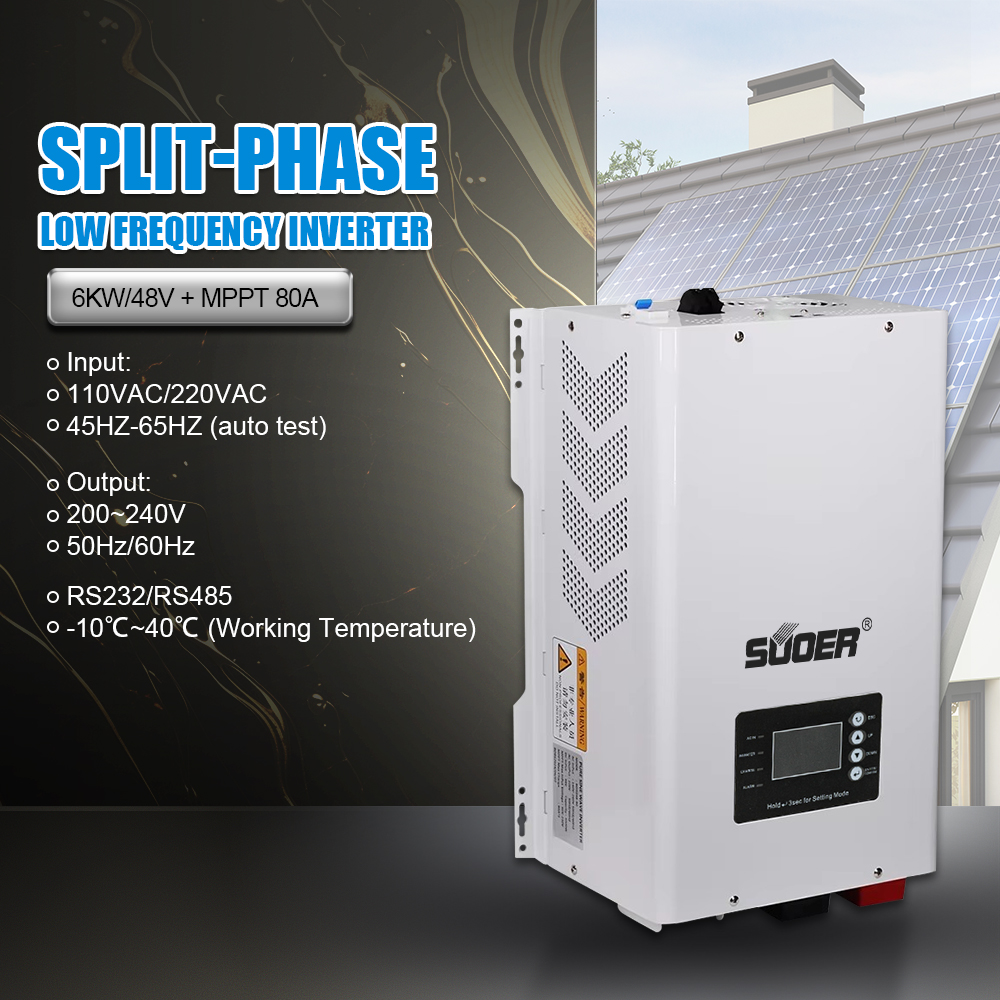
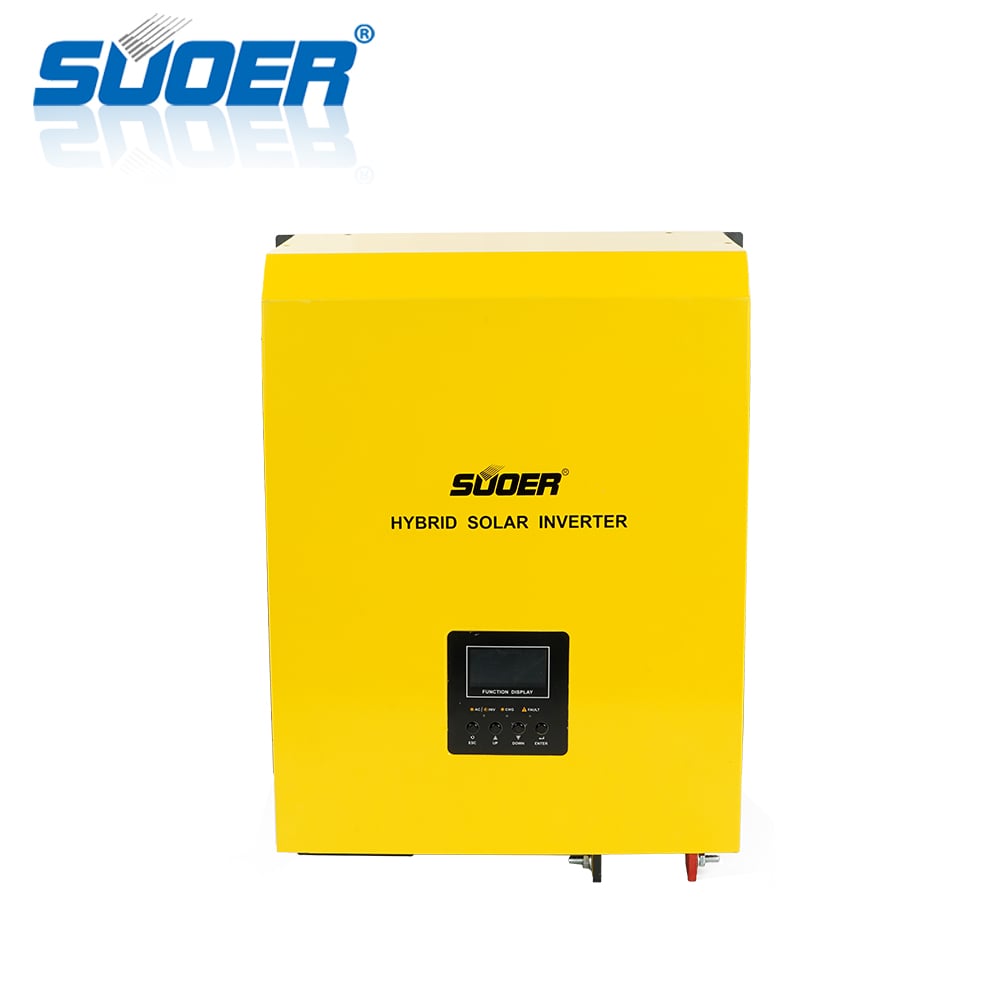
In the realm of renewable energy solutions, the hybrid inverter 48V stands out as a versatile and efficient component, particularly for applications involving electric vehicles, photovoltaic systems, and industrial power management. For B2B buyers, especially purchasing managers and engineers, understanding the nuances of hybrid inverters is crucial for making informed decisions. This article will explore wholesale purchasing options, key specifications, cost factors, installation guidance, and common problems associated with hybrid inverter 48V systems, equipping you with the knowledge needed to navigate your procurement process effectively.
When considering wholesale purchasing of hybrid inverter 48V systems, it's essential to evaluate suppliers based on several criteria. Look for manufacturers with a robust reputation in the new energy sector, particularly those that specialize in power supplies for electric vehicles and industrial applications. The ability to provide certifications such as ROHS, CE, and ISO9001 is a strong indicator of product quality and adherence to industry standards.
Additionally, buyers should consider the minimum order quantity (MOQ) that the supplier offers. This can vary significantly between manufacturers, with some requiring larger orders to reduce costs. Evaluate whether the supplier can accommodate your specific needs, including customization options for your applications.
Establishing a direct relationship with the manufacturer can also facilitate better pricing, faster lead times, and enhanced support throughout the procurement process. Engaging with the manufacturer’s sales team can provide insights into available models, pricing structures, and the possibility of bulk discounts.
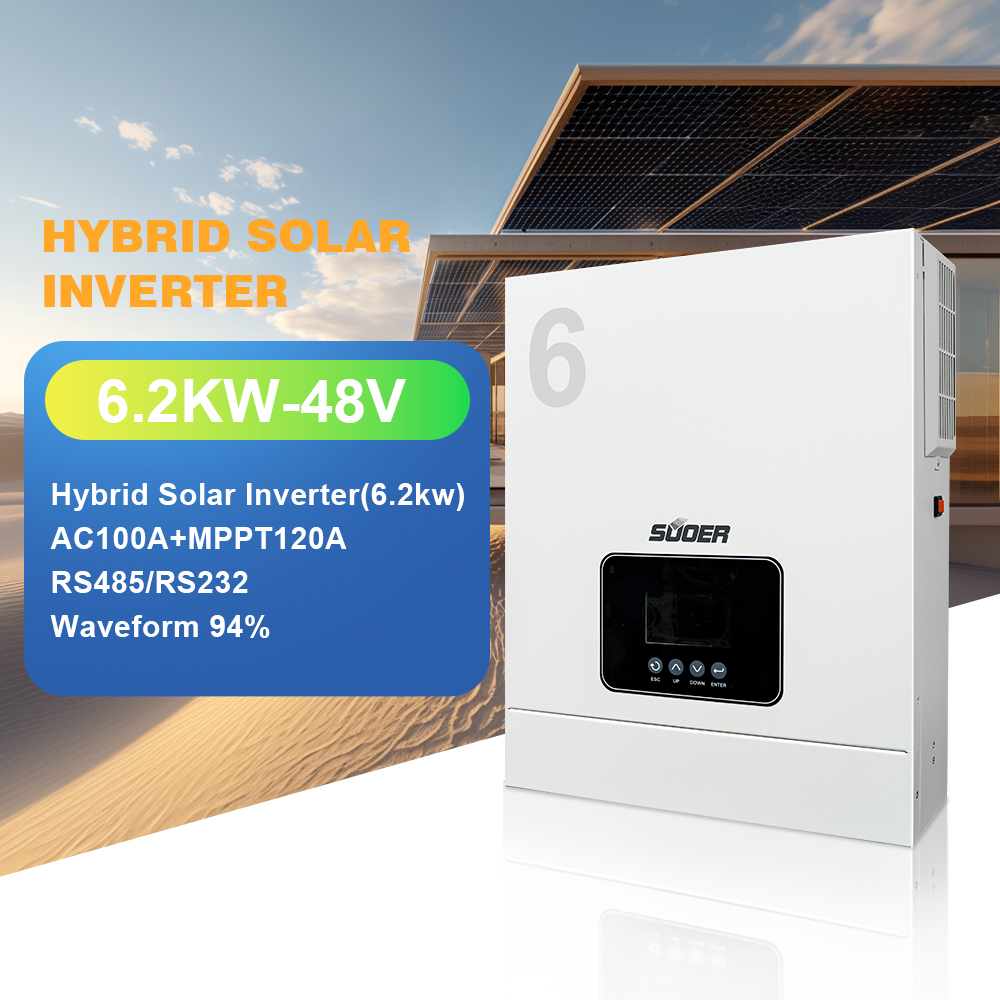
When comparing hybrid inverter 48V models, several key specifications should be considered to ensure compatibility with your intended application. These include:
Input Voltage Range: Understanding the acceptable input voltage range is crucial for ensuring that the inverter can operate effectively within your system's constraints. An inadequate voltage range may lead to inefficiencies or failures.
Output Power Rating: The inverter's power rating determines how much load it can handle. Ensure that the output capacity aligns with your needs, especially in high-demand scenarios such as electric vehicle charging.
Efficiency Ratings: Inverters are rated for efficiency, typically expressed as a percentage. Higher efficiency ratings indicate less energy loss during conversion processes, which can lead to significant cost savings over time.
Protection Features: Look for models that offer protection against overloading, short circuits, and thermal overloads. These features enhance the longevity and reliability of the inverter.
Communication Protocols: Compatibility with communication protocols can be essential for integration into broader energy management systems. Understanding the communication capabilities of the inverter can aid in seamless data exchange and monitoring.
Evaluating these specifications against your specific requirements will help ensure that the selected hybrid inverter 48V model meets both performance and operational standards.
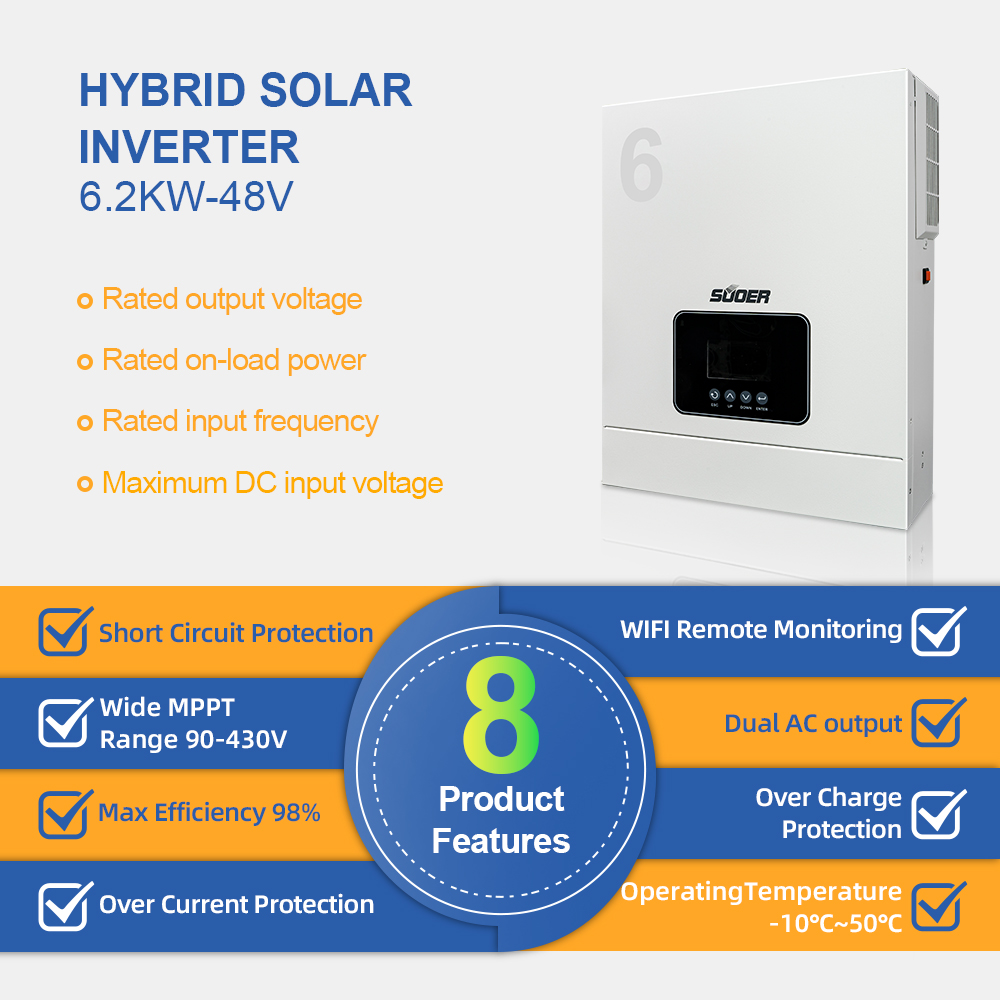
The cost of hybrid inverter 48V units can fluctuate based on several factors. Understanding these elements can help you make a more informed purchasing decision:
Material Costs: The type of materials used in the inverter's construction directly impacts pricing. Higher-quality components may incur additional costs but can result in improved performance and durability.
Manufacturing Processes: Automated production techniques can reduce labor costs and production time, leading to more competitive pricing. Inquire about the manufacturing capabilities of the supplier to assess how they manage production efficiency.
Customization Needs: Customization often comes at an additional cost. If your application requires specific features or adaptations, clarify the associated costs during your supplier discussions.
Market Demand: Fluctuations in demand for hybrid inverters can affect pricing. Being aware of market trends can help you time your purchase effectively to capitalize on lower prices.
Shipping and Handling: Don't overlook the logistical costs associated with transporting these units. Understanding the shipping terms and potential import duties can help you calculate the total cost of acquisition accurately.
By taking these factors into account, you can better navigate the pricing landscape and ensure that you are sourcing the most cost-effective hybrid inverter 48V systems for your needs.
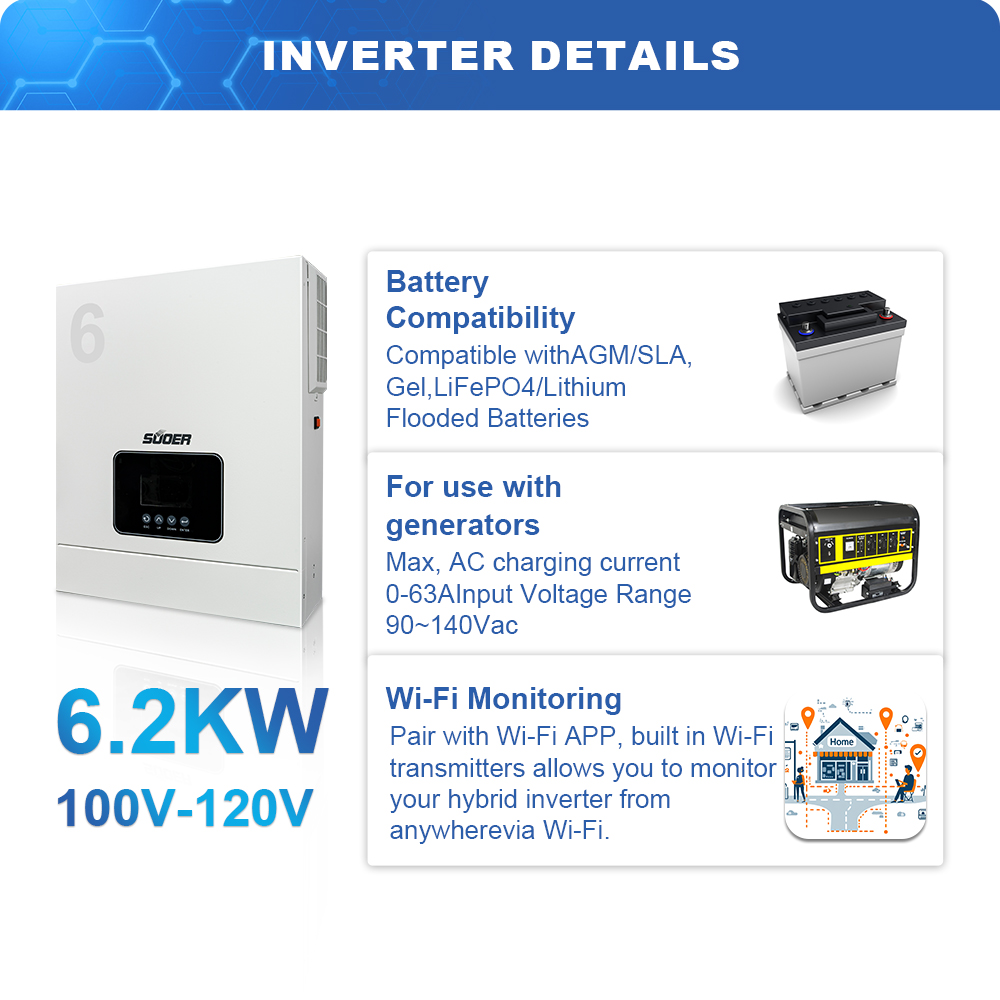
Proper installation of hybrid inverter 48V systems is critical for ensuring optimal performance and longevity. Here are key considerations:
Site Assessment: Before installation, conduct a thorough site assessment to determine the best location for the inverter. This includes evaluating environmental conditions, potential shading from nearby structures, and ensuring adequate ventilation.
Electrical Compatibility: Ensure that the existing electrical system is compatible with the inverter. This includes checking inverter specifications against local grid requirements and voltage levels.
Professional Installation: While some companies may opt for in-house installation, hiring a qualified technician with experience in hybrid inverter setups is advisable. A professional can ensure compliance with safety standards and optimize the configuration for maximum efficiency.
Connection to Energy Sources: Verify that the connections to solar panels or other energy sources are secure and correctly configured. Improper connections can lead to inefficiencies or damage to the system.
Monitoring and Maintenance: Once installed, regular monitoring is essential. Set up a maintenance schedule to check for any performance issues and ensure that the inverter operates within its specified parameters.
Following these guidelines can help streamline the installation process and enhance the overall functionality of your hybrid inverter 48V system.
Despite their efficiency and versatility, hybrid inverter 48V systems can encounter several common issues. Being prepared can help mitigate potential downtime:
Overheating: Inadequate ventilation can lead to overheating, which may cause the inverter to shut down. Ensure adequate airflow around the unit and consider installing additional cooling measures if necessary.
Input Voltage Issues: Fluctuations in input voltage can affect performance. Implement voltage regulation measures to stabilize input levels and protect the inverter from potential damage.
Battery Management Problems: Incorrect battery configuration or management can lead to poor performance. Regularly check battery health and ensure that the inverter’s battery management system is functioning effectively.
Firmware Updates: Some inverters may require firmware updates for optimal performance and compatibility with new technologies. Keep an eye on manufacturer notifications for updates and apply them as needed.
Communication Failures: If the inverter is part of a larger energy management system, communication failures can disrupt functionality. Regularly test communication links and ensure that all systems are properly integrated.
By addressing these common problems proactively, users can maintain the reliability and efficiency of their hybrid inverter 48V systems.
This comprehensive guide aims to equip B2B buyers with the necessary knowledge to make informed decisions regarding hybrid inverter 48V systems, from sourcing and specification evaluation to installation and troubleshooting.

Discover Suoer’s premium range of solar inverters and power inverters designed for reliable renewable energy solutions.Trusted by customers worldwide for exceptional performance and durability.
Suoer Industrial Zone, Ercun Road Section, Yanfeng Avenue, Shishan Town,Foshan city,Guangdong Province,China
Copyright © 2024 Foshan Suoer Electronic Industry Co., Ltd. Privacy Policy - Blog

 EN
 AR
 NL
 FR
 DE
 EL
 IT
 JA
 KO
 PT
 RU
 ES
 VI
 TH
 TR
 BG
 HR
 CS
 NO
 PL
 TL
 ID
 SR
 UK
 SQ
 HU
 MT
 AF
 MS
 IS
 HY
 AZ
 BN
 BS
 GU
 LO
 LA
 MN
 NE
 TA