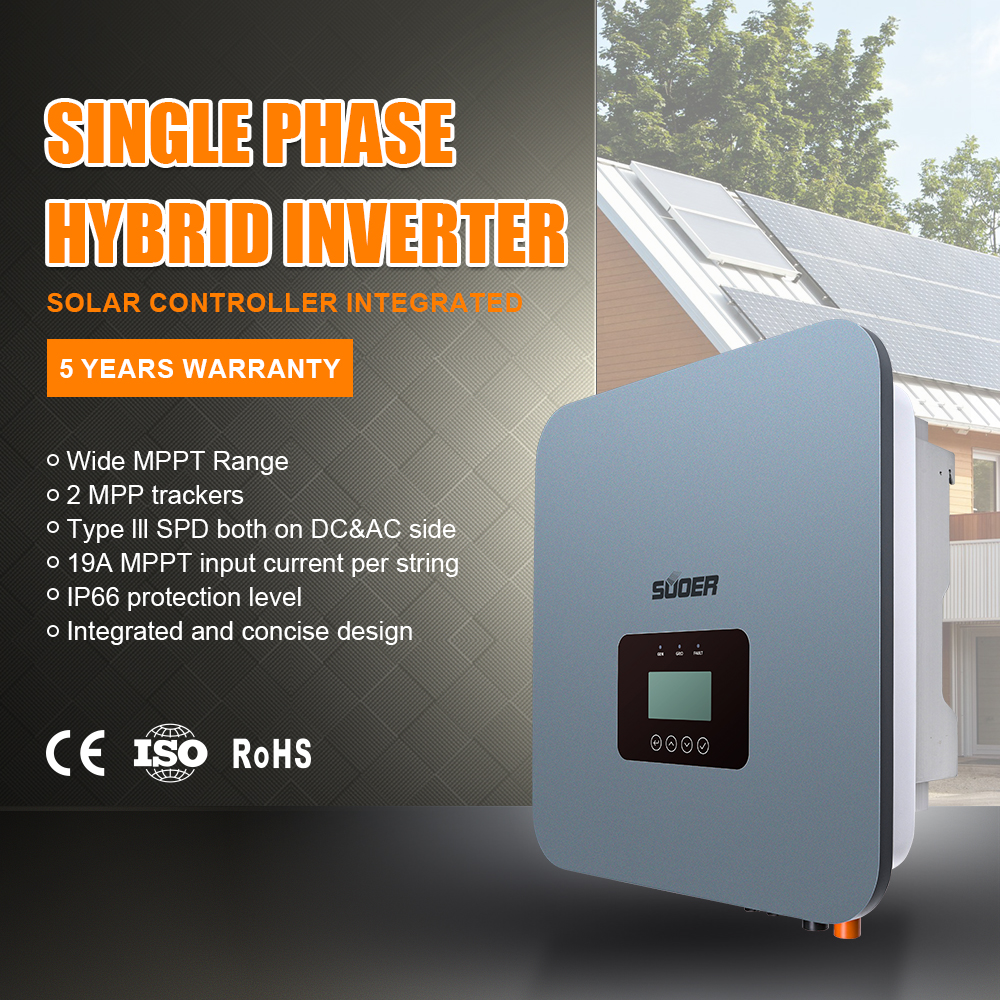
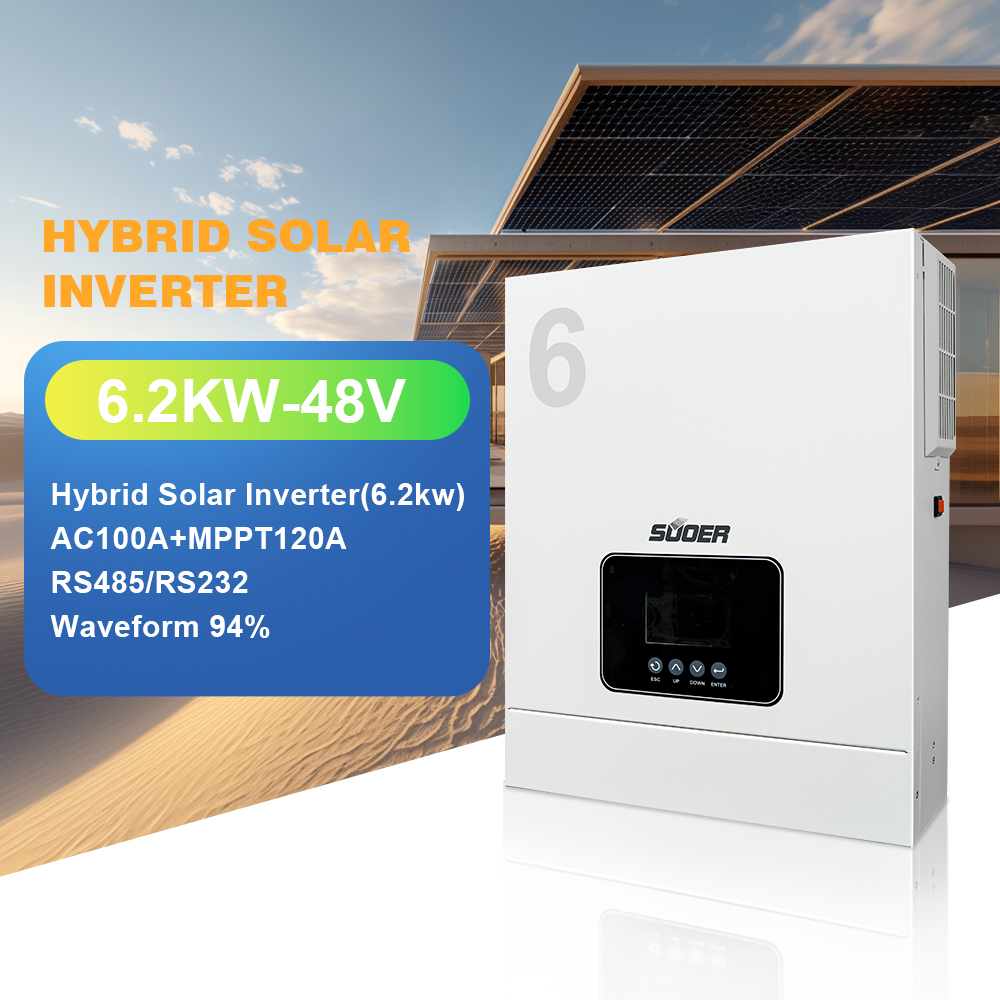
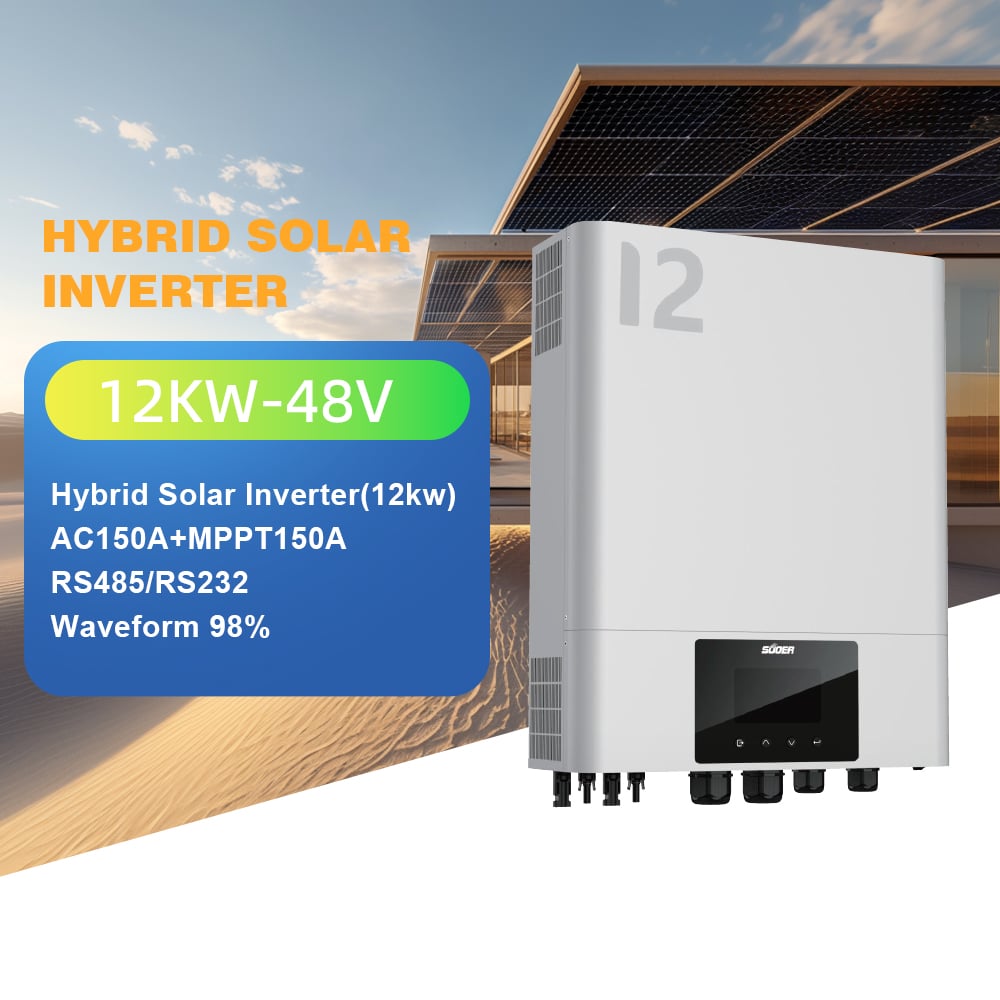
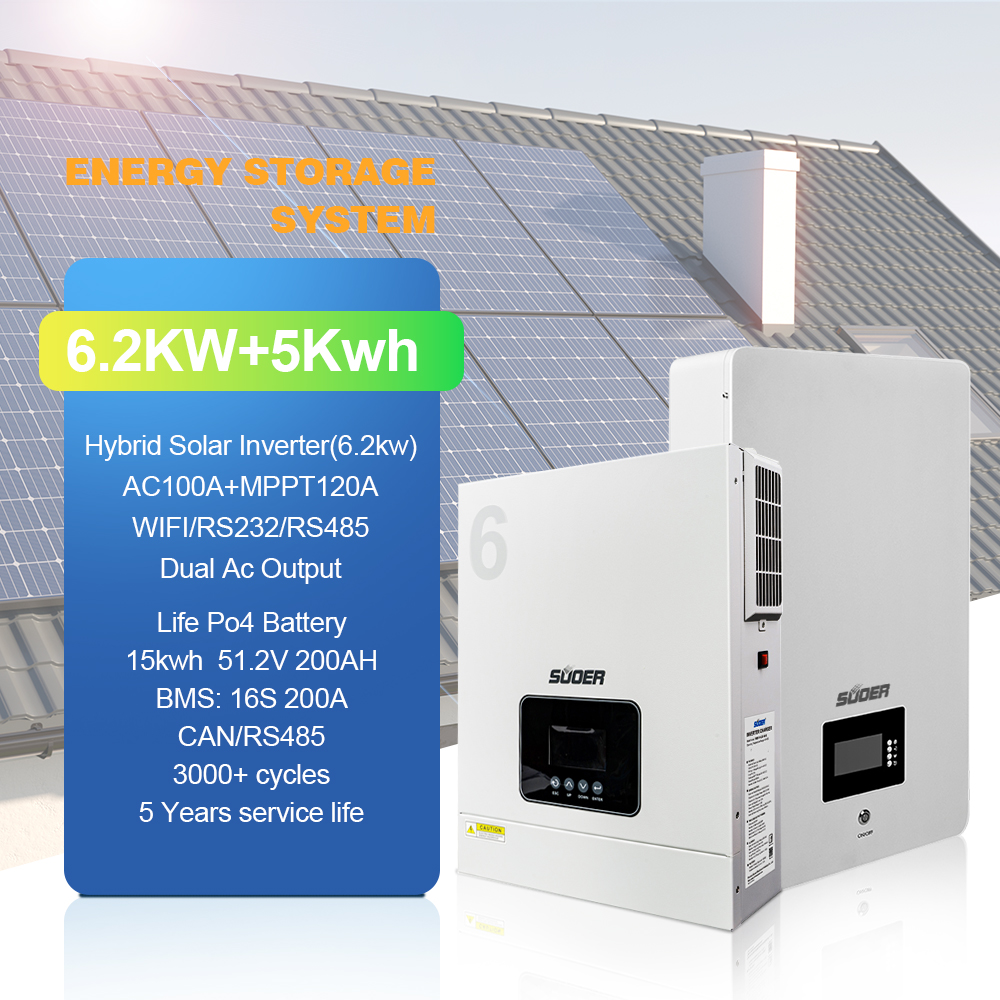
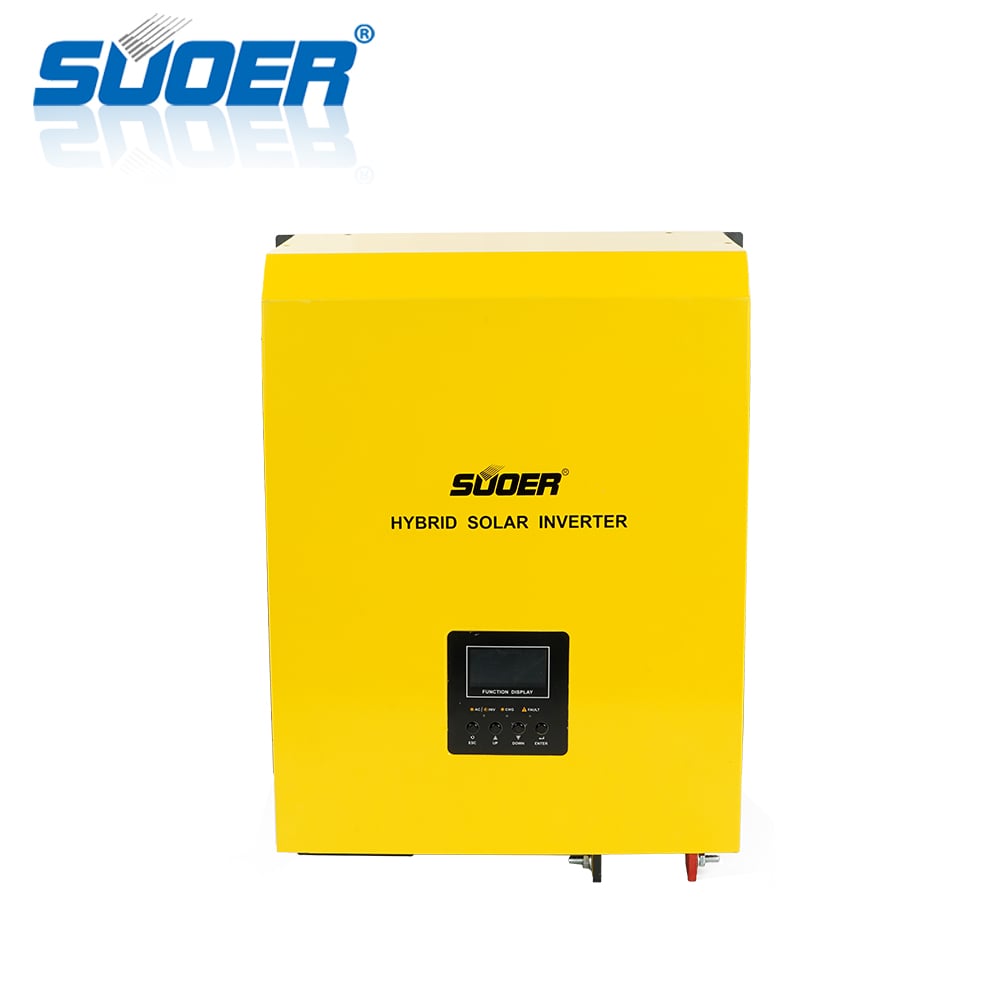
Off-grid solar hybrid inverters are essential components in renewable energy systems, allowing for flexible energy solutions that can operate independently of the traditional power grid. These inverters play a critical role in converting and managing electrical energy from solar panels and other sources, making them particularly valuable for businesses seeking reliable power supply solutions. This article will address key concerns for B2B buyers, including evaluation criteria, cost factors, installation guidance, common issues, and diverse applications of off-grid solar hybrid inverters.
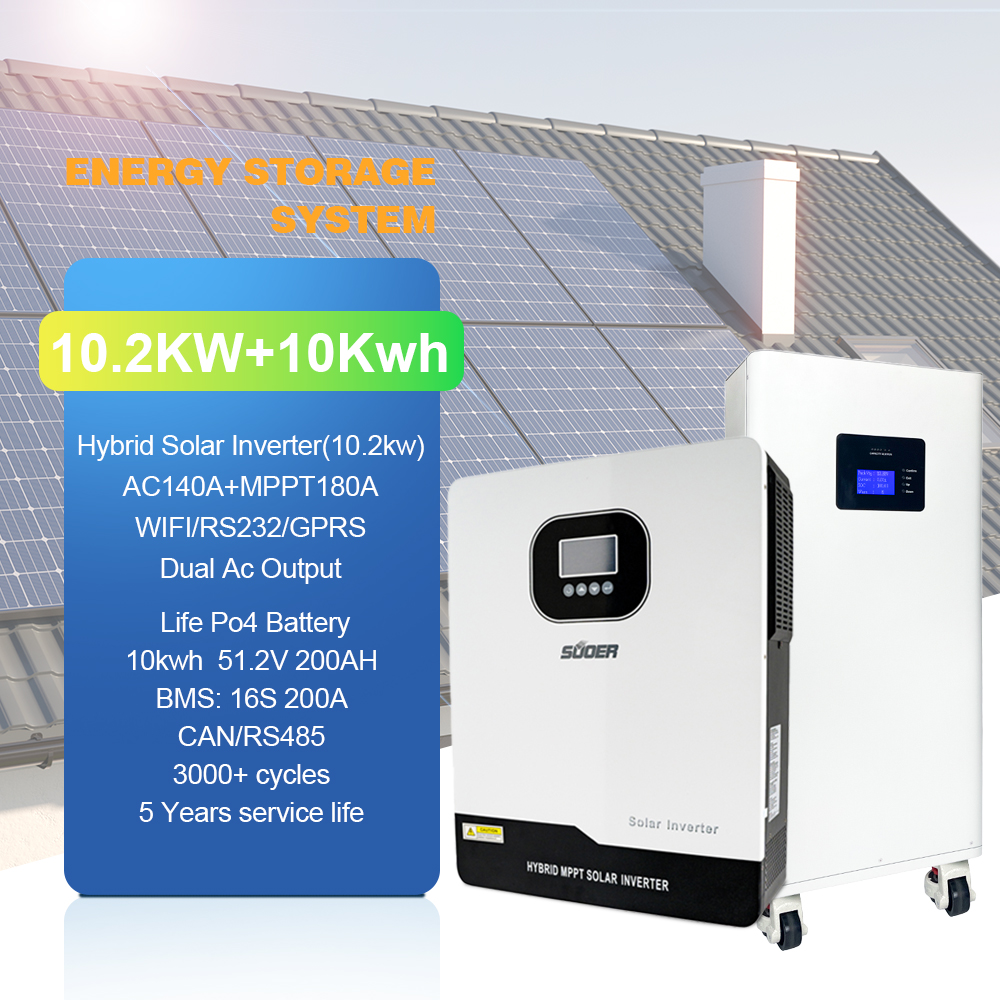
When evaluating off-grid solar hybrid inverters, buyers should consider several key specifications and features. First, the inverter's power rating is crucial, as it determines how much electrical load it can handle. Buyers should assess their energy needs to select an inverter that meets or exceeds these requirements. For instance, the New 10.2kw Hybrid Solar Off-Grid Inverter System 10kwh 200ah Lithium Iron Lifepo4 Battery is an excellent option for various applications.
Next, consider the inverter's efficiency rating. Efficiency indicates how well the inverter converts direct current (DC) from solar panels to alternating current (AC). Higher efficiency ratings lead to more effective energy use and greater cost savings over time. Additionally, look for inverters with built-in safety features, such as over-voltage and over-current protection, which can prevent damage to both the inverter and connected equipment.
Buyers should also take into account the inverter's compatibility with various energy storage solutions, such as batteries. A hybrid inverter that can seamlessly integrate with different battery types offers flexibility and adaptability for future energy needs. Lastly, verify that the inverter complies with relevant certifications, such as ROHS and CE, which ensure quality and safety standards are met.
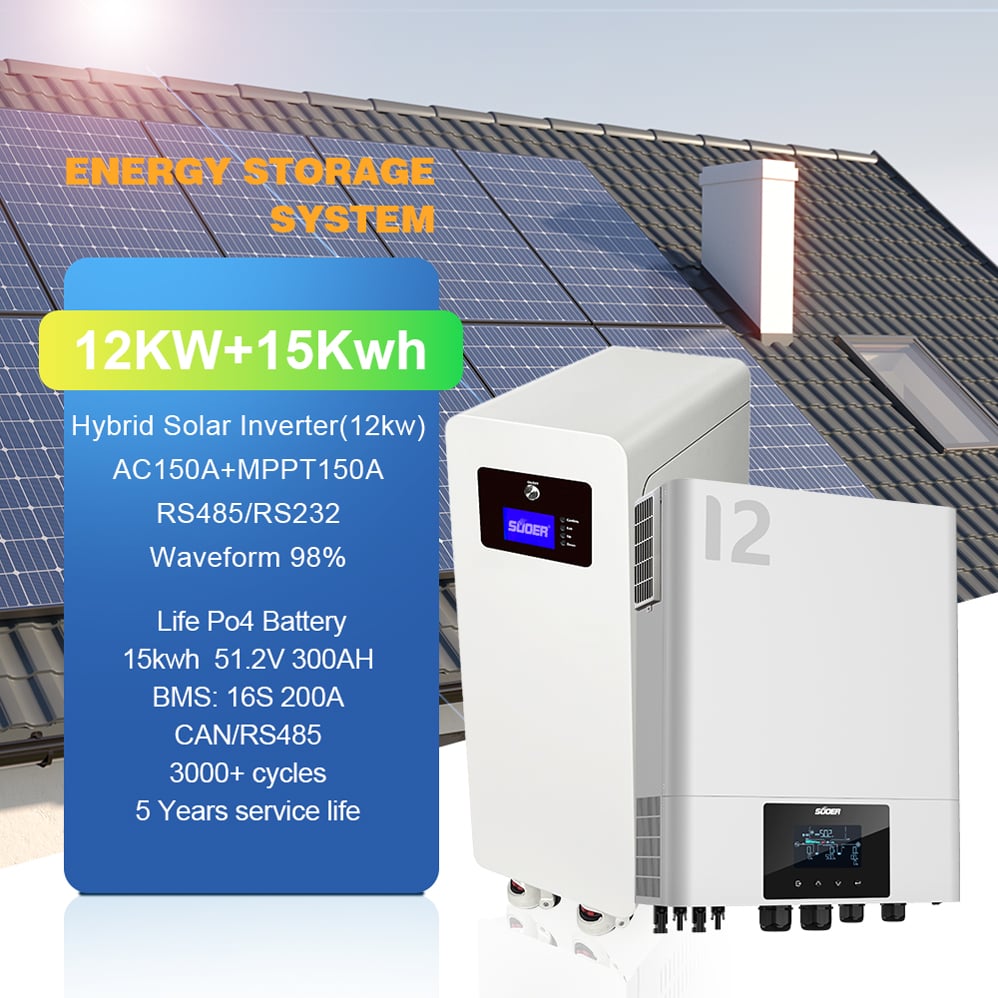
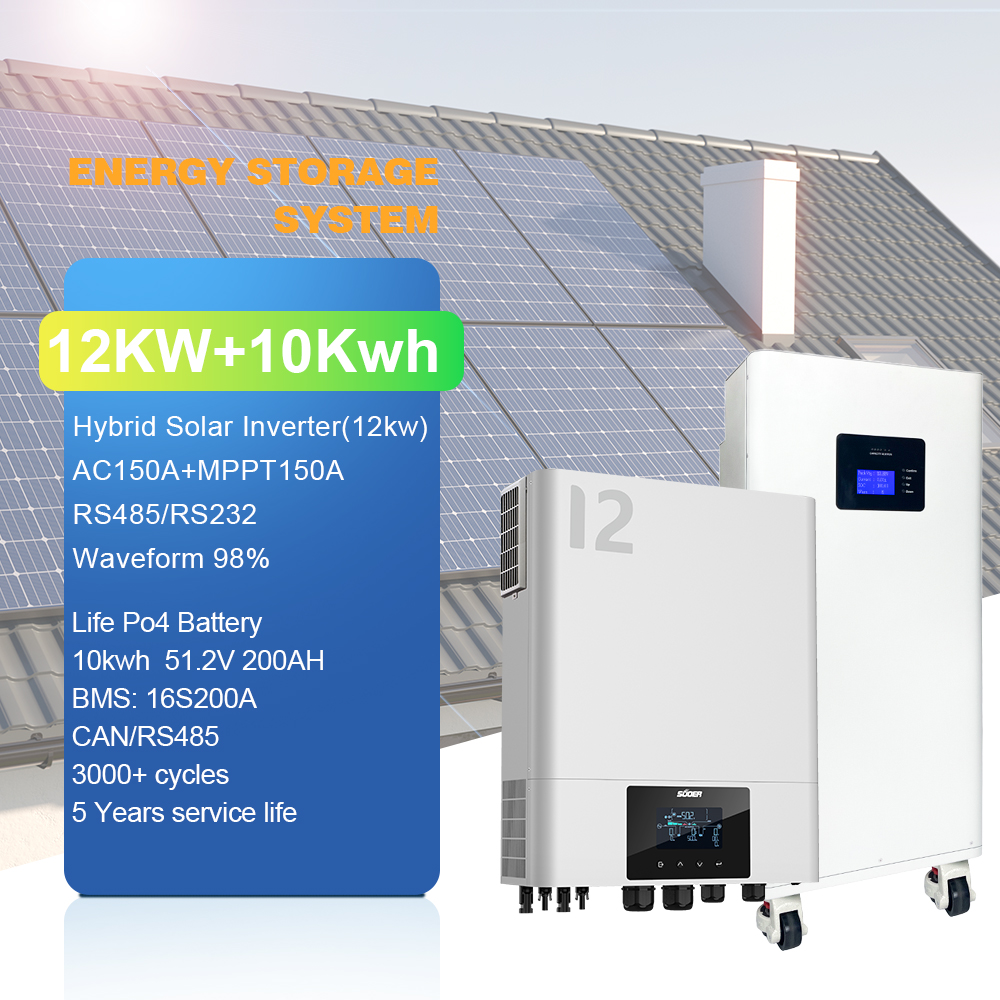
Several cost factors influence the pricing of off-grid solar hybrid inverters. The initial purchase price is often the most significant consideration; however, buyers should look beyond this to assess the total cost of ownership. Factors such as installation expenses, maintenance costs, and potential savings from energy efficiency can significantly impact the overall investment. For example, the VMS-12kw energy system provides an efficient solution that can help reduce long-term costs.
Installation complexity can vary widely based on the inverter model and the specific system setup. More advanced models may require specialized installation, which can increase labor costs. Additionally, buyers should factor in the cost of ancillary equipment, such as solar panels, batteries, and mounting hardware, as these components are essential for the system's operation.
Long-term operational costs should also be analyzed, including any warranty or service agreements that may be necessary for maintenance. It's important to consider the inverter's durability and expected lifespan, as a higher upfront investment in a quality inverter may yield lower costs over time due to reduced failure rates and maintenance needs.
Proper installation of off-grid solar hybrid inverters is critical for optimal performance and safety. Before installation, it is essential to conduct a thorough site assessment to determine the best placement for solar panels and the inverter. Consider factors such as sun exposure, shading from nearby structures, and accessibility for maintenance.
Buyers should ensure that the installation location is well-ventilated to prevent overheating, as excessive heat can negatively impact inverter performance and lifespan. Additionally, ensure that the inverter is mounted securely to withstand environmental factors like wind or seismic activity, depending on the geographical location.
During installation, follow the manufacturer's guidelines closely. This includes connecting the inverter to the solar panels, batteries, and electrical loads in the correct sequence. For those unfamiliar with electrical systems, hiring licensed professionals for installation is advisable to comply with local regulations and safety standards. After installation, conduct a comprehensive system test to ensure all components function correctly.
Despite their reliability, off-grid solar hybrid inverters can encounter common issues that may affect performance. One frequent problem is inverter shutdown due to overload. This can occur when the connected load exceeds the inverter’s capacity. To prevent this, buyers should regularly monitor energy consumption and ensure that the inverter's power rating aligns with their energy needs.
Another common issue is battery management. Improperly configured charging settings can lead to battery overcharging or undercharging, shortening battery life. To mitigate this, buyers should choose inverters with advanced battery management systems that monitor and adjust charging cycles automatically.
Additionally, poor connectivity or communication errors between the inverter and other system components can lead to performance issues. Buyers should ensure that all connections are secure and that the inverter’s firmware is up to date. Regular maintenance checks can help identify and rectify any potential issues before they escalate.
Off-grid solar hybrid inverters have diverse applications across multiple industries. In the telecommunications sector, they provide reliable power to remote cell towers, ensuring uninterrupted service in areas without grid access. This is particularly important for maintaining communication during emergencies or in rural regions.
In the construction industry, off-grid solar systems can power tools and equipment at job sites, eliminating the need for diesel generators and reducing fuel costs. They are also increasingly used in agricultural settings to power irrigation systems and greenhouses, promoting sustainable farming practices.
Additionally, off-grid solar hybrid inverters are ideal for residential applications in remote areas, providing homeowners with energy independence. As more industries seek sustainable energy solutions, the versatility and reliability of off-grid solar hybrid inverters position them as a valuable asset in numerous applications.
By understanding the essential features, cost factors, installation requirements, potential issues, and industry applications of off-grid solar hybrid inverters, buyers can make informed decisions that align with their energy needs and business objectives.

Discover Suoer’s premium range of solar inverters and power inverters designed for reliable renewable energy solutions.Trusted by customers worldwide for exceptional performance and durability.
Suoer Industrial Zone, Ercun Road Section, Yanfeng Avenue, Shishan Town,Foshan city,Guangdong Province,China
Copyright © 2024 Foshan Suoer Electronic Industry Co., Ltd. Privacy Policy - Blog

 EN
 AR
 NL
 FR
 DE
 EL
 IT
 JA
 KO
 PT
 RU
 ES
 VI
 TH
 TR
 BG
 HR
 CS
 NO
 PL
 TL
 ID
 SR
 UK
 SQ
 HU
 MT
 AF
 MS
 IS
 HY
 AZ
 BN
 BS
 GU
 LO
 LA
 MN
 NE
 TA