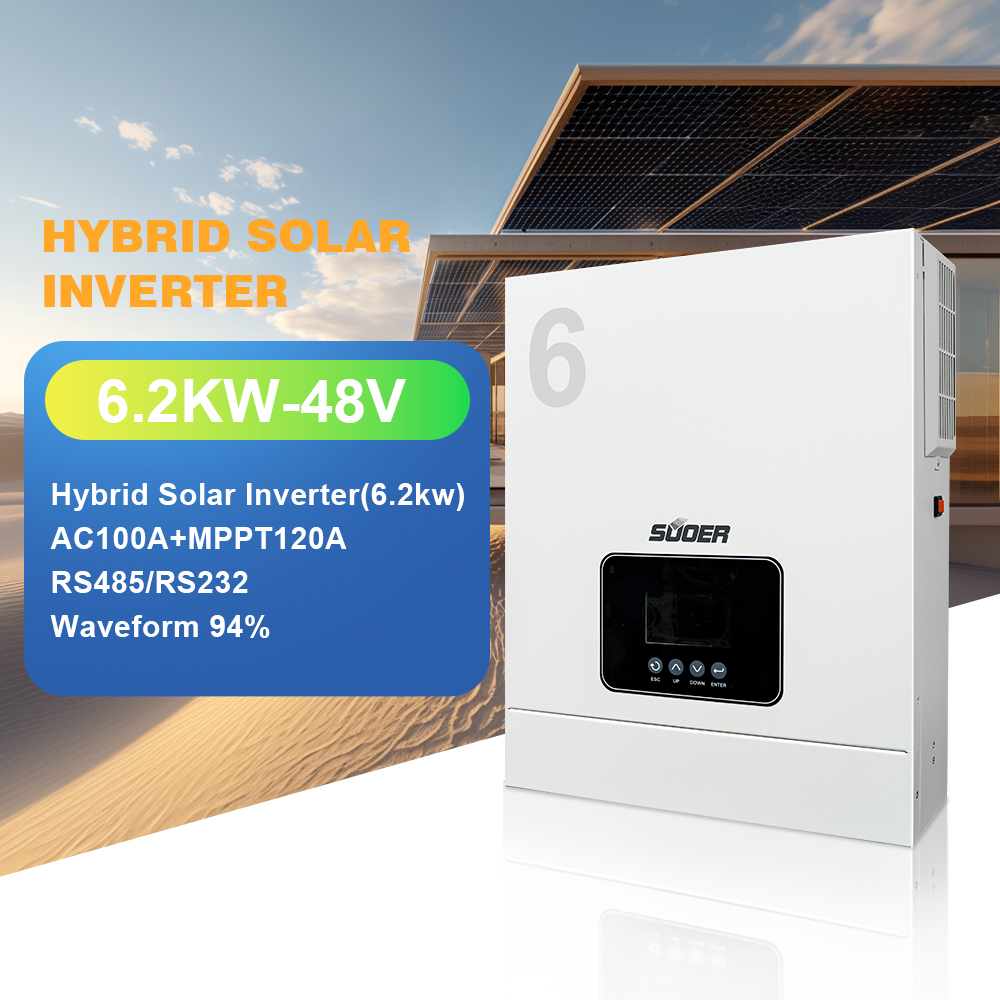
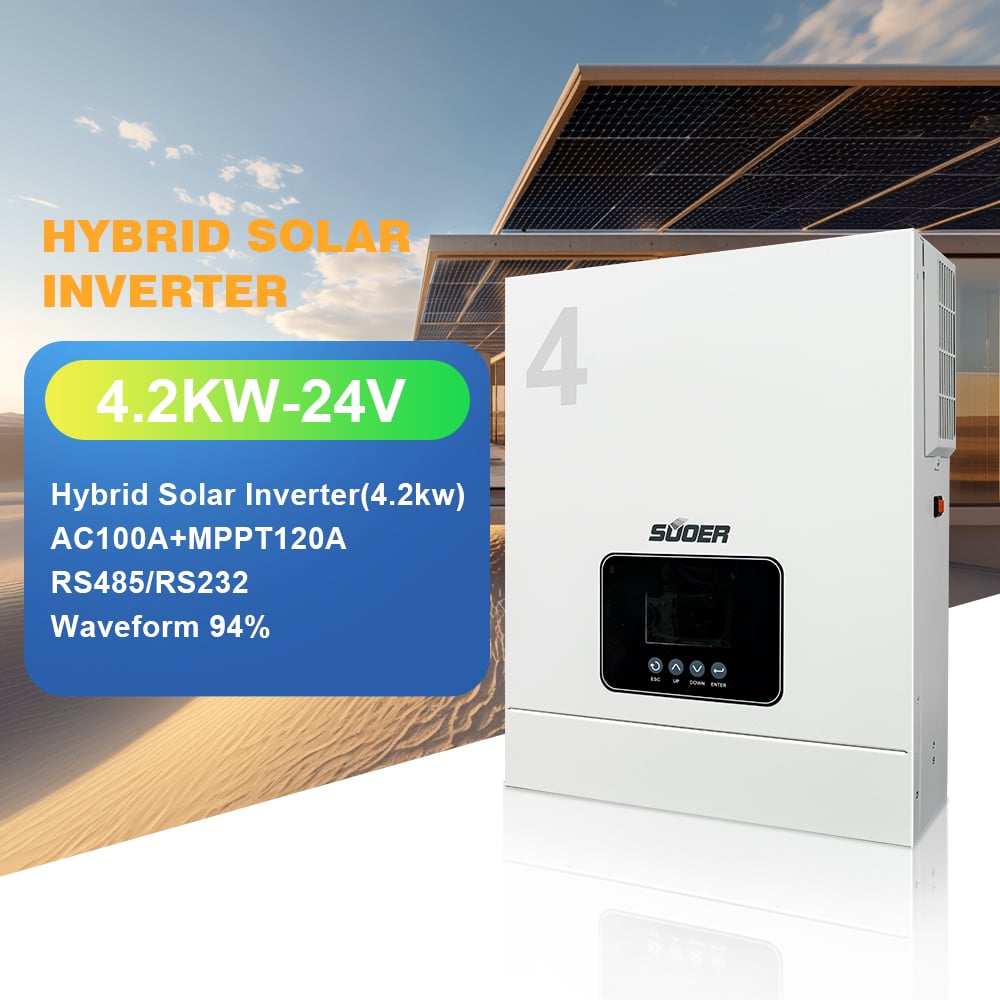
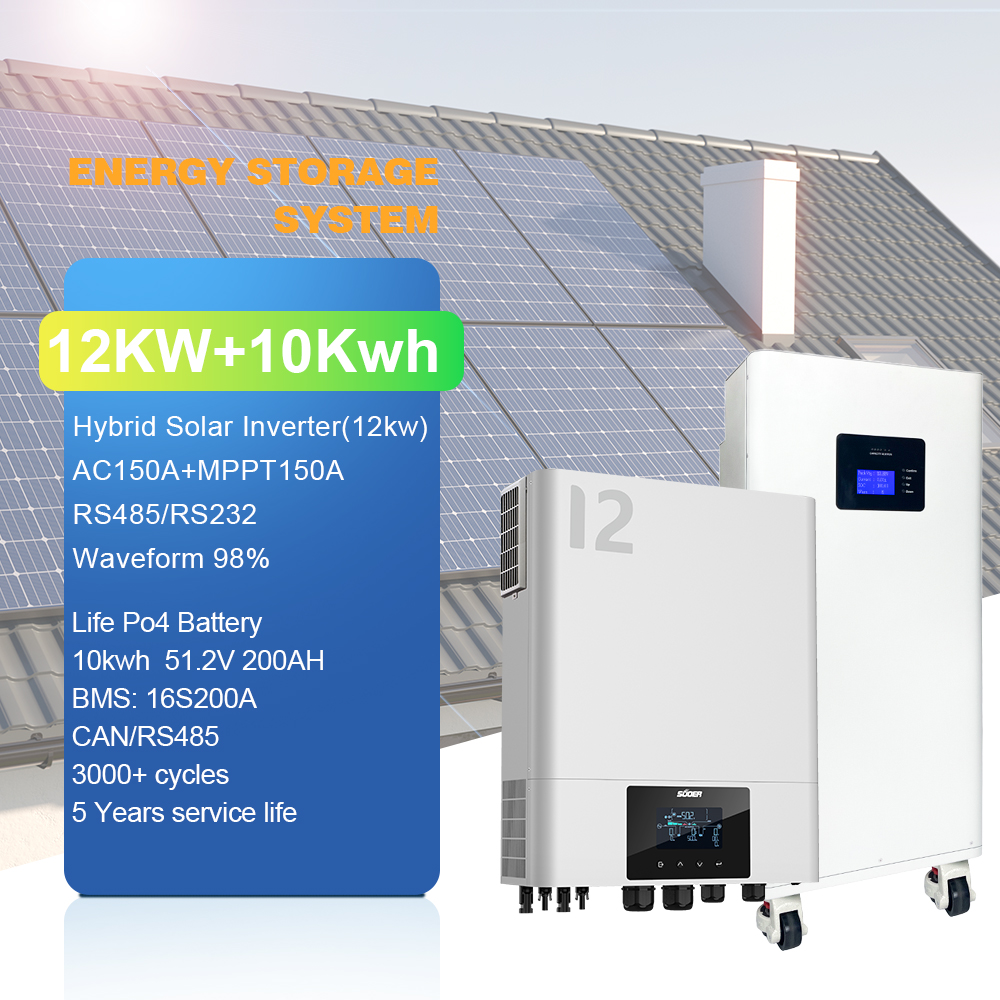
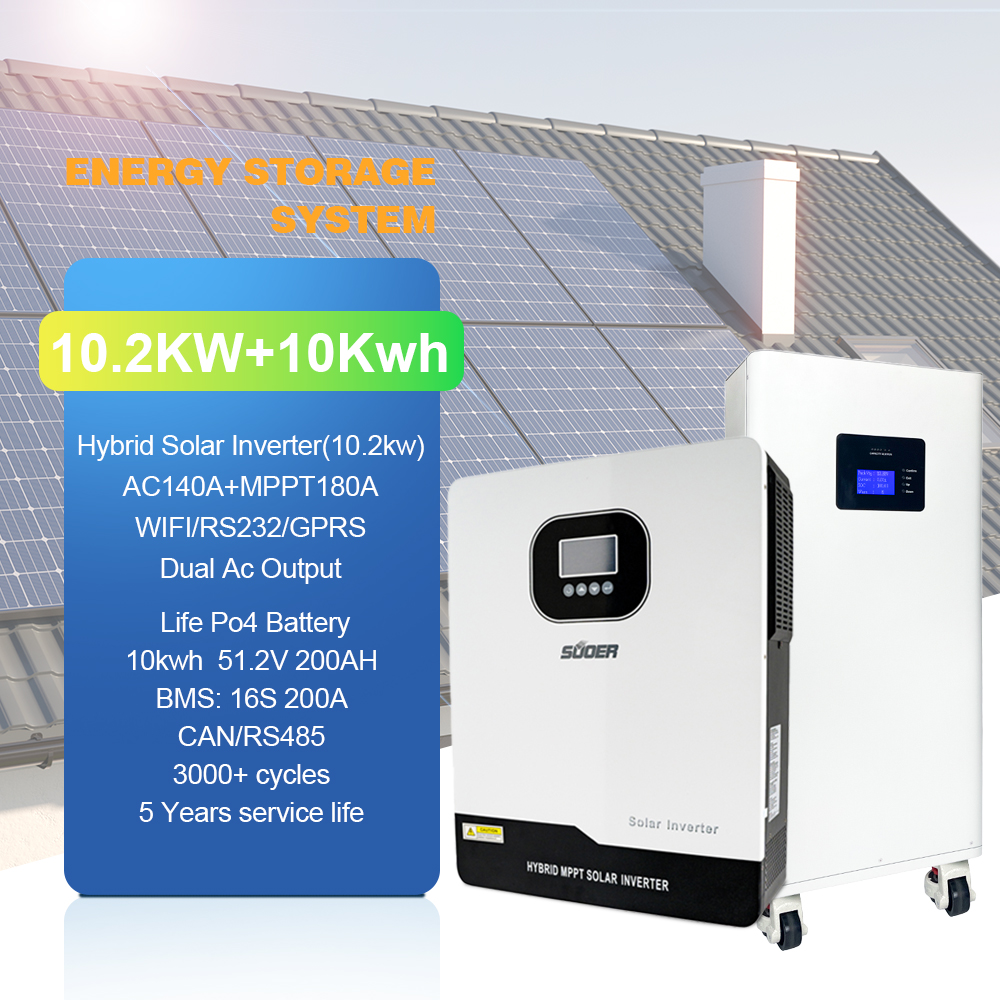
Smart hybrid solar inverters are advanced power management systems designed to optimize energy generation and usage by integrating solar energy with other power sources. For B2B buyers, understanding the specifications and applications of these devices is crucial to making informed purchasing decisions. This article will address key considerations for wholesale buyers, including supplier reliability, applications in industrial projects, installation guidance, and evaluating the quality control processes of manufacturers.
When considering smart hybrid solar inverters, buyers should focus on several critical specifications:
Power Output: The inverter's capacity is measured in kilowatts (kW). Selecting the right capacity depends on the anticipated load and energy needs of the application. For example, a commercial installation may require a higher output compared to a residential setup.
Efficiency Rating: This indicates how effectively the inverter converts DC power from solar panels into AC power for use. Higher efficiency ratings lead to better energy savings. Look for inverters with efficiency ratings above 95% to ensure optimal performance.
Input Voltage Range: This specification defines the range of voltages the inverter can handle. It’s essential to match this with the solar array configuration to avoid operational issues.
Communication Protocols: Many modern inverters come with communication capabilities, allowing integration with smart home systems or energy management systems. Check for compatibility with existing systems to enable real-time monitoring and performance optimization.
Certifications: Ensure that the inverter complies with industry standards such as ROHS, CE, and ISO9001. These certifications indicate adherence to quality and safety regulations.
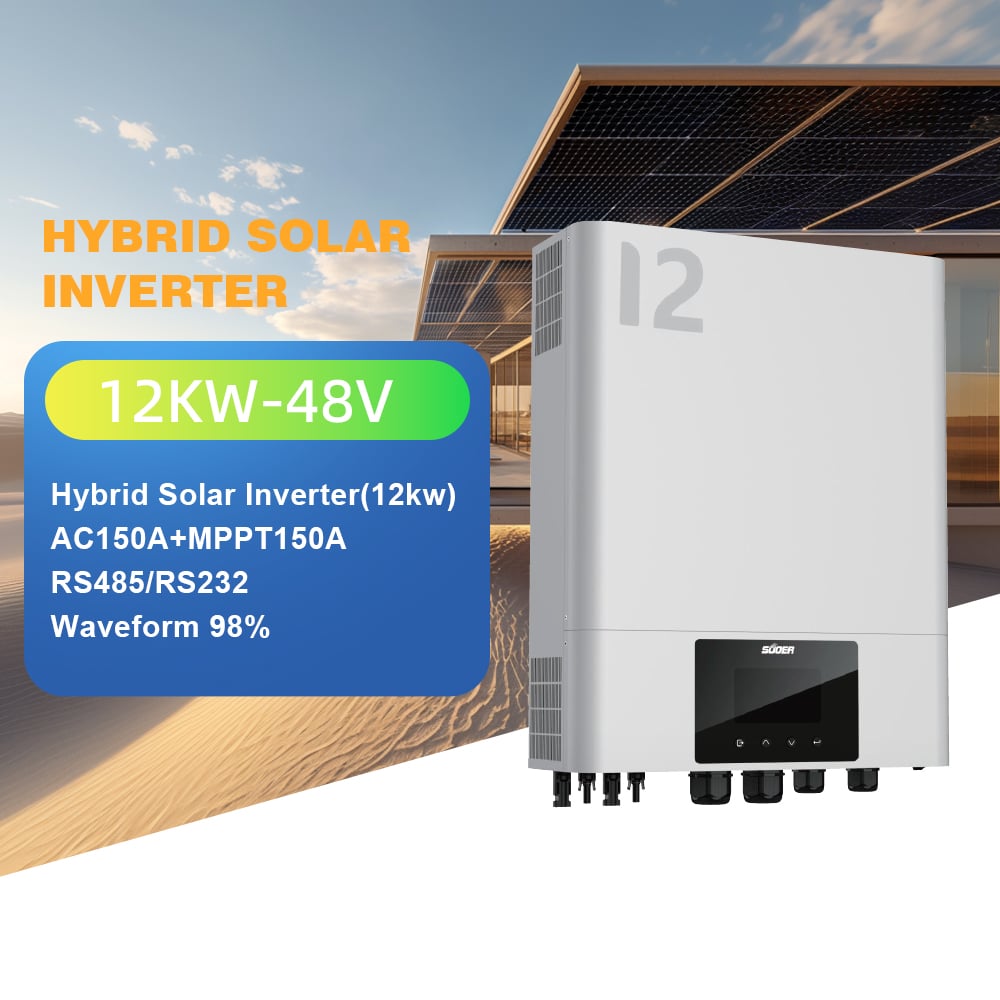
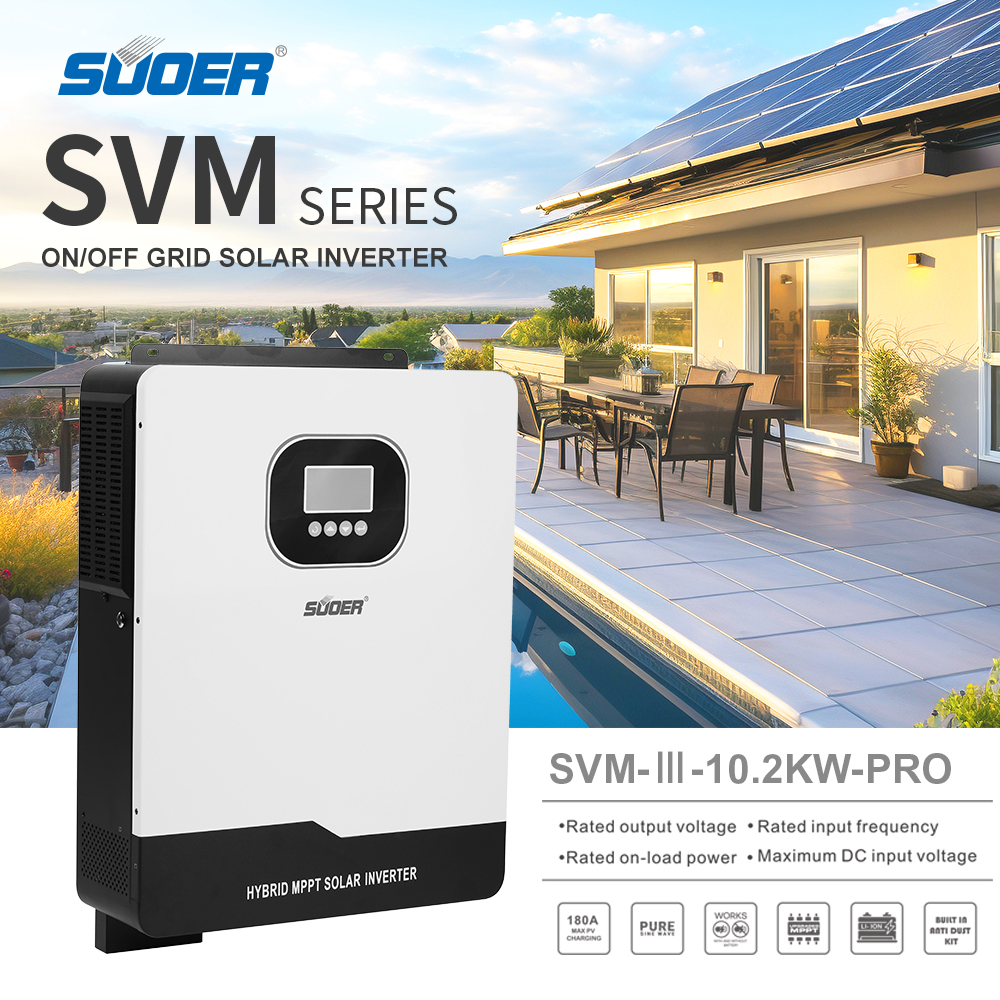
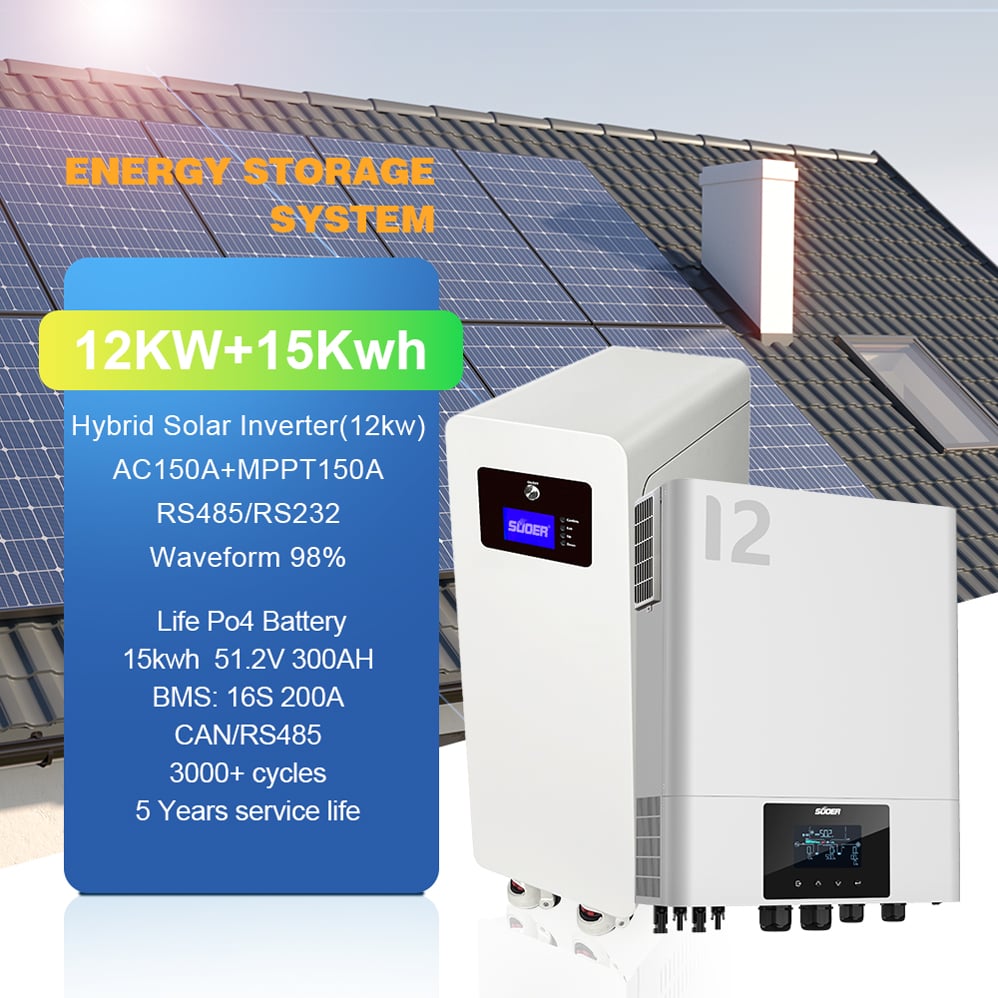
Understanding these specifications helps wholesale buyers determine the inverter best suited for their needs and ensures compatibility with existing systems. For instance, options like the New 12kw Hybrid Solar Off-Grid Inverter System 15kwh 300ah Lithium Iron Lifepo4 Battery provide excellent specifications that meet various energy requirements.
Selecting a reliable supplier for smart hybrid solar inverters involves assessing several key factors:
Reputation and Experience: Research the supplier’s history in the industry. A supplier with extensive experience, particularly in providing solutions for electric vehicles and industrial applications, is likely to have established quality and reliability.
Manufacturing Capabilities: Evaluate the supplier's production capabilities, including automated production processes and technology used. A supplier with advanced manufacturing equipment is more likely to produce high-quality products consistently.
Customization Options: If specific requirements or configurations are needed, verify that the supplier offers customization capabilities. This allows for tailored solutions that meet unique energy needs.
Quality Control Processes: Inquire about the supplier’s quality control measures. A reputable supplier should have rigorous testing processes in place to ensure that all products meet required specifications before shipping.
Customer Support: Strong customer support is essential for troubleshooting and post-purchase assistance. Check for reviews or testimonials regarding the responsiveness and helpfulness of the supplier’s support team.
By evaluating these factors, buyers can select a supplier who not only provides quality products but also supports their long-term energy management goals. Consider reviewing options like the VMS-12kw energy system which offers great support and customization features.
Smart hybrid solar inverters are increasingly being utilized in various industrial applications, enhancing energy efficiency and sustainability. Key applications include:
Manufacturing Facilities: Inverters can optimize energy consumption by balancing solar generation with grid power, significantly reducing operational costs. They are particularly beneficial for manufacturing units operating during peak sunlight hours.
Telecommunications: In remote locations where grid access may be unreliable, hybrid inverters allow telecom companies to harness solar energy, ensuring uninterrupted service while reducing reliance on fossil fuels.
Rail Transit Systems: Smart hybrid solar inverters can power signaling systems and train stations, thus enhancing energy efficiency in rail transit projects. They can integrate with battery storage systems to provide backup power during outages.
Electric Vehicle Charging Stations: These inverters facilitate the integration of solar power into EV charging stations, enabling green energy use and reducing operational costs.
The versatility of smart hybrid solar inverters makes them suitable for various industrial settings, allowing businesses to leverage renewable energy effectively.
Proper installation of smart hybrid solar inverters is crucial for optimal performance. Here are some guidelines for commercial applications:
Site Assessment: Conduct a thorough site assessment to determine the best location for the inverter, considering factors like sunlight exposure, proximity to the solar array, and access to electrical systems.
Electrical Compatibility: Ensure that the inverter is compatible with the existing electrical infrastructure. This includes checking the voltage and phase requirements.
Mounting and Positioning: Follow manufacturer specifications for mounting the inverter. It should be installed in a shaded, ventilated area to prevent overheating and ensure longevity.
Grid Connection: If connecting to the grid, work with a licensed electrician to ensure compliance with all local regulations and utility requirements. This step is vital for safety and to avoid potential penalties.
Testing: After installation, conduct thorough testing to confirm that the system operates correctly. This includes verifying the output, efficiency, and integration with monitoring systems.
Following these installation guidelines can help ensure that smart hybrid solar inverters function reliably and efficiently in commercial settings.
Quality control is a critical aspect when selecting manufacturers for smart hybrid solar inverters. Consider the following factors:
Manufacturing Standards: Assess whether the manufacturer adheres to international standards like ISO9001. This indicates a commitment to quality management systems.
Testing Protocols: Inquire about the testing procedures used during production. Manufacturers should perform rigorous testing on components and final products to ensure they meet performance and safety standards.
Traceability: Good manufacturers maintain traceability for their products, allowing buyers to trace the components used in each inverter. This can be crucial for addressing any performance issues that arise.
Feedback and Improvement Processes: Evaluate whether the manufacturer has mechanisms in place for collecting customer feedback and making improvements based on that feedback. Continuous improvement is essential for maintaining quality standards.
Warranty and Support: A strong warranty policy indicates confidence in product quality. Review the terms of warranty and the support offered in case of issues.
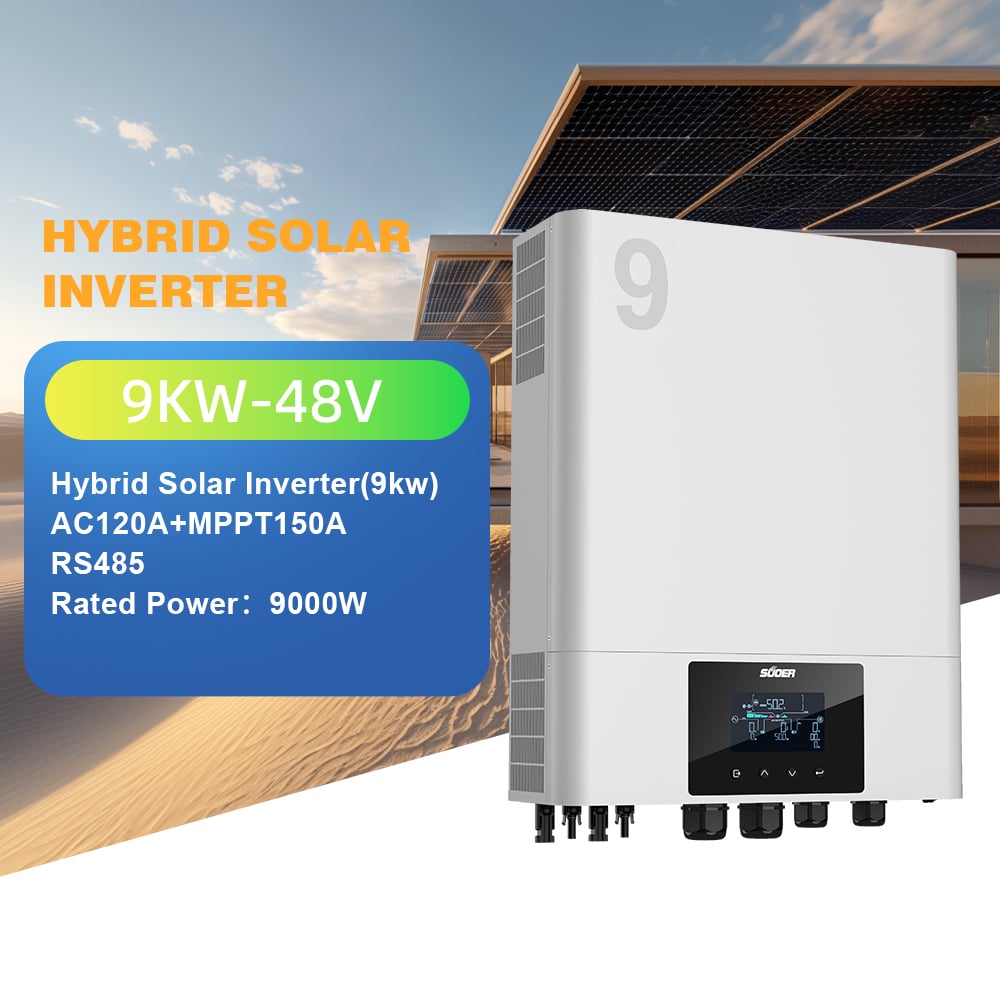
By focusing on these quality control aspects, buyers can ensure they partner with manufacturers who prioritize product reliability and performance. For example, the VMS-9kw energy system is a great choice reflecting these quality standards.

Discover Suoer’s premium range of solar inverters and power inverters designed for reliable renewable energy solutions.Trusted by customers worldwide for exceptional performance and durability.
Suoer Industrial Zone, Ercun Road Section, Yanfeng Avenue, Shishan Town,Foshan city,Guangdong Province,China
Copyright © 2024 Foshan Suoer Electronic Industry Co., Ltd. Privacy Policy - Blog

 EN
 AR
 NL
 FR
 DE
 EL
 IT
 JA
 KO
 PT
 RU
 ES
 VI
 TH
 TR
 BG
 HR
 CS
 NO
 PL
 TL
 ID
 SR
 UK
 SQ
 HU
 MT
 AF
 MS
 IS
 HY
 AZ
 BN
 BS
 GU
 LO
 LA
 MN
 NE
 TA