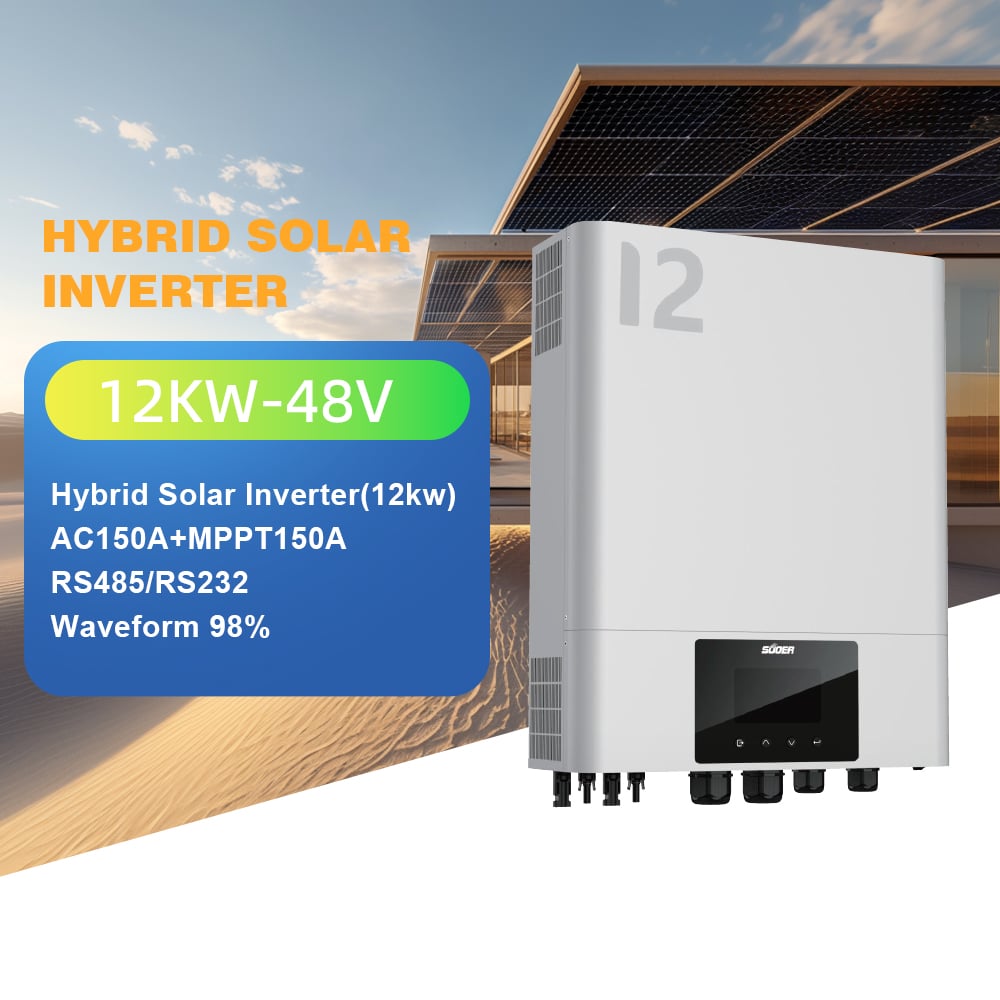
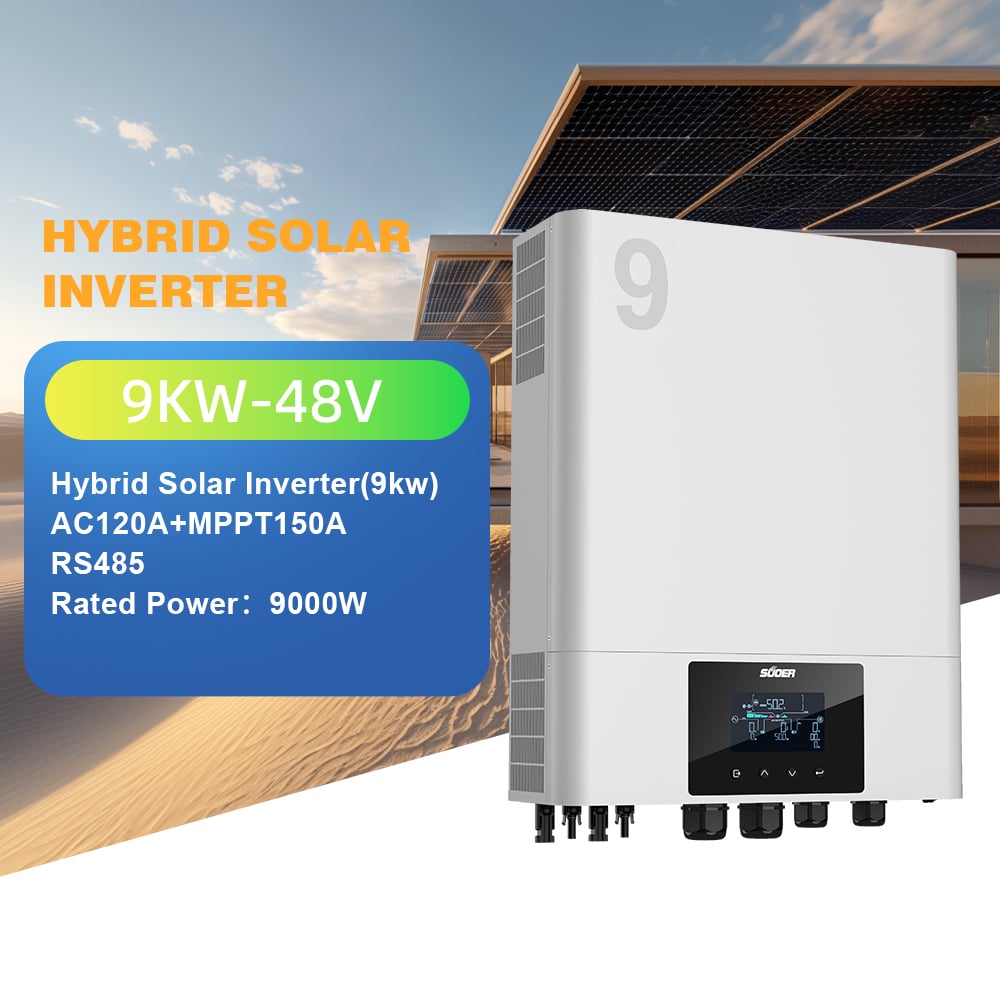
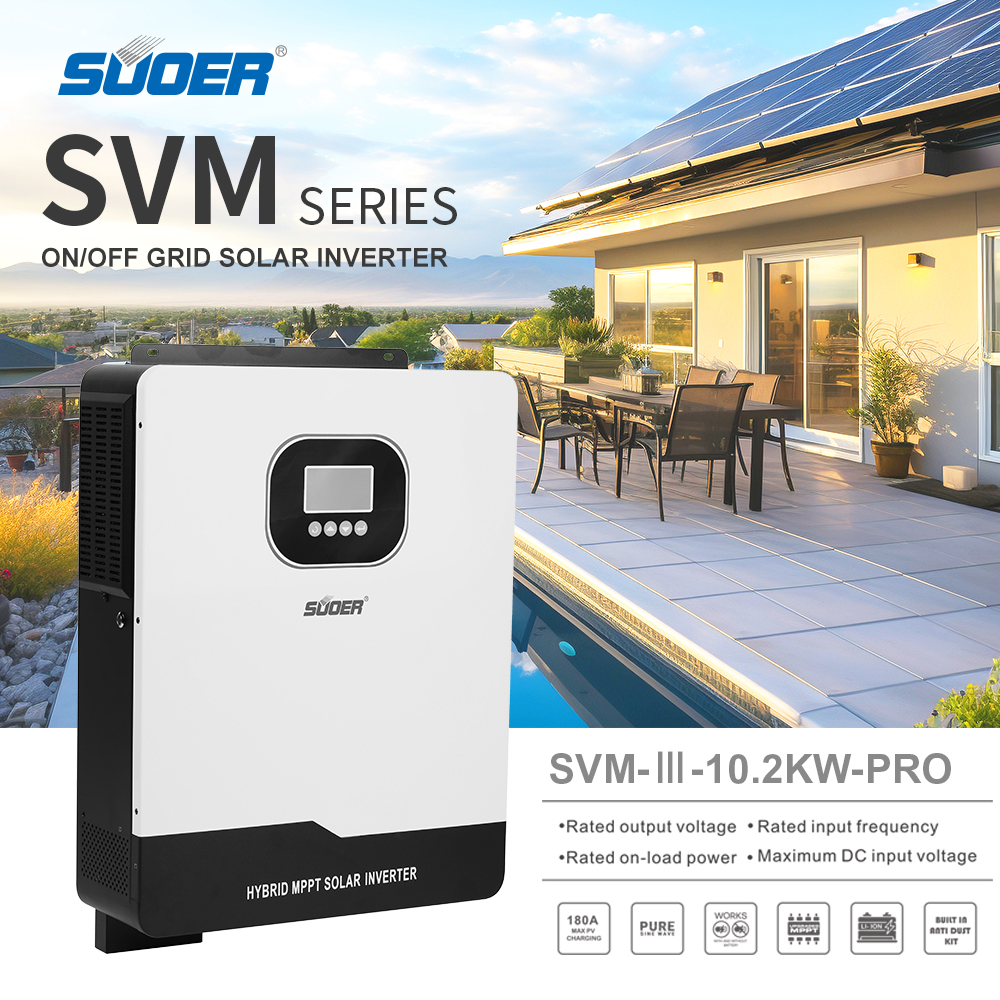
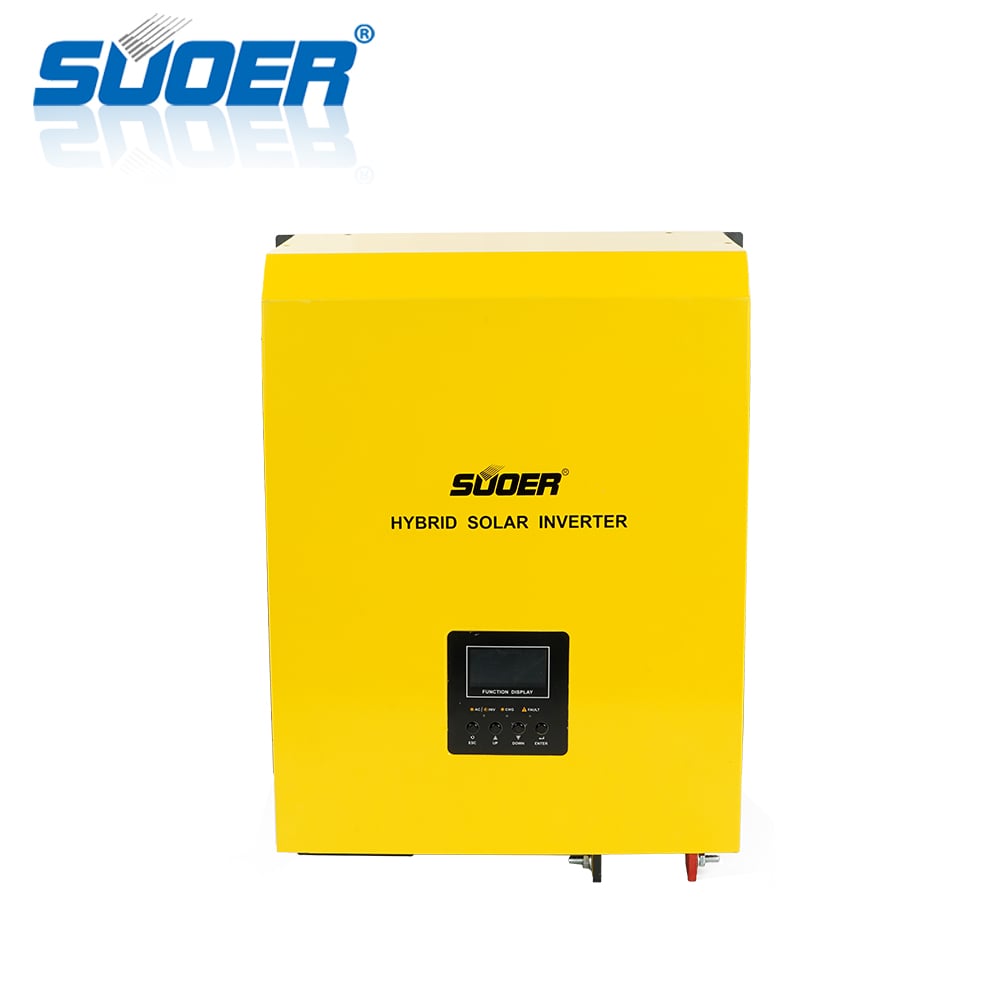
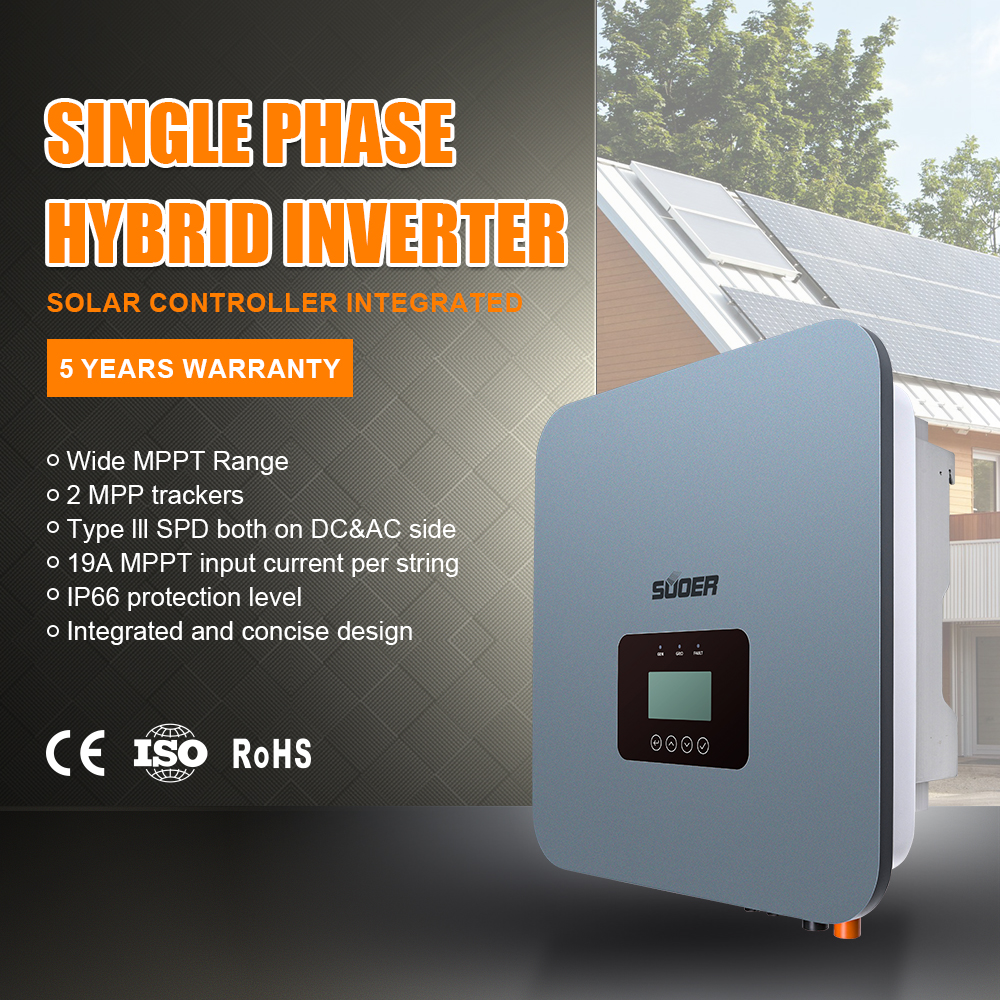
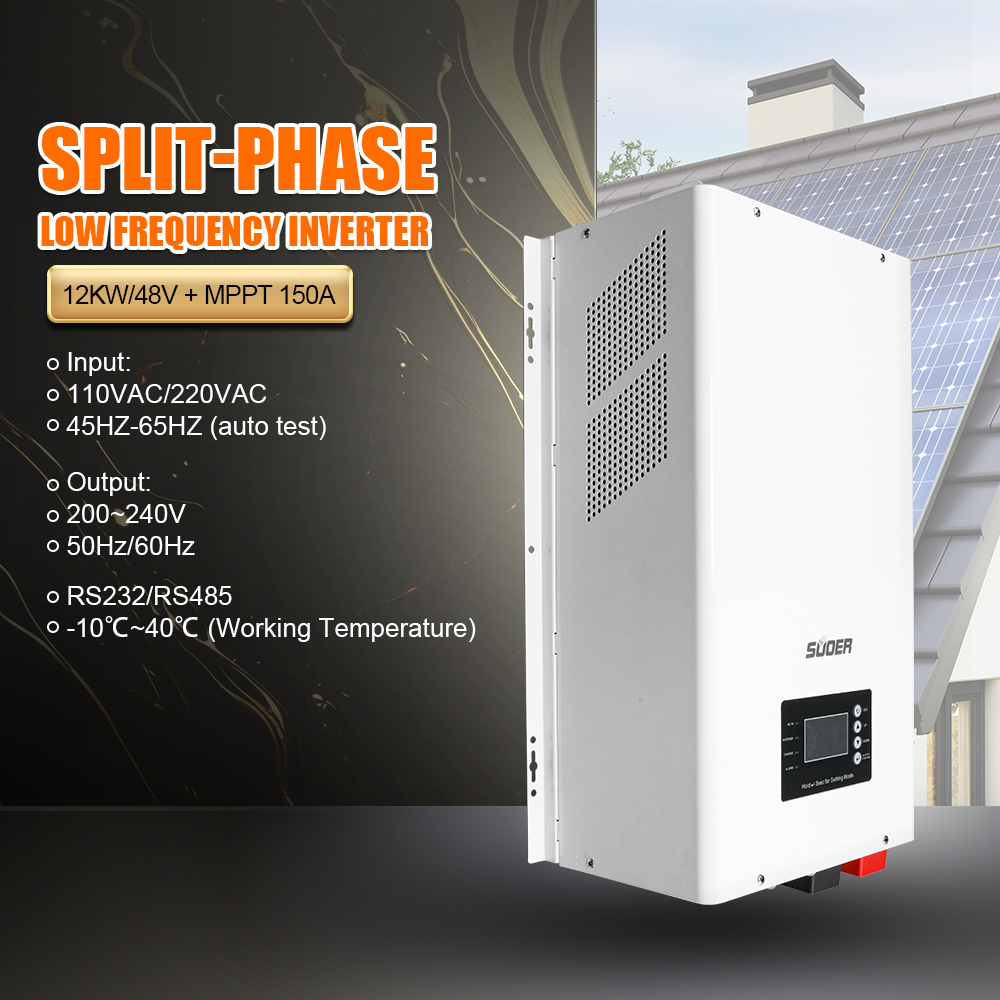
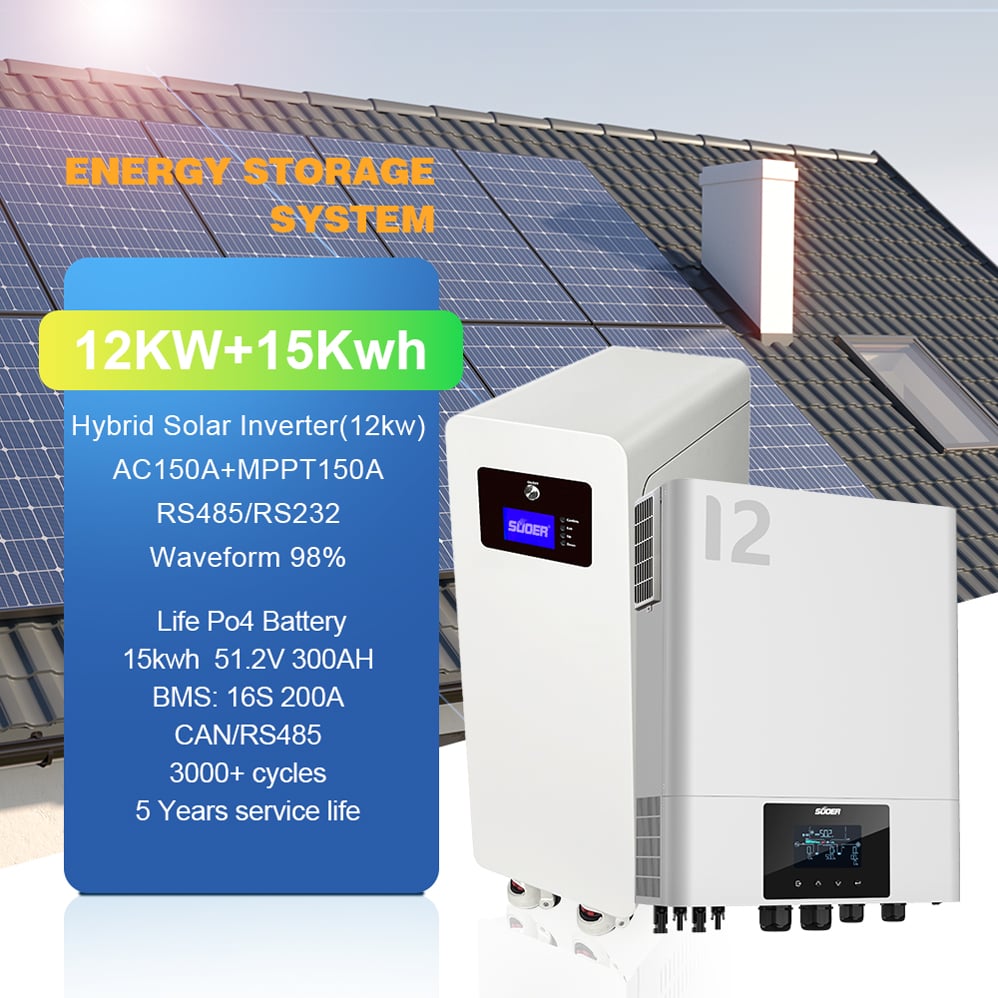
In the evolving landscape of the new energy industry, the smart hybrid inverter stands out as a critical component for businesses looking to optimize energy efficiency and manage power supply effectively. This technology integrates various power sources, including renewable energy, to deliver reliable electricity for electric vehicles, industrial applications, and photovoltaic systems. For B2B buyers, understanding the specifications, quality measures, and installation guidelines of smart hybrid inverters is essential in making informed purchasing decisions. This article will address key aspects to consider when selecting a smart hybrid inverter and offer practical insights to streamline your evaluation process.
Selecting the appropriate smart hybrid inverter requires a deep understanding of your specific application requirements. Factors such as voltage, power capacity, and intended use—whether for electric vehicles, industrial applications, or renewable energy systems—play a crucial role in determining the right model. Buyers should assess their energy consumption patterns and future growth potential to ensure the inverter can accommodate these needs. For instance, a New 12kw Hybrid Solar Off-Grid Inverter System 15kwh 300ah Lithium Iron Lifepo4 Battery may be suitable for high-capacity requirements.
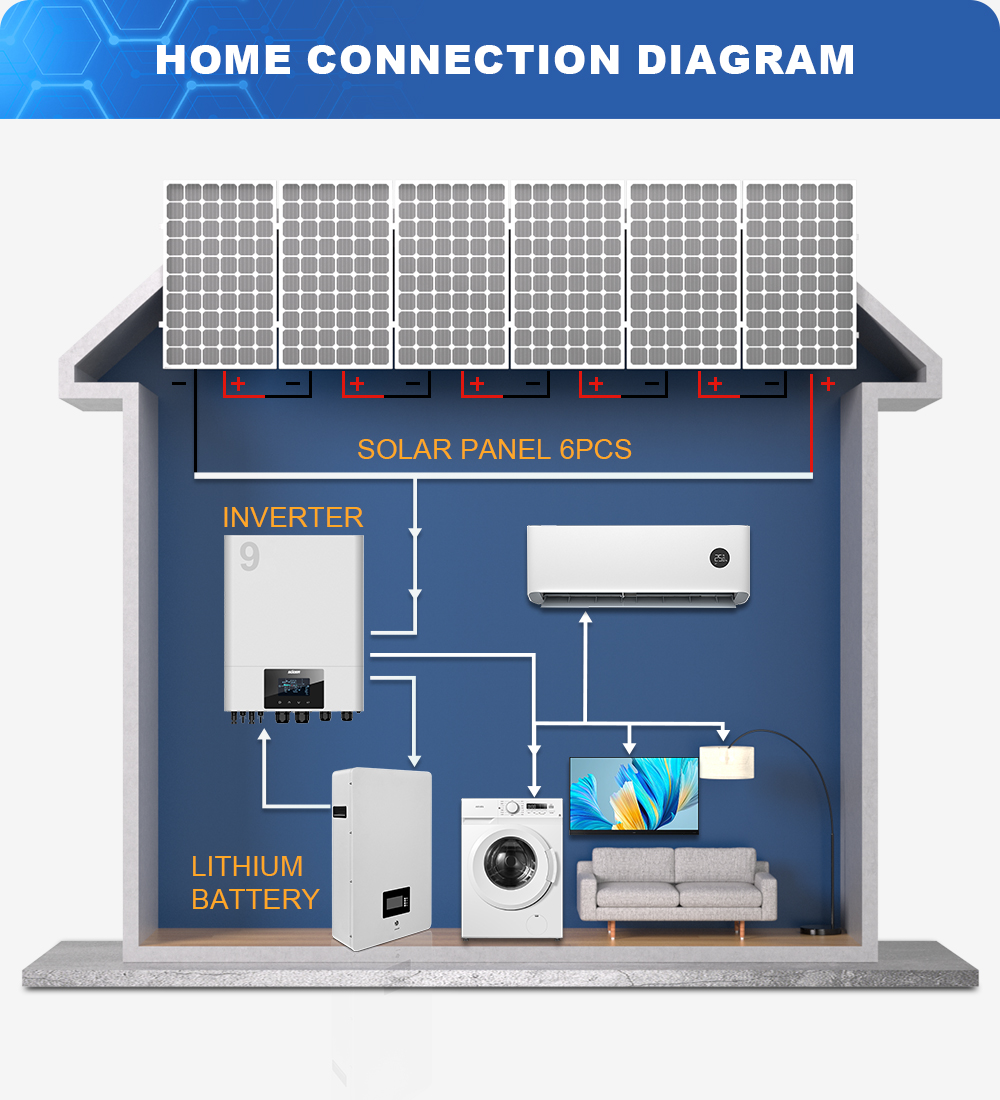
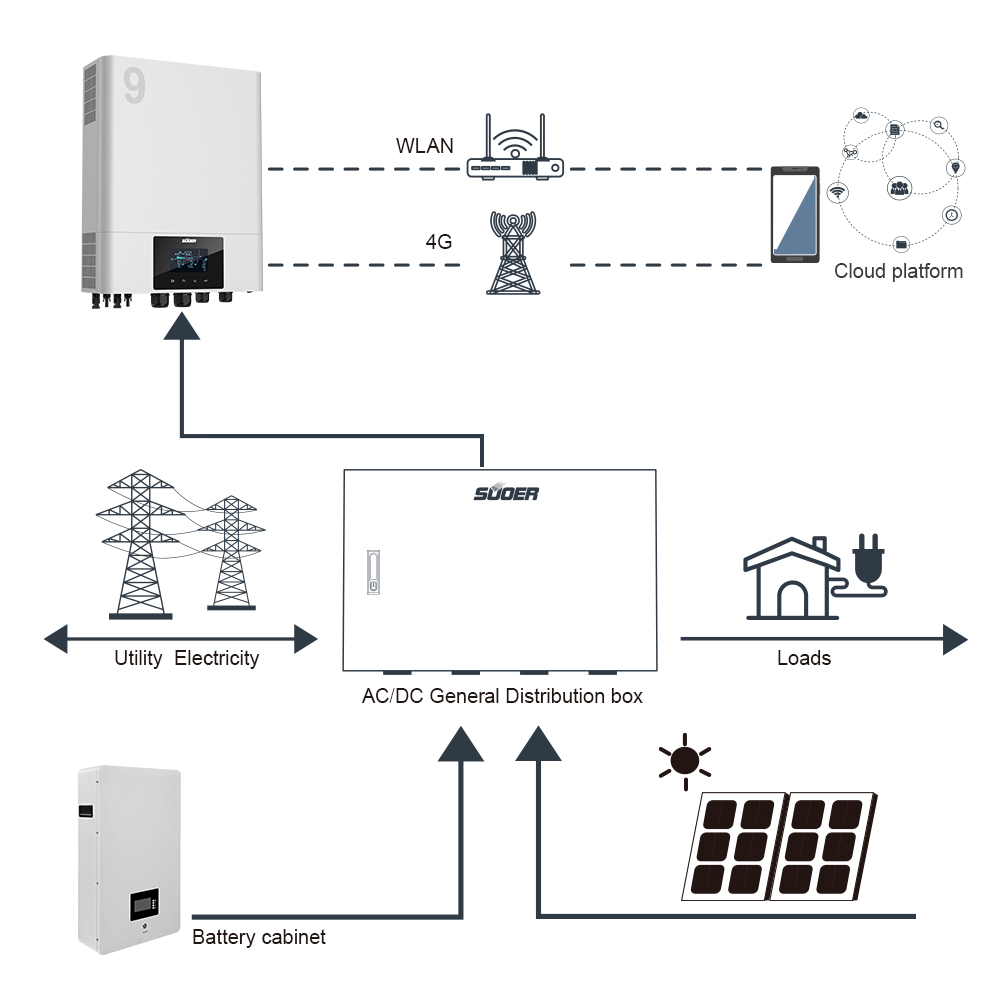
Furthermore, consider compatibility with existing systems. A smart hybrid inverter should seamlessly integrate with other components such as battery storage systems, solar panels, and load management systems. Evaluating the inverter's communication protocols and software capabilities is essential to ensure it aligns with your operational infrastructure.
Buyers should also keep in mind the warranty and support services offered by the manufacturer. Robust customer service can be invaluable for troubleshooting and maintenance, ensuring the longevity and reliability of your investment.
When evaluating smart hybrid inverters, key specifications must be meticulously examined. Important parameters include:
Power Rating (kW): This indicates the inverter's maximum output capacity. It is vital to choose an inverter with a power rating that meets your peak load requirements while allowing for some margin to accommodate future growth.
Efficiency Rating: A higher efficiency percentage means less energy loss during conversion. Look for inverters with efficiency ratings above 90% to maximize energy savings.
Input Voltage Range: Ensure the inverter can operate effectively within your system's voltage range. An inverter that operates outside the specified input range can lead to performance issues or even damage.
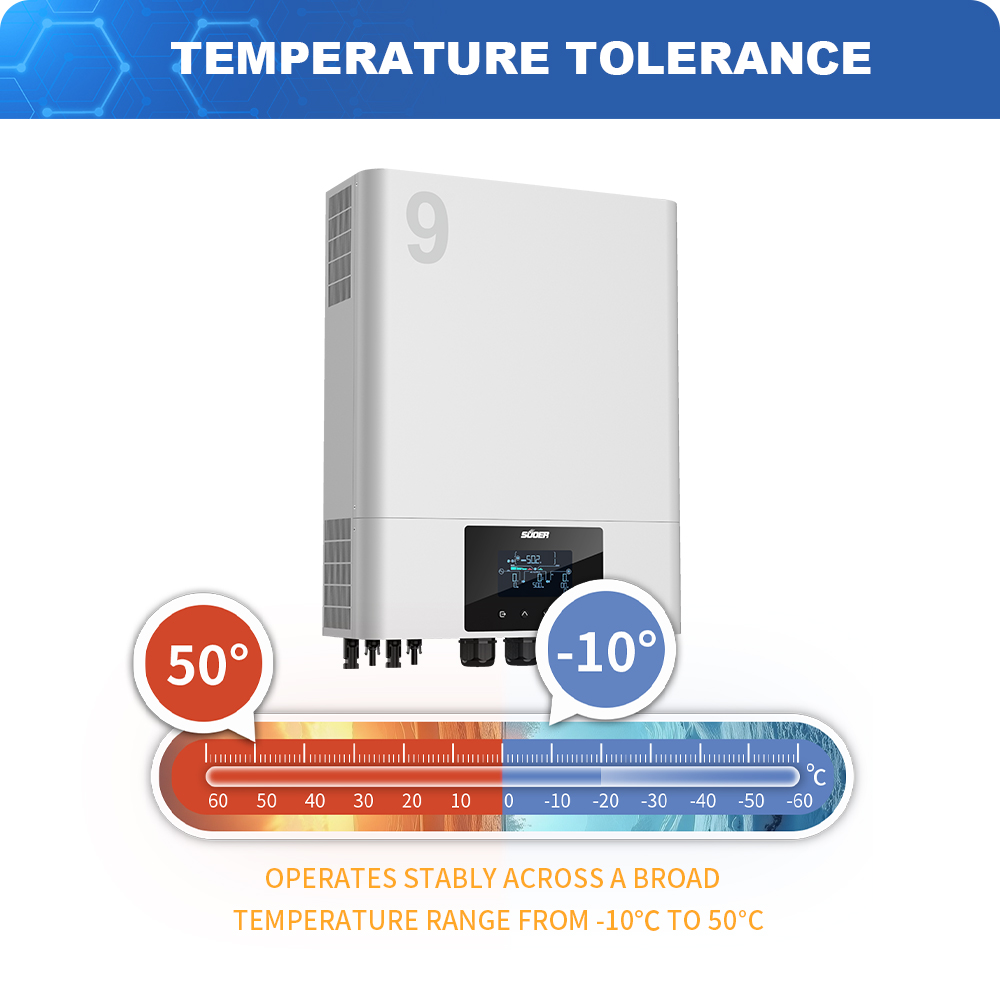
Operating Temperature: Understanding the operational temperature range is crucial, particularly for industrial settings where environmental conditions can vary significantly.
Control Features: Advanced control features, such as load management and grid interaction capabilities, enhance the inverter’s functionality, allowing for optimized energy use and cost reduction.
Evaluating these specifications against your project requirements will help ensure that you select a smart hybrid inverter that meets your operational needs effectively.
Quality control is paramount in the manufacturing of smart hybrid inverters, as it directly impacts performance and reliability. A reputable manufacturer should implement a multi-faceted quality assurance process, which typically includes:
Material Selection: High-quality materials are essential for ensuring durability and performance. Manufacturers should source components that meet stringent industry standards and certifications, such as ROHS and CE.
Testing Protocols: Rigorous testing at various stages of production—such as functionality tests, thermal performance assessments, and long-term reliability tests—helps identify potential issues before the product reaches the market.
Certifications: Look for manufacturers that have relevant certifications, such as ISO 9001, which indicates a commitment to quality management practices.
Traceability Systems: Effective traceability allows manufacturers to track components throughout the production process, ensuring that any defects can be quickly identified and addressed.
Understanding these quality control measures can provide buyers with confidence in the reliability and performance of the smart hybrid inverters they choose.
When comparing smart hybrid inverters, it is crucial to adopt a systematic approach to evaluate their performance against your specific needs. Here are some steps to facilitate this process:
Create a Comparison Matrix: List out the specifications and features of each inverter under consideration. This will allow for a side-by-side comparison and highlight the strengths and weaknesses of each option.
Assess Real-World Performance Data: Seek insights from other users in your industry to understand how different models perform under similar conditions. User reviews and case studies can provide valuable context beyond the manufacturer’s specifications.
Consider After-Sales Support: Compare the level of customer service provided by different manufacturers. Timely support can significantly impact the operational efficiency of your inverter system.
Evaluate Total Cost of Ownership (TCO): Beyond the initial purchase price, consider factors such as maintenance costs, efficiency, and expected lifespan. A lower upfront cost may not always translate to the best value over time.
Consult with Experts: If possible, engage with industry experts or consultants who can provide insights tailored to your specific application and help navigate complex technical specifications.
By following these steps, buyers can make informed decisions that lead to optimal performance and long-term satisfaction.
Proper installation of smart hybrid inverters is crucial for ensuring their efficient operation and longevity. Here are some essential guidelines to consider:
Location Selection: Choose an installation site that is well-ventilated and protected from extreme temperatures and moisture. Ensure that the site allows for easy access for maintenance and monitoring.
Electrical Connections: All electrical connections should adhere to local codes and standards. Engage a licensed electrician to handle installation to minimize risks associated with improper wiring.
Integration with Existing Systems: When integrating the inverter into an existing energy management system, ensure compatibility with other components, such as batteries and solar panels, to maximize efficiency. For example, systems like the New 10.2kw Hybrid Solar Off-Grid Inverter System 10kwh 200ah Lithium Iron Lifepo4 Battery Split Stackable can enhance overall performance.
Testing Post-Installation: After installation, conduct thorough testing to verify that the inverter operates correctly within the specified parameters. Monitor system performance for any irregularities immediately after installation.
Regular Maintenance: Establish a maintenance schedule that includes periodic inspections and software updates. This proactive approach can help identify issues early and prolong the life of the inverter.
By adhering to these installation guidelines, businesses can enhance the performance and reliability of their smart hybrid inverter systems, ensuring they meet energy demands effectively.

Discover Suoer’s premium range of solar inverters and power inverters designed for reliable renewable energy solutions.Trusted by customers worldwide for exceptional performance and durability.
Suoer Industrial Zone, Ercun Road Section, Yanfeng Avenue, Shishan Town,Foshan city,Guangdong Province,China
Copyright © 2024 Foshan Suoer Electronic Industry Co., Ltd. Privacy Policy - Blog

 EN
 AR
 NL
 FR
 DE
 EL
 IT
 JA
 KO
 PT
 RU
 ES
 VI
 TH
 TR
 BG
 HR
 CS
 NO
 PL
 TL
 ID
 SR
 UK
 SQ
 HU
 MT
 AF
 MS
 IS
 HY
 AZ
 BN
 BS
 GU
 LO
 LA
 MN
 NE
 TA