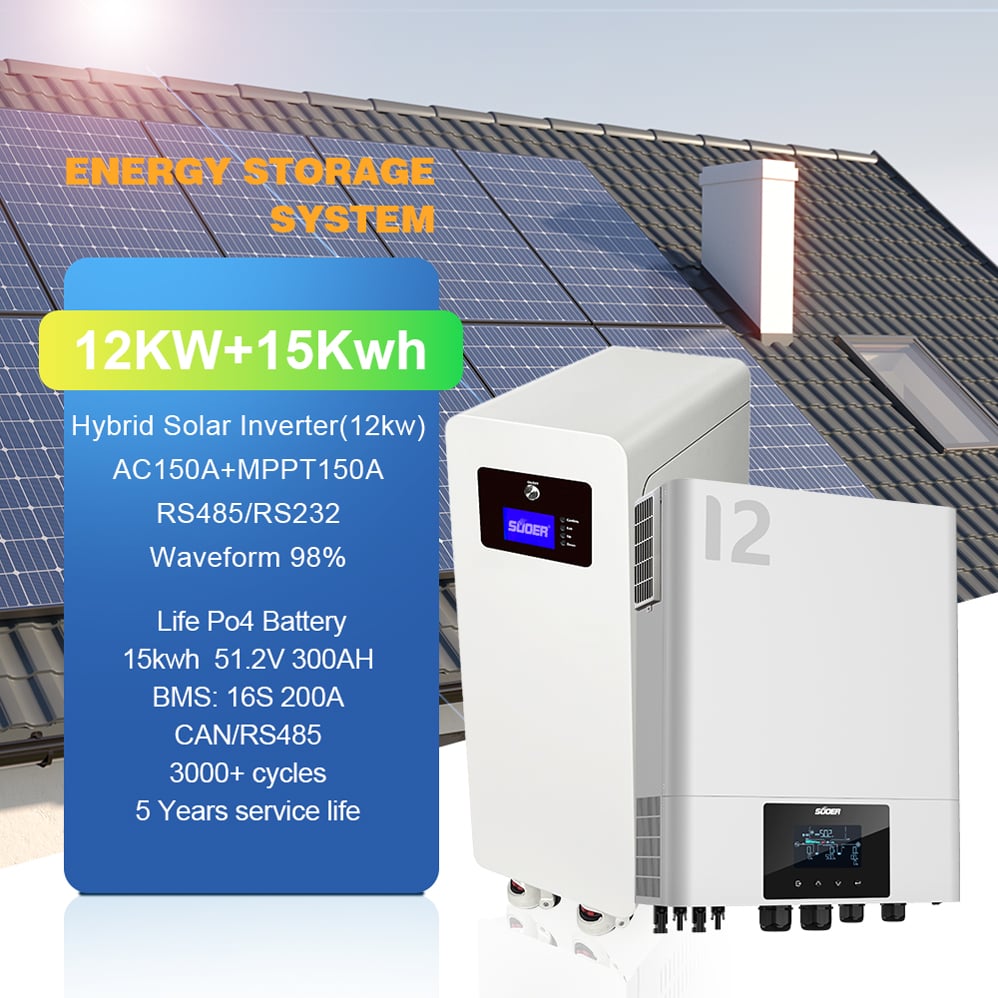
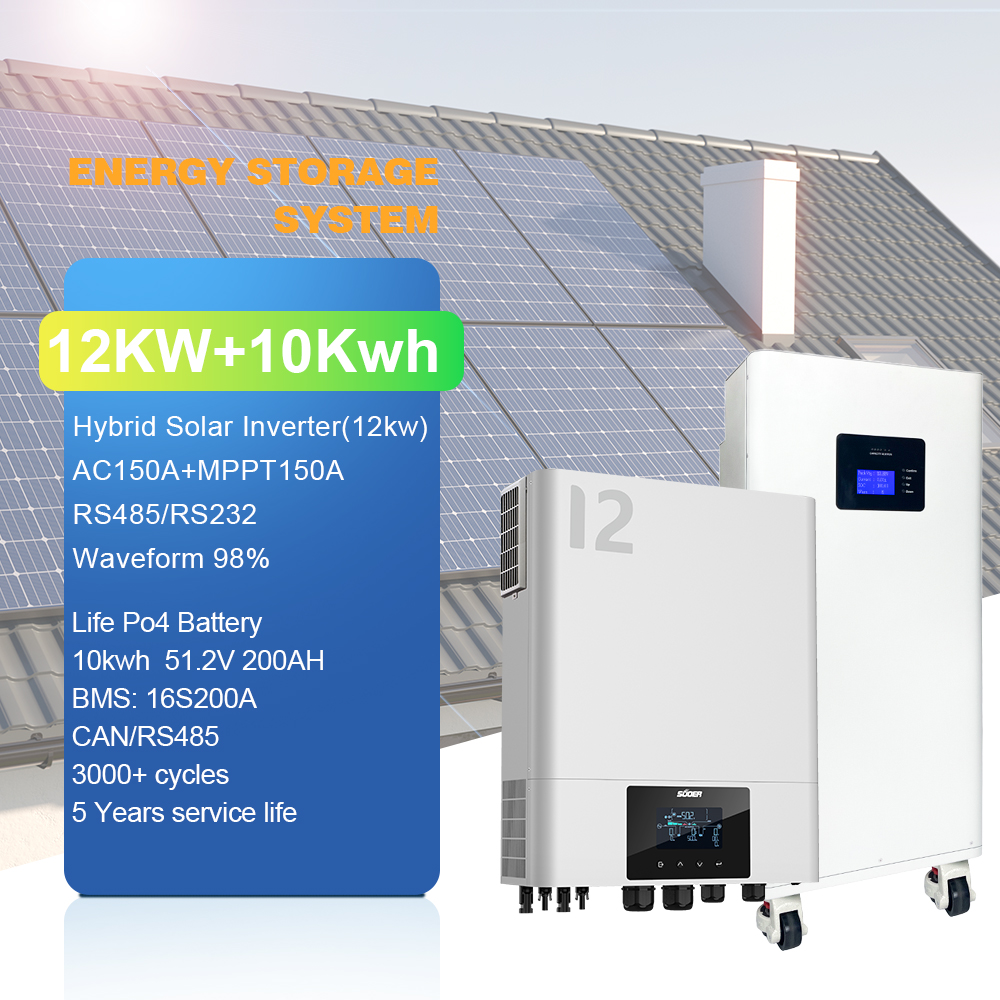
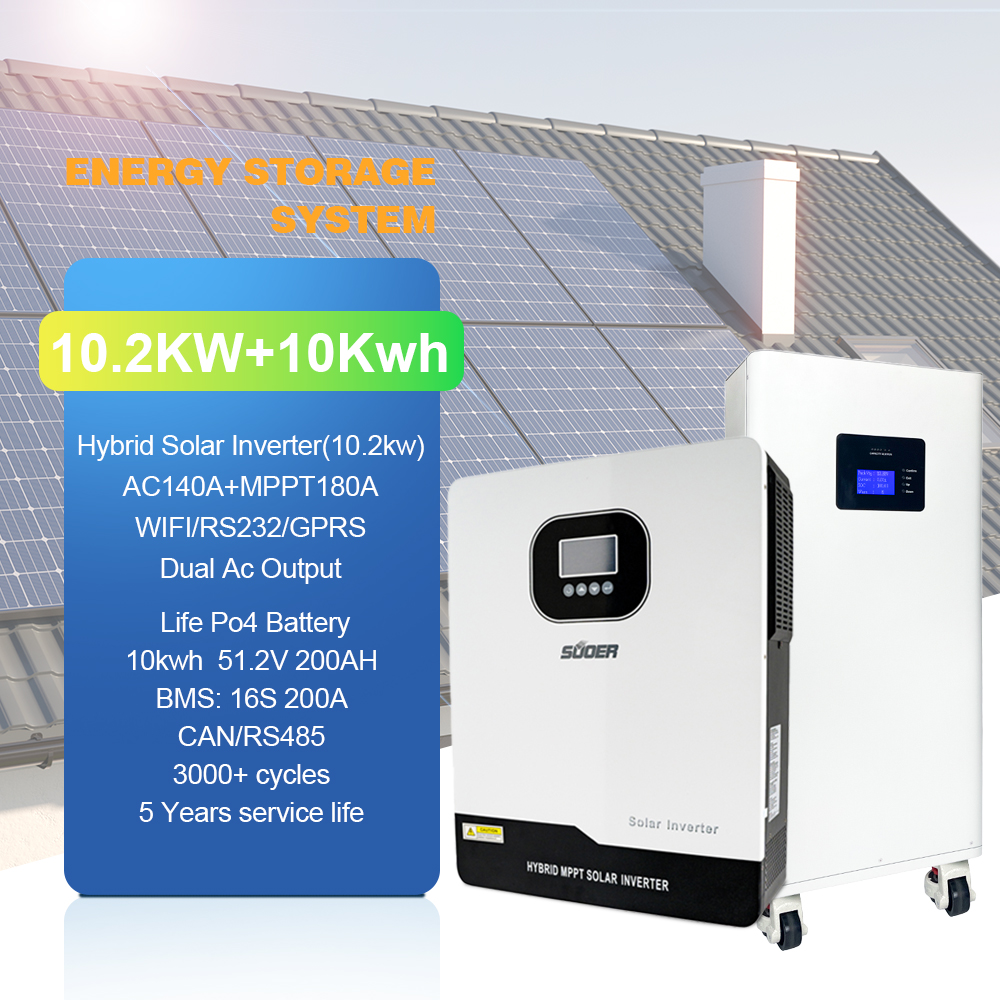
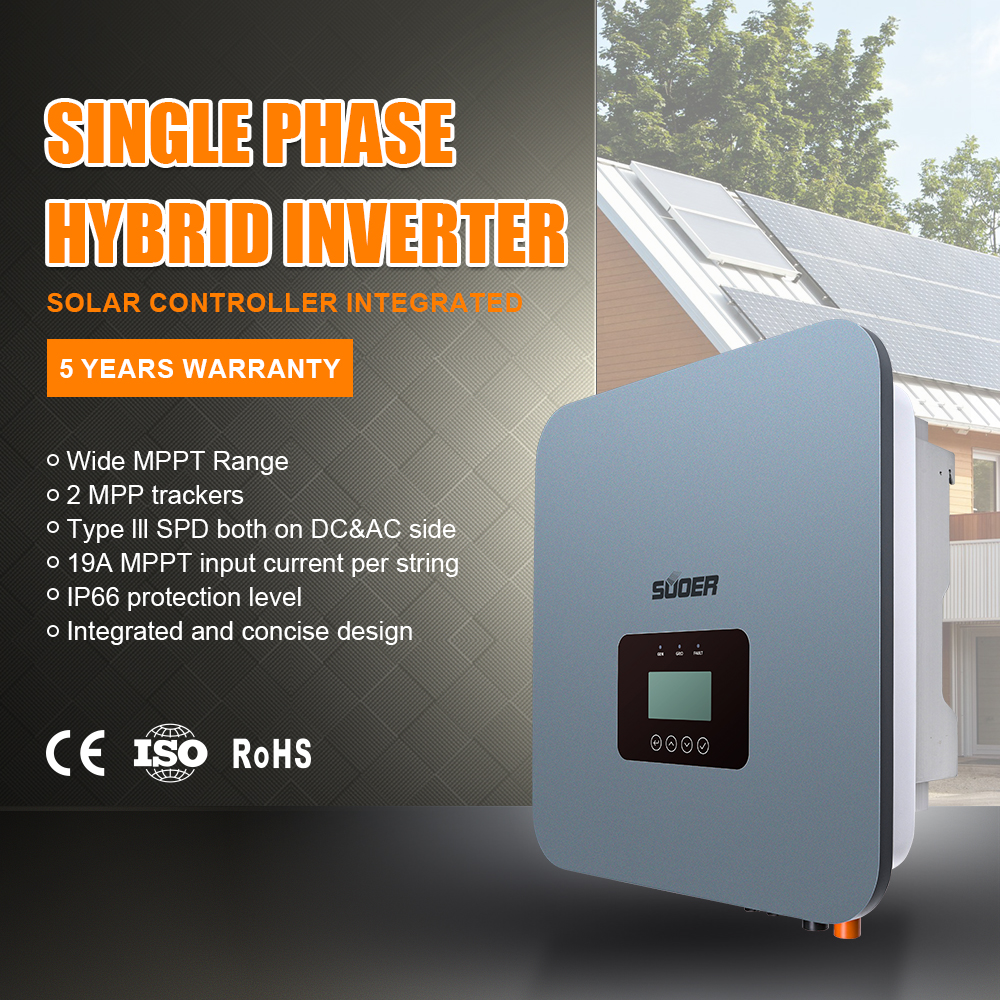
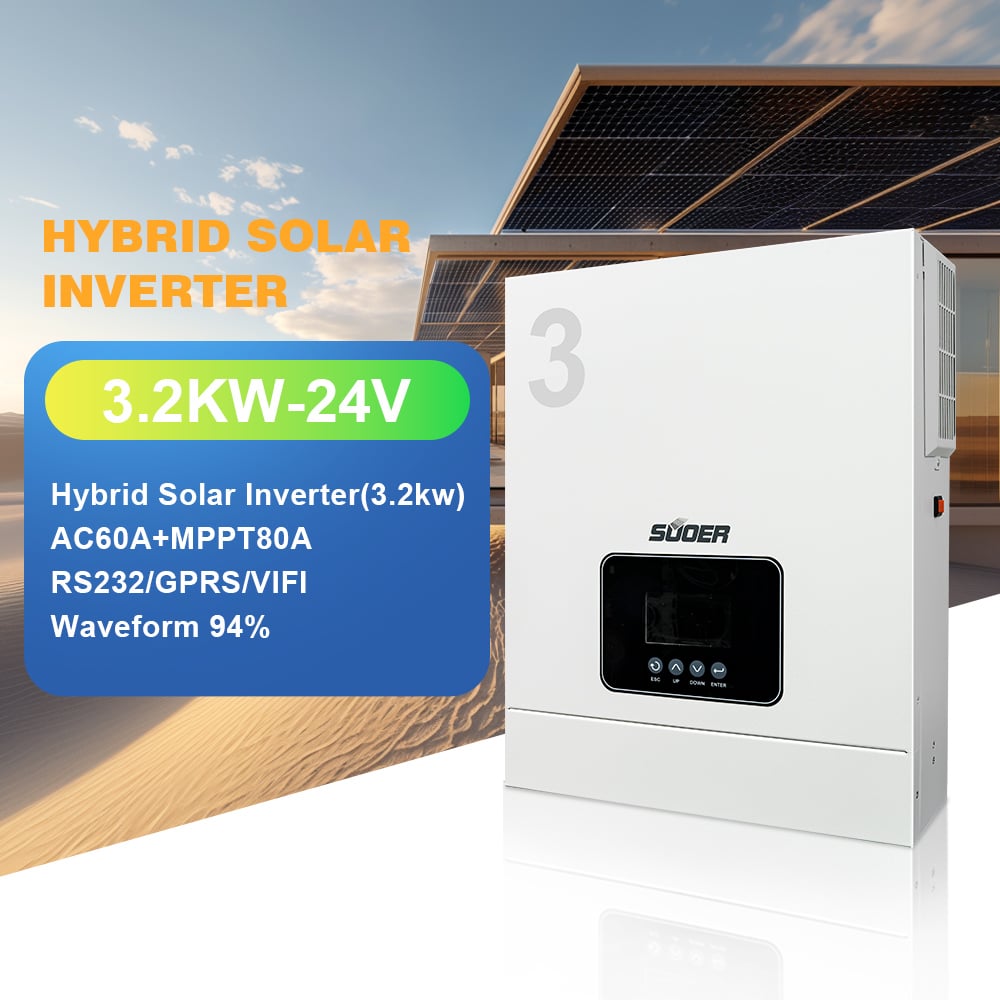
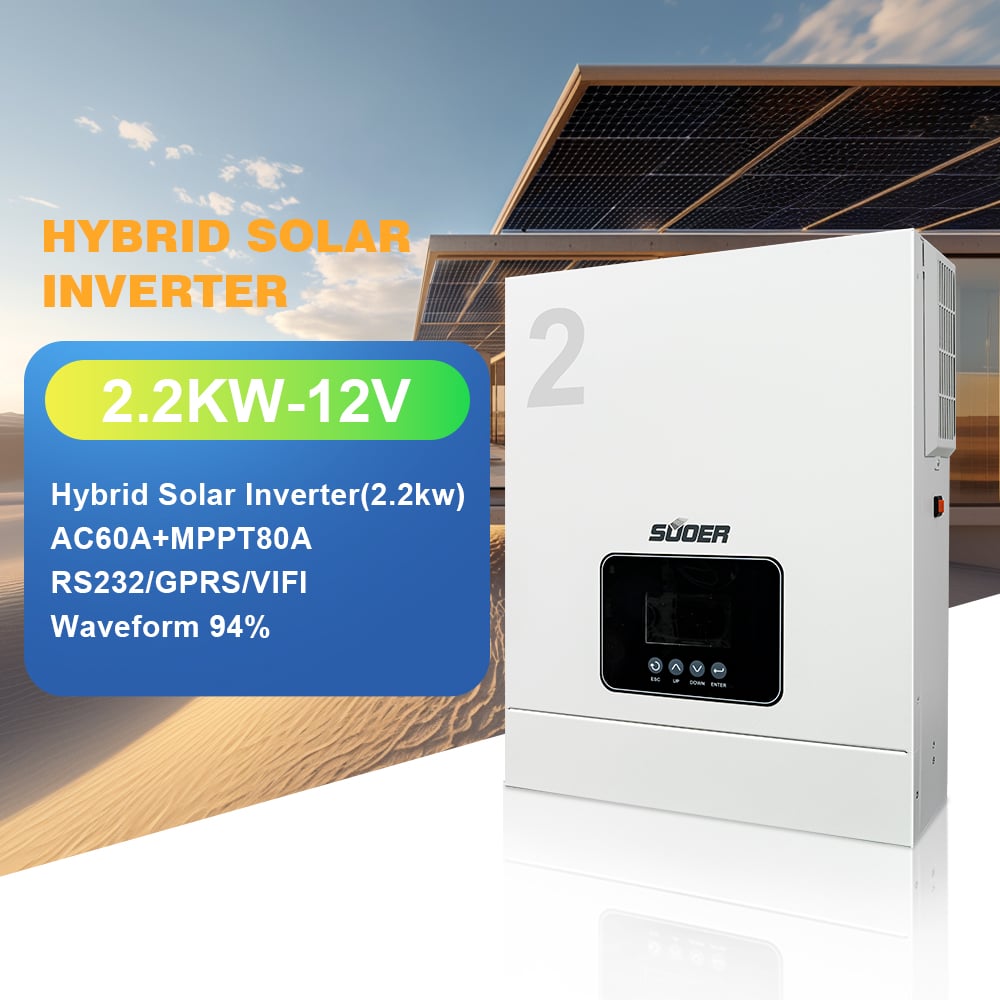
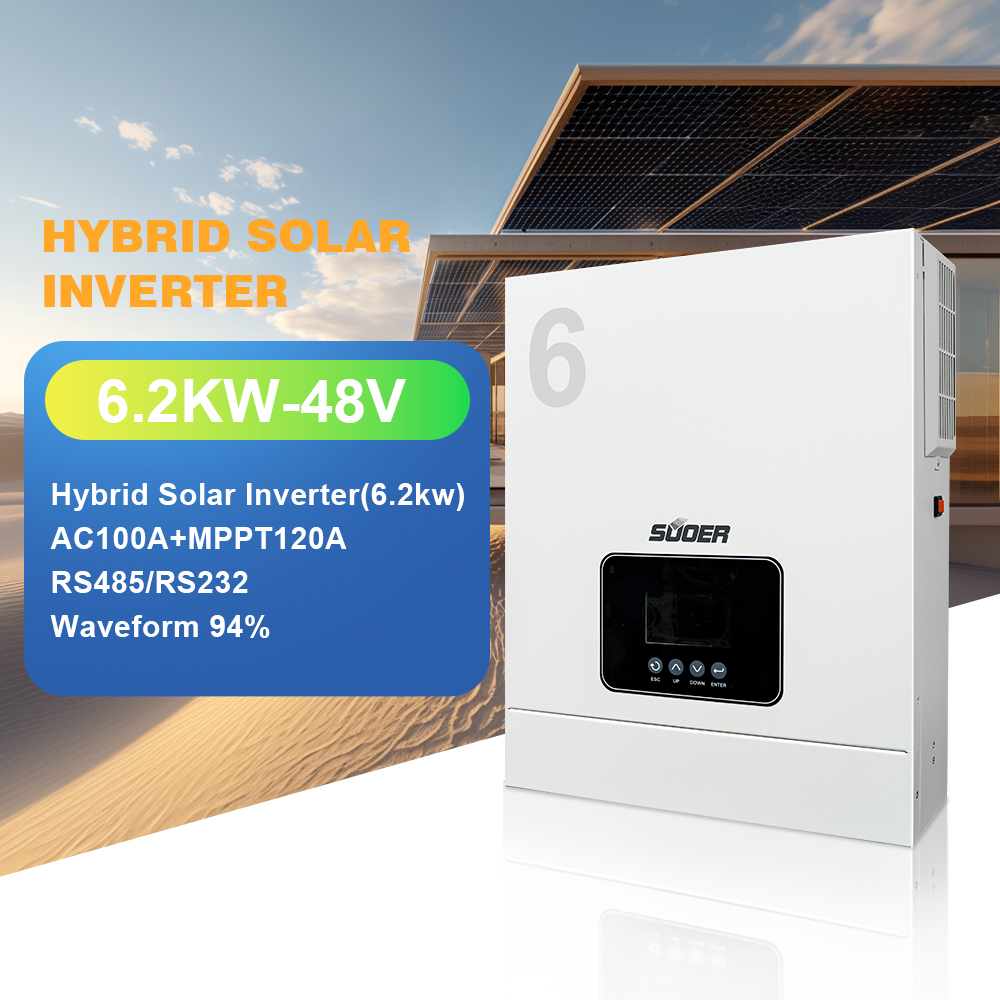
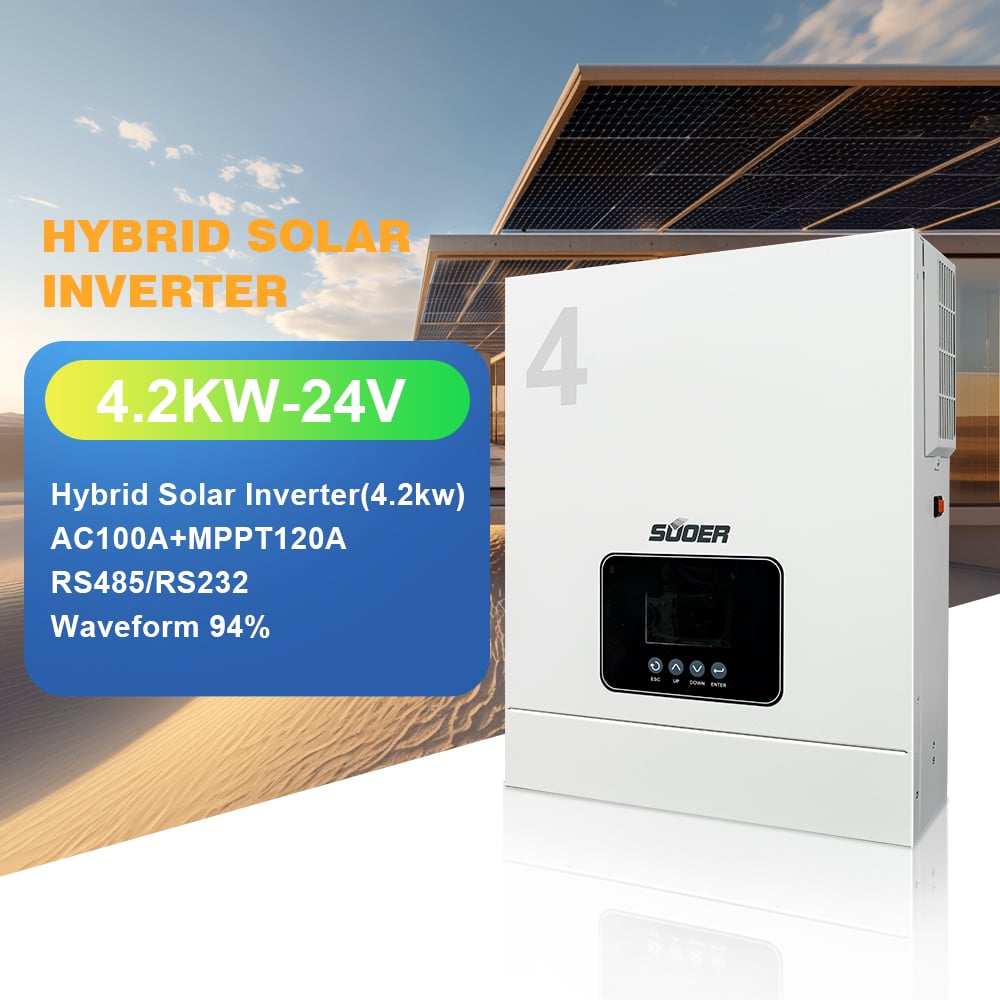
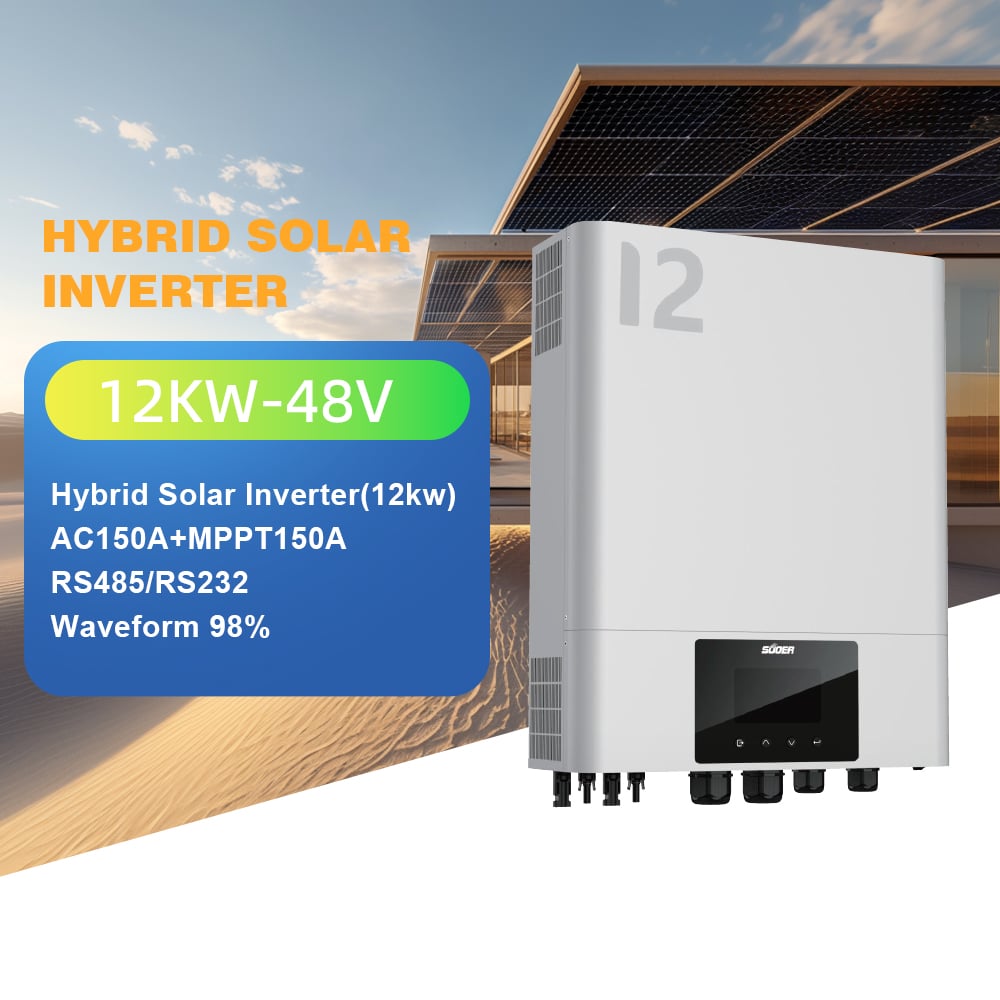
In the evolving landscape of renewable energy, a grid hybrid solar power inverter plays a pivotal role in optimizing energy efficiency and reliability. Designed to seamlessly integrate solar energy into existing power systems, these inverters are crucial for businesses looking to reduce energy costs and enhance their sustainability practices. This article addresses key considerations for B2B buyers, including what to look for when selecting a grid hybrid solar power inverter, specifications to prioritize for bulk orders, sourcing strategies, cost factors, and installation guidelines.
When selecting a grid hybrid solar power inverter, it’s essential to consider several critical factors to ensure optimal performance and compatibility with your systems. First, assess the inverter's power rating and efficiency. The inverter should match the total capacity of your solar array while maximizing energy conversion efficiency. Look for inverters with a high efficiency rating, typically above 95%, to ensure minimal energy loss.
Next, consider the inverter's compatibility with your existing grid and energy storage systems. Different inverters may support varying configurations and technologies. Ensure that the inverter can integrate with your current infrastructure and is capable of handling the required voltage and frequency specifications.
Another vital factor is the inverter's durability and environmental resilience. Since these devices are often installed outdoors, they should have a robust casing with appropriate IP ratings to withstand dust, moisture, and extreme temperatures. Certifications such as CE and ISO9001 can also provide assurance of quality and reliability. Investing in a reliable Home Energy Storage system can further enhance the overall performance of your solar setup.
Lastly, evaluate the manufacturer’s reputation and support services. A reputable manufacturer will offer technical guidance, warranty options, and after-sales support, which can be invaluable during installation and operation.
When placing bulk orders for grid hybrid solar power inverters, certain specifications become crucial to ensure that the products meet your operational needs. Key specifications include:
Power Output: Determine the total wattage required for your applications. This figure should align with your energy consumption patterns and potential growth.
Input Voltage Range: Ensure that the inverter can accommodate the voltage levels produced by your solar panels to prevent compatibility issues.
Efficiency Rating: Request inverters with high efficiency ratings—typically above 95%—to maximize energy yield.
Size and Weight: Consider the physical dimensions and weight of the inverter, especially if space is a constraint in your installation area.
Cooling Mechanism: Inverters can operate using passive or active cooling systems. Choose one that fits your environmental conditions to prevent overheating and ensure longevity.
Communication Features: Look for models that offer monitoring capabilities and connectivity options, allowing for real-time data tracking and system diagnostics. Incorporating a Battery Charger with advanced communication features can enhance your energy management.
Confirm these specifications with the manufacturer before finalizing your order to avoid costly adjustments later.
Sourcing reliable grid hybrid solar power inverters requires due diligence to ensure you partner with reputable suppliers. Start by researching manufacturers with proven expertise in the renewable energy sector. Look for suppliers who have certifications like ROHS and ISO9001, indicating adherence to quality standards.
Industry trade shows and exhibitions can be excellent venues for meeting manufacturers and evaluating products firsthand. Networking with industry peers can also provide insights into trusted suppliers based on their experiences.
Online marketplaces and B2B platforms can facilitate connections with manufacturers, but always verify their credibility through reviews and references. Requesting samples before placing large orders can also help assess product quality and performance.
Lastly, consider geographical proximity to the supplier, as this can impact shipping times and costs. Local suppliers might offer the added advantage of easier communication and support.
Understanding cost factors is crucial when planning bulk purchases of grid hybrid solar power inverters. Key elements influencing pricing include:
Order Volume: Larger orders usually come with discounted pricing. Establishing a solid long-term relationship with the supplier may also yield better rates.
Material and Technology: The choice of materials used in the inverter's construction and the technology employed can greatly impact costs. Inverters using advanced technology or superior materials may have a higher initial price but often provide better efficiency and longevity.
Shipping and Handling: Consider the logistics costs associated with transporting heavy equipment. Evaluate whether the supplier includes shipping in the quote or if it's an additional expense.
Custom Features: If customizations are necessary, such as specific connectors or communication features, this could increase the overall cost. Be clear about your requirements early on to get accurate pricing.
Warranty and Support Services: Assess the warranty offered by the manufacturer. A more extended warranty may increase upfront costs but can save money on potential repairs or replacements down the line.
By carefully evaluating these factors, you can make informed decisions that align with your budget while ensuring product quality.
Proper installation is vital for the effective operation of grid hybrid solar power inverters. Here are several guidelines to follow:
Site Assessment: Before installation, conduct a thorough analysis of the site to determine optimal placement. Factors such as sunlight exposure, shading, and proximity to existing electrical systems should be considered.
Electrical Compatibility: Ensure that all electrical components, including wiring and circuit breakers, are compatible with the inverter specifications. This includes verifying input and output voltage levels and grounding requirements.
Follow Manufacturer Instructions: Adhere to the manufacturer's installation guidelines meticulously. This includes proper mounting techniques and ensuring adequate ventilation for cooling.
Testing and Monitoring: After installation, conduct thorough testing to ensure that the inverter operates as intended. Utilize any built-in monitoring features to track performance and identify issues early.
Regular Maintenance: Schedule routine maintenance checks to ensure long-term reliability. This may include cleaning connections, checking for software updates, and inspecting physical components for wear and tear.
By following these installation guidelines, you can maximize the performance and lifespan of your grid hybrid solar power inverters, ensuring your investment pays off in energy savings and reliability.

Discover Suoer’s premium range of solar inverters and power inverters designed for reliable renewable energy solutions.Trusted by customers worldwide for exceptional performance and durability.
Suoer Industrial Zone, Ercun Road Section, Yanfeng Avenue, Shishan Town,Foshan city,Guangdong Province,China
Copyright © 2024 Foshan Suoer Electronic Industry Co., Ltd. Privacy Policy - Blog

 EN
 AR
 NL
 FR
 DE
 EL
 IT
 JA
 KO
 PT
 RU
 ES
 VI
 TH
 TR
 BG
 HR
 CS
 NO
 PL
 TL
 ID
 SR
 UK
 SQ
 HU
 MT
 AF
 MS
 IS
 HY
 AZ
 BN
 BS
 GU
 LO
 LA
 MN
 NE
 TA