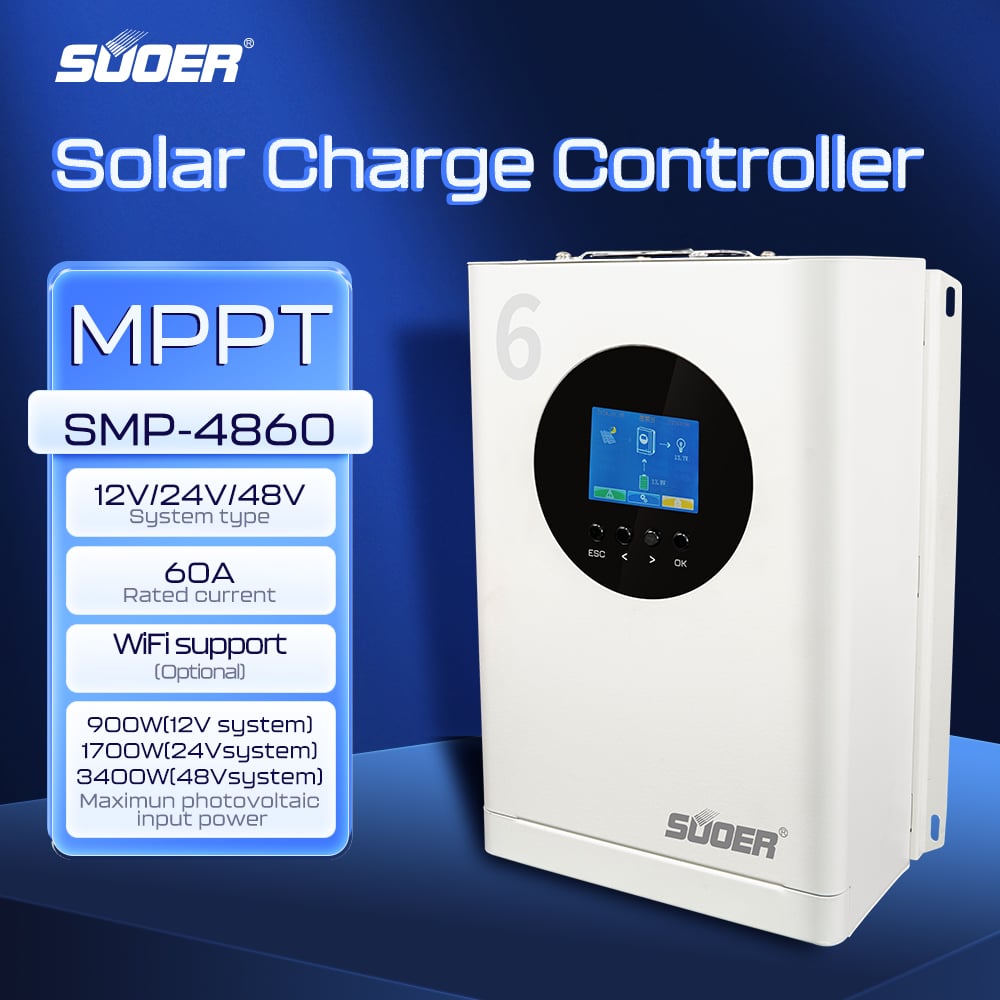
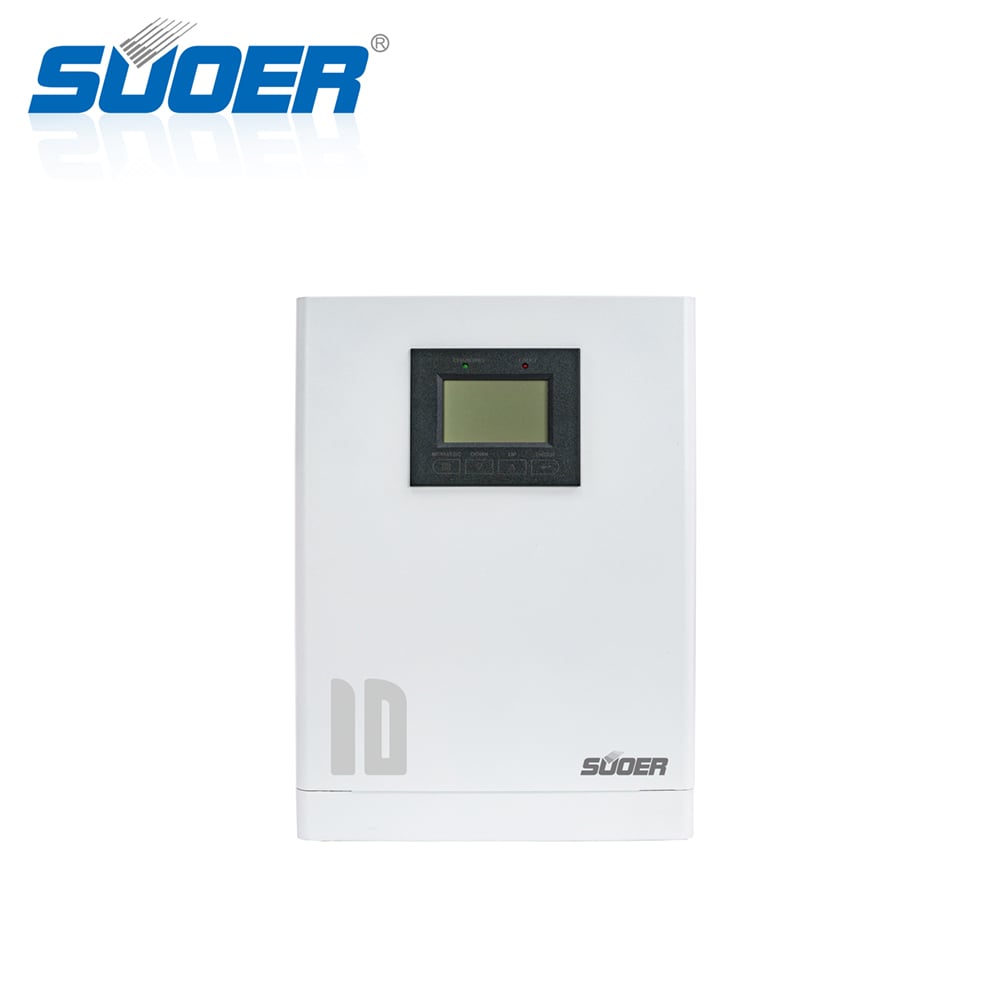
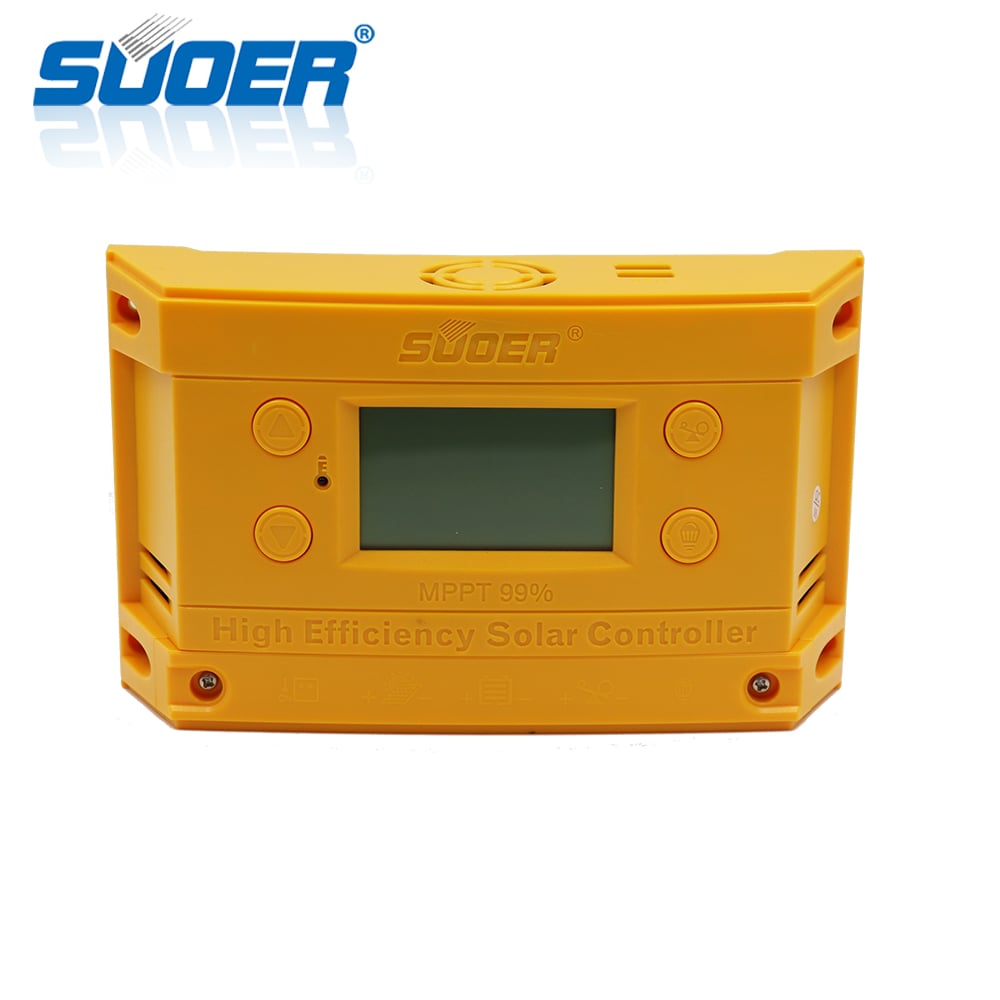
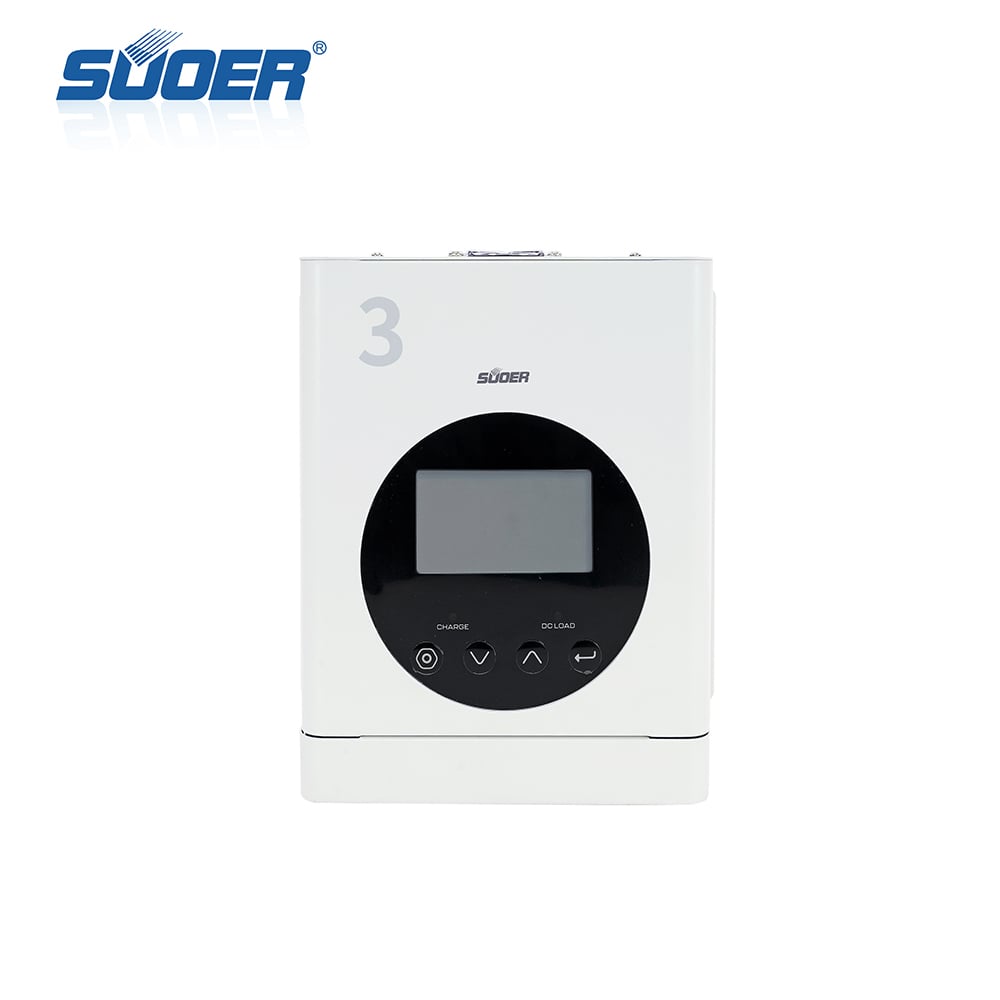
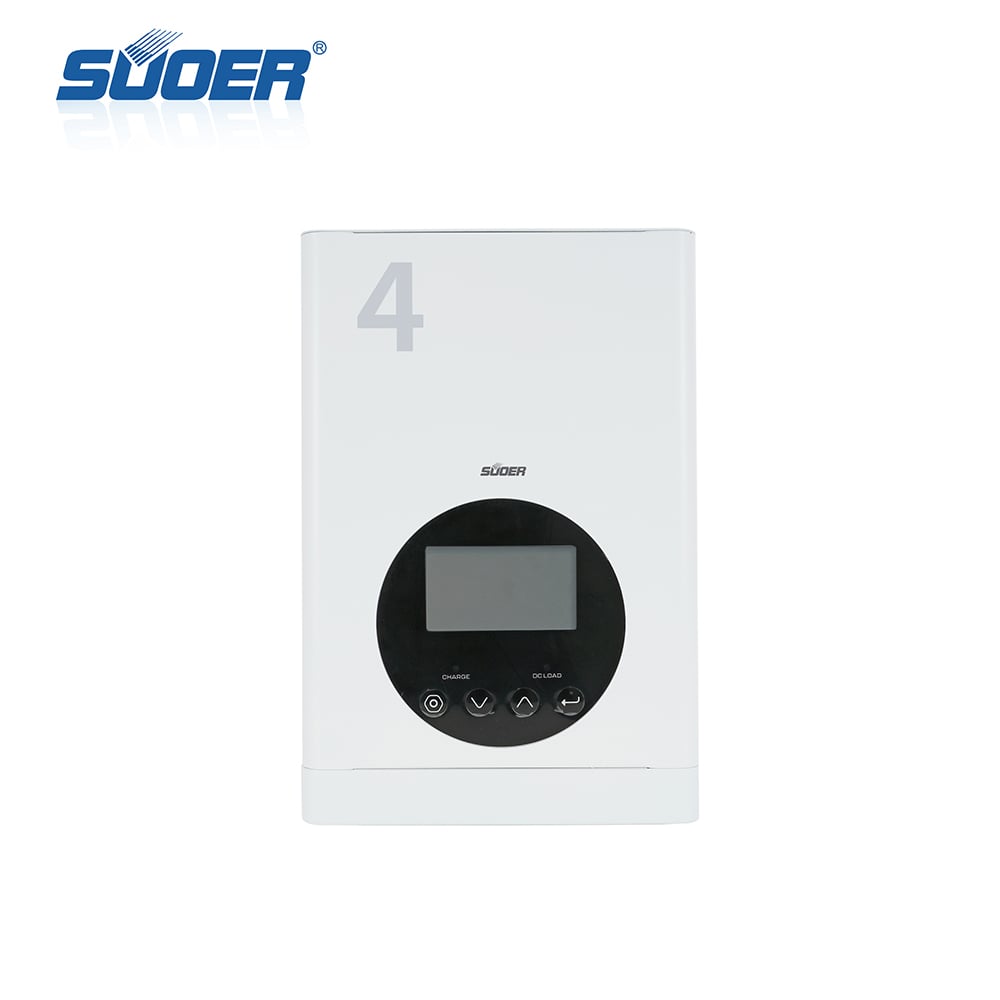
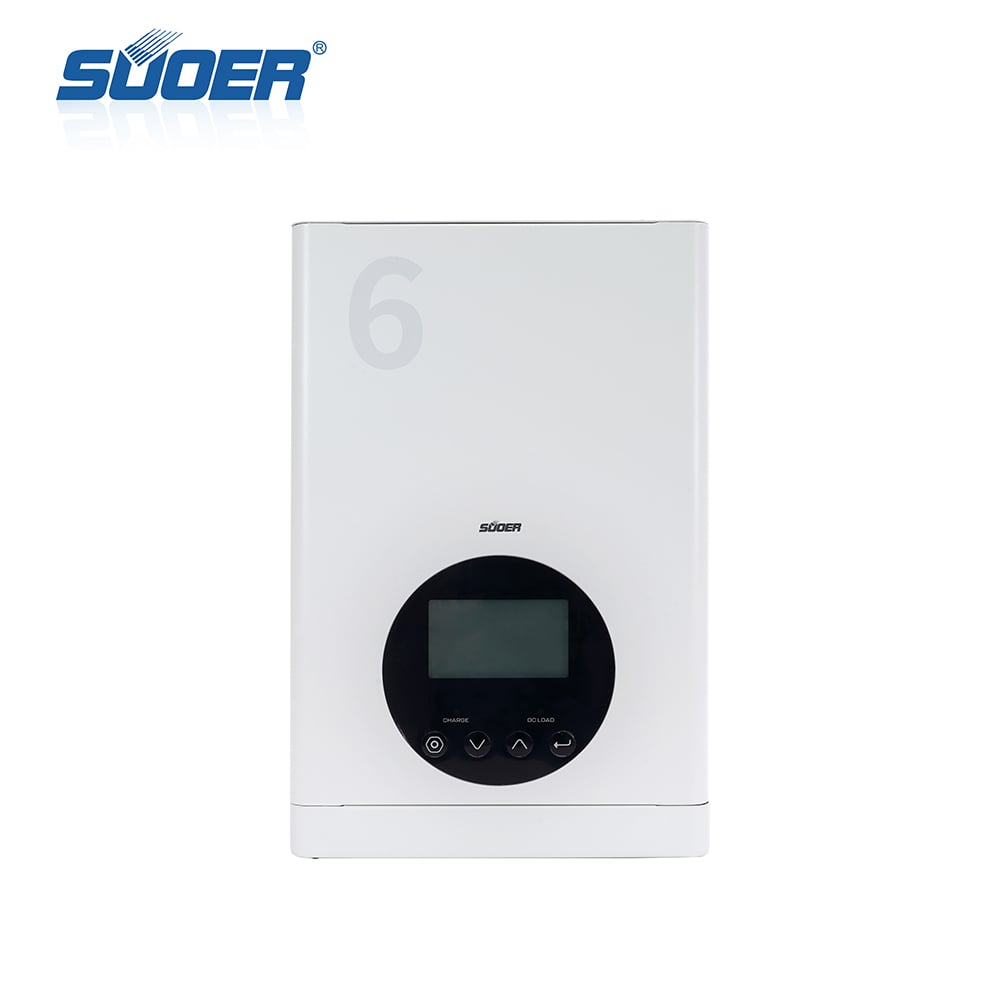
In the evolving landscape of renewable energy, the MPPT 48V solar charge controller plays a pivotal role in optimizing the efficiency of photovoltaic systems. As a B2B buyer in the manufacturing or energy sectors, your main concerns likely revolve around ensuring compatibility, performance, and reliability of these charge controllers in various applications. This article aims to provide you with essential insights into selecting the right MPPT 48V solar charge controller for your projects, covering key specifications, cost factors, and installation guidance.
When selecting an MPPT 48V solar charge controller, several critical factors must be evaluated to ensure compatibility with your solar energy systems. First, consider the maximum input voltage and current ratings, which must align with your solar panel specifications. It's essential to choose a controller that can handle the peak power output of your panels to prevent overloading and damage.
Next, examine the efficiency rating of the MPPT controller, as higher efficiency translates to better energy conversion from solar panels to battery storage. Look for controllers with efficiencies above 95%, which are common in the industry. Additionally, assess thermal management features; controllers that include heat sinks or cooling fans can operate more effectively under high loads, similar to the New 10.2kw Hybrid Solar Off-Grid Inverter System 10kwh 200ah Lithium Iron Lifepo4 Battery Split Stackable CAN Communication Port.
Lastly, consider the controller's communication capabilities. Some MPPT controllers come with built-in monitoring systems that allow you to track performance metrics remotely, which can be vital for large installations. Understanding these features will help you select a controller that meets your specific operational needs and maximizes your solar energy investment.
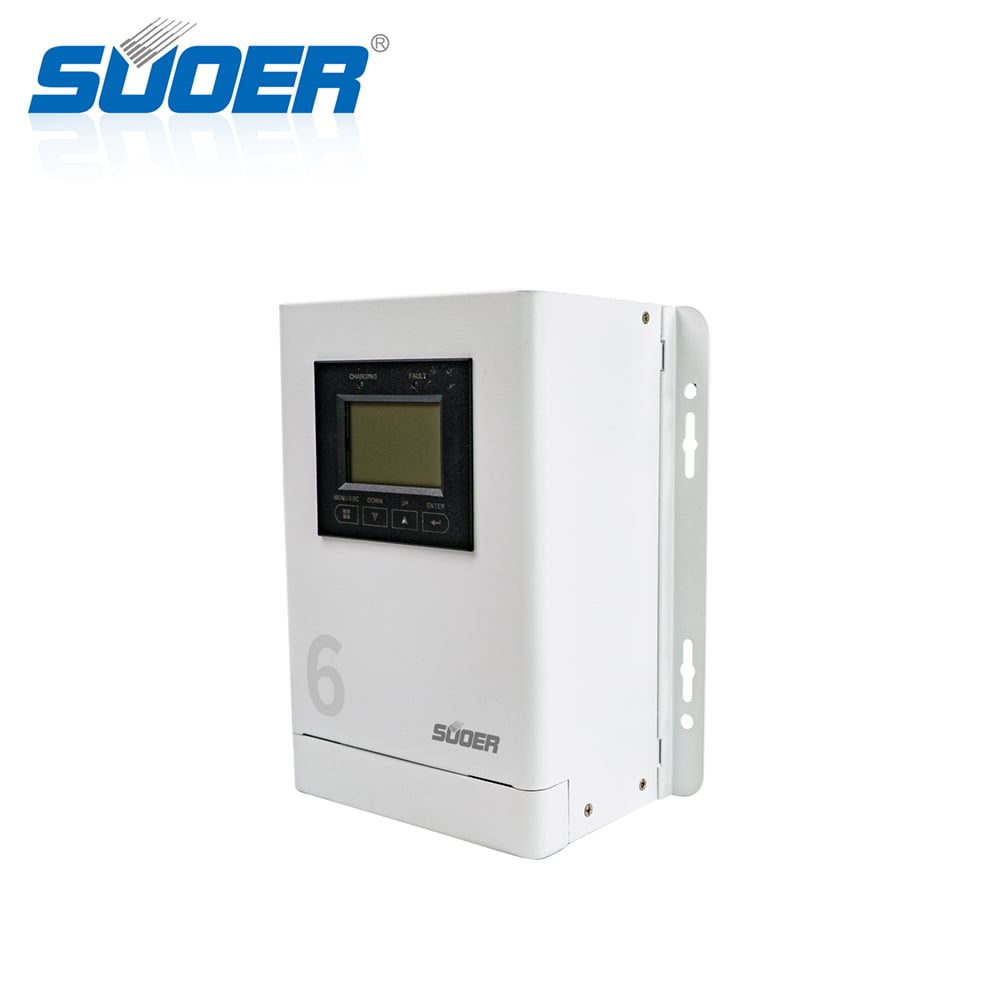
Key specifications of MPPT 48V solar charge controllers significantly impact performance and suitability for various applications. One crucial specification is the maximum power point tracking efficiency, which determines how effectively a controller can optimize the energy harvest from solar panels. A high MPPT efficiency rating, typically over 98%, is essential for maximizing energy capture.
Another important specification is the load output voltage, which should match the battery system's voltage. Incompatibility can lead to poor charging performance or battery damage. Look for controllers that offer adjustable output voltage settings for flexibility in different applications.
Additionally, the temperature range is a vital specification. Controllers designed for outdoor use must withstand extreme temperatures while maintaining performance. Ensure the controller has an appropriate ingress protection (IP) rating to safeguard against dust and moisture, which can be critical in harsh environments. Understanding these specifications will guide you in selecting a controller that fits your operational requirements.
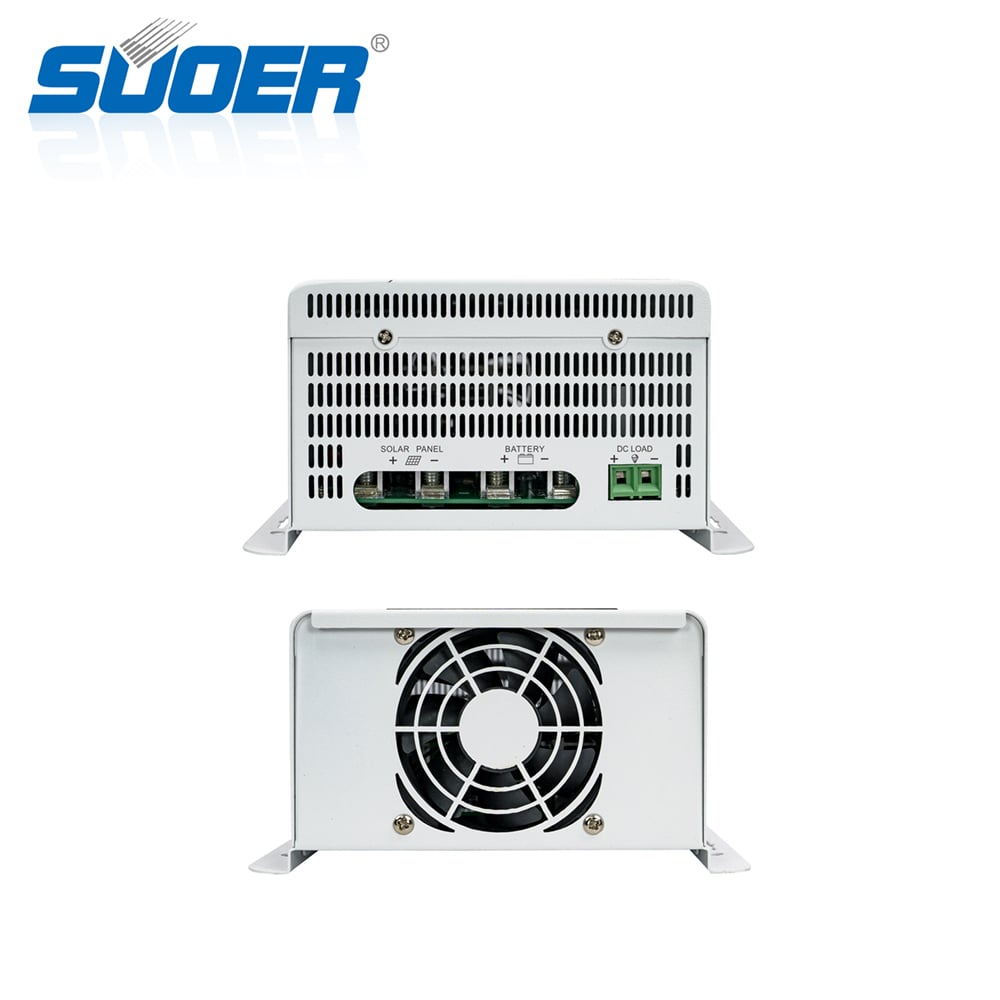
When comparing MPPT 48V solar charge controllers for wholesale orders, it’s crucial to evaluate several factors beyond just price. Start by assessing the manufacturer's reputation and experience in the solar industry. A reputable manufacturer, like our company, leverages automated production techniques and has a robust R&D team, ensuring high-quality products that meet industry standards.
Next, examine warranty and support options. A longer warranty period reflects the manufacturer’s confidence in their product. Additionally, consider the availability of technical support and documentation, which can be invaluable during installation and operation.
It's also beneficial to request samples for testing before committing to a wholesale order. This allows you to evaluate performance under real-world conditions and confirm that the controller meets your expectations. Lastly, compare lead times and minimum order quantities (MOQs) to ensure they align with your project timelines and budget constraints.
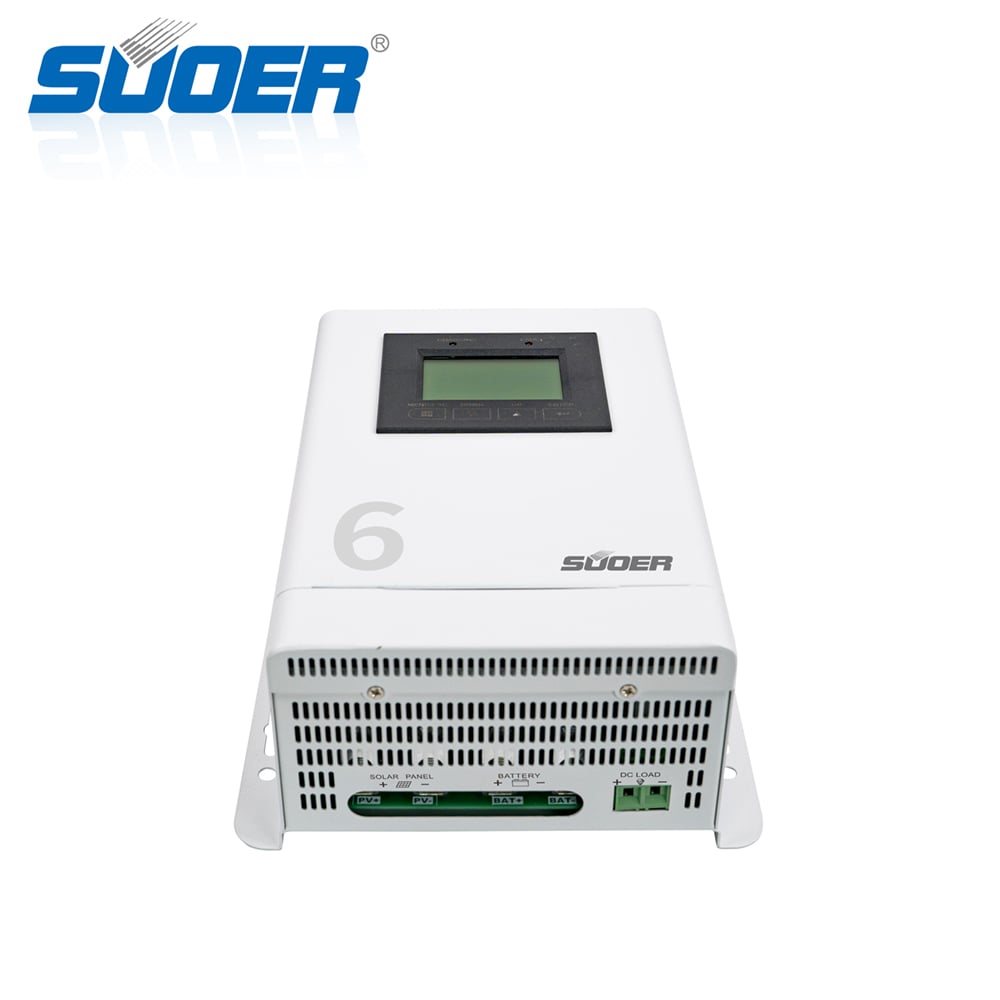
Understanding the cost factors associated with purchasing MPPT 48V solar charge controllers wholesale is essential for effective budgeting. The unit price can vary based on specifications, including efficiency ratings, output capacity, and additional features like monitoring systems. Higher efficiency controllers may come at a premium, but the long-term energy savings can justify the initial investment.
Shipping costs should also be considered, especially if you are importing from overseas. Factors influencing shipping costs include the weight of the controllers, packaging methods, and the destination. Additionally, consider any import tariffs or customs fees that may apply.
Lastly, be aware of potential volume discounts. Many manufacturers offer reduced pricing for larger orders, which can significantly lower your overall costs. Engaging in clear communication with suppliers about your needs can help negotiate better pricing structures. For instance, suppliers of the New 12kw Hybrid Solar Off-Grid Inverter System 15kwh 300ah Lithium Iron Lifepo4 Battery might offer competitive deals for bulk purchases.
Proper installation of MPPT 48V solar charge controllers is crucial for optimal performance and longevity. Begin by reading the manufacturer’s installation manual thoroughly to understand specific requirements. Ensure that the installation location is well-ventilated to prevent overheating, as excessive heat can degrade performance.
When connecting the solar panels and batteries, follow the recommended wiring diagrams provided by the manufacturer. It's vital to use appropriate gauge wiring to handle the current and minimize voltage drop, which can affect system efficiency.
Before powering up the system, double-check all connections for tightness and correctness. Additionally, it's advisable to conduct a preliminary test of the system under controlled conditions to ensure that all components are functioning as intended. If possible, involve a certified electrician familiar with solar installations to guarantee compliance with local regulations and standards.
In summary, selecting the right MPPT 48V solar charge controller involves careful consideration of specifications, supplier comparisons, and installation practices. By understanding these elements, you can make informed decisions that enhance the efficiency and reliability of your solar energy systems.

Discover Suoer’s premium range of solar inverters and power inverters designed for reliable renewable energy solutions.Trusted by customers worldwide for exceptional performance and durability.
Suoer Industrial Zone, Ercun Road Section, Yanfeng Avenue, Shishan Town,Foshan city,Guangdong Province,China
Copyright © 2024 Foshan Suoer Electronic Industry Co., Ltd. Privacy Policy - Blog

 EN
 AR
 NL
 FR
 DE
 EL
 IT
 JA
 KO
 PT
 RU
 ES
 VI
 TH
 TR
 BG
 HR
 CS
 NO
 PL
 TL
 ID
 SR
 UK
 SQ
 HU
 MT
 AF
 MS
 IS
 HY
 AZ
 BN
 BS
 GU
 LO
 LA
 MN
 NE
 TA