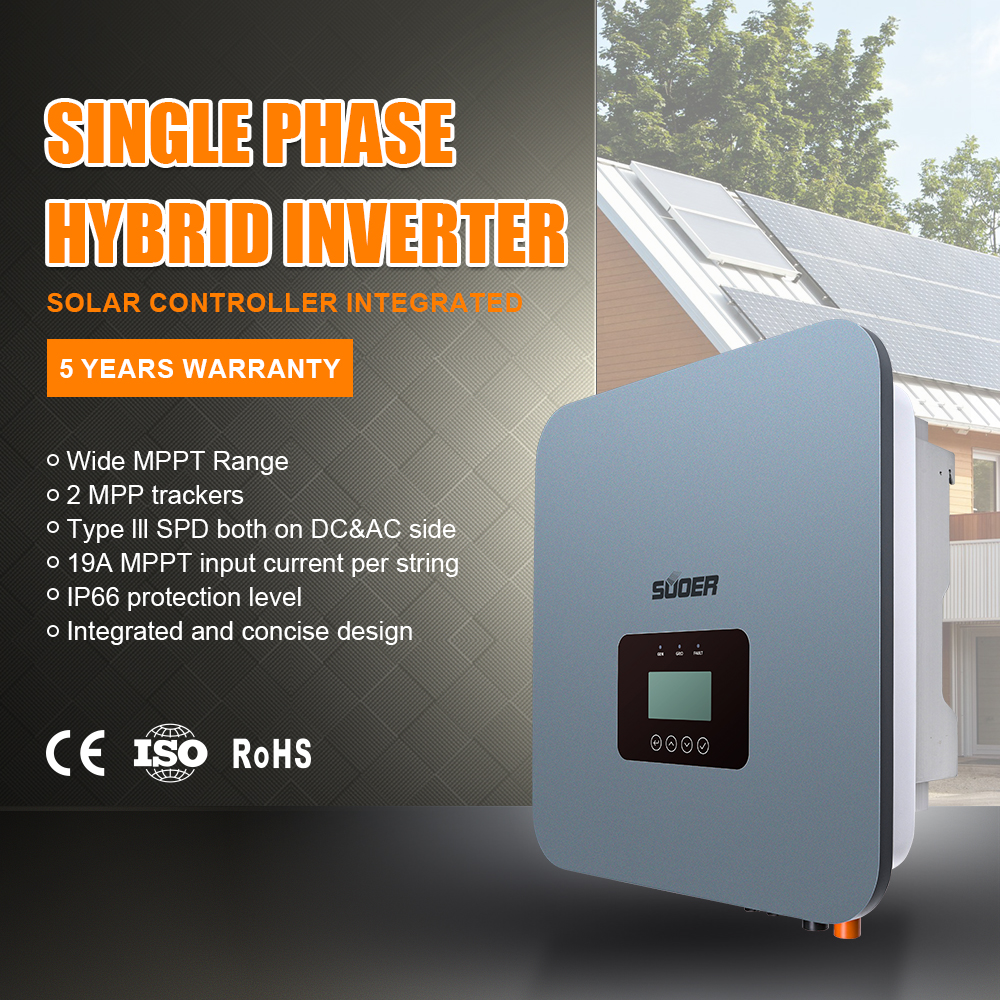
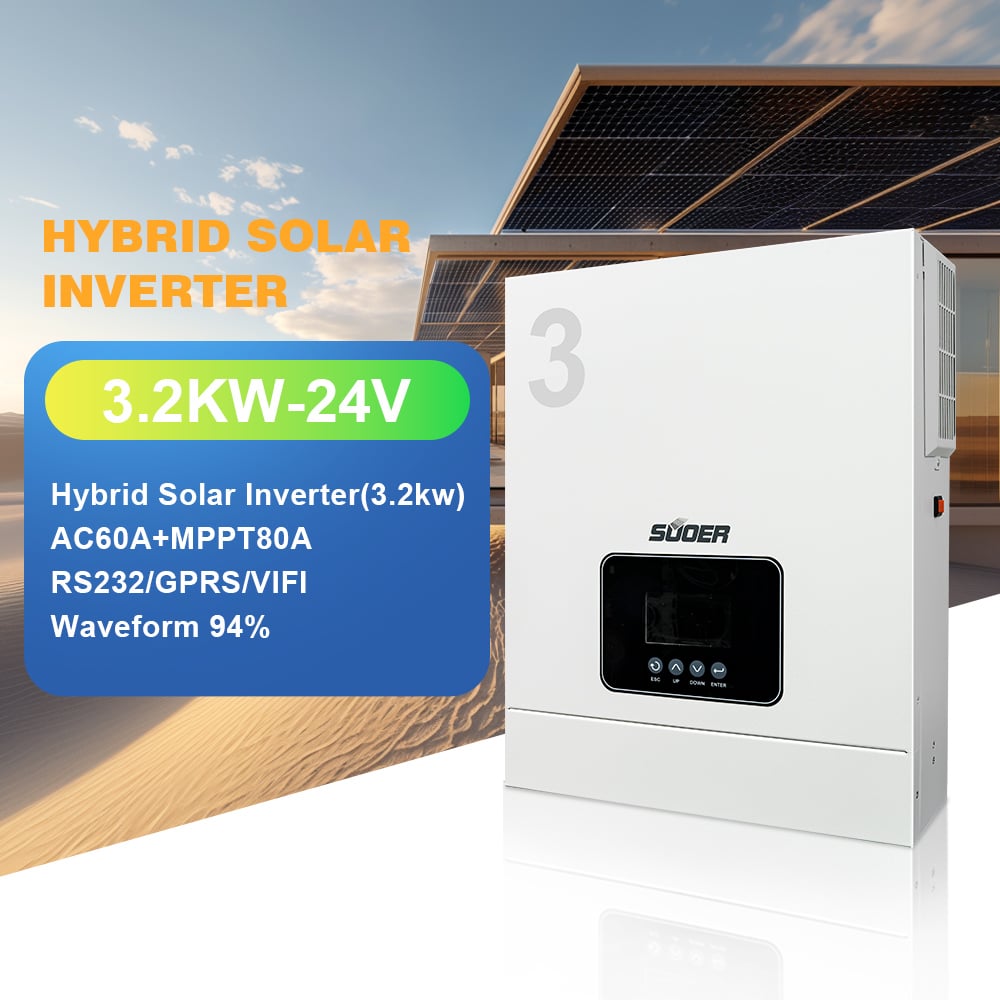
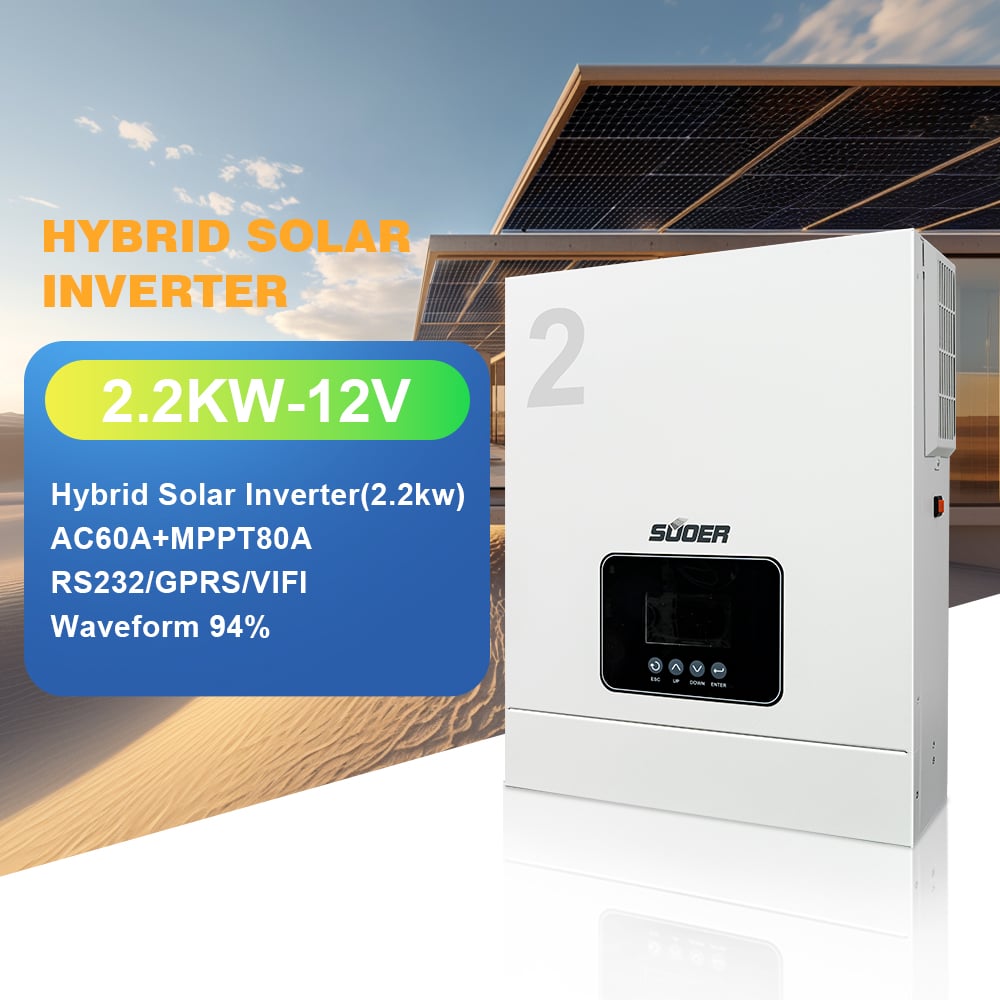
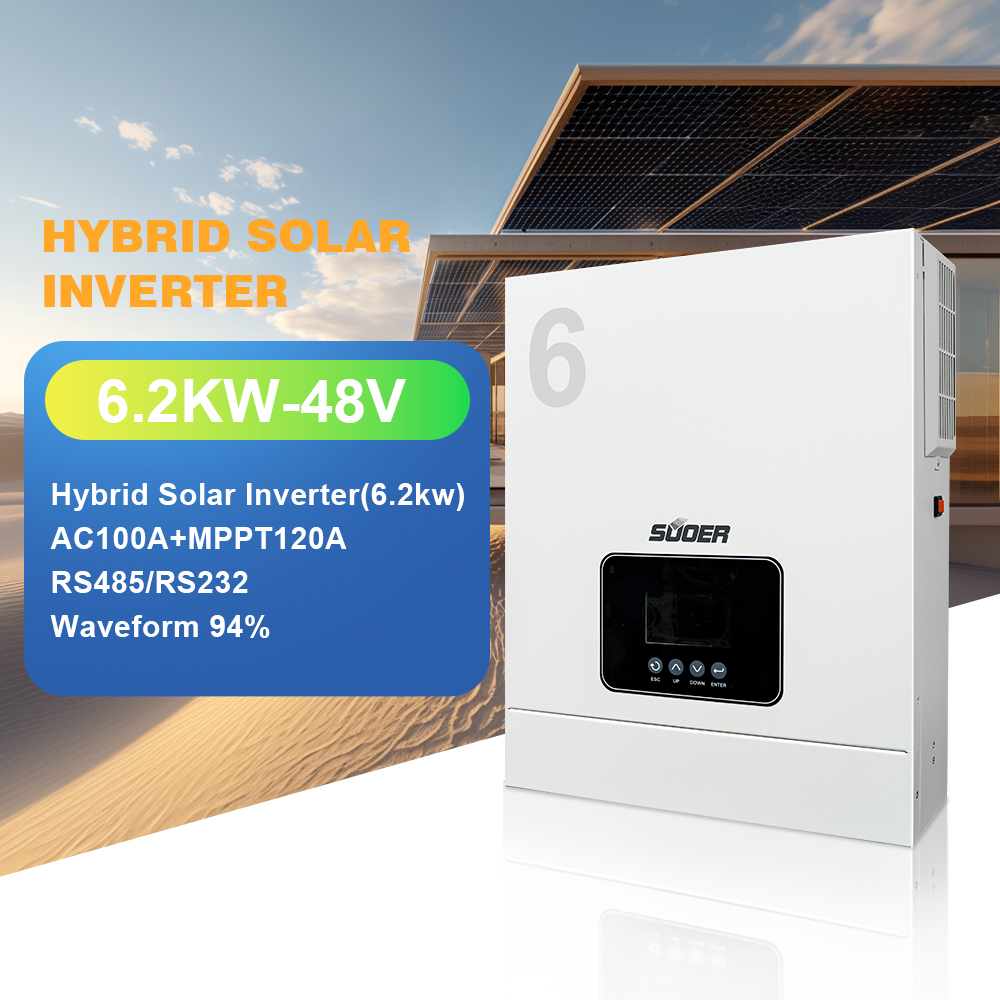
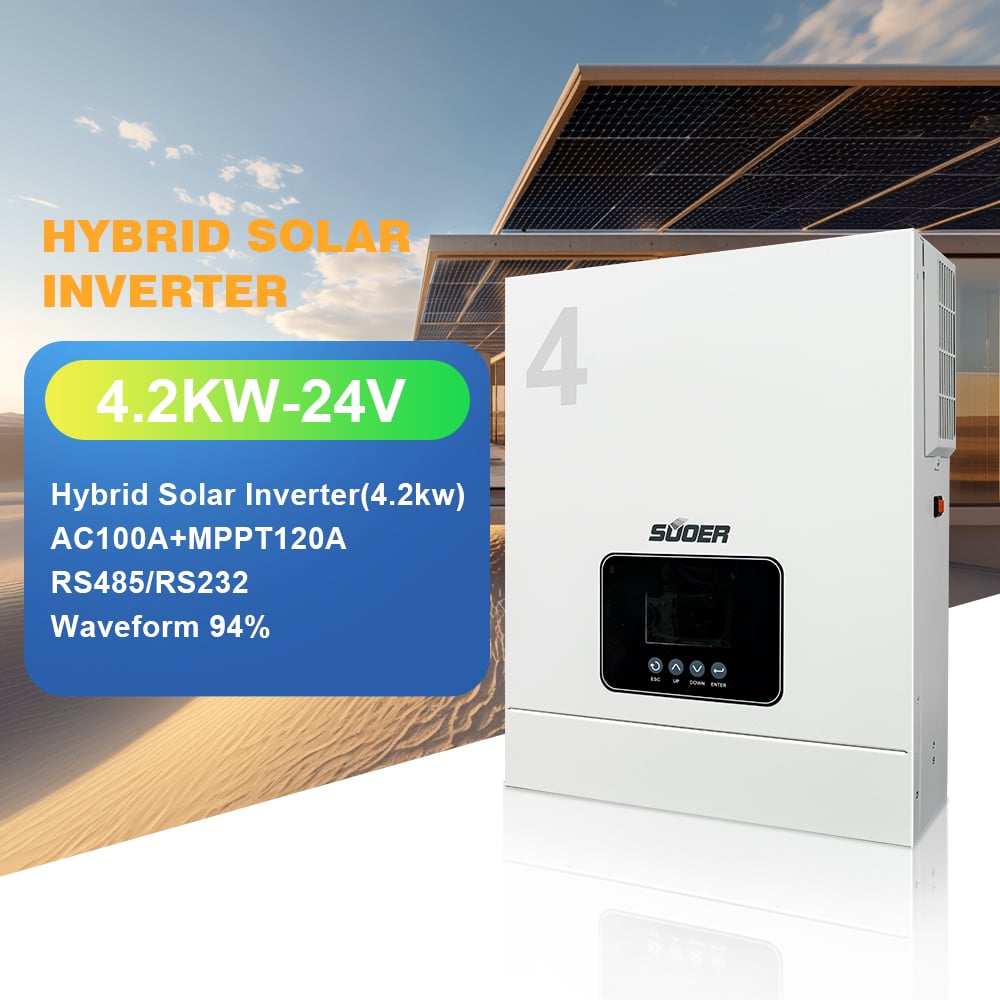
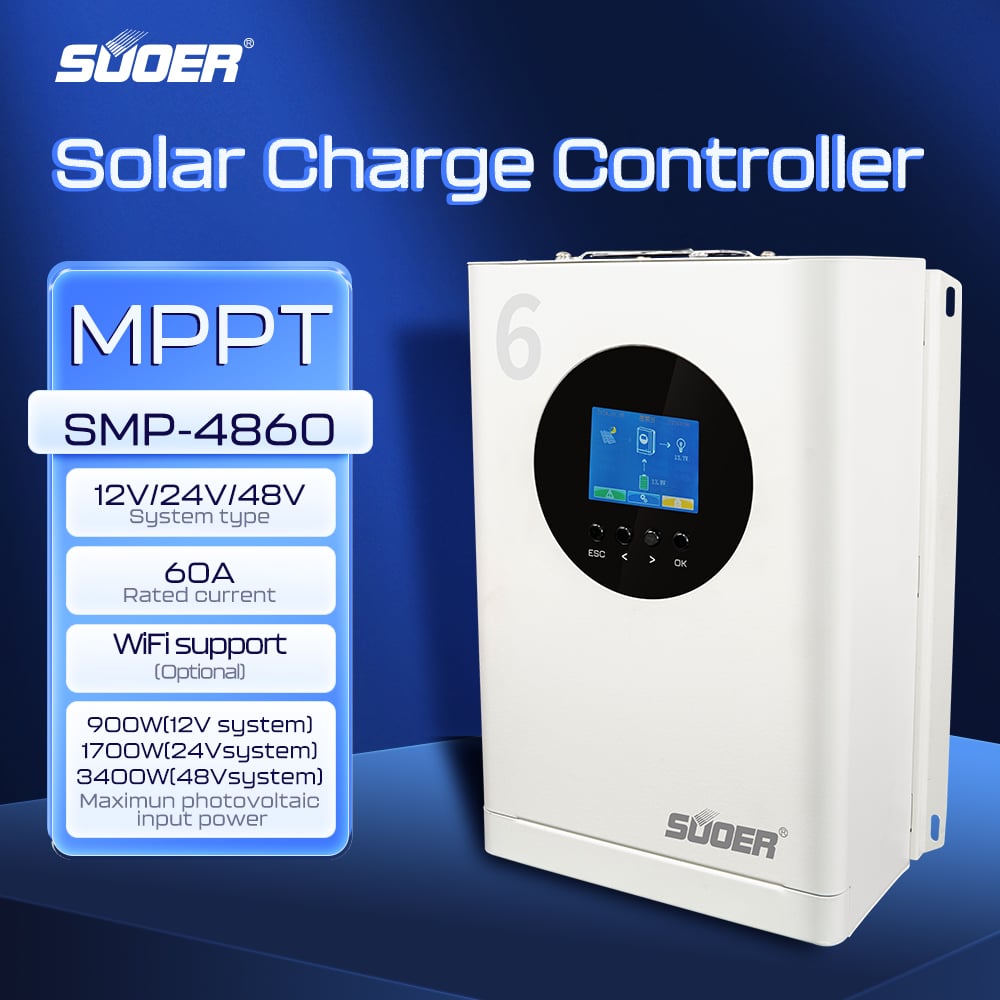
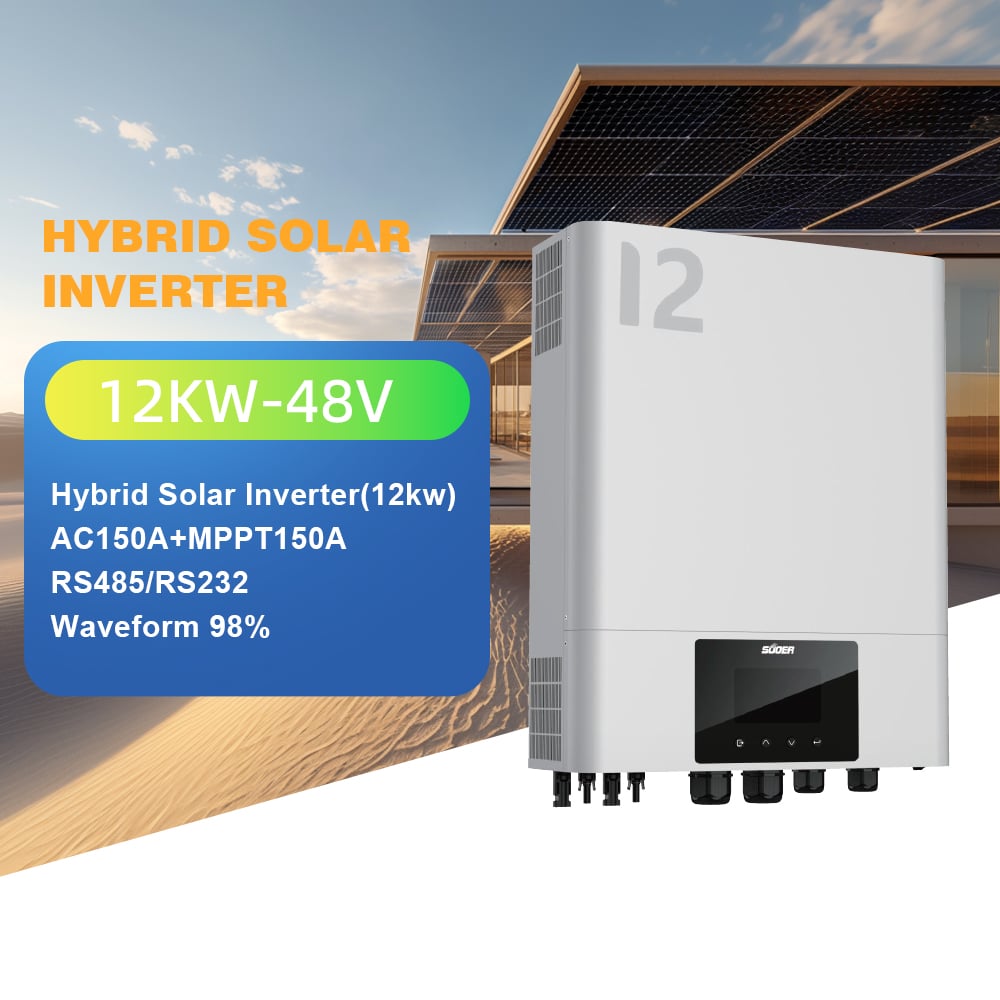
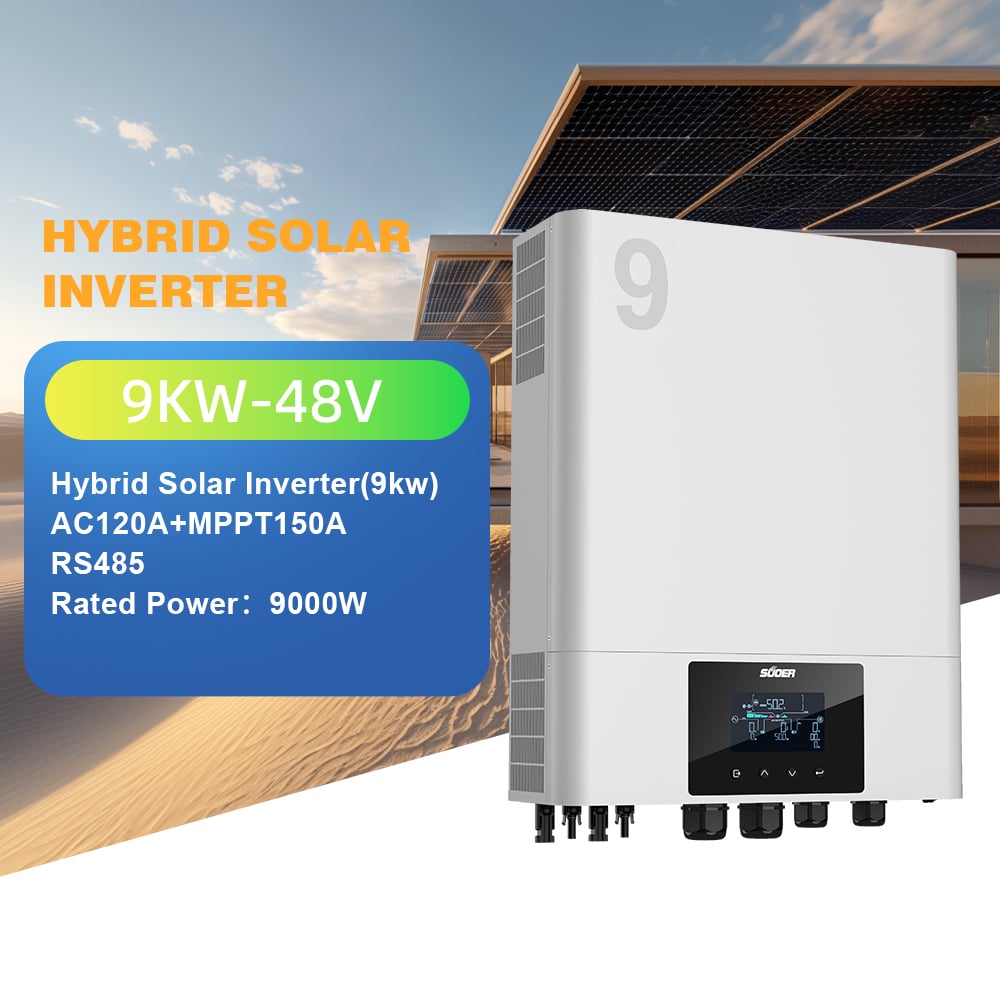
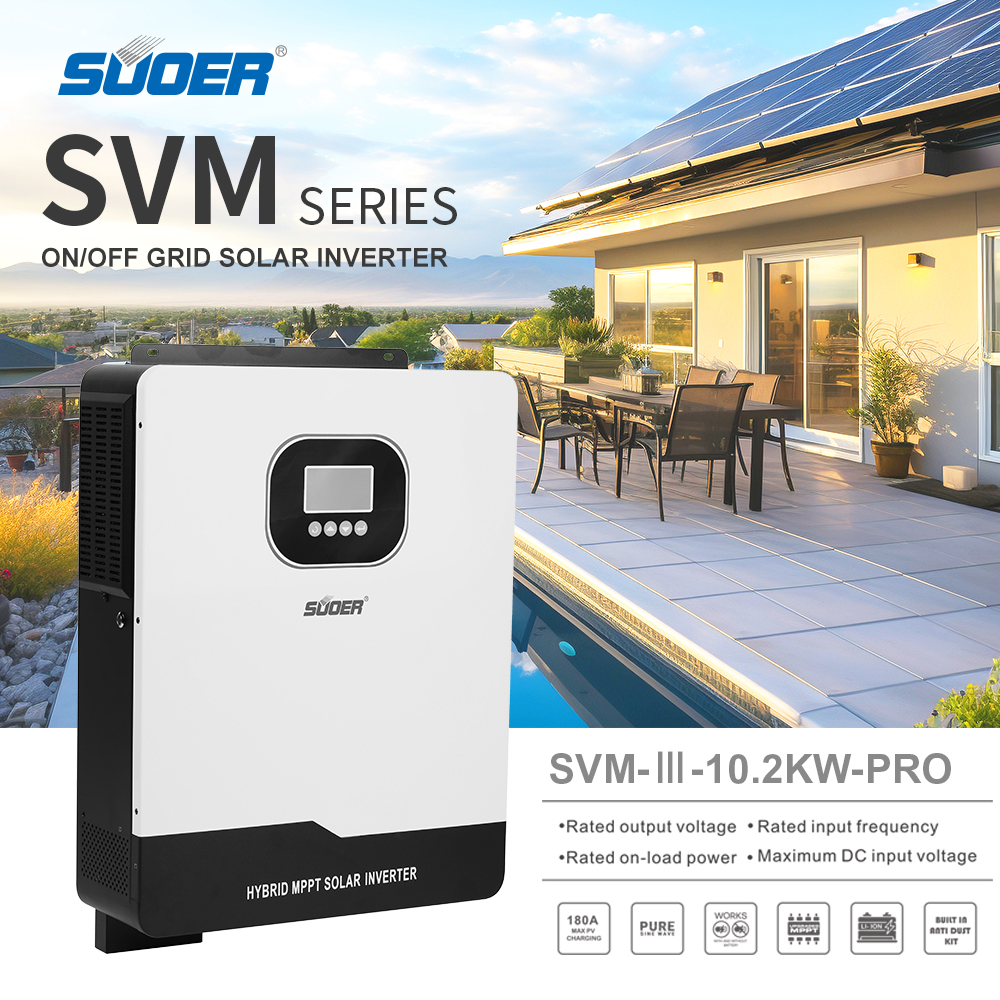
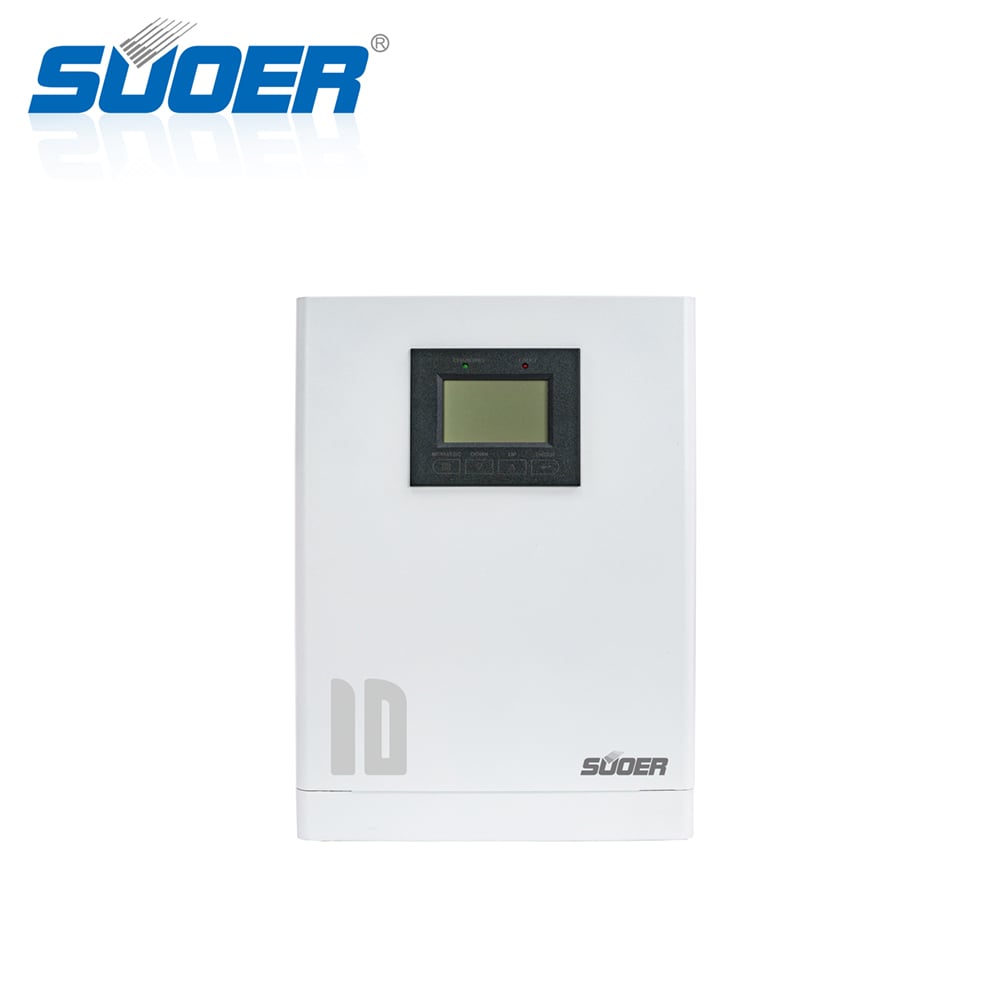
MPPT solar charge regulators are essential components in photovoltaic systems, optimizing the charging of batteries by adjusting the input voltage and current from solar panels. As B2B buyers consider integrating these regulators into their operations, they typically seek information on specifications, sourcing reliability, cost factors, installation challenges, and common operational issues. This article aims to provide a comprehensive overview of charge controller solar mppt, empowering purchasing managers, engineers, and product managers to make informed decisions.
When assessing MPPT solar charge regulators for bulk orders, several key specifications must be considered. These include:
Voltage Range: Ensure the regulator accommodates the input voltage from your solar panels and the output voltage required for your batteries. Common ranges include 12V, 24V, and 48V systems.
Current Rating: The regulator must handle the maximum amperage generated by the solar array. This is crucial for preventing overloads, which can lead to failure or reduced lifespan.
Efficiency Rating: Look for regulators with high efficiency (typically 95% or higher) to maximize energy conversion from solar panels to batteries. Lower efficiency can lead to significant energy losses, affecting overall system performance.
Protection Features: Quality MPPT regulators should include over-voltage, over-current, and short-circuit protection. These features safeguard the system against potential damages.
Communication Protocols: Some advanced regulators feature communication interfaces (like RS485 or Wi-Fi) for monitoring and integration into larger energy management systems.
Understanding these specifications helps ensure that the selected regulators meet operational requirements and integrate seamlessly into existing systems.
Sourcing reliable MPPT solar charge regulators is critical for ensuring quality and performance in your projects. Here are some strategies to identify trustworthy suppliers:
Industry Trade Shows: Attending industry-specific events and trade shows can provide valuable opportunities to meet manufacturers and distributors of invert solar mppt. Engaging with them directly allows for firsthand evaluation of their products and capabilities.
Online Marketplaces and Supplier Directories: Platforms like Alibaba, Global Sources, and ThomasNet can help you find a range of suppliers. Look for those with verified ratings and customer feedback, which indicate reliability.
Manufacturer Certifications: Ensure potential suppliers possess relevant certifications such as ISO9001, CE, and RoHS. These certifications reflect a commitment to quality and compliance with international standards.
Request Samples: Before placing a bulk order, request samples to assess the product's quality and performance in real-world applications. This is crucial for verifying that the specifications will meet your needs.
By following these strategies, you can identify reliable sources for MPPT solar charge regulators that align with your project requirements.
Understanding the cost factors associated with bulk purchases of MPPT solar charge regulators is essential for budget planning. Key factors include:
Volume Discounts: Many manufacturers offer tiered pricing structures, where the unit price decreases with higher order quantities. It's advisable to negotiate pricing based on your projected needs.
Material and Production Costs: The choice of materials used in the construction of the regulators can significantly influence pricing. Higher-quality components may incur higher costs but provide better performance and longevity.
Customization Requirements: If your project requires specific customization (such as unique input/output configurations or additional features), this can impact the overall cost. Discuss these needs upfront to get accurate quotations.
Shipping and Import Duties: Consider logistics costs, including shipping fees and any applicable import duties. These can add significantly to the total cost, especially for international orders.
Warranty and Support Services: Evaluate whether the cost includes warranty coverage and support services. A robust warranty can save costs in the long run by covering repairs or replacements.
By understanding these factors, purchasing managers can better navigate negotiations and ensure they secure competitive pricing for mppt solar charge controller.
Installing MPPT solar charge regulators can present various challenges. Being aware of these issues can help mitigate problems during installation:
Incorrect Voltage Configuration: One of the most common issues arises from misconfiguration of the voltage settings. Ensure that the regulator is set to match the system voltage (12V, 24V, or 48V) to avoid damaging components.
Inadequate Wiring: Using wires that are not rated for the current can lead to overheating and potential failure. Always adhere to recommended wire gauges to ensure safety and efficiency.
Poor Ventilation: MPPT regulators generate heat during operation. Ensure that installation locations allow for adequate ventilation to prevent overheating.
Incompatibility with Battery Types: Different battery chemistries (like lead-acid, lithium-ion) require specific charging profiles. Ensure that the selected regulator is compatible with the battery type in use.
Installation Orientation: Some regulators may have specific orientation requirements for optimal performance. Check manufacturer guidelines to avoid installation errors that could affect functionality.
By addressing these common installation issues proactively, you can help ensure a smooth and effective setup of MPPT solar charge regulators.
While MPPT solar charge regulators are generally reliable, users may encounter issues over time. Here are common problems and their solutions:
Underperformance: If the regulator does not seem to be optimizing solar input effectively, check for shading on the panels, debris accumulation, or connections that may have degraded. Ensuring clean panels and secure connections can often resolve performance issues.
Overheating: If the regulator is overheating, verify that it has adequate airflow and is not enclosed in a tight space. If overheating persists, consider upgrading to a regulator with a higher current rating or additional cooling features.
Faulty Readings: Inconsistent or erroneous readings on the display can be caused by faulty wiring or connections. Inspect all connections for corrosion or damage and replace any compromised components.
Battery Charging Issues: If batteries are not charging properly, ensure that the regulator is configured for the correct battery type and that all connections are secure. Additionally, check if the batteries are in good condition and capable of accepting a charge.
By implementing these solutions, users can maintain the efficiency and reliability of their MPPT solar charge regulators, ensuring optimal performance in their solar energy systems.

Discover Suoer’s premium range of solar inverters and power inverters designed for reliable renewable energy solutions.Trusted by customers worldwide for exceptional performance and durability.
Suoer Industrial Zone, Ercun Road Section, Yanfeng Avenue, Shishan Town,Foshan city,Guangdong Province,China
Copyright © 2024 Foshan Suoer Electronic Industry Co., Ltd. Privacy Policy - Blog

 EN
 AR
 NL
 FR
 DE
 EL
 IT
 JA
 KO
 PT
 RU
 ES
 VI
 TH
 TR
 BG
 HR
 CS
 NO
 PL
 TL
 ID
 SR
 UK
 SQ
 HU
 MT
 AF
 MS
 IS
 HY
 AZ
 BN
 BS
 GU
 LO
 LA
 MN
 NE
 TA