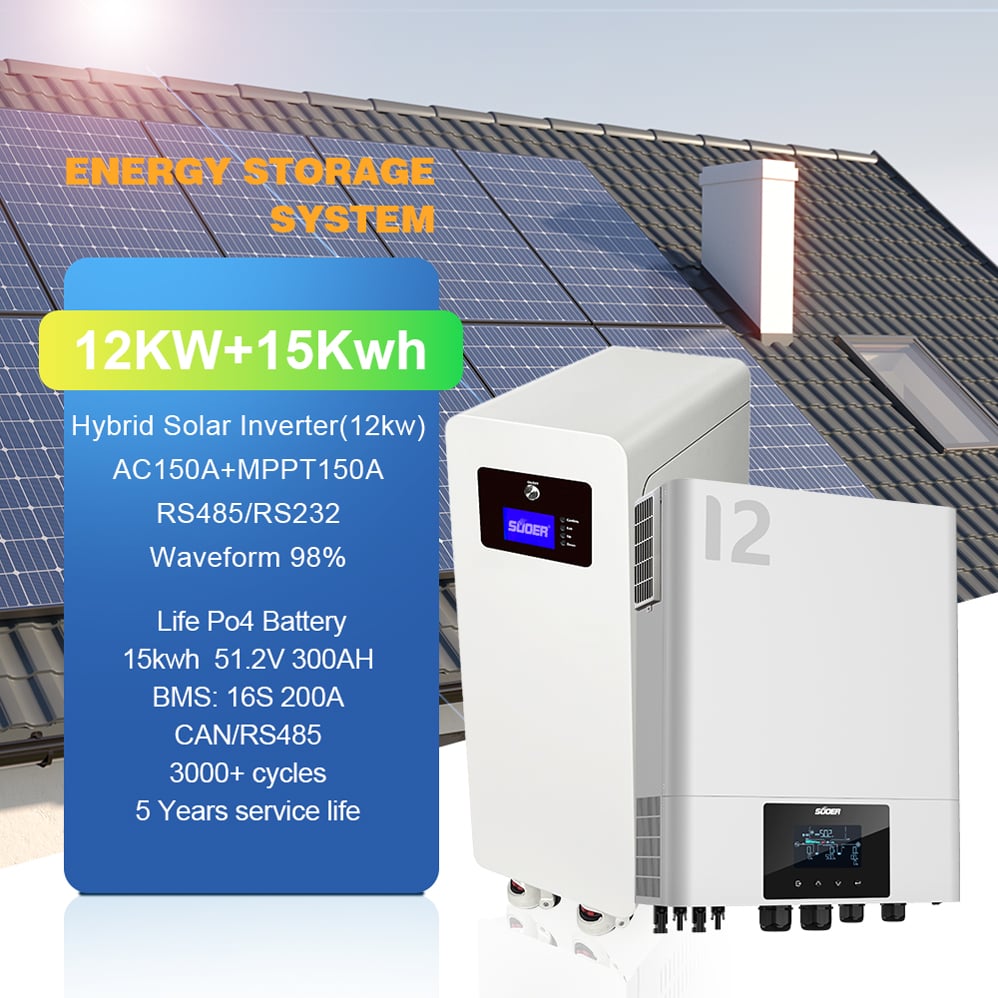
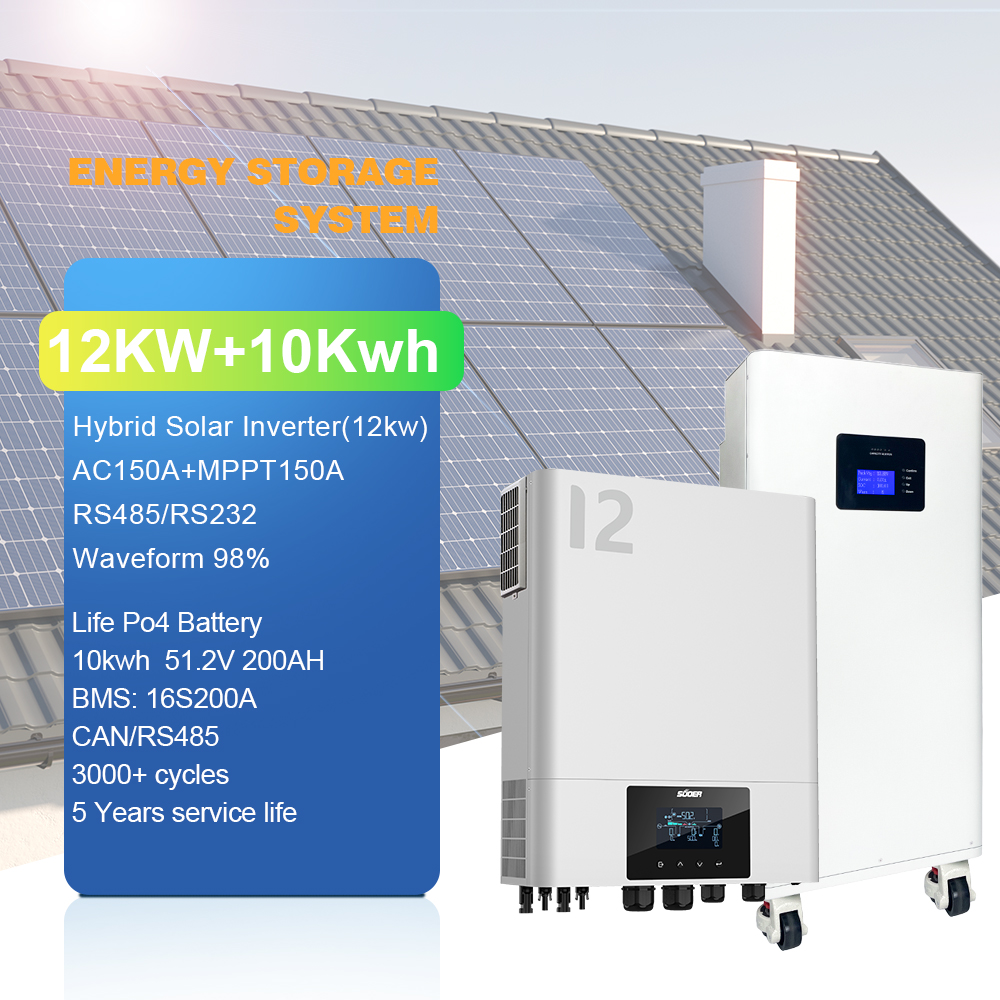
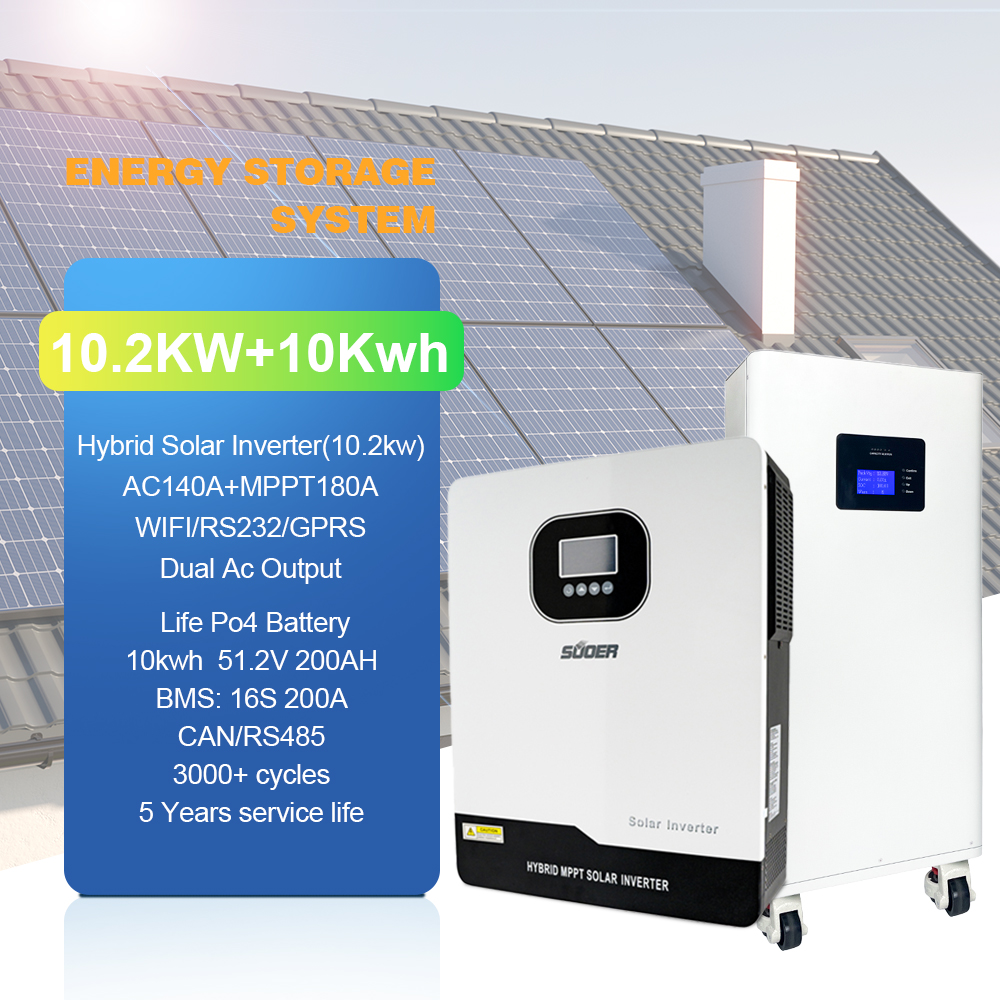
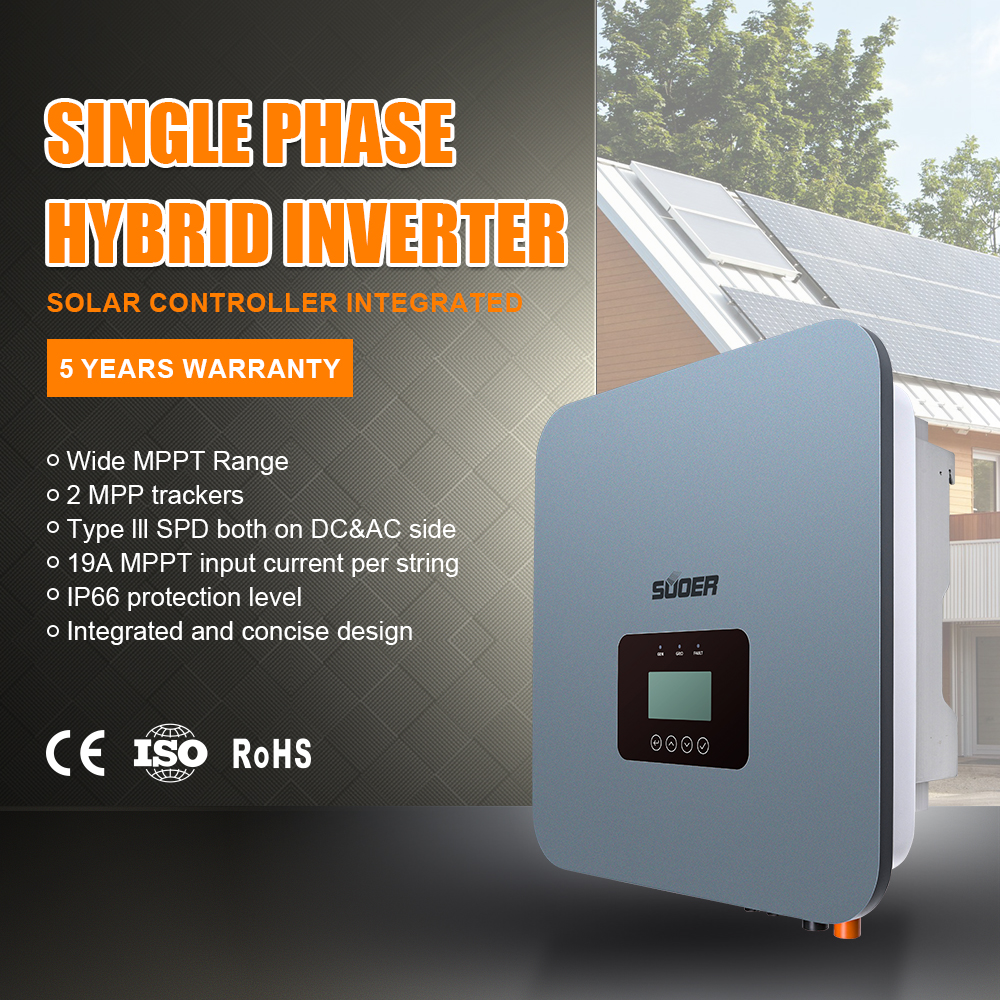
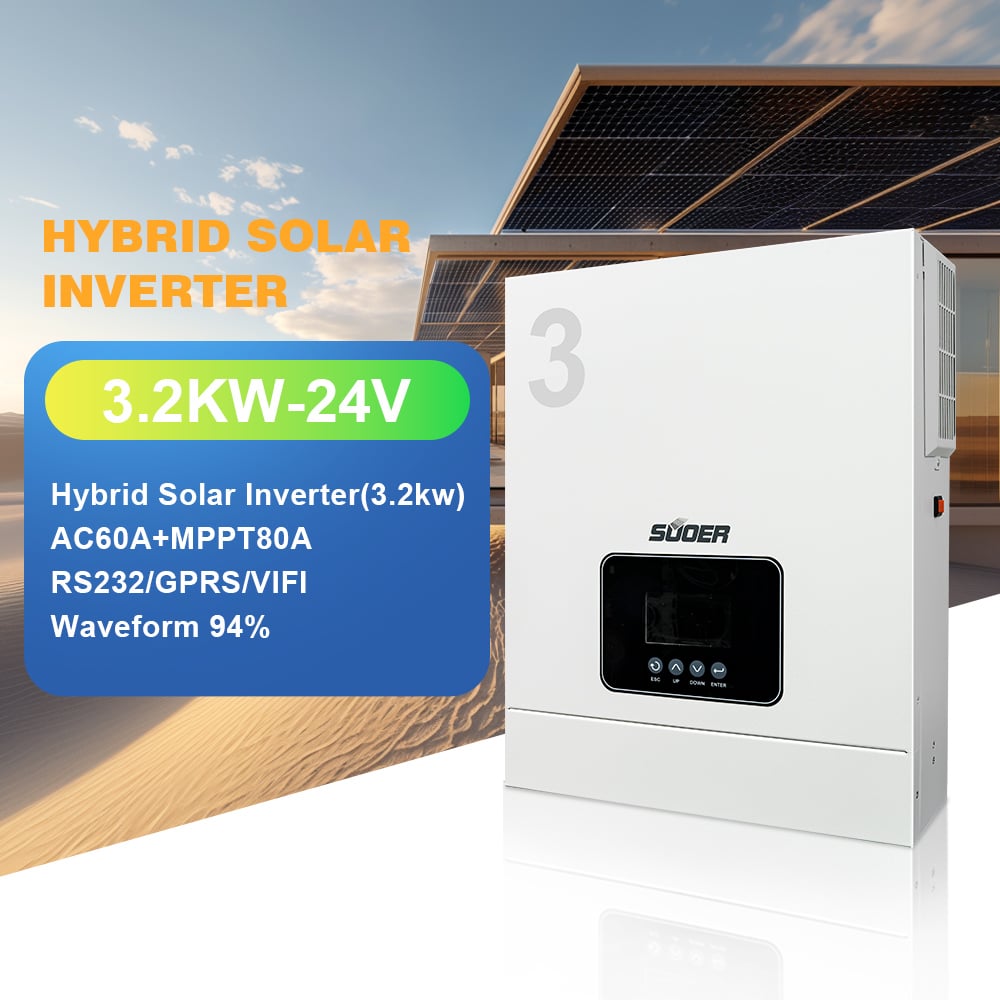
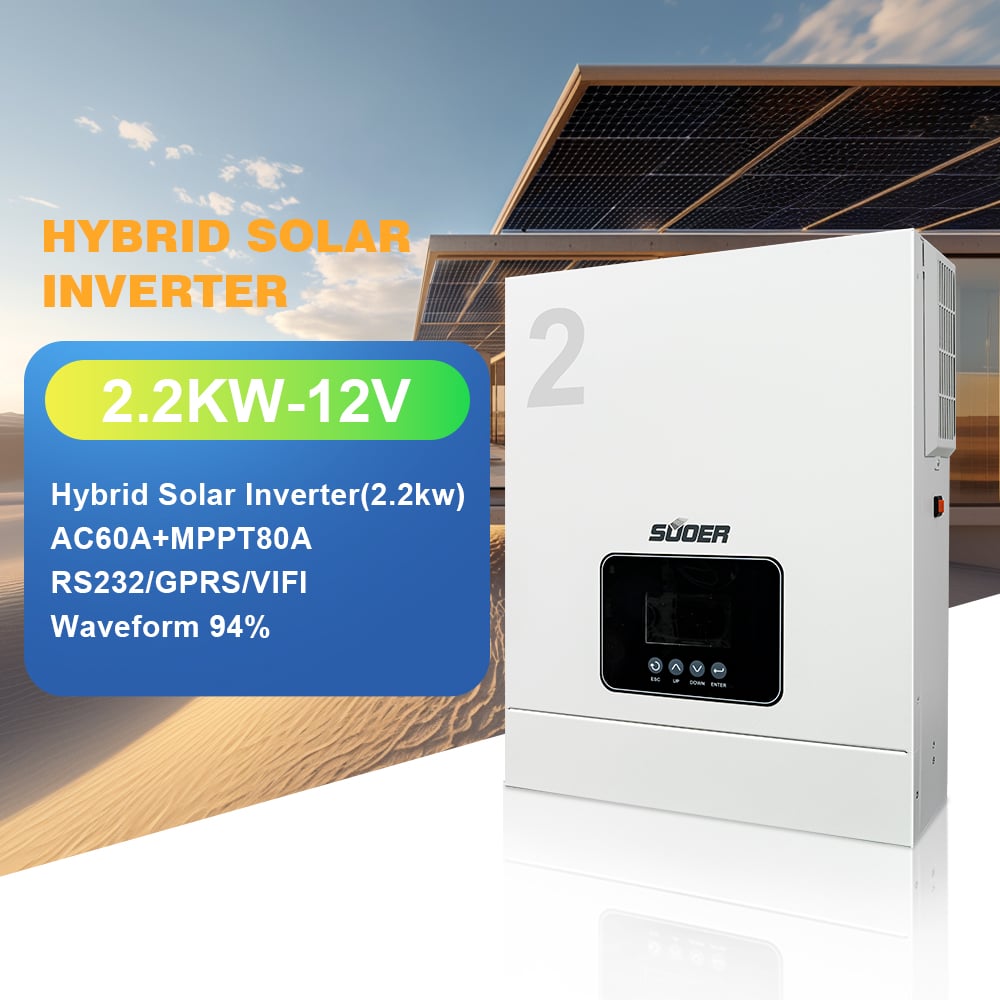
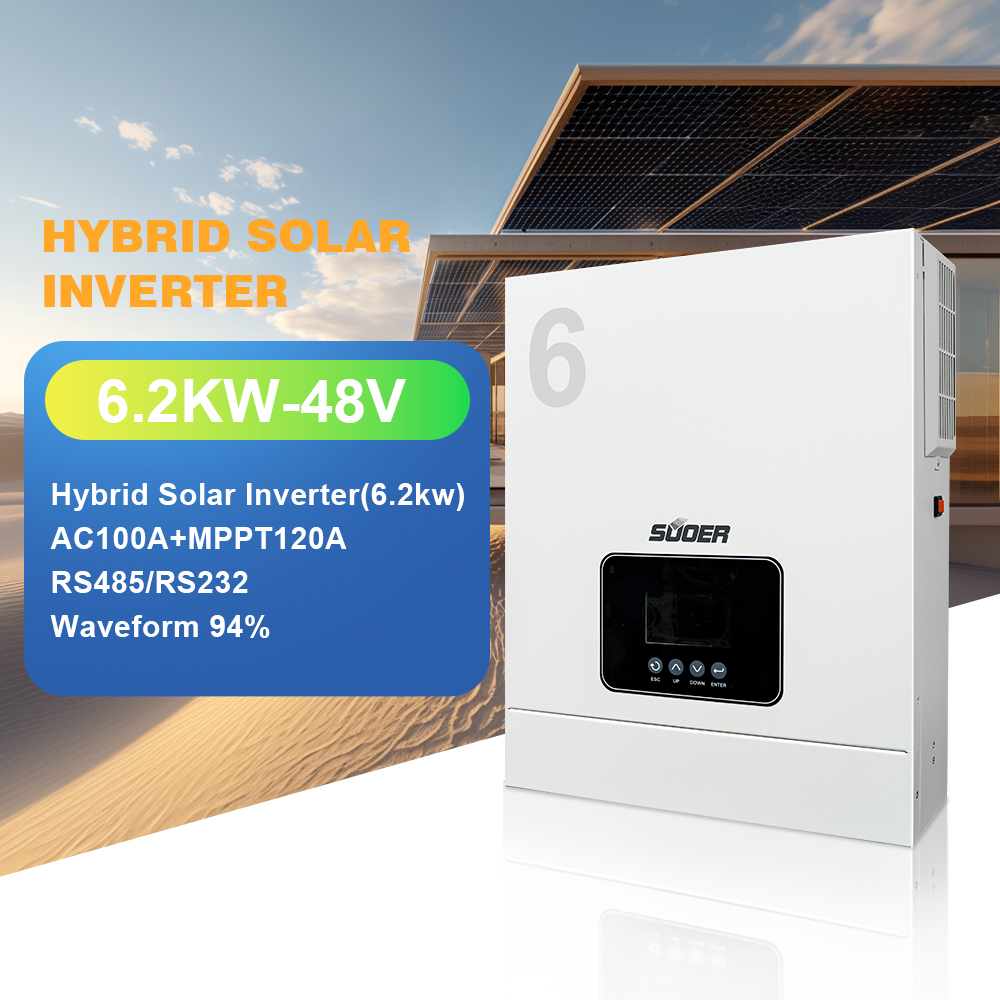
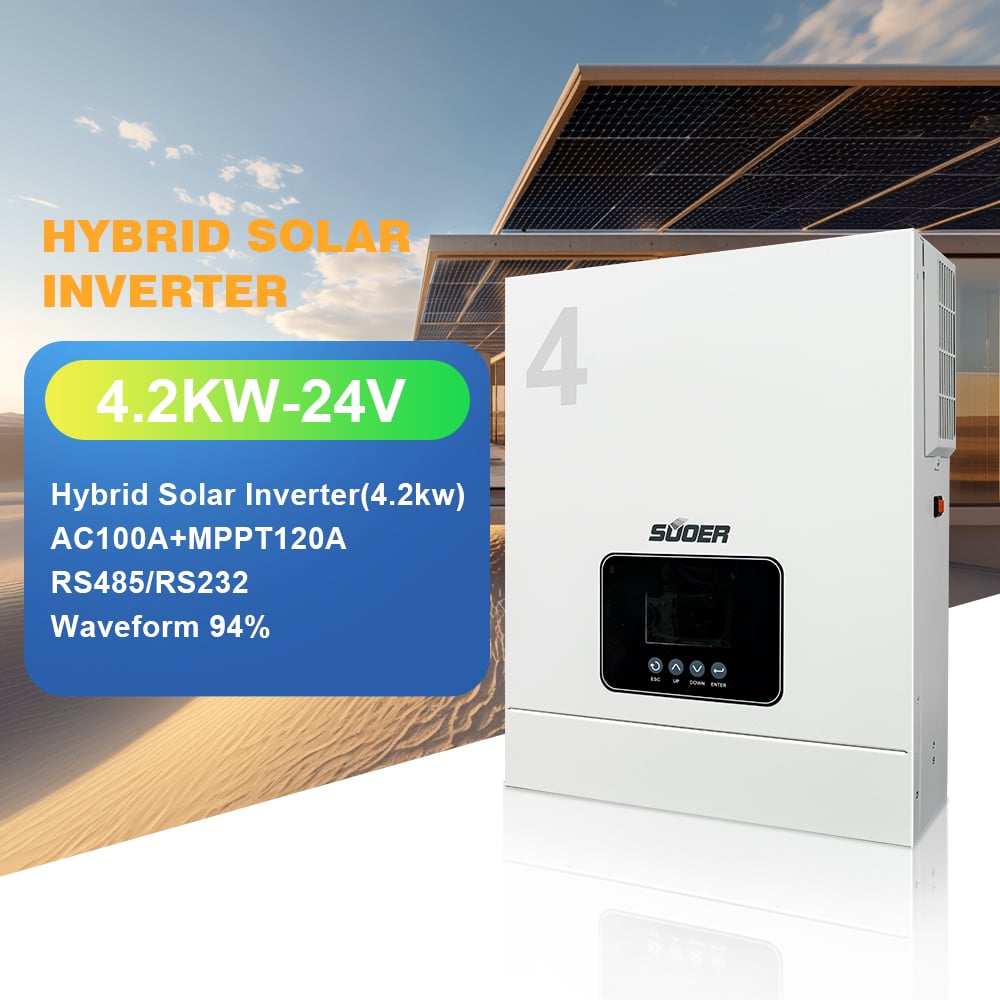
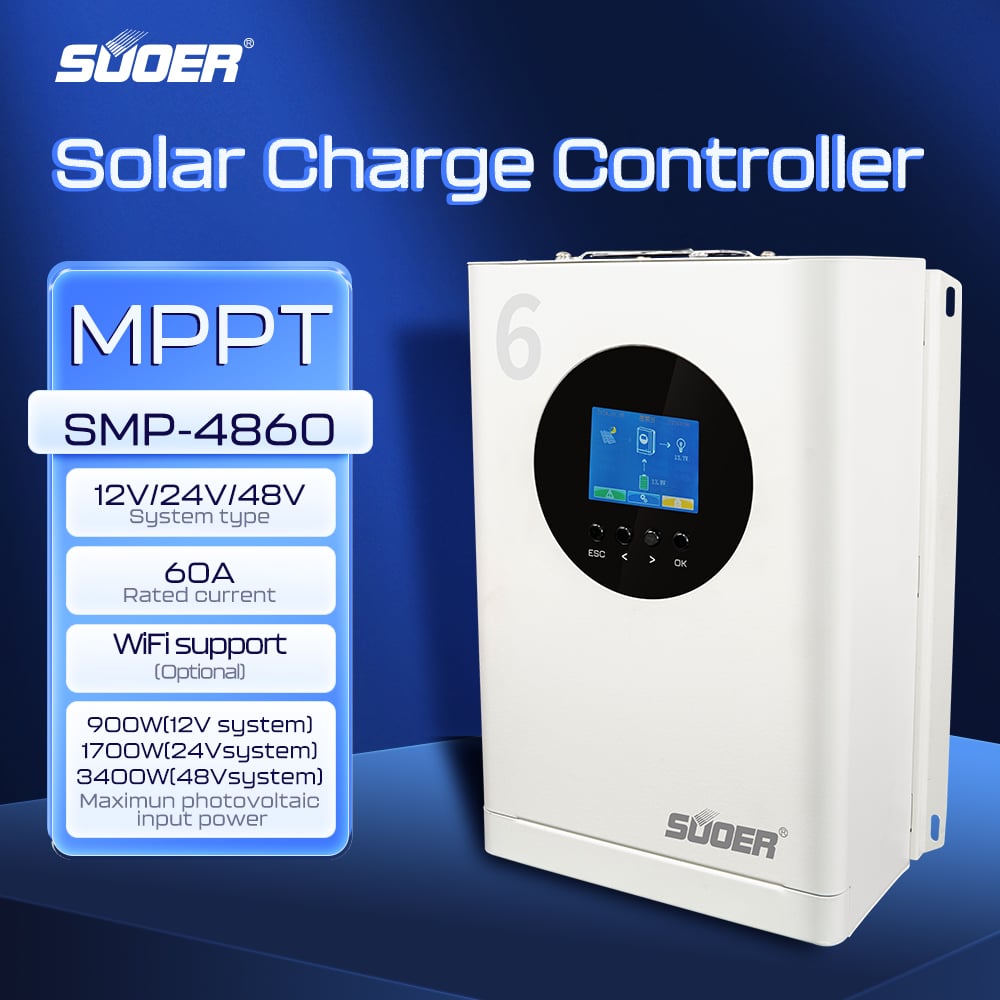
MPPT controllers, or Maximum Power Point Tracking controllers, are essential devices in photovoltaic systems, ensuring optimal energy harvesting from solar panels. As B2B buyers in sectors such as electric vehicles, industrial applications, and renewable energy, understanding how to select the right MPPT controller is crucial. This charge controller article will guide you through the key specifications, factors to consider, and common issues associated with MPPT controllers, helping you make informed purchasing decisions.
Selecting the appropriate MPPT controller for your project requires a careful evaluation of several factors. Firstly, consider the input voltage and current ratings; ensure that the controller can handle the maximum output from your solar panels. It's essential to match the controller's capacity with your system's specifications to avoid underperformance or damage.
Next, think about the efficiency rating of the MPPT controller. Higher efficiency translates to better energy conversion and increased overall system performance. Look for controllers with efficiencies above 95% to maximize your energy yield.
Additionally, battery charge controller consider the features that may enhance functionality, such as communication protocols (like RS-485 or CAN bus), which allow integration with monitoring systems. Depending on your application, features like temperature compensation, load control, and remote monitoring may be beneficial.
Lastly, evaluate the manufacturer's reputation and customer support. A reliable supplier will provide comprehensive product documentation and support, which is invaluable for troubleshooting and optimizing your system.
When purchasing MPPT controllers in bulk, several key specifications should be prioritized to ensure that you receive a product that meets your needs:
Input Voltage Range: The controller should support the voltage range of your solar array. A suitable range allows for flexibility in system design and future expansions.
Maximum Output Current: Ensure that the controller can handle the total current output from your solar panels. This specification is crucial to prevent overheating and potential failure.
Efficiency Rating: As previously mentioned, aim for controllers with high efficiency ratings. This charge controller solar mppt will ensure that your system operates near its optimal capacity.
Operating Temperature: Check the operating temperature range of the MPPT controller. It should be suitable for the environmental conditions where it will be installed, ensuring reliable performance.
Protection Features: Look for built-in protections against over-voltage, over-current, and short circuits. These features protect both the controller and your solar array from damage.
Certification Compliance: Controllers should comply with relevant certifications such as ROHS, CE, and ISO9001 to ensure quality and safety standards.
By confirming these specifications, buyers can make informed decisions, ensuring that they choose a product that meets their operational requirements.
When evaluating MPPT controllers, several factors should be considered beyond basic specifications:
Build Quality: High-quality materials and construction are vital for longevity, particularly in harsh environmental conditions. Look for controllers with robust enclosures that offer protection from moisture and dust.
User Interface: A clear and intuitive user interface can simplify installation and troubleshooting. Consider controllers with LCD displays or smartphone app connectivity for easier monitoring.
Firmware Updates: Some controllers allow for firmware updates, enabling enhancements and additional features over time. This flexibility can prolong the life of your investment.
Customization Options: Depending on your specific application, you may require customized features. Working with a manufacturer that offers customization can help tailor the MPPT controller to your unique needs.
Warranty and Support: A solid warranty and responsive customer support can provide peace of mind. Ensure that the manufacturer offers adequate support during and after the installation process.
The cost of MPPT controllers can vary significantly based on several factors, impacting your overall purchasing decision:
Volume Discounts: Purchasing in bulk often leads to significant cost savings. Discuss pricing structures with your supplier to understand potential discounts based on order quantity.
Specification Variations: Controllers with advanced features or higher specifications may come at a premium. Determine the necessary specifications for your application to avoid overpaying for unnecessary features.
Shipping and Handling: Factor in shipping costs, especially if the controllers need to be imported. Understanding the total landed cost will ensure a more accurate budgeting process.
Installation Costs: Consider any additional costs associated with installation. Some controllers may require specific setups or additional components, which could increase the overall project cost.
Long-Term Savings: While upfront costs are essential, also consider the long-term savings associated with higher efficiency controllers. A more efficient system can result in lower energy costs and a quicker return on investment.
Despite their benefits, MPPT controllers can encounter several common issues. Here are some prevalent problems and potential solutions:
Overheating: This can occur if the controller is not adequately sized for the solar array. Ensure that the maximum power point tracking controller's current and voltage ratings match the solar panel specifications. Proper ventilation can also help mitigate overheating.
Poor Efficiency: If the controller is not functioning efficiently, check for proper installation and configuration. Ensure that all connections are secure and that the input voltage is within the specified range. Regular maintenance and firmware updates can also improve performance.
Communication Issues: Problems with communication protocols can hinder monitoring capabilities. Check the wiring and ensure that the communication settings are correctly configured. If issues persist, consult the manufacturer's technical support for guidance.
Environmental Damage: Controllers exposed to harsh weather conditions may fail prematurely. Ensure that the controller is appropriately rated for the environmental conditions of the installation site. Using protective enclosures can also extend the lifespan of the equipment.
By being aware of these common problems and their solutions, buyers can take proactive steps to ensure reliable and efficient operation of their MPPT controllers. Regular monitoring and maintenance can also help in identifying issues early, preventing costly downtime.
In summary, selecting the right MPPT controller involves careful consideration of specifications, features, and potential issues. By focusing on these aspects, B2B buyers can make informed decisions that enhance their solar energy systems’ efficiency and reliability.

Discover Suoer’s premium range of solar inverters and power inverters designed for reliable renewable energy solutions.Trusted by customers worldwide for exceptional performance and durability.
Suoer Industrial Zone, Ercun Road Section, Yanfeng Avenue, Shishan Town,Foshan city,Guangdong Province,China
Copyright © 2024 Foshan Suoer Electronic Industry Co., Ltd. Privacy Policy - Blog

 EN
 AR
 NL
 FR
 DE
 EL
 IT
 JA
 KO
 PT
 RU
 ES
 VI
 TH
 TR
 BG
 HR
 CS
 NO
 PL
 TL
 ID
 SR
 UK
 SQ
 HU
 MT
 AF
 MS
 IS
 HY
 AZ
 BN
 BS
 GU
 LO
 LA
 MN
 NE
 TA