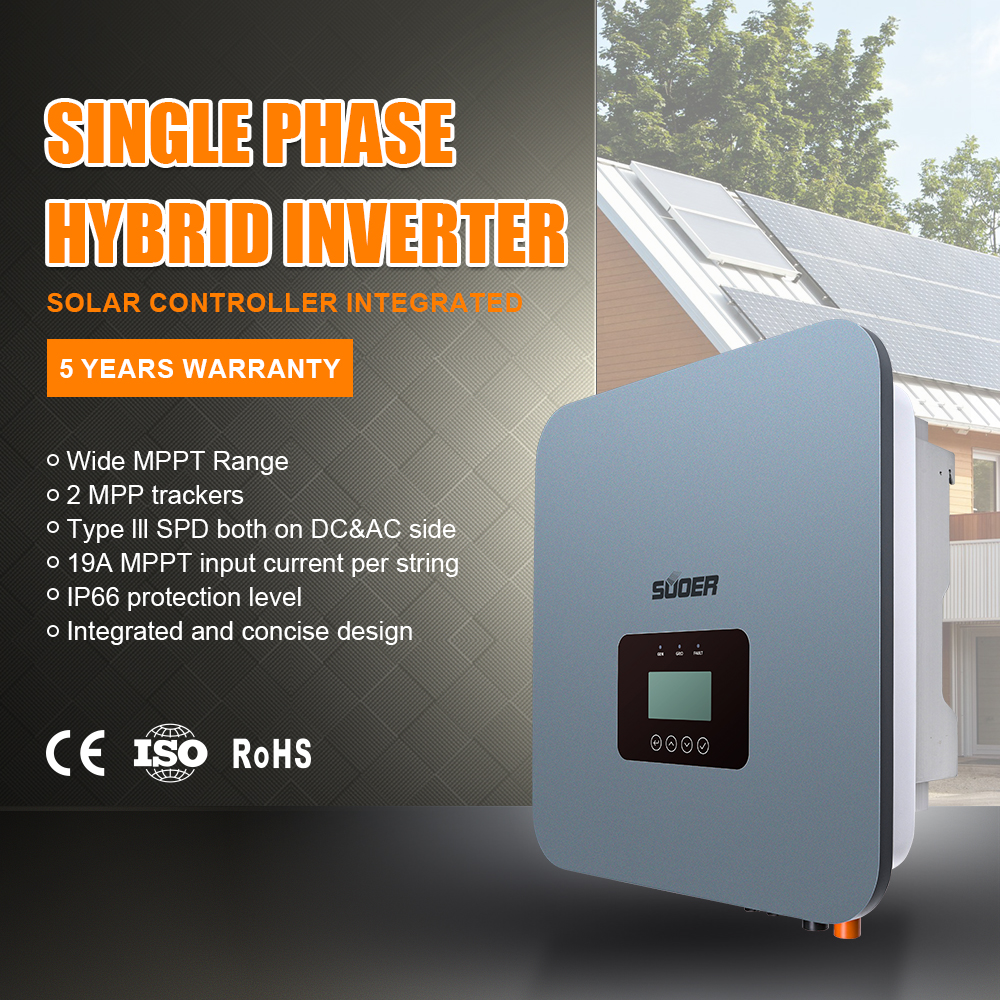
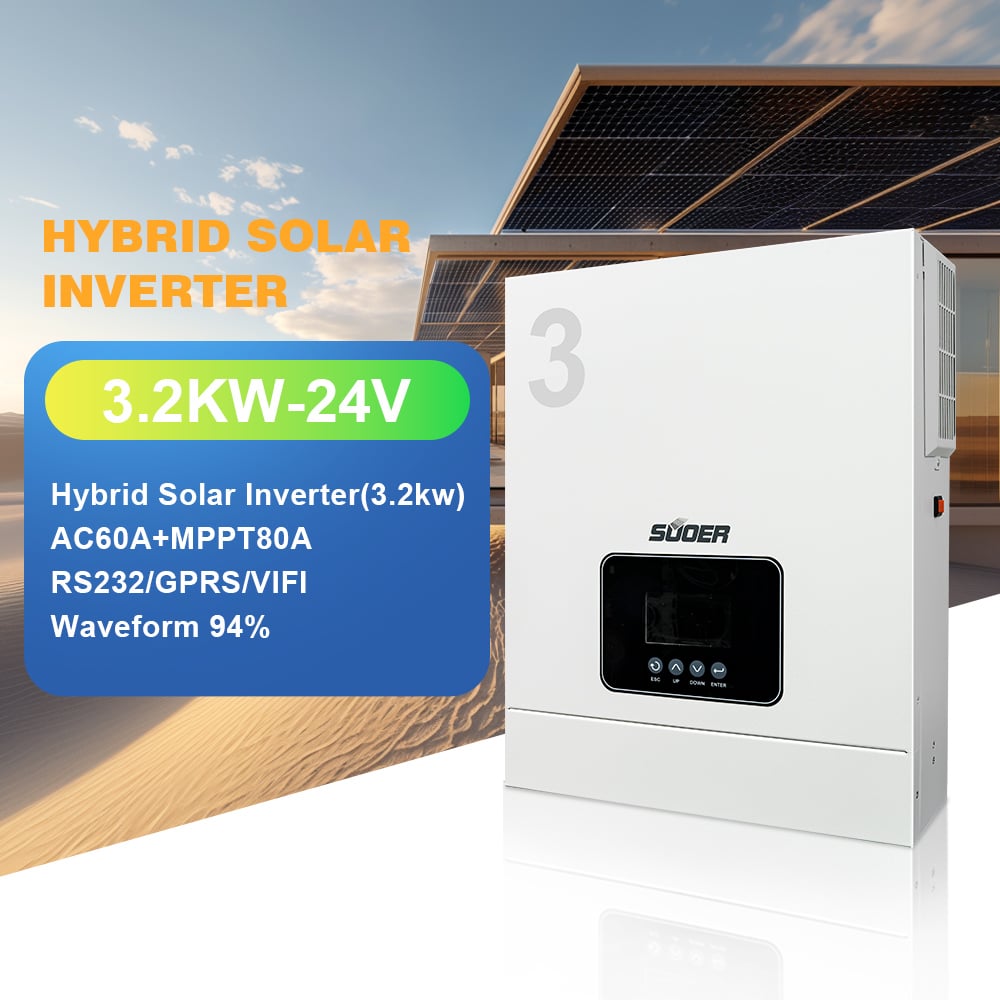
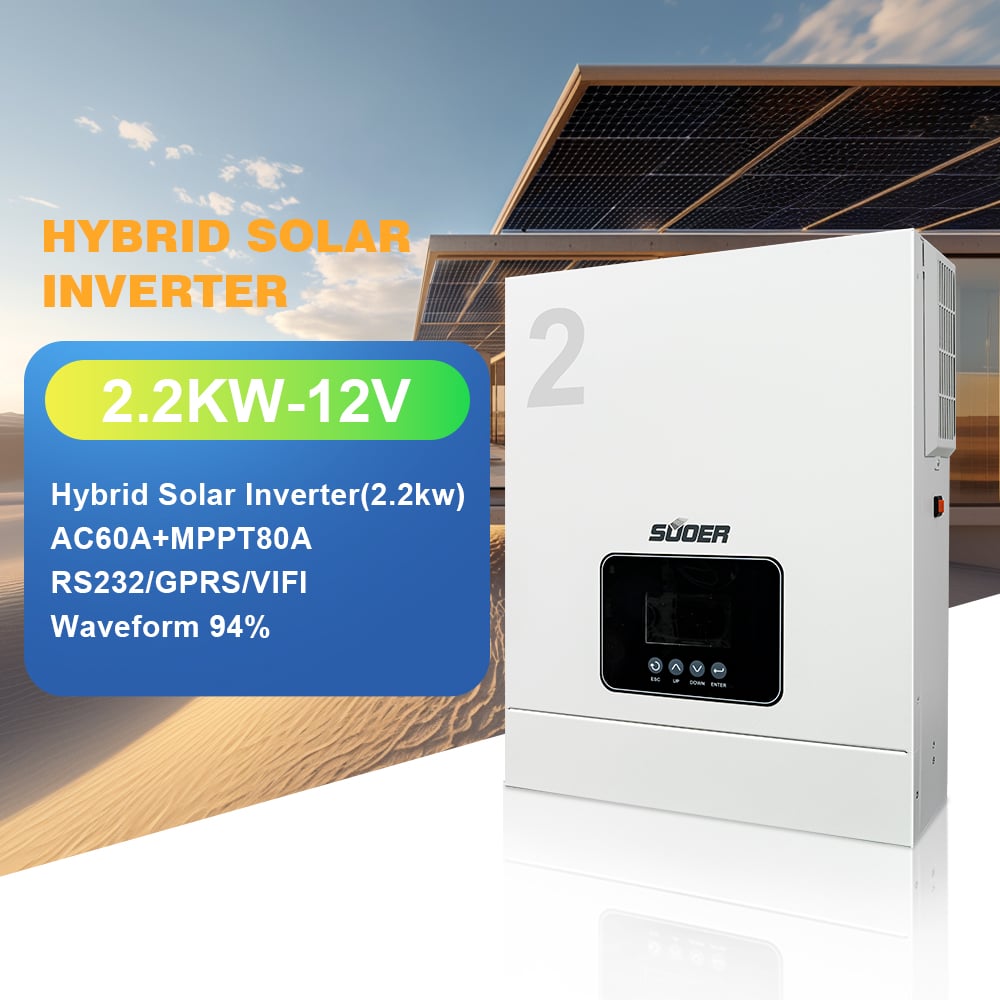
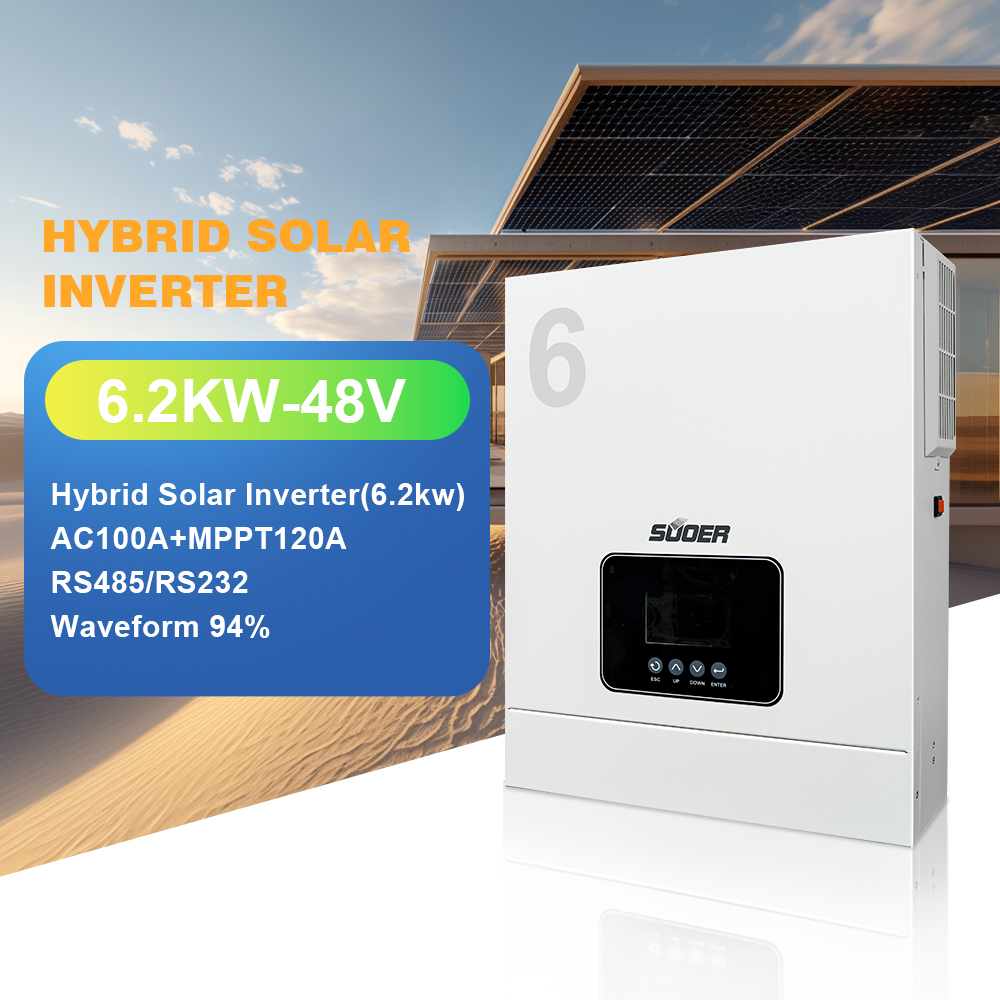
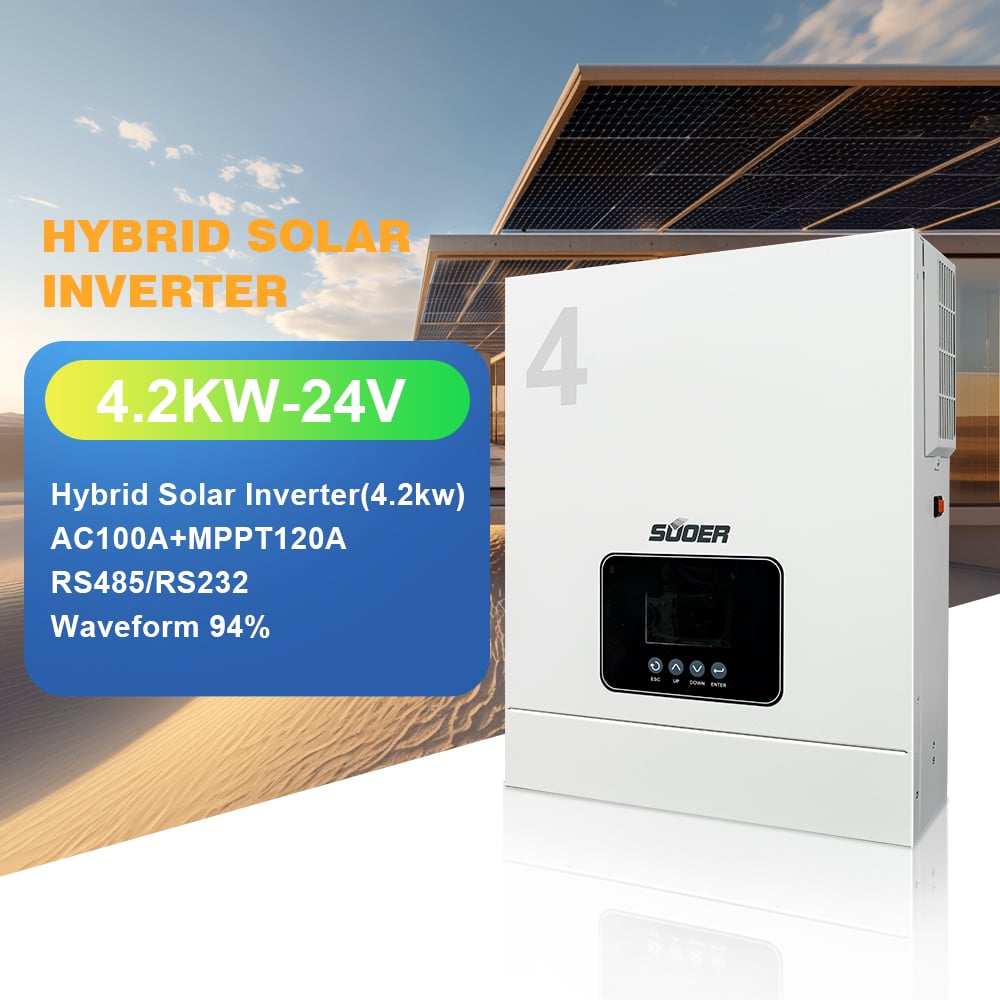
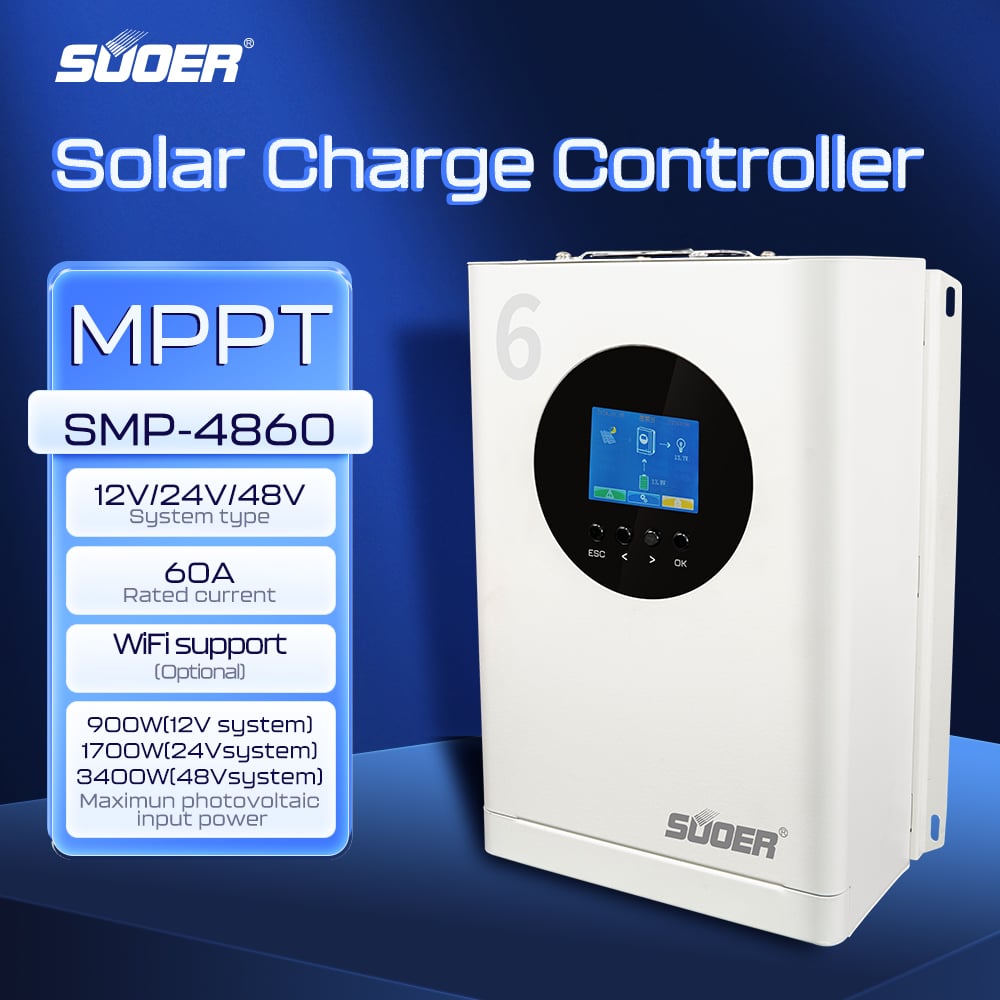
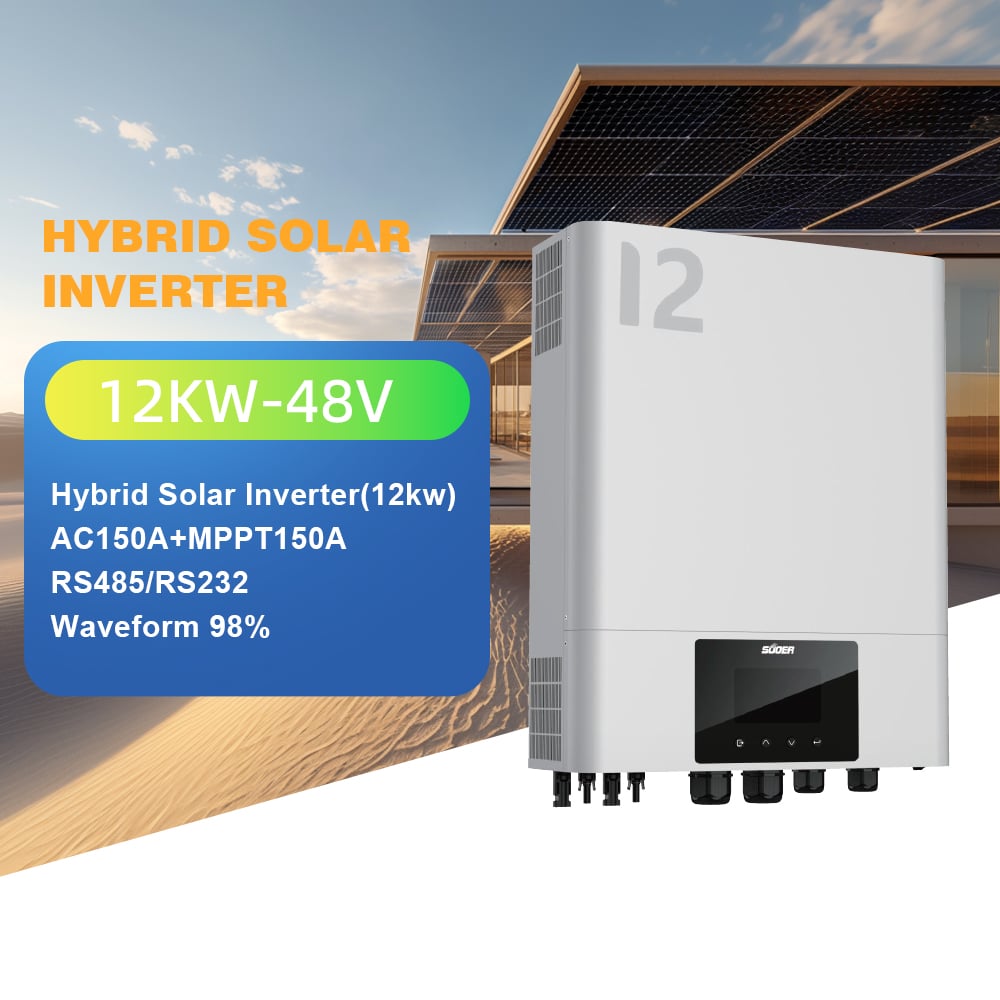
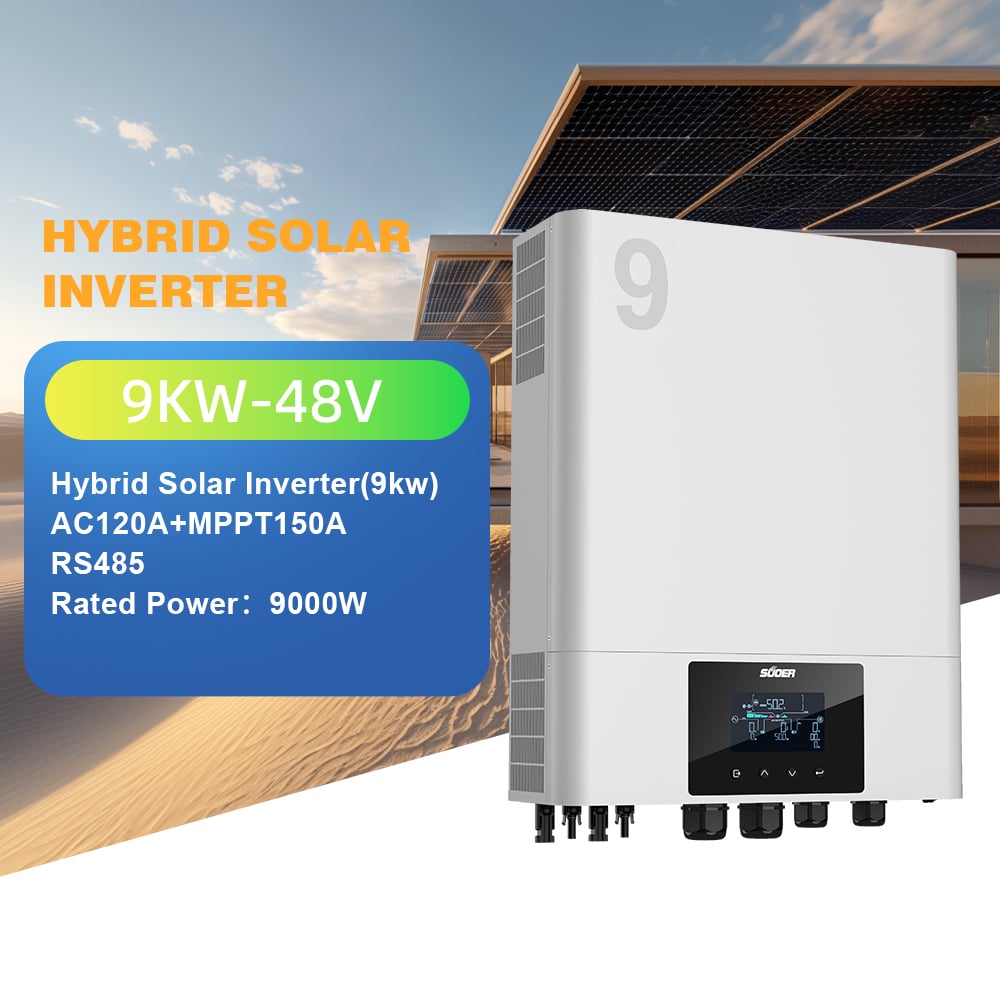
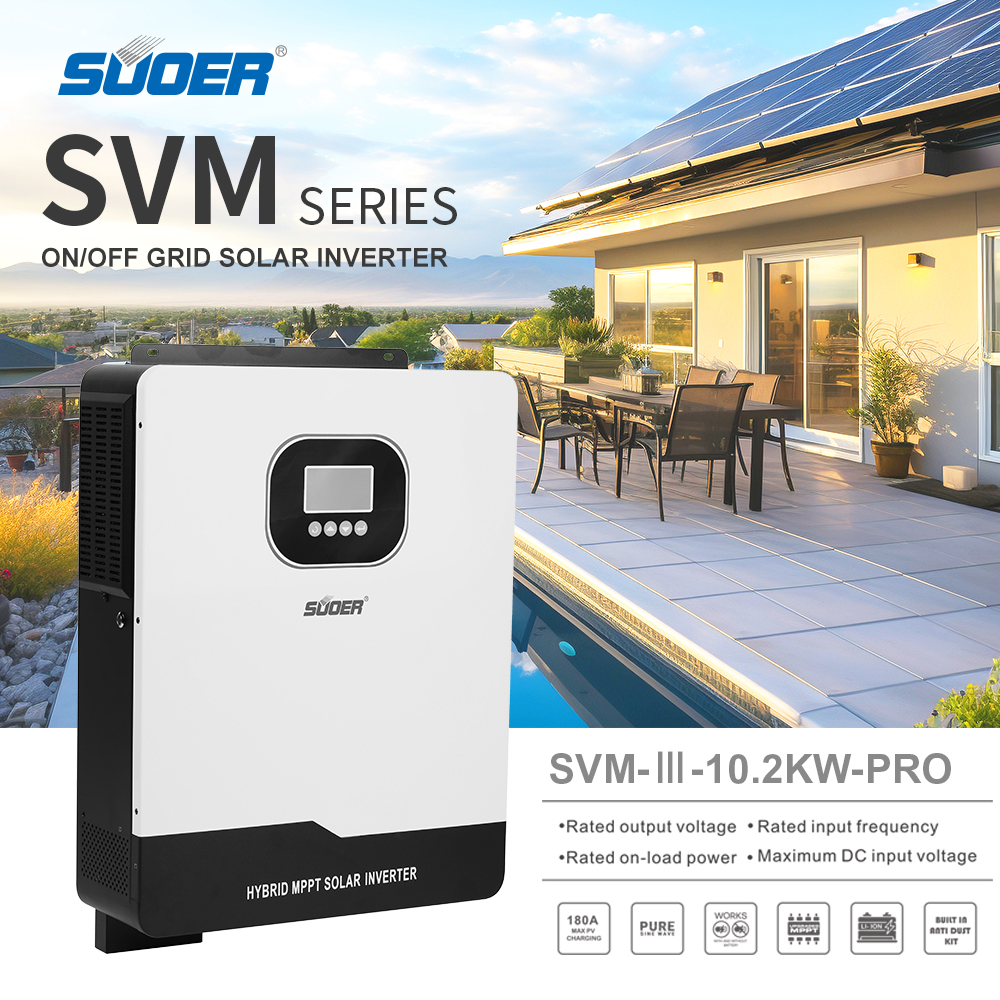
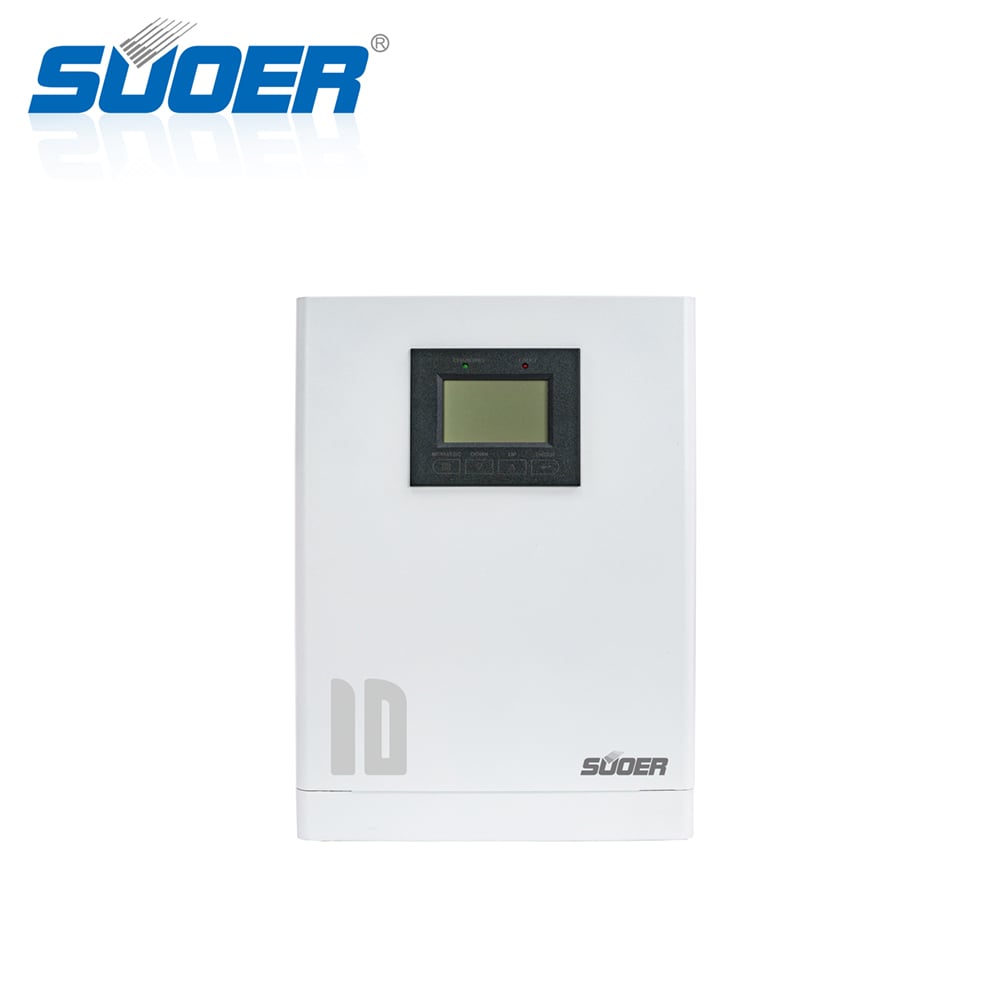
MPPT charge controllers are essential devices in optimizing the energy harvested from photovoltaic systems, particularly for applications in electric vehicles, industrial power supplies, and charging infrastructures. B2B buyers, including purchasing managers and engineers, often seek reliable suppliers that can provide high-quality, efficient, and durable charge controller solar mppt. This article will address key considerations for selecting a supplier, common installation challenges, sourcing strategies, the applications of MPPT charge controllers in various industries, and best practices for ensuring optimal performance.
When selecting a supplier for MPPT charge controllers, several factors should be prioritized. First, consider the supplier's manufacturing capabilities and the technology they use. Look for suppliers that utilize automated production processes, as these often lead to higher consistency and quality in the final product. Additionally, inquire about certifications such as ROHS, CE, and ISO9001, which indicate adherence to international quality standards.
Next, evaluate the supplier's research and development (R&D) capabilities. A strong R&D team can offer innovative solutions tailored to specific applications, enhancing the performance of the invert solar mppt It’s also worth discussing customization options, as different projects may require unique specifications regarding size, voltage, or materials.
Lastly, consider the supplier’s experience in your specific industry. Companies that have provided solutions to major vehicle OEMs or have worked within the power and telecommunications sectors may better understand the rigorous demands and standards you need to meet.
Installation of MPPT charge controllers can present several challenges that may impact performance and reliability. One common issue is incorrect wiring, which can lead to system malfunctions or damage. It’s crucial to follow the manufacturer’s wiring diagrams and guidelines closely. To mitigate this risk, ensure that your installation team is well-trained and understands the specific requirements of the mppt solar charge controller being used.
Another frequent problem is environmental factors affecting the installation site. For instance, extreme temperatures can influence the performance of the charge controller. When selecting a location for installation, consider proximity to heat sources, moisture levels, and potential exposure to dust or debris. If the installation site poses challenges, protective enclosures or additional cooling solutions may be necessary.
Finally, improper configuration settings can lead to inefficiencies. Ensure that the charge controller is calibrated correctly for the specific solar panel setup and battery system. Regular maintenance checks and software updates can help maintain optimal functionality and prevent long-term issues.
Sourcing reliable MPPT charge controllers begins with identifying reputable manufacturers and suppliers. Trade shows and industry conferences can be excellent opportunities to meet potential suppliers and view their products firsthand. Networking with industry peers can also provide insights into which suppliers have a strong track record.
Online marketplaces and B2B platforms can facilitate comparisons of various suppliers. However, due diligence is essential ensure that you check supplier reviews, product specifications, and certifications. Requesting samples before placing a large order can also help evaluate the quality and performance of the controllers.
Additionally, consider suppliers that offer comprehensive technical support and after-sales service. This support can be crucial in troubleshooting any issues that arise during installation or operation, ensuring that your investment remains sound over time.
MPPT charge controllers are utilized across various sectors, each with unique requirements. In the electric vehicle market, these controllers optimize the energy extracted from solar panels to recharge batteries efficiently, thereby extending the vehicle's range and reducing charging times.
In industrial applications, MPPT charge controllers can be integrated into renewable energy systems, providing enhanced energy management and efficiency. They play a critical role in ensuring that solar energy is effectively captured and utilized, reducing reliance on traditional grid power and lowering energy costs.
Telecommunications infrastructure also benefits from MPPT technology, especially in remote locations where reliable power sources are crucial. By harnessing solar energy, these systems can maintain operational continuity without incurring high fuel costs for generators.
Furthermore, in the rail transit sector, MPPT controllers contribute significantly to power management, optimizing energy use for signaling and communication systems, which are vital for operational safety and efficiency.
To maximize the performance and lifespan of MPPT charge controllers, adhere to the following best practices:
Regular Maintenance: Schedule periodic inspections to ensure that the charge controllers are functioning optimally. Check wiring connections, clean any dust or debris, and verify that settings remain appropriate for your specific system.
Environmental Considerations: Ensure that charge controllers are installed in suitable environments that protect against extreme temperatures, humidity, and dust. Using enclosures or protective casings can extend their operational life.
Use Quality Components: When integrating MPPT charge controllers into larger systems, utilize high-quality components to minimize compatibility issues and enhance performance.
Training and Support: Invest in training for installation and maintenance teams to ensure they are knowledgeable about the specific requirements and nuances of the MPPT charge controllers being used.
Documentation and Compliance: Keep thorough records of installation procedures, maintenance schedules, and any modifications made to the systems. Ensuring compliance with local regulations and industry standards is essential for operational credibility.
By following these guidelines and understanding the intricacies of MPPT charge controllers, B2B buyers can make informed decisions that lead to effective energy management solutions tailored to their specific needs.

Discover Suoer’s premium range of solar inverters and power inverters designed for reliable renewable energy solutions.Trusted by customers worldwide for exceptional performance and durability.
Suoer Industrial Zone, Ercun Road Section, Yanfeng Avenue, Shishan Town,Foshan city,Guangdong Province,China
Copyright © 2024 Foshan Suoer Electronic Industry Co., Ltd. Privacy Policy - Blog

 EN
 AR
 NL
 FR
 DE
 EL
 IT
 JA
 KO
 PT
 RU
 ES
 VI
 TH
 TR
 BG
 HR
 CS
 NO
 PL
 TL
 ID
 SR
 UK
 SQ
 HU
 MT
 AF
 MS
 IS
 HY
 AZ
 BN
 BS
 GU
 LO
 LA
 MN
 NE
 TA