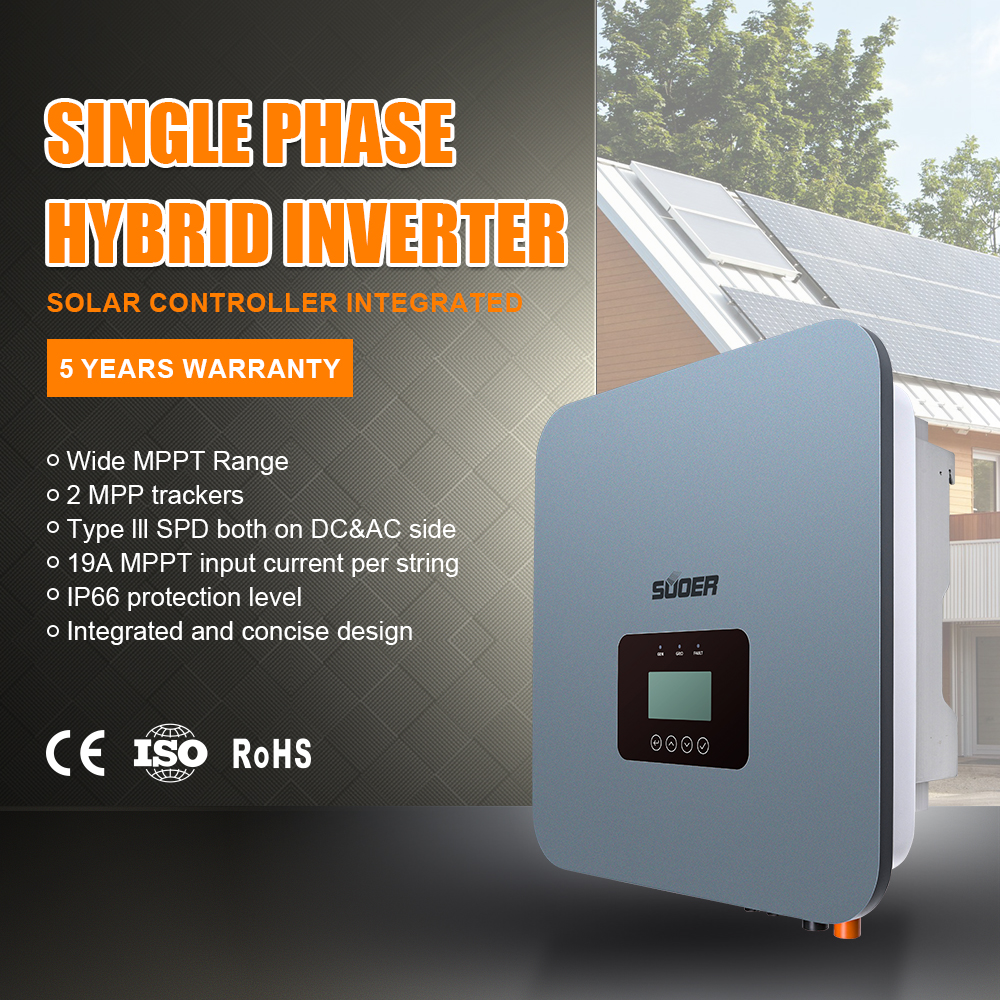
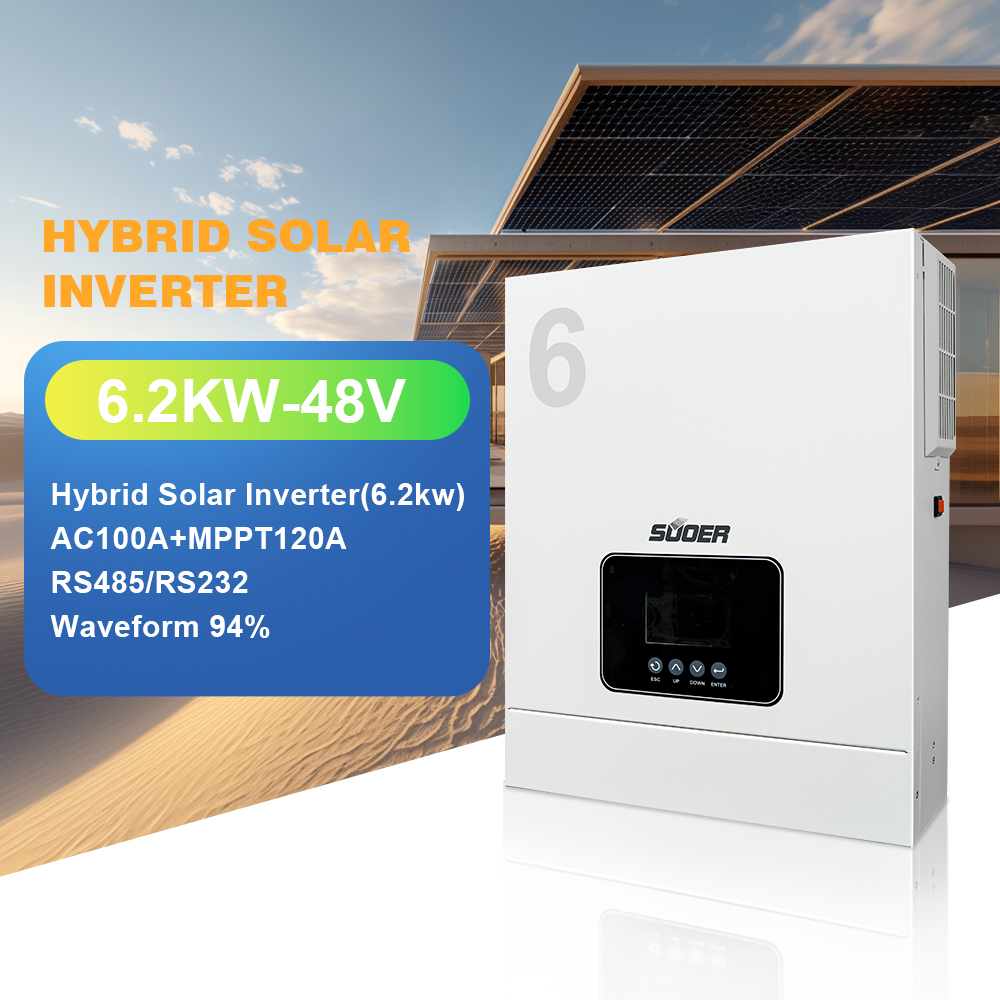
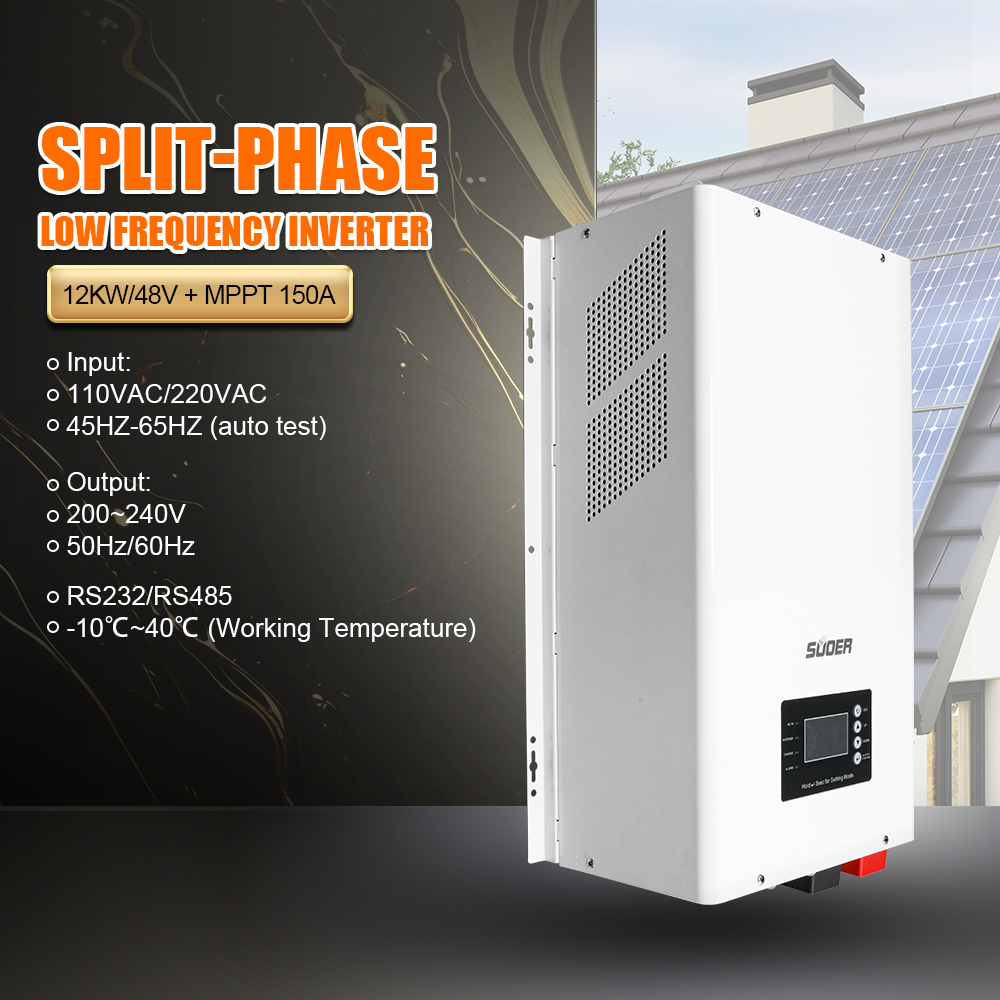
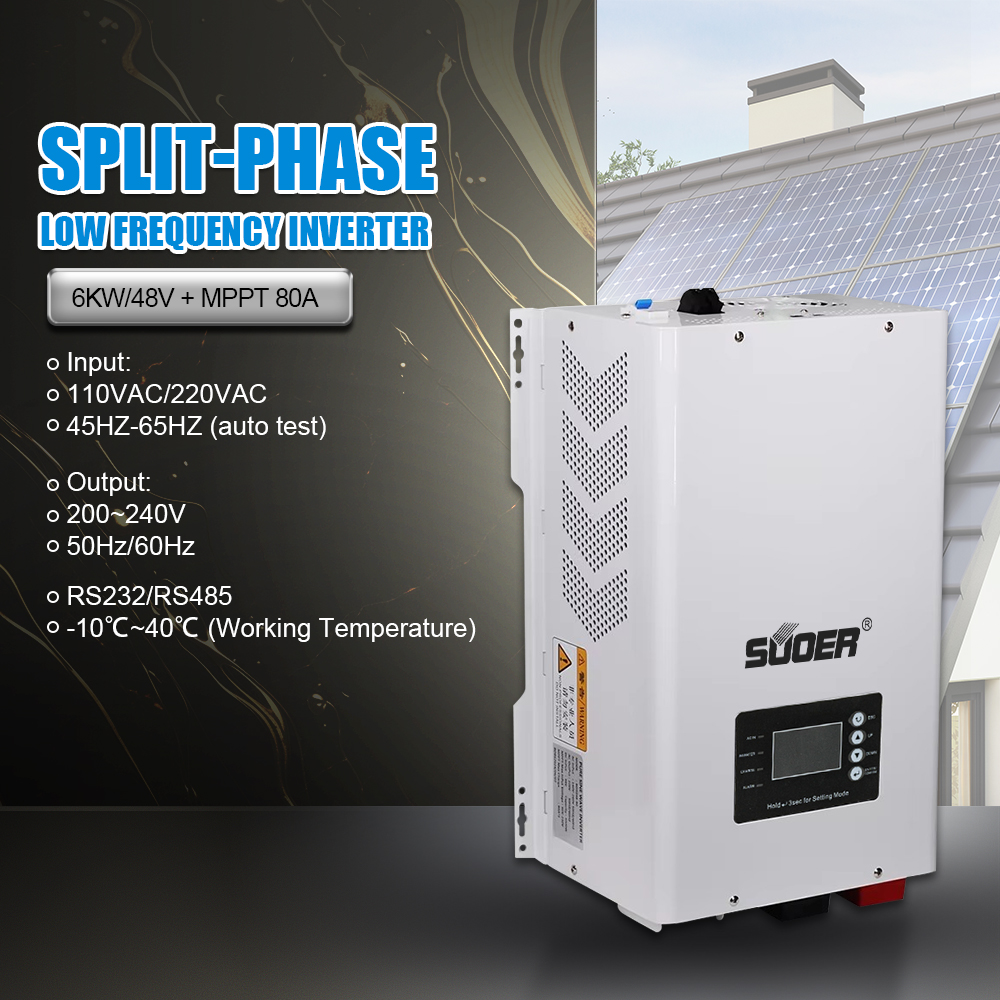
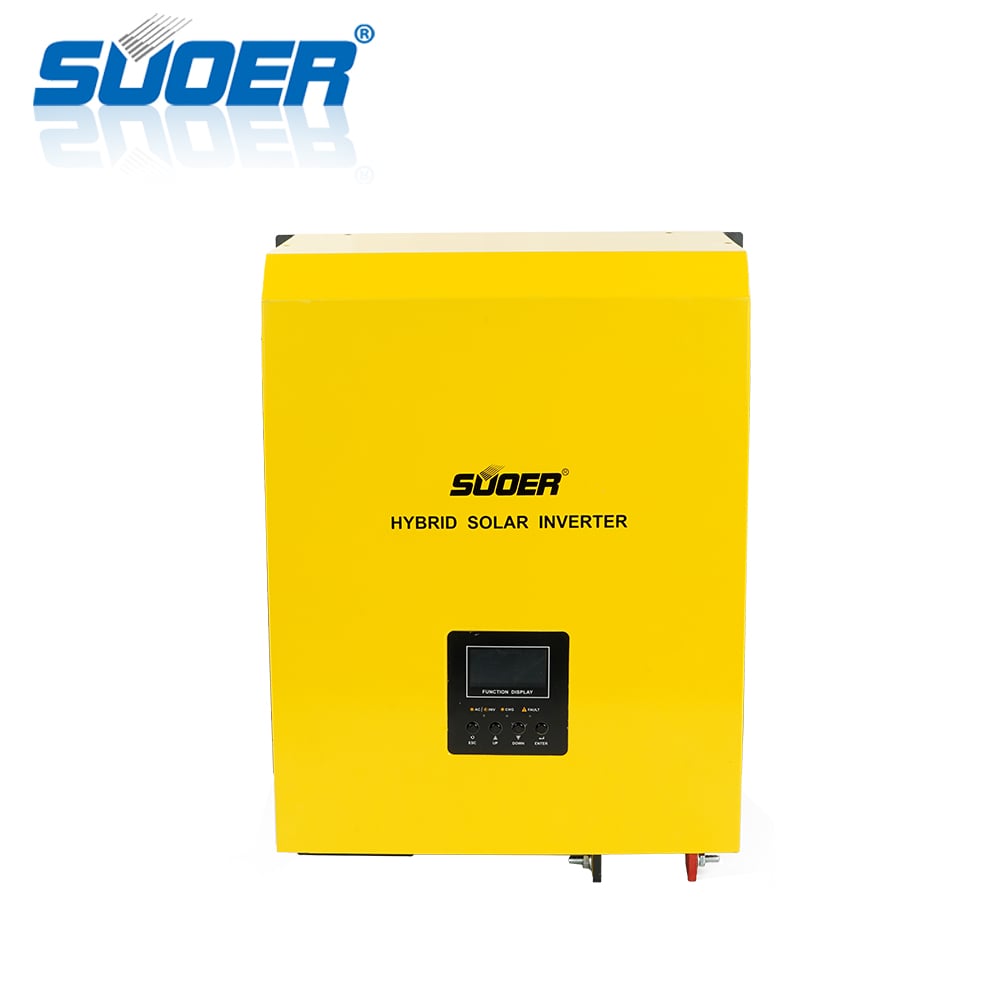
The 48V MPPT charge controller is a critical component in photovoltaic systems, optimizing the power output from solar panels by adjusting the voltage and current to achieve maximum efficiency. For B2B buyers, particularly purchasing managers and engineers in sectors like telecommunications, electric vehicles, and industrial applications, understanding the right specifications, installation requirements, and potential issues of these controllers is essential. This article aims to provide a comprehensive overview of the factors to consider when selecting and implementing a 48V MPPT charge controller, ensuring that your projects are successful and efficient.
Selecting the right 48V MPPT charge controller involves considering several factors tailored to your project's specific requirements. One of the primary concerns is the controller's compatibility with the solar panel array and battery system. The voltage and current ratings must align with the specifications of your solar panels and energy storage solutions. Additionally, assess the controller's maximum power point tracking (MPPT) efficiency, as higher efficiency translates to better energy conversion and reduced energy loss.
Another critical aspect is the environmental conditions in which the controller will operate. If the controller is to be used in extreme temperatures or harsh weather conditions, look for models with enhanced durability and temperature tolerance. Furthermore, consider the communication protocols available for integration with monitoring systems, which can provide real-time data on performance and system health. Evaluating these factors will help ensure that your selected 48V MPPT charge controller meets the demands of your application.
When comparing 48V MPPT charge controllers, focus on several key technical specifications that directly impact performance:
Input Voltage Range: Ensure the controller can handle the voltage output from your solar panels. A wider input range provides flexibility for different system configurations.
Maximum Output Current: This rating should match or exceed the current requirements of your battery system to ensure efficient charging.
MPPT Efficiency: Look for controllers with an MPPT efficiency rating above 95%. Higher efficiency means more solar energy is converted into usable power.
Operating Temperature Range: Consider the temperature specifications, particularly if the controller will be installed in a location subject to extreme temperatures. Controllers designed for broader ranges will perform better over time.
Protection Features: Features such as over-voltage, over-current, and short-circuit protection are essential to safeguard the system and prolong the lifespan of both the controller and the connected components.
Communication Interfaces: Check for available interfaces like RS485 or CAN bus, which can facilitate integration with monitoring systems for performance tracking.
By comparing these specifications, you can select a 48V MPPT charge controller that aligns with your operational needs and maximizes system efficiency.
Proper installation of a 48V MPPT charge controller is crucial for its performance and longevity. Begin by reading the manufacturer's installation manual thoroughly, as it contains important guidelines specific to the model you are using. Here are some essential steps to consider:
Location: Choose a well-ventilated area for installation, away from direct sunlight and moisture. This helps prevent overheating and damage.
Wiring: Use appropriately rated wires for both input and output connections. Ensure that connections are secure to minimize resistance, which can lead to energy loss and overheating.
Battery Connection: Connect the controller to the battery bank first before connecting the solar panels. This sequence prevents potential damage to the controller during installation.
Grounding: Ensure proper grounding of the system to prevent electrical faults. This is particularly important in areas prone to lightning strikes.
Testing: After installation, conduct a functionality test to ensure everything operates correctly. Monitor the system for a few days to confirm that it is charging efficiently. To enhance your system's performance, consider integrating a high-quality inverter suitable for your application.
By following these guidelines, you can ensure a reliable installation that maximizes the performance of your 48V MPPT charge controller.
Despite their efficiency, users may encounter issues with 48V MPPT charge controllers. Here are some common problems and practical solutions:
Overheating: If the controller frequently overheats, check for proper ventilation and ensure it is not placed in direct sunlight. Additionally, verify that the input voltage does not exceed the specified range, which can also cause overheating.
Poor Charging Performance: This may occur due to incorrect wiring, a mismatch in voltage ratings, or a faulty solar panel. Double-check all connections and ensure that the solar panels are functioning correctly.
Communication Failures: If the controller has communication interfaces but fails to transmit data, check the connections and compatibility with monitoring systems. Ensure that the settings align with the communication protocol being used.
Battery Overcharging: If batteries are consistently overcharged, revisit the voltage settings on the controller. Adjusting the charge parameters according to the battery manufacturer's recommendations can prevent damage.
By understanding these common issues and their resolutions, you can proactively maintain the performance of your 48V MPPT charge controller.
When budgeting for a 48V MPPT charge controller, several cost factors should be taken into account:
Initial Purchase Price: This is typically the most visible cost, but be wary of low-cost controllers that might compromise on quality or efficiency. Higher initial costs can often lead to lower operational costs in the long run.
Installation Costs: Include the costs associated with professional installation if you opt not to do it yourself. Complex systems may require specialized knowledge to install correctly.
Maintenance and Repairs: Consider the warranty and support offered by the manufacturer. A robust warranty can save costs on future repairs or replacements.
Operational Efficiency: Evaluate the expected energy savings based on the controller's efficiency. Higher-efficiency models may have a higher upfront cost but can result in lower energy bills over time, particularly if you are also using systems like the New 12kw Hybrid Solar Off-Grid Inverter System.
Scalability: If future expansion is anticipated, consider controllers that can handle increased capacity without needing a complete replacement.
By carefully analyzing these cost factors, you can make a more informed purchasing decision that aligns with your financial and operational goals.

Discover Suoer’s premium range of solar inverters and power inverters designed for reliable renewable energy solutions.Trusted by customers worldwide for exceptional performance and durability.
Suoer Industrial Zone, Ercun Road Section, Yanfeng Avenue, Shishan Town,Foshan city,Guangdong Province,China
Copyright © 2024 Foshan Suoer Electronic Industry Co., Ltd. Privacy Policy - Blog

 EN
 AR
 NL
 FR
 DE
 EL
 IT
 JA
 KO
 PT
 RU
 ES
 VI
 TH
 TR
 BG
 HR
 CS
 NO
 PL
 TL
 ID
 SR
 UK
 SQ
 HU
 MT
 AF
 MS
 IS
 HY
 AZ
 BN
 BS
 GU
 LO
 LA
 MN
 NE
 TA