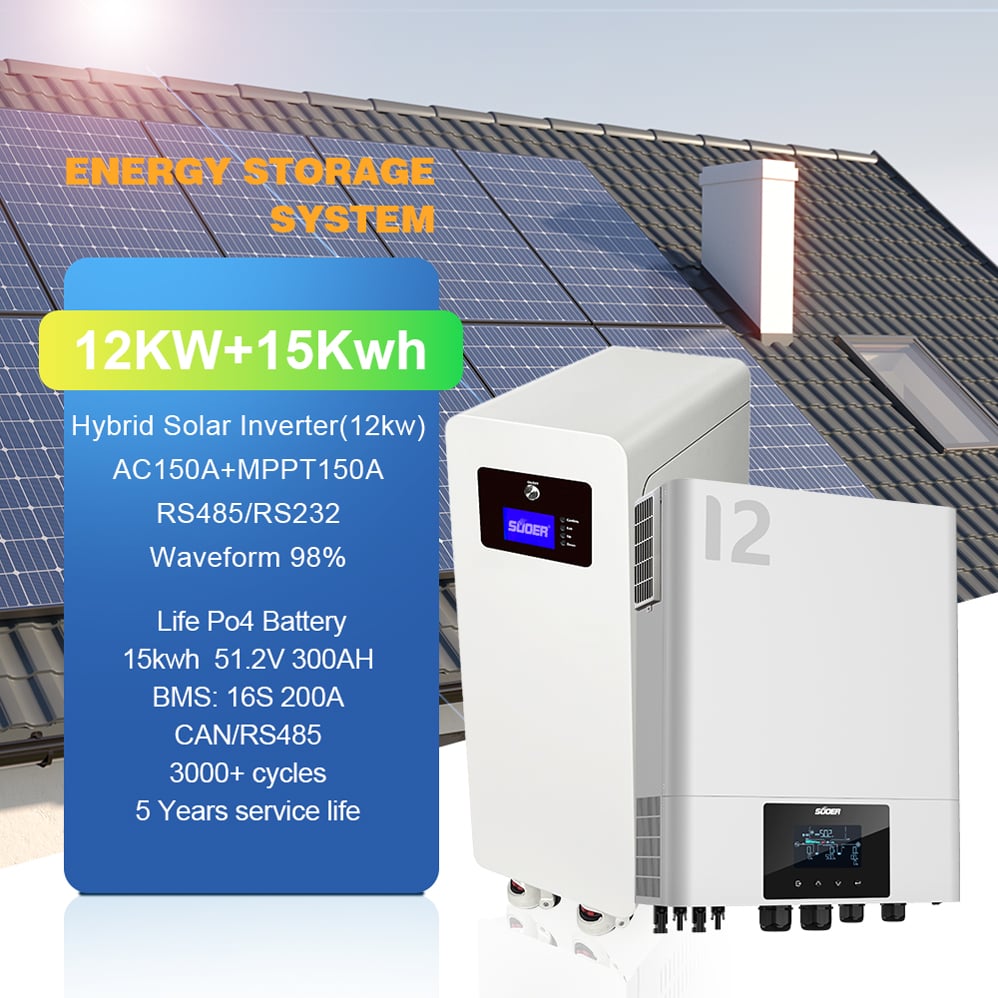
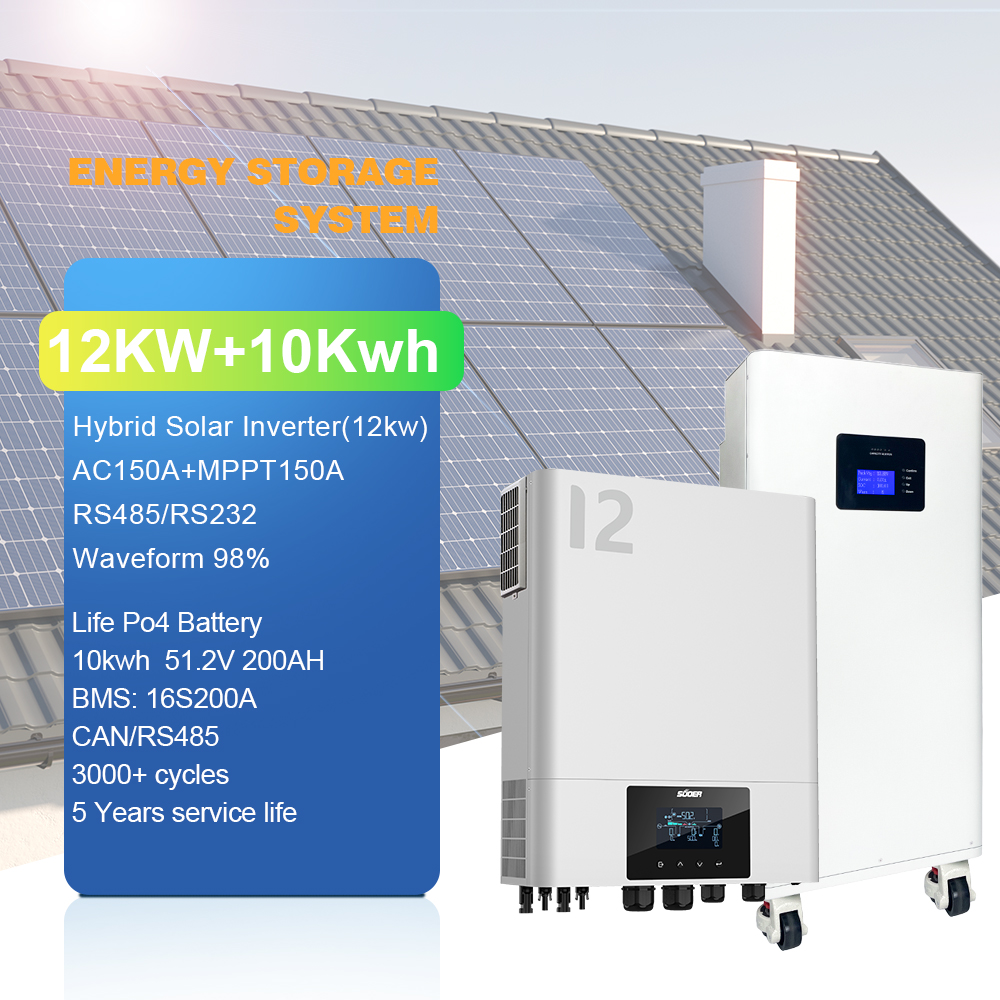
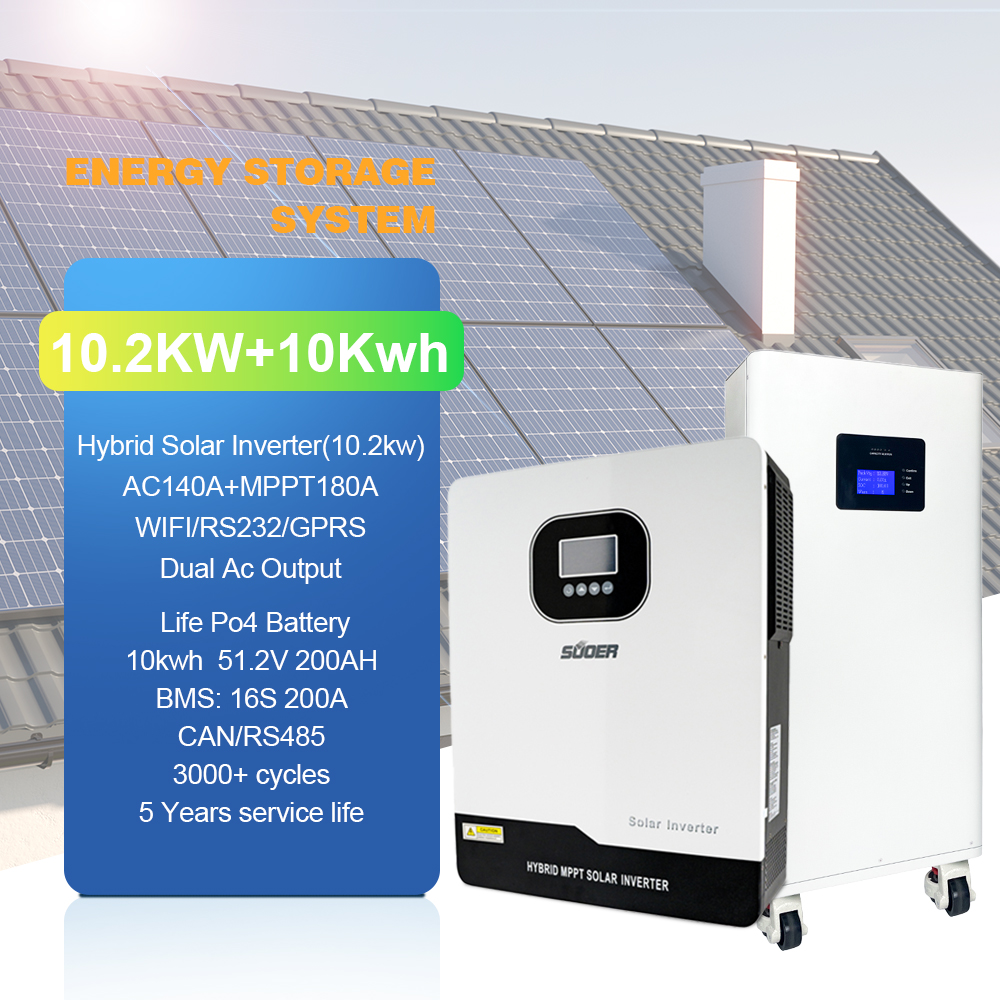
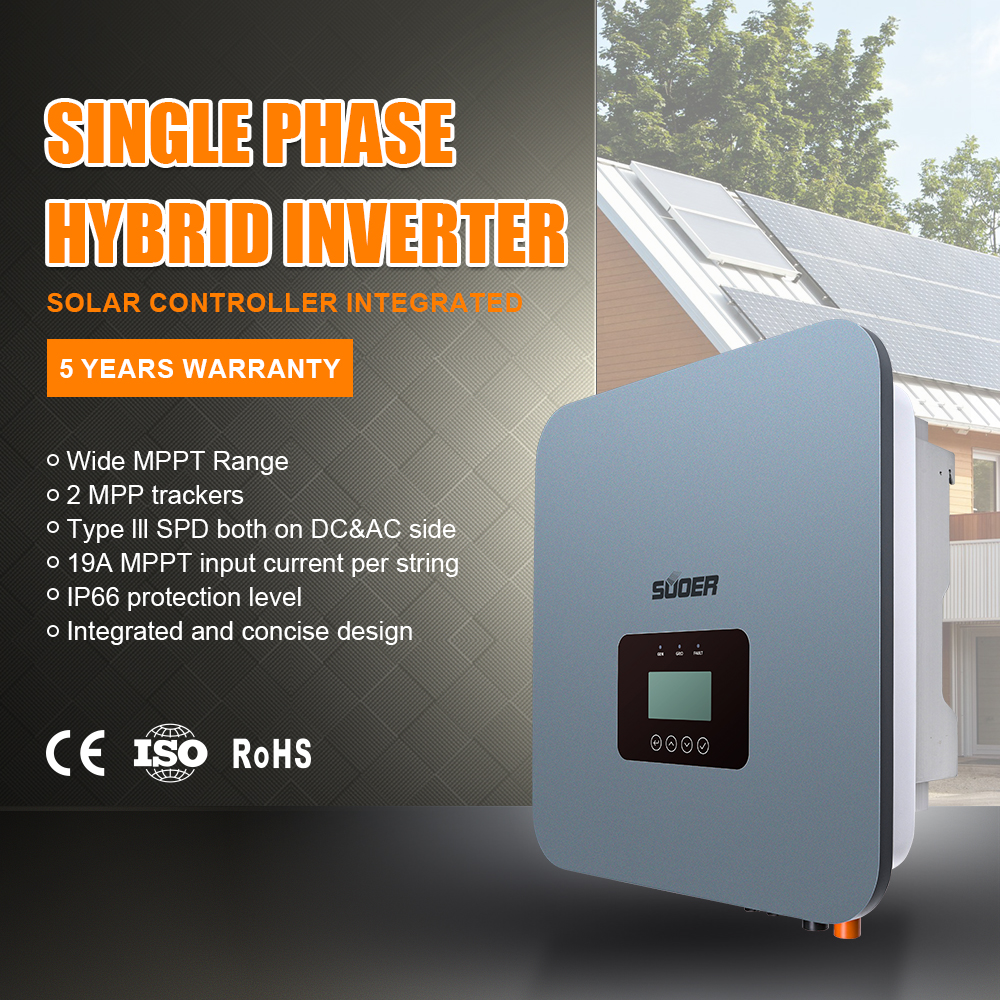
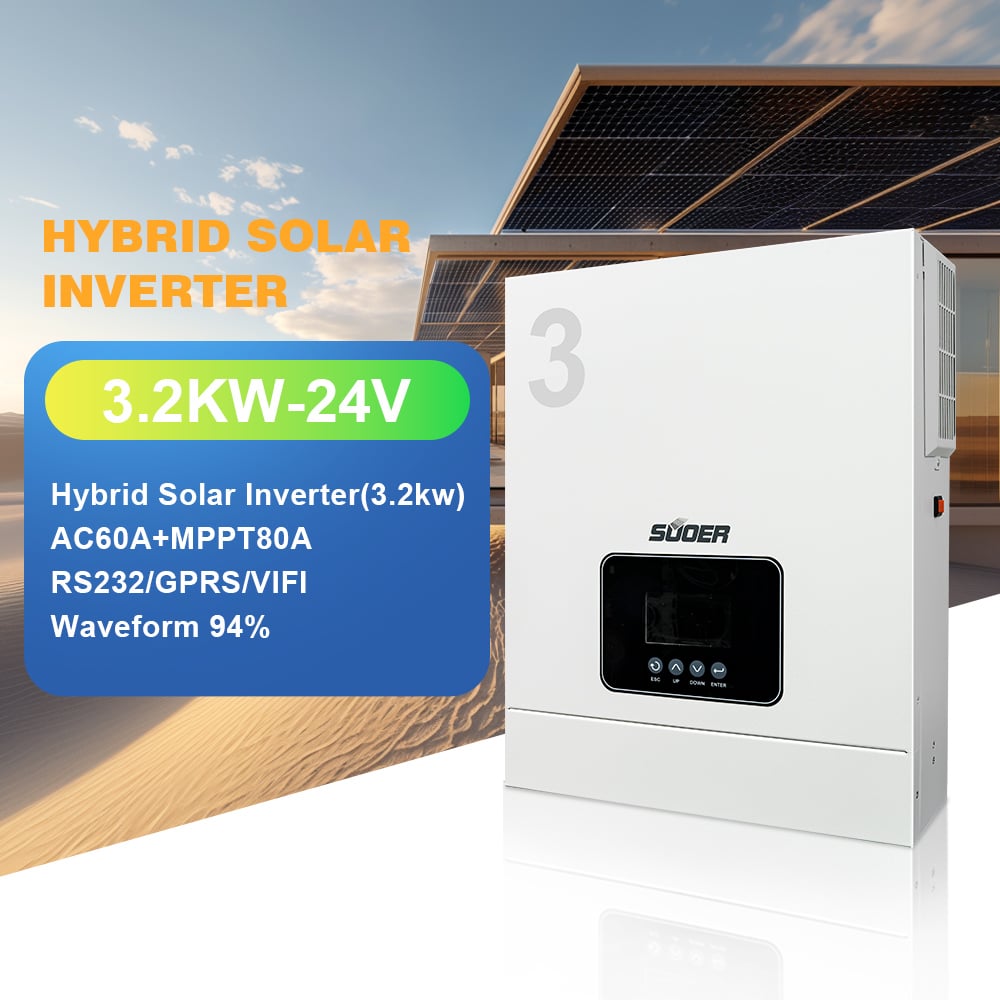
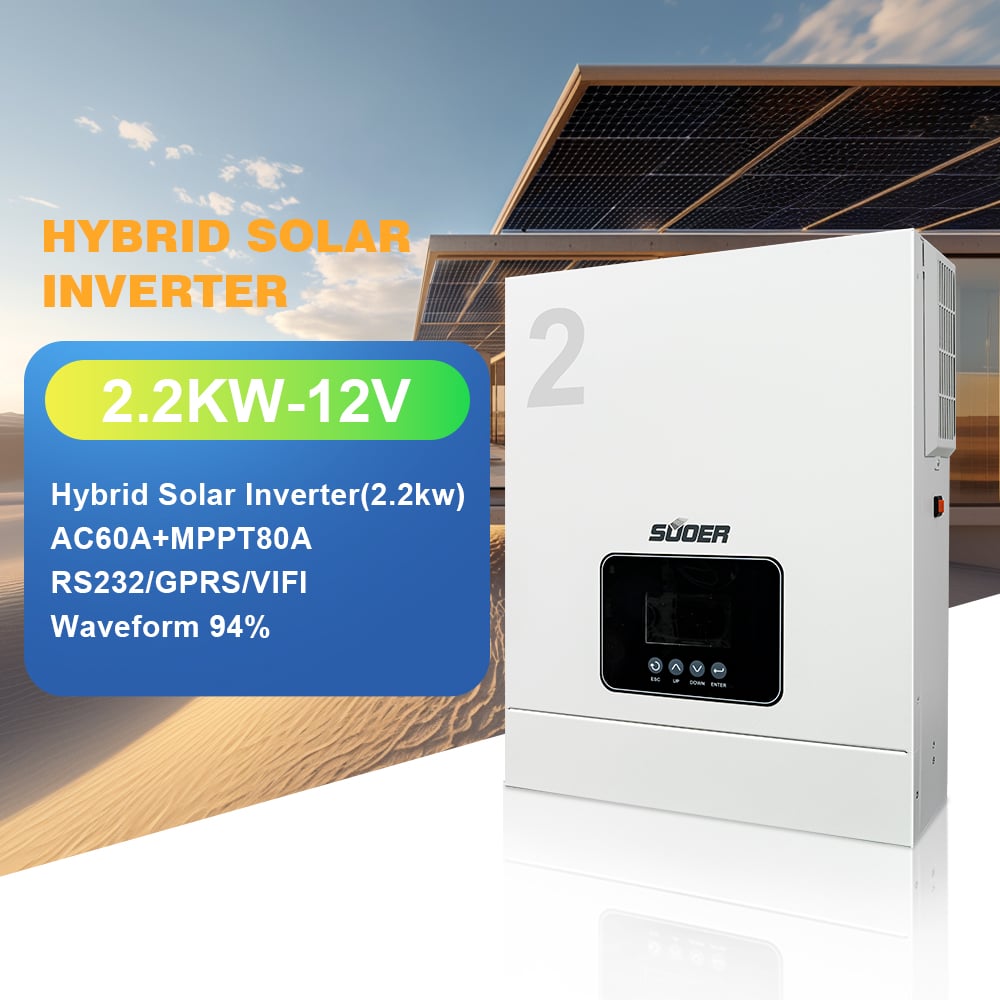
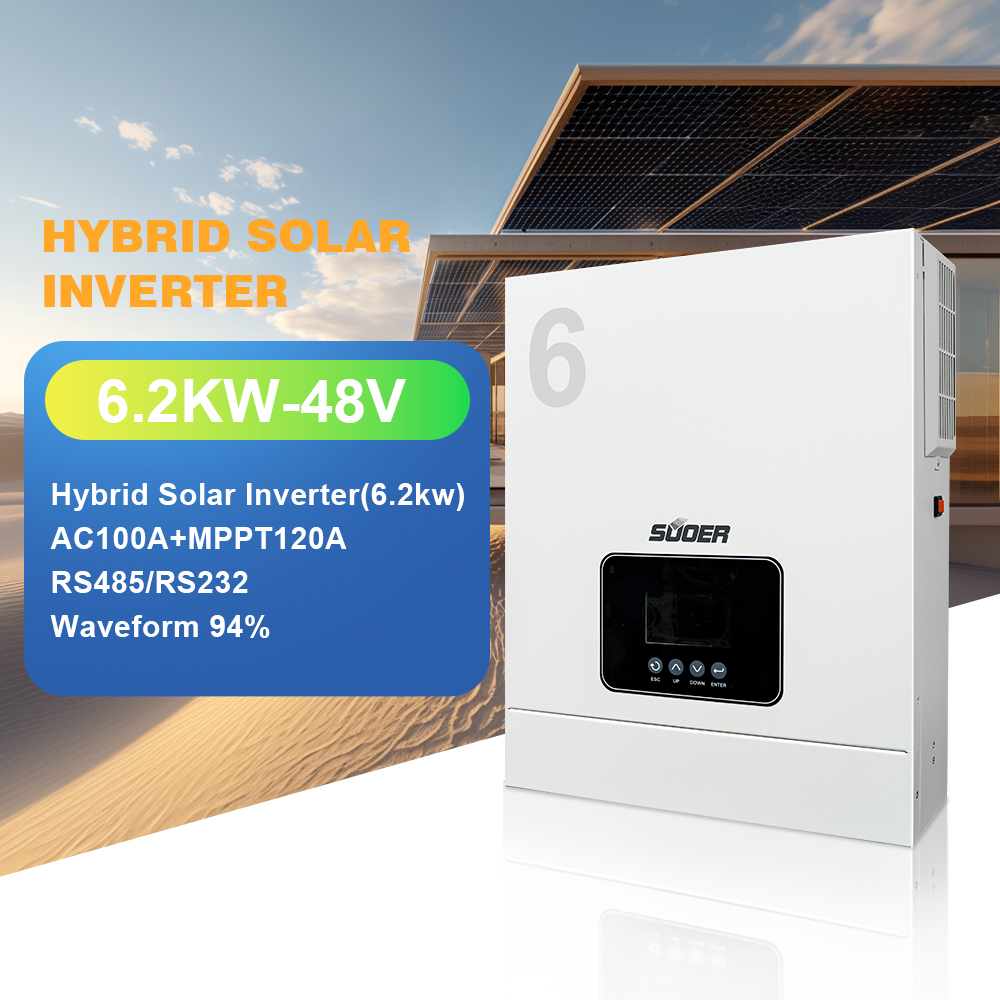
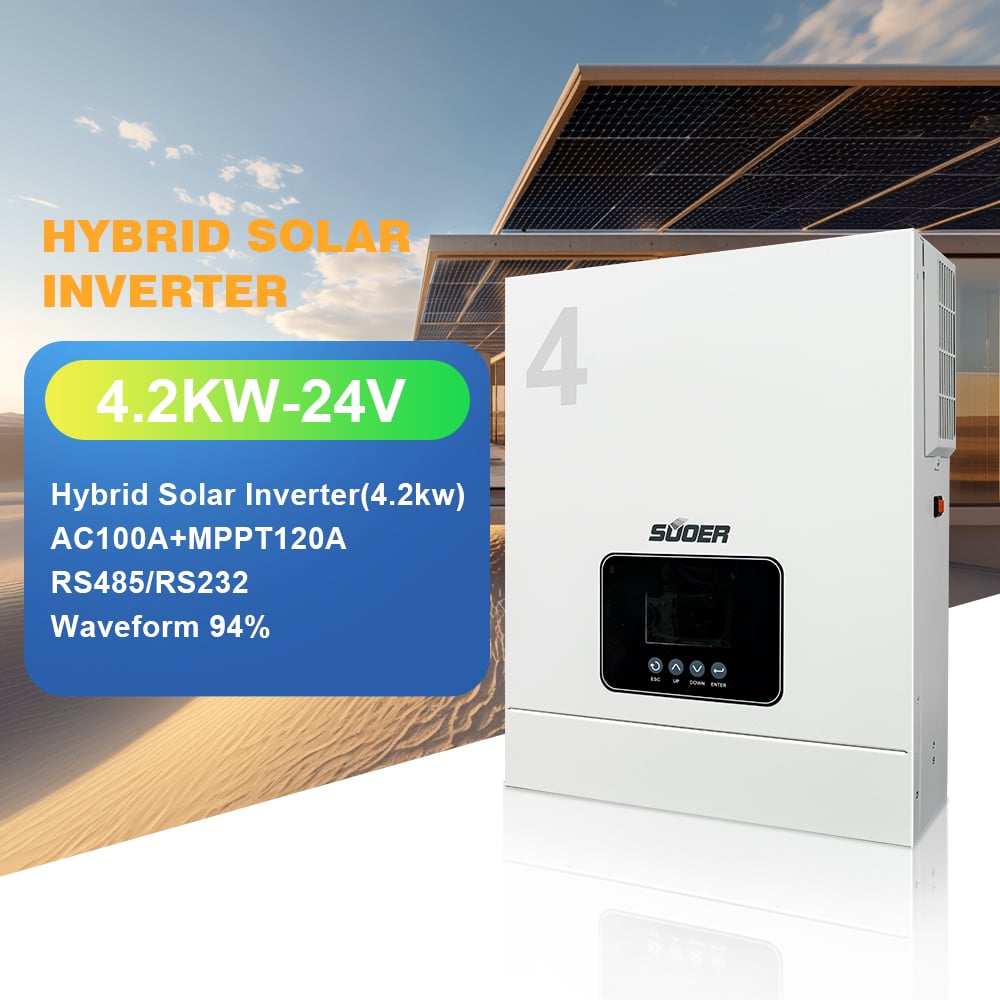
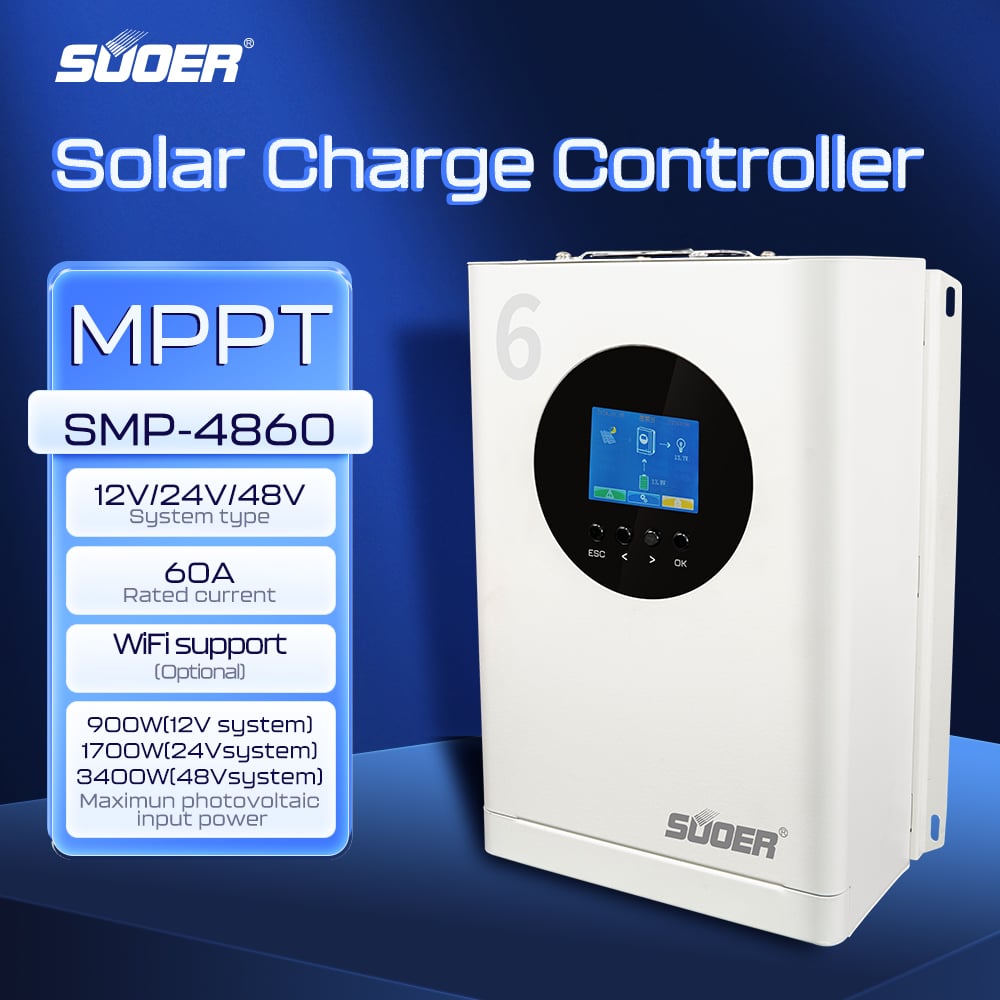
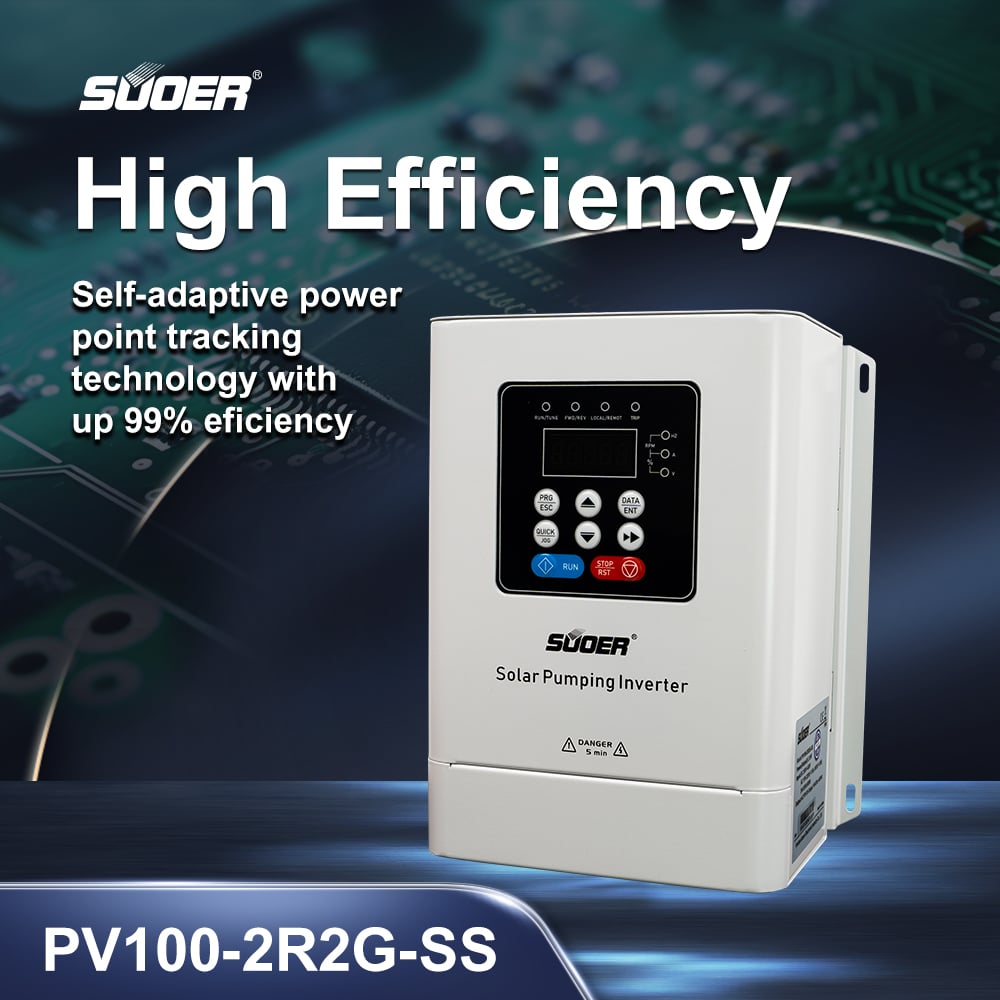
Suoer's grid tie solar 1kw inverter are essential components in photovoltaic systems, enabling the conversion of direct current (DC) electricity generated by solar panels into alternating current (AC) electricity suitable for use in homes and businesses. For B2B buyers, such as purchasing managers and engineers, selecting the right inverter involves navigating various considerations, including specifications, cost factors, and supplier reliability. This article aims to provide a comprehensive understanding of grid tie solar inverters, guiding buyers through key specifications, cost considerations, applications, and how to find trustworthy suppliers
When selecting Suoer's grid tie 24v solar inverter, several key specifications should be evaluated to ensure optimal performance and compatibility with your photovoltaic system.
Power Rating: This is typically measured in kilowatts (kW) and indicates the maximum output the inverter can provide. Ensure that the inverter's power rating aligns with the total output of your solar array to avoid underperformance or overloading
Efficiency: Look for inverters with high efficiency ratings—typically above 95%. Efficiency affects how much of the generated power is converted for use, impacting overall energy savings
Input Voltage Range: This specification determines the range of DC voltage the inverter can accept from the solar panels. A broader input voltage range can enhance compatibility with various solar setups and optimize performance under different conditions
Grid Compatibility: Ensure that the inverter meets local grid requirements and regulations. This includes certifications such as ROHS, CE, and ISO9001, which ensure compliance with safety and performance standards
Monitoring Capabilities: Many modern inverters come equipped with monitoring features that allow users to track energy production and system performance in real-time. This can be critical for maintenance and optimization
Cooling and Protection Features: Inverters should have built-in cooling systems and protection against overvoltage and overheating to ensure longevity and reliability
Understanding these specifications can help you evaluate potential options and make informed decisions that align with your operational needs and system requirements.
When considering bulk orders of Suoer's grid tie solar 3kw inverter 24v, various cost factors come into play that can impact the overall budget.
Unit Price: The base cost per unit often decreases with larger orders due to economies of scale. However, it’s essential to compare this against the quality and specifications to ensure you are not compromising on performance for a lower price
Shipping Costs: Depending on the location of the supplier and your facility, shipping logistics can significantly affect total costs. Bulk orders may qualify for reduced shipping costs, so it’s worth discussing with suppliers
Import Duties and Taxes: If sourcing internationally, consider potential import duties and taxes that could increase costs. Understanding your local regulations can help you budget accurately
Payment Terms: Discussing payment terms is crucial. Some manufacturers may offer discounts for upfront payment, while others might provide financing options for large orders
Customization Costs: If specific modifications or customizations are needed for your application, these can add to the overall price. Always request detailed quotes that outline these potential additional costs
Warranty and Maintenance Packages: Consider the long-term costs associated with warranties and maintenance services. A higher upfront cost might be justified by better support and reliability over time
By carefully evaluating these factors, buyers can optimize their purchasing strategy and ensure they are making financially sound decisions.
Grid tie solar inverters are versatile components used across various industries, providing sustainable energy solutions that align with modern operational demands.
Commercial Real Estate: Businesses are increasingly adopting solar energy to reduce utility costs and achieve sustainability goals. Inverters play a crucial role in integrating solar systems into existing electrical grids, allowing commercial properties to leverage renewable energy effectively.
Manufacturing: Many manufacturing facilities utilize grid tie solar inverters to power operations. By harnessing solar energy, companies can reduce reliance on fossil fuels, lower operational costs, and enhance their corporate social responsibility profiles.
Telecommunications: In the telecommunications sector, solar energy is used to power remote base stations and communication nodes. Grid tie solar inverters ensure a steady and reliable power supply, which is critical for maintaining network uptime.
Rail Transit: The rail industry is also exploring solar solutions to power systems and infrastructure. Grid tie inverters help integrate solar power into the rail network, reducing operational costs and environmental impact.
Residential Installations: Homeowners increasingly install solar panels to offset energy costs. Grid tie inverters allow seamless integration with the local grid, providing an efficient way to manage energy consumption while contributing to renewable energy production.
Understanding these applications can help buyers identify potential use cases and align their purchasing decisions with industry needs.
Finding trustworthy suppliers for grid tie solar inverters is vital to ensure quality and reliability. Here are some strategies to locate reputable manufacturers:
Industry Trade Shows and Conferences: Attending industry-specific events is an excellent way to meet suppliers, view products firsthand, and establish relationships. These gatherings often showcase the latest technology and innovations in solar energy.
Online Marketplaces and Directories: Websites like Alibaba or ThomasNet can provide access to a wide range of suppliers. Look for manufacturers with verified credentials, positive reviews, and a track record of supplying quality products.
Recommendations from Industry Peers: Networking within your industry can yield valuable insights into reliable suppliers. Colleagues may share experiences with specific manufacturers, helping you make informed decisions.
Certifications and Quality Assurance: Ensure potential suppliers have the necessary certifications, such as ROHS, CE, and ISO9001. These certifications indicate adherence to quality and safety standards.
Product Samples and Testing: Before placing bulk orders, request samples for testing. This allows you to evaluate the inverter's performance and compatibility with your system, ensuring it meets your quality standards.
Customer Support and Warranty: Assess the supplier's customer service reputation and warranty offerings. Reliable support can be crucial for troubleshooting and maintenance, particularly during the warranty period.
By exploring these avenues, buyers can secure partnerships with trusted suppliers who meet their quality and operational needs.
For buyers considering grid tie solar inverters, a few essential points should be kept in mind during the purchasing process:
Request Detailed Quotations: When seeking quotes, provide comprehensive information about your requirements, including power ratings, efficiency preferences, and any necessary customizations. This will ensure accurate pricing and avoid misunderstandings.
Evaluate Supplier Capabilities: Assess the supplier's manufacturing capabilities, including production equipment and quality control processes. Understanding their expertise can give confidence in their ability to meet your specifications.
Confirm Technical Specifications: Always verify that the inverter specifications align with your technical requirements. This includes confirming compatibility with existing solar panels and electrical systems.
Inspect Samples: Before committing to a large order, inspect samples under actual operating conditions. This helps identify any potential issues before mass production begins.
Review Maintenance and Support Options: Consider the long-term support you may require. Suppliers offering maintenance packages or robust customer service can provide peace of mind and reduce future operational costs.
Stay Informed on Industry Trends: The solar energy sector is rapidly evolving. Keeping abreast of new technologies, regulations, and market trends can help you make better purchasing decisions.
By understanding these considerations, buyers can make informed choices that align with their operational goals and sustainability initiatives.

Discover Suoer’s premium range of solar inverters and power inverters designed for reliable renewable energy solutions.Trusted by customers worldwide for exceptional performance and durability.
Suoer Industrial Zone, Ercun Road Section, Yanfeng Avenue, Shishan Town,Foshan city,Guangdong Province,China
Copyright © 2024 Foshan Suoer Electronic Industry Co., Ltd. Privacy Policy - Blog

 EN
 AR
 NL
 FR
 DE
 EL
 IT
 JA
 KO
 PT
 RU
 ES
 VI
 TH
 TR
 BG
 HR
 CS
 NO
 PL
 TL
 ID
 SR
 UK
 SQ
 HU
 MT
 AF
 MS
 IS
 HY
 AZ
 BN
 BS
 GU
 LO
 LA
 MN
 NE
 TA