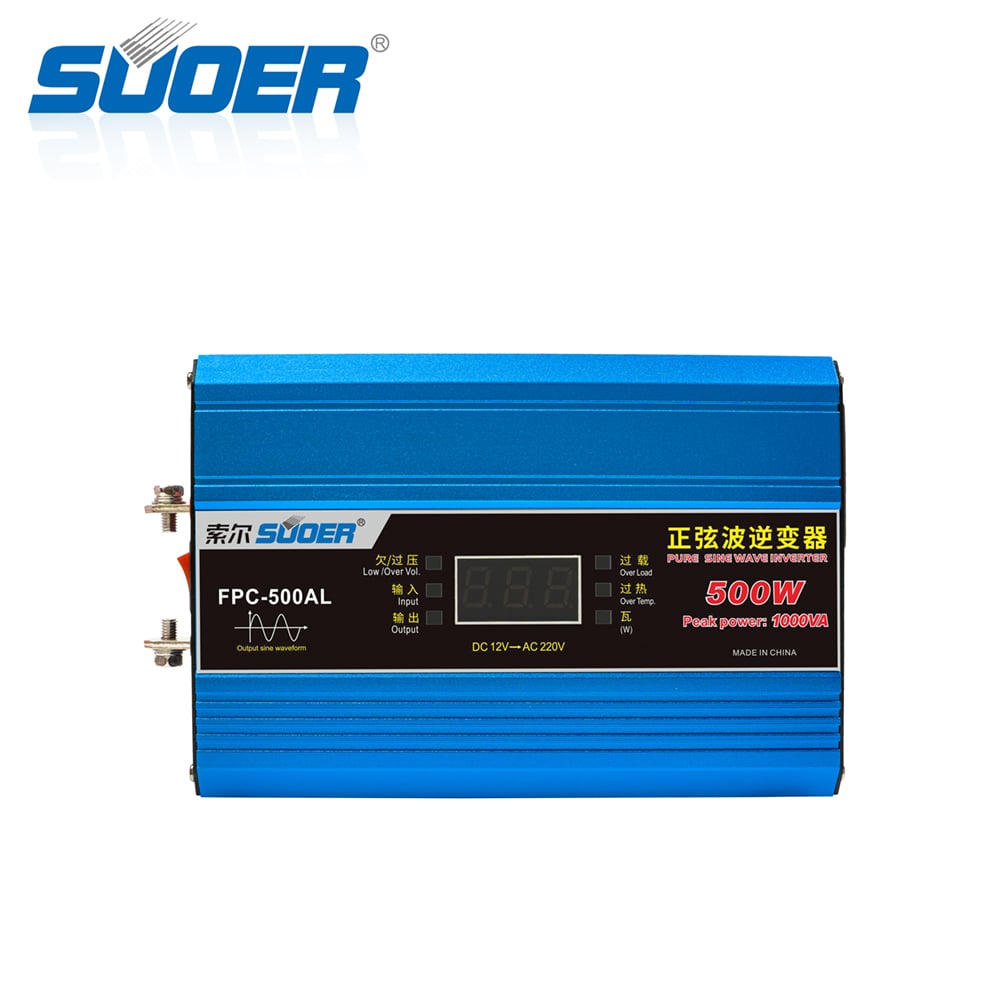
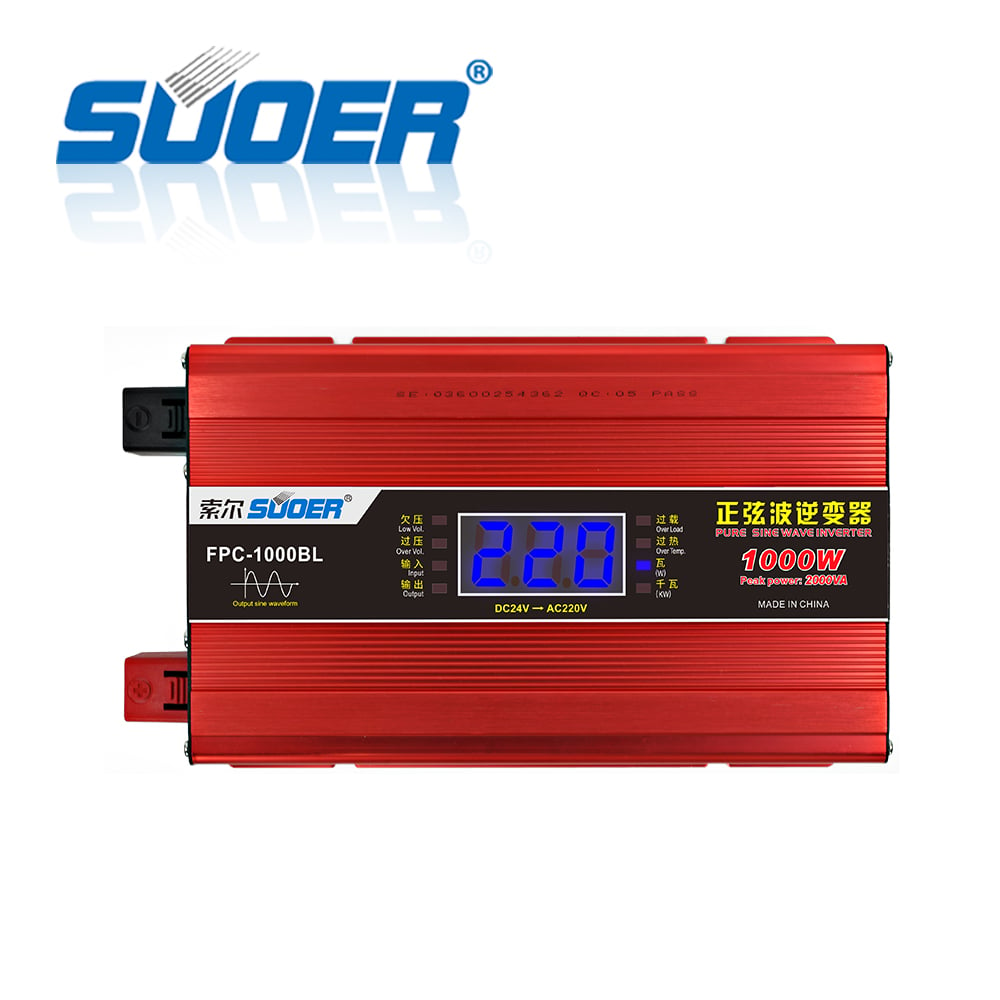
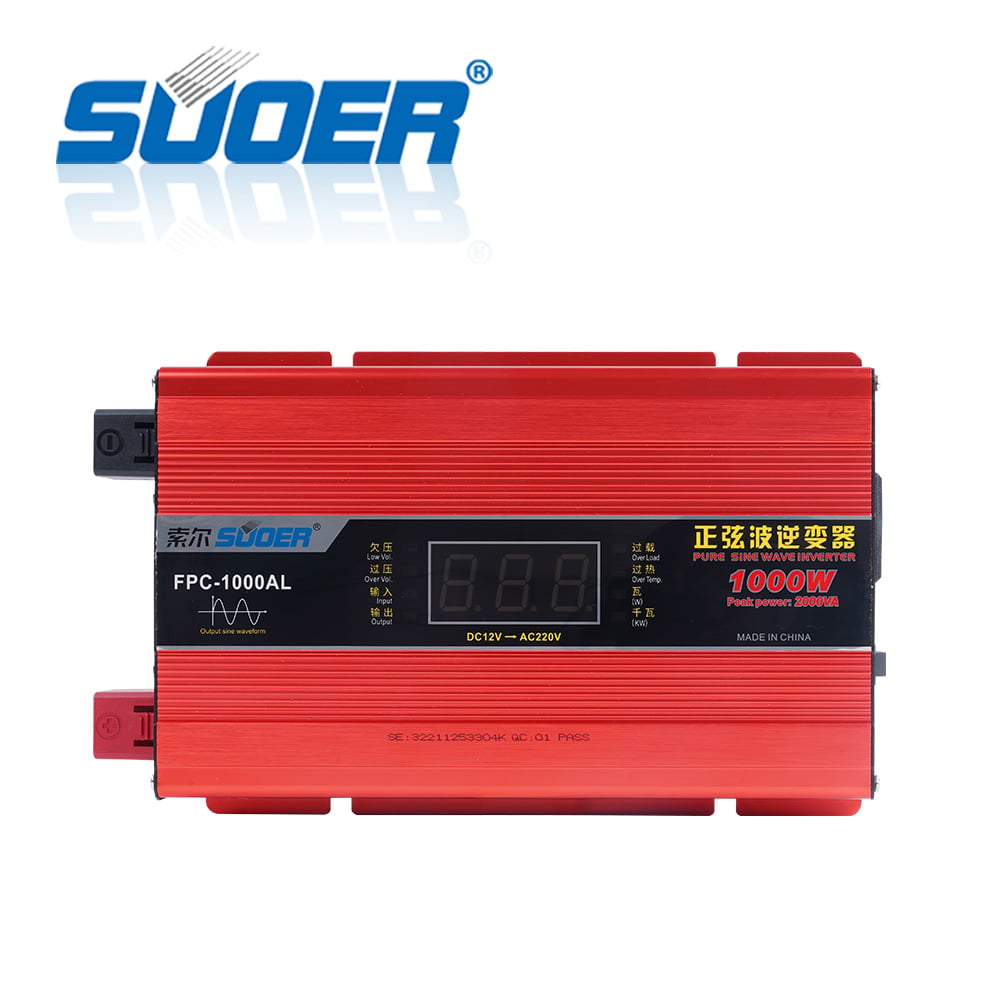
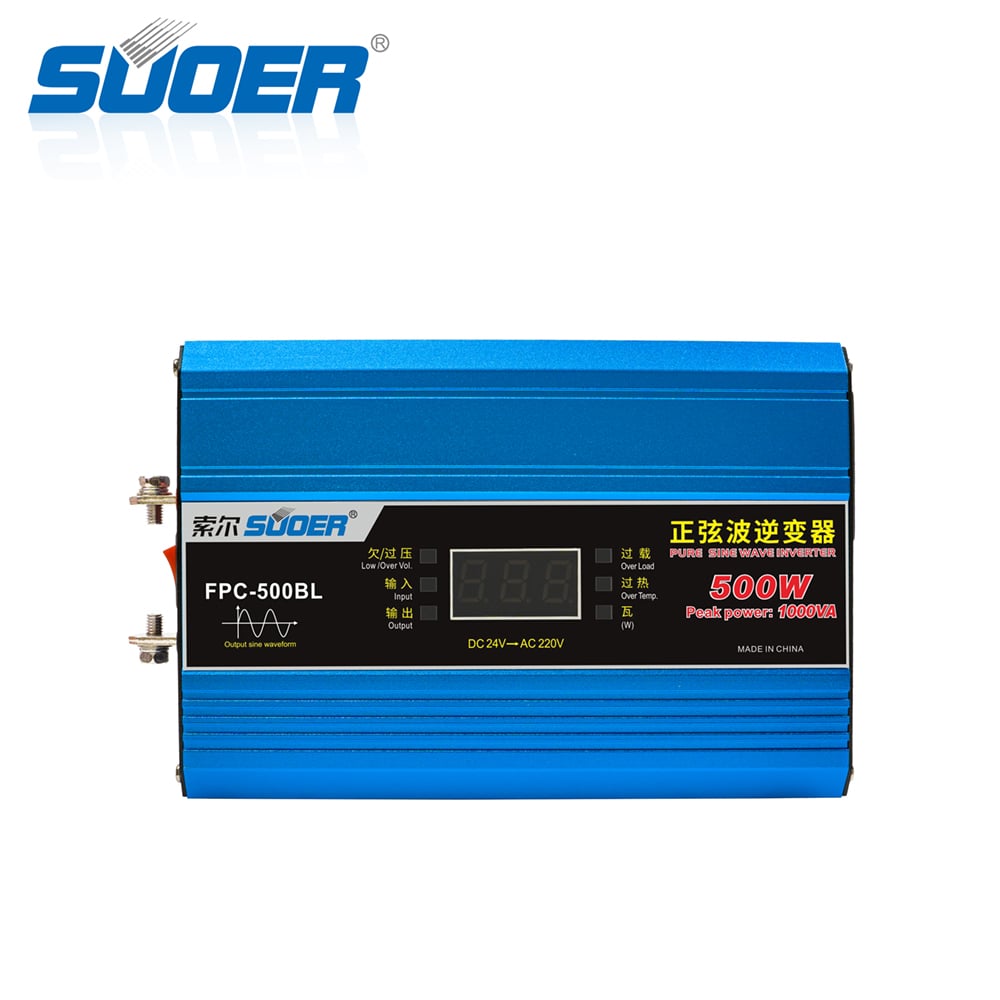
A 500W pure sine wave inverter is an essential component in various applications, providing clean and stable power for sensitive electronic devices. For B2B buyers, understanding the specifications, quality standards, and sourcing considerations is crucial when selecting an inverter. This article will guide purchasing managers, distributors, and engineers through the critical factors to consider when choosing a 500W pure sine wave inverter, ensuring that they make informed decisions that align with their operational needs.
When selecting a 500W pure sine wave inverter, several key factors need to be considered to ensure optimal performance and suitability for your application.
Power Requirements: Determine the total wattage of the devices you intend to power. The inverter should not only meet but exceed the cumulative wattage of your devices to prevent overload and ensure reliability.
Input Voltage: Check the inverter's input voltage specifications. Common input voltages for these inverters are 12V or 24V, depending on your power source, such as batteries or solar panels.
Output Waveform: A pure sine wave inverter generates a smooth, clean power output, which is essential for sensitive equipment. Ensure that the inverter's output waveform matches your devices' requirements to avoid damage or malfunction.
Efficiency Rating: Look for inverters with high efficiency ratings (typically above 90%). This will minimize energy loss and reduce operational costs over time.
Cooling Mechanism: Assess the inverter's cooling system. Effective heat dissipation is crucial for maintaining performance, especially during extended use.
Size and Weight: Consider the physical dimensions and weight of the inverter, particularly if space constraints are a factor in your installation site.
Certification and Compliance: Ensure the inverter is certified, such as CE and ROHS, which indicates compliance with safety and environmental standards.
By carefully evaluating these factors, buyers can select a 500W pure sine wave inverter that meets their operational needs and ensures reliable performance.
When sourcing 500W pure sine wave inverters for wholesale purchasing, consider the following strategies to streamline the process:
Request Detailed Quotations: Provide potential suppliers with a clear outline of your requirements, including quantity, specifications, and application. This will enable them to provide accurate pricing and lead times.
Evaluate Minimum Order Quantities (MOQ): Understand the MOQ set by suppliers, as this can affect your purchasing strategy. Some manufacturers may offer lower MOQs for new customers or bulk orders.
Negotiate Pricing: Don’t hesitate to negotiate on price, especially for larger orders. Many suppliers are open to discussions, particularly if you present a long-term purchasing commitment.
Assess Payment Terms: Clarify payment terms upfront. Look for suppliers who offer flexible payment options that align with your budget cycles.
Consider Logistics: Factor in shipping costs and lead times when evaluating suppliers. Assess their ability to meet your delivery requirements, especially if you're dealing with tight timelines.
Request Samples: Before committing to a large order, request a sample. This allows you to evaluate the inverter's performance, quality, and suitability for your specific applications.
By applying these tips, buyers can optimize their wholesale purchasing process, ensuring they secure high-quality inverters at competitive prices. Additionally, considering home energy storage solutions can enhance your overall energy management strategy.
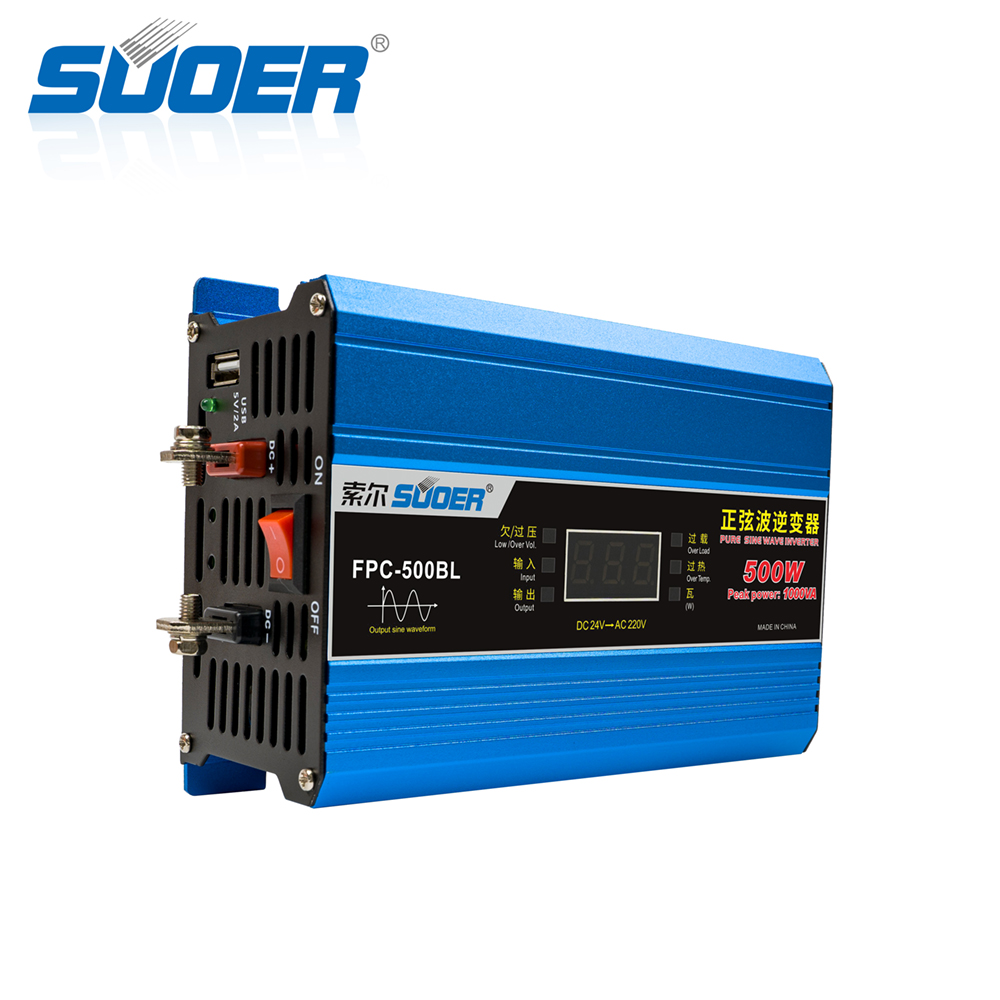
Quality standards are essential when purchasing 500W pure sine wave inverters, as they impact reliability and performance. Here are key aspects to evaluate:
Manufacturing Certifications: Verify that the manufacturer holds relevant certifications, such as ISO9001 for quality management systems. This indicates adherence to international quality standards.
Material Quality: Investigate the materials used in the inverter's construction. High-quality components, such as durable casings and robust circuit boards, contribute to the longevity and reliability of the inverter.
Testing Procedures: Inquire about the testing processes the manufacturer employs. Rigorous testing, including thermal, electrical, and performance tests, ensures that the inverters can withstand operational stresses.
Warranty and Support: Evaluate the warranty offered by the manufacturer. A longer warranty period can indicate confidence in product quality and provide peace of mind for buyers.
Customer Reviews and Case Studies: Look for testimonials or case studies that highlight the inverter's performance in real-world applications. This can provide insight into the inverter’s reliability and effectiveness. Also, exploring options like battery chargers can be beneficial for your setup.
By prioritizing these quality standards, buyers can minimize risks associated with performance issues and ensure they are investing in dependable technology.
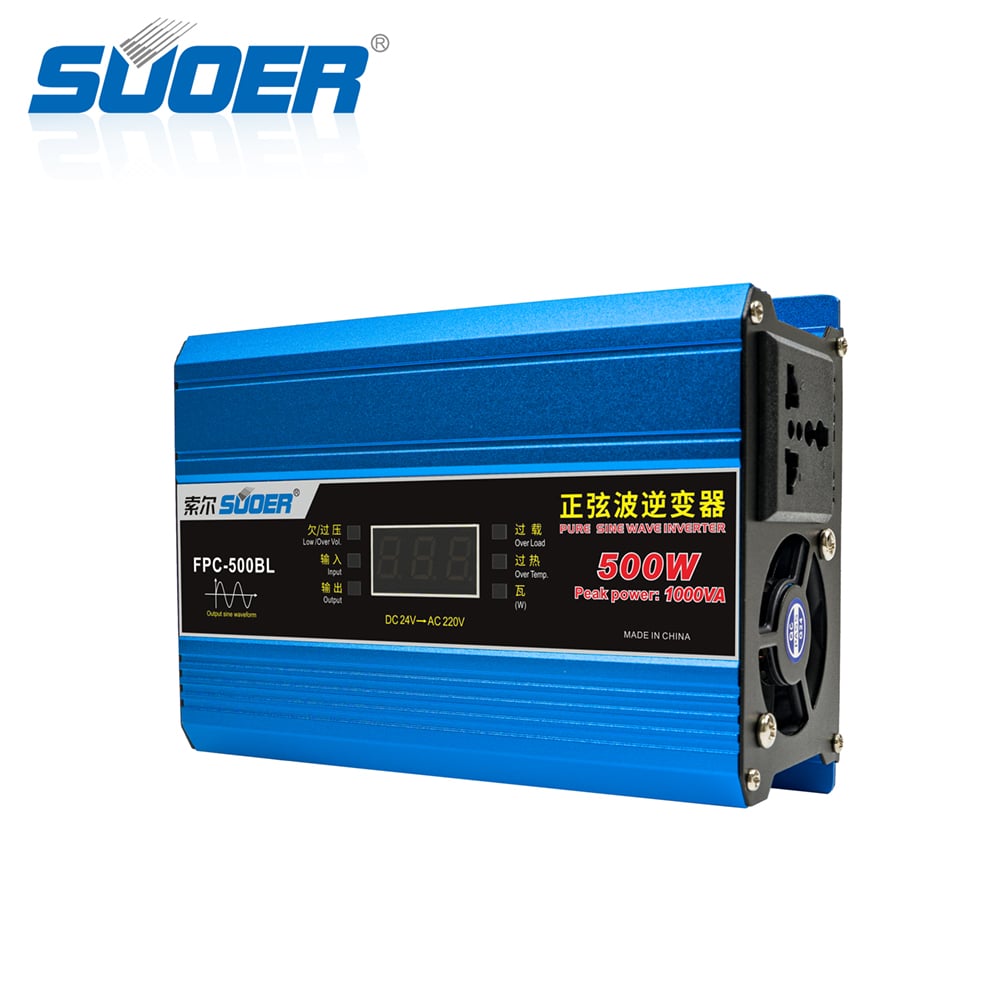
Finding reliable suppliers for 500W pure sine wave inverters is critical for maintaining quality and performance in your operations. Consider these sourcing strategies:
Industry Trade Shows: Attend industry trade shows and exhibitions. These events provide opportunities to meet manufacturers, see products firsthand, and establish business relationships.
Online B2B Marketplaces: Utilize online platforms such as Alibaba, Global Sources, or ThomasNet. These websites allow buyers to compare suppliers, read reviews, and request quotations.
Networking and Referrals: Leverage your professional network for recommendations. Industry colleagues can often provide insights into reputable suppliers based on their experiences.
Manufacturer Directories: Consult manufacturer directories that specialize in electrical components. These resources can help identify established companies with a proven track record in the industry.
Local Distributors: Engage with local distributors who may offer additional support and services, such as inventory management and expedited shipping.
By employing these sourcing strategies, buyers can identify trustworthy suppliers who can meet their needs for 500W pure sine wave inverters.
When evaluating the cost of bulk orders for 500W pure sine wave inverters, several factors can influence pricing:
Volume Discounts: Many manufacturers offer tiered pricing based on order quantity. The more units purchased, the lower the price per unit. Explore these options to maximize savings.
Shipping Costs: Determine the shipping costs associated with your order. These can vary significantly based on the supplier's location, shipping method, and delivery speed.
Customizations: If you require specific modifications or branding on the inverters, this may incur additional costs. Discuss customization needs early in the negotiation process to get an accurate estimate.
Payment Terms: Understand how payment terms can affect your cash flow. Some suppliers may offer discounts for upfront payments, while others may have financing options available.
Quality Control Costs: Consider any potential costs associated with quality control measures. Depending on your requirements, you may need to invest in third-party inspections or testing.
Market Trends: Keep an eye on market trends that can influence inverter prices, such as changes in raw material costs or shifts in supply and demand dynamics.
By assessing these cost factors, buyers can make more informed purchasing decisions that align with their budgets and operational needs.

Discover Suoer’s premium range of solar inverters and power inverters designed for reliable renewable energy solutions.Trusted by customers worldwide for exceptional performance and durability.
Suoer Industrial Zone, Ercun Road Section, Yanfeng Avenue, Shishan Town,Foshan city,Guangdong Province,China
Copyright © 2024 Foshan Suoer Electronic Industry Co., Ltd. Privacy Policy - Blog

 EN
 AR
 NL
 FR
 DE
 EL
 IT
 JA
 KO
 PT
 RU
 ES
 VI
 TH
 TR
 BG
 HR
 CS
 NO
 PL
 TL
 ID
 SR
 UK
 SQ
 HU
 MT
 AF
 MS
 IS
 HY
 AZ
 BN
 BS
 GU
 LO
 LA
 MN
 NE
 TA