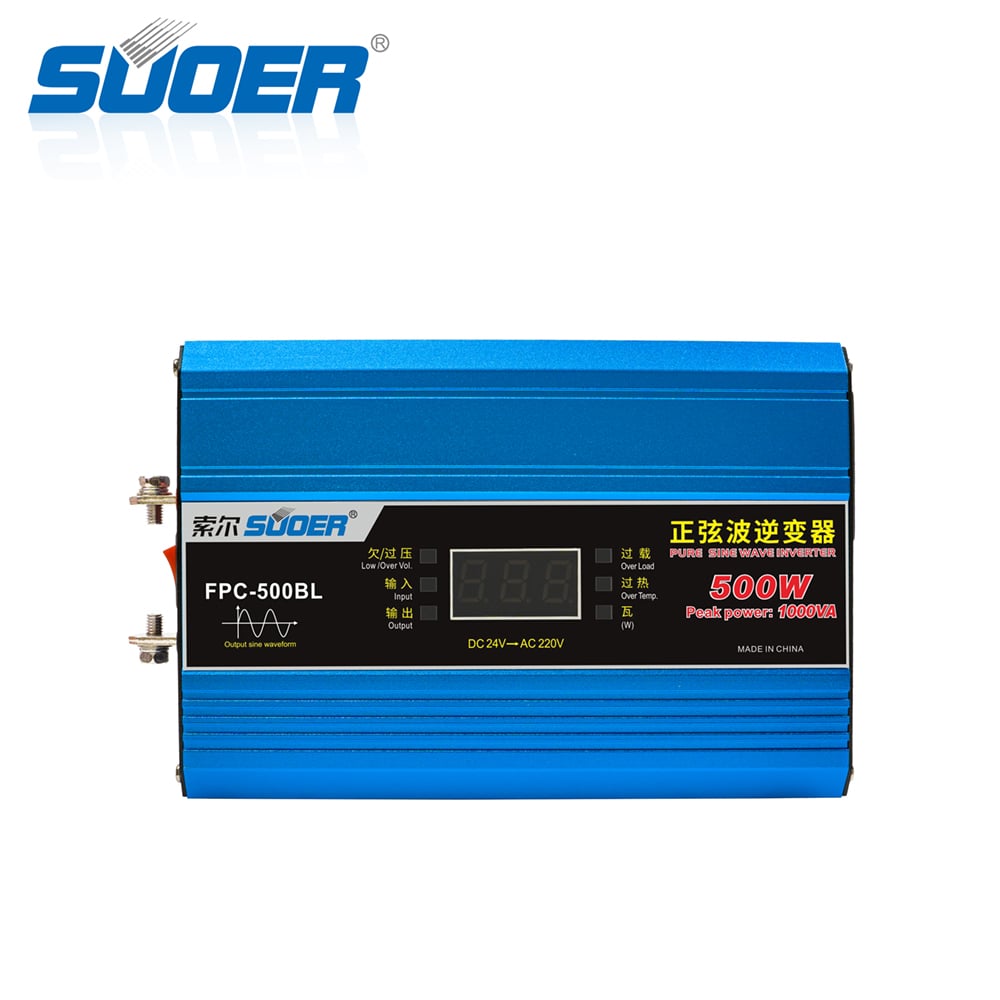
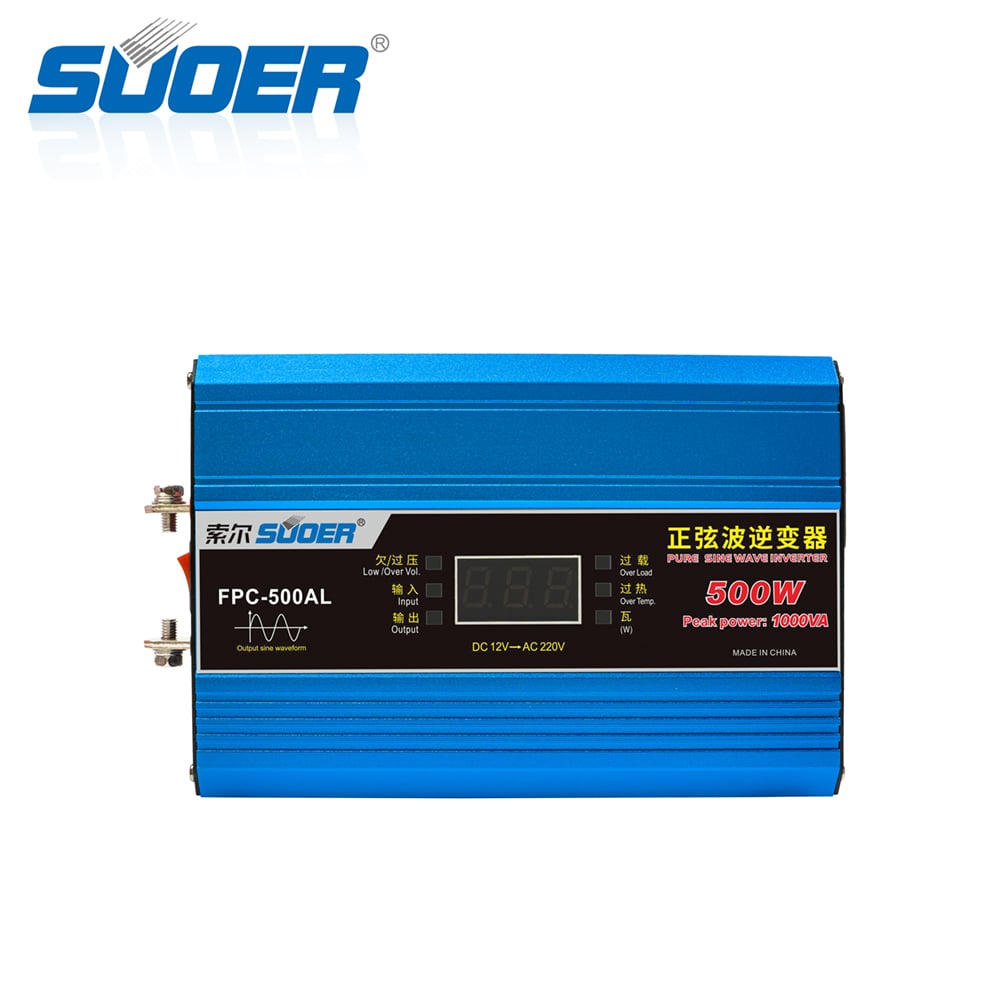
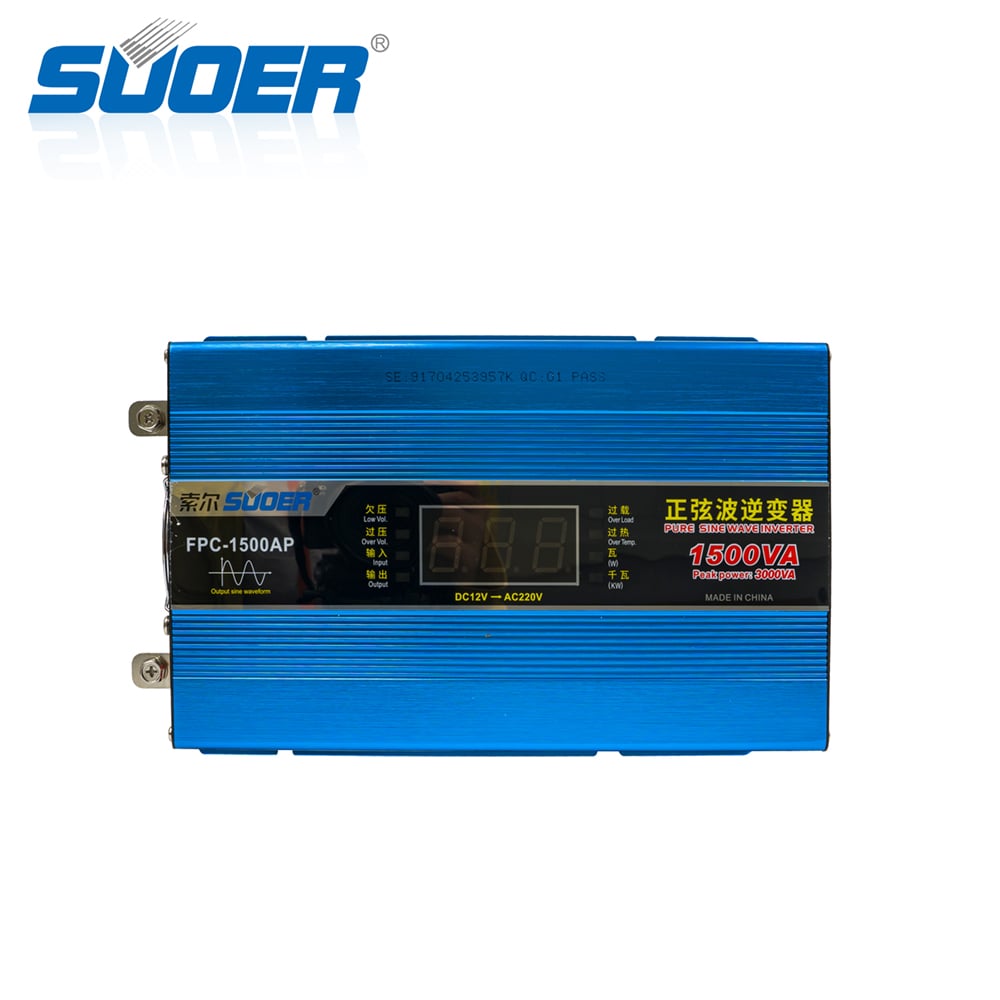
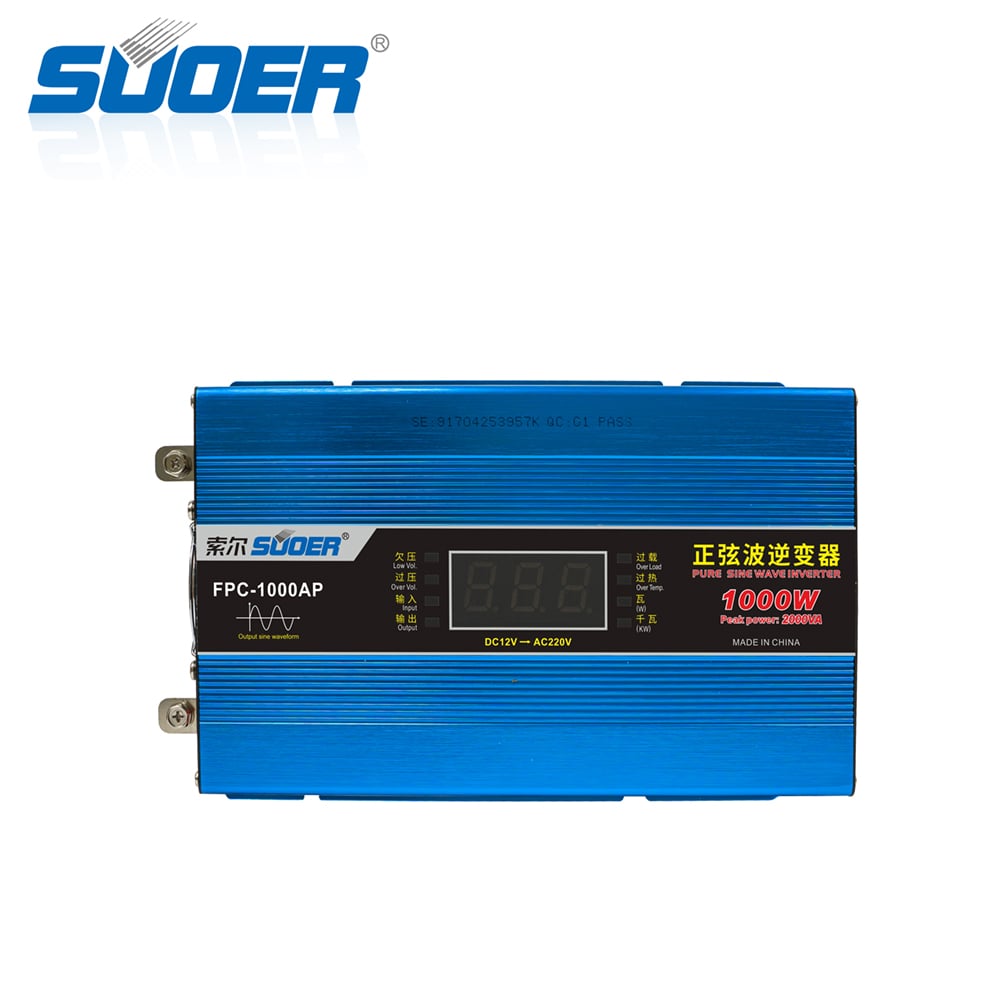
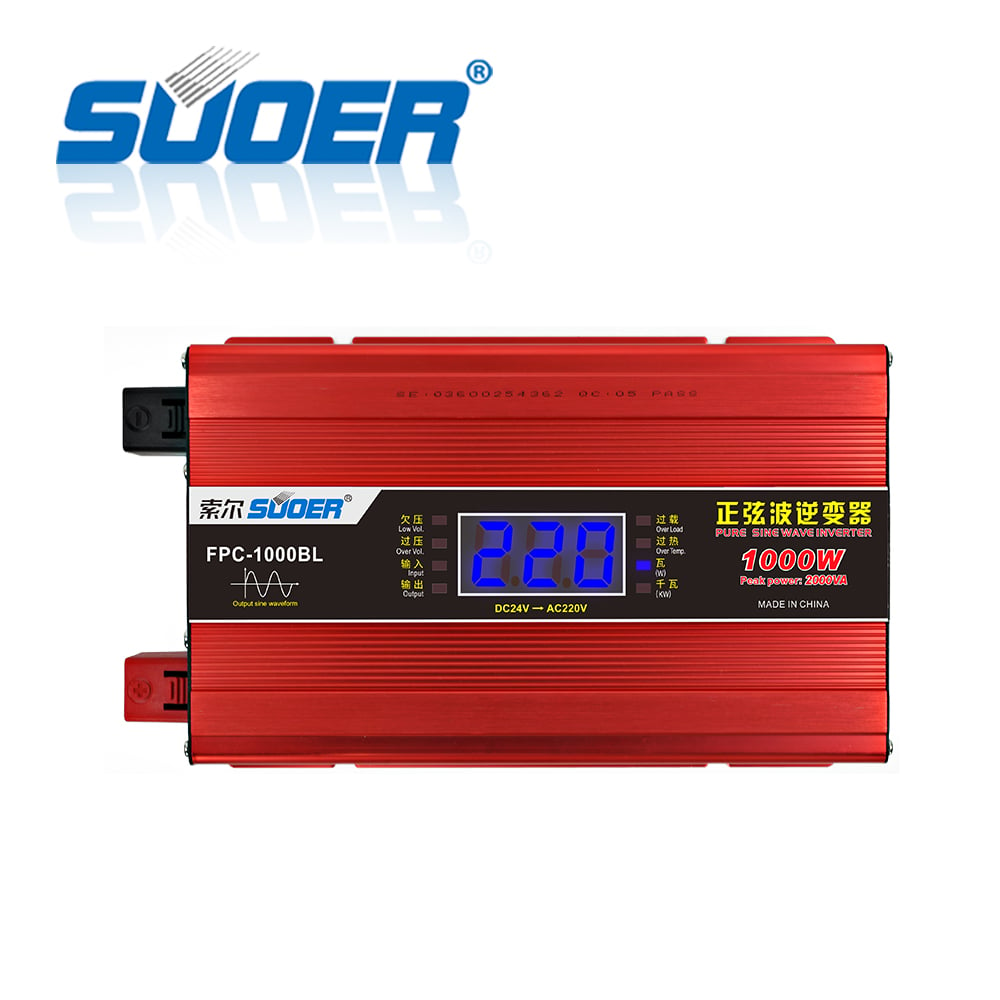
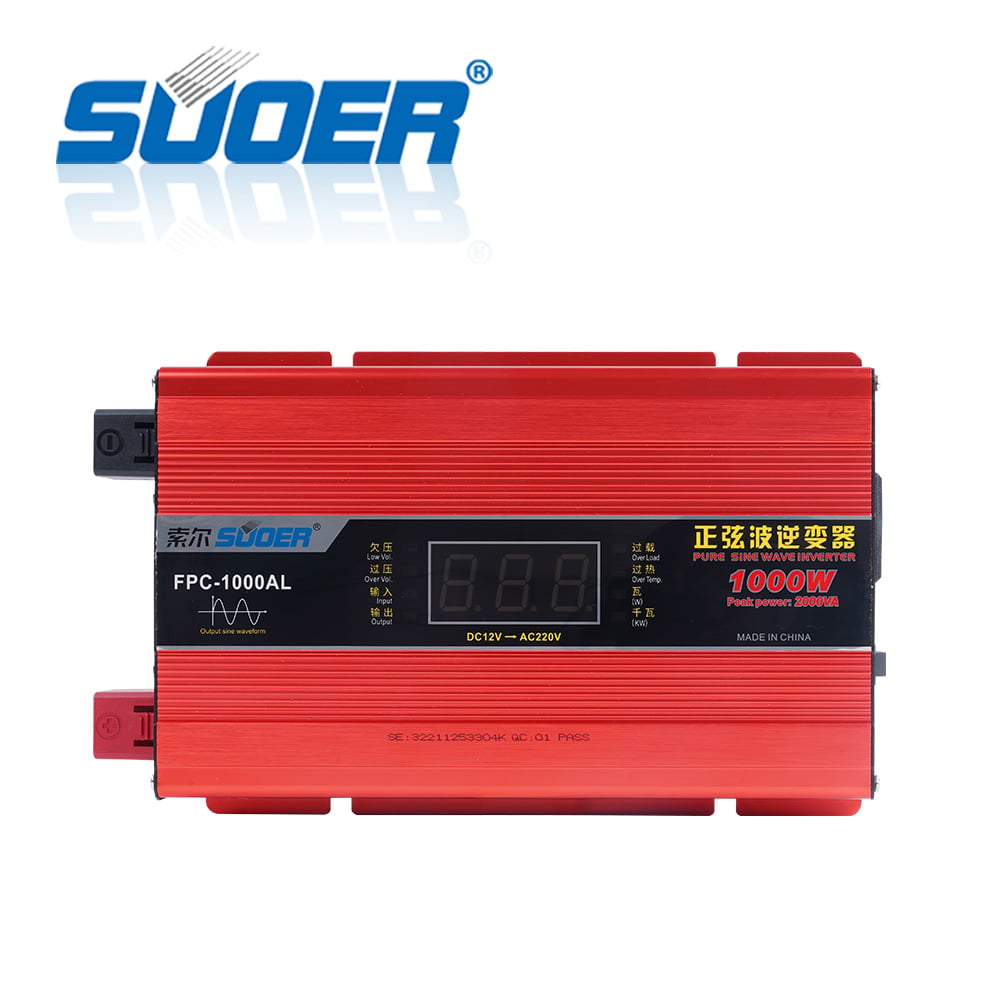
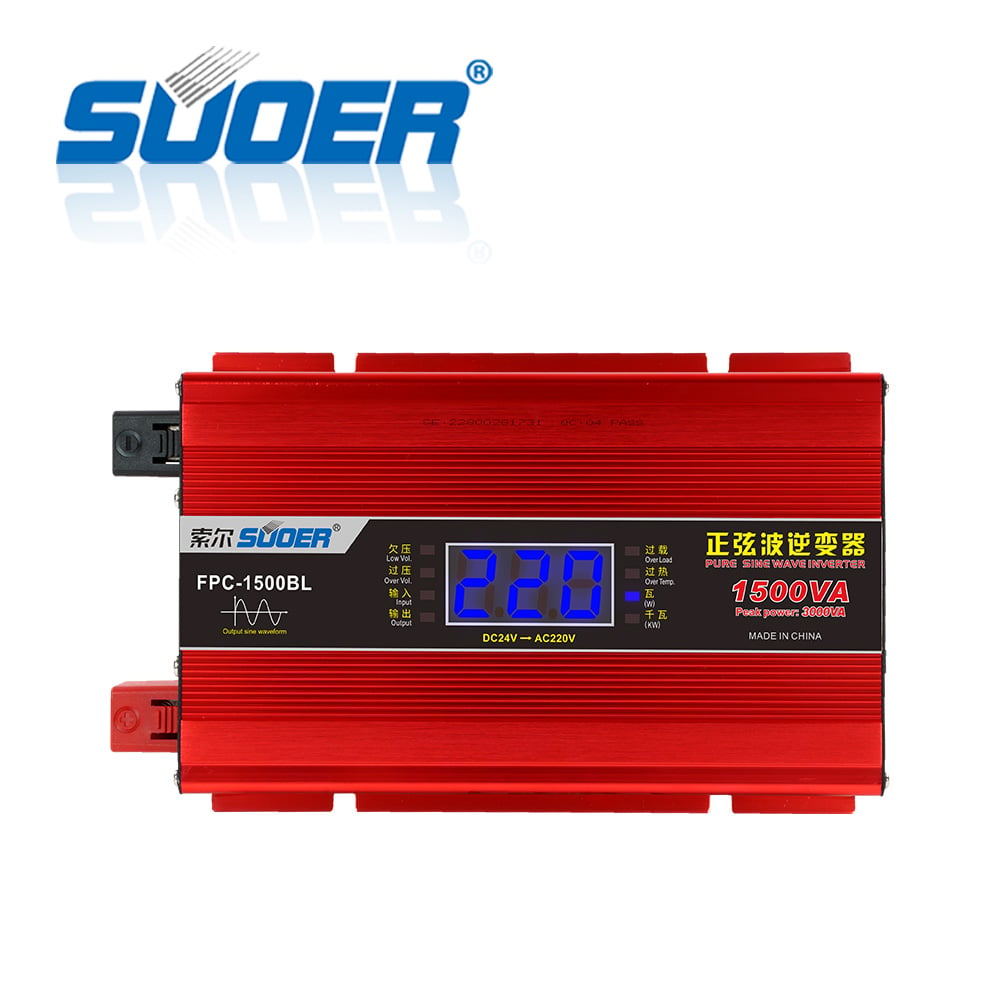
In the realm of power supply solutions, the 500W inverter pure sine wave stands out for its ability to convert DC power into high-quality AC power, essential for various applications in commercial and industrial settings. Buyers often seek assurance about product reliability, efficiency, and compatibility with their systems. This article aims to address key concerns regarding the selection, installation, and maintenance of 500W inverter pure sine wave units, providing valuable insights for purchasing managers, engineers, and distributors.
Selecting a trustworthy supplier for 500W inverter pure sine wave products involves evaluating several critical factors. First, verify the supplier's industry experience and expertise. A manufacturer with a proven track record in the new energy sector, like our company, will likely understand the nuances of inverter technology and application requirements.
Next, consider certifications such as ROHS, CE, and ISO9001. These certifications indicate that the products comply with international standards, ensuring quality and reliability. Additionally, assess the supplier's manufacturing capabilities, including automated production processes and quality control measures. Reliable suppliers should also offer clear information regarding lead times, minimum order quantities (MOQ), and customization options to meet specific project requirements.
Lastly, seek references or case studies from previous clients in similar industries. This not only provides insight into product performance but also reflects the supplier’s customer service and support throughout the purchasing process.
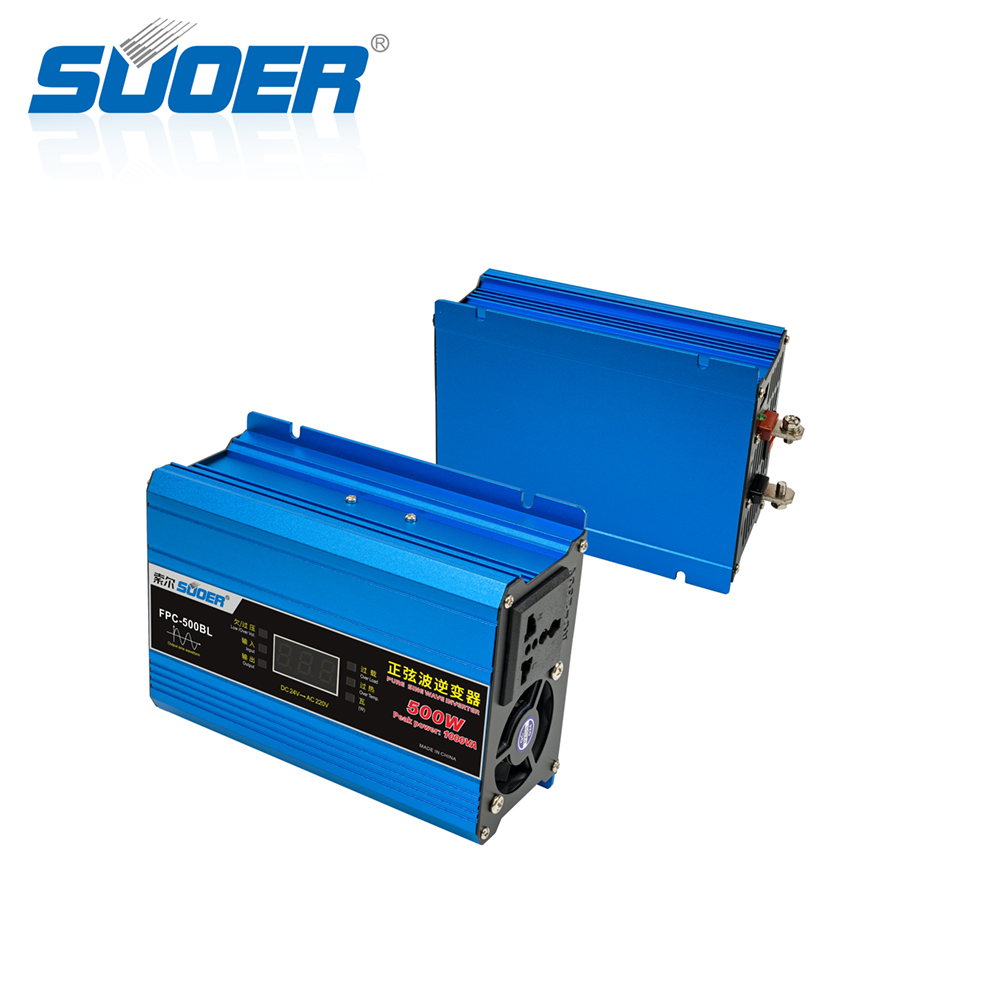
Proper installation of a 500W inverter pure sine wave unit is crucial for optimal performance. Start by reviewing the manufacturer's installation manual, which should include detailed diagrams and step-by-step instructions. It's important to install the inverter in a well-ventilated area to prevent overheating, as these units can generate heat during operation.
Ensure that all connections are secure and that the inverter is compatible with the overall electrical system. Pay particular attention to input voltage ratings and ensure that they meet the inverter's specifications. Using appropriate wiring and connectors can help avoid potential issues related to electrical resistance or overheating.
Before powering up the inverter, conduct a thorough inspection of all components, including fuses and circuit breakers, to ensure they are in good working condition. Testing the system under load conditions during initial operation can help identify any discrepancies or issues that may need to be addressed.
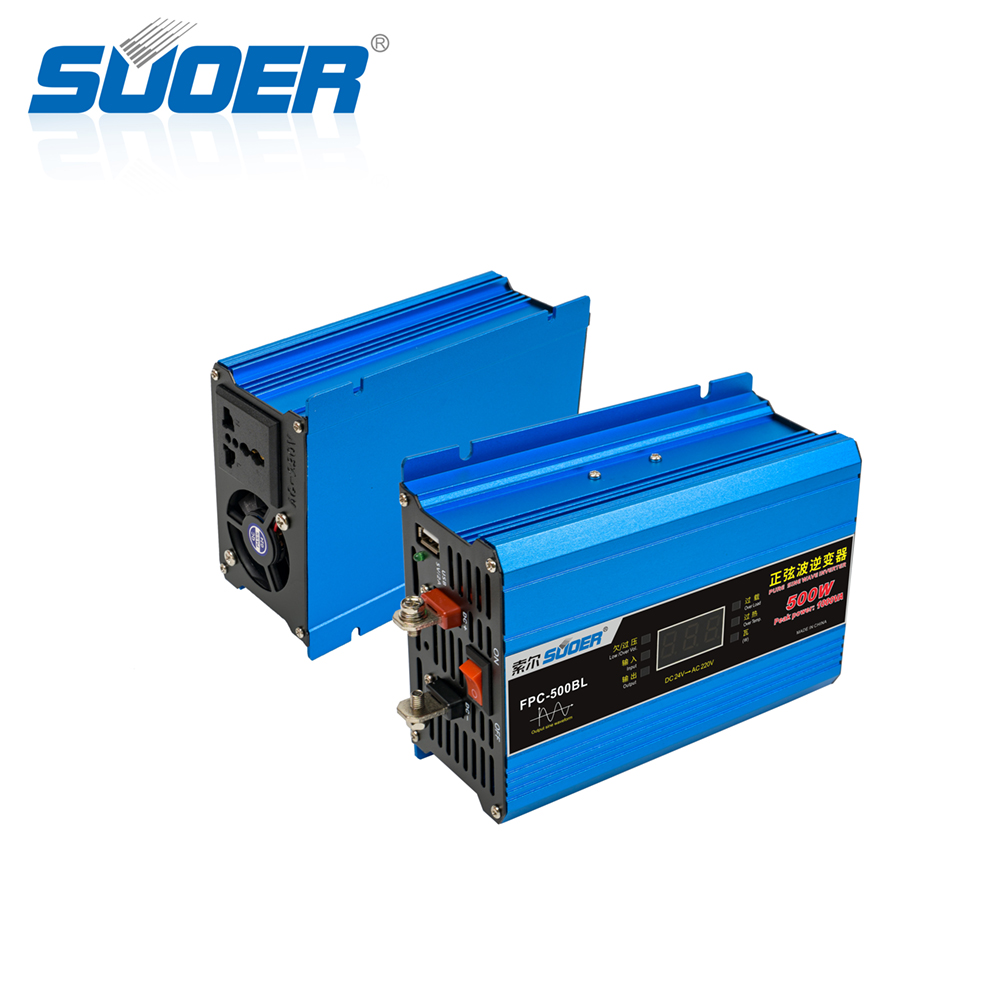
When dealing with 500W inverter pure sine wave units, buyers should be aware of common issues that may arise. One frequent problem is the inverter shutting down unexpectedly, often due to overload conditions. To prevent this, ensure that the total load connected to the inverter does not exceed its rated capacity.
Another issue is poor output voltage quality, which can affect sensitive electronic devices. This may be caused by improper installation or inadequate wiring. To mitigate this, ensure that the installation aligns with the recommended specifications and that all connections are secure.
Additionally, some users may experience issues with battery charging or discharge cycles. Regularly check the battery condition and connections, as damaged or weak batteries can lead to inconsistent inverter performance. If problems persist, consult the manufacturer for troubleshooting guidance or consider professional assistance.
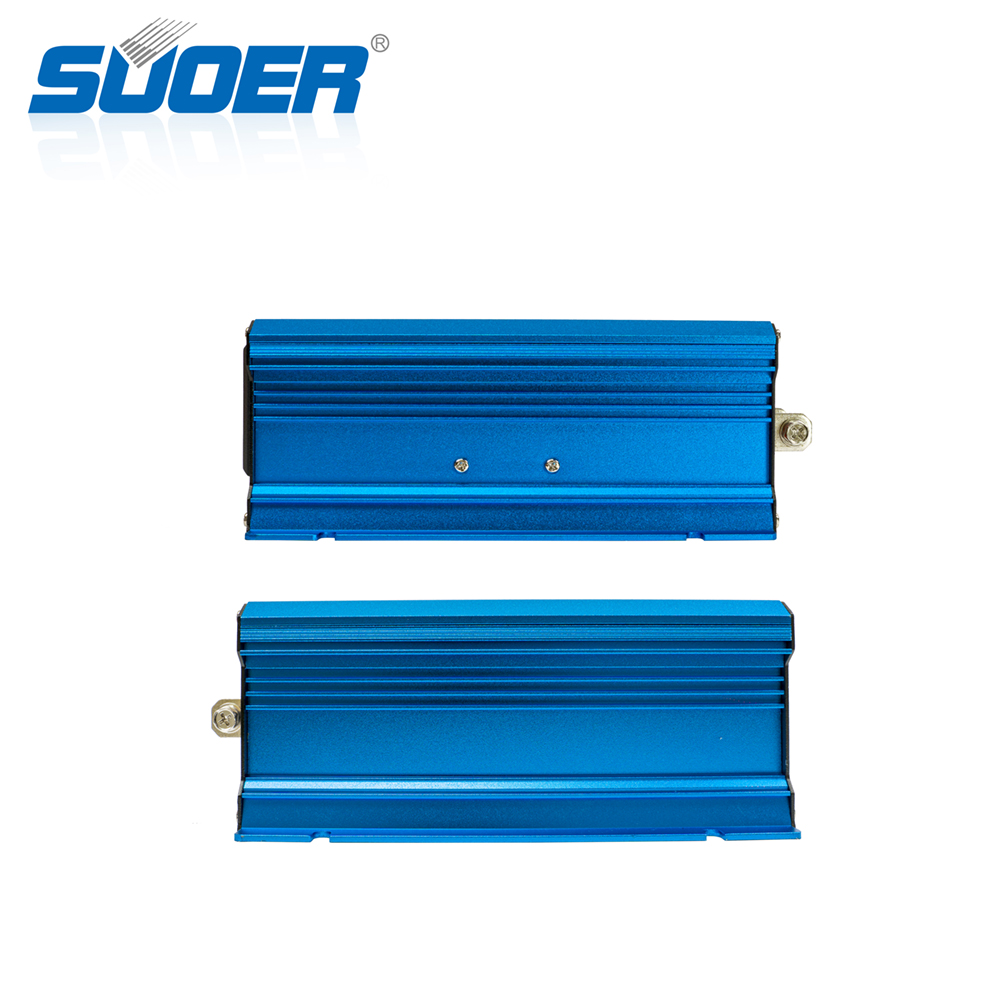
500W inverter pure sine wave units have versatile applications across multiple industries. In the telecommunications sector, they are used to power communication equipment that requires stable and clean AC power. This ensures uninterrupted service and protects sensitive devices from voltage fluctuations.
In the electric vehicle industry, these inverters play a role in charging stations, providing the necessary power for electric vehicle batteries while maintaining efficiency and safety standards. Additionally, they find applications in rail transit systems, where reliable power supply is critical for train operations and signaling systems.
In commercial settings, businesses utilize these inverters for backup power solutions, ensuring continuous operation during power outages. This reliability is particularly important for industries like healthcare and data centers, where equipment must remain operational at all times.
Wholesale buyers often favor 500W inverter pure sine wave solutions due to their efficiency and adaptability. These inverters provide high-quality power output that is essential for sensitive electronic devices, making them a preferred choice for businesses looking to protect their investments.
The scalability of these inverters is another appealing aspect. They can be integrated into various systems and expanded as needed, allowing businesses to adapt to changing power requirements without significant overhauls. Furthermore, bulk purchasing typically results in cost savings, making these solutions an attractive option for distributors and purchasing managers.
Additionally, the growing emphasis on renewable energy and sustainability in the manufacturing sector aligns with the use of pure sine wave inverters, which support energy-efficient practices. Buyers appreciate suppliers who can provide not only the product but also technical support and expertise, ensuring they select the right solution for their application.
In summary, understanding the key aspects of 500W inverter pure sine wave products, including supplier selection, installation, common issues, applications, and buyer preferences, equips purchasing managers and engineers with the knowledge needed to make informed decisions in their procurement processes.

Discover Suoer’s premium range of solar inverters and power inverters designed for reliable renewable energy solutions.Trusted by customers worldwide for exceptional performance and durability.
Suoer Industrial Zone, Ercun Road Section, Yanfeng Avenue, Shishan Town,Foshan city,Guangdong Province,China
Copyright © 2024 Foshan Suoer Electronic Industry Co., Ltd. Privacy Policy - Blog

 EN
 AR
 NL
 FR
 DE
 EL
 IT
 JA
 KO
 PT
 RU
 ES
 VI
 TH
 TR
 BG
 HR
 CS
 NO
 PL
 TL
 ID
 SR
 UK
 SQ
 HU
 MT
 AF
 MS
 IS
 HY
 AZ
 BN
 BS
 GU
 LO
 LA
 MN
 NE
 TA