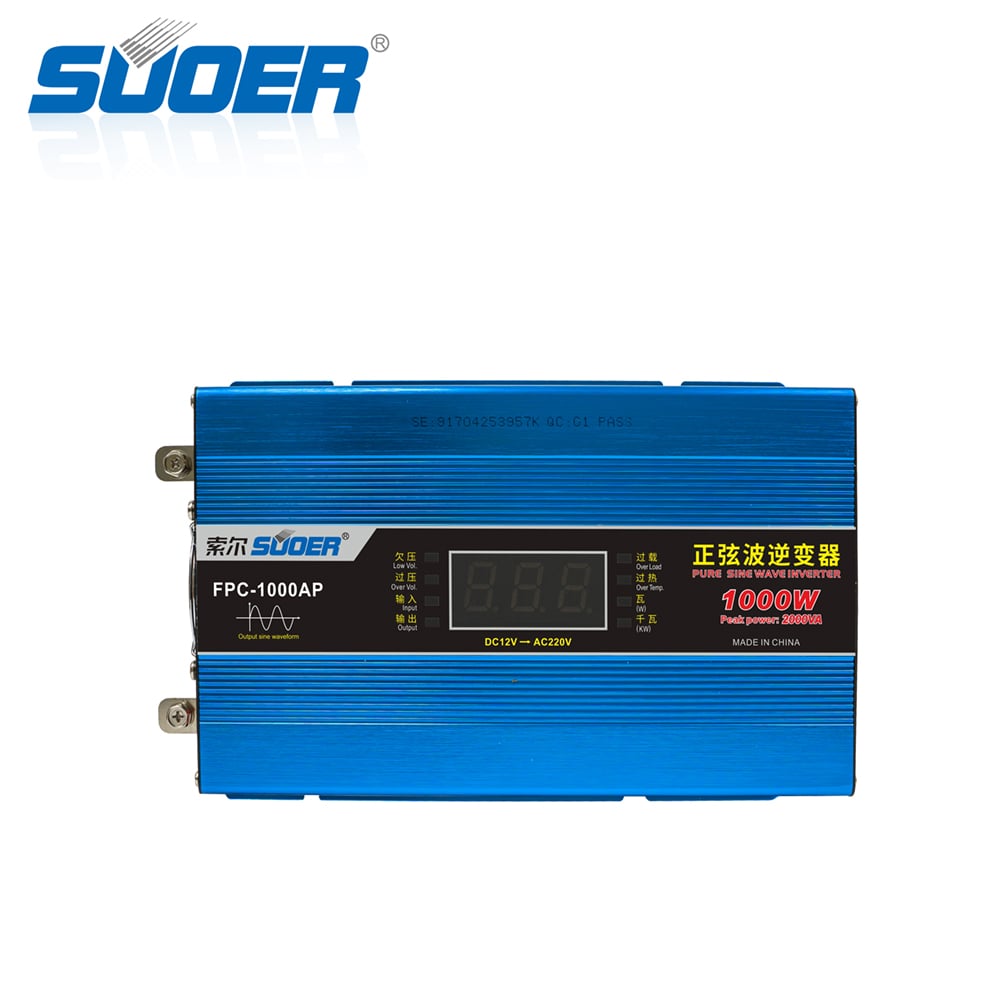
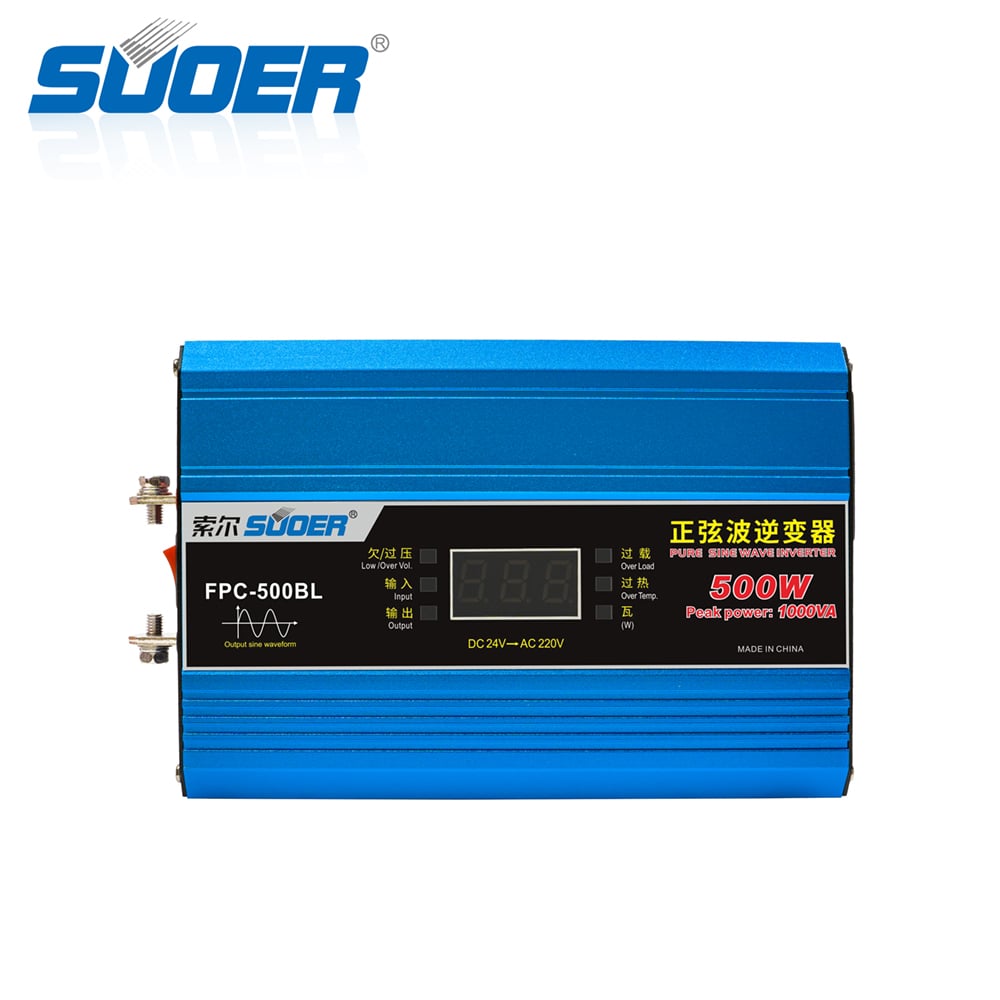
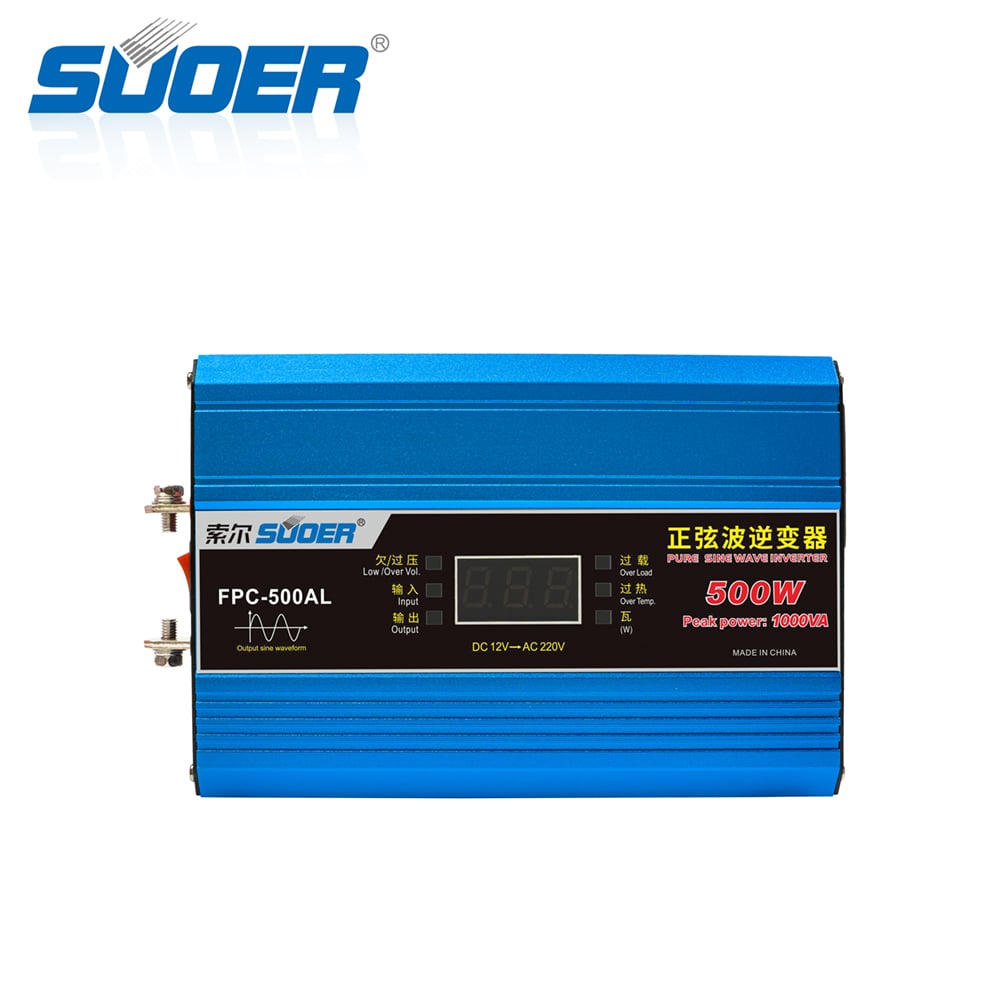
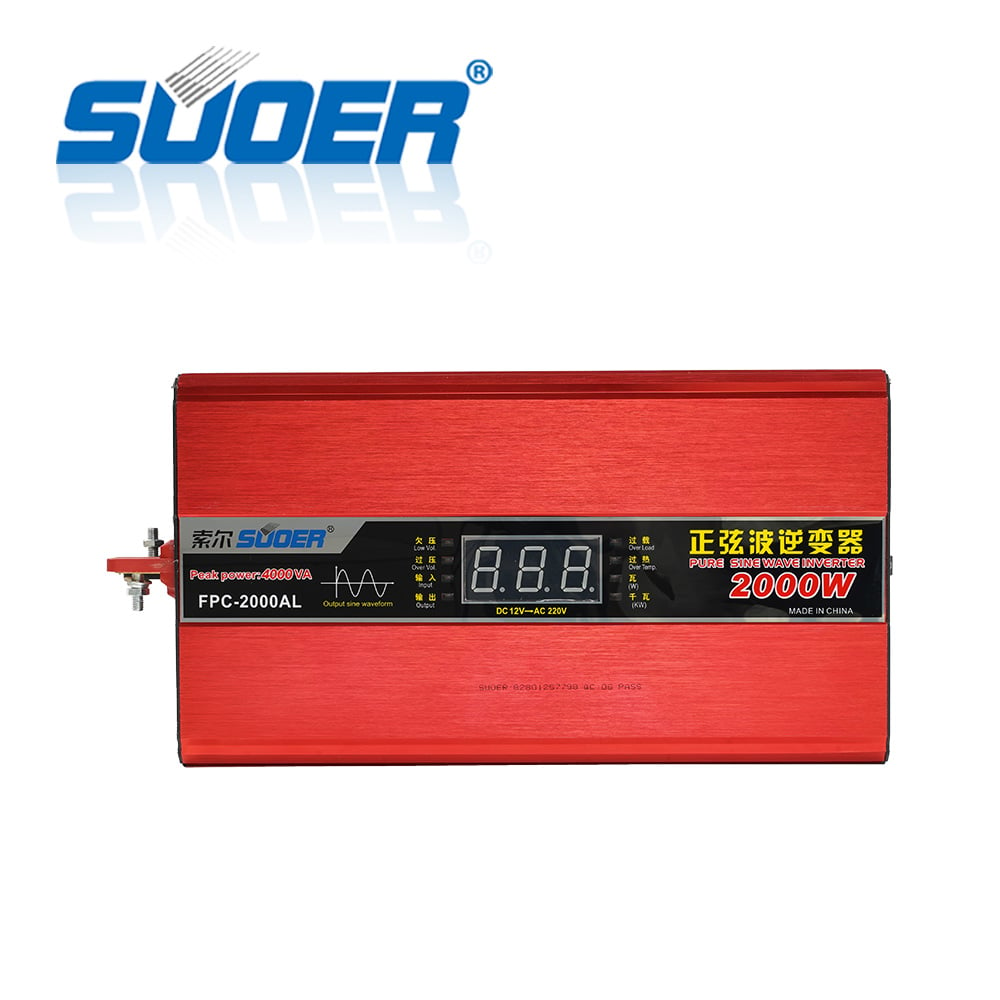
A 500W pure sine inverter is a critical component for various applications, providing clean, stable power from DC sources to AC devices. For B2B buyers—such as purchasing managers, engineers, and product managers—understanding the specifications and operational suitability of these inverters is essential. This article addresses key concerns regarding product selection, installation challenges, and practical applications, helping you make informed purchasing decisions.
Selecting the appropriate 500W pure sine inverter involves evaluating several critical specifications and factors based on your specific application. First, consider the inverter’s output voltage and frequency. For most industrial applications, a standard output of 120V or 230V with a frequency of 50Hz or 60Hz is common. Ensure that the inverter you choose matches the requirements of the devices you intend to power.
Next, assess the inverter's total harmonic distortion (THD). A lower THD percentage indicates cleaner power delivery, which is crucial for sensitive electronics. Ideally, you should aim for a THD of less than 3% for optimal performance.
Another important consideration is the inverter's efficiency rating. Higher efficiency translates to less energy loss during conversion, which is particularly significant in long-term operations. Evaluate the inverter's peak surge power capability as well; many devices require a higher startup current than their running current.
Finally, consider any additional features such as built-in protection against overloads, short circuits, and overheating. These features can prevent damage to both the inverter and connected devices, enhancing reliability in the long run. In this context, options such as a Battery Charger can be invaluable for maintaining the health of your power system.
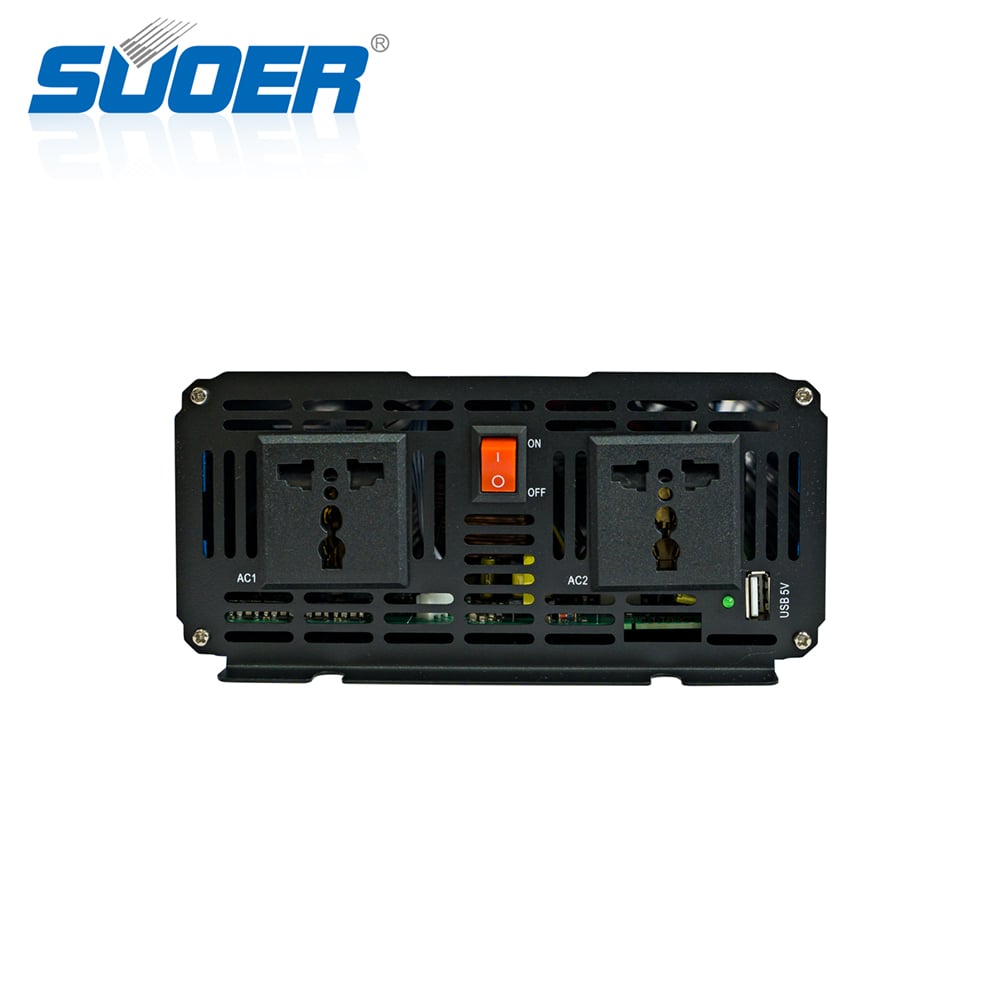
When purchasing 500W pure sine inverters wholesale, several factors can affect your cost and supply chain efficiency. Start by determining your minimum order quantity (MOQ) and understand how it can impact pricing; larger orders generally yield lower per-unit costs. As a manufacturer, we emphasize the importance of negotiating favorable terms with suppliers, including payment terms and lead times.
Inquire about customization options as well. You may require specific features or configurations tailored to your application. Confirm the supplier's ability to accommodate these requests before finalizing the order.
Another essential tip is to request samples prior to committing to a large order. This allows you to assess product quality and performance under actual operating conditions. Ensure that you check the samples for compliance with relevant certifications such as ROHS and CE, which indicate adherence to safety and environmental standards.
Lastly, establish a strong line of communication with your supplier to address any potential issues quickly. This will help you maintain a steady supply of inverters and prevent delays in your projects.
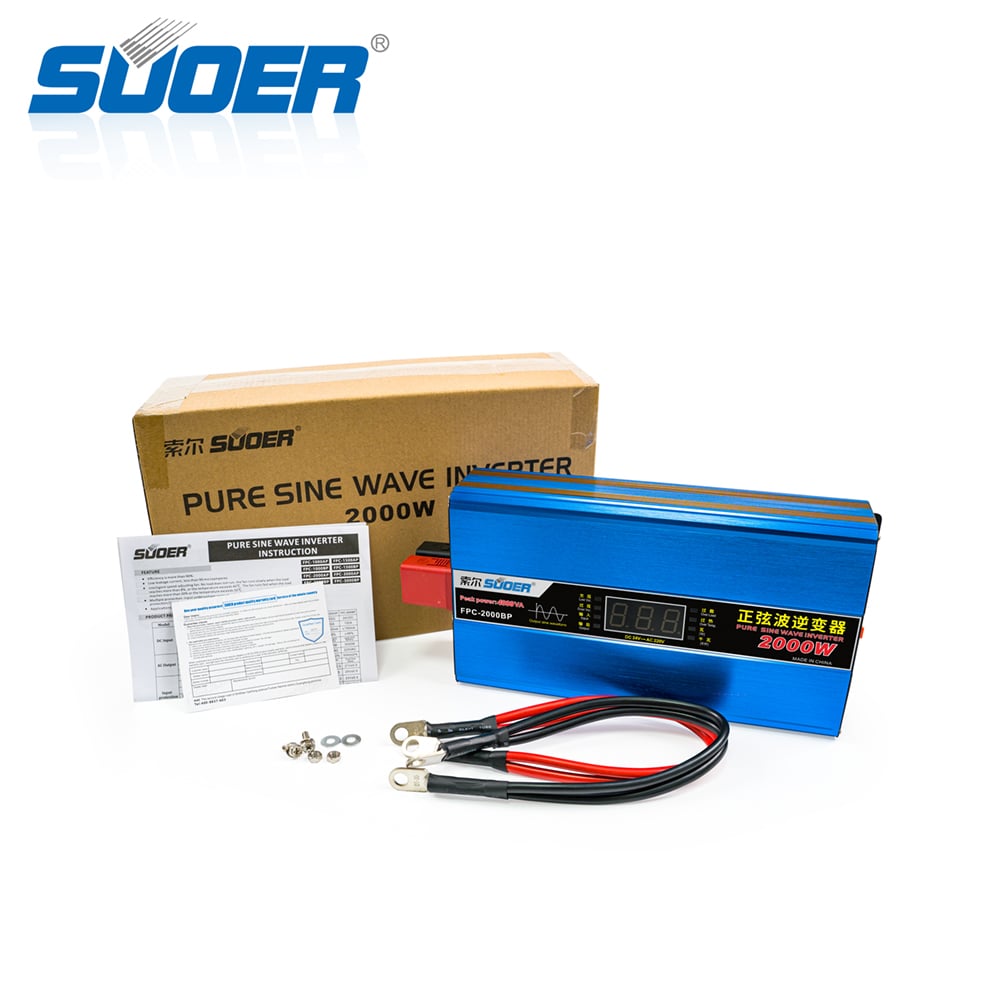
Installing a 500W pure sine inverter can present various challenges that, if not addressed, may lead to operational inefficiencies. One common issue is ensuring proper ventilation. Inverters can generate heat during operation; inadequate airflow can lead to overheating and subsequent failure. Therefore, it’s crucial to install the inverter in a well-ventilated area or incorporate cooling mechanisms.
Wiring and connection errors can also pose significant challenges. Ensure that all wiring adheres to the manufacturer's specifications and local electrical codes. Incorrectly sizing the cables can lead to voltage drops and energy losses. Utilizing cables that are too thin for the current may also increase the risk of overheating.
Another challenge is ensuring compatibility with the devices you intend to power. Check the input voltage and current ratings of your equipment to ensure that they align with the inverter’s output specifications. If the inverter cannot support the necessary load, it can lead to operational failures or damage to connected devices. Additionally, understanding the role of Renewable Energy in your setup can provide insights into optimizing your inverter's use.
Finally, consider the inverter’s location relative to the battery or power source. Long cable runs can result in power loss, so minimizing the distance between the inverter and the power source can enhance efficiency.
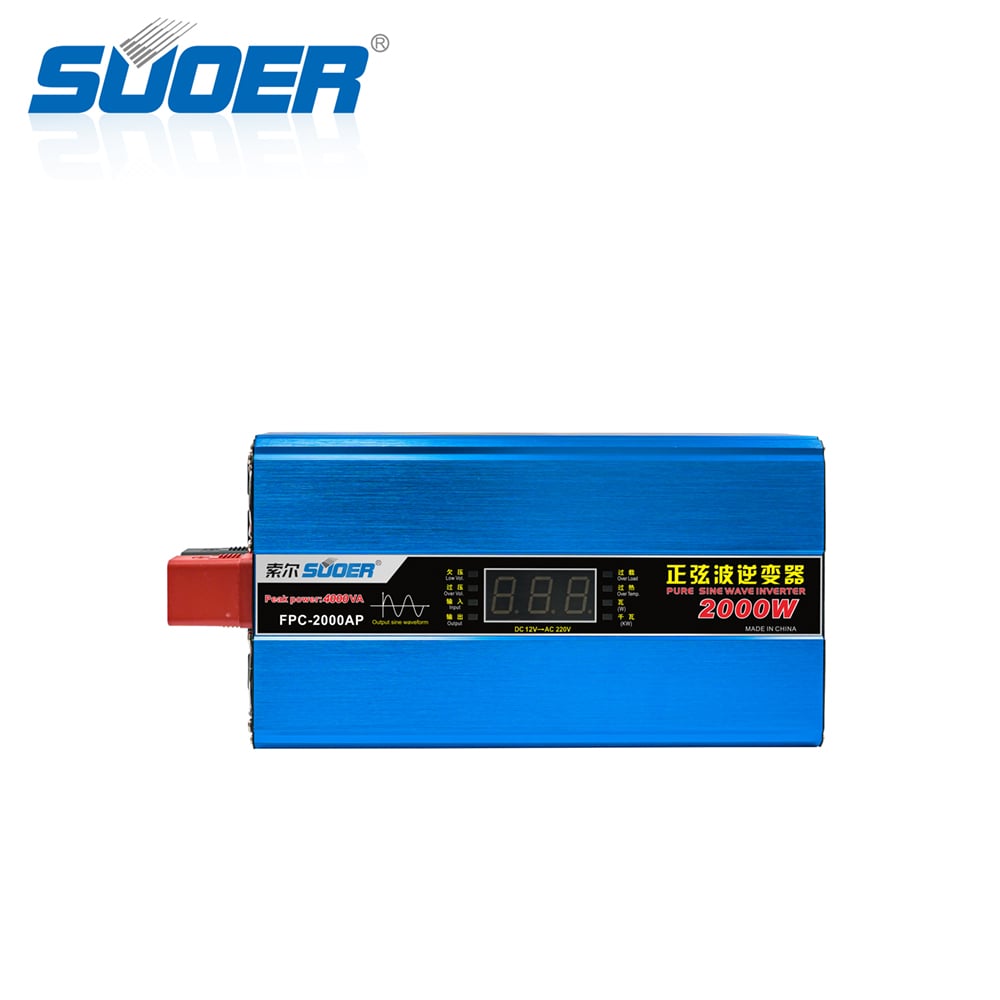
When preparing to purchase a 500W pure sine inverter, it’s essential to gather specific information to streamline the RFQ (Request for Quotation) process. Start by identifying the inverter type and model that best fits your application. Include key specifications such as output voltage, frequency, and desired efficiency rating.
Next, provide details about the application. Specify the types of devices you intend to power, their total wattage, and any surge requirements. This information will help the supplier recommend the best inverter configuration for your needs.
Don’t forget to mention any customization requirements. Whether you need specific features or dimensions, communicating these upfront will ensure that the supplier can meet your expectations. Additionally, clarify your expected lead times and any packaging preferences.
Lastly, consider requesting documentation on the inverter’s certifications and quality control processes. This ensures that you are purchasing a product that meets industry standards and provides peace of mind regarding reliability.
500W pure sine inverters find extensive applications across multiple industries, thanks to their ability to convert DC power to clean AC power. In the renewable energy sector, they are commonly used in solar power systems, enabling the use of solar-generated electricity for standard household appliances and commercial equipment.
In the telecommunications industry, these inverters are vital for powering communication equipment and ensuring uninterrupted service. The clean power output is essential for sensitive electronic devices, reducing the risk of damage and downtime.
Additionally, 500W pure sine inverters are increasingly used in electric vehicle charging stations. Their capability to provide stable power ensures efficient charging for vehicles, making them a critical component in the transition to electric mobility.
In the rail transit sector, these inverters support various onboard systems, powering lighting, communications, and control equipment. The reliability of pure sine inverters is paramount in these applications, as any power interruptions can lead to significant operational issues.
By understanding the diverse applications of 500W pure sine inverters, buyers can better appreciate their importance and make informed purchasing decisions tailored to specific industry needs.

Discover Suoer’s premium range of solar inverters and power inverters designed for reliable renewable energy solutions.Trusted by customers worldwide for exceptional performance and durability.
Suoer Industrial Zone, Ercun Road Section, Yanfeng Avenue, Shishan Town,Foshan city,Guangdong Province,China
Copyright © 2024 Foshan Suoer Electronic Industry Co., Ltd. Privacy Policy - Blog

 EN
 AR
 NL
 FR
 DE
 EL
 IT
 JA
 KO
 PT
 RU
 ES
 VI
 TH
 TR
 BG
 HR
 CS
 NO
 PL
 TL
 ID
 SR
 UK
 SQ
 HU
 MT
 AF
 MS
 IS
 HY
 AZ
 BN
 BS
 GU
 LO
 LA
 MN
 NE
 TA