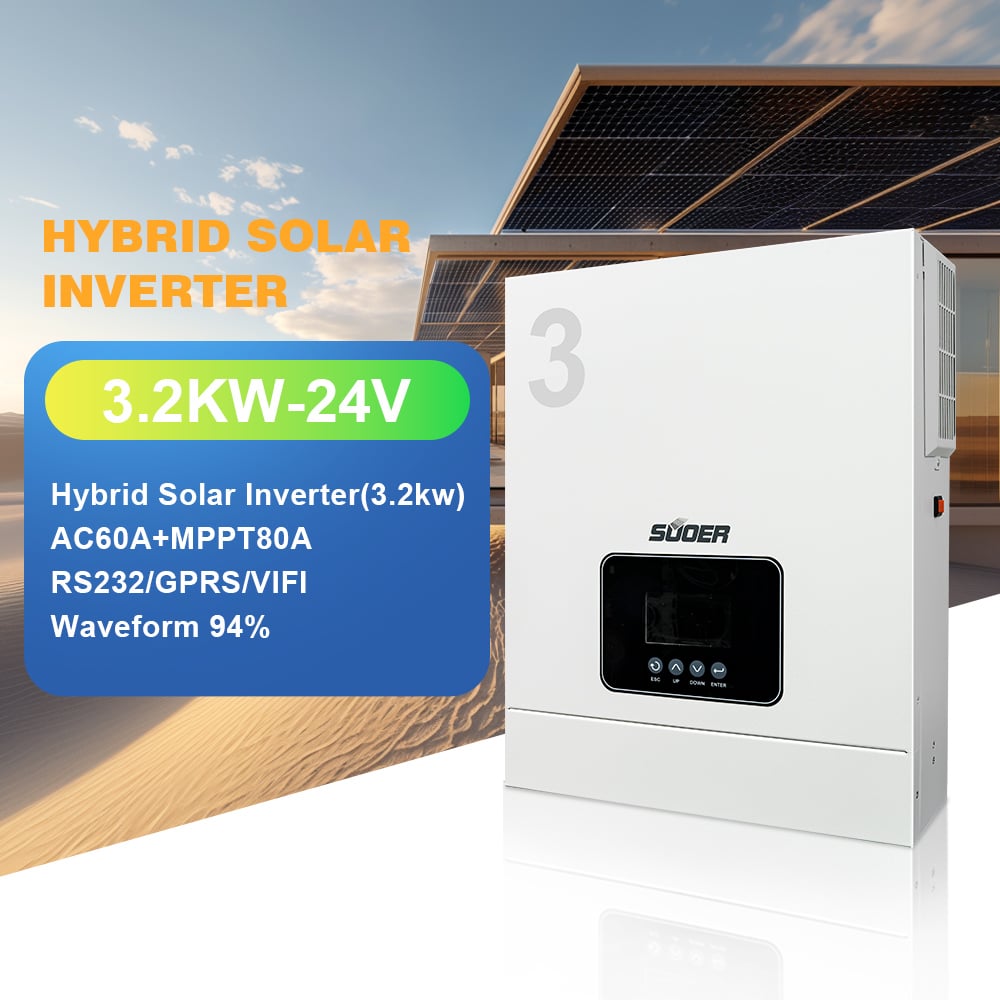
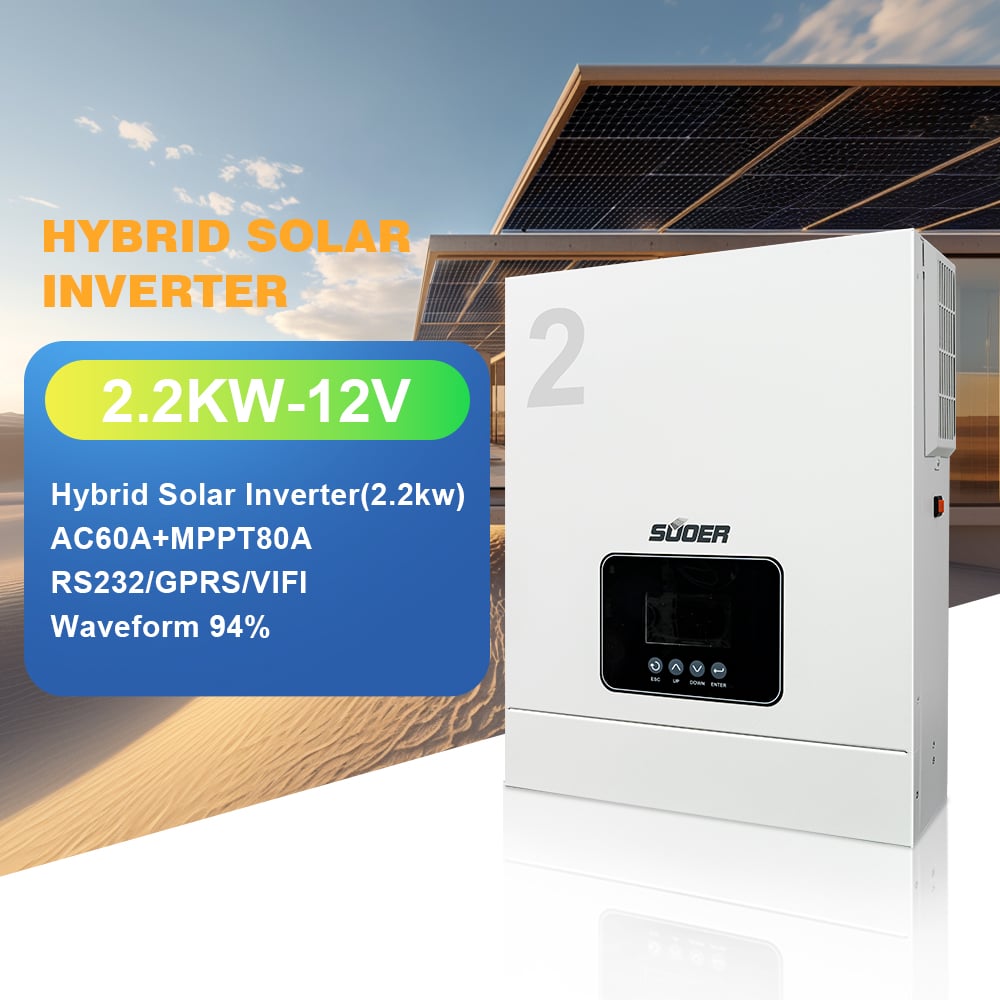
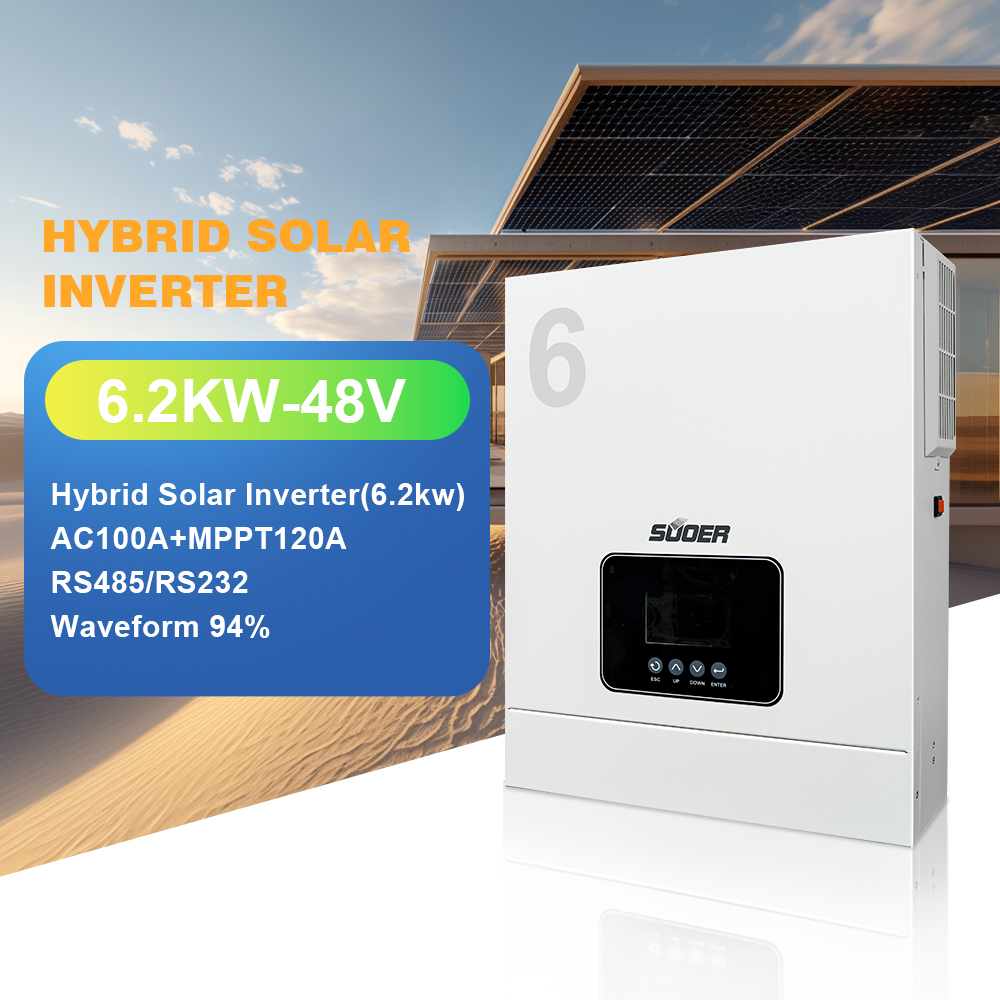
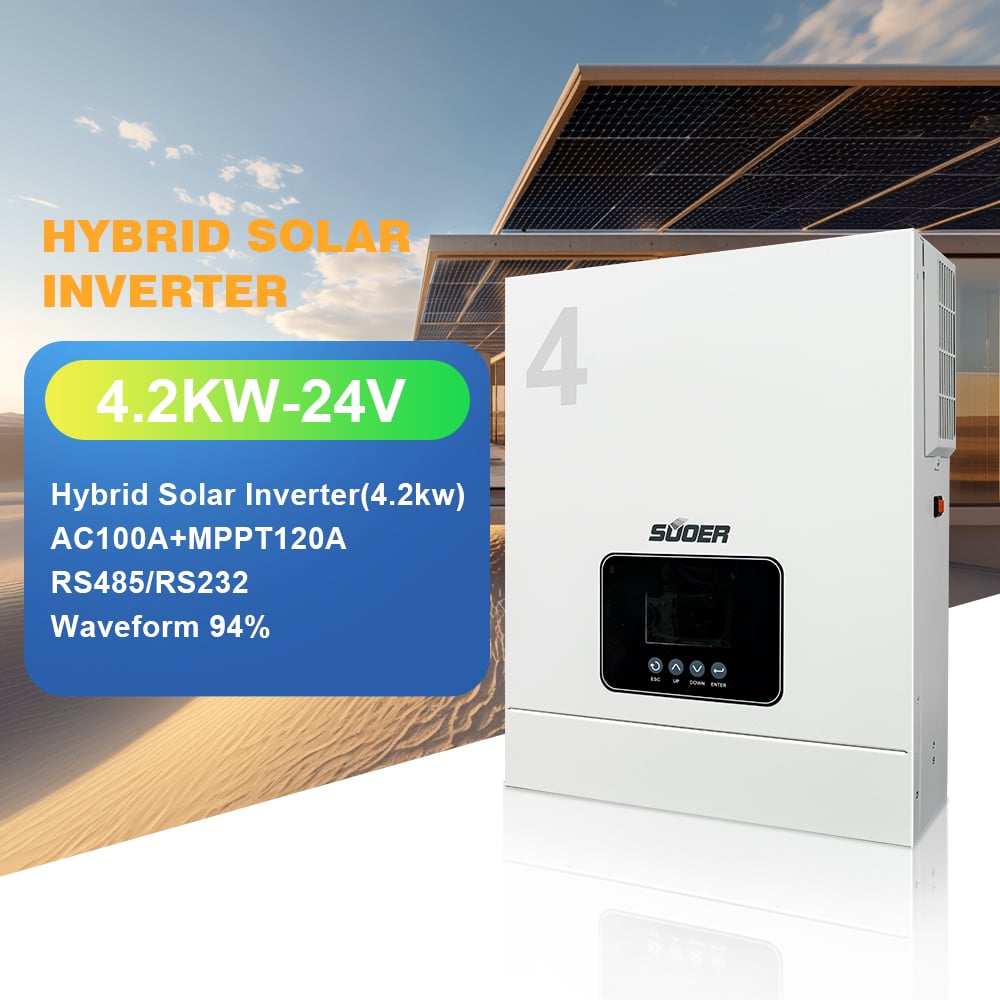
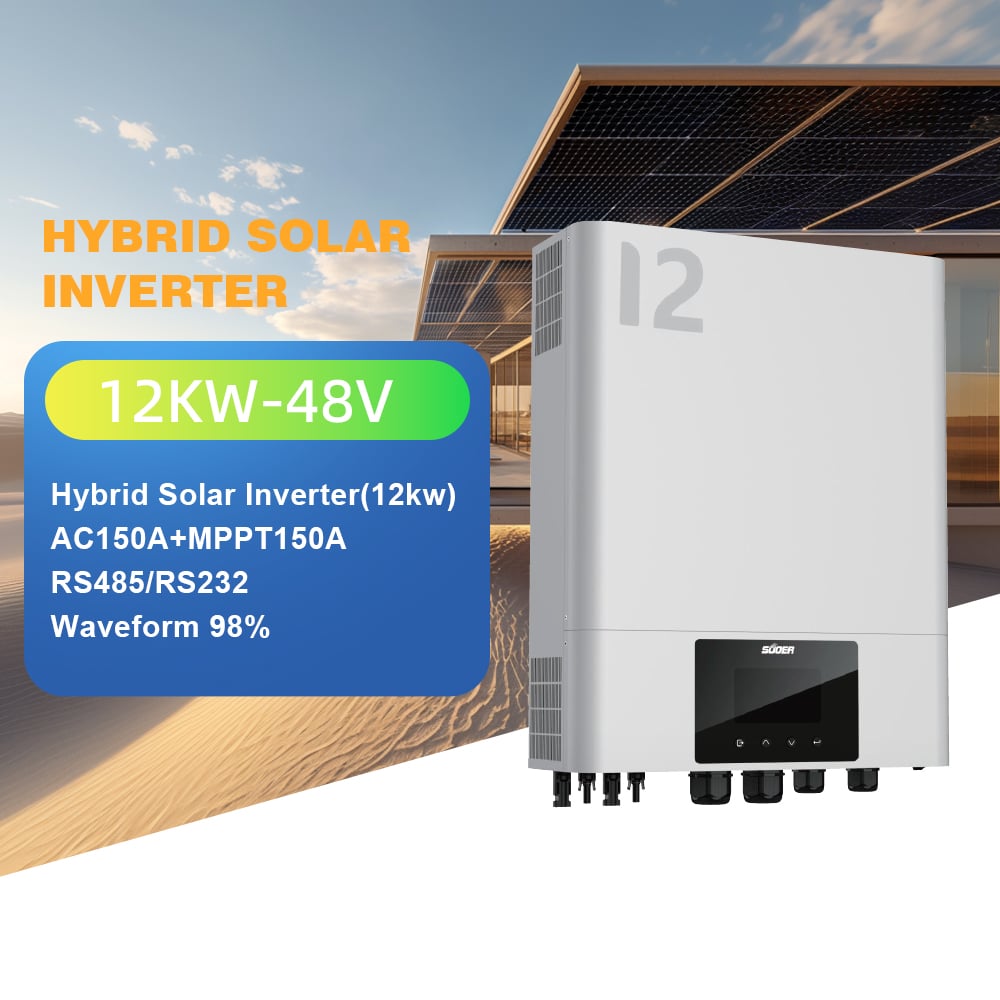
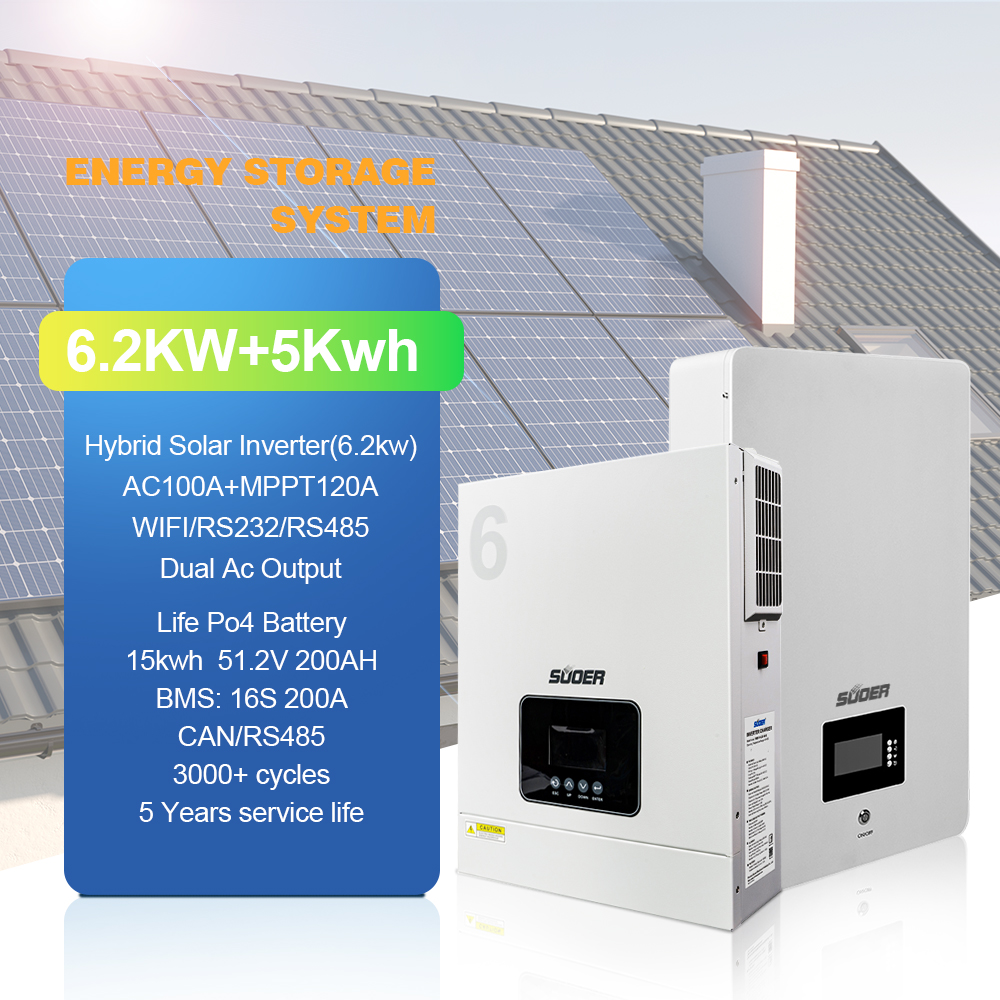
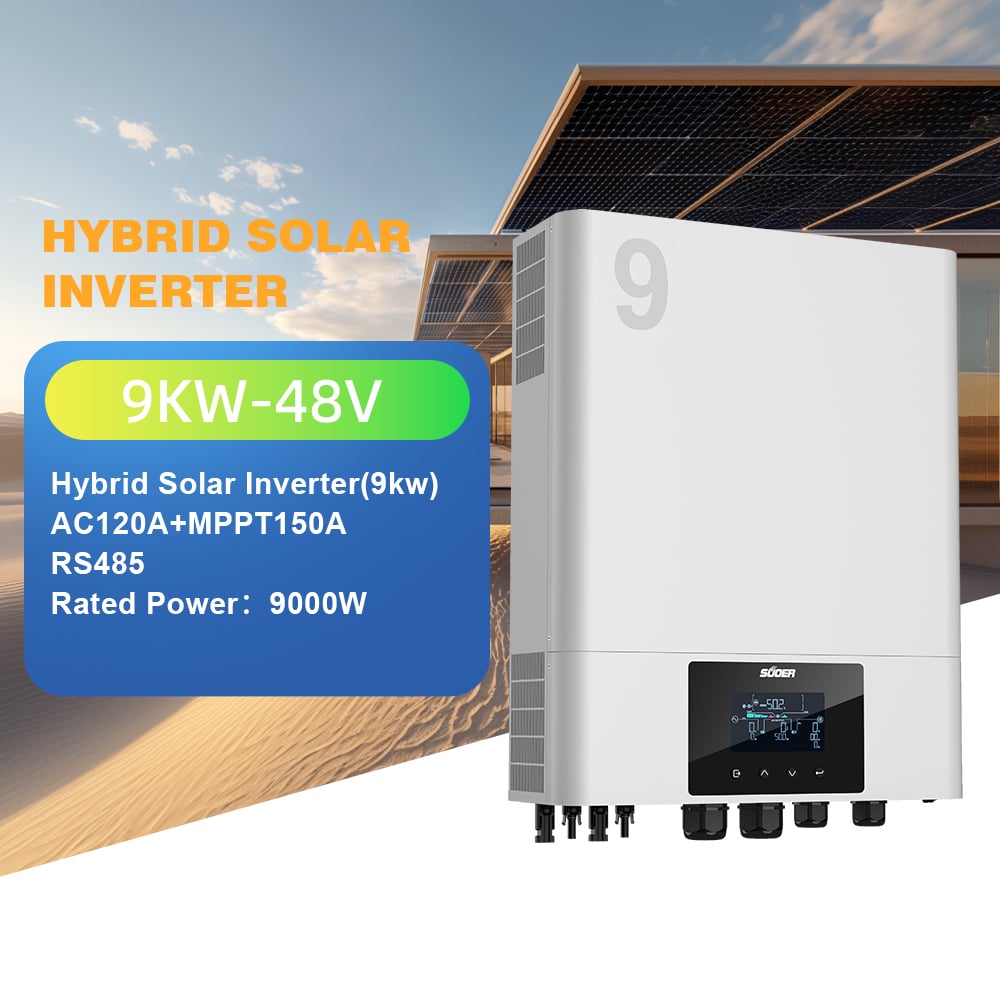
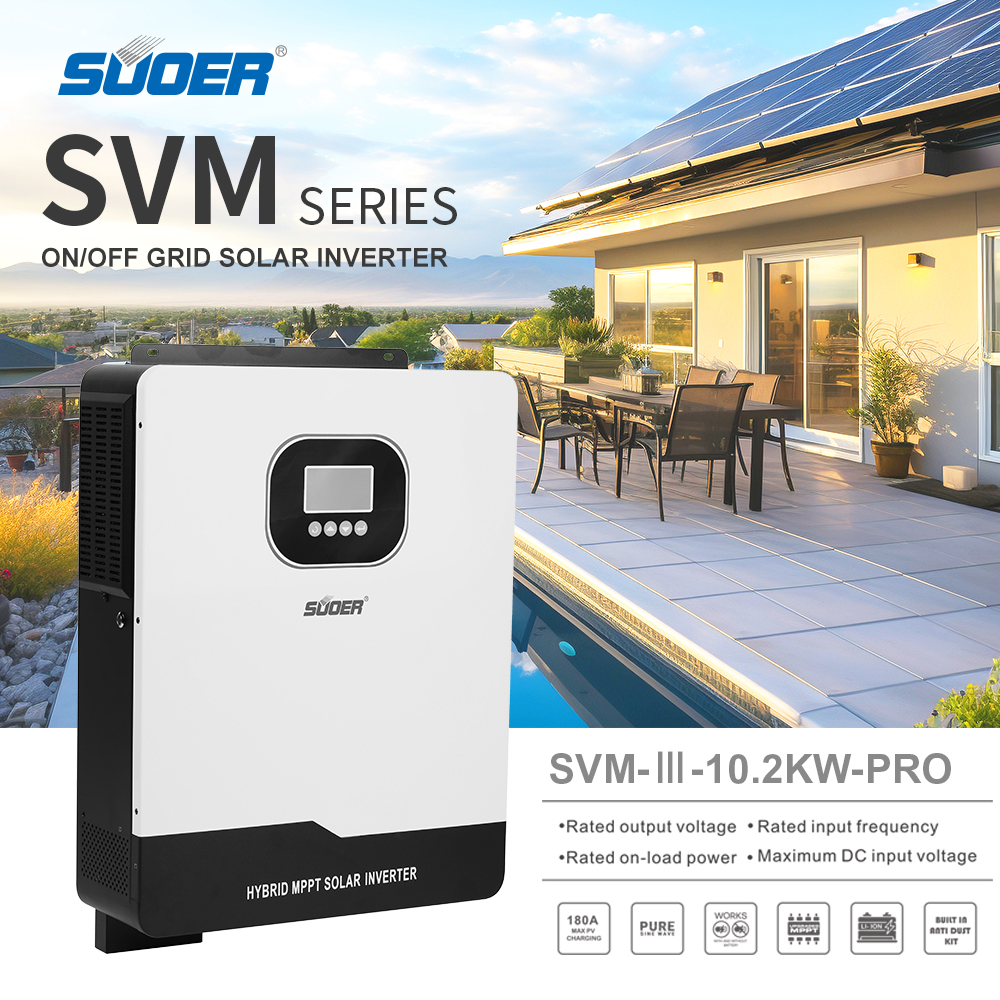
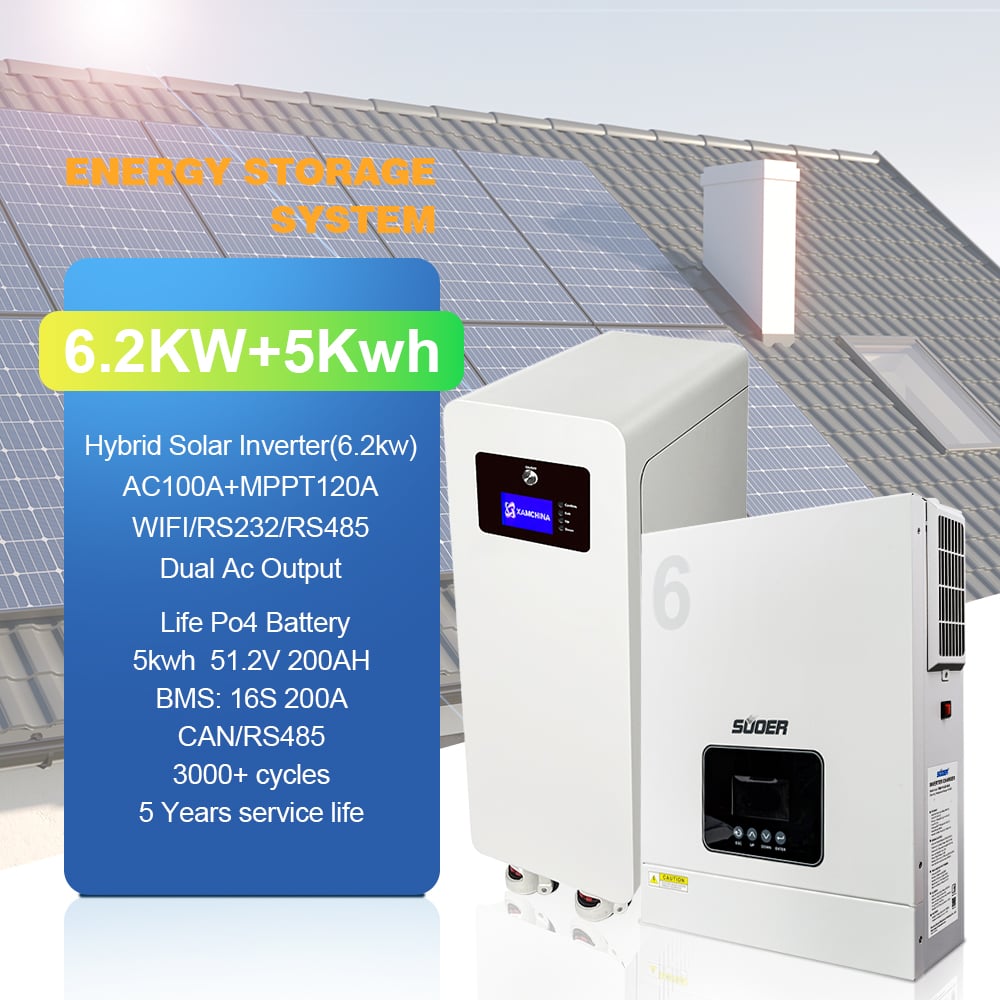
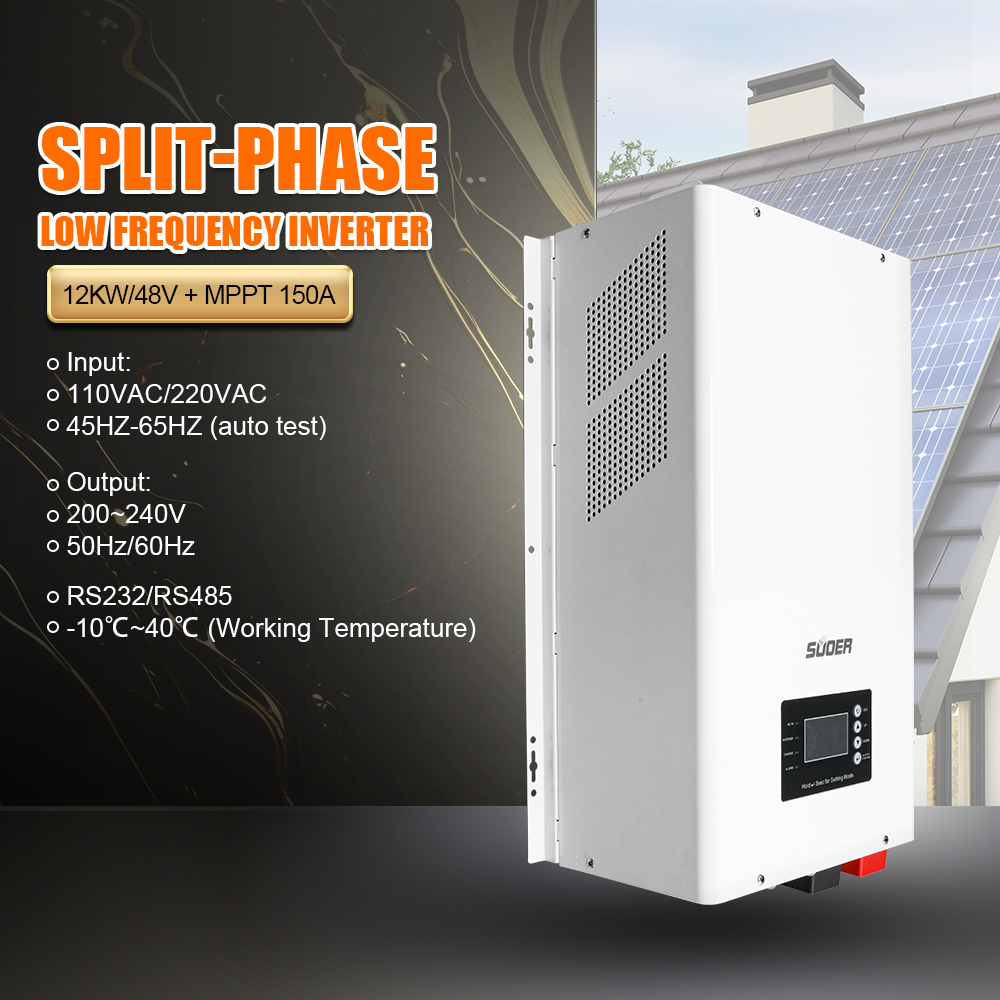
In the rapidly evolving sector of renewable energy, the 1kW solar inverter plays a crucial role in optimizing power conversion from solar panels to usable electricity. For B2B buyers, especially those in manufacturing, installation, and distribution, understanding the intricacies of sourcing, installing, and maintaining these hybrid solar inverter is essential. This article aims to address key considerations for purchasing managers, engineers, and product managers, helping them navigate the complexities of acquiring high-quality 1kW solar inverters for their operations.
When sourcing Suoer 1kW solar inverters, several critical factors should be at the forefront of your decision-making process. First, examine the inverter's specifications, including its efficiency rating, input voltage range, and output capacity. A higher efficiency rating indicates better performance, which can significantly impact energy savings over time.
Next, consider the materials and components used in the inverter’s construction. High-quality materials not only enhance durability but also contribute to the inverter's overall efficiency. For instance, inverters with advanced cooling technologies or protective casings can perform better in varying environmental conditions.
Quality assurance is another paramount consideration. Look for inverters that have passed certifications like ROHS, CE, and ISO9001, as these can indicate adherence to international safety and quality standards. Additionally, inquire about the manufacturer’s quality control processes, including testing protocols and production equipment.
Lastly, understanding the supplier's production capacity and lead times is crucial. Ensure that the supplier can meet your demand without compromising quality, especially if you are considering bulk purchases.
Proper installation is vital for maximizing the performance of Suoer 1kW solar inverters. To ensure efficiency, it is essential to follow the manufacturer's installation guidelines closely. Key installation aspects to consider include:
Site Assessment: Conduct a thorough assessment of the installation site to determine optimal placement. Factors such as sunlight exposure, shading from nearby structures, and orientation can significantly affect the inverter’s performance.
Electrical Connections: Ensure all electrical connections are made correctly, following local regulations and safety standards. Incorrect wiring can lead to operational issues or even damage the inverter. Engaging a qualified electrician for installation can mitigate these risks.
Cooling and Ventilation: Adequate airflow is necessary to prevent overheating. Install the off grid hybrid solar inverter in a well-ventilated area, away from direct sunlight and moisture, to enhance its longevity and reliability.
Monitoring Systems: Implement monitoring solutions that allow for real-time performance tracking. This can help identify any operational issues early, enabling timely maintenance and ensuring optimal performance.
Despite their robust design, 1kW solar inverters can encounter several common issues that may affect their performance. Understanding these problems and their solutions can help buyers prepare for maintenance and troubleshooting:
Overheating: If an inverter runs too hot, it may shut down to protect itself. This can be mitigated by ensuring proper ventilation and positioning. If overheating persists, consider exploring inverters with built-in cooling technologies.
Voltage Mismatch: Incompatibility between the inverter and solar panels can lead to inefficiencies. Buyers should verify that the inverter’s input voltage range matches the output voltage of the solar panels.
Software Glitches: Occasionally, inverters may experience software-related issues that can disrupt performance. Regular updates from the manufacturer can resolve these glitches. Ensure that the inverter has a user-friendly interface for easy access to updates and diagnostics.
Electrical Failures: Fuses or circuit breakers may blow due to power surges. Implementing surge protection devices can prevent such occurrences and protect the inverter from damage.
Finding trustworthy suppliers for 1kW solar inverters requires careful research. Start by looking for manufacturers with a proven track record in the renewable energy sector. Check their certifications and customer feedback to gauge their reliability and product quality.
Industry trade shows and exhibitions are excellent venues for meeting suppliers and experiencing their products firsthand. Engaging with suppliers in person allows you to ask specific questions about their production processes, quality control measures, and customization capabilities.
Additionally, online platforms and industry-specific forums can provide insights into supplier reputations. Networking with other professionals in the field can lead to valuable recommendations for reputable suppliers.
When purchasing Suoer 1kW solar inverters in bulk, several cost factors come into play beyond the unit price. First, consider the total cost of ownership, which includes installation, maintenance, and operational costs over the inverter's lifespan. A higher upfront investment in a more efficient inverter may yield significant savings in energy costs over time.
Also, factor in shipping and handling costs, especially if you're importing inverters from overseas. Understanding the supplier's MOQ (minimum order quantity) can help you align your purchasing strategy with your budget.
Customization options can also influence pricing. If you require specific features or configurations, discuss these with the supplier upfront, as they may impact the overall cost and lead time.
Lastly, don’t overlook potential warranties or service agreements, which can provide added value and assurance in your investment. Always inquire about these options and understand what they cover before finalizing your purchase.
In summary, navigating the acquisition of off grid solar inverter involves careful consideration of specifications, installation practices, common challenges, supplier reliability, and cost implications. By focusing on these aspects, B2B buyers can make informed decisions that lead to successful implementations in their renewable energy projects.

Discover Suoer’s premium range of solar inverters and power inverters designed for reliable renewable energy solutions.Trusted by customers worldwide for exceptional performance and durability.
Suoer Industrial Zone, Ercun Road Section, Yanfeng Avenue, Shishan Town,Foshan city,Guangdong Province,China
Copyright © 2024 Foshan Suoer Electronic Industry Co., Ltd. Privacy Policy - Blog

 EN
 AR
 NL
 FR
 DE
 EL
 IT
 JA
 KO
 PT
 RU
 ES
 VI
 TH
 TR
 BG
 HR
 CS
 NO
 PL
 TL
 ID
 SR
 UK
 SQ
 HU
 MT
 AF
 MS
 IS
 HY
 AZ
 BN
 BS
 GU
 LO
 LA
 MN
 NE
 TA