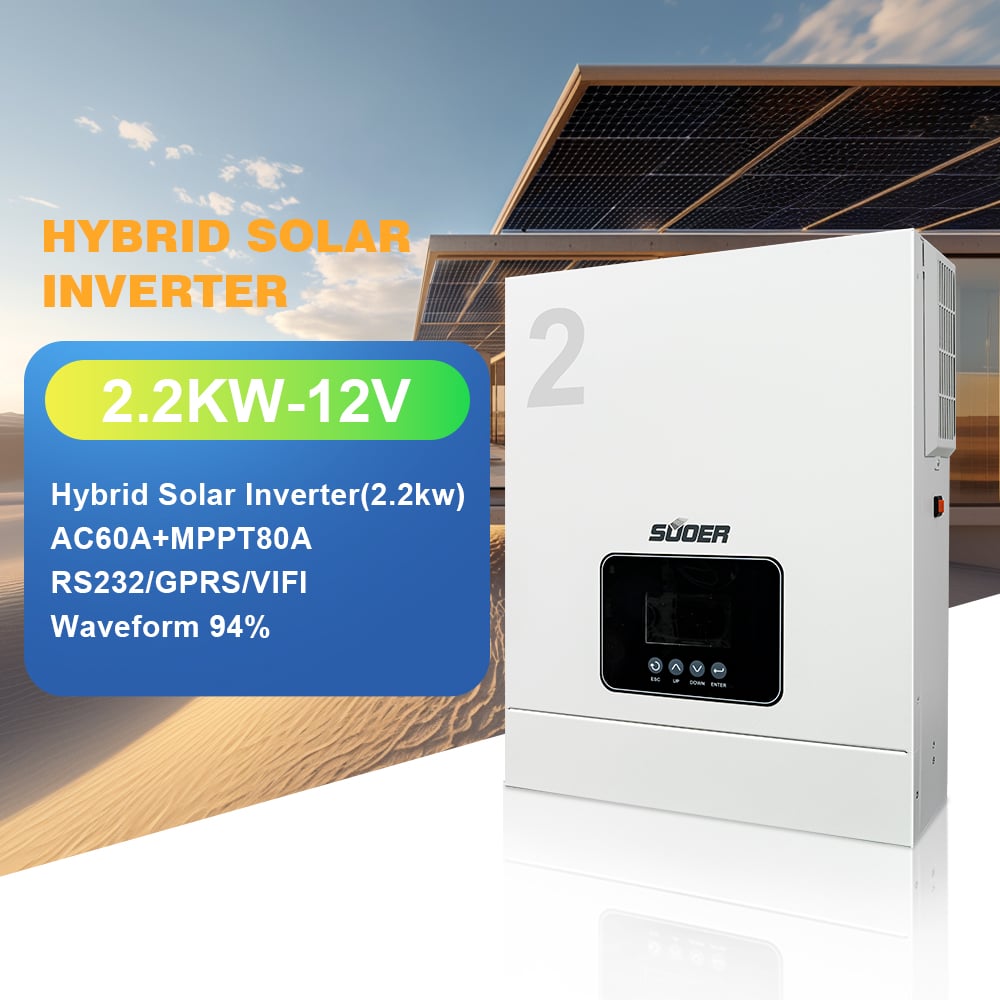
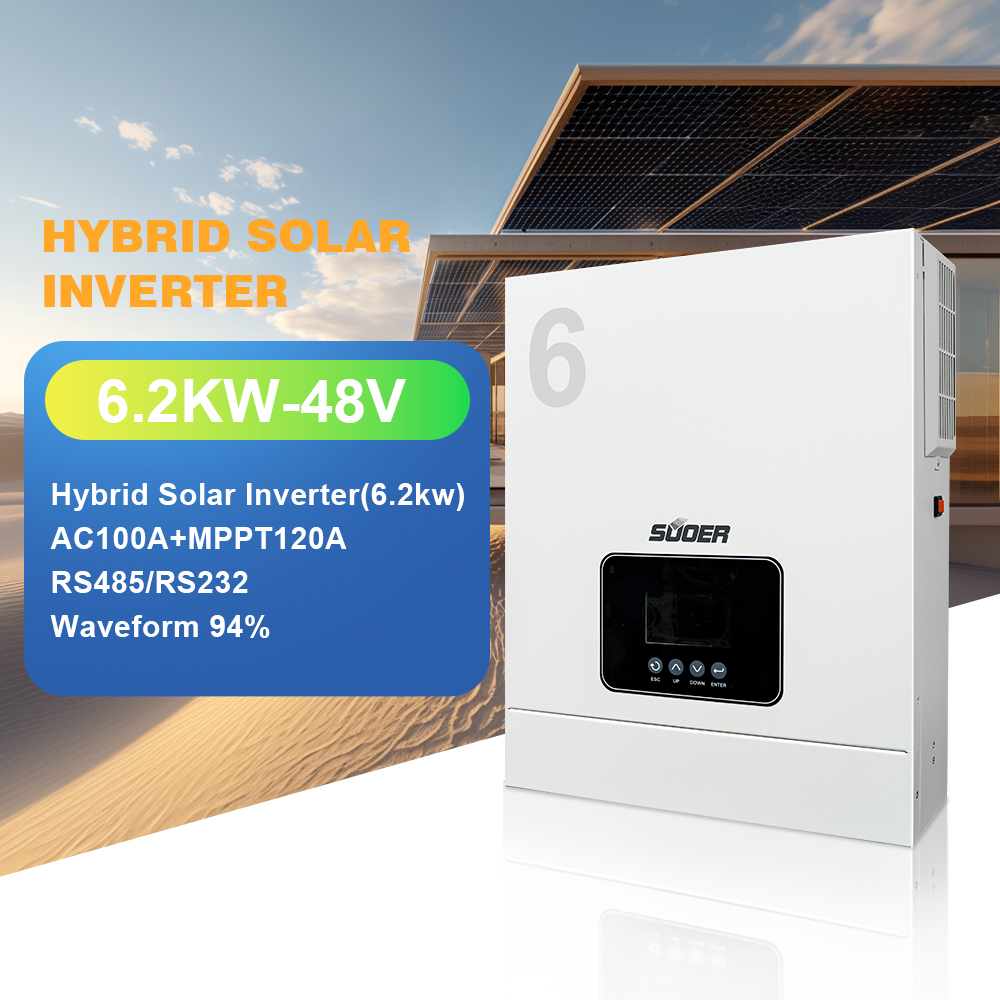
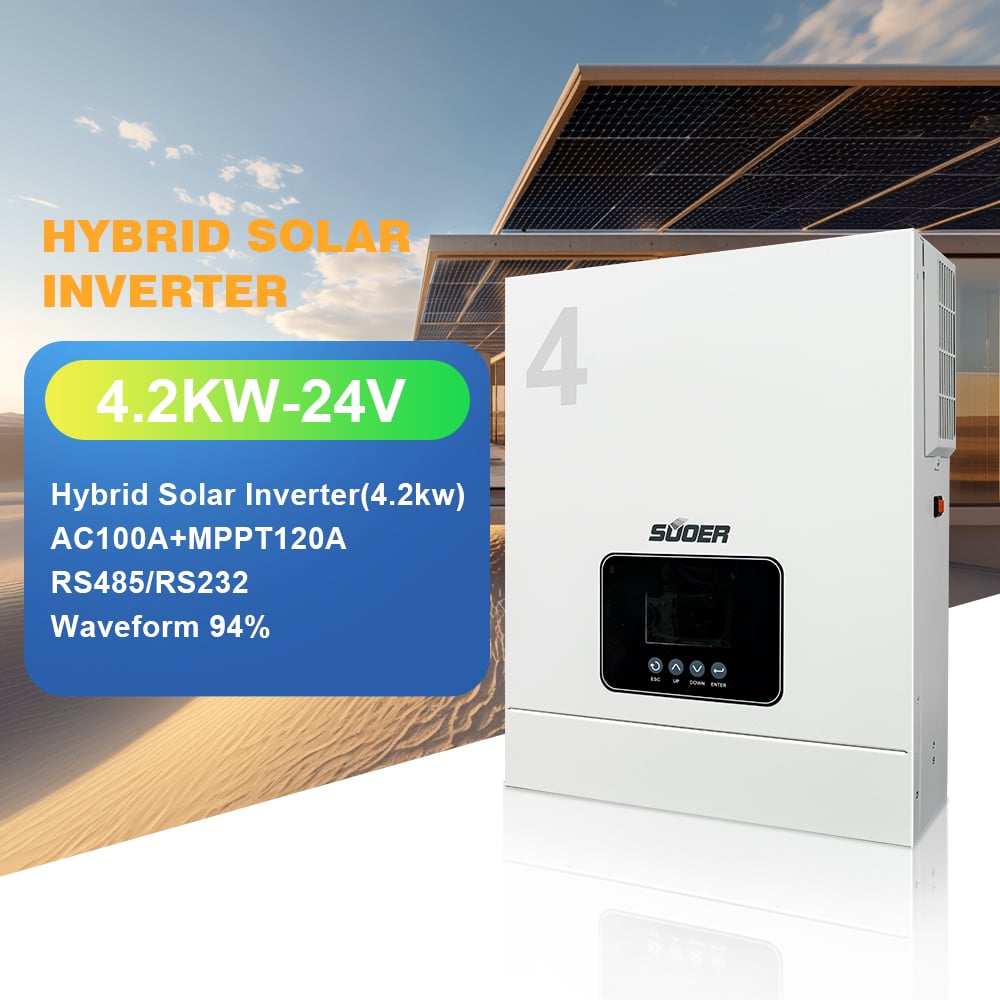
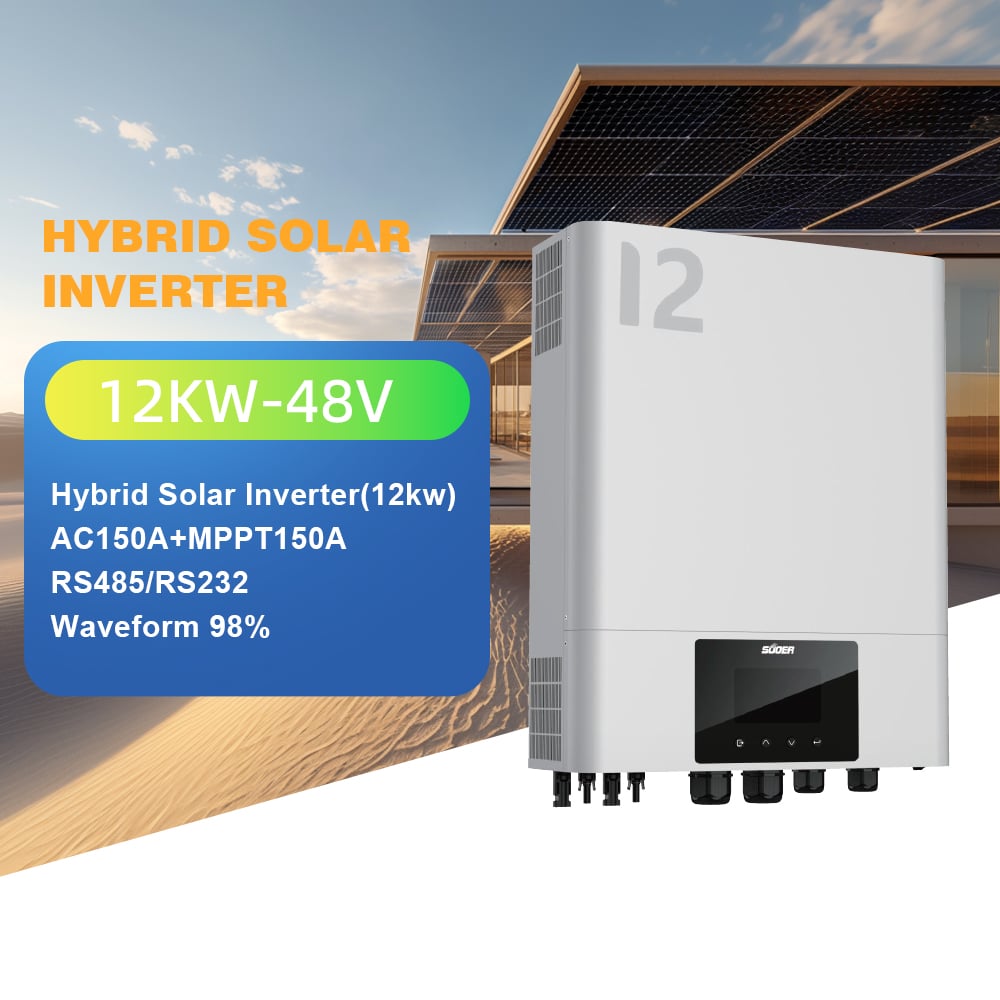
Understanding the intricacies of solar charge controller inverters is essential for B2B buyers in sectors such as electric vehicles, telecommunications, and renewable energy. These devices are pivotal in managing energy flow from solar panels to batteries, ensuring efficient charging and prolonging battery life. As a buyer, you might be concerned about specifications, quality, compatibility, and the impact of these factors on your projects. This article aims to provide practical insights into sourcing and evaluating solar charge controller inverters to aid informed purchasing decisions.
When sourcing solar charge controller inverters, the first step is to understand your specific application requirements. Key specifications to consider include:
Voltage and Current Ratings: Ensure the inverter can handle the voltage and current generated by your solar panel setup. This affects the efficiency and safety of the system.
Charge Control Algorithms: Different inverters utilize various algorithms (like PWM or MPPT) that optimize the charging process. MPPT (Maximum Power Point Tracking) inverters, for example, are generally more efficient, especially in varying light conditions.
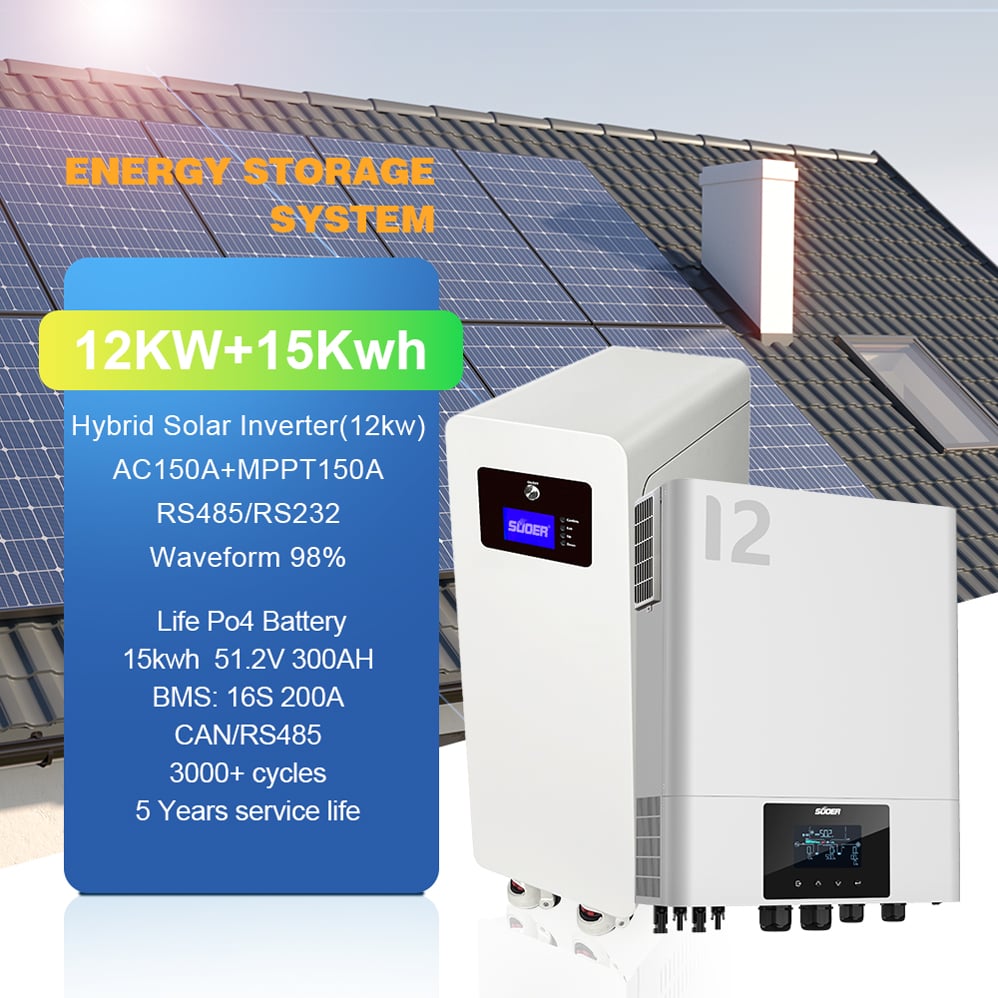
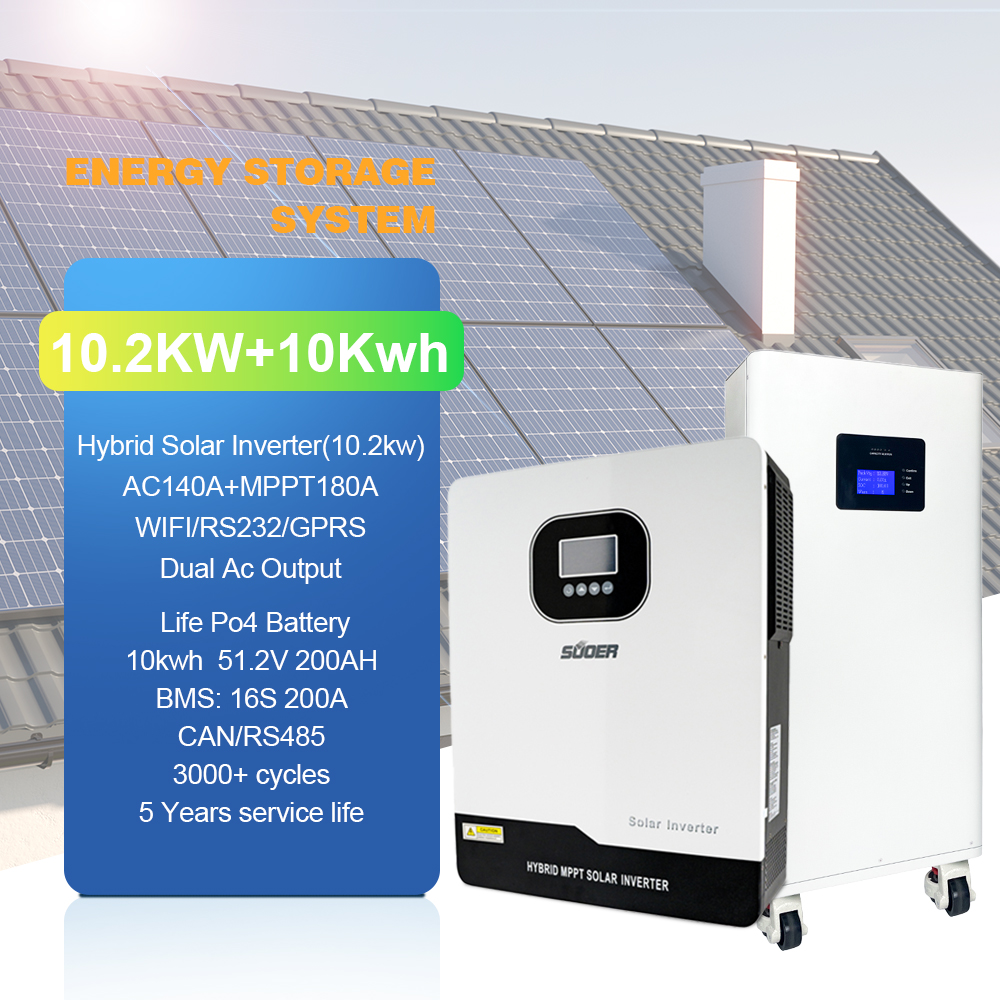
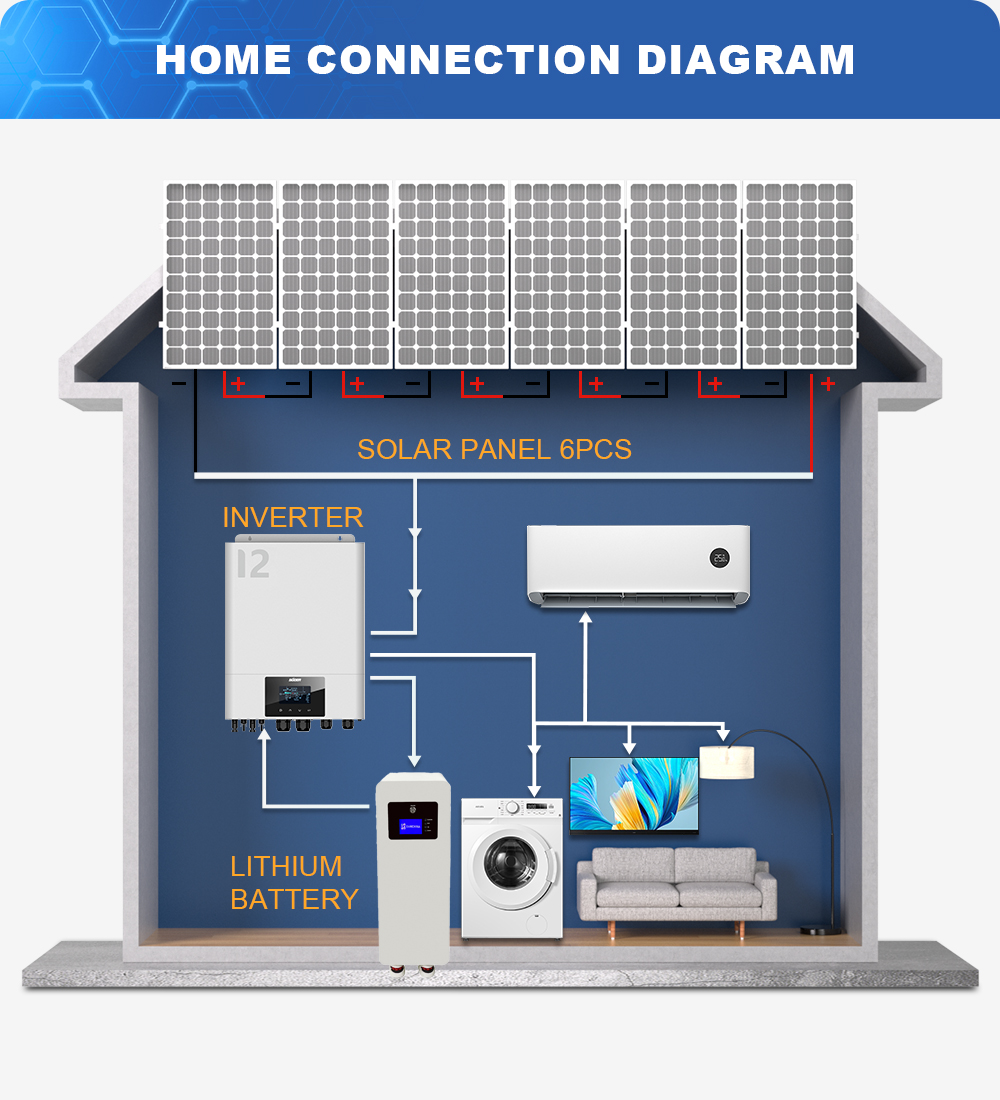
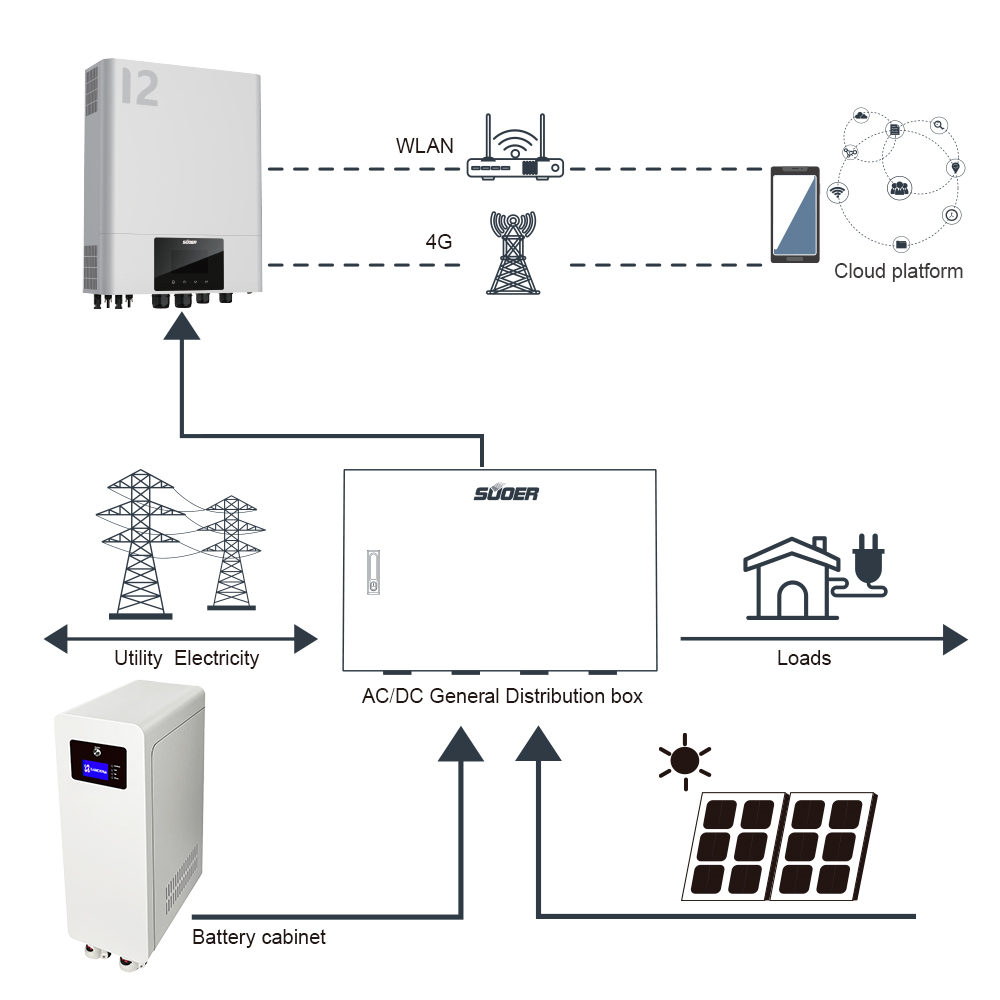
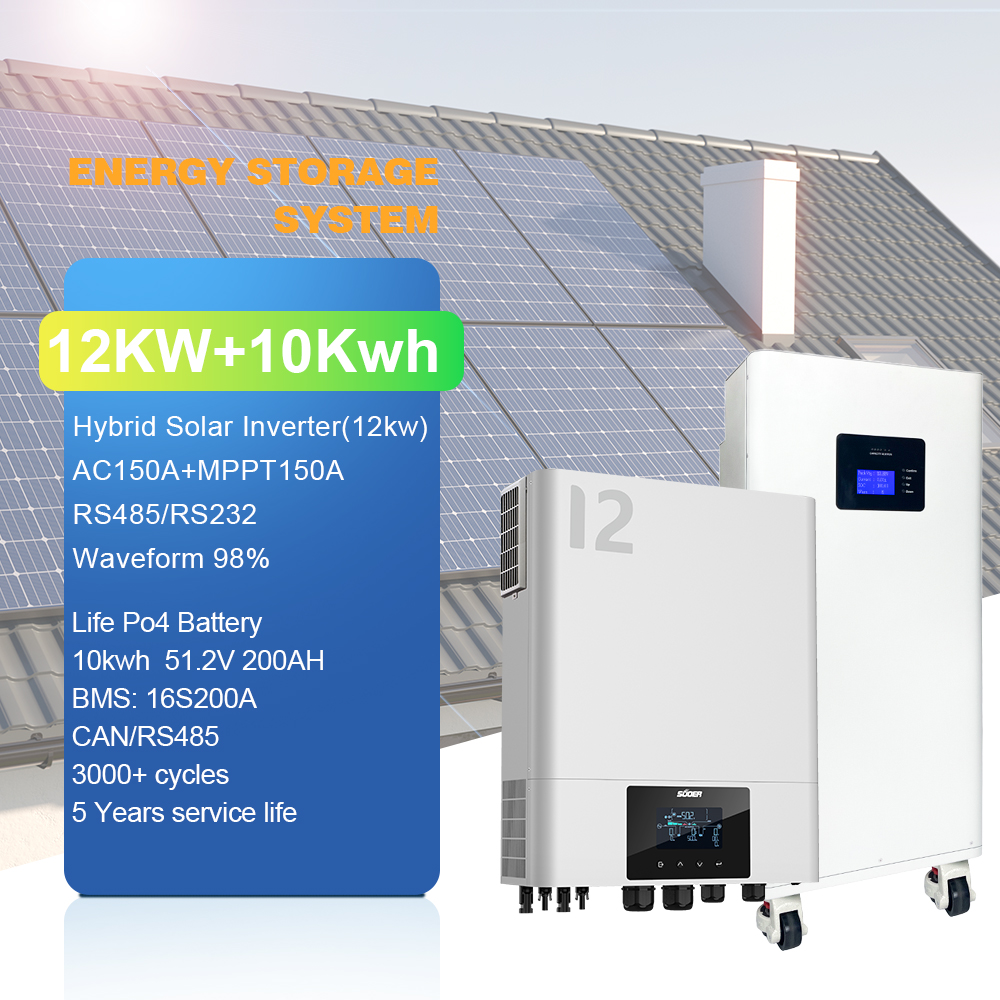
Compatibility: The inverter must be compatible with your battery types, whether they are lead-acid or lithium-ion. This ensures longevity and optimal performance. For instance, options like the New 12kw Hybrid Solar Off-Grid Inverter System 15kwh 300ah Lithium Iron Lifepo4 Battery can be considered for lithium-ion setups.
Environmental Ratings: Consider the operational environment. For instance, if the inverter will be exposed to harsh weather conditions, look for models with appropriate IP (Ingress Protection) ratings.
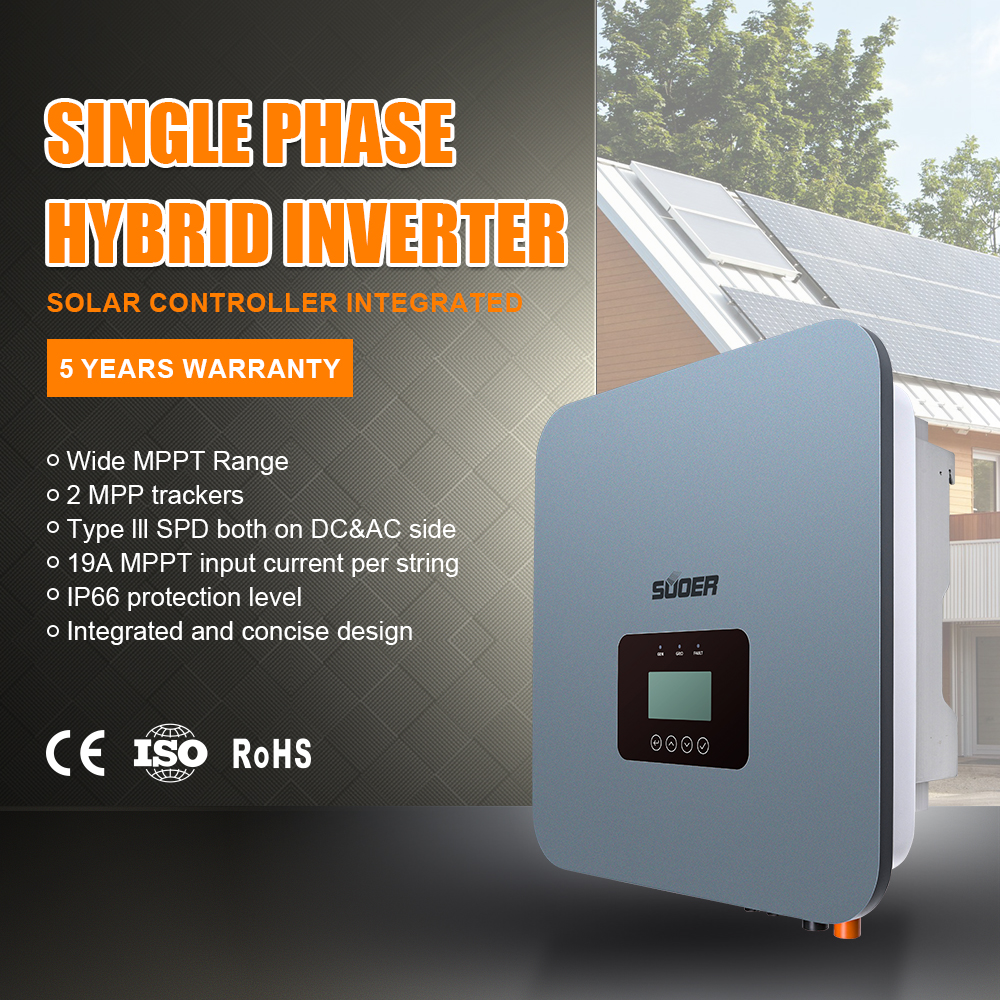
Certifications: Look for compliance with standards such as ROHS, CE, and ISO9001, which are indicative of quality and safety. These certifications can also affect your project's regulatory compliance.
When purchasing solar charge controller inverters wholesale, several strategies can enhance your procurement process:
Quantities and MOQs: Understand the minimum order quantities (MOQs) set by your supplier. If you're purchasing in bulk, negotiate better pricing or terms to optimize costs.
Supplier Evaluation: Assess the reliability of potential suppliers. Look for those with a proven track record in the solar industry, especially in supplying to OEMs and established companies.
Request Samples: Before committing to large orders, request samples to evaluate performance under real conditions. This is crucial for assessing compatibility and functionality.
Lead Times: Clarify lead times upfront. Knowing how quickly you can receive your order is vital for project scheduling.
Payment Terms: Negotiate payment terms that suit your cash flow, especially if you're committing to significant orders. This can include options for phased payments based on delivery milestones.
Quality evaluation of solar charge controller inverters should encompass several critical aspects:
Material and Build Quality: Examine the materials used in the inverter's construction. High-quality components reduce the likelihood of failures and enhance durability.
Performance Testing: Look for inverters that have undergone rigorous testing and quality control processes. This can include thermal, electrical, and stress testing to ensure reliability under various conditions.
Warranty and Support: A solid warranty indicates manufacturer confidence in product durability. Additionally, reliable customer support can assist with troubleshooting and service issues.
User Reviews and Case Studies: Research feedback from other users, particularly in similar applications, to gauge real-world performance and reliability.
Technical Documentation: Ensure comprehensive documentation is available, including installation guides, specifications, and maintenance instructions, which are vital for proper usage.
Understanding the cost structure of solar charge controller inverters is essential for budgeting:
Initial Costs vs. Long-term Savings: While higher upfront costs might seem daunting, investing in quality inverters with better efficiency ratings can lead to significant savings on energy costs over time. For example, the VMS-12kw energy system sales 12kw smart hybrid solar Inverter offers such efficiency.
Customization Requirements: Custom features can increase costs. Be clear about any specific needs you have, such as modified voltage outputs or additional monitoring features.
Shipping and Handling: Factor in shipping costs, especially for international orders. Choose suppliers who offer transparent pricing to avoid unexpected expenses.
Installation Costs: Consider the potential need for professional installation, which can add to overall project costs. Some inverters may be easier to install than others, impacting labor costs.
Lifecycle Costs: Finally, evaluate the total cost of ownership, which includes maintenance, repairs, and potential replacements over the lifespan of the inverter.
Proper installation of solar charge controller inverters is crucial for optimal performance:
Location: Install the inverter in a shaded, cool environment to prevent overheating, which can reduce efficiency and lifespan.
Wiring and Connections: Follow the manufacturer’s wiring diagrams carefully. Incorrect connections can lead to system failures or hazards.
Mounting: Ensure secure mounting according to the specifications provided. Vibration and movement can affect performance and longevity.
Testing Post-Installation: Once installed, conduct thorough testing to ensure all components are functioning correctly. This includes checking voltage outputs and monitoring charging cycles.
Regular Maintenance: Schedule regular inspections to check for wear and tear, especially after extreme weather conditions. This proactive approach can prevent downtime and ensure reliability.
By understanding these critical factors and considerations, B2B buyers can make informed decisions when sourcing solar charge controller inverters that meet their specific needs. With a focus on quality, compatibility, and efficiency, organizations can enhance their energy management solutions and drive project success.

Discover Suoer’s premium range of solar inverters and power inverters designed for reliable renewable energy solutions.Trusted by customers worldwide for exceptional performance and durability.
Suoer Industrial Zone, Ercun Road Section, Yanfeng Avenue, Shishan Town,Foshan city,Guangdong Province,China
Copyright © 2024 Foshan Suoer Electronic Industry Co., Ltd. Privacy Policy - Blog

 EN
 AR
 NL
 FR
 DE
 EL
 IT
 JA
 KO
 PT
 RU
 ES
 VI
 TH
 TR
 BG
 HR
 CS
 NO
 PL
 TL
 ID
 SR
 UK
 SQ
 HU
 MT
 AF
 MS
 IS
 HY
 AZ
 BN
 BS
 GU
 LO
 LA
 MN
 NE
 TA