Selecting the right solar charge controller and inverter is crucial for any business looking to optimize energy efficiency and sustainability in their operations. These components play a vital role in managing energy flow from solar panels to batteries and ensuring the effective conversion of solar energy into usable power. As a B2B buyer, you may have concerns about product specifications, quality, compatibility with existing systems, and the overall value these products bring to your projects. This article aims to provide you with a comprehensive understanding of solar charge controllers and inverters, guiding you through critical considerations that will aid in making informed purchasing decisions.
When selecting a solar charge controller and inverter, it's essential to evaluate several factors that impact performance and compatibility. Key considerations include:
System Size and Capacity: Determine the total wattage of your solar panels and the capacity of your battery bank. The controller and inverter must be capable of handling the peak load and continuous output requirements of your system.
Type of Charge Controller: There are primarily two types of solar charge controllers: PWM (Pulse Width Modulation) and MPPT (Maximum Power Point Tracking). MPPT controllers are generally more efficient, especially in larger systems, as they can extract more energy from the solar panels.
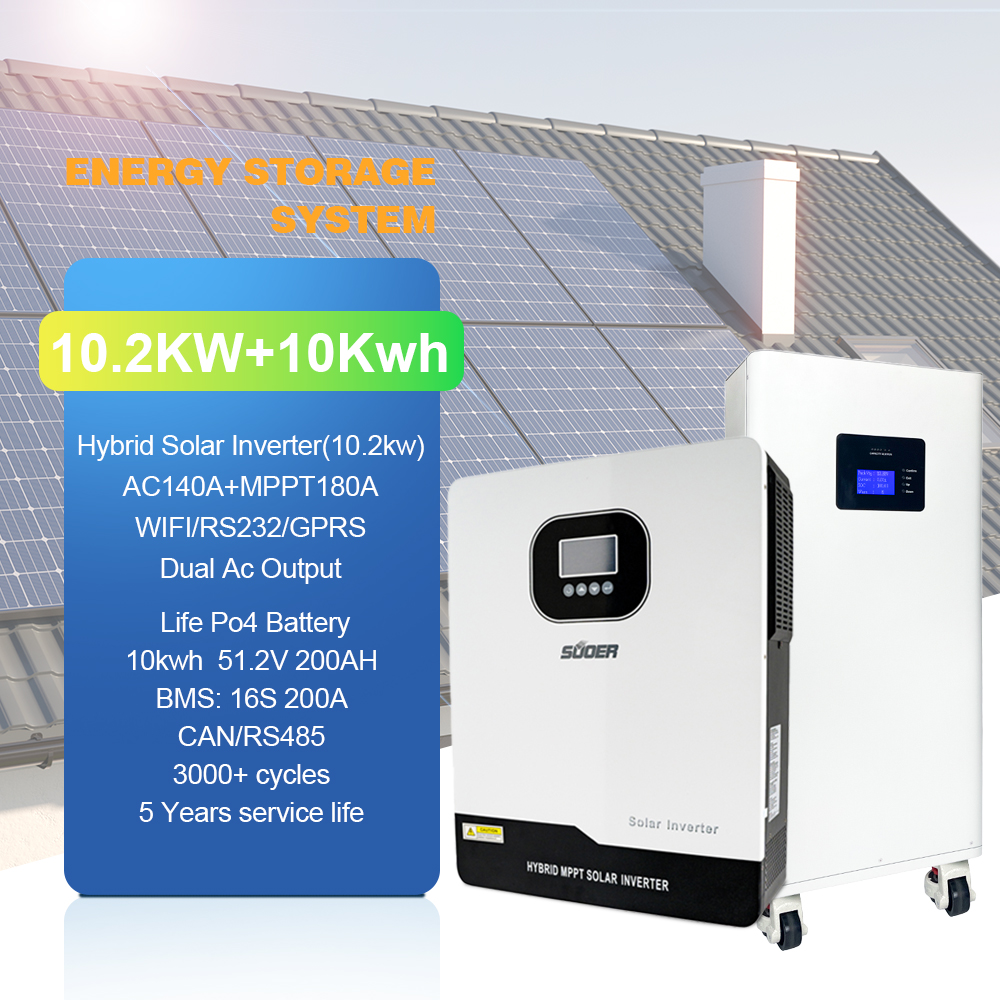
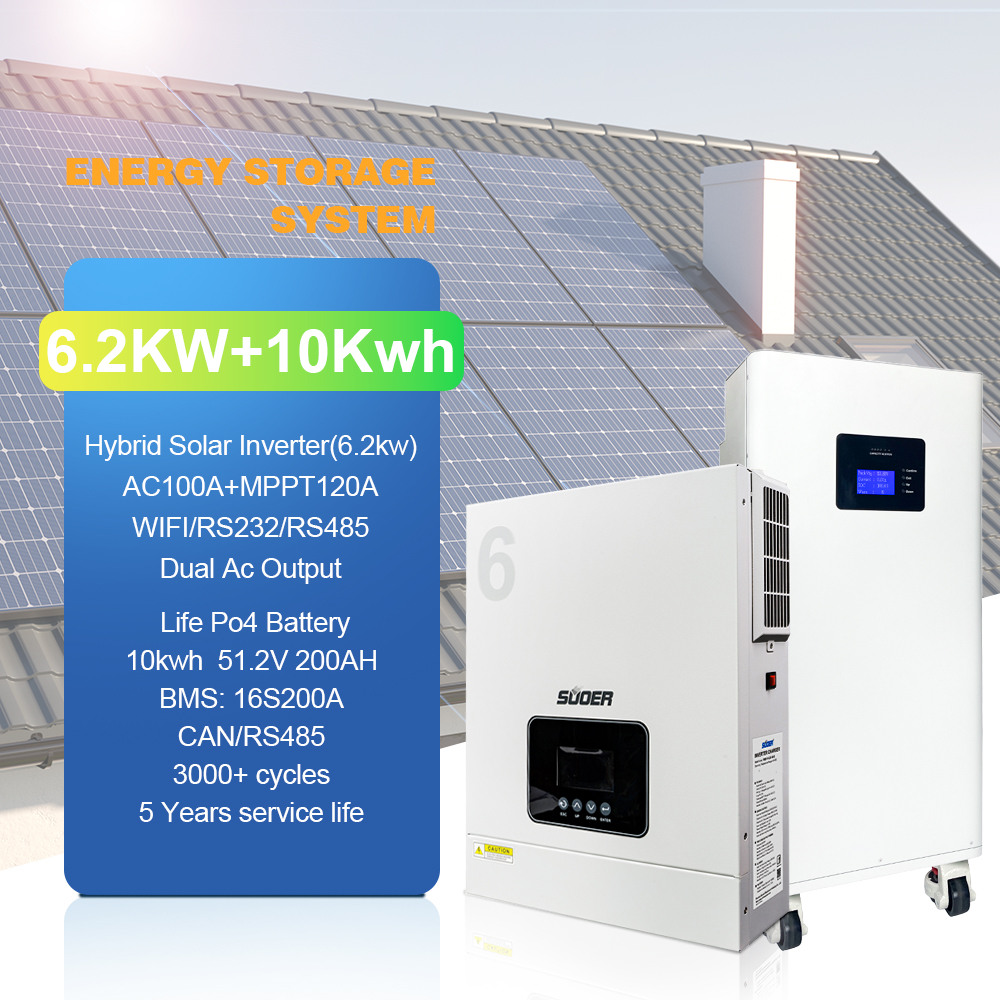
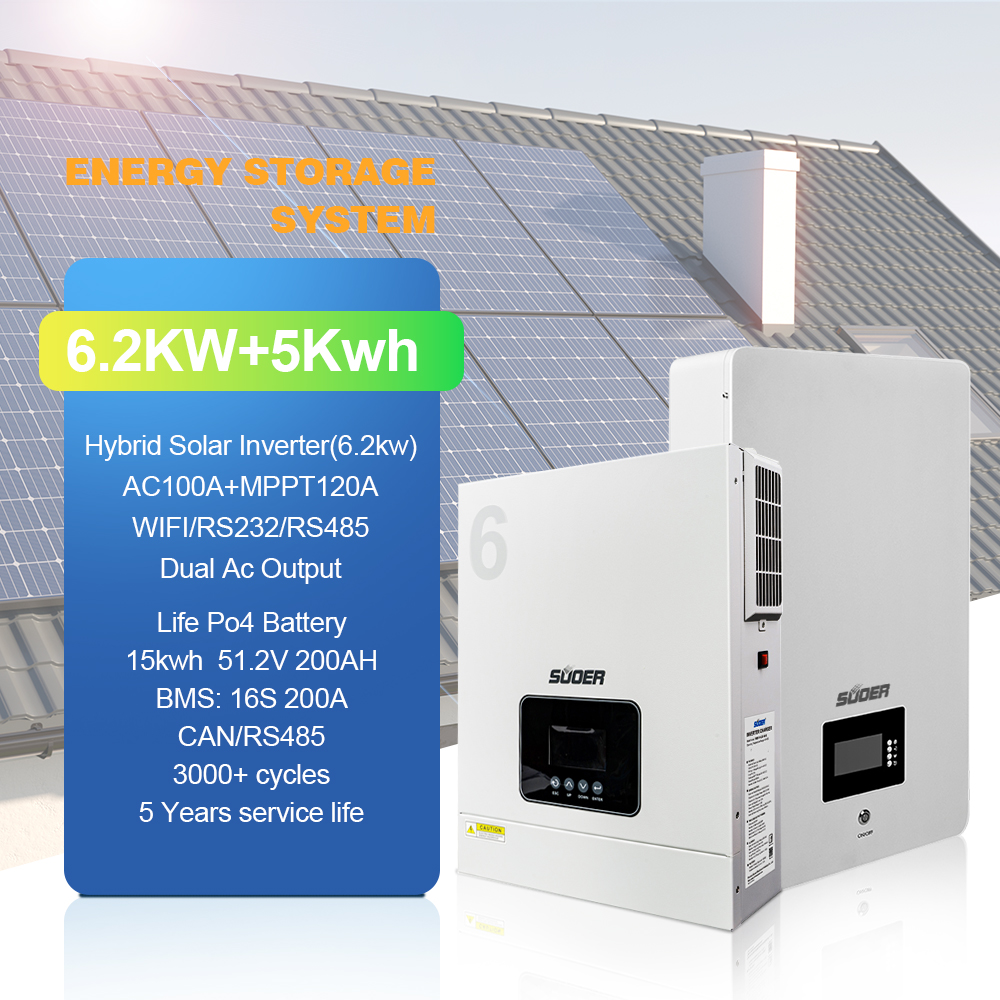
Inverter Type: The inverter must match your application needs. Options include pure sine wave inverters, which are ideal for sensitive electronics, and modified sine wave inverters, which are more cost-effective but may not be suitable for all devices. For instance, the New 10.2kw Hybrid Solar Off-Grid Inverter System 10kwh 200ah Lithium Iron Lifepo4 Battery Split Stackable CAN Communication Port is a great option for many applications.
Efficiency Ratings: Look for products with high efficiency ratings to minimize energy loss during conversion. High-quality solar charge controllers and inverters can significantly improve the overall performance of your solar system.
Certifications: Ensure that products meet relevant certifications such as ROHS, CE, and ISO9001. These certifications are indicators of quality and compliance with industry standards.
In the realm of solar charge controllers and inverters, understanding the specifications and features is vital. Start by assessing the following components:
Voltage Ratings: Ensure compatibility with your battery system, whether it operates at 12V, 24V, or 48V.
Maximum Current Output: This is crucial for determining how much power can be managed by your system. Ensure the controller's output matches or exceeds your solar panel output.
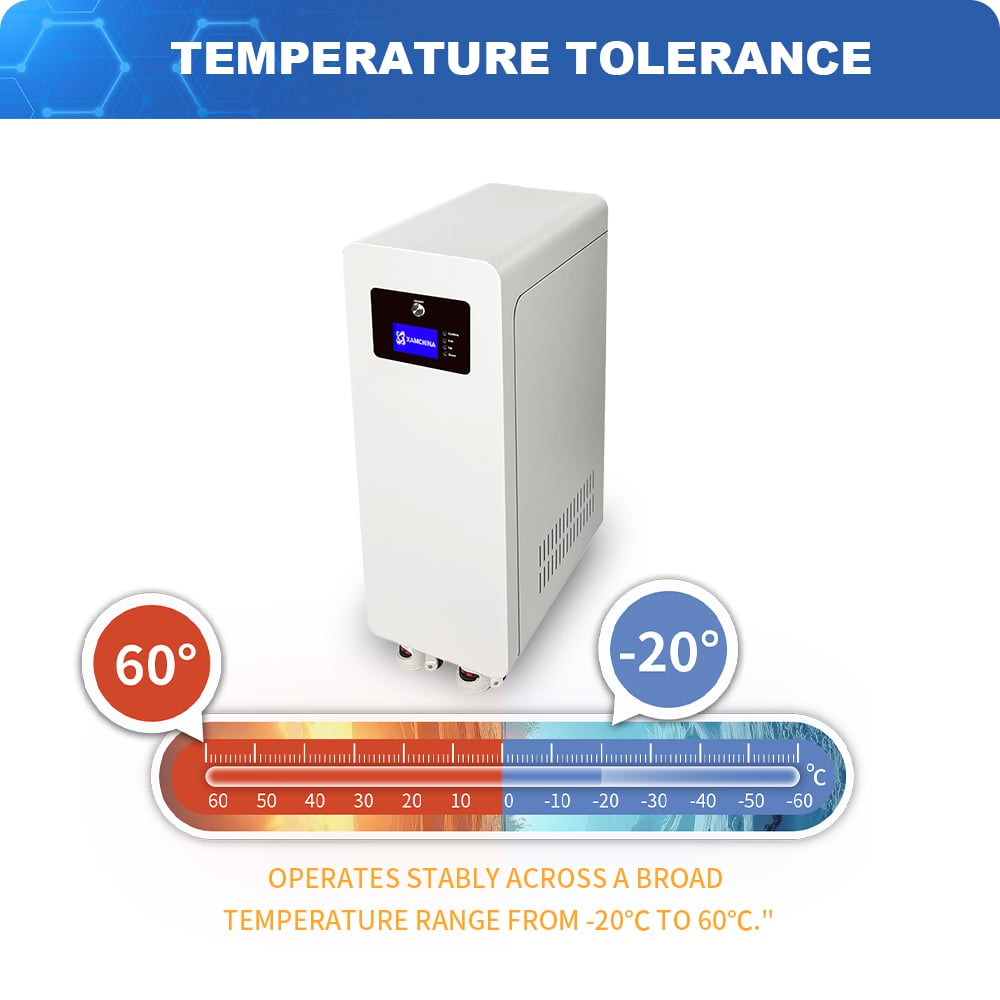
Temperature Range: Consider the operational environment. Controllers and inverters should function effectively within your local temperature ranges to avoid overheating and potential failure.
Protection Features: Look for built-in protections against overcharging, short-circuiting, and reverse polarity to enhance the reliability and lifespan of your system.
User Interface: A clear and intuitive user interface can simplify monitoring and adjustments, making it easier to manage your solar energy system.
Quality assessment is pivotal when selecting solar charge controllers and inverters. To ensure you are investing in reliable products, consider the following:
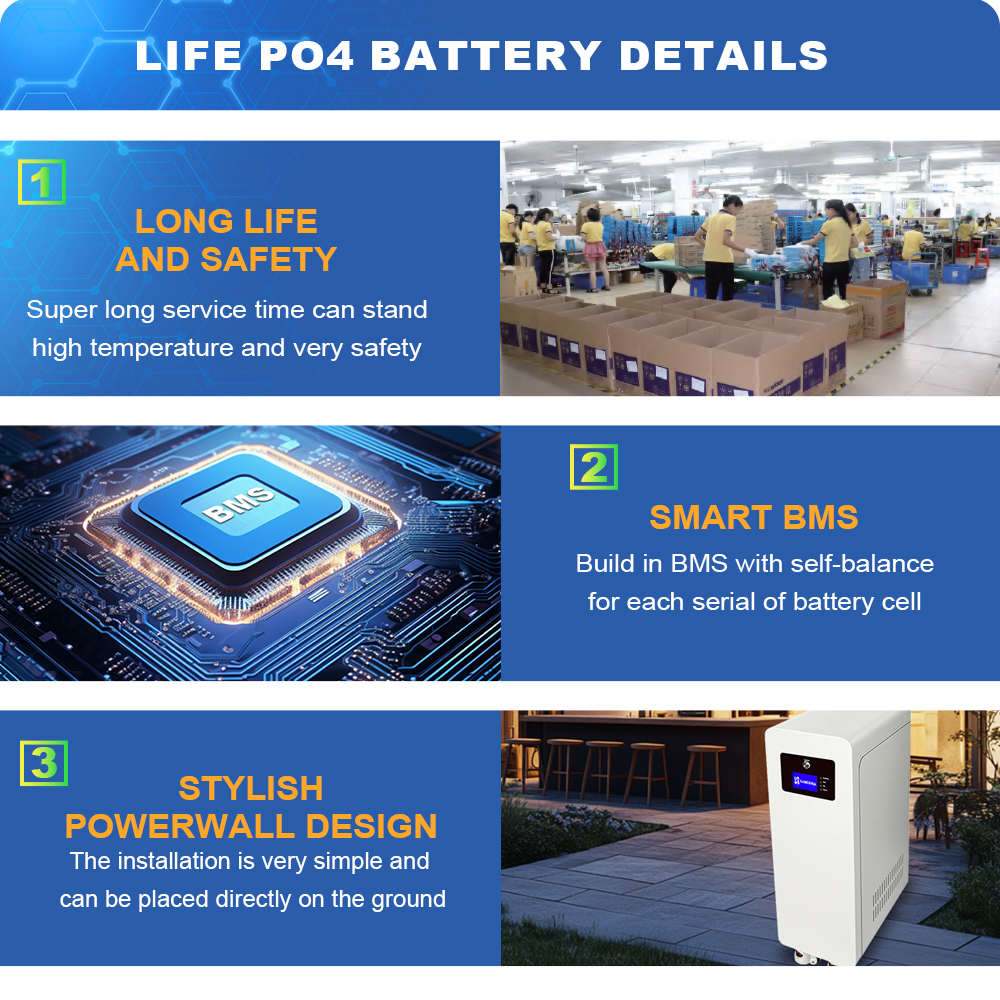
Material and Build Quality: High-quality materials in construction contribute to durability and longevity. Inspect the housing and internal components to ensure they can withstand environmental conditions.
Testing and Certification: Verify that the products have undergone rigorous testing and meet industry standards. Look for independent testing results or certifications that support the manufacturer's claims.
Warranty and Support: A reputable manufacturer will offer a solid warranty and responsive customer support. This can be an indicator of their confidence in product quality.
User Reviews and Feedback: Research user experiences through reviews and testimonials. This can provide insights into performance reliability and customer satisfaction.
Sample Approval: Before committing to mass production or large orders, request samples to evaluate performance under actual operating conditions. This step is crucial in confirming that the products meet your specifications.
Solar charge controllers and inverters have diverse applications across multiple sectors:
Electric Vehicles: In the electric vehicle industry, solar charge controllers optimize charging from solar panels, enhancing the efficiency of renewable energy usage.
Telecommunications: Many telecommunications companies utilize solar power systems to ensure uninterrupted service in remote locations, relying on robust charge controllers and inverters for stable energy supply.
Rail Transit: Rail operators increasingly turn to solar solutions to power stations and systems. High-quality charge controllers help maintain battery health and energy efficiency.
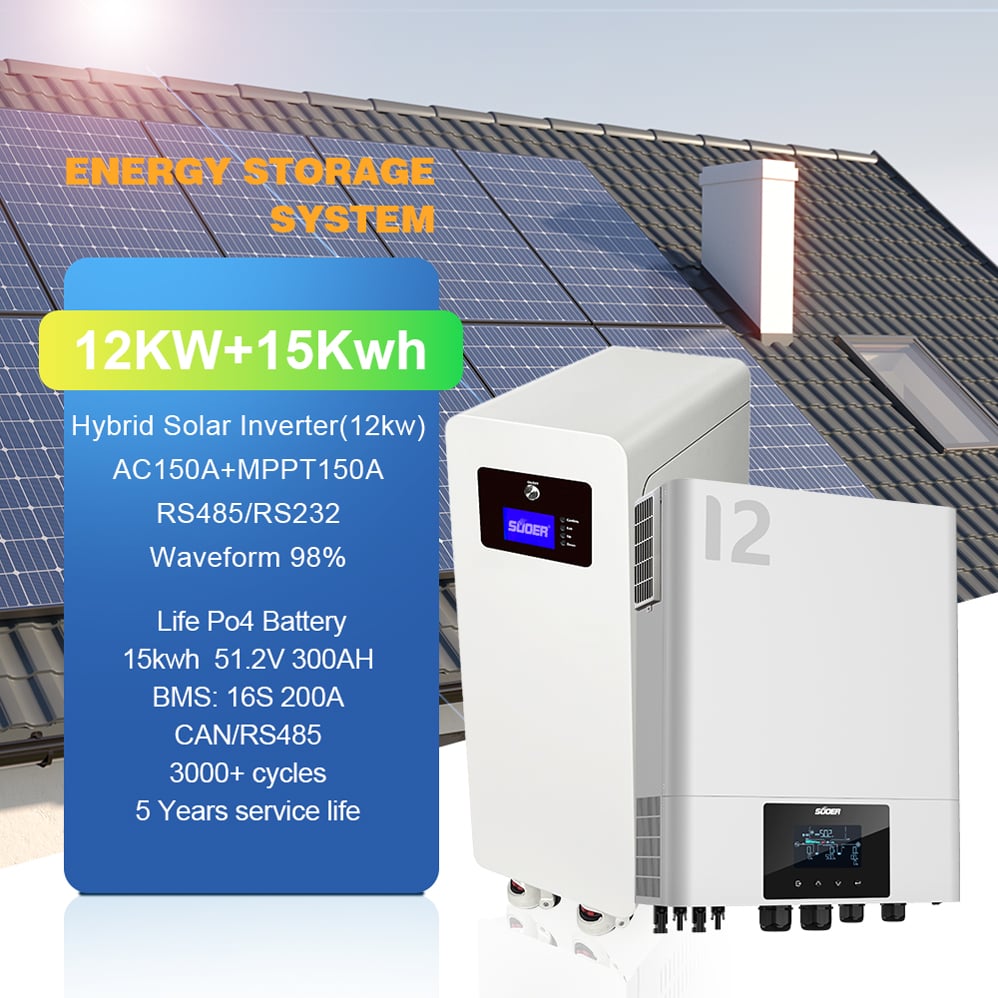
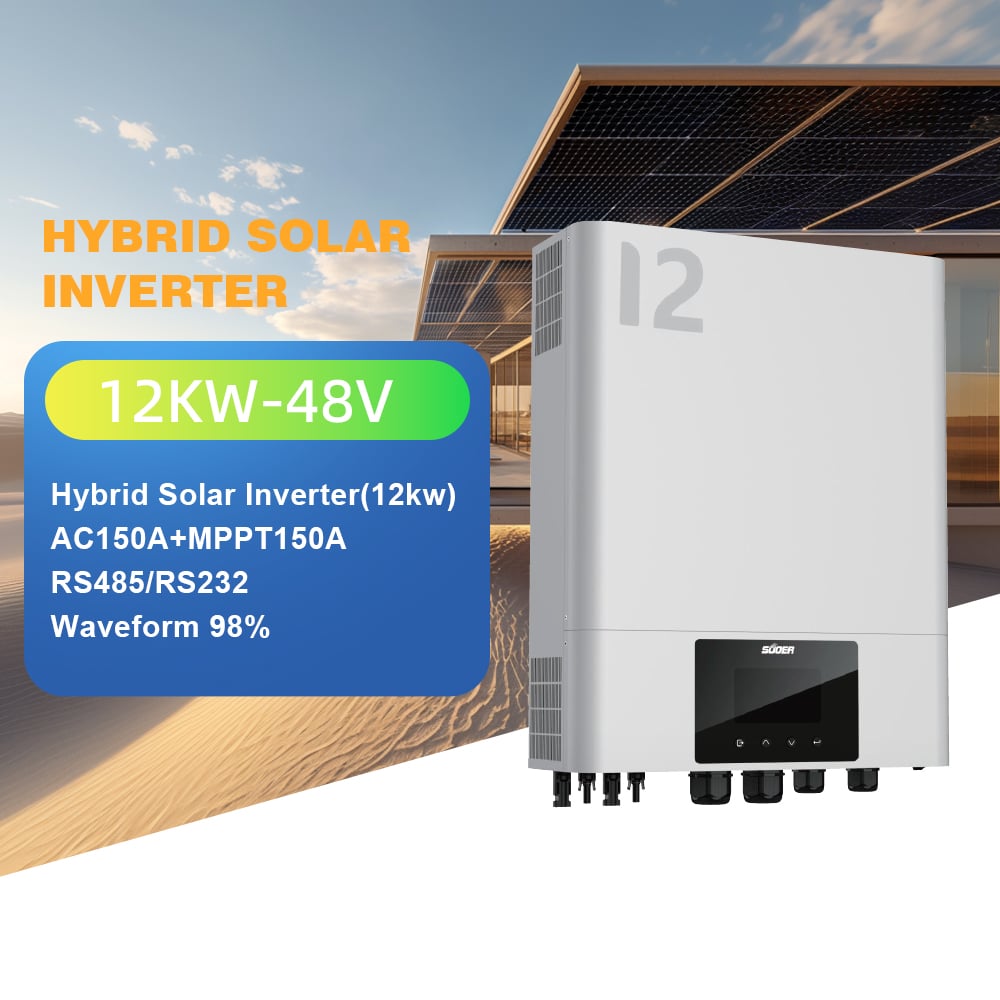
Commercial Buildings: In commercial settings, solar charge controllers manage energy flow, supporting building management systems in maximizing energy savings. One such solution is the VMS-12kw energy system sales 12kw smart hybrid solar Inverter with MPPT solar charger.
Understanding the features and benefits of solar charge controllers and inverters can help you make informed decisions:
Efficiency: High-efficiency controllers and inverters convert a greater percentage of solar energy into usable power, resulting in lower energy costs.
Smart Technology: Many modern devices offer smart features, allowing for remote monitoring and control, which enhances system management and troubleshooting.
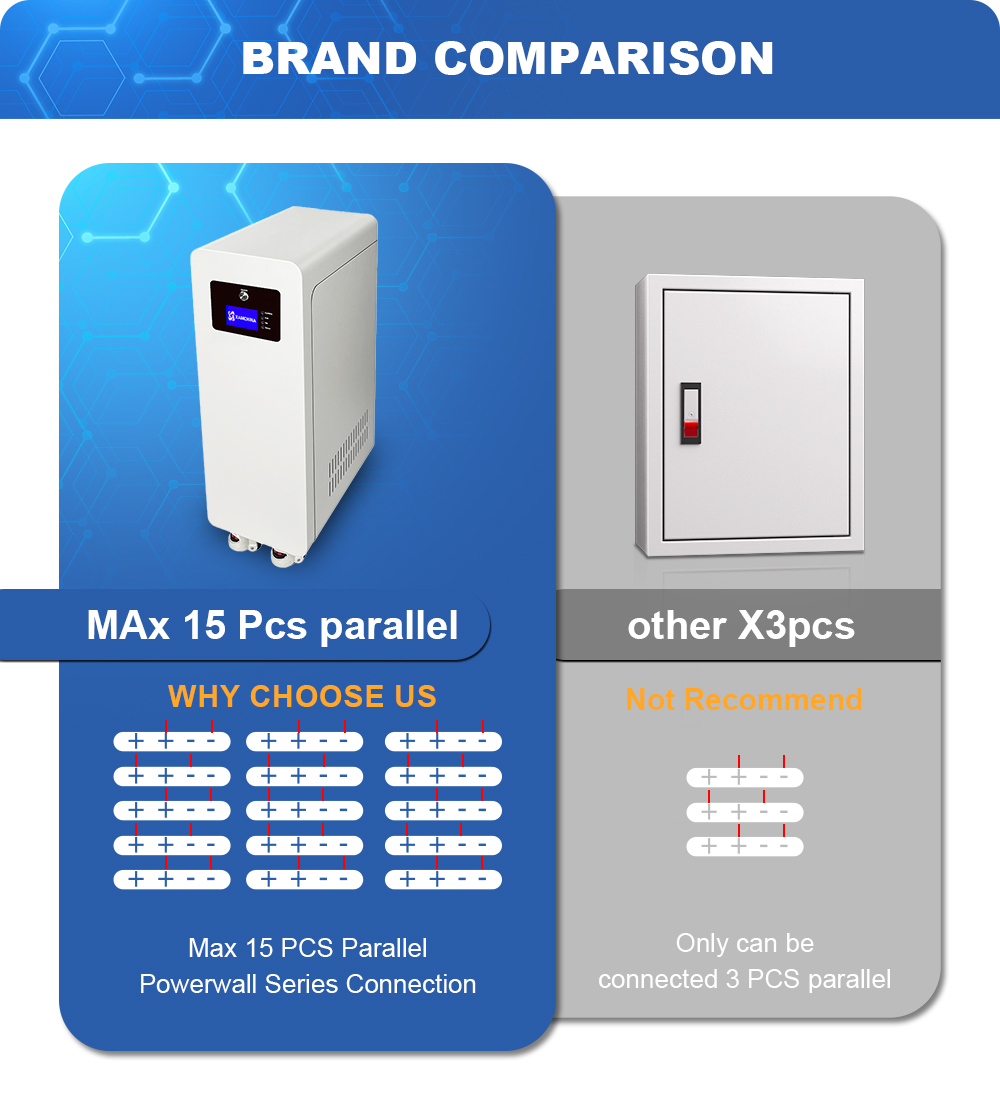
Scalability: Quality systems can be designed to expand. As energy needs grow, additional solar panels or batteries can be integrated without replacing the entire system.
Cost Savings: Although the initial investment may be higher, the long-term savings on energy costs and the potential for tax incentives make these products financially sound.
Environmental Impact: Utilizing solar energy reduces reliance on fossil fuels, contributing to sustainability efforts and reducing your carbon footprint.
Selecting the right solar charge controller and inverter involves careful consideration of various technical specifications, quality indicators, and application suitability. By understanding these factors, B2B buyers can make informed decisions that align with their operational needs and sustainability goals. Prioritize products from reputable manufacturers, such as those with extensive industry experience and proven track records in quality and innovation.

Discover Suoer’s premium range of solar inverters and power inverters designed for reliable renewable energy solutions.Trusted by customers worldwide for exceptional performance and durability.
Suoer Industrial Zone, Ercun Road Section, Yanfeng Avenue, Shishan Town,Foshan city,Guangdong Province,China
Copyright © 2024 Foshan Suoer Electronic Industry Co., Ltd. Privacy Policy - Blog

 EN
 AR
 NL
 FR
 DE
 EL
 IT
 JA
 KO
 PT
 RU
 ES
 VI
 TH
 TR
 BG
 HR
 CS
 NO
 PL
 TL
 ID
 SR
 UK
 SQ
 HU
 MT
 AF
 MS
 IS
 HY
 AZ
 BN
 BS
 GU
 LO
 LA
 MN
 NE
 TA