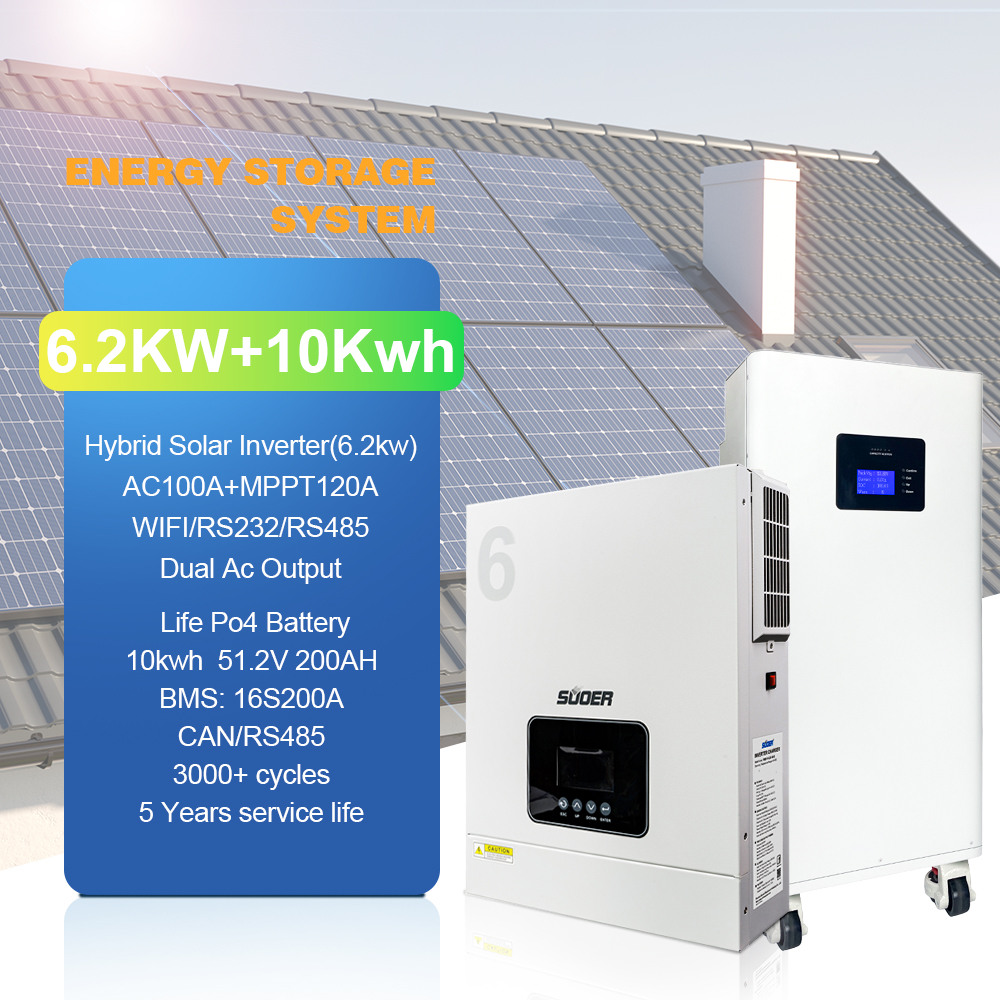
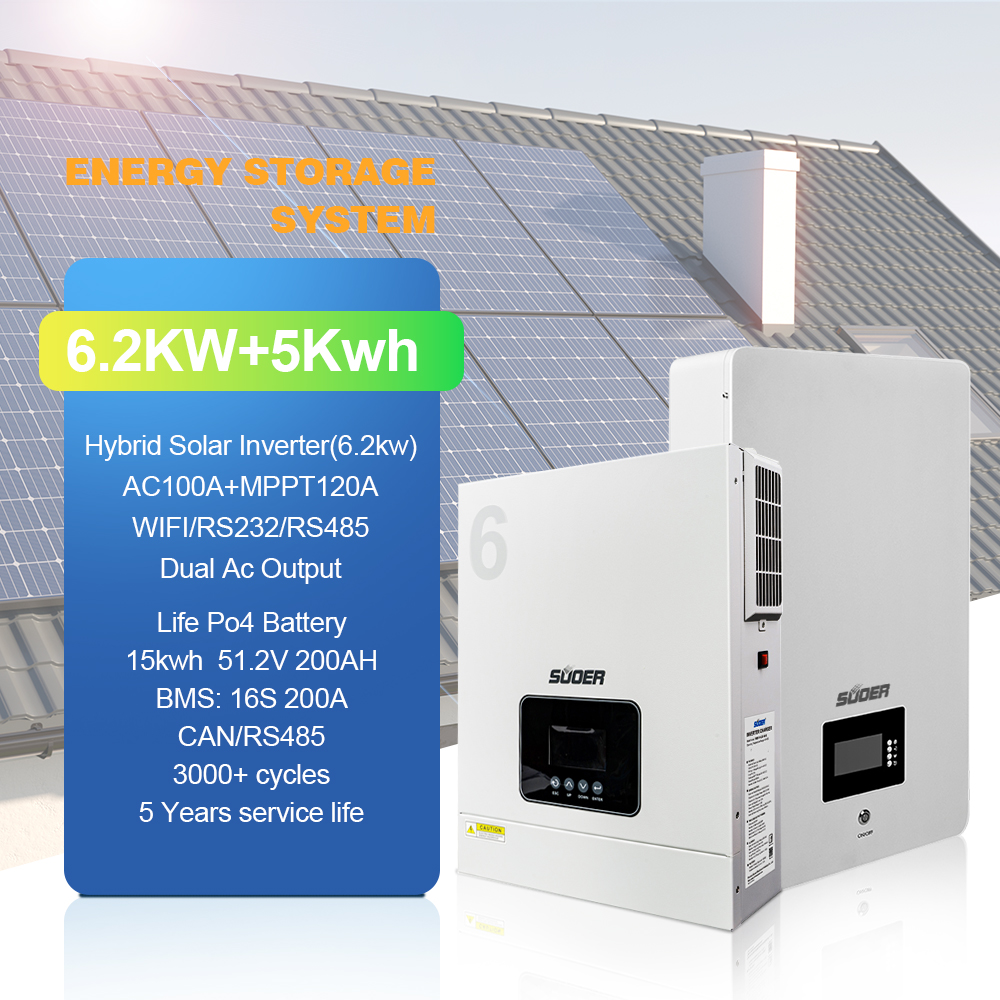
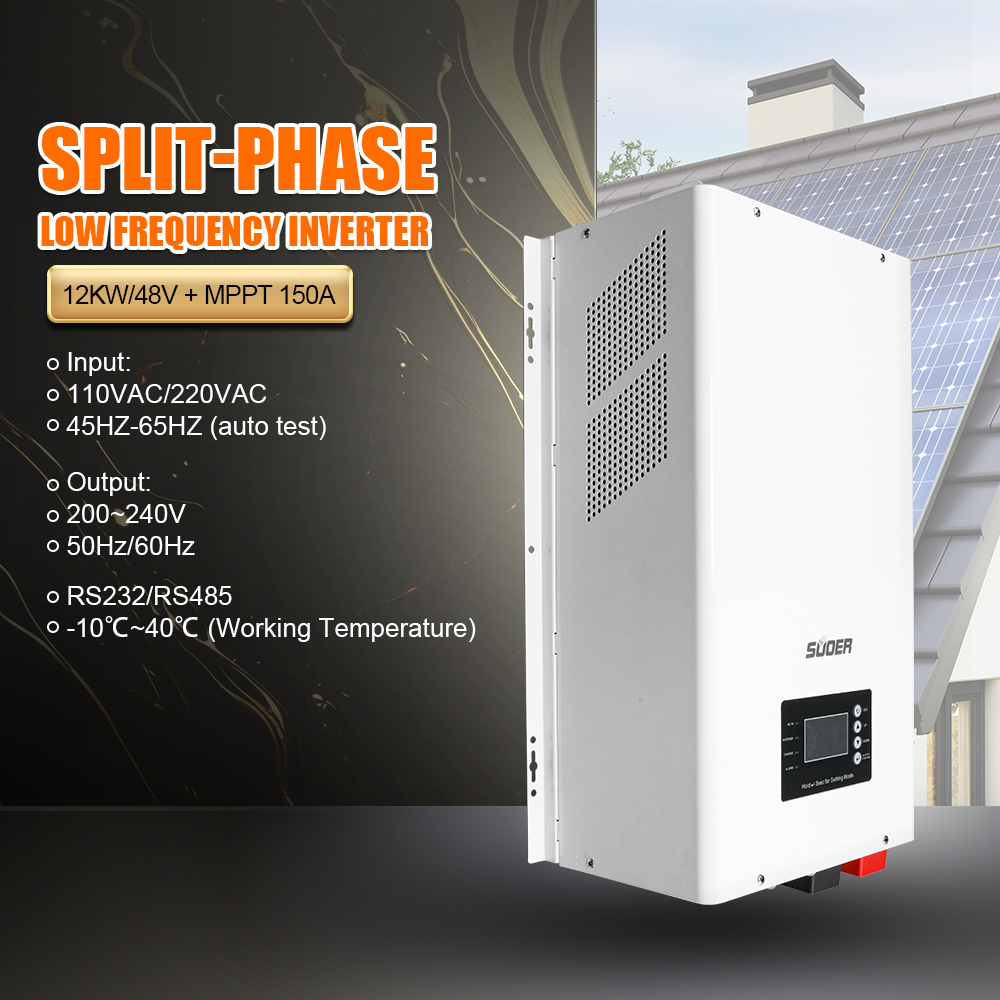
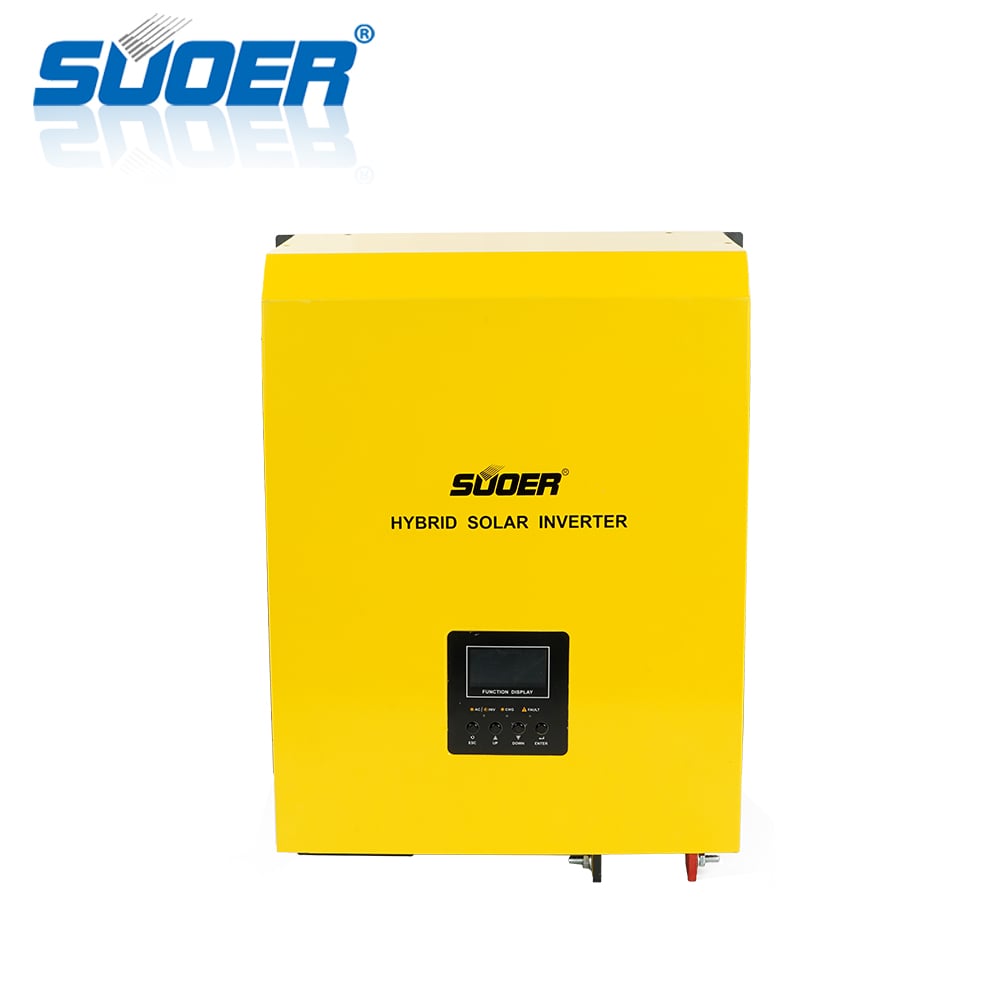
3 phase solar inverters off grid are essential components for powering various applications where conventional grid connectivity is not feasible. These inverters convert direct current (DC) generated from solar panels into alternating current (AC), which can then be used to power equipment or stored in batteries. B2B buyers, including purchasing managers and engineers, often prioritize efficiency, reliability, and compatibility when selecting inverters. This article will guide you through key specifications, sourcing options, cost factors, installation guidance, and industry applications, helping you make an informed purchasing decision.
When evaluating 3 phase solar inverters off grid, several specifications are crucial to ensure optimal performance for your specific application:
Power Output: This is typically measured in kilowatts (kW). Depending on your energy needs, select an inverter with a suitable power rating. Ensure it can handle the peak load of your application, as undersizing can lead to frequent tripping or failure.
Efficiency Rating: Look for inverters with high efficiency ratings, generally above 90%. Higher efficiency translates to better energy conversion and lower losses. An efficient inverter maximizes the use of solar energy, which is critical for off-grid systems where every watt counts.
Input Voltage Range: Check the inverter's input voltage specifications to ensure compatibility with your solar panel array. Most off-grid solar systems use a specific range of voltages; therefore, the inverter must support the voltage output from your panels.
Grid Compatibility: While these inverters are designed for off-grid use, some models offer hybrid functionality, allowing for grid connection when available. This feature can be beneficial for applications that may transition to grid power.
Protection Features: Look for built-in safety features such as overvoltage protection, short circuit protection, and thermal protection. These features enhance the longevity and reliability of the inverter, especially in harsh environmental conditions.
Understanding these specifications will help you choose an inverter that meets your operational requirements and aligns with your energy management goals.
Sourcing reliable 3 phase solar inverters for wholesale involves identifying reputable manufacturers and distributors. Here are some strategies:
Industry Associations and Trade Shows: Attend renewable energy trade shows and industry conferences to connect with manufacturers. These events provide a platform to explore new technologies, network with industry professionals, and evaluate potential suppliers.
Online Marketplaces: Platforms like Alibaba and Global Sources can connect you with various manufacturers. However, ensure you verify supplier credentials, read reviews, and request samples before making bulk purchases.
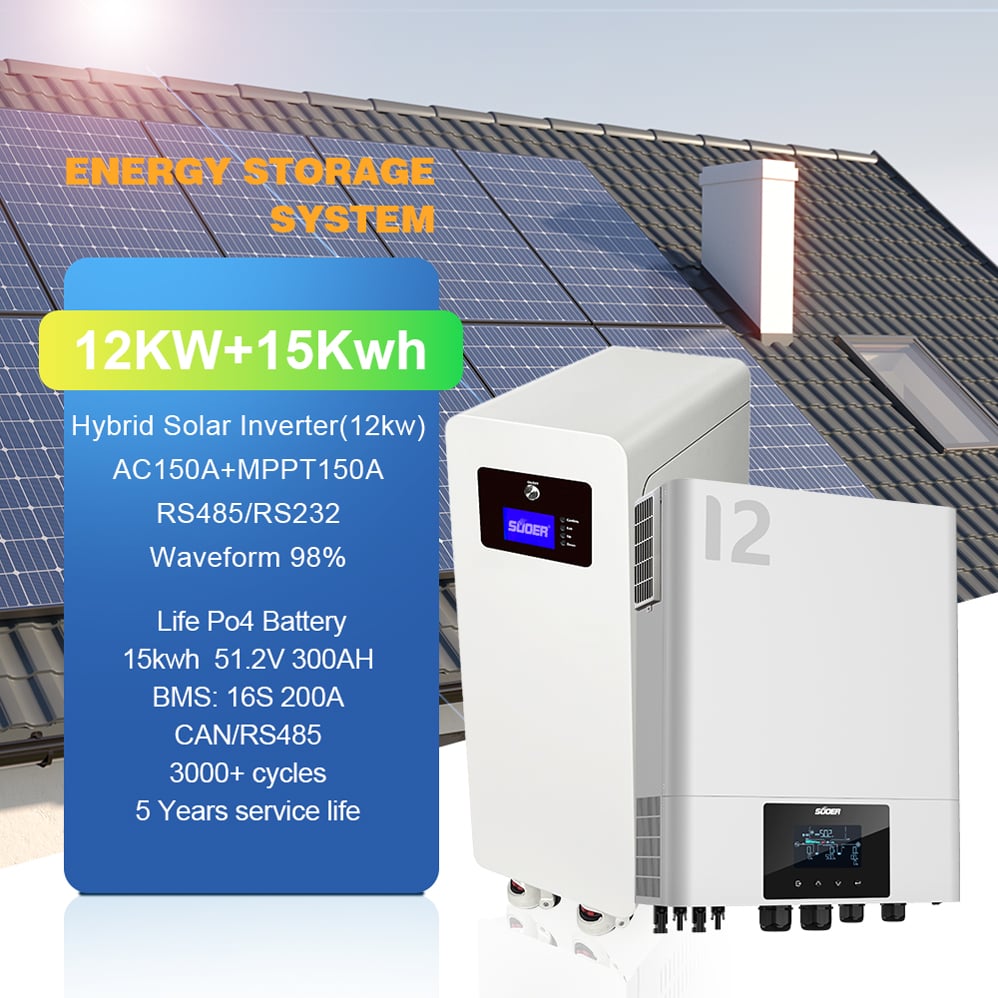
Direct Manufacturer Engagement: Reach out to manufacturers directly, especially those with a proven track record in the solar industry. Inquire about their production capabilities, certifications (like ISO9001, CE, and ROHS), and customization options to ensure they can meet your specific needs. For instance, you might consider exploring the New 12kw Hybrid Solar Off-Grid Inverter System 15kwh 300ah Lithium Iron Lifepo4 Battery for advanced energy solutions.
Local Distributors: Engaging with local distributors can be beneficial, as they often provide support services and quicker delivery times. They can also offer insights into local regulations and market trends that may affect your purchasing decisions.
By leveraging these sourcing strategies, you can find reliable suppliers that meet your quality and delivery expectations.
When considering the cost of 3 phase solar inverters off grid, several factors come into play:
Material Quality: Higher quality materials often result in increased durability and efficiency. While they may come at a higher initial cost, they can lead to lower maintenance and replacement costs over time.
Production Scale: Bulk purchasing typically lowers the unit price. If you’re planning a significant deployment of off-grid systems, negotiating a bulk deal can result in substantial savings.
Customization Requirements: If your application requires specific features or configurations, customization can increase costs. Discuss your needs with potential suppliers to understand how these factors will impact pricing.
Shipping and Logistics: Depending on the supplier's location and your delivery needs, shipping costs can vary significantly. Consider local suppliers to minimize logistics expenses and lead times.
Warranty and Support: Inverters with extended warranties may have higher upfront costs but offer peace of mind regarding quality and support. Evaluate the total cost of ownership, including potential warranty claims, when making your decision.
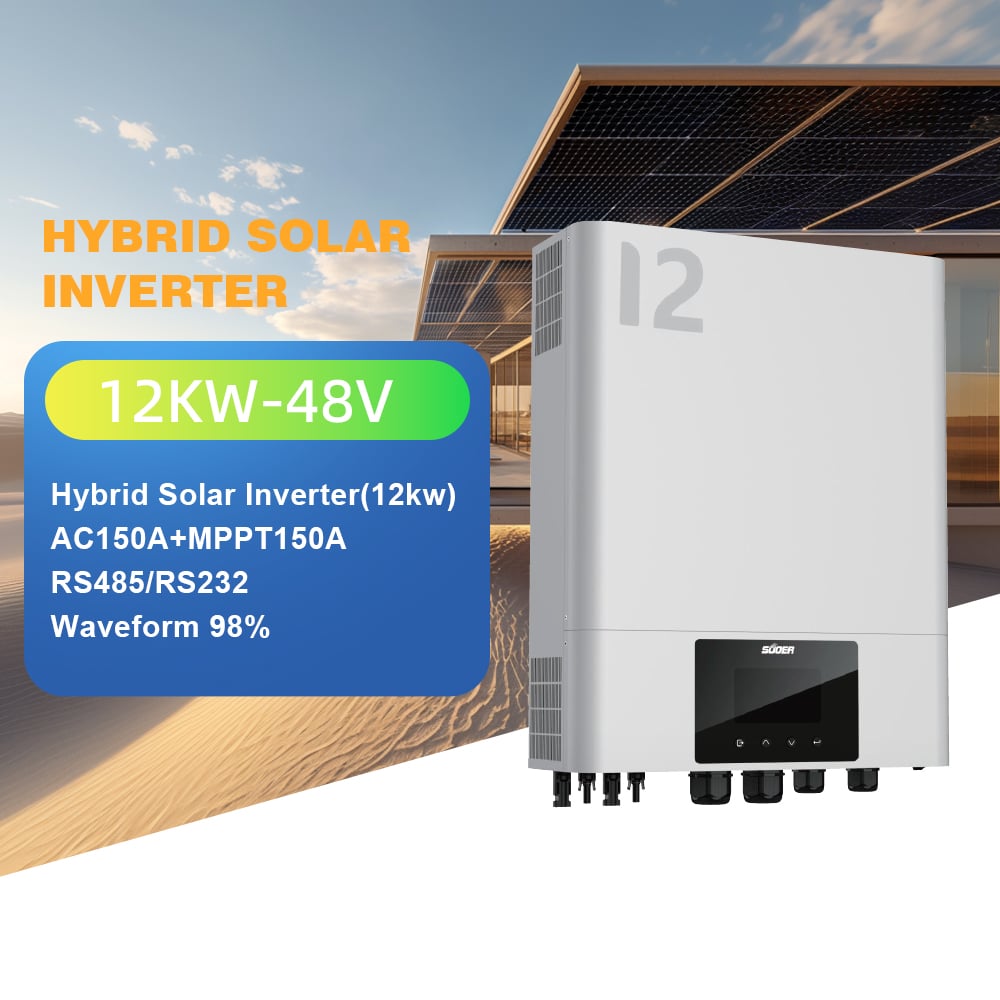
Understanding these cost factors will help you budget effectively and make informed financial decisions when sourcing off-grid solar inverters, such as the VMS-12kw energy system sales 12kw smart hybrid solar Inverter with MPPT solar charger.
Installing 3 phase solar inverters off grid requires careful planning and execution to ensure safety and efficiency. Here are key steps to consider:
Site Assessment: Before installation, conduct a thorough site assessment to determine optimal locations for solar panels and the inverter. Consider factors like sunlight exposure, shading from trees or buildings, and accessibility for maintenance.
Electrical Wiring: Ensure that all wiring is correctly rated for the inverter's output and complies with local electrical codes. Use weatherproof and UV-resistant materials for outdoor installations to enhance durability.
Mounting and Positioning: Properly mount the inverter in a well-ventilated area to prevent overheating. Ensure that it is easily accessible for maintenance and troubleshooting while being protected from harsh weather conditions.
Testing and Commissioning: After installation, perform comprehensive testing to verify the system's functionality. Check for correct voltage outputs, monitor performance metrics, and ensure that all safety features are operational.
Maintenance Schedule: Establish a routine maintenance schedule to inspect connections, clean the inverter, and monitor performance. Regular checks can prevent issues and extend the lifespan of your equipment.
Follow these guidelines to ensure a successful installation and long-term operation of your off-grid solar inverter systems.
3 phase solar inverters off grid are versatile and find applications across multiple industries:
Agriculture: Farmers utilize these inverters to power irrigation systems, greenhouses, and livestock facilities. Off-grid solar solutions reduce reliance on diesel generators and lower operational costs.
Telecommunications: Remote telecommunication sites often lack grid access. Off-grid solar inverters power base stations, ensuring uninterrupted service and reducing operational costs.
Construction: Temporary construction sites can benefit from off-grid solar solutions to power tools and equipment without the need for fuel deliveries, which enhances project efficiency.
Mining: In remote mining operations, solar inverters can provide a reliable power source for equipment and facilities, reducing reliance on conventional energy sources and minimizing environmental impact.
Rail Transit: Solar inverters are increasingly deployed in rail systems to power signaling, lighting, and station facilities, contributing to sustainable transportation solutions.
By understanding these applications, you can better assess how 3 phase solar inverters can fit your industry needs and contribute to energy efficiency and cost savings.

Discover Suoer’s premium range of solar inverters and power inverters designed for reliable renewable energy solutions.Trusted by customers worldwide for exceptional performance and durability.
Suoer Industrial Zone, Ercun Road Section, Yanfeng Avenue, Shishan Town,Foshan city,Guangdong Province,China
Copyright © 2024 Foshan Suoer Electronic Industry Co., Ltd. Privacy Policy - Blog

 EN
 AR
 NL
 FR
 DE
 EL
 IT
 JA
 KO
 PT
 RU
 ES
 VI
 TH
 TR
 BG
 HR
 CS
 NO
 PL
 TL
 ID
 SR
 UK
 SQ
 HU
 MT
 AF
 MS
 IS
 HY
 AZ
 BN
 BS
 GU
 LO
 LA
 MN
 NE
 TA