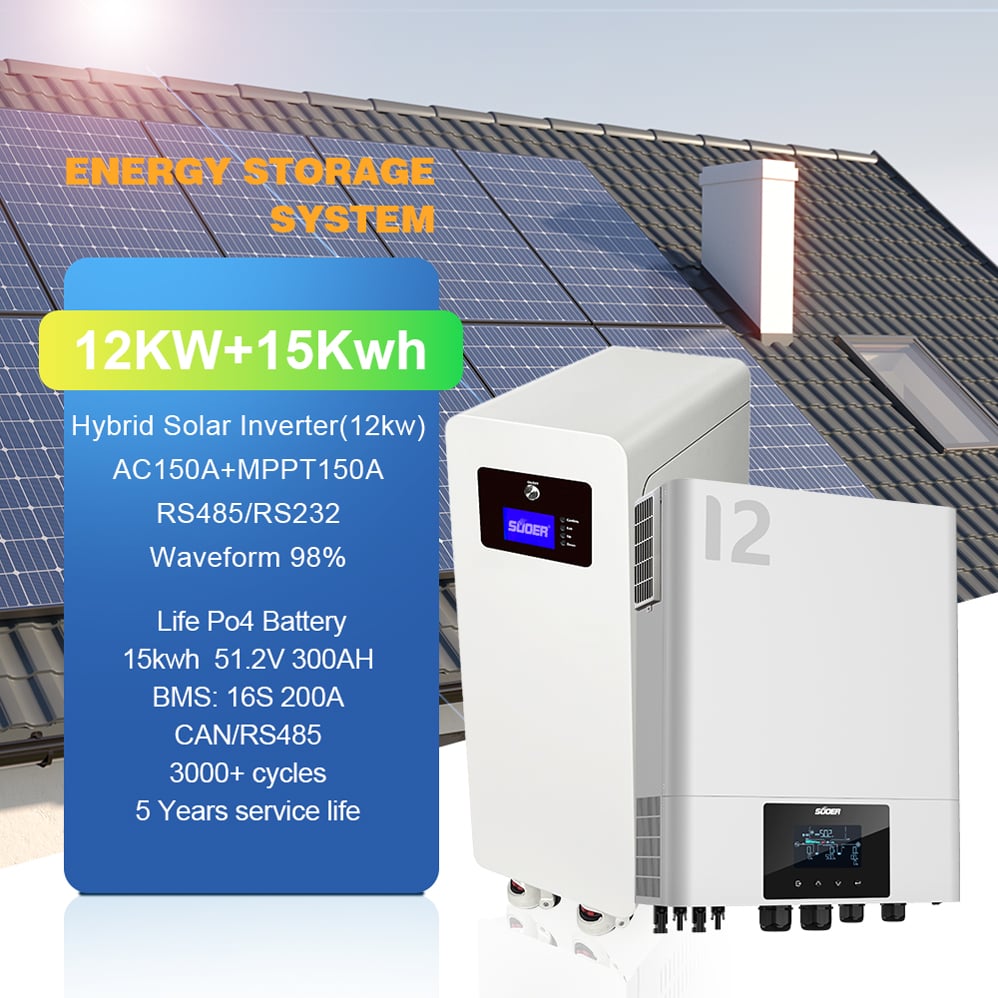
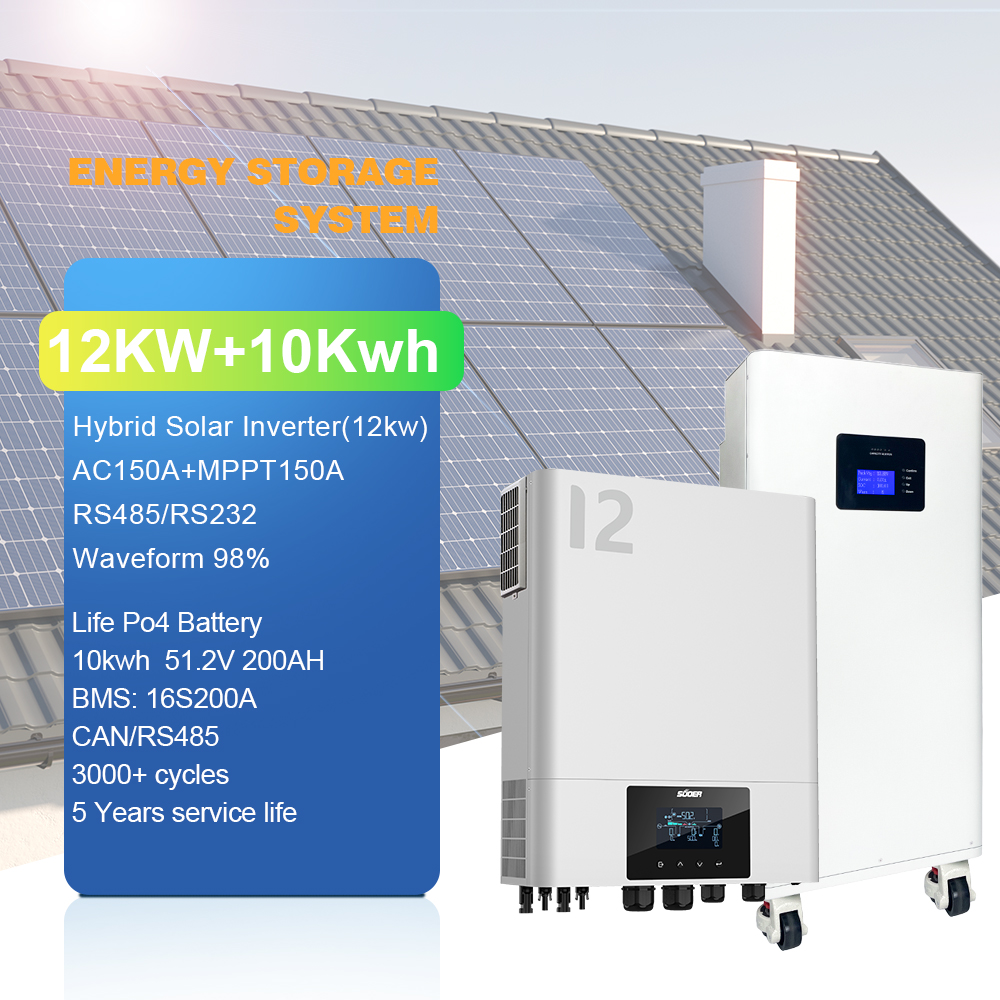
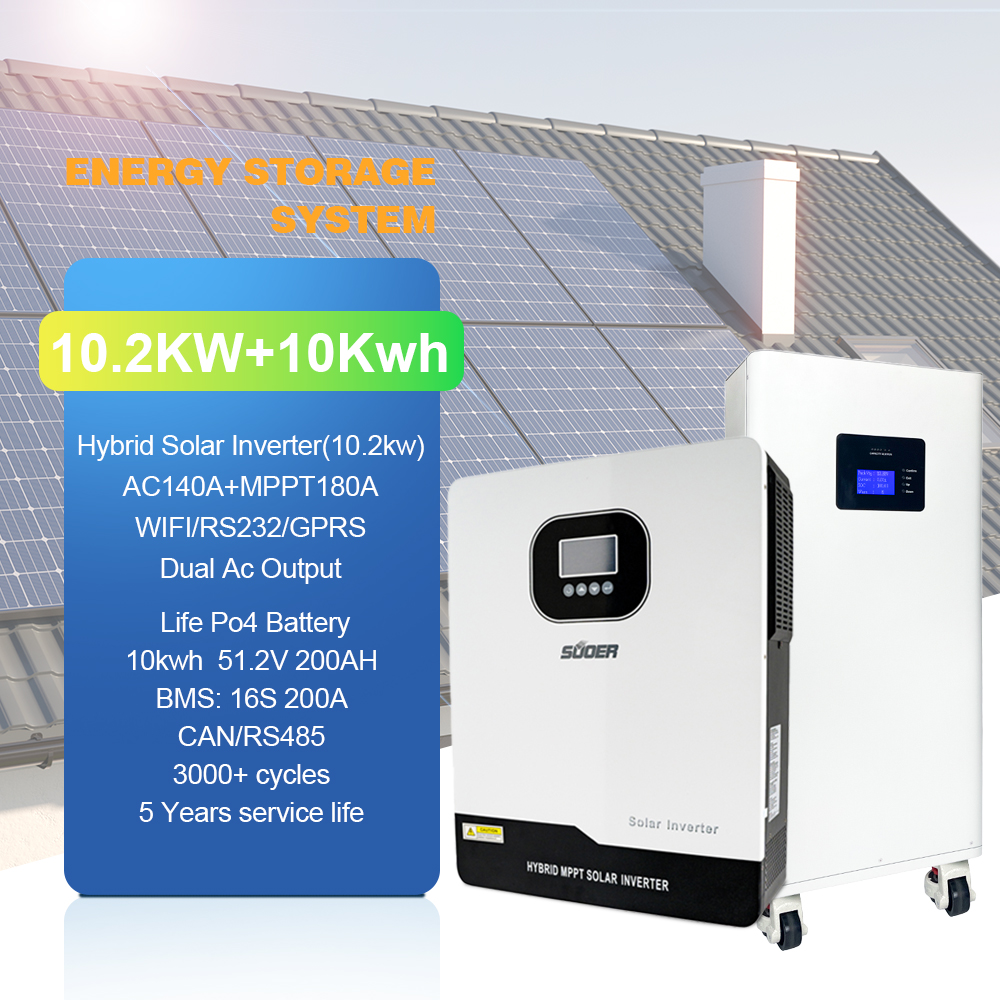
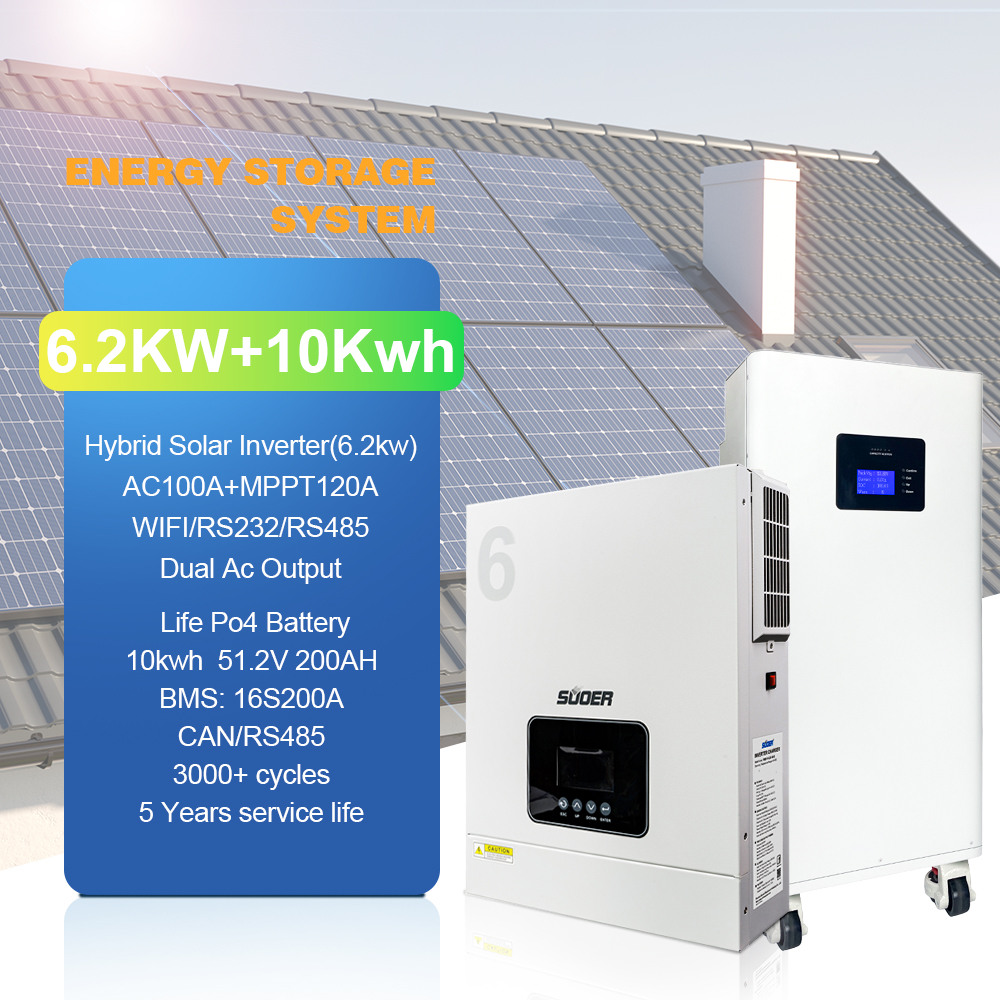
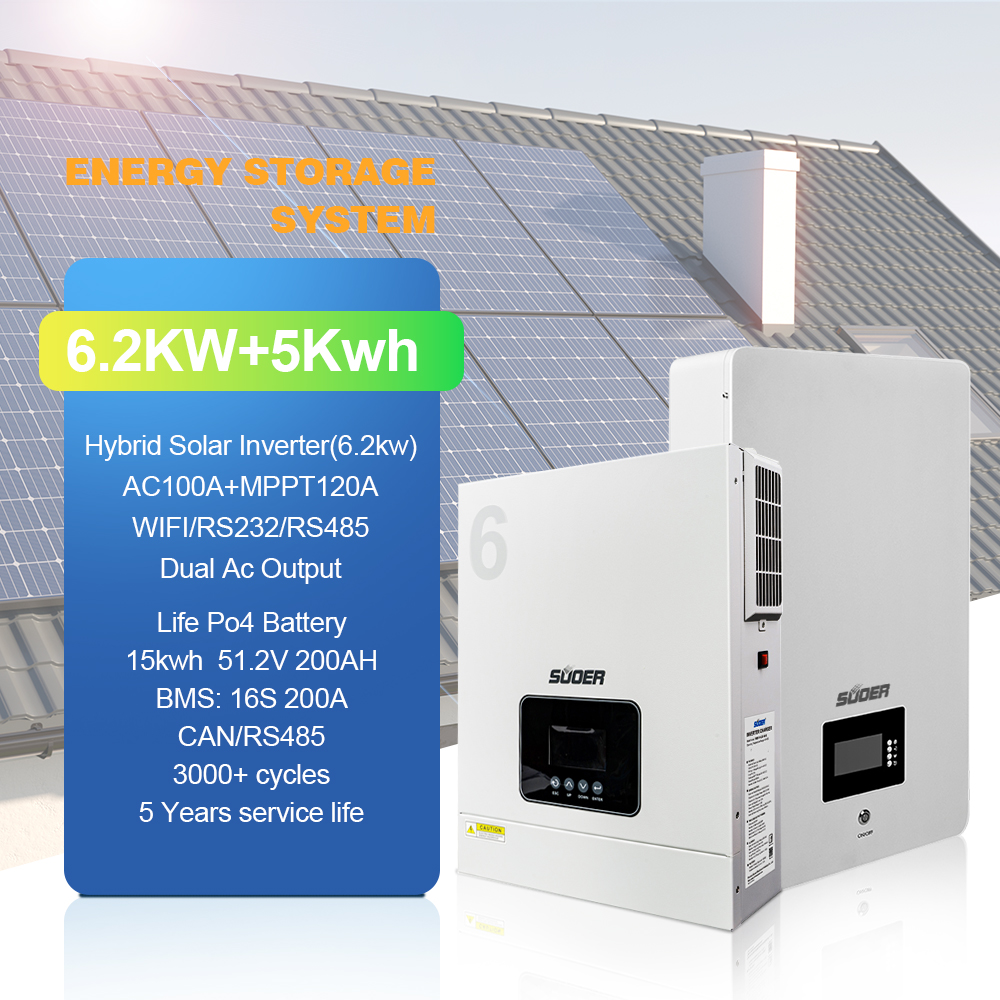
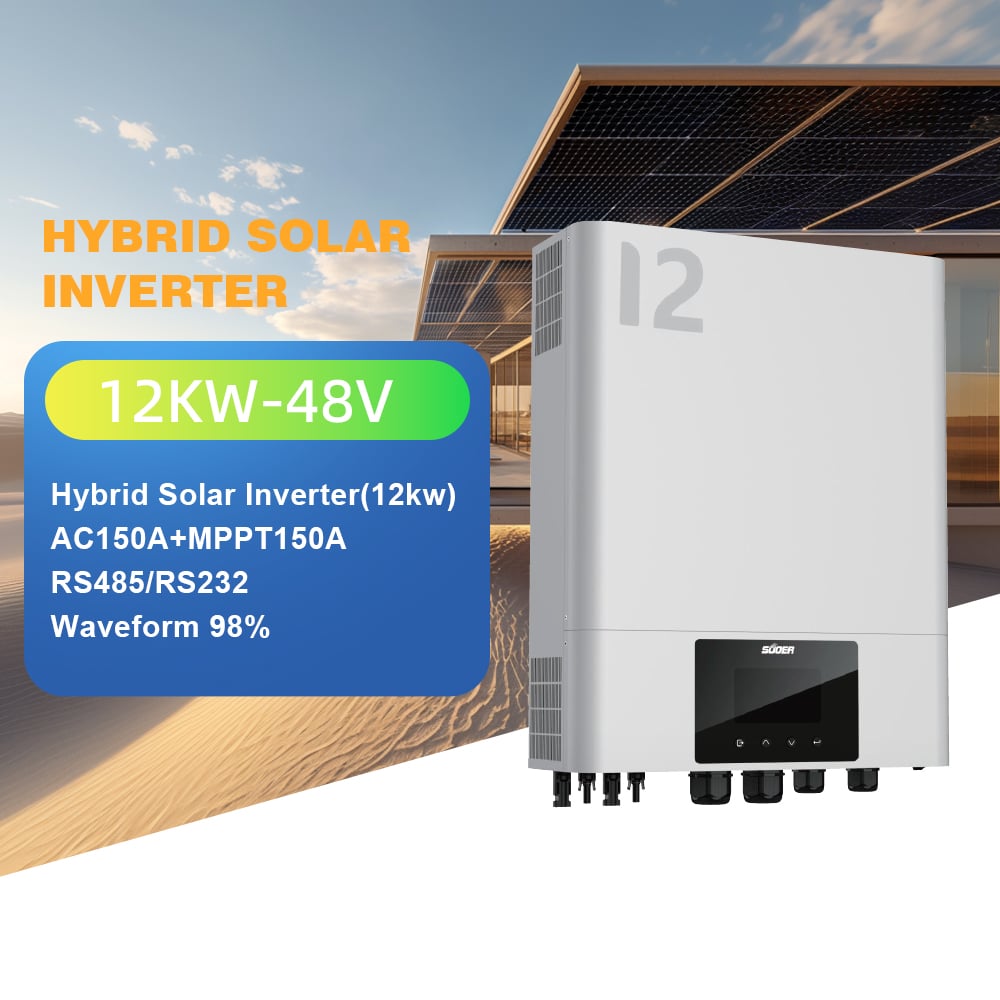
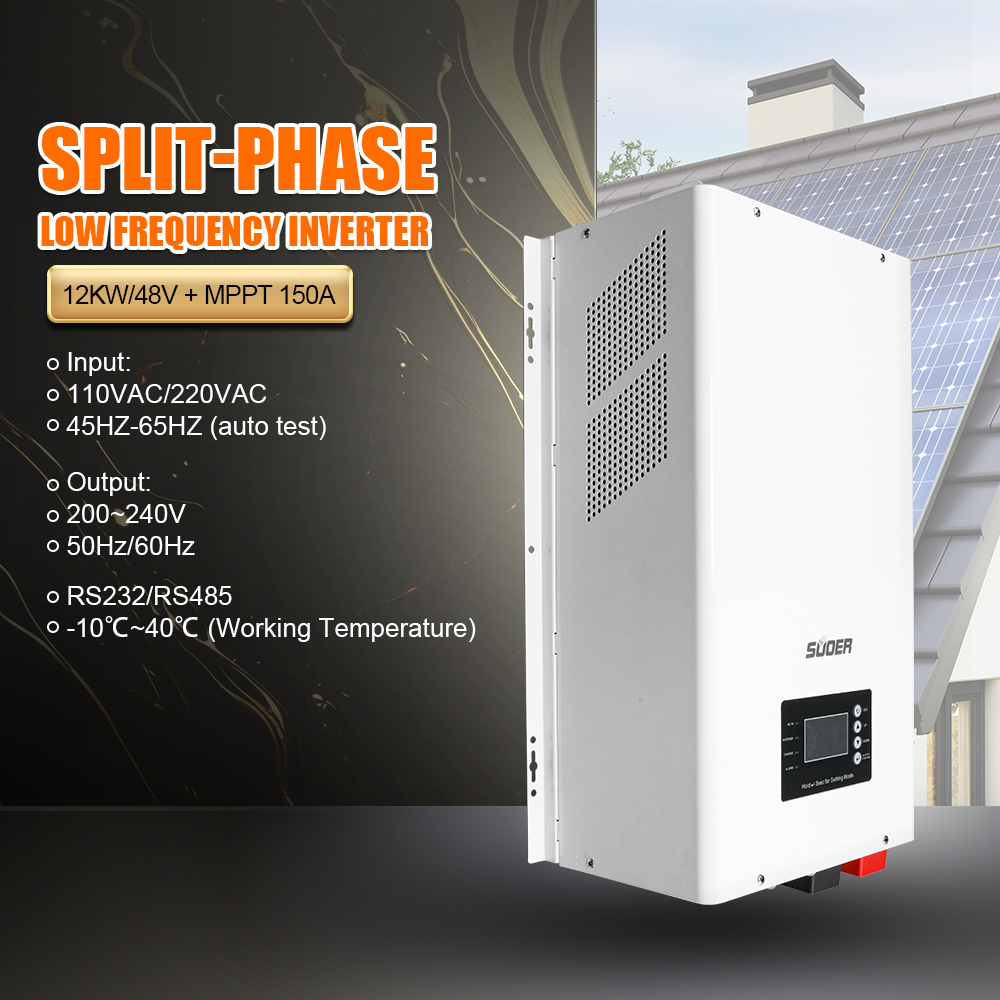
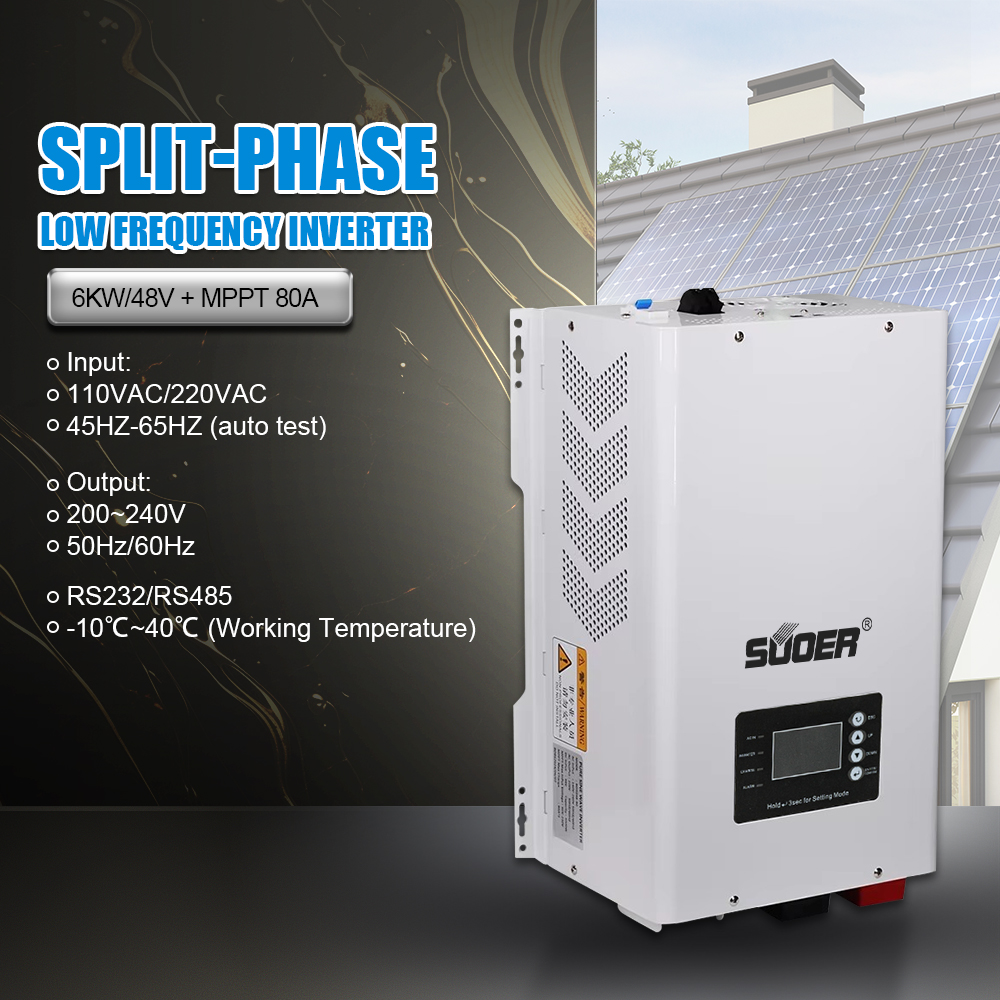
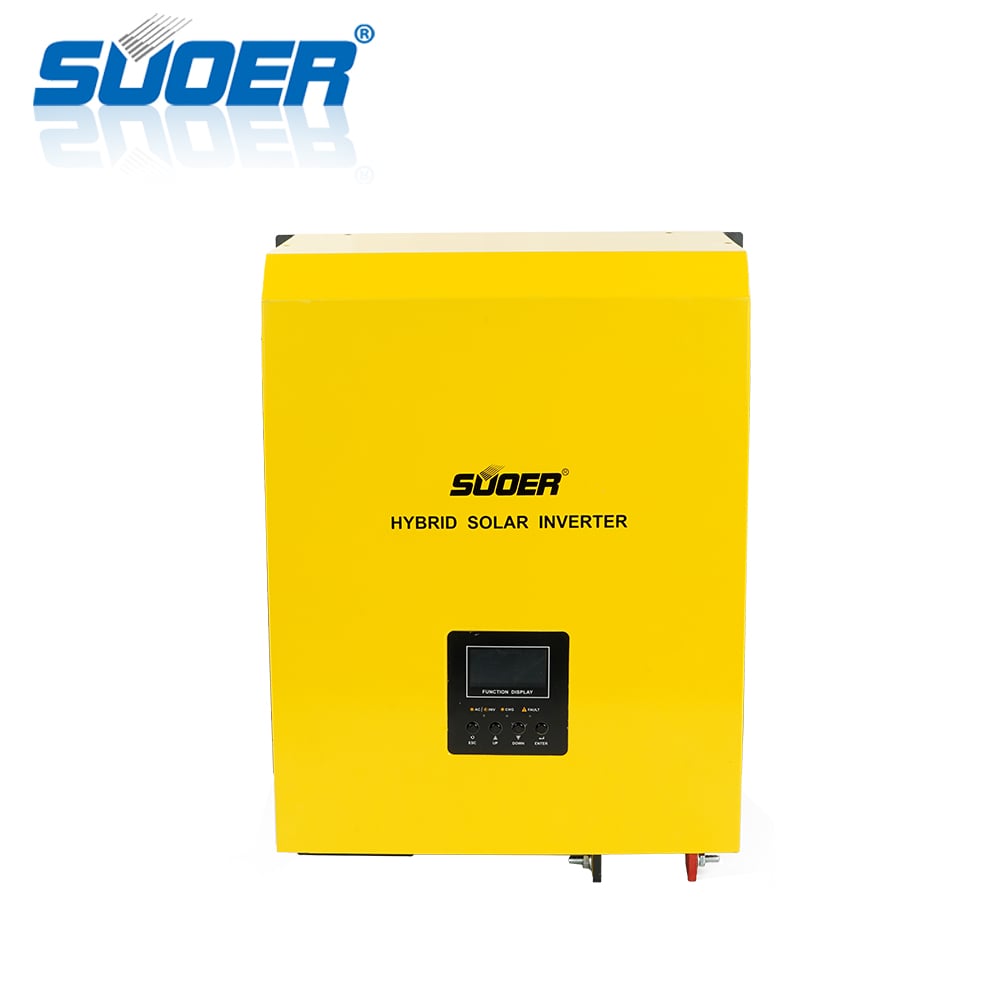
Understanding off grid hybrid solar systems is crucial for businesses looking to enhance their energy independence while minimizing costs. These systems combine multiple energy sources, typically solar and a backup generator or battery storage, to provide a reliable power supply in remote or off-grid locations. As a B2B buyer, you may have several concerns, such as system specifications, quality evaluation, cost factors, installation challenges, and how to effectively compare options for your specific projects. This article will guide you through these considerations, ensuring that you make informed decisions for your energy needs.
When evaluating off grid hybrid solar systems, several key specifications must be considered:
System Capacity: Measured in kilowatts (kW), this indicates the maximum power output. It's vital to calculate your peak energy needs to determine the appropriate capacity. An insufficient capacity can lead to frequent system overloads.
Battery Storage: The type and capacity of batteries used (measured in kilowatt-hours, kWh) are crucial for energy storage. Lithium-ion batteries are often preferred for their efficiency and longer lifespan compared to lead-acid batteries, but the choice depends on your budget and specific use case.
Inverter Specification: The inverter converts direct current (DC) from solar panels into alternating current (AC) for use in appliances. Look for inverters with high efficiency ratings (above 95%) to ensure minimal energy loss.
Solar Panel Type: Choose between monocrystalline, polycrystalline, or thin-film solar panels based on efficiency, space, and budget. Monocrystalline panels offer higher efficiency but may come at a higher cost.
Environmental Ratings: Ensure that the system components are rated for your environmental conditions, such as temperature, humidity, and weather exposure. This ensures durability and longevity.
Understanding these specifications helps you align the system with your operational requirements and environmental conditions.
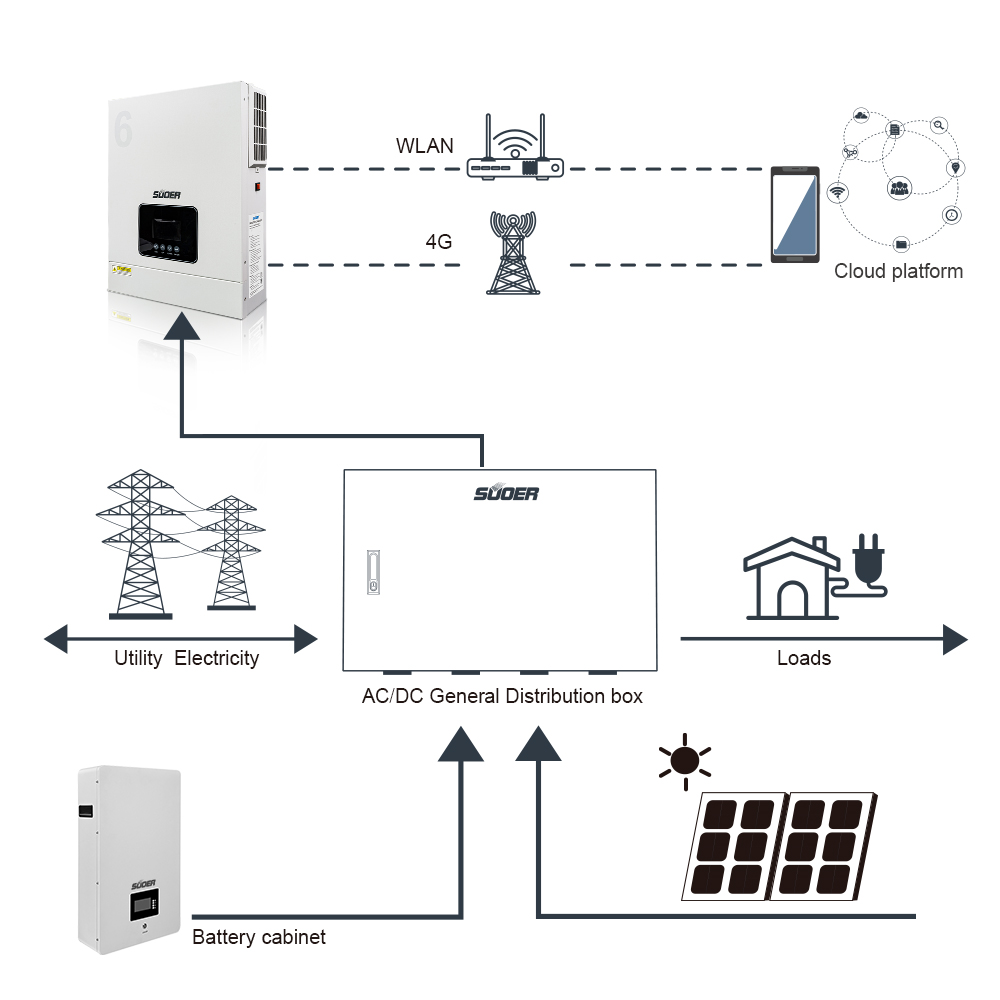
Quality evaluation is paramount when selecting an off grid hybrid solar system. Here are practical steps to ensure you choose a reliable system:
Certifications: Verify that the system components meet industry standards, such as ROHS, CE, and ISO9001. These certifications indicate compliance with safety and performance standards.
Material Integrity: Assess the quality of materials used in both solar panels and batteries. High-quality materials typically translate to better performance and longevity. For instance, look for panels with tempered glass for durability against hail and other impacts.
Manufacturing Process: Understand the company's manufacturing capabilities. Automated production lines often yield higher consistency and quality control. Ensure that the manufacturer conducts thorough testing during production to catch defects early.
Warranty and Support: A strong warranty (typically 5-25 years) reflects the manufacturer’s confidence in their product. Additionally, evaluate the level of customer support offered, as this can be critical in resolving issues that arise post-installation.
Performance History: Look for case studies or testimonials from other businesses using the same system. Real-world performance can provide insights into reliability and efficiency.
By focusing on these quality indicators, you can mitigate the risks associated with poor product performance and ensure a sound investment.
The cost of off grid hybrid solar systems can vary significantly based on several factors:
Initial Investment: This includes the cost of solar panels, inverters, batteries, and installation. High-efficiency components typically have higher upfront costs but can result in lower operating costs over time.
Installation Costs: Installation can vary based on the complexity of the project. Custom installations may require more labor and specialized equipment, affecting overall costs.
Maintenance Expenses: Consider ongoing maintenance costs, such as battery replacements and system checks. Lithium-ion batteries, while more expensive upfront, often require less maintenance compared to lead-acid batteries.
Incentives and Rebates: Research available government incentives or rebates for renewable energy installations. These can significantly offset upfront costs, making the investment more attractive.
Energy Savings: Analyze potential savings on energy bills over time. This can provide a clearer picture of the system's return on investment (ROI).
Understanding these cost factors helps you budget effectively and evaluate the overall financial viability of your project.
Installation of off grid hybrid solar systems can present various challenges. Here are some common issues and their solutions:
Site Assessment Challenges: Poor site assessments can lead to ineffective installations. Ensure that a thorough analysis of the site, including shading, orientation, and local weather patterns, is conducted prior to installation. This helps maximize system performance.
Wiring and Component Compatibility: Incorrect wiring or incompatible components can lead to system failures. Work with experienced installers who understand the nuances of hybrid systems and can ensure all components are compatible.
Battery Placement and Ventilation: Improper battery placement can lead to overheating or inadequate ventilation. Ensure batteries are installed in a cool, dry location with adequate airflow to prolong their lifespan.
Regulatory Compliance: Failing to comply with local regulations can result in fines or system shutdowns. Consult local authorities and ensure that your installation adheres to all relevant codes and regulations.
Post-Installation Monitoring: After installation, continuous monitoring is crucial to identify and rectify issues early. Consider integrating remote monitoring systems to track performance and quickly address any anomalies.
By proactively addressing these installation challenges, you can enhance the reliability and efficiency of your off grid hybrid solar system.
When comparing off grid hybrid solar systems, consider the following aspects to make an informed decision:
Performance Metrics: Look at the efficiency ratings of solar panels and inverters. Compare the energy yield and how each system performs under peak conditions.
Total Cost of Ownership: Beyond initial costs, analyze the total cost of ownership, which includes maintenance, expected lifespan, warranty coverage, and potential savings on energy bills.
Customization Options: Different projects may require unique configurations. Assess the ability of the manufacturer to customize systems based on your specific needs, such as additional battery storage or special mounting solutions.
Supplier Reputation: Research suppliers’ reputations, focusing on customer reviews, industry presence, and after-sales support. A supplier with a proven track record can provide peace of mind.
Lead Times and Availability: Factor in lead times for delivery and installation, especially if you have tight timelines. Confirm availability of components, particularly if your project requires specific parts.
By systematically comparing these attributes, you can select the most suitable off grid hybrid solar system for your operational needs, ensuring that you make a sound investment that aligns with your energy strategy.

Discover Suoer’s premium range of solar inverters and power inverters designed for reliable renewable energy solutions.Trusted by customers worldwide for exceptional performance and durability.
Suoer Industrial Zone, Ercun Road Section, Yanfeng Avenue, Shishan Town,Foshan city,Guangdong Province,China
Copyright © 2024 Foshan Suoer Electronic Industry Co., Ltd. Privacy Policy - Blog

 EN
 AR
 NL
 FR
 DE
 EL
 IT
 JA
 KO
 PT
 RU
 ES
 VI
 TH
 TR
 BG
 HR
 CS
 NO
 PL
 TL
 ID
 SR
 UK
 SQ
 HU
 MT
 AF
 MS
 IS
 HY
 AZ
 BN
 BS
 GU
 LO
 LA
 MN
 NE
 TA