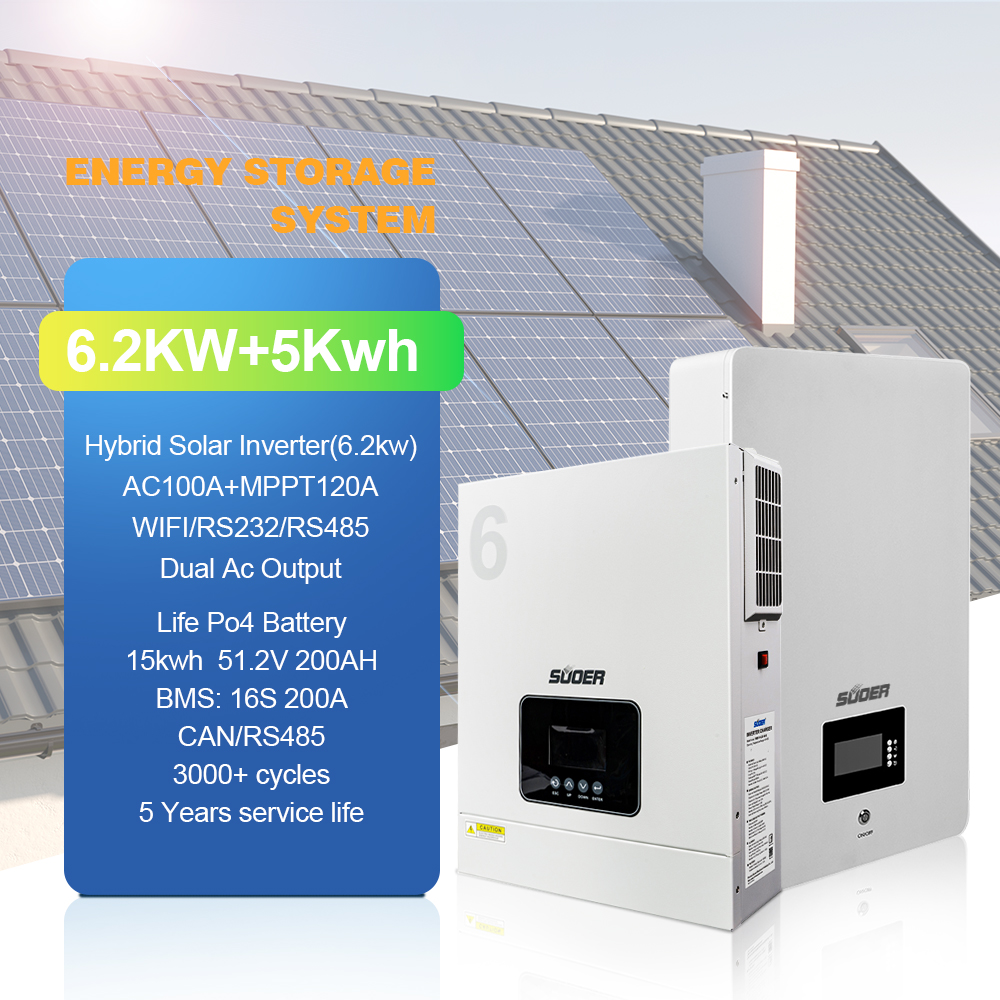
Off-grid and hybrid solar systems are increasingly popular solutions for businesses looking to enhance energy independence and sustainability. These systems allow organizations to harness renewable energy sources, such as solar power, while providing flexibility in energy management. As a B2B buyer, your main concerns likely include system compatibility, efficiency, cost-effectiveness, and how these systems can meet your specific energy needs. This article will guide you through the essential considerations when selecting an off-grid or hybrid solar system, providing you with the knowledge necessary to make an informed purchasing decision.
When evaluating off-grid and hybrid solar systems, several key factors should influence your decision:
Energy Requirements: Understand your energy consumption patterns. This includes peak usage periods, overall energy needs, and whether you anticipate future growth. Accurate energy assessments will determine the system size and configuration you need.
System Type: Decide whether an off-grid or hybrid system best suits your requirements. Off-grid systems are entirely independent of the grid and rely solely on renewable sources, while hybrid systems combine traditional grid power with renewable sources, offering greater flexibility.
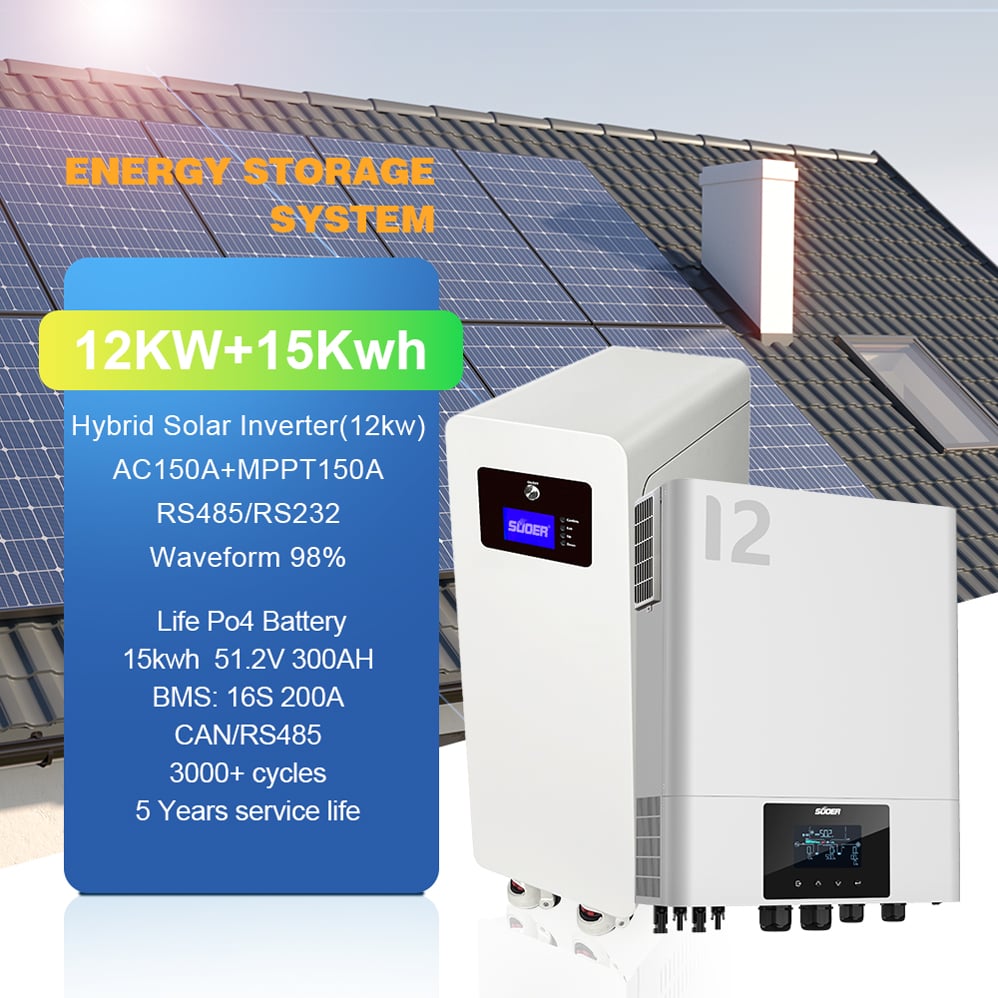
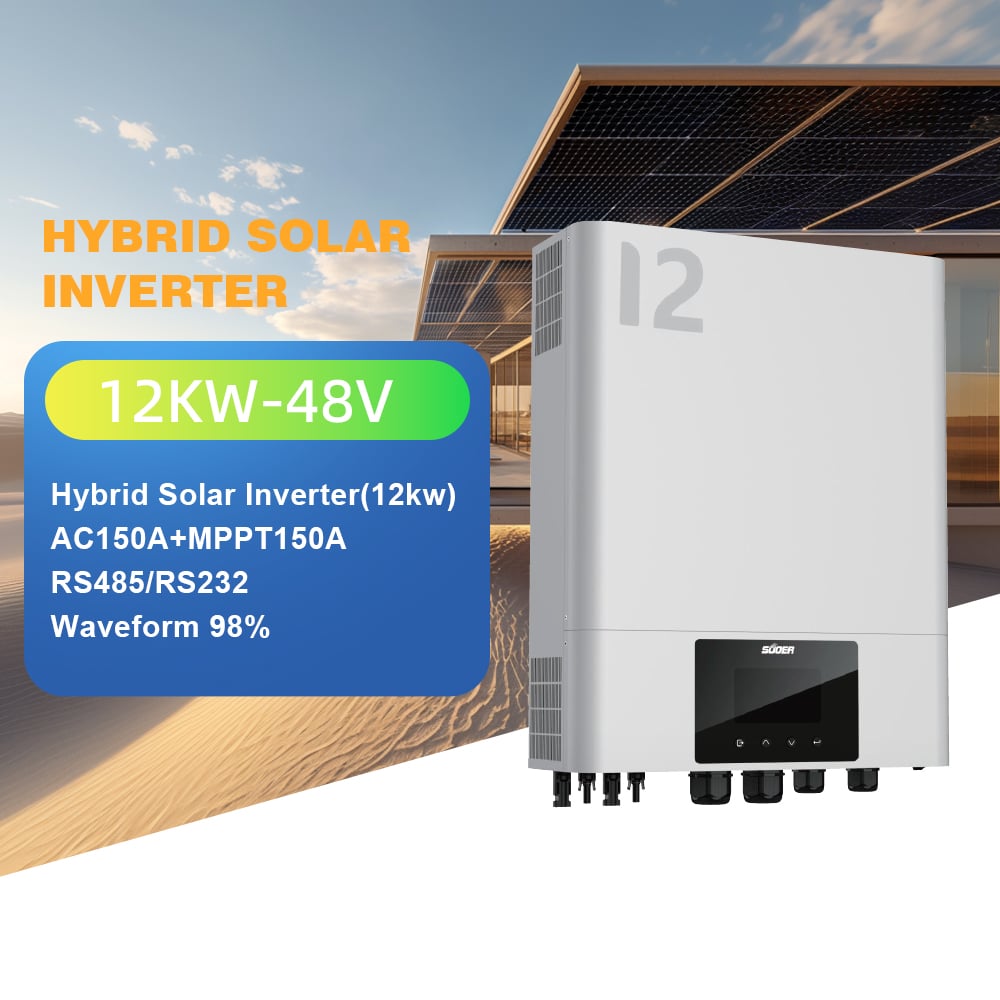
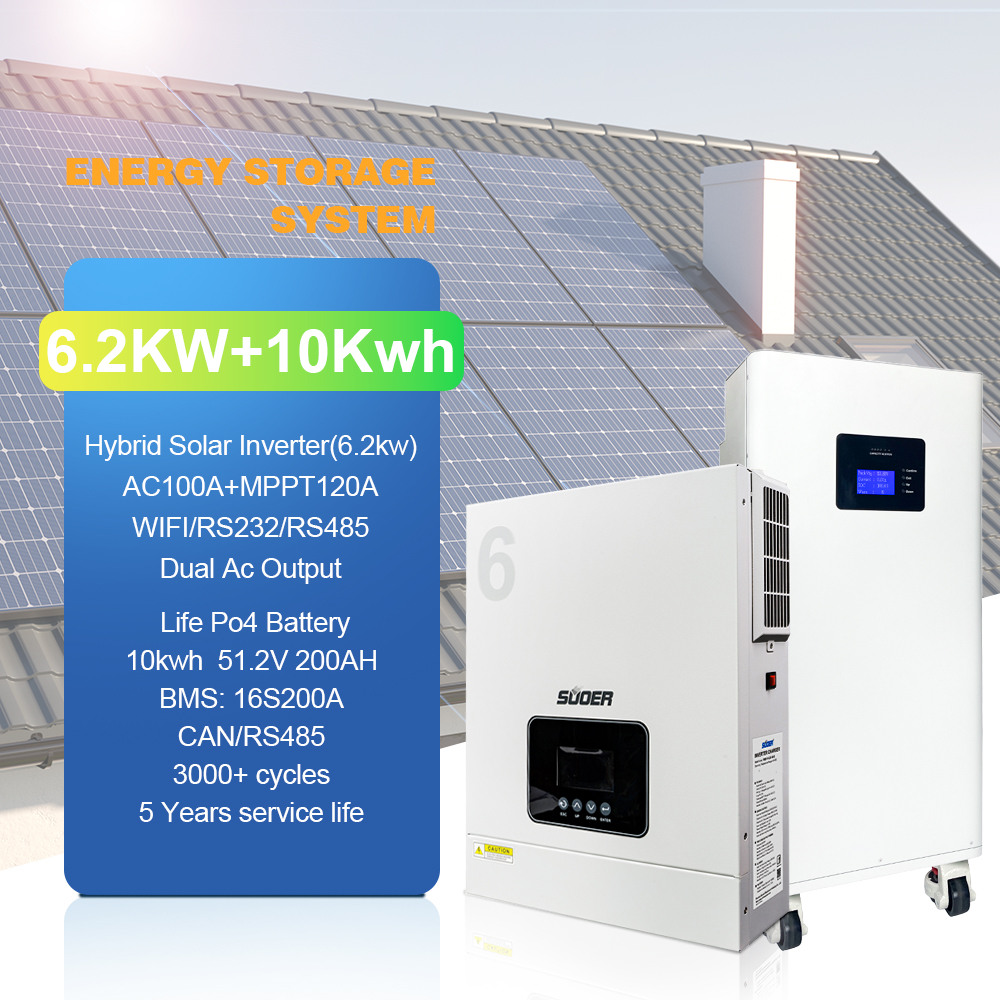
Component Quality: Look for high-quality components such as solar panels, inverters, and batteries. The efficiency and durability of these components directly impact the system's performance and lifespan. For instance, consider the New 12kw Hybrid Solar Off-Grid Inverter System 15kwh 300ah Lithium Iron Lifepo4 Battery for its robust performance.
Certification and Compliance: Ensure that the products meet relevant certifications like ROHS, CE, and ISO9001, which indicate quality and safety compliance. This can prevent potential issues down the line.
Cost Considerations: Evaluate the total cost of ownership, including installation, maintenance, and potential savings over time. Initial investment may be higher for high-quality systems, but they often yield better long-term value.
When preparing to purchase an off-grid or hybrid solar system, consider the following steps:
Request Detailed Quotes: Provide your potential suppliers with detailed information about your energy needs, including peak demand, daily usage, and any specific performance requirements.
Compare Specifications: Pay attention to the technical specifications of each component. Key factors include solar panel efficiency ratings, battery storage capacity, inverter rating, and system compatibility.
Installation Requirements: Understand the installation process and any site-specific considerations that may affect system performance, such as shading, roof orientation, and available space.
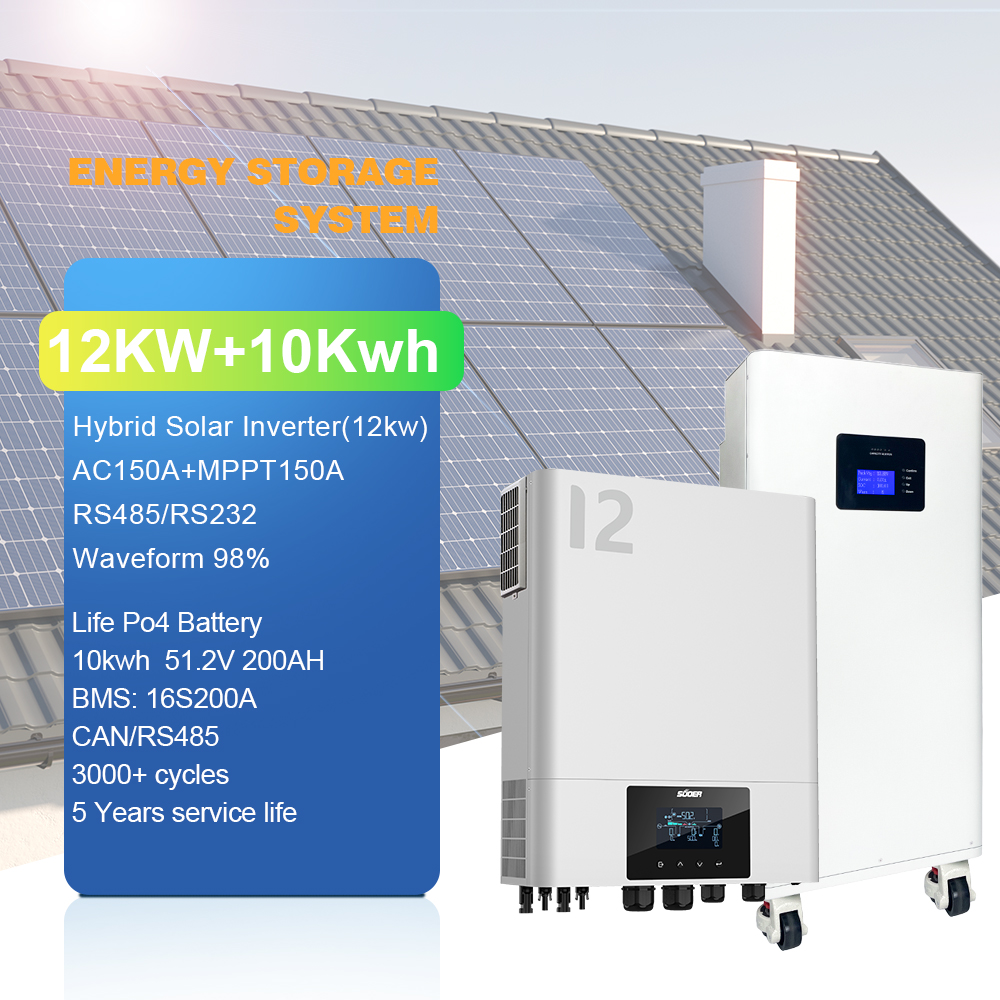
Customization Options: Inquire about customization capabilities. Your energy requirements may evolve, and having a flexible system can save costs in the long run. For example, consider the New 12kw Hybrid Solar Off-Grid Inverter System 10kwh 200ah Lithium Iron Lifepo4 Battery for its customizable features.
Maintenance Plans: Discuss ongoing maintenance options with suppliers to ensure optimal performance and longevity of the system.
Warranty and Support: Evaluate the warranty terms and customer support options. A robust warranty can safeguard your investment against potential failures.
To maximize the effectiveness of your off-grid or hybrid solar system, adhere to these best practices:
Regular Monitoring: Implement monitoring systems to track energy production and usage. This data can help optimize performance and identify issues early.
Routine Maintenance: Schedule regular maintenance checks to ensure all components are functioning correctly. This includes cleaning solar panels, checking connections, and assessing battery health.
Energy Efficiency: Invest in energy-efficient appliances and practices within your facility to reduce overall energy consumption, thus enhancing the benefits of your solar system.
Stay Informed: Keep abreast of technological advancements in solar technology, as improvements may present opportunities for upgrades and increased efficiency.
Training: Train staff on system operation and maintenance to ensure proper use and care, which can extend the lifespan of your investment.
Hybrid solar systems, while versatile, can encounter specific challenges. Here are some common issues and their solutions:
Battery Inefficiency: Batteries may degrade over time, leading to reduced energy storage capacity. Regularly monitor battery health and consider upgrading to higher-capacity batteries if performance declines.
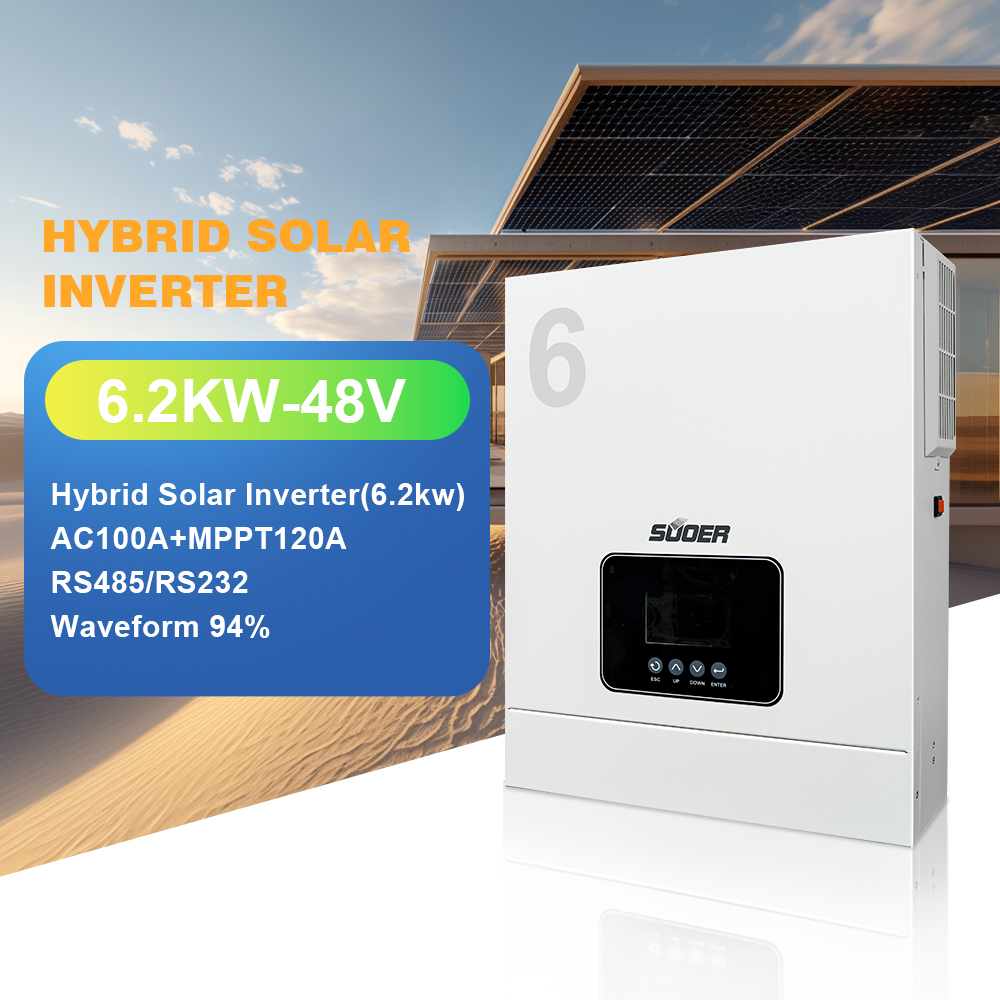
Inverter Compatibility Issues: Not all inverters are compatible with every hybrid system. Ensure that the inverter is appropriately matched to the solar array and battery system to avoid operational problems. An option to consider is the SUN-6K-AH2 48VDC 6000W 6Kw MPPT Solar Hybrid Inverter for its compatibility features.
Grid Dependency: Some hybrid systems may still rely heavily on grid power during peak hours, which can diminish the intended benefits. Evaluate your usage patterns and consider adjusting configurations or adding more solar capacity.
Installation Challenges: Poor installation can lead to inefficiencies or system failures. Work with experienced professionals who understand the complexities of hybrid systems to ensure proper setup.
Regulatory Changes: Changes in local regulations can impact system performance and incentives. Stay informed about local energy policies to ensure compliance and optimize your system's benefits.
Choosing between off-grid and hybrid solar systems depends on your specific needs and operational context:
Off-grid systems are ideal for remote locations or businesses seeking complete energy independence. They require careful planning and assessment of energy needs, as they rely solely on renewable sources.
Hybrid systems are better suited for businesses that want to reduce reliance on fossil fuels while maintaining grid connectivity. They offer flexibility, allowing businesses to draw from the grid when necessary and utilize solar energy during peak production times.
Ultimately, the right choice will depend on factors like energy consumption, budget, and long-term sustainability goals. Engaging with a supplier familiar with your industry can provide tailored insights and recommendations, enabling you to make the most informed decision for your energy needs.

Discover Suoer’s premium range of solar inverters and power inverters designed for reliable renewable energy solutions.Trusted by customers worldwide for exceptional performance and durability.
Suoer Industrial Zone, Ercun Road Section, Yanfeng Avenue, Shishan Town,Foshan city,Guangdong Province,China
Copyright © 2024 Foshan Suoer Electronic Industry Co., Ltd. Privacy Policy - Blog

 EN
 AR
 NL
 FR
 DE
 EL
 IT
 JA
 KO
 PT
 RU
 ES
 VI
 TH
 TR
 BG
 HR
 CS
 NO
 PL
 TL
 ID
 SR
 UK
 SQ
 HU
 MT
 AF
 MS
 IS
 HY
 AZ
 BN
 BS
 GU
 LO
 LA
 MN
 NE
 TA