The integration of renewable energy sources is essential for modern energy solutions, and on-grid, off-grid, and hybrid solar systems play a crucial role in this transition. These systems cater to various energy needs, from residential to industrial applications, each with unique specifications and operational requirements. As B2B buyers, particularly purchasing managers and engineers, understanding the intricacies of these systems is vital. This article will provide insights into their key specifications, supplier reliability, common challenges, quality standards, and real-world applications, empowering you to make informed purchasing decisions.
When evaluating solar systems, it's crucial to recognize the distinct specifications that define their performance and suitability for specific applications.
Voltage and Power Rating: On-grid systems typically operate at higher voltages (usually 230V or 400V), making them suitable for large-scale installations. Off-grid systems often use lower voltages (12V or 24V) for battery storage applications, while hybrid systems may support both configurations. Assessing the power rating is essential to ensure the system meets your energy demands.
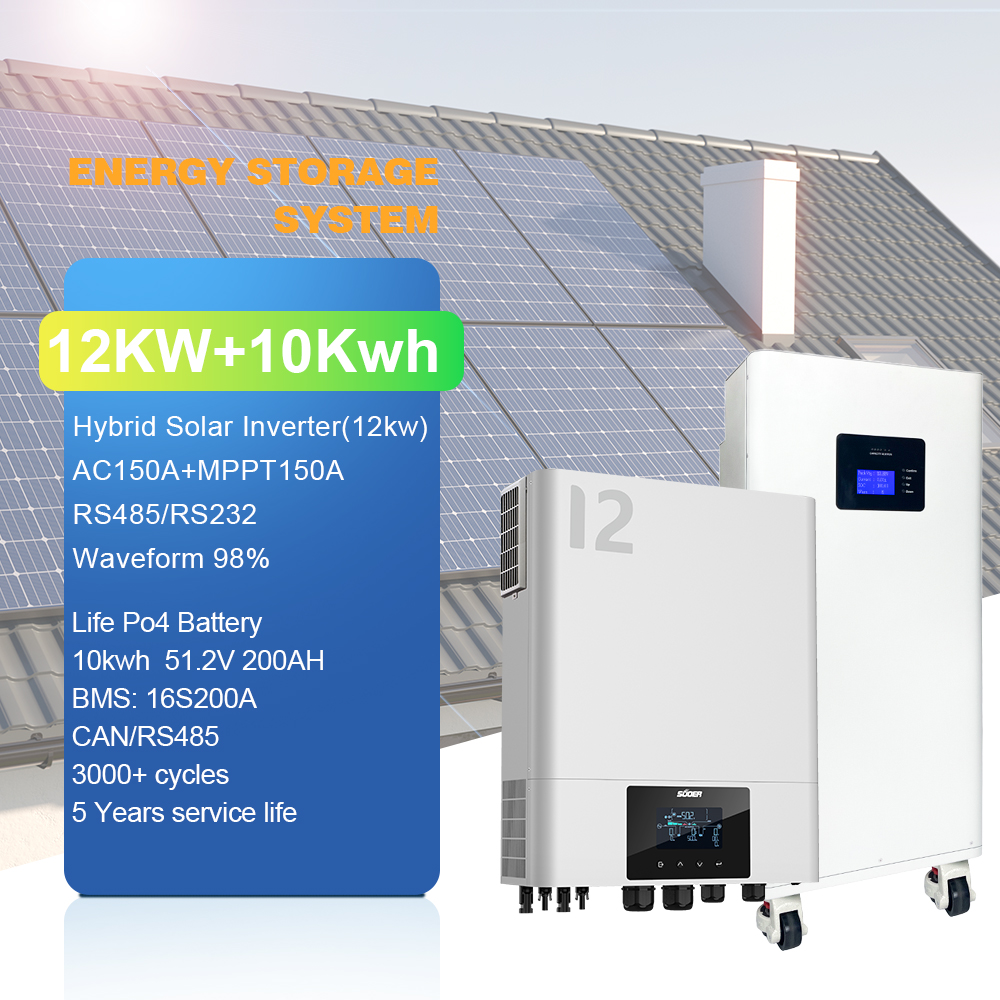
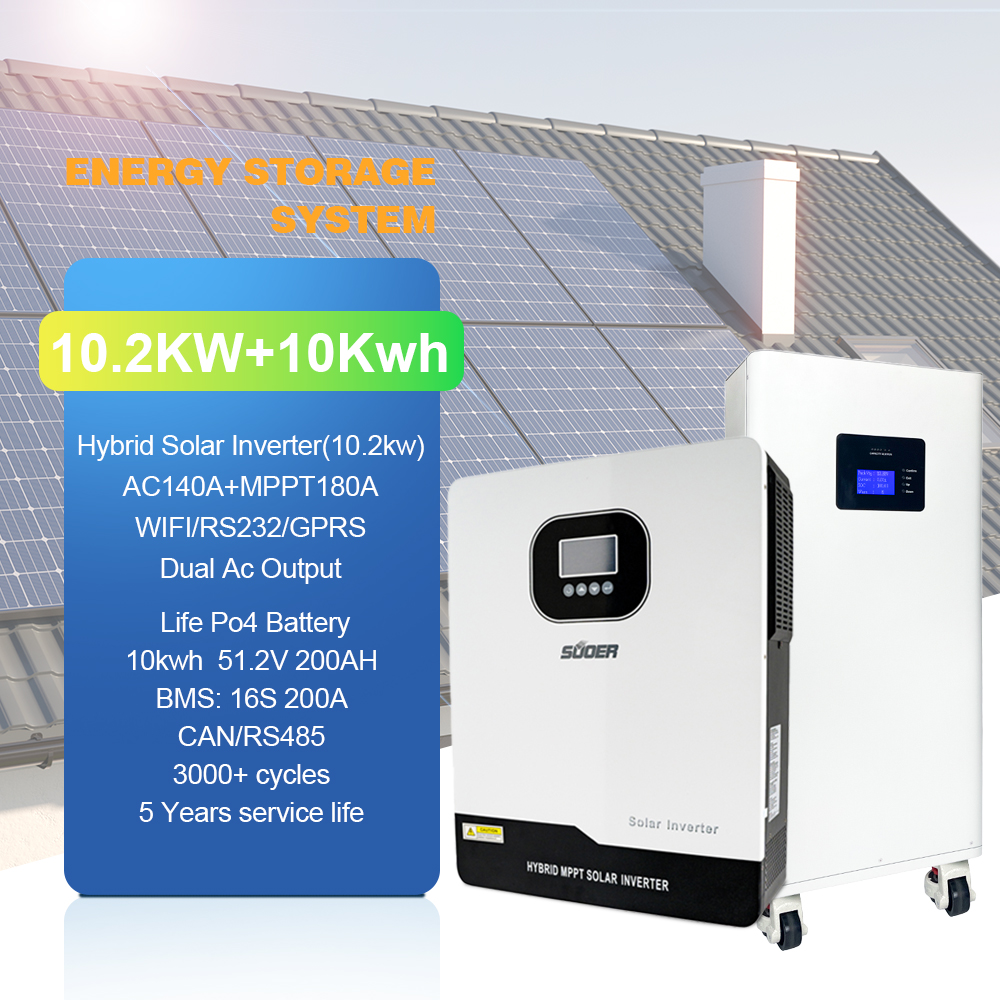
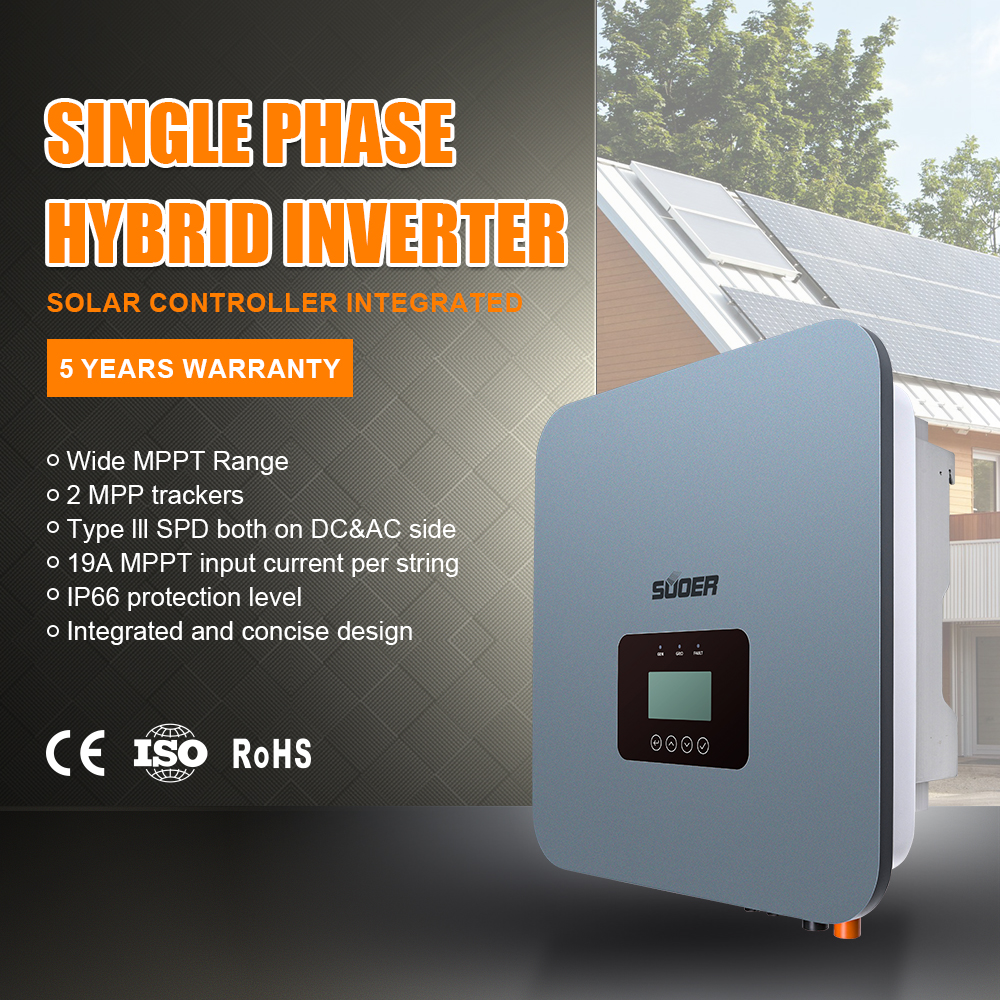
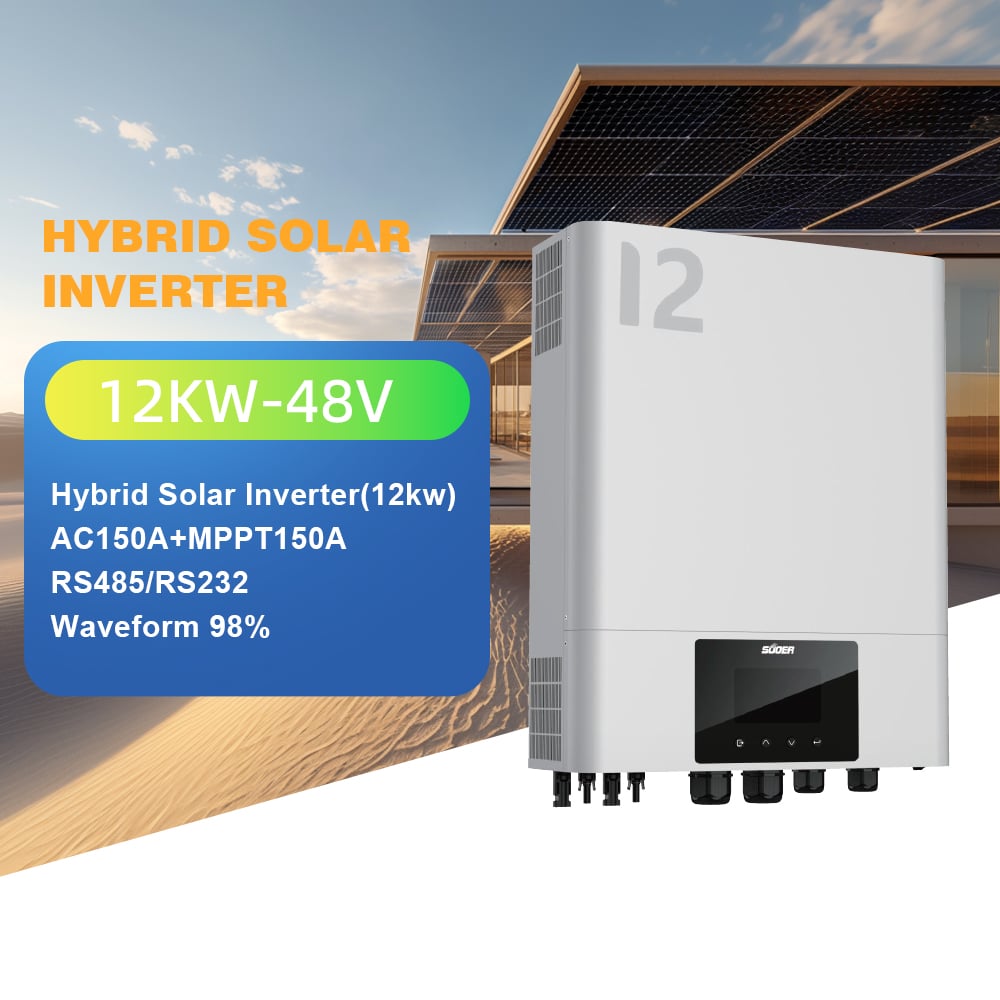
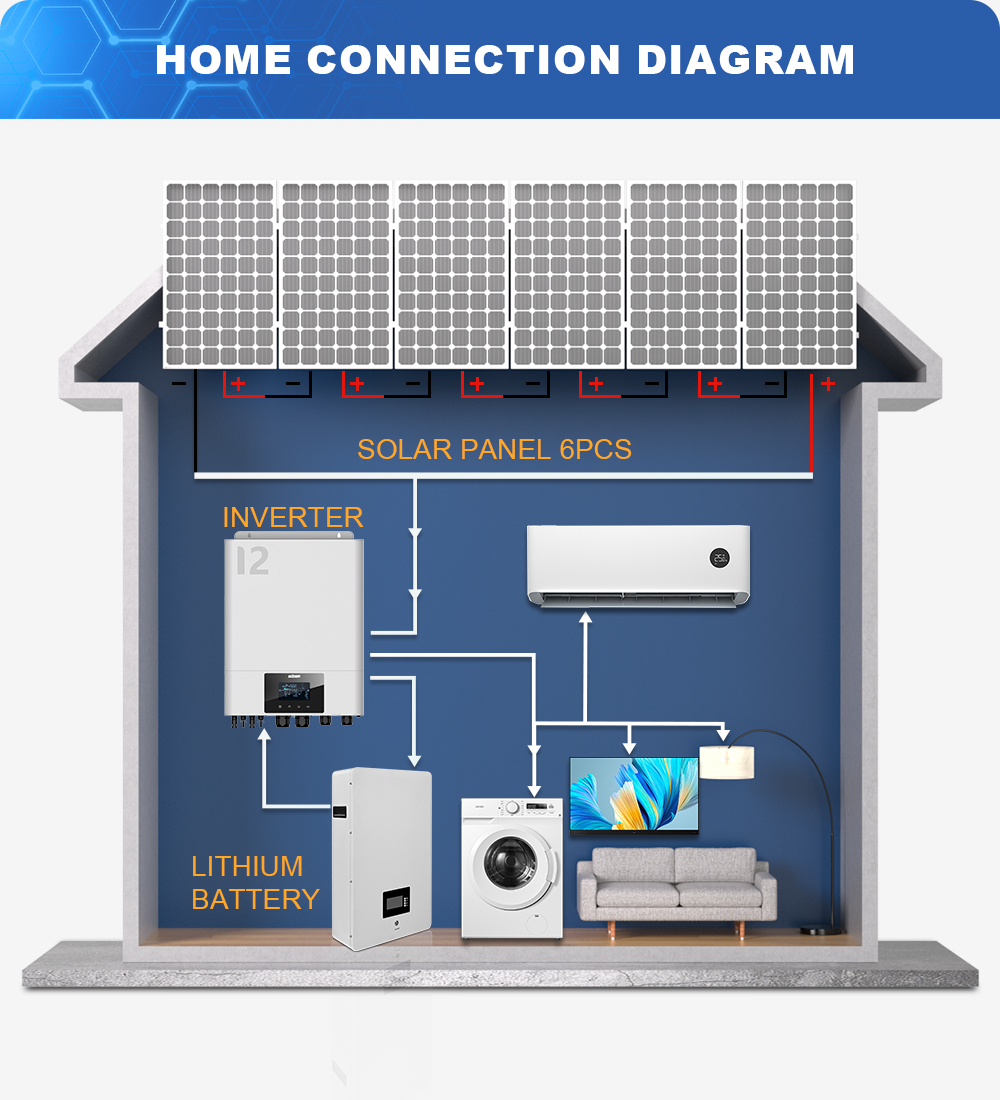
Inverter Type: The inverter type is critical for the efficiency of solar systems. On-grid systems utilize grid-tied inverters that synchronize with the utility grid, whereas off-grid systems require standalone inverters to manage battery storage. Hybrid systems often employ advanced inverters capable of managing multiple energy sources and providing seamless transitions between them. For example, the New 10.2kw Hybrid Solar Off-Grid Inverter System 10kwh 200ah Lithium Iron Lifepo4 Battery Split Stackable CAN Communication Port is a good choice for hybrid setups.
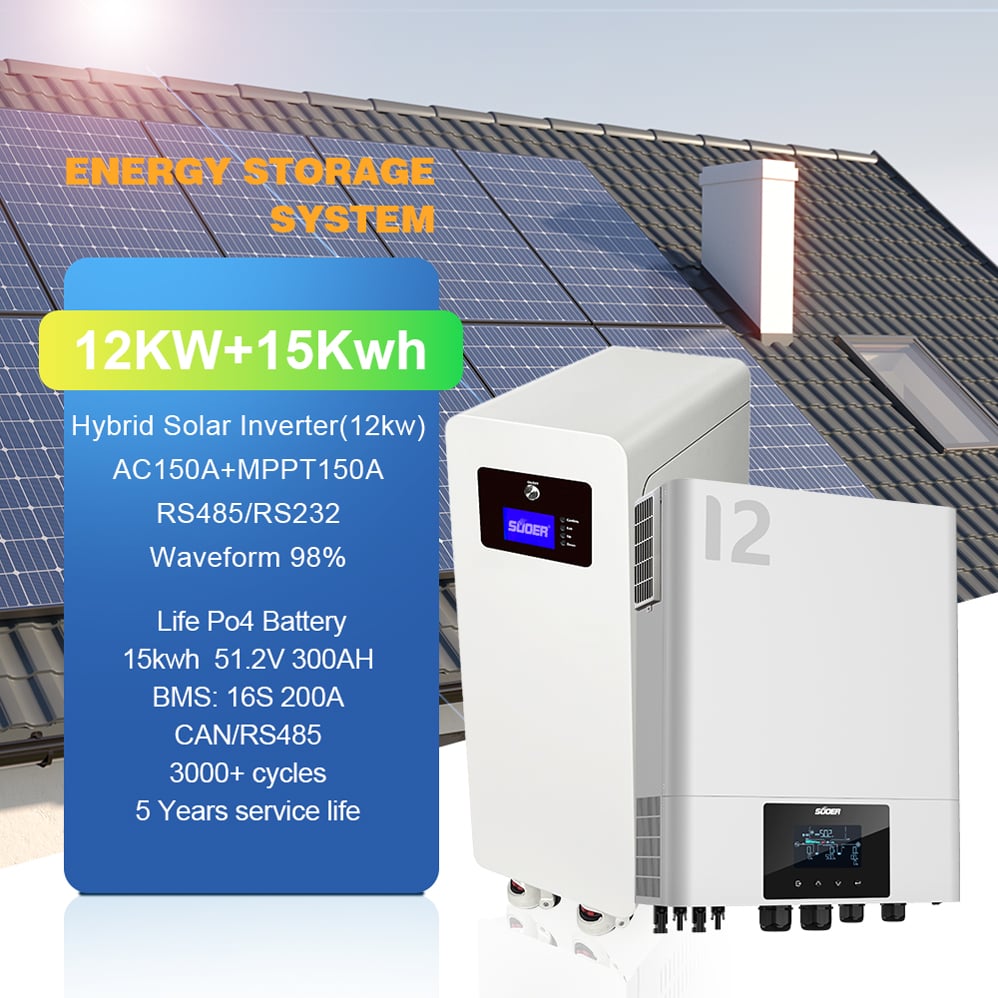
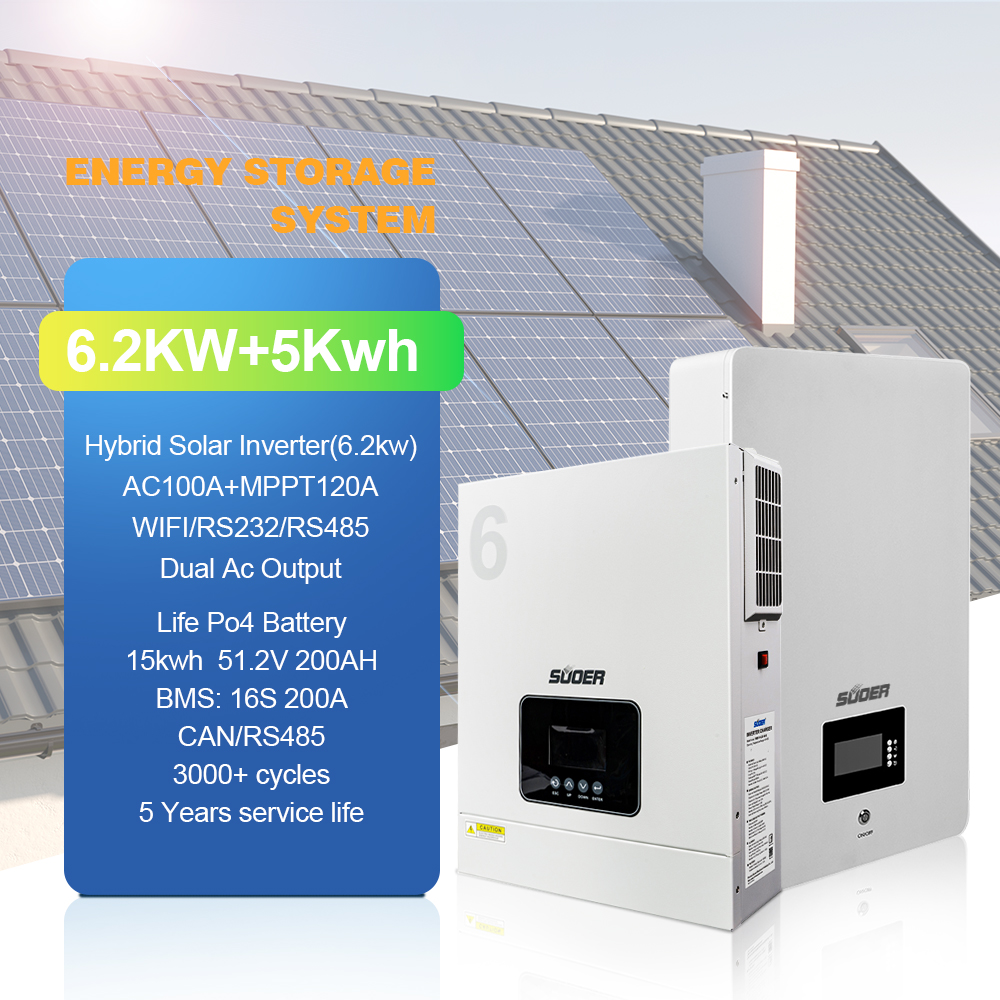
Battery Capacity: For off-grid and hybrid systems, battery capacity is a key specification. It determines how much energy can be stored for use during low-sunlight hours. Sizing the battery correctly is vital to avoid energy shortages, particularly in commercial applications. The 15KWH 300Ah Lithium Ion Battery Pack Lifepo4 51.2V High Quality Mobile Vertical Solar Battery is an excellent option for ensuring reliable energy storage.
Panel Efficiency: The efficiency of solar panels, expressed as a percentage, indicates how effectively they convert sunlight into electricity. Higher efficiency panels may reduce the required installation space, making them ideal for urban or constrained environments.
Understanding these specifications will guide you in selecting the right solar solution that aligns with your operational needs and energy goals.
Selecting a reliable supplier is a crucial step in ensuring the quality and performance of solar systems. Look for manufacturers with a proven track record in the renewable energy sector, particularly those specializing in on-grid, off-grid, and hybrid systems.
Certifications: Verify that the supplier's products meet industry standards and certifications such as ROHS, CE, and ISO9001, which indicate adherence to quality and safety regulations. These certifications provide assurance of the product's reliability and performance.
Production Capabilities: Assess the supplier's manufacturing capabilities, including their use of automated production techniques and a robust R&D team. This ensures consistency in product quality and the ability to innovate in response to market demands.
Customer Support and Warranty: A reliable supplier should offer comprehensive customer support and warranty options. This is particularly important for complex systems where installation and maintenance support can significantly impact performance.
By carefully evaluating potential suppliers based on these criteria, you can mitigate risks and ensure that you are investing in high-quality solar solutions.
While solar systems offer numerous advantages, several common problems can arise that buyers should be aware of:
Inefficient Energy Production: This can stem from improper installation or subpar components. Buyers should ensure that installation is performed by certified professionals and that all components are sourced from reputable suppliers.
Battery Failure: In off-grid and hybrid systems, battery failures can lead to energy shortages. Regular maintenance and monitoring of battery health are essential. Buyers should choose batteries from manufacturers that provide clear guidelines for maintenance and performance expectations.
Inverter Compatibility: Incompatibility issues can arise when integrating new components into existing systems. To avoid this, buyers should consult with suppliers about compatibility and ensure that all components are designed to work together seamlessly.
Regulatory Compliance: Non-compliance with local regulations can lead to fines and system shutdowns. It is imperative for buyers to familiarize themselves with local regulations and ensure that their chosen systems comply with them.
By understanding these common challenges and implementing proactive solutions, buyers can enhance the reliability and efficiency of their solar systems.
Quality standards are essential in B2B purchases of solar power systems. These standards ensure that the systems meet performance expectations and regulatory requirements.
Material Quality: Assessing the materials used in solar panels, inverters, and batteries is crucial. High-quality materials can withstand environmental stresses and enhance system longevity. Buyers should inquire about the material specifications and testing results from their suppliers.
Performance Testing: Reputable manufacturers conduct rigorous performance testing on their products. Buyers should request documentation of these tests, including efficiency ratings and degradation rates over time, to ensure that the systems will perform as promised.
Quality Control Processes: Understanding the supplier's quality control processes can provide insight into their commitment to product excellence. Look for suppliers that implement comprehensive testing during production and have a robust system for addressing defects.
Post-Sale Support: Quality does not end with the sale. Effective post-sale support, including installation guidance and troubleshooting assistance, is essential for maintaining system performance. Buyers should evaluate the level of support offered by potential suppliers.
By focusing on these quality standards, B2B buyers can make informed decisions that align with their operational requirements and long-term energy goals.
Understanding the practical applications of on-grid, off-grid, and hybrid solar systems can help buyers select the most suitable solution for their needs.
On-Grid Systems: These systems are ideal for commercial buildings that have access to the utility grid. They allow businesses to sell excess energy back to the grid, effectively reducing energy costs. They are commonly used in industries where high energy consumption occurs during daylight hours.
Off-Grid Systems: These systems are perfect for remote locations where grid access is limited or non-existent. Applications include powering telecommunications towers, remote mining operations, and rural homes. They require robust battery storage solutions to ensure a reliable energy supply during periods without sunlight.
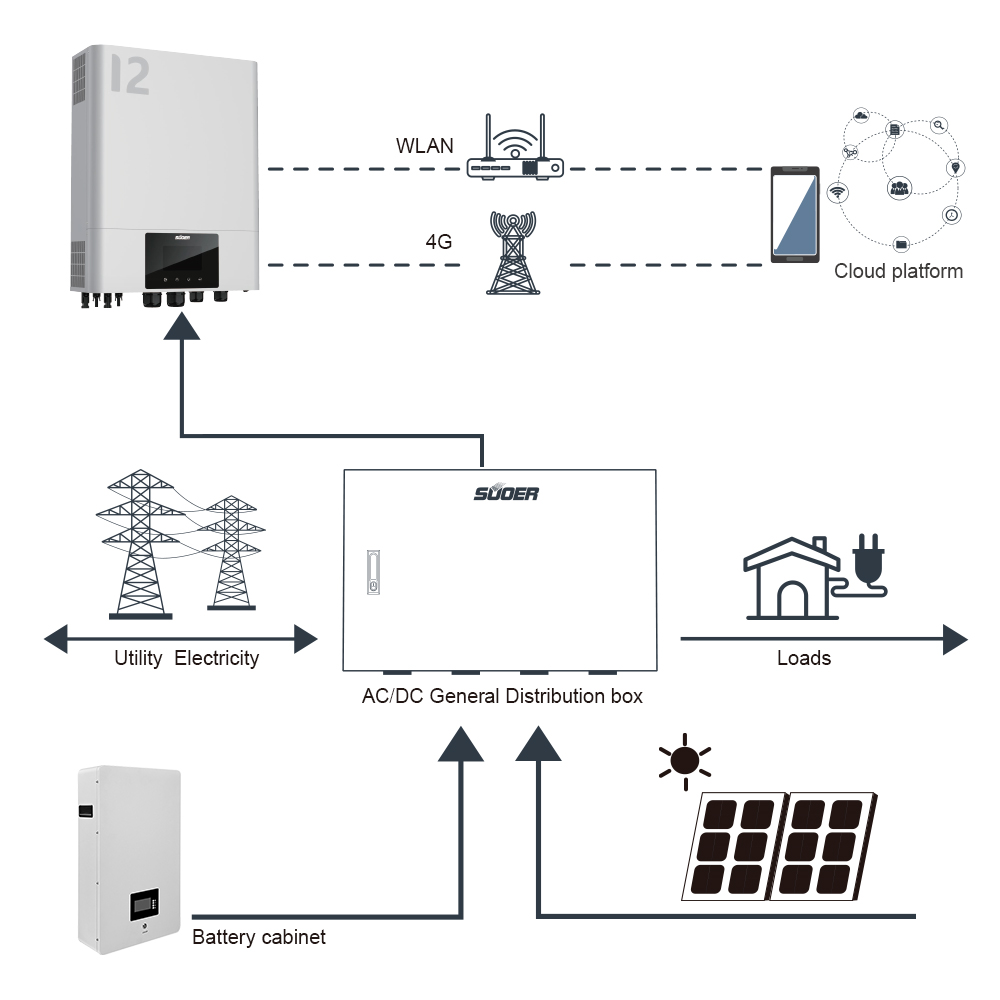
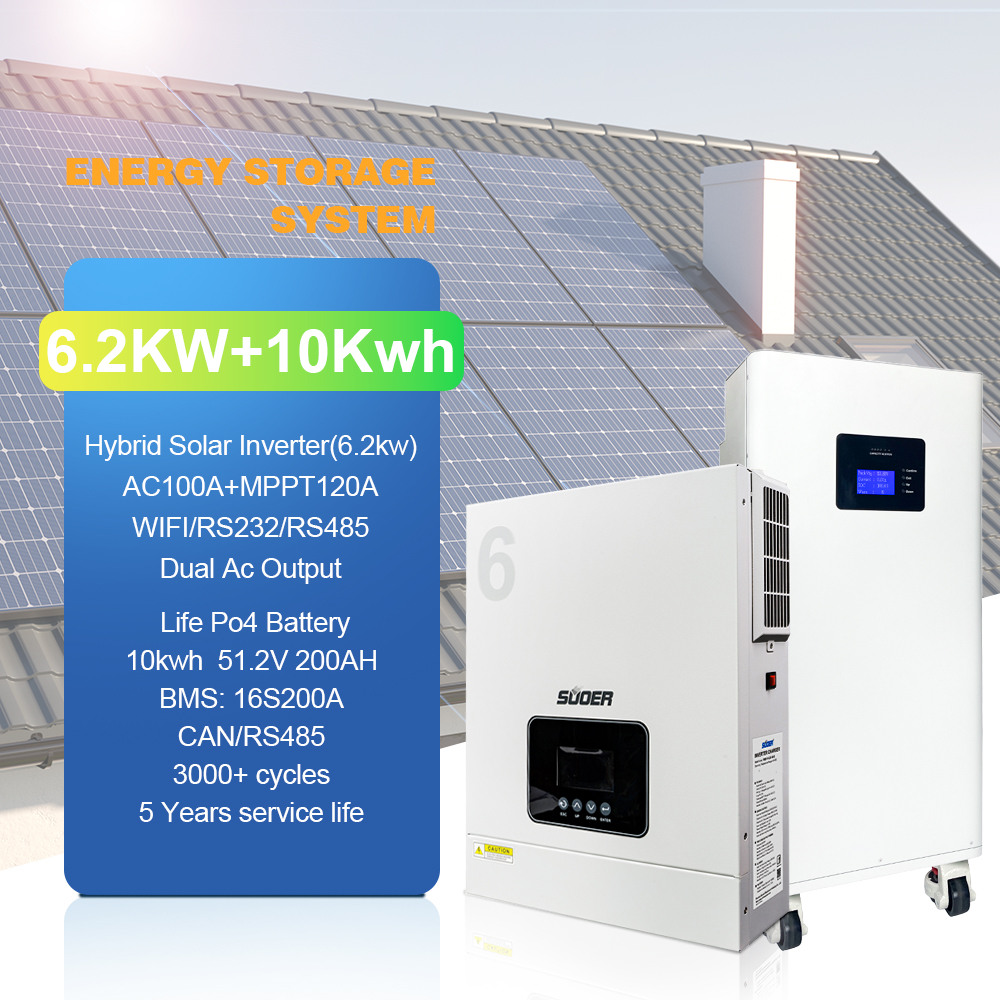
Hybrid Systems: Combining the benefits of both on-grid and off-grid systems, hybrid solutions are increasingly popular in commercial and industrial applications. They provide flexibility in energy management and can utilize multiple energy sources, including solar, wind, and diesel generators, to optimize energy use and reduce reliance on fossil fuels. The 6200W Hybrid Solar Off-Grid Inverter System 10kwh Lithium Iron Lifepo4 Battery Split Stackable CAN Communication is one such hybrid solution.
Each type of solar system offers unique advantages and is suited for specific applications. By understanding these real-world uses, buyers can align their energy strategies with their operational needs.
By leveraging the insights provided, B2B buyers can navigate the complexities of selecting and implementing on-grid, off-grid, and hybrid solar systems, ensuring that their decisions lead to sustainable and cost-effective energy solutions.

Discover Suoer’s premium range of solar inverters and power inverters designed for reliable renewable energy solutions.Trusted by customers worldwide for exceptional performance and durability.
Suoer Industrial Zone, Ercun Road Section, Yanfeng Avenue, Shishan Town,Foshan city,Guangdong Province,China
Copyright © 2024 Foshan Suoer Electronic Industry Co., Ltd. Privacy Policy - Blog

 EN
 AR
 NL
 FR
 DE
 EL
 IT
 JA
 KO
 PT
 RU
 ES
 VI
 TH
 TR
 BG
 HR
 CS
 NO
 PL
 TL
 ID
 SR
 UK
 SQ
 HU
 MT
 AF
 MS
 IS
 HY
 AZ
 BN
 BS
 GU
 LO
 LA
 MN
 NE
 TA