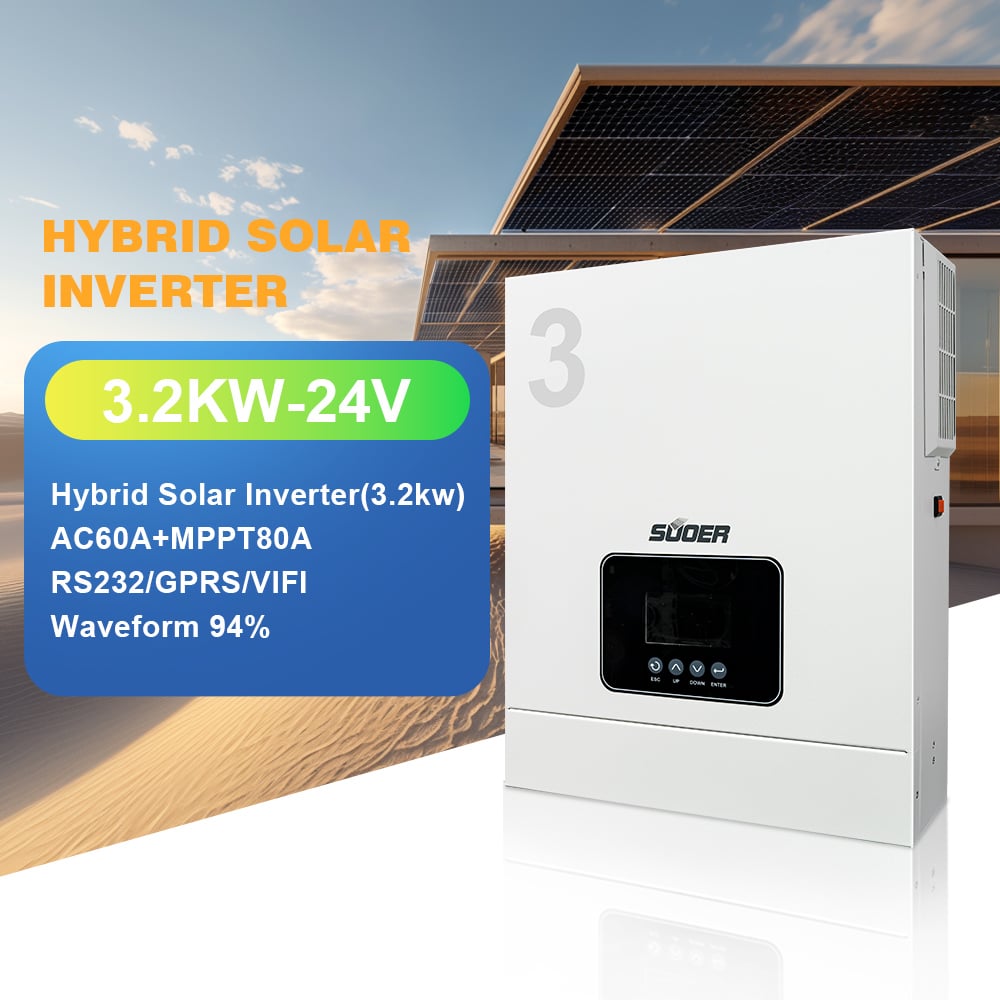
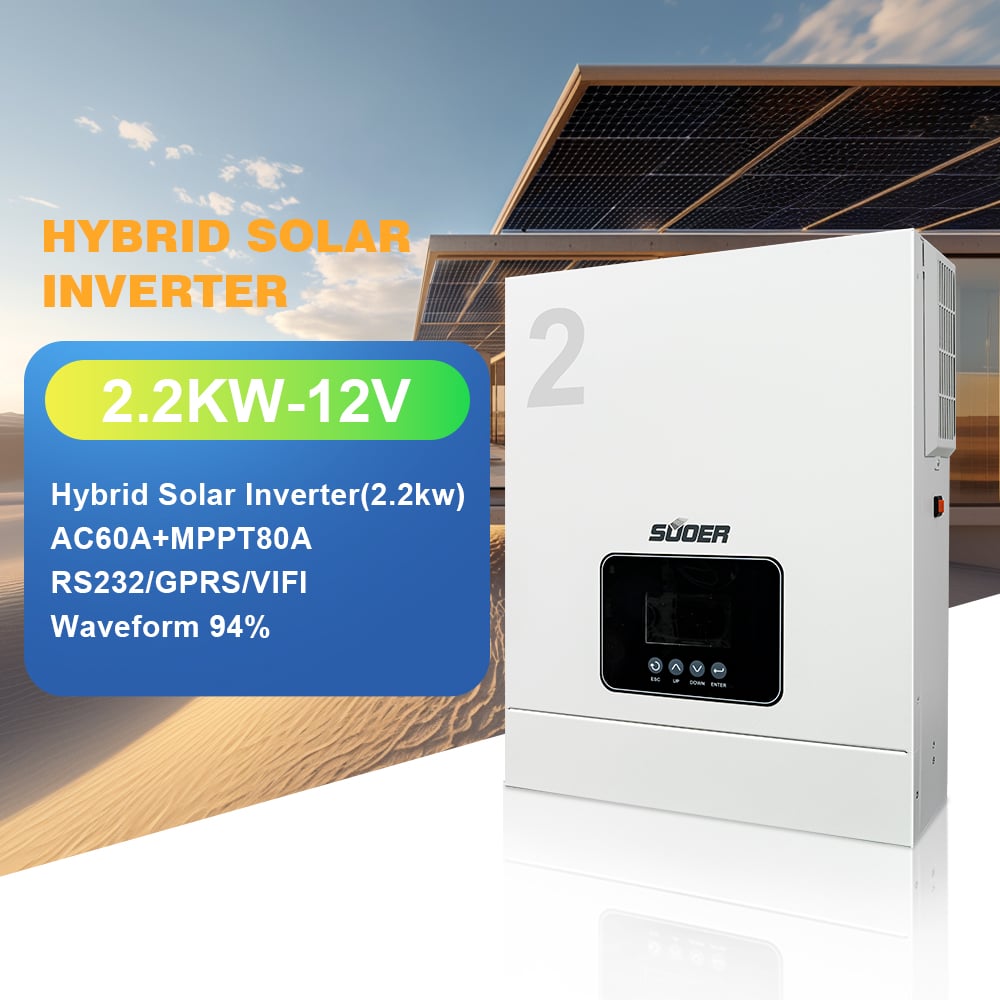
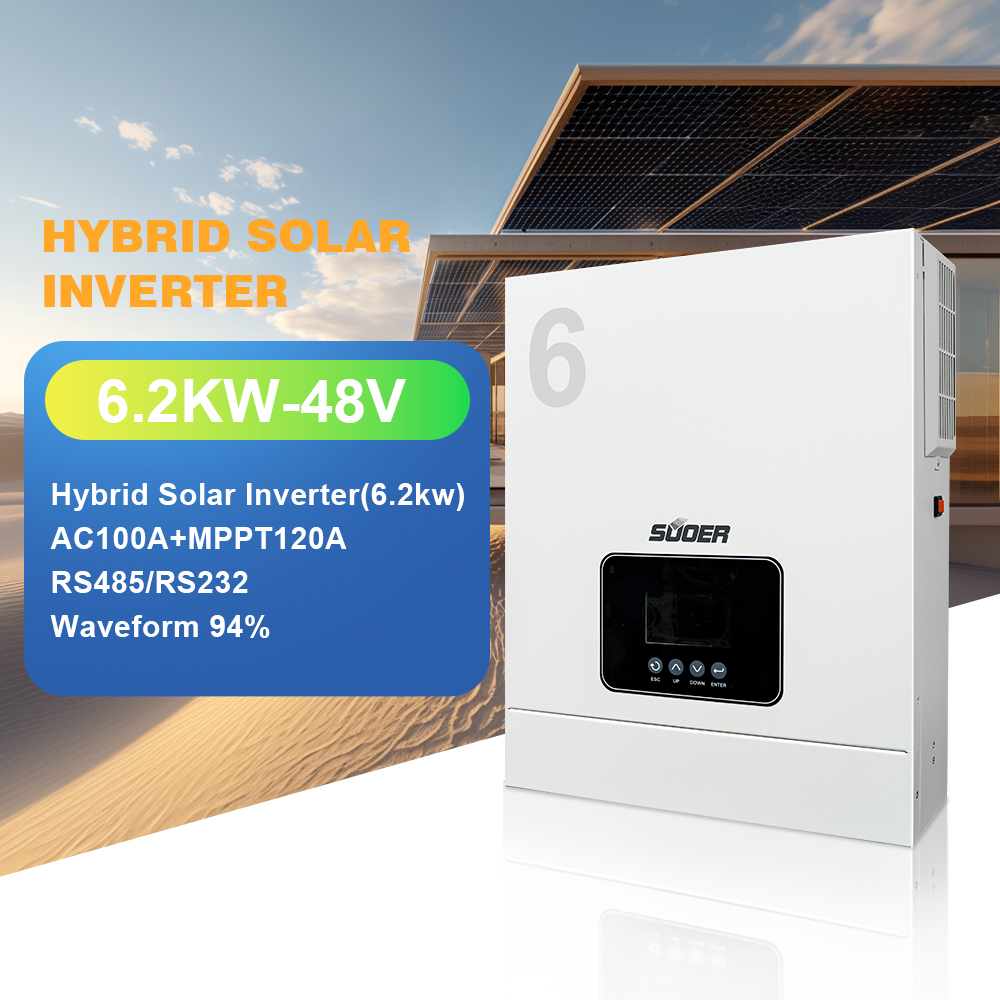
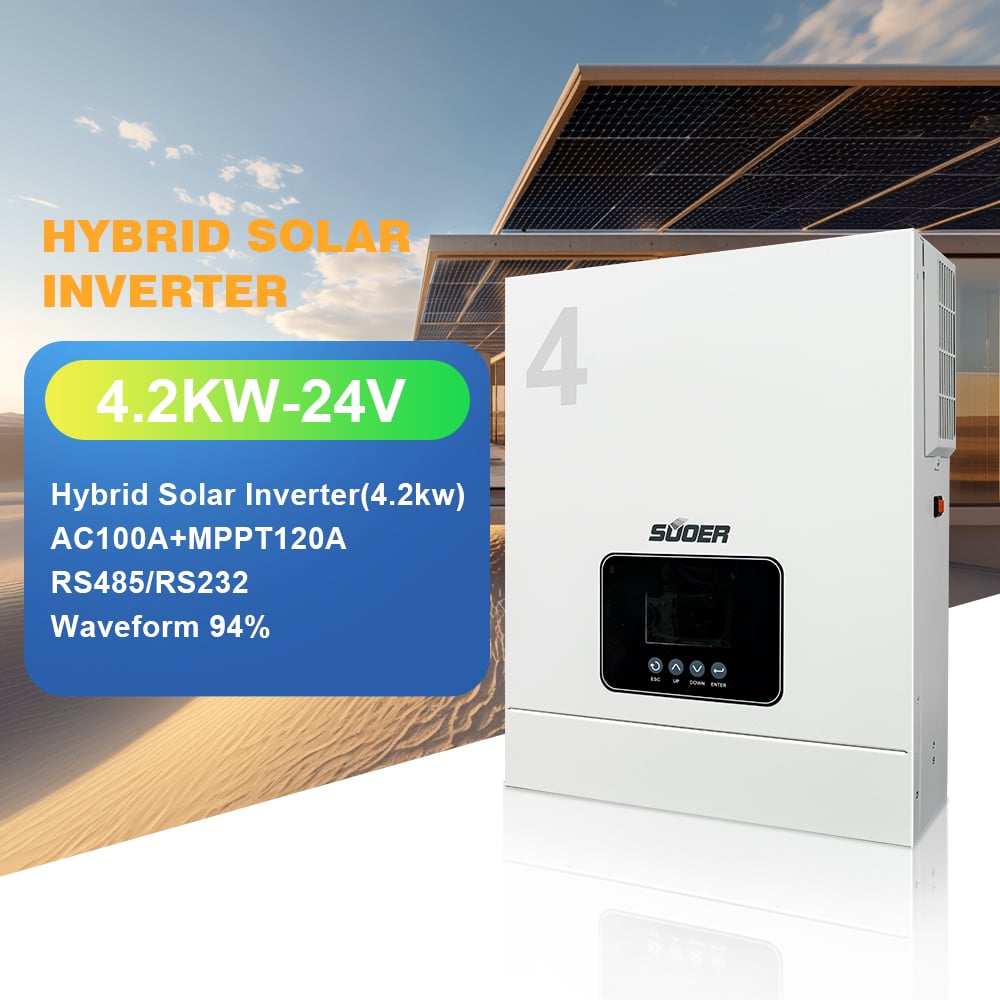
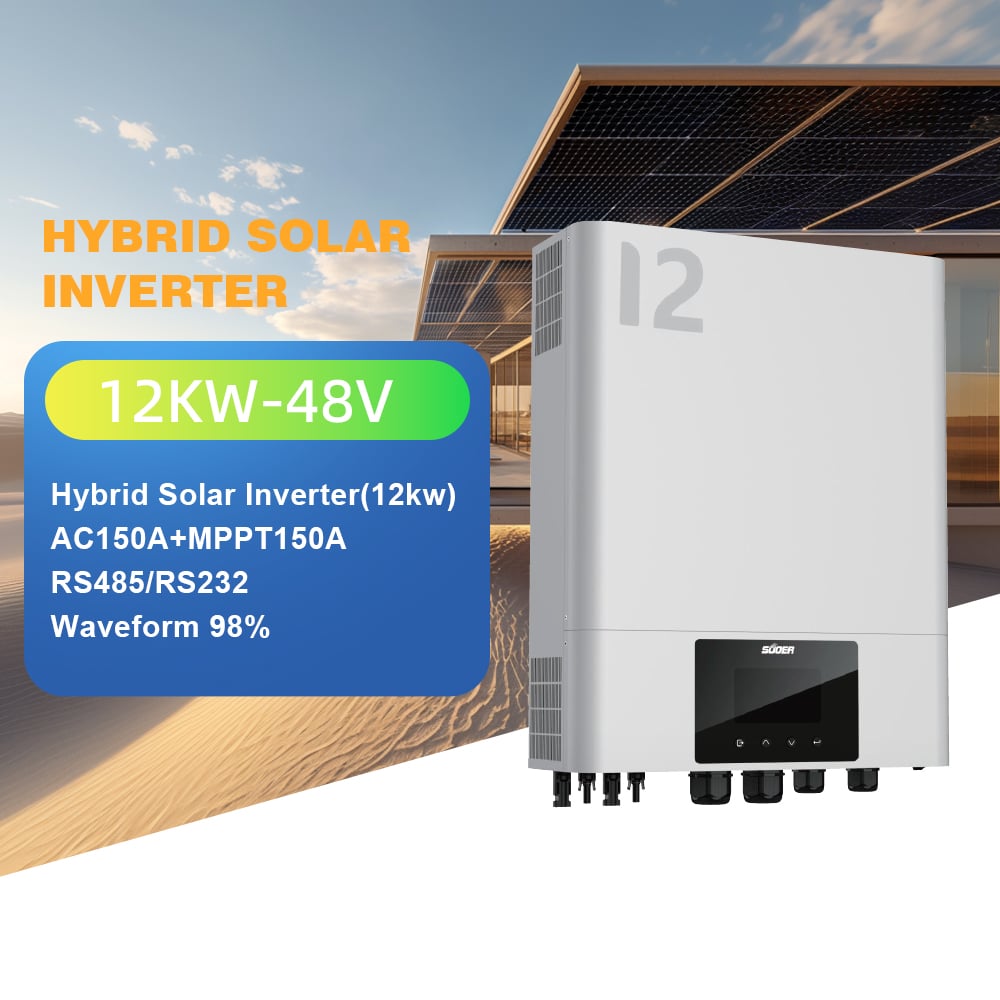
An on-grid hybrid solar system integrates solar energy generation with traditional power sources, allowing users to benefit from renewable energy while maintaining a reliable connection to the grid. For B2B buyers—such as purchasing managers, engineers, and product managers—understanding the intricacies of these systems is crucial. This article aims to provide practical insights into the benefits, specifications, and applications of on-grid hybrid solar systems, helping buyers make informed purchasing decisions.
On-grid hybrid solar systems offer several advantages for businesses looking to invest in renewable energy. Primarily, they allow for energy independence while providing backup power during outages. By utilizing solar energy, companies can reduce their reliance on fossil fuels, leading to significant cost savings on energy bills over time. Additionally, these systems can help businesses meet corporate sustainability goals and comply with regulations promoting renewable energy use.
The ability to sell excess power back to the grid is another compelling benefit. This not only recoups some of the initial investment through feed-in tariffs or net metering but also contributes to the overall sustainability of the power grid. Furthermore, on-grid hybrid systems can be tailored to fit specific energy needs, offering flexibility for various applications, from manufacturing facilities to commercial buildings.
Selecting the right on-grid hybrid solar system requires careful consideration of several factors. First, assess your energy consumption patterns to determine the capacity required. This involves analyzing historical energy usage data and identifying peak consumption times. Once you have a clear understanding of your energy needs, consider any future growth projections.
Additionally, evaluate the compatibility of the solar system with existing infrastructure. This includes understanding the specifications of your current electrical systems and any potential need for upgrades. Other important factors include local regulations regarding solar installations, available incentives, and the quality and reliability of potential suppliers.
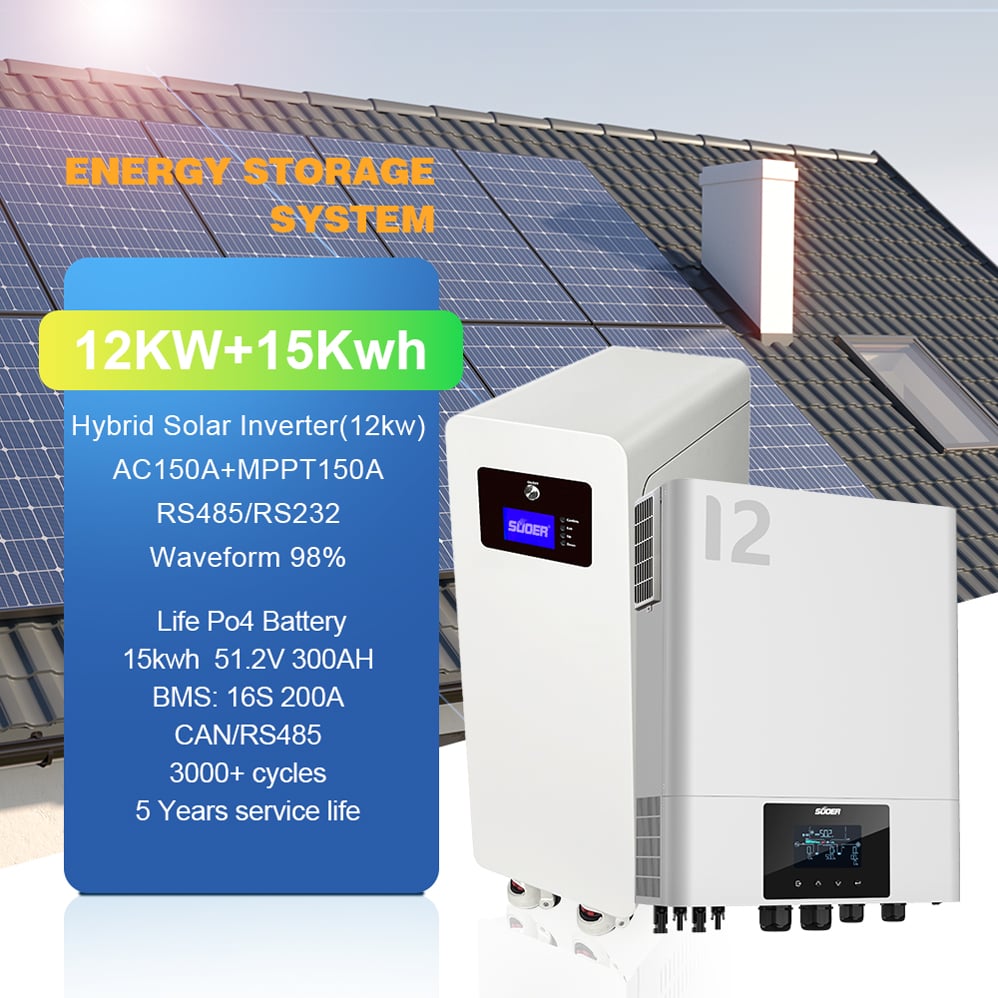
Customization capabilities are also essential; many businesses require specific configurations based on their operational needs. Engage with manufacturers to discuss available options and ensure that the system can be tailored to your unique requirements. For instance, explore options like the New 12kw Hybrid Solar Off-Grid Inverter System 15kwh 300ah Lithium Iron Lifepo4 Battery to find a suitable fit for your operations.
When evaluating on-grid hybrid solar systems, several key specifications should be considered to ensure optimal performance and reliability:
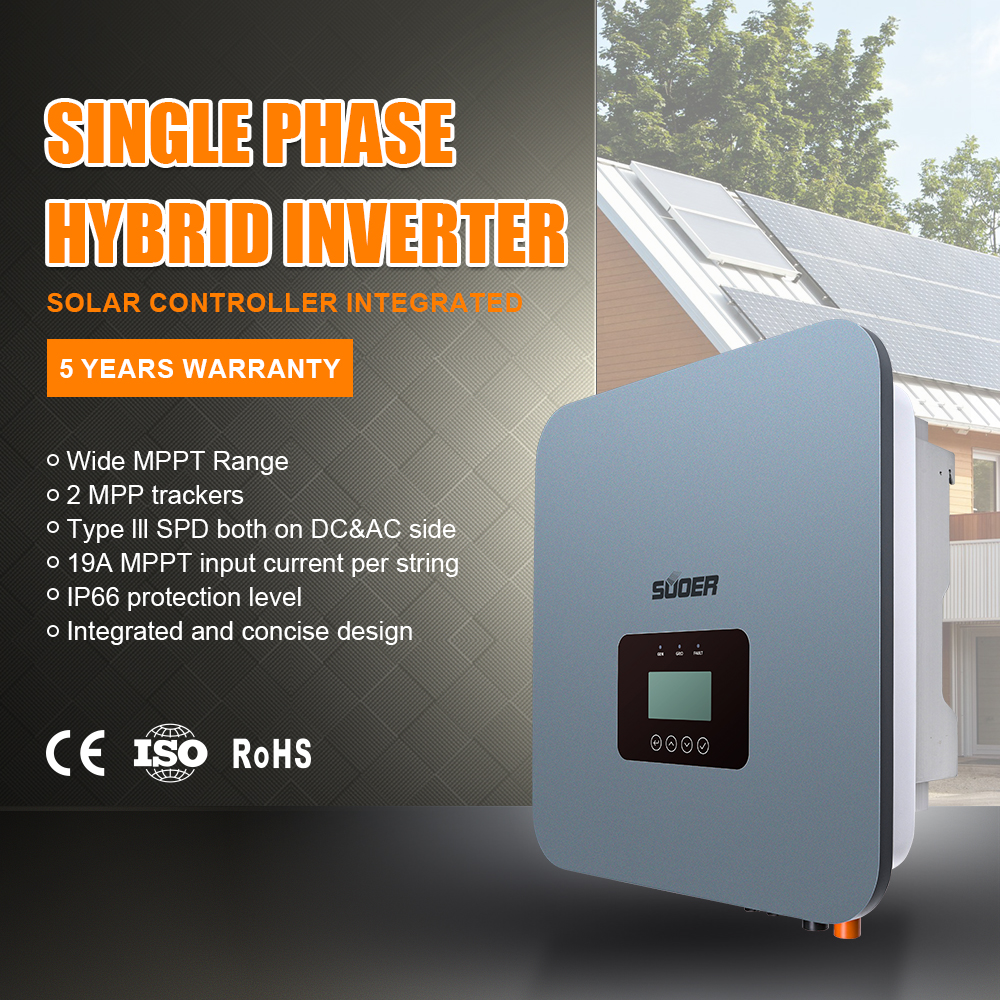
Inverter Quality and Type: The inverter is critical in converting solar energy into usable electricity. Evaluate whether you need a string inverter, microinverters, or power optimizers based on system design and energy production goals.
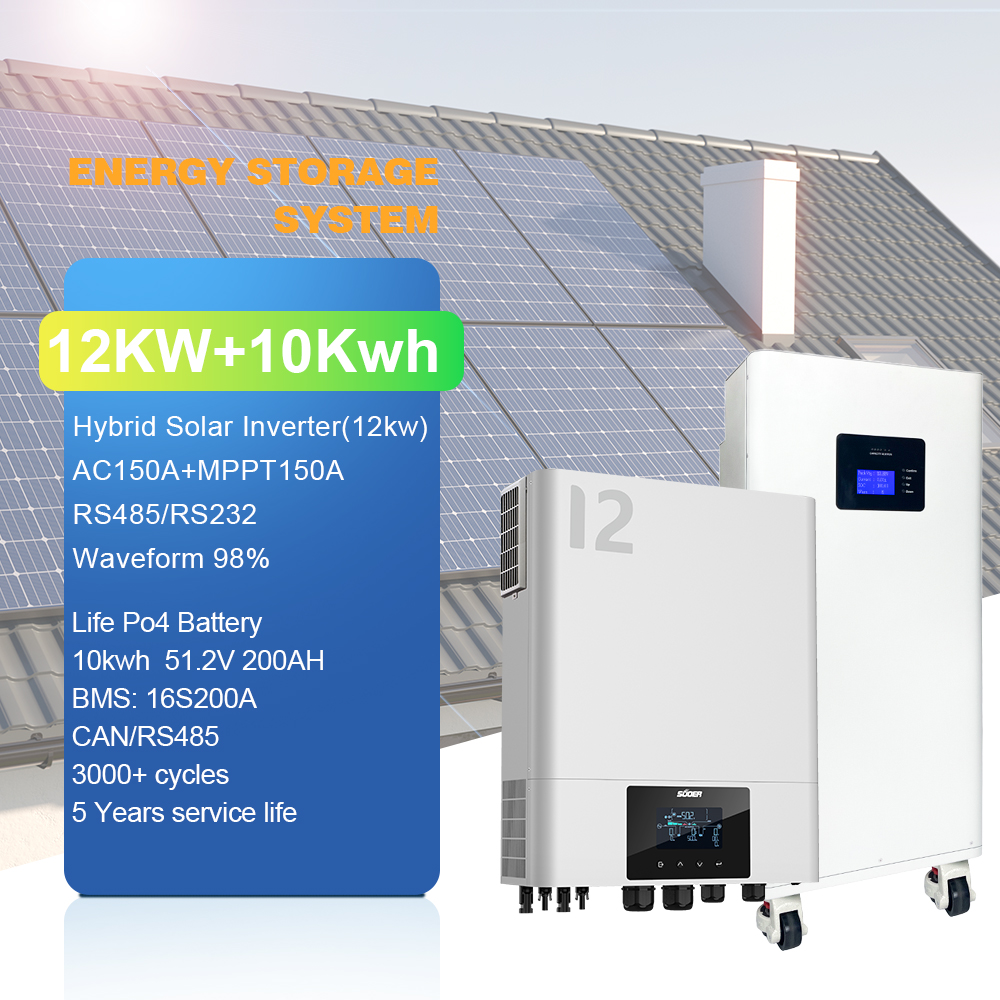
Battery Storage Capacity: For hybrid systems, battery storage capacity is crucial as it determines how much energy can be stored for later use. Consider the daily energy consumption and how much stored energy is needed to offset grid reliance during peak times. Solutions like the New 12kw Hybrid Solar Off-Grid Inverter System 10kwh 200ah Lithium Iron Lifepo4 Battery can provide efficient energy storage.
Panel Efficiency: The efficiency rating of solar panels directly impacts energy output. Higher efficiency panels may have a higher upfront cost but can yield better long-term returns.
Durability and Warranty: Look for systems with robust warranties and certifications (e.g., ISO9001, CE). This is crucial for ensuring the longevity and performance of the system, particularly in harsh environmental conditions.
Monitoring Capabilities: Advanced monitoring systems allow businesses to track energy production and consumption in real-time, enabling better energy management and efficiency optimization.
To successfully implement an on-grid hybrid solar system, businesses need to prepare specific documentation and resources. This includes:
Energy Consumption Data: Historical energy usage records for accurate capacity planning.Site Assessment Reports: A professional evaluation of your site’s solar potential, including shading analysis and roof condition.Technical Drawings: Detailed drawings of your existing electrical infrastructure to ensure compatibility with the new system.Regulatory Compliance Information: Documentation outlining local regulations, permits, and zoning requirements for solar installations.Engaging with suppliers early in the process can help clarify these requirements and ensure a smoother installation experience.
On-grid hybrid solar systems find applications across diverse industries, each with unique energy needs and operational challenges.
Manufacturing: Factories can leverage these systems to reduce operational costs and enhance energy efficiency, particularly in energy-intensive processes. The ability to use solar energy during peak demand periods can lead to substantial savings.
Telecommunications: Telecom companies can utilize hybrid systems to power remote towers and reduce reliance on diesel generators, thus lowering operational costs and decreasing carbon footprints.
Transportation: In the rail transit sector, on-grid hybrid systems can power signaling systems and station facilities, improving energy efficiency and reliability.
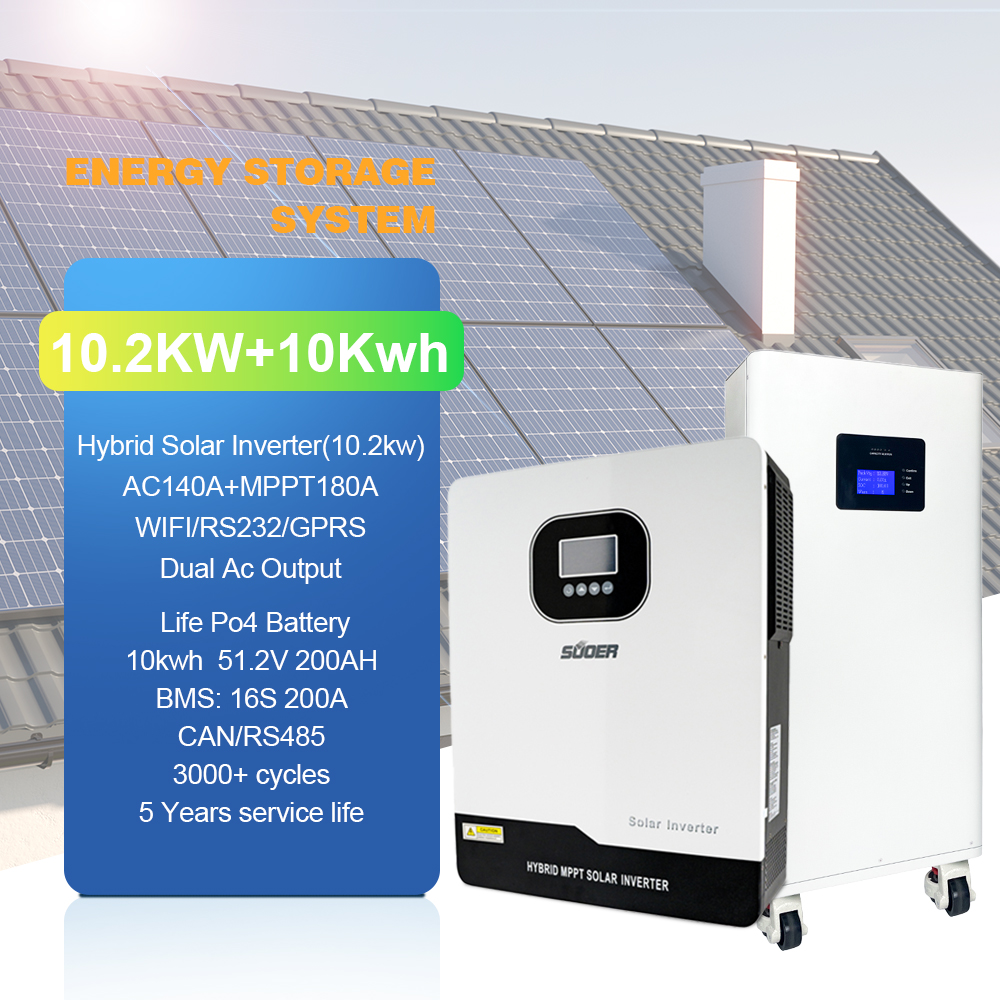
Commercial Buildings: Retailers and office buildings can adopt these systems to lower energy bills, enhance their green credentials, and improve resilience against power outages. Options like the VMS-12kw energy system sales 12kw smart hybrid solar Inverter with MPPT solar charger can be particularly beneficial in this context.
In each case, the flexibility and adaptability of on-grid hybrid solar systems make them an attractive option for businesses looking to optimize their energy usage while supporting sustainability goals.
By understanding the benefits, specifications, and applications of on-grid hybrid solar systems, B2B buyers can make informed decisions that align with their organization's energy needs and sustainability commitments.

Discover Suoer’s premium range of solar inverters and power inverters designed for reliable renewable energy solutions.Trusted by customers worldwide for exceptional performance and durability.
Suoer Industrial Zone, Ercun Road Section, Yanfeng Avenue, Shishan Town,Foshan city,Guangdong Province,China
Copyright © 2024 Foshan Suoer Electronic Industry Co., Ltd. Privacy Policy - Blog

 EN
 AR
 NL
 FR
 DE
 EL
 IT
 JA
 KO
 PT
 RU
 ES
 VI
 TH
 TR
 BG
 HR
 CS
 NO
 PL
 TL
 ID
 SR
 UK
 SQ
 HU
 MT
 AF
 MS
 IS
 HY
 AZ
 BN
 BS
 GU
 LO
 LA
 MN
 NE
 TA