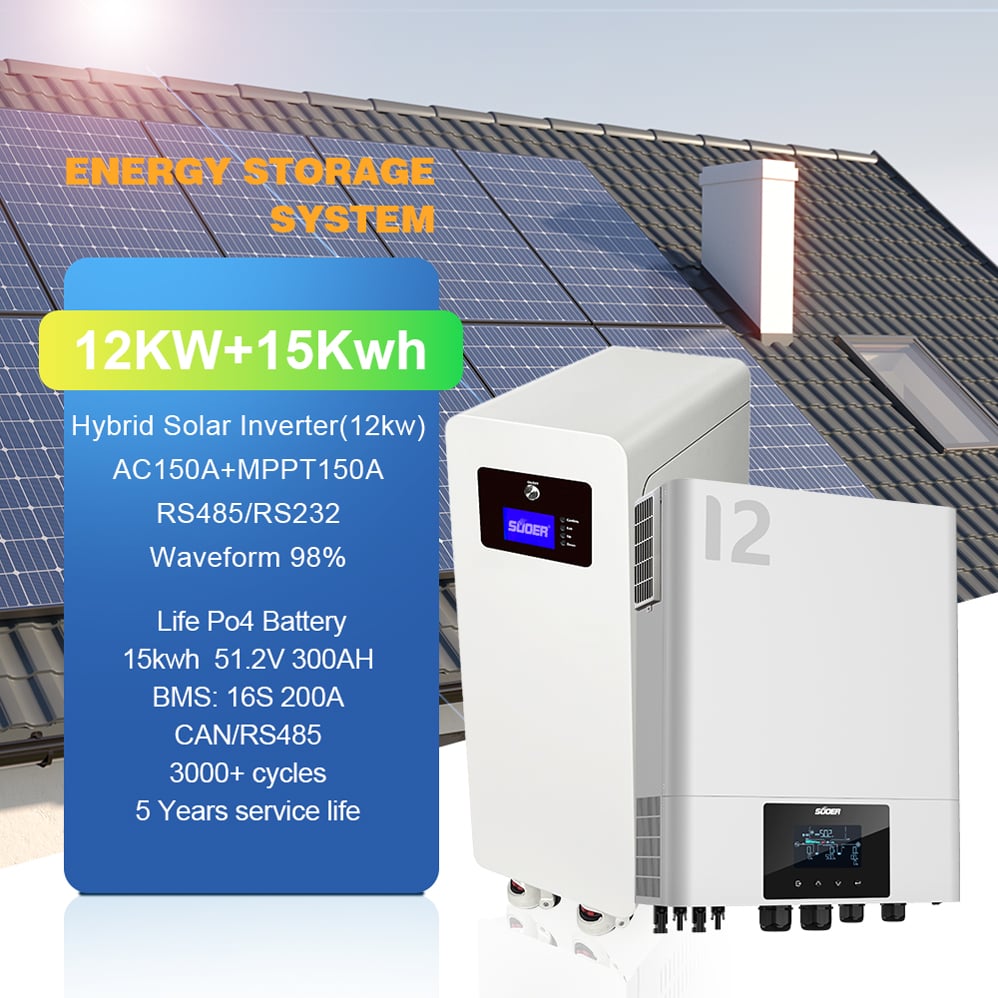
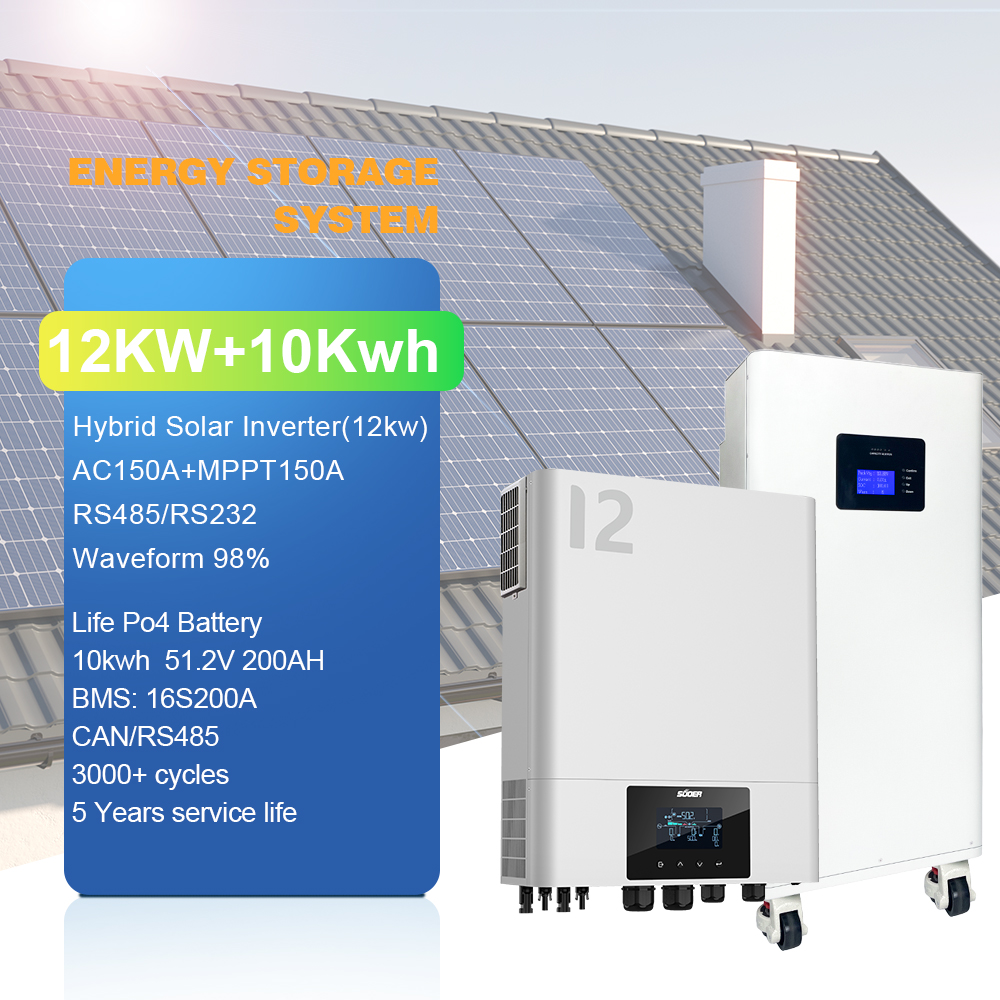
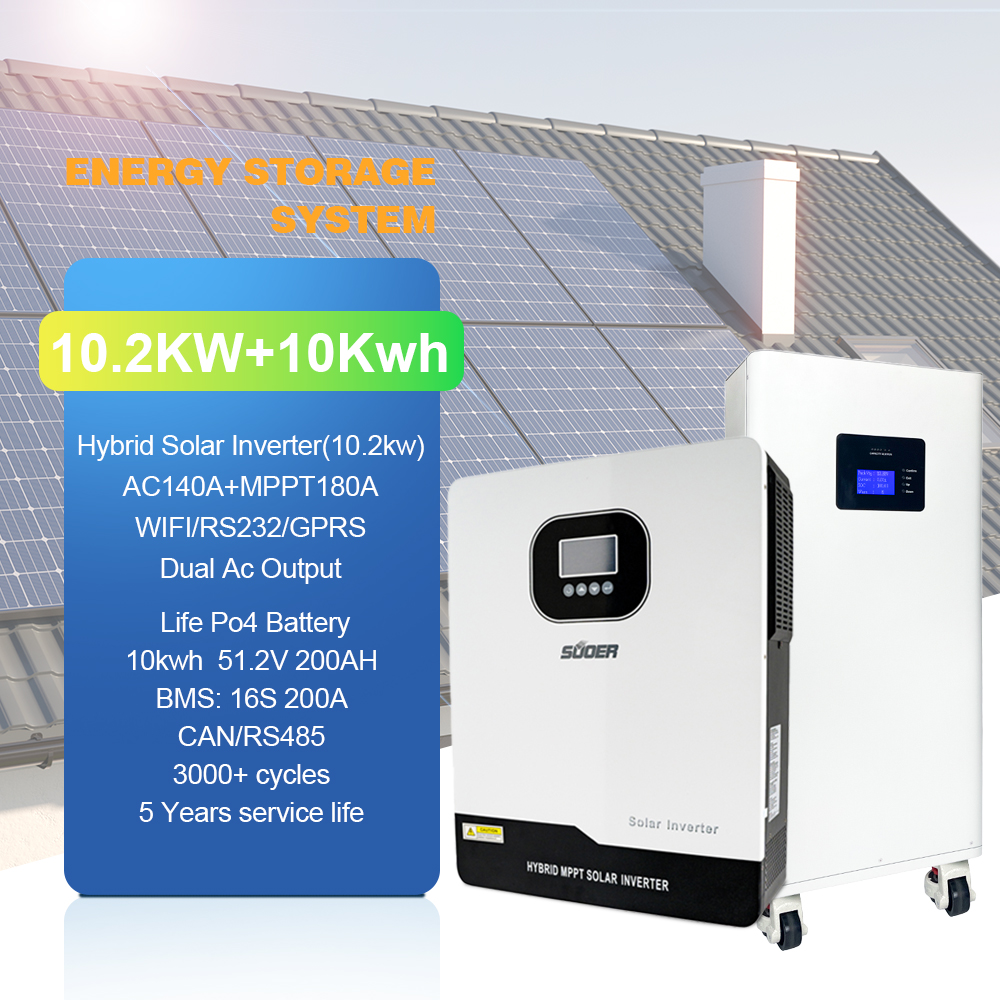
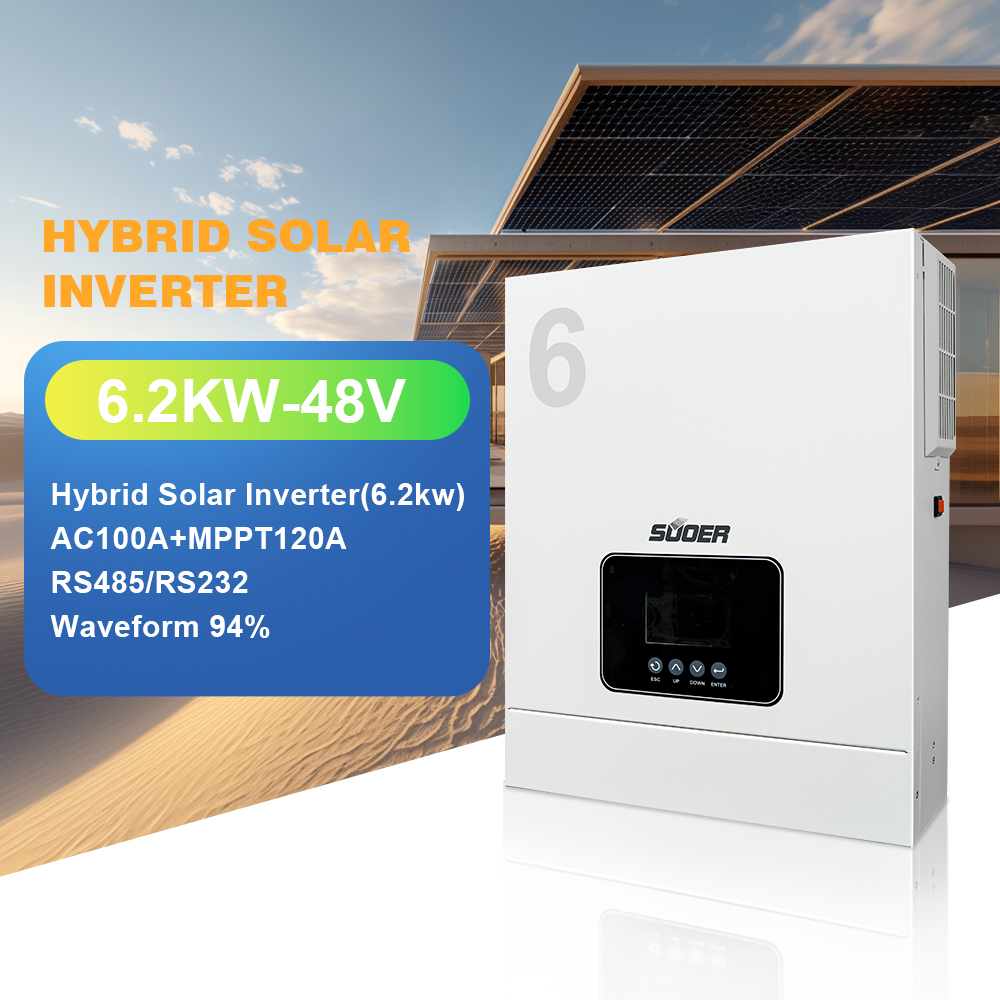
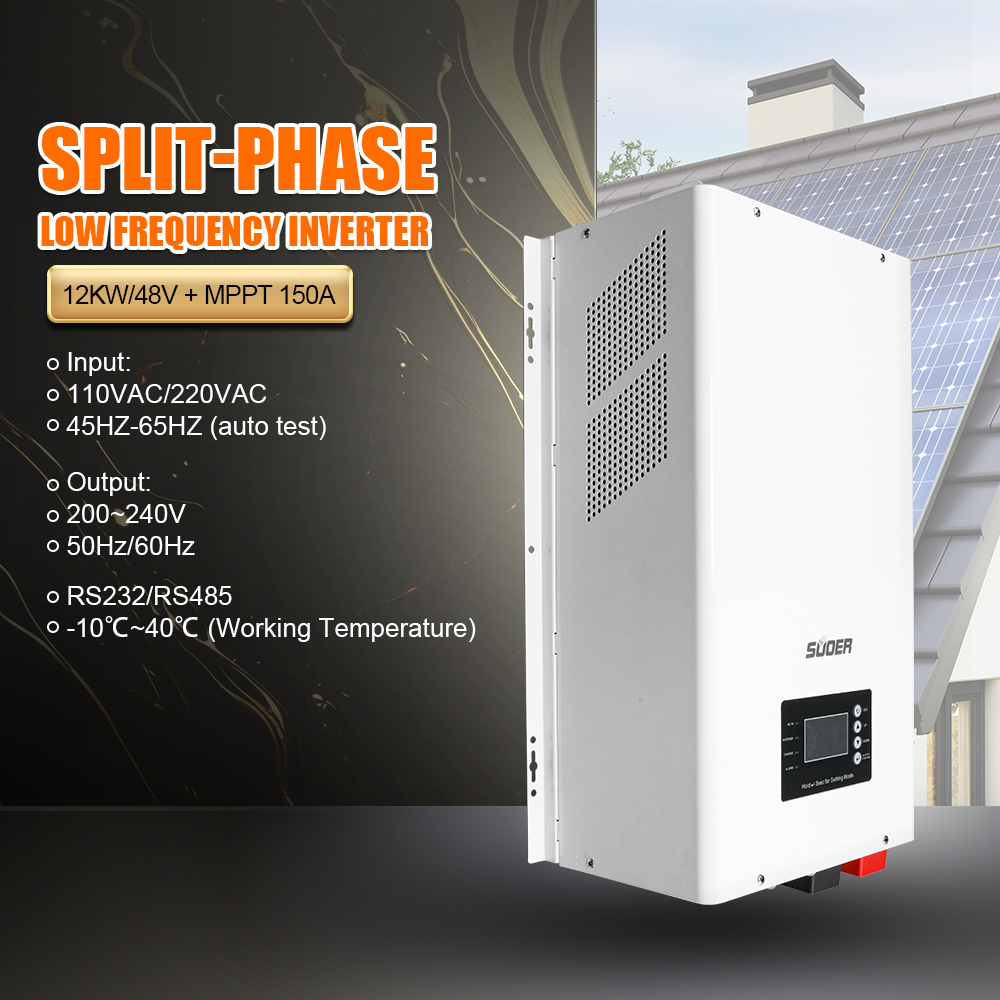
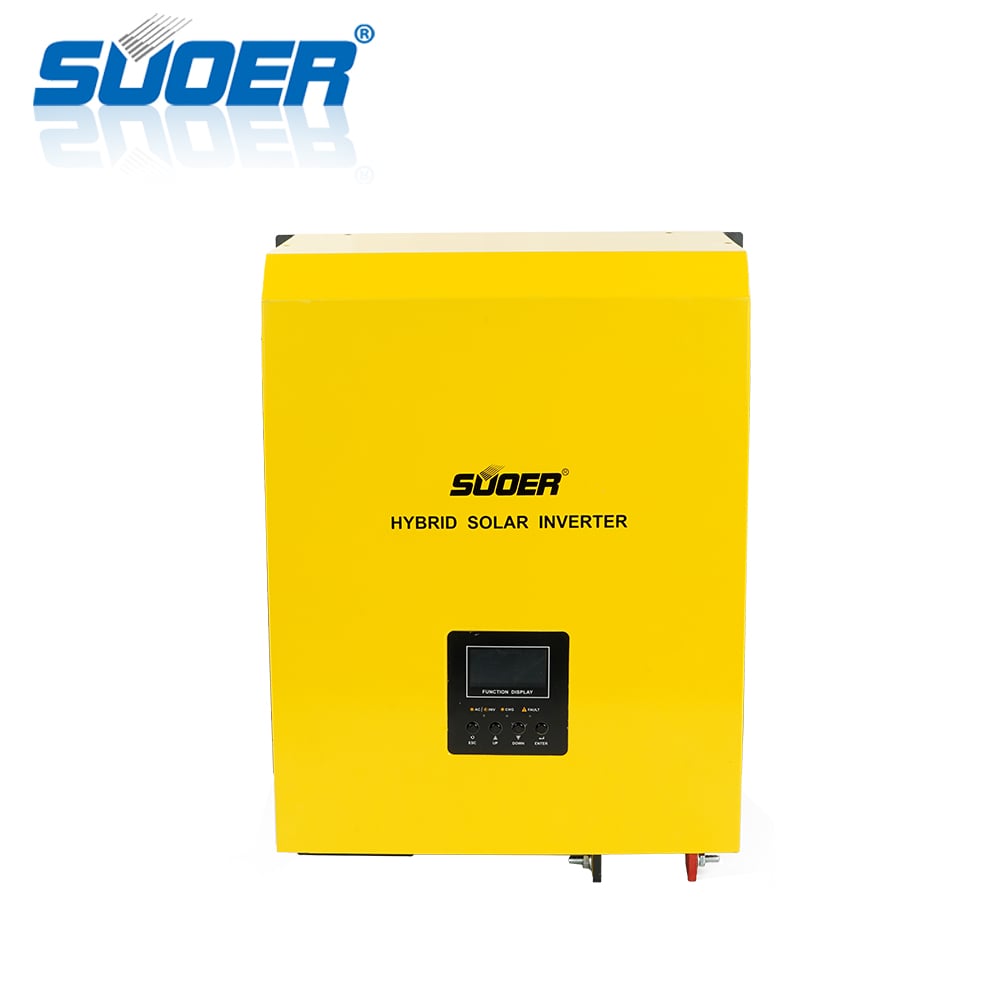
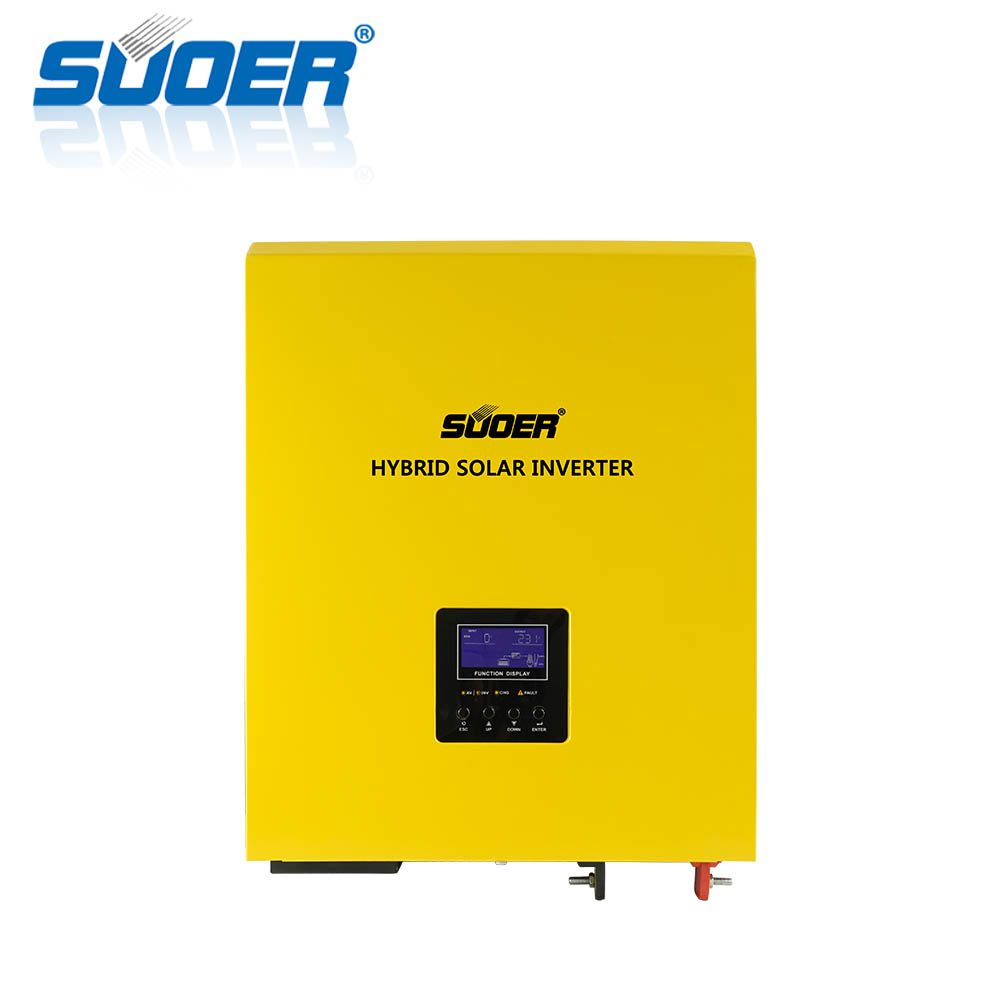
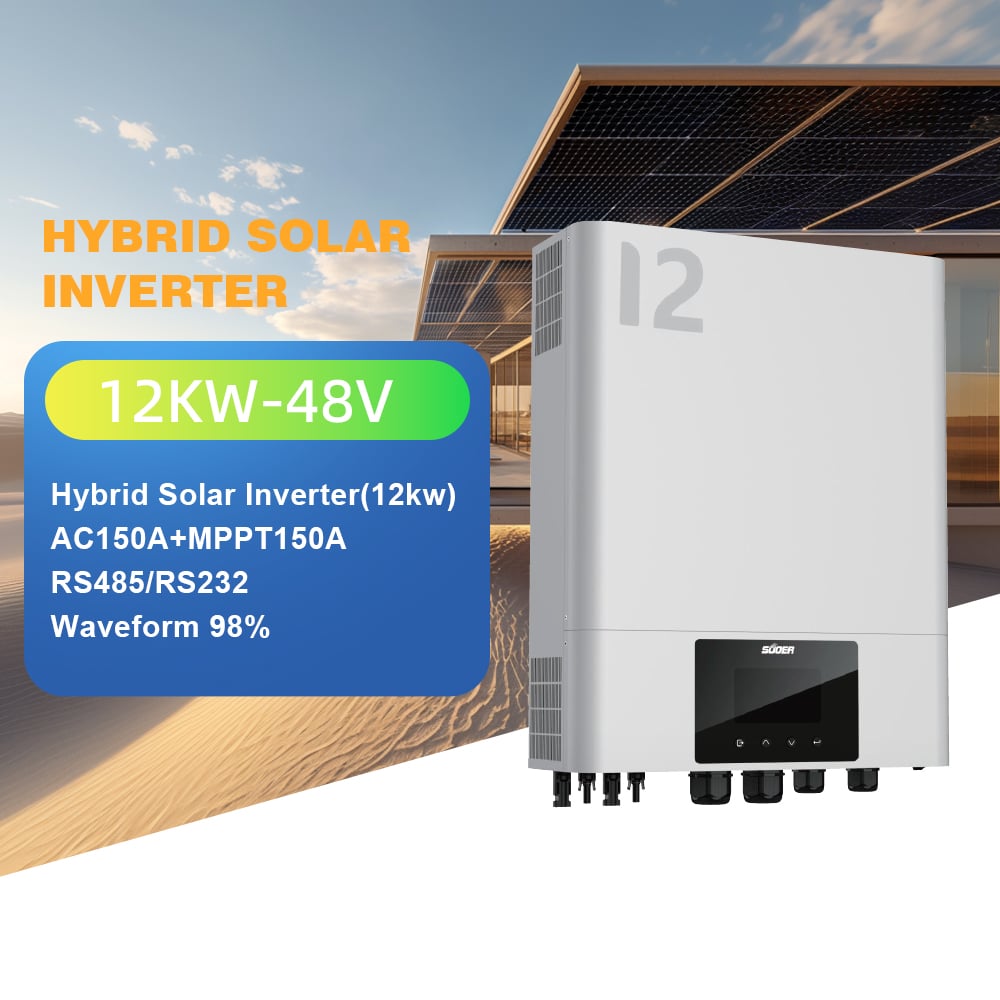
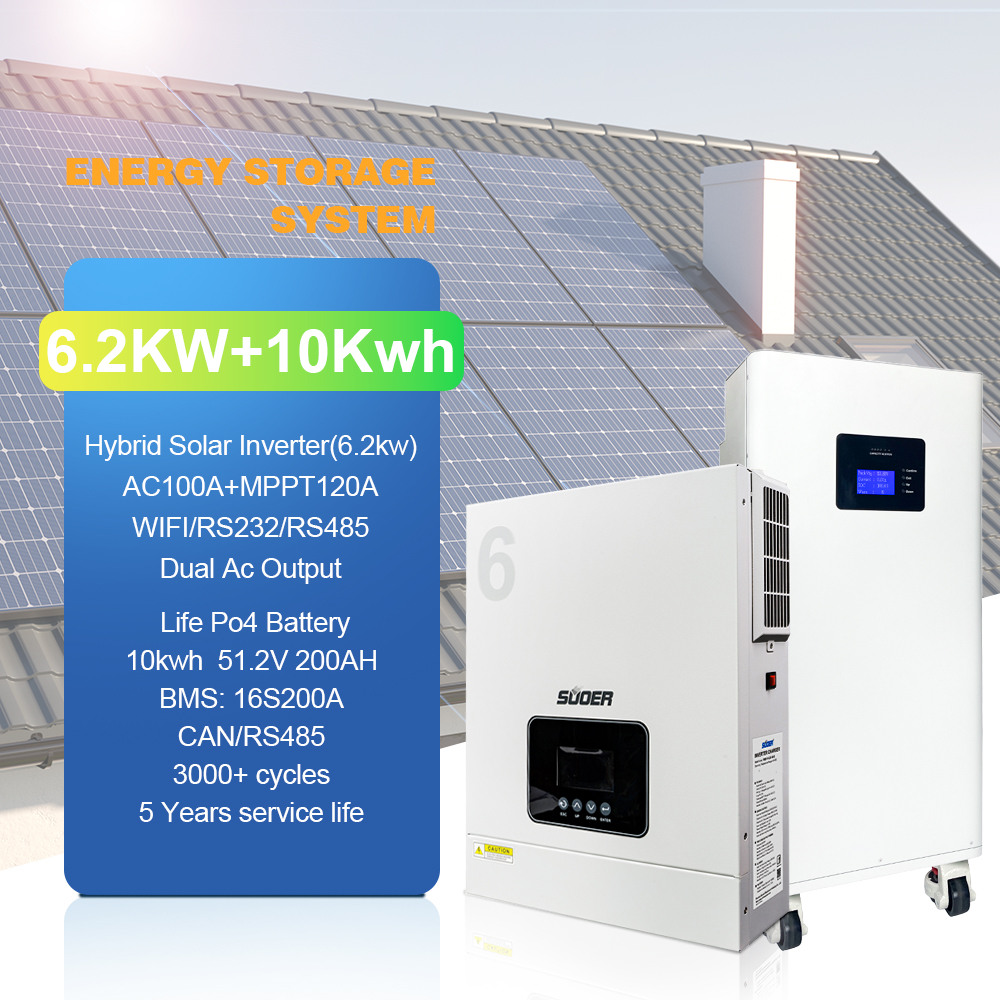
A 3 phase hybrid solar inverter is a powerful device that converts solar energy into usable electrical power in three-phase systems. These inverters are essential for large-scale applications, particularly in industrial and commercial sectors where energy efficiency and reliability are paramount. Buyers often have concerns regarding specifications, quality assurance, installation challenges, and the inverter's application suitability. This article will address these key areas to enable informed decision-making when selecting a 3 phase hybrid solar inverter.
When evaluating a 3 phase hybrid solar inverter, several specifications are crucial. Key parameters include:
Input Voltage Range: This specifies the range of voltage the inverter can accept from the solar panels. A broad range allows for flexibility in solar panel configurations and can accommodate fluctuations in solar output.
Output Power Rating: Measured in kilowatts (kW), this indicates the maximum load the inverter can handle. Ensure that the inverter's rating matches or exceeds the expected power requirements of the connected systems.
Efficiency Rating: This is a measure of how effectively the inverter converts DC power from solar panels to AC power. Look for inverters with high efficiency (typically above 95%) to maximize energy utilization.
Grid Compatibility: Inverters must comply with local grid standards, such as IEEE 1547 or UL 1741, to ensure safe and efficient operation within the power grid.
Safety Features: Important features include over-voltage protection, over-current protection, and grounding methods. These protect both the inverter and connected equipment from electrical faults. Understanding these specifications helps buyers select an inverter that meets their operational needs and regulatory requirements.
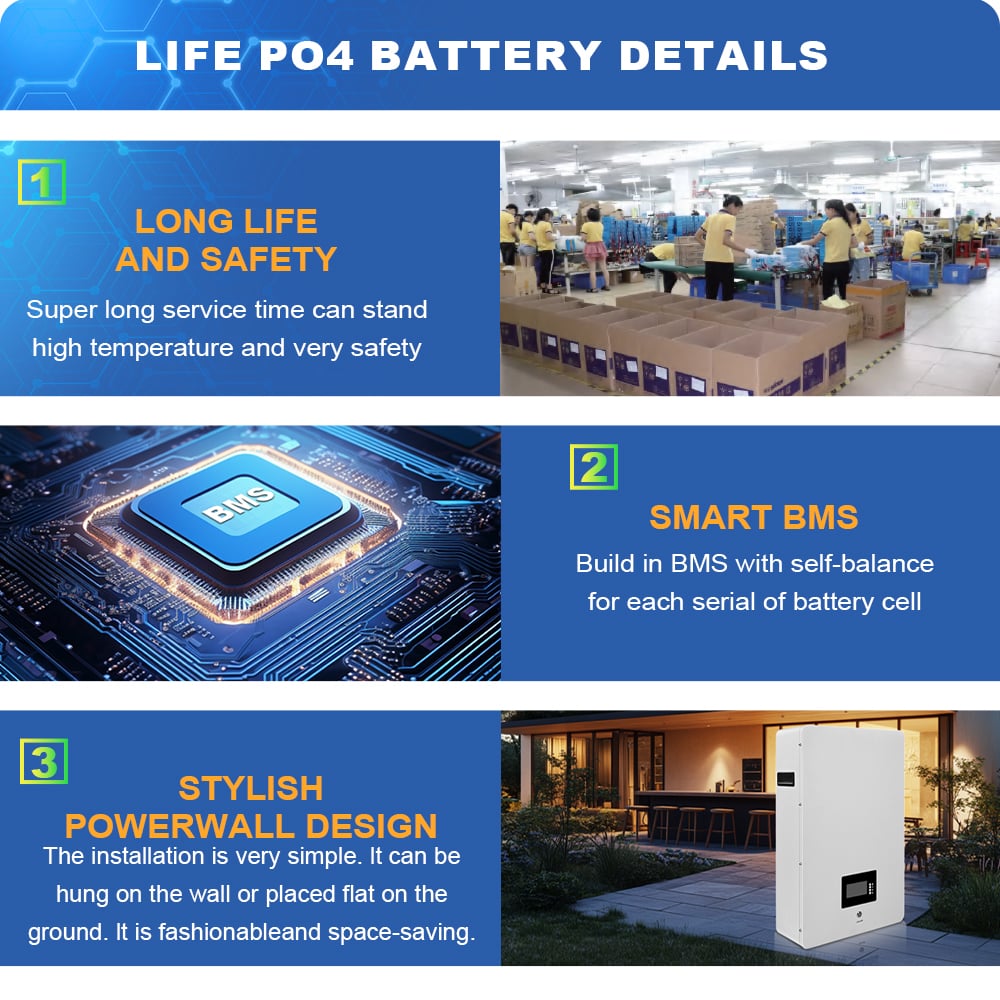
Quality control is vital in the manufacturing of 3 phase hybrid solar inverters, as it directly impacts performance and longevity. Manufacturers typically employ several measures, including:
Automated Production Processes: Automation enhances precision in assembly and reduces human error. This technology allows for consistent quality across large production runs.
Certification Compliance: Adherence to international standards such as ROHS, CE, and ISO 9001 demonstrates a commitment to quality and safety. These certifications ensure that products meet stringent guidelines for performance and environmental impact.
Testing Protocols: Rigorous testing, including thermal cycling, load testing, and stress testing, is essential to verify that inverters can withstand operational demands. This process helps identify potential issues before products reach the market.
Supplier Quality Audits: Regular audits of supply chain partners ensure that all components meet specified quality standards, further enhancing the overall reliability of the final product. By focusing on these quality control measures, manufacturers can provide reliable 3 phase hybrid solar inverters that meet the rigorous demands of industrial applications.
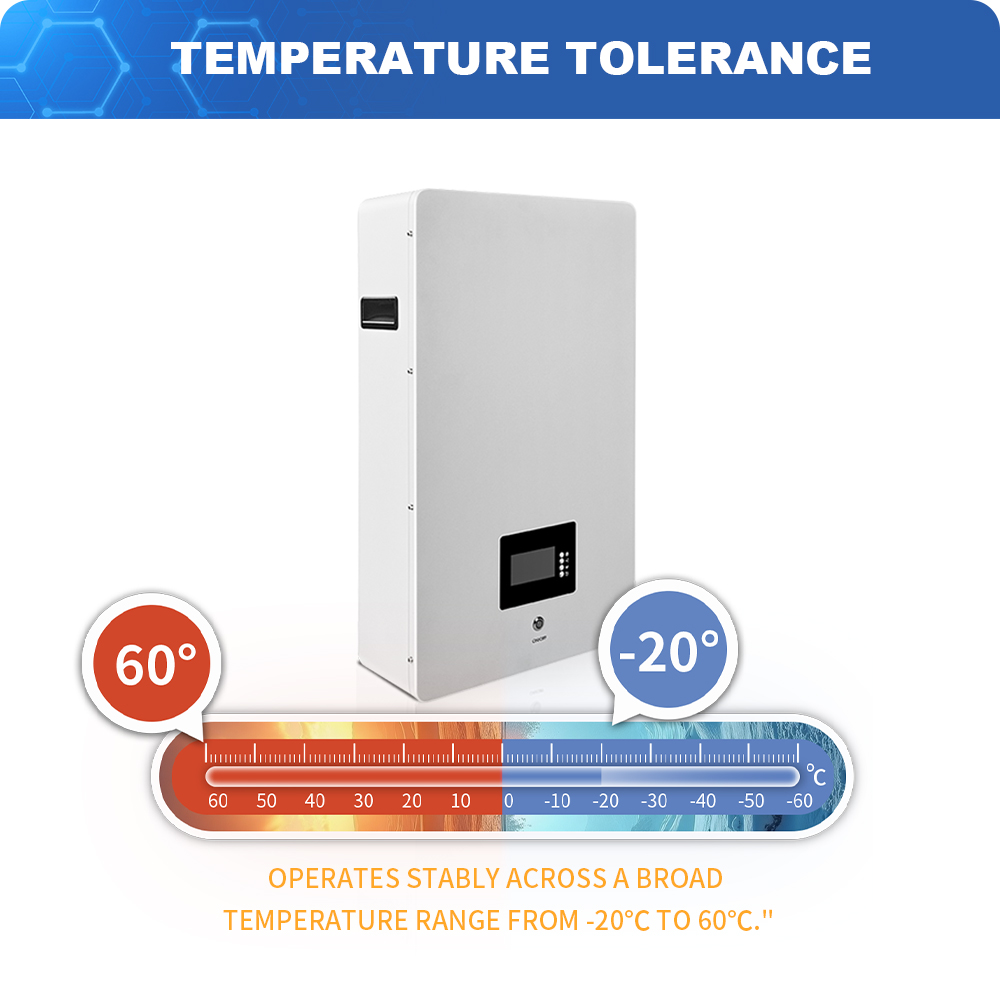
Installation of 3 phase hybrid solar inverters can present challenges that may affect performance and safety. Common problems include:
Incompatible Wiring: Ensuring that the existing electrical wiring is compatible with the inverter's specifications is crucial. Inadequate wire sizing can lead to voltage drops and overheating, impacting efficiency.
Placement and Ventilation: Inverters require adequate ventilation to avoid overheating. Improper placement in confined spaces can lead to performance degradation or system failure.
Grounding Issues: Proper grounding is essential to prevent electrical shocks and ensure safety. Misconfigured grounding can lead to equipment damage or safety hazards.
Inadequate System Configuration: Properly configuring the inverter settings to match the specific solar panel setup and load requirements is critical. Misconfigurations can result in poor system performance. To mitigate these issues, it is advisable for buyers to work with experienced installers who understand the nuances of 3 phase hybrid solar inverter systems.
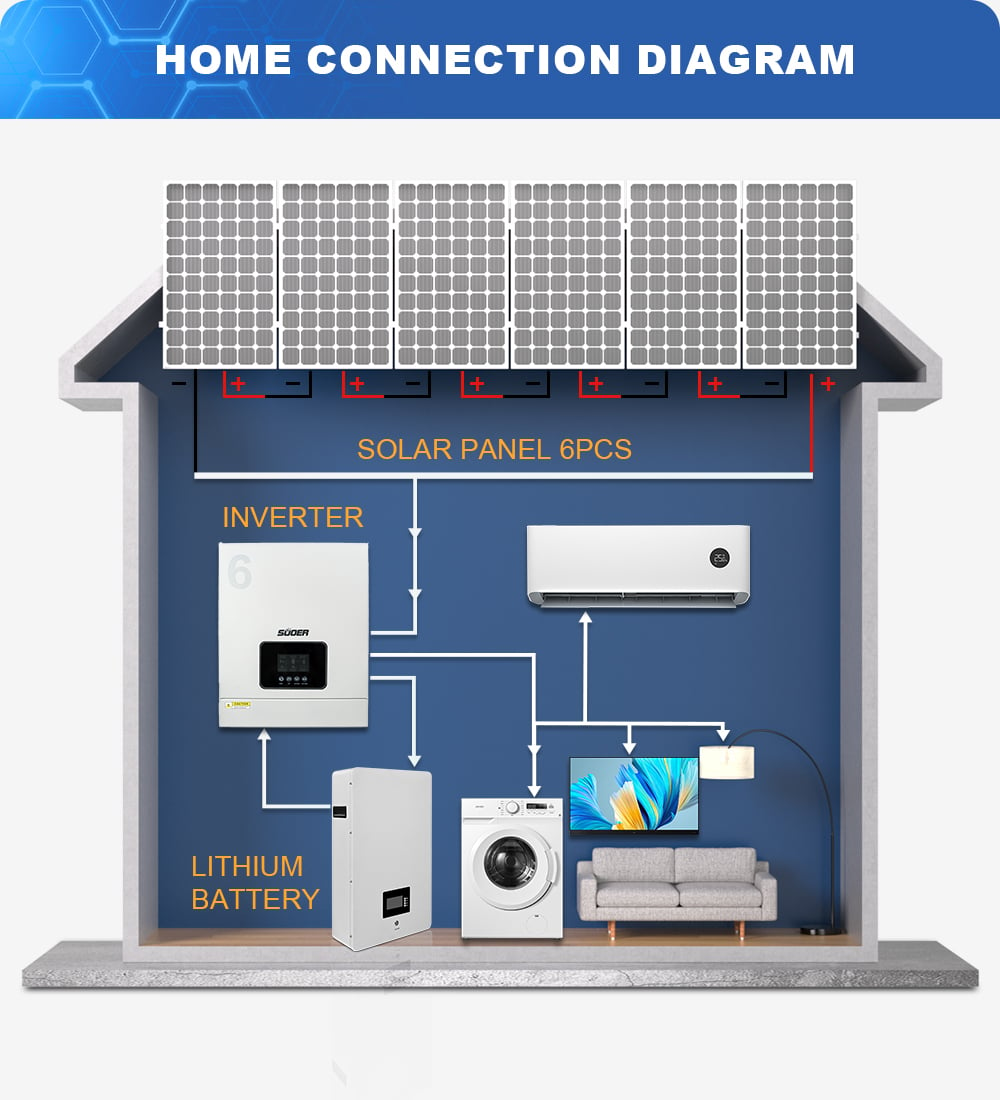
3 phase hybrid solar inverters are widely utilized in various industrial settings due to their robust performance and efficiency. Key applications include:
Manufacturing Facilities: These inverters support operations by reducing reliance on grid power, leading to significant energy cost savings. They can handle the high power demands of machinery and production lines.
Commercial Buildings: In commercial applications, these inverters facilitate energy management solutions, enabling buildings to operate sustainably while reducing electricity costs and carbon footprints. Additionally, the integration of Home Energy Storage systems can further enhance energy efficiency.
Electric Vehicle Charging Stations: As the demand for electric vehicles increases, these inverters play a critical role in charging infrastructure by providing reliable power for rapid charging systems.
Telecommunications and Rail Transit: In these sectors, consistent power supply is essential. 3 phase hybrid solar inverters ensure that critical systems remain operational even during grid outages.
By understanding how these inverters fit into specific industrial applications, buyers can better assess their suitability for their energy needs.
Investing in a 3 phase hybrid solar inverter offers various technical advantages that can enhance operational efficiency and reliability:
Scalability: These inverters can be easily scaled to meet growing energy demands. This flexibility allows businesses to expand their solar solutions without needing complete system overhauls.
Advanced Monitoring Capabilities: Many hybrid inverters come equipped with monitoring systems that provide real-time data on energy production and consumption. This information enables better management of energy resources.
Integration with Energy Storage Systems: The ability to integrate with battery storage solutions enhances energy independence and provides backup power during outages, a crucial feature for industrial operations. Solutions like the Lithium battery can be particularly effective in this context.
Adaptive Power Management: These inverters can intelligently manage power loads, optimizing energy use and reducing wastage. This feature is especially beneficial in environments with fluctuating energy demands. By highlighting these technical advantages, buyers can appreciate the long-term value of investing in high-quality 3 phase hybrid solar inverters for their operations.

Discover Suoer’s premium range of solar inverters and power inverters designed for reliable renewable energy solutions.Trusted by customers worldwide for exceptional performance and durability.
Suoer Industrial Zone, Ercun Road Section, Yanfeng Avenue, Shishan Town,Foshan city,Guangdong Province,China
Copyright © 2024 Foshan Suoer Electronic Industry Co., Ltd. Privacy Policy - Blog

 EN
 AR
 NL
 FR
 DE
 EL
 IT
 JA
 KO
 PT
 RU
 ES
 VI
 TH
 TR
 BG
 HR
 CS
 NO
 PL
 TL
 ID
 SR
 UK
 SQ
 HU
 MT
 AF
 MS
 IS
 HY
 AZ
 BN
 BS
 GU
 LO
 LA
 MN
 NE
 TA