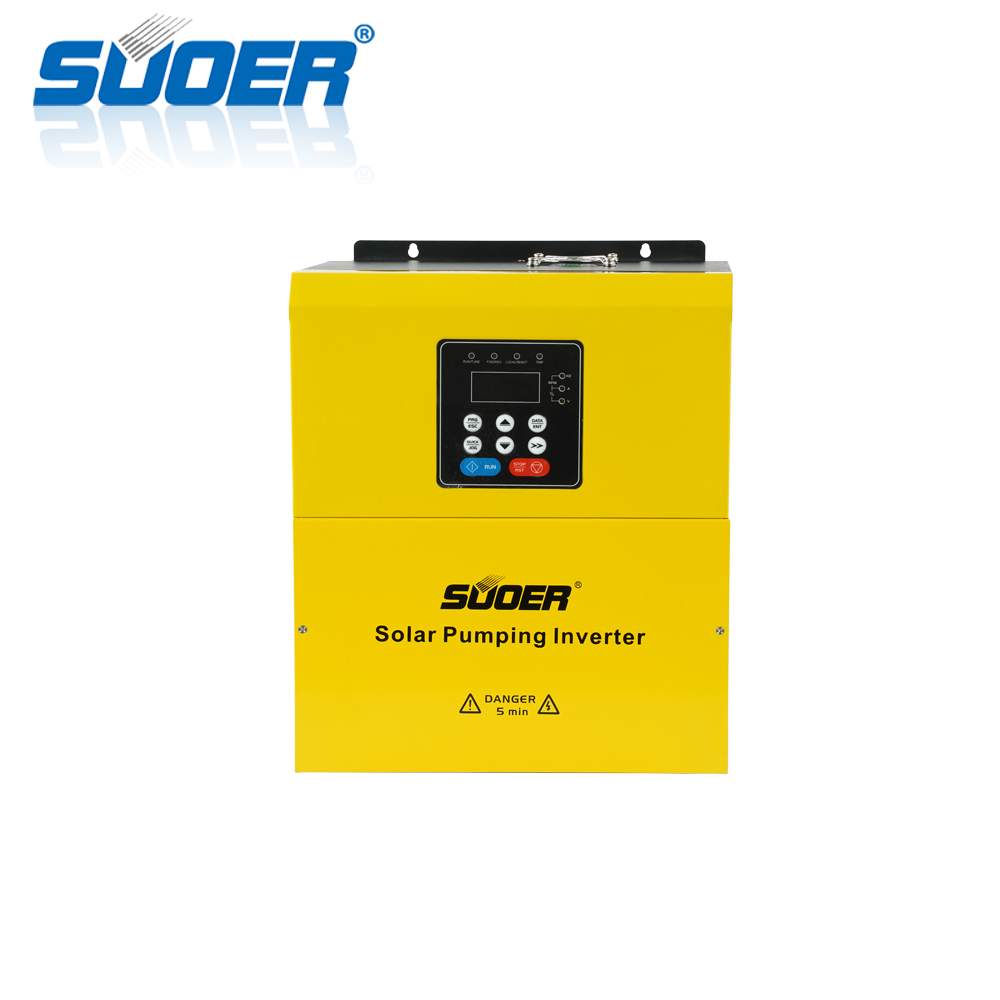
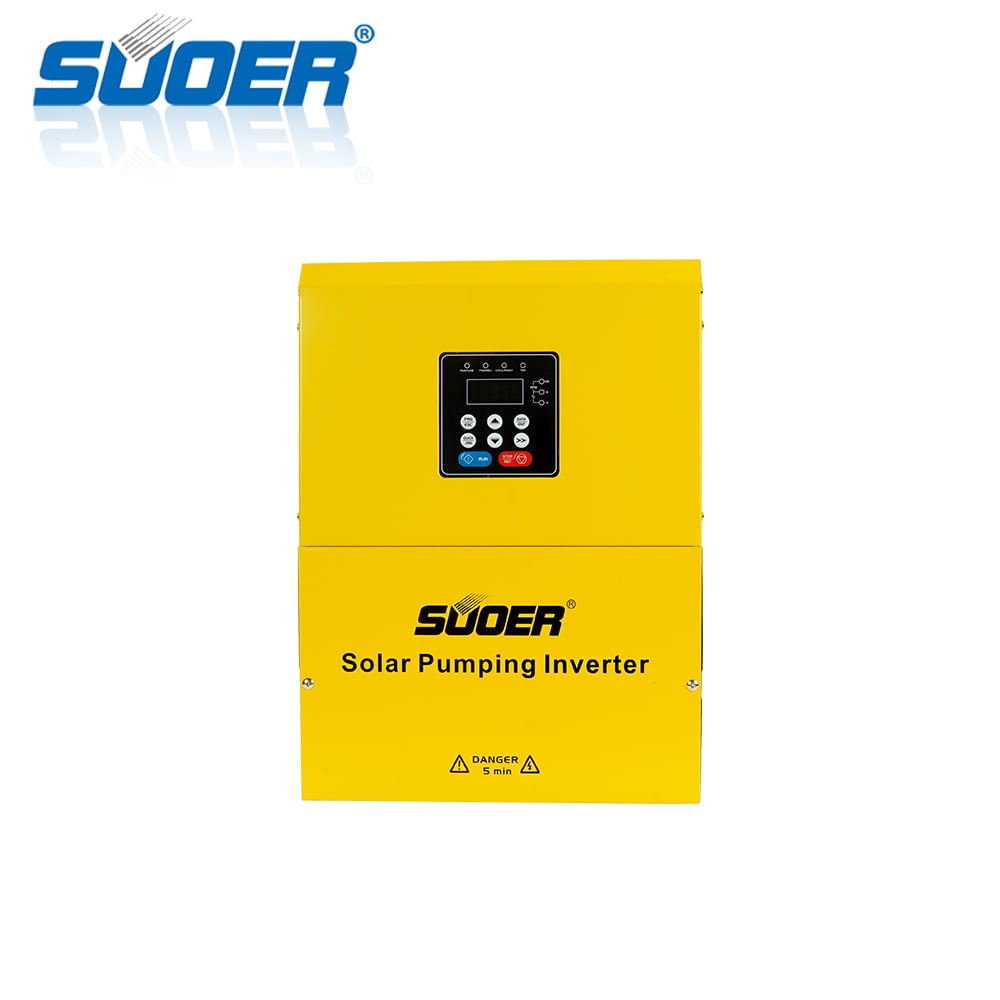
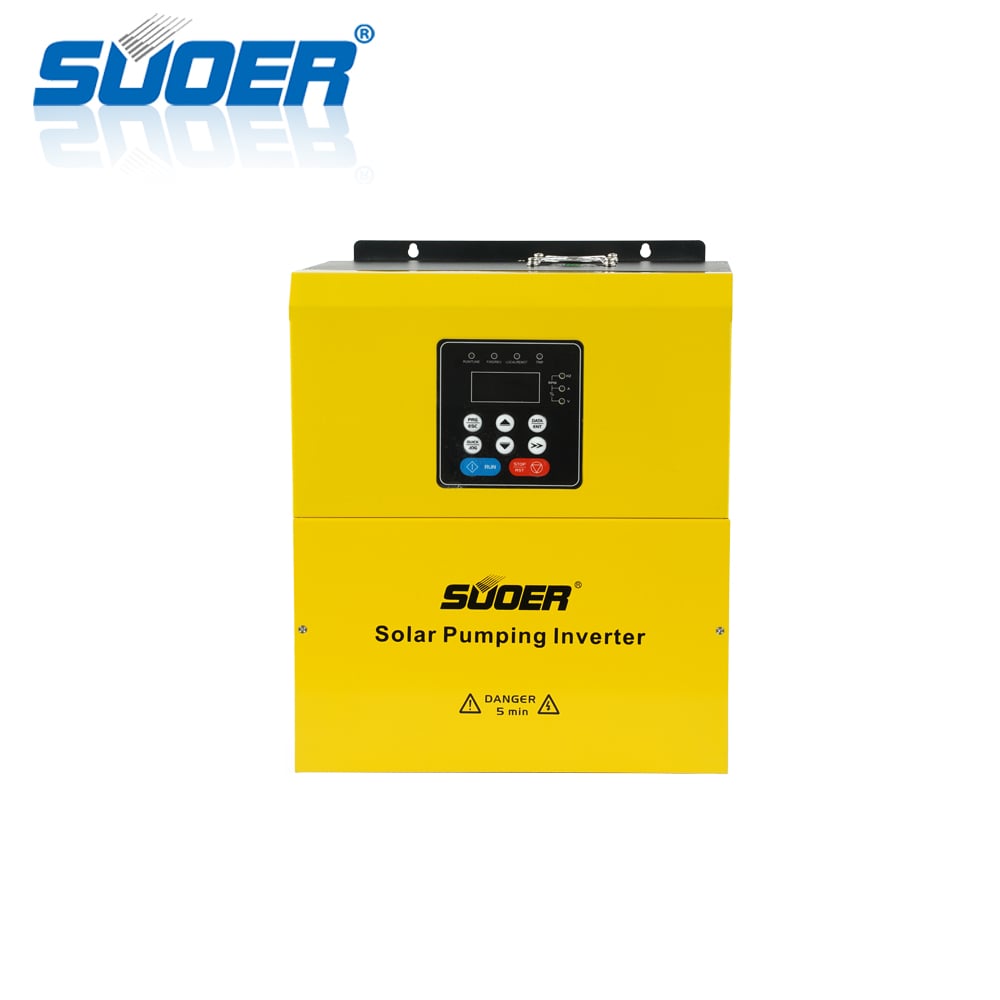
Choosing the right three phase hybrid solar inverter is crucial for optimizing energy efficiency in commercial and industrial applications. These inverters bridge the gap between solar energy generation and usage, allowing businesses to harness renewable energy effectively. B2B buyers often have concerns about performance, compatibility, reliability, and cost. This article will guide you through essential considerations when selecting a three phase hybrid solar inverter, ensuring you make informed purchasing decisions.
When selecting a three phase hybrid solar inverter, several key factors should be evaluated:
Power Rating: Determine the inverter’s capacity to handle the expected load. It’s essential to match the inverter’s power output with your system needs to avoid underperformance or overload.
Efficiency: Look for inverters with high conversion efficiency ratings. A higher efficiency means less energy loss, which is critical for maximizing the performance of your solar system.
Compatibility: Ensure the inverter is compatible with your existing solar panels and battery systems. Some inverters may only work with specific types of batteries or panels, so confirm compatibility to prevent integration issues.
Features: Assess whether the inverter has advanced features like monitoring capabilities, grid support, and battery management systems. These features can enhance the overall performance and reliability of your solar setup.
Certifications: Verify that the inverter meets necessary certifications such as ROHS, CE, and ISO9001. These certifications indicate adherence to quality and safety standards, providing peace of mind regarding product reliability.
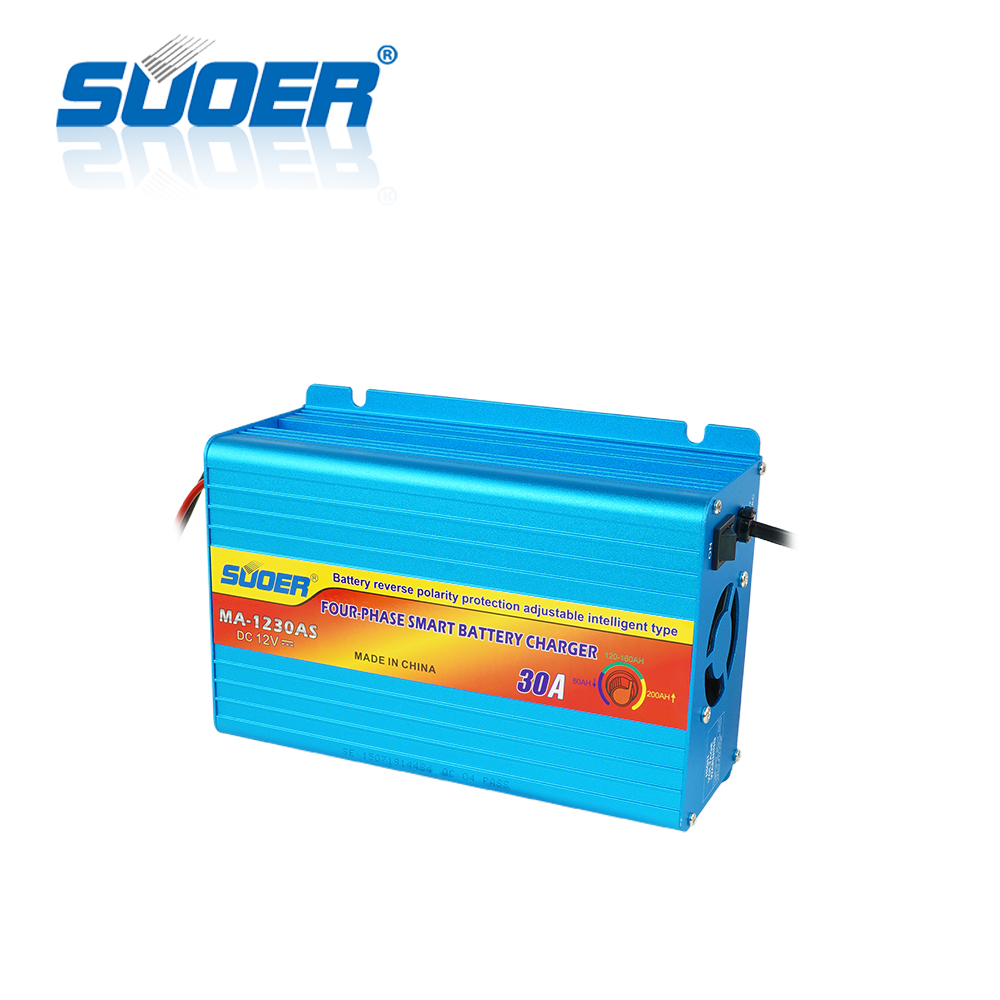
To source reliable three phase hybrid solar inverters, consider the following strategies:
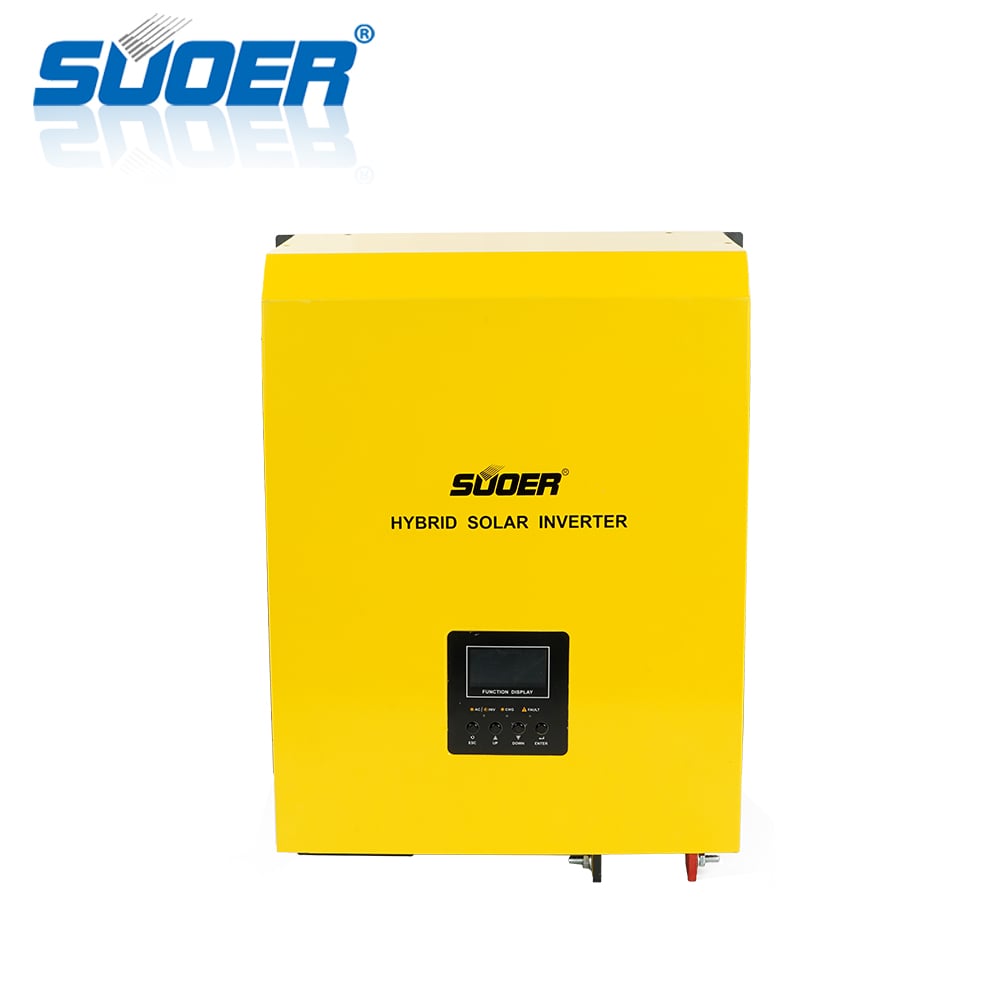
Research Reputable Manufacturers: Look for manufacturers with a strong track record in the renewable energy sector. Companies specializing in R&D and production, like ours, often have the expertise and experience needed to deliver quality products. For instance, our 12kw Hybrid Solar Inverter is a great example of this.
Request References and Case Studies: Ask potential suppliers for references from previous clients or case studies that demonstrate their products' performance in similar applications. This can provide insight into their reliability and service.
Evaluate Production Capabilities: Investigate the manufacturer’s production capabilities, including technology used, quality control processes, and customization options. Advanced automated production lines typically yield higher quality products with consistent performance.
Assess After-Sales Support: Reliable suppliers should offer robust after-sales support, including warranties, technical assistance, and repair services. This support is vital for addressing any issues that may arise post-purchase.
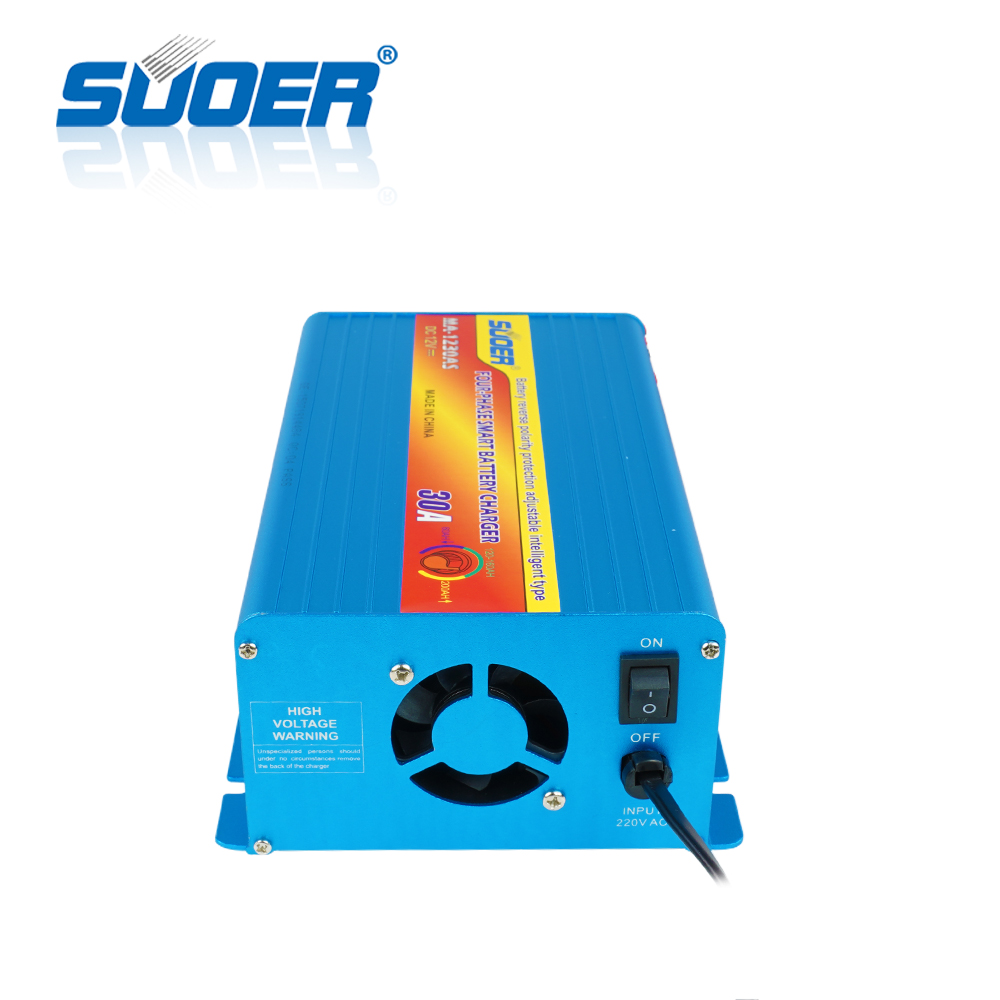
When comparing three phase hybrid solar inverters, focus on the following aspects:
Specifications: Create a comparison chart that includes key specifications such as power output, efficiency ratings, dimensions, and weight. This will help you visualize differences and identify the best fit for your application.
Performance Reviews: Look for product reviews and performance data from trusted sources. User feedback can provide insights into long-term reliability and functionality, helping you avoid potential pitfalls.
Pricing Structure: Understand the pricing model of the inverters you are considering. Compare not just the unit price but also the total cost of ownership, including installation costs, maintenance needs, and expected lifespan.
Customization Options: Some projects may require specific features or configurations. Assess whether the manufacturer can accommodate customization requests and what additional costs may be involved.
Lead Time: Take note of the manufacturer’s lead time for delivery. Ensuring that the inverter can be delivered within your project timeline is crucial for maintaining schedule integrity.
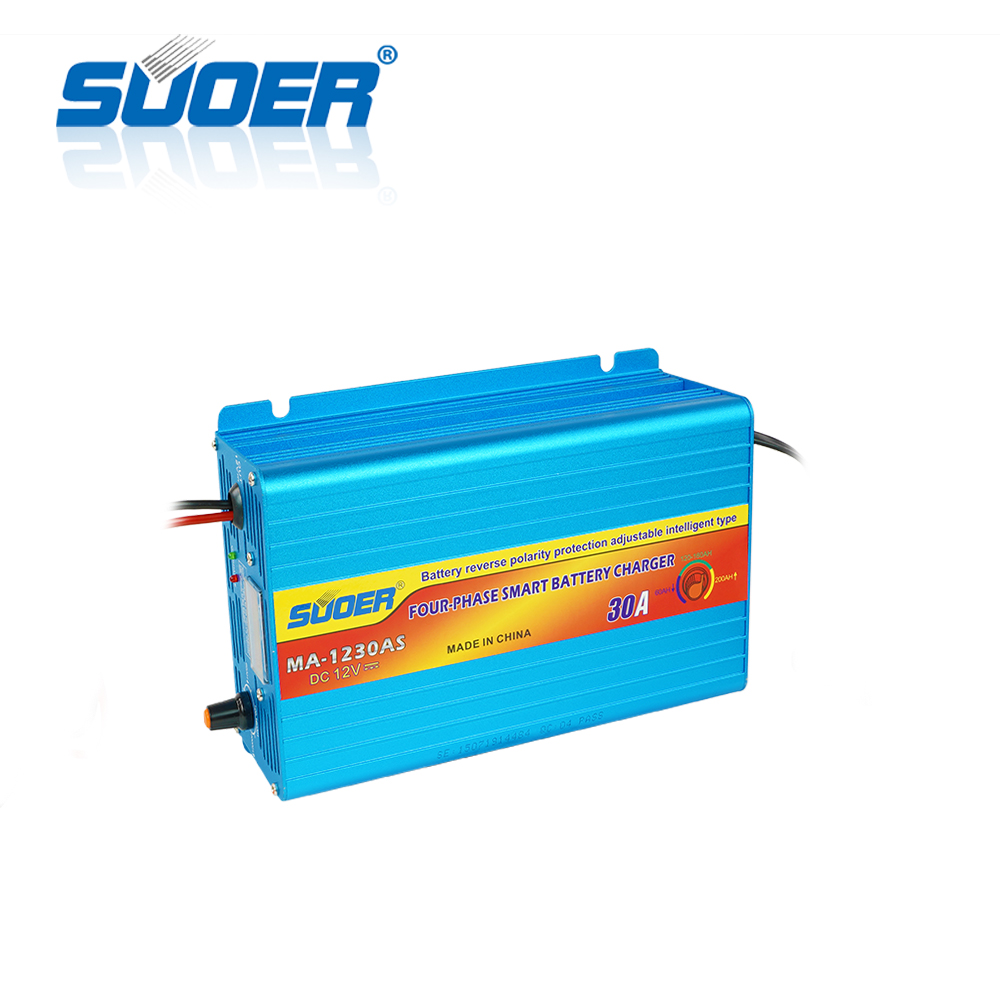
Despite their advantages, three phase hybrid solar inverters can encounter several common issues. Here are solutions to address them:
Overloading: When the inverter is overloaded, it may shut down or reduce output. Ensure the inverter's power rating aligns with your total system load. If necessary, consider a higher-capacity inverter or re-evaluate your load requirements.
Poor Efficiency: If the inverter operates at a lower efficiency than expected, check for installation issues or shading on the solar panels. Regular maintenance and monitoring can help optimize performance. Our 10.2kw Hybrid Solar Inverter is designed to maximize efficiency.
Communication Failures: Inverters equipped with monitoring systems may experience communication failures due to network issues. Ensure strong connectivity and consider backup systems for monitoring critical performance data.
Battery Compatibility Issues: If the inverter does not function well with the existing battery system, confirm compatibility specifications before purchase. Consult the manufacturer for recommended battery options that work seamlessly with their inverters.
When placing bulk orders for three phase hybrid solar inverters, several cost factors must be evaluated:
Unit Pricing: Generally, larger orders result in lower unit pricing due to economies of scale. Discuss bulk pricing options with your supplier to secure the best possible rates.
Shipping Costs: Factor in shipping costs, which can vary significantly based on the order size and destination. It may be beneficial to negotiate shipping terms with your supplier.
Customization Fees: If you require customized features or specifications, inquire about any additional costs associated with these changes. Customization can impact both unit price and lead time.
Payment Terms: Understand the payment structure for bulk orders, including any deposit requirements and payment timelines. This can significantly impact cash flow and budgeting for the project.
Warranty and Maintenance Costs: Consider the warranty terms and potential future maintenance costs. A longer warranty may add to upfront costs but can save money in the long run if issues arise.
By understanding these critical aspects, B2B buyers can make informed decisions when selecting and sourcing three phase hybrid solar inverters, ensuring optimal performance and reliability for their projects.

Discover Suoer’s premium range of solar inverters and power inverters designed for reliable renewable energy solutions.Trusted by customers worldwide for exceptional performance and durability.
Suoer Industrial Zone, Ercun Road Section, Yanfeng Avenue, Shishan Town,Foshan city,Guangdong Province,China
Copyright © 2024 Foshan Suoer Electronic Industry Co., Ltd. Privacy Policy - Blog

 EN
 AR
 NL
 FR
 DE
 EL
 IT
 JA
 KO
 PT
 RU
 ES
 VI
 TH
 TR
 BG
 HR
 CS
 NO
 PL
 TL
 ID
 SR
 UK
 SQ
 HU
 MT
 AF
 MS
 IS
 HY
 AZ
 BN
 BS
 GU
 LO
 LA
 MN
 NE
 TA